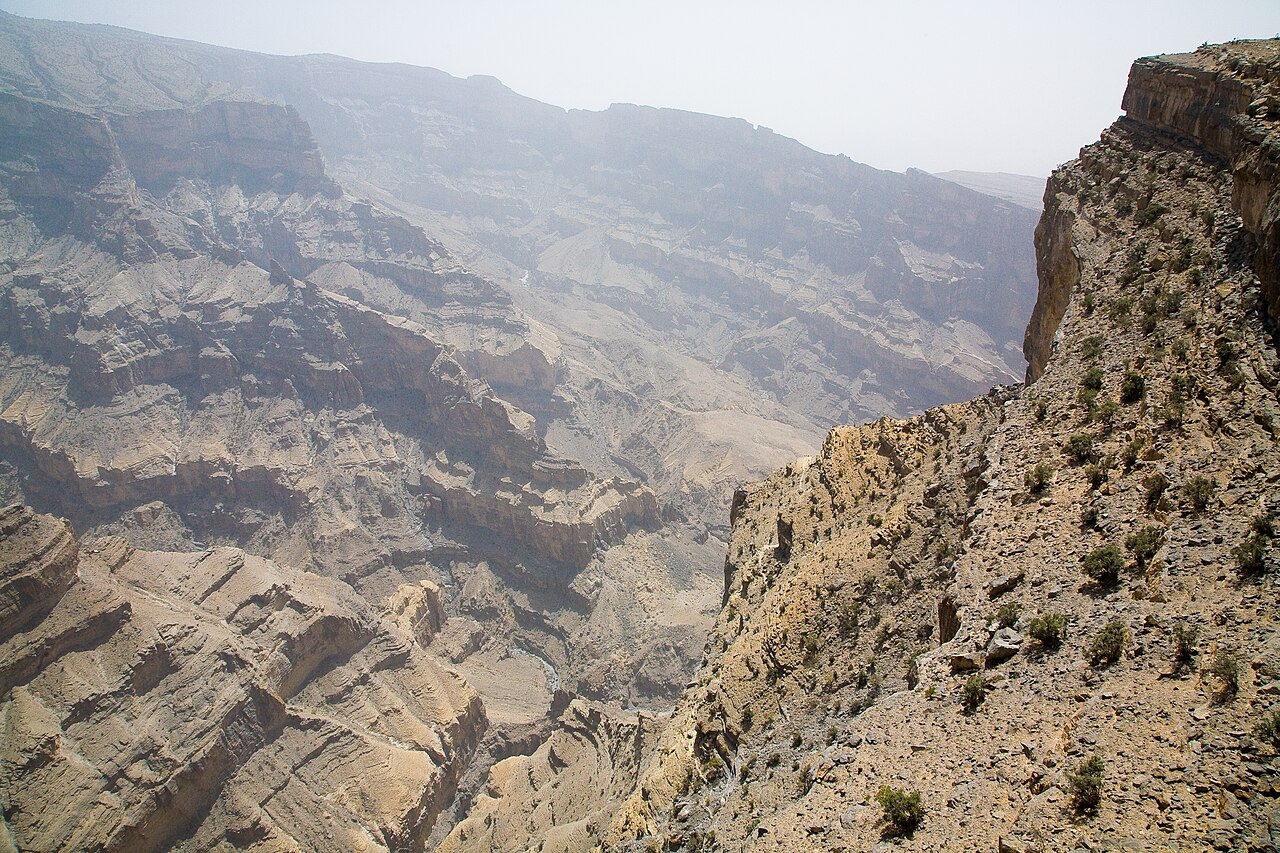
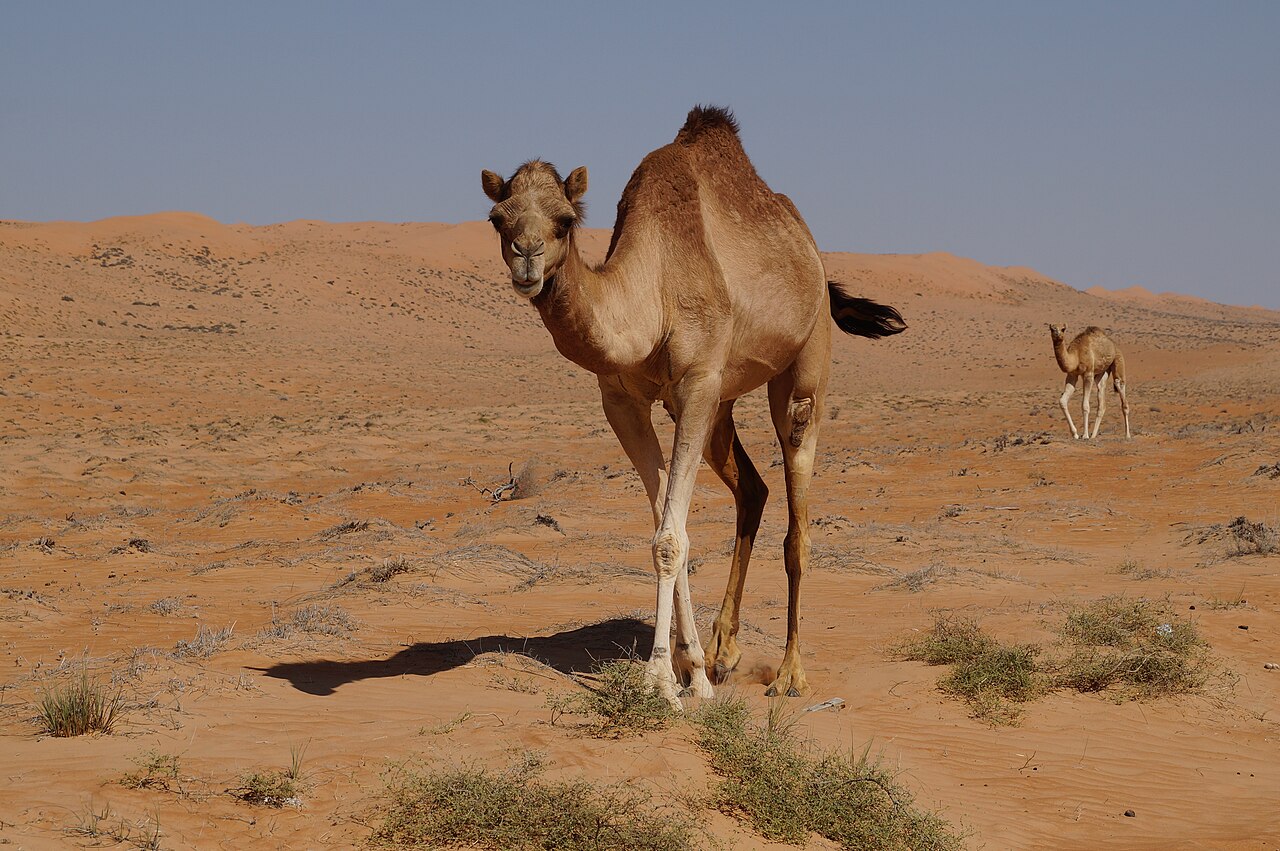
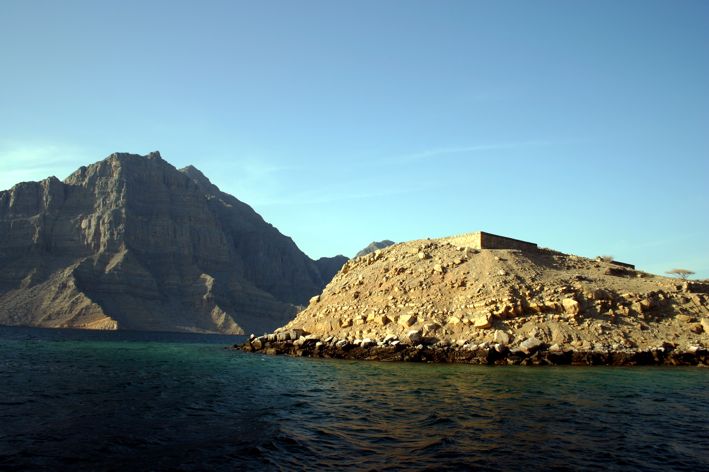
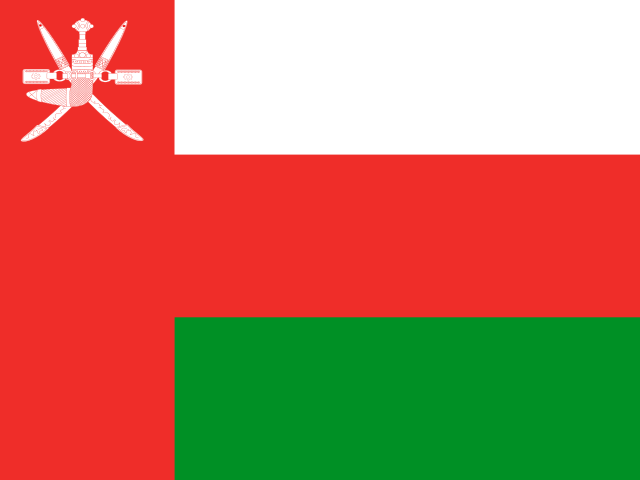
Oman lies in the southeast corner of the Arabian Peninsula, with a long coastline on the Gulf of Oman and the Arabian Sea. The rugged Hajar Mountains run across the north, a wide gravel desert and the sand dunes of the Sharqiya fill the middle, and in the far south the Dhofar hills turn green each summer under the monsoon mist. Oman also has two pieces of land cut off from the rest of the country: the Musandam Peninsula on the Strait of Hormuz and the tiny Madha, both surrounded on land by the United Arab Emirates.
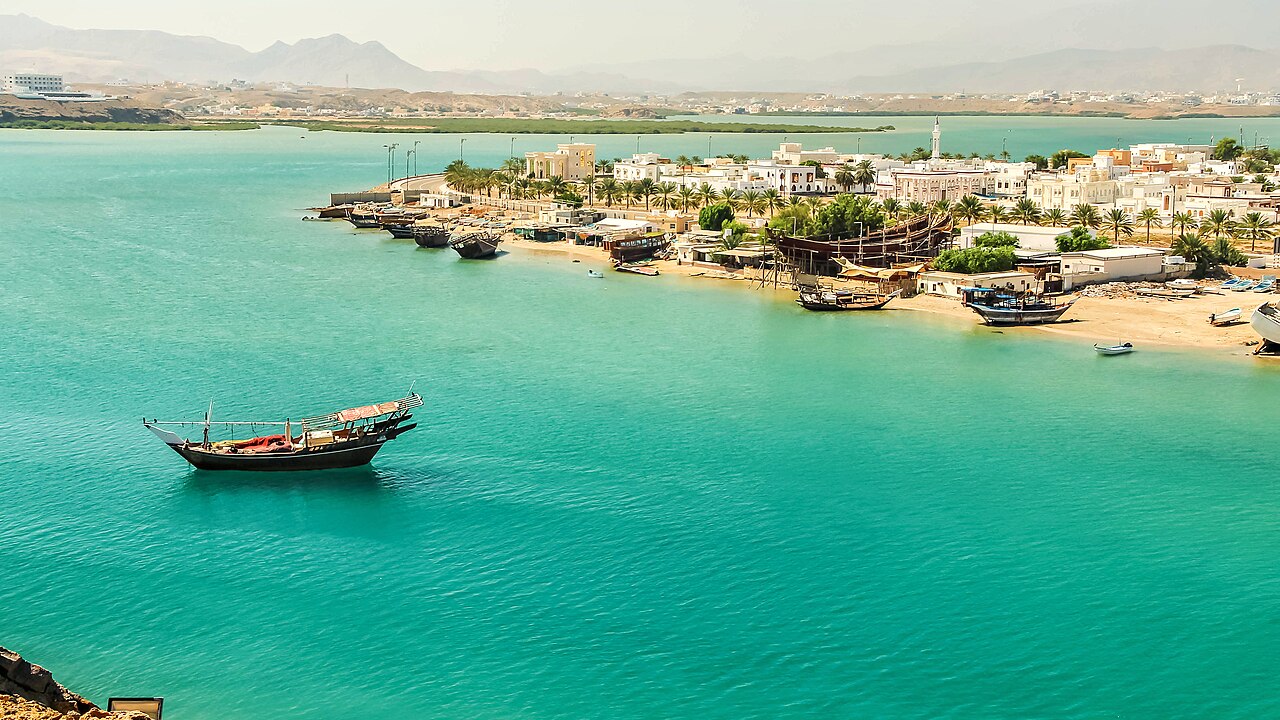
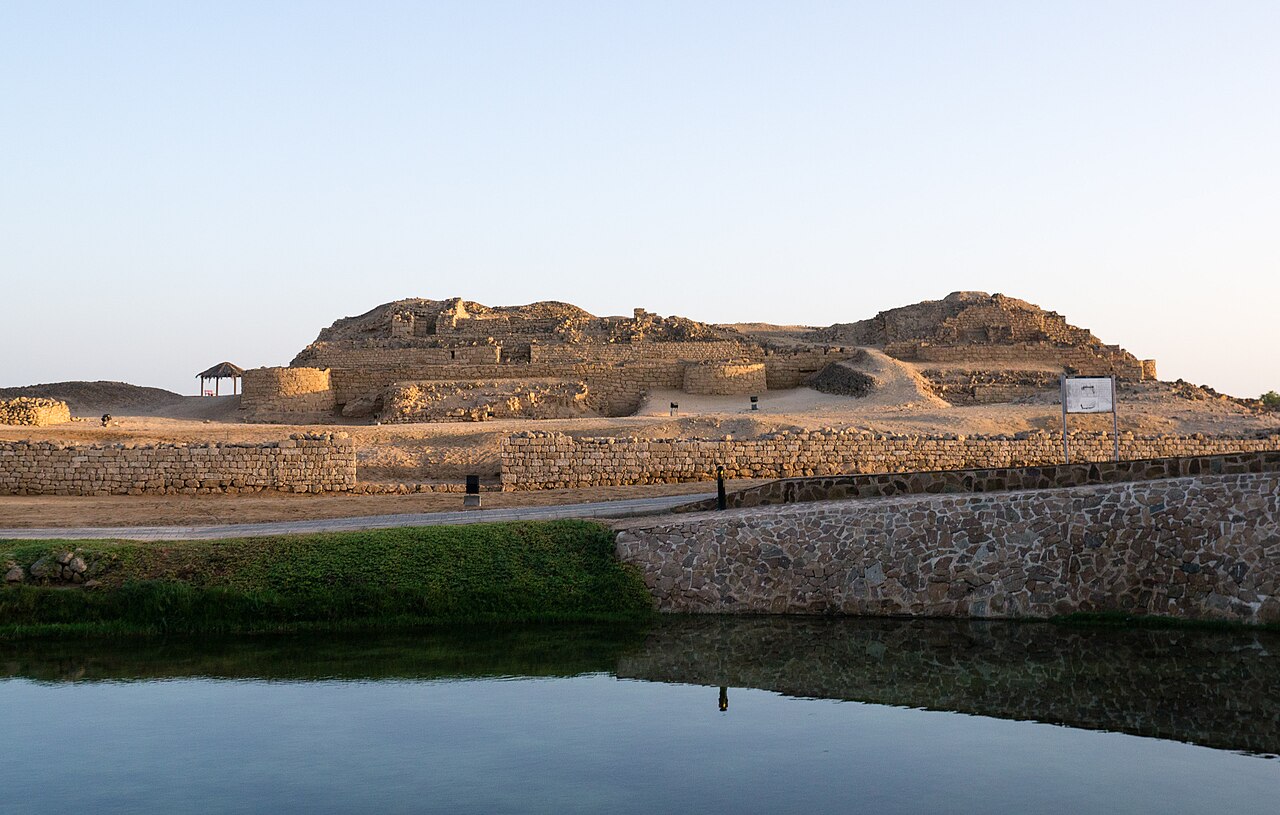
For thousands of years Omanis lived from the sea, from copper and from frankincense. Sumerian texts call the land Magan, a source of copper. Omani sailors traded as far as India, China and East Africa, and in the 17th century Oman drove out the Portuguese and built an empire that reached Zanzibar and Mombasa. The Al Bu Said family, which still rules, came to power in 1744. From 1970 oil money paid for roads, schools and hospitals in a country that had very few before.
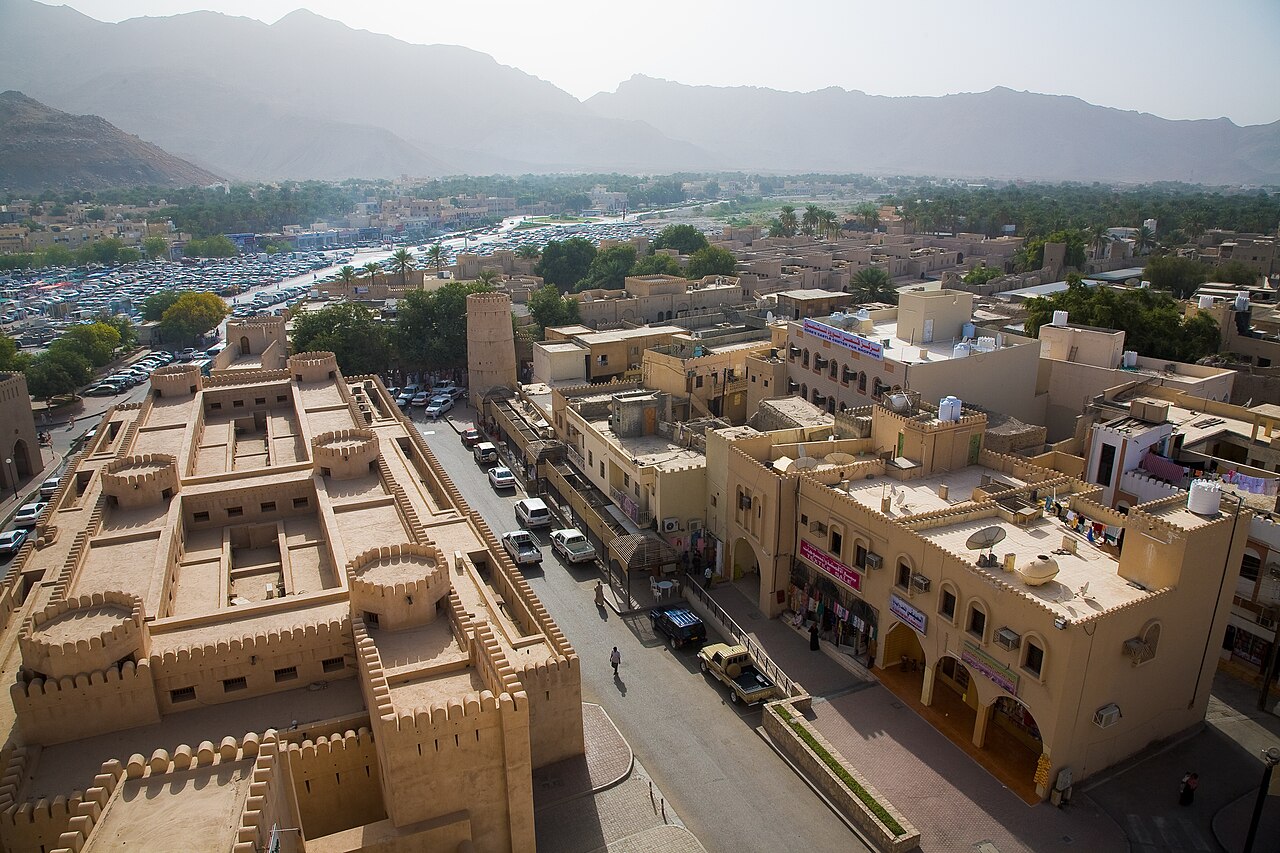
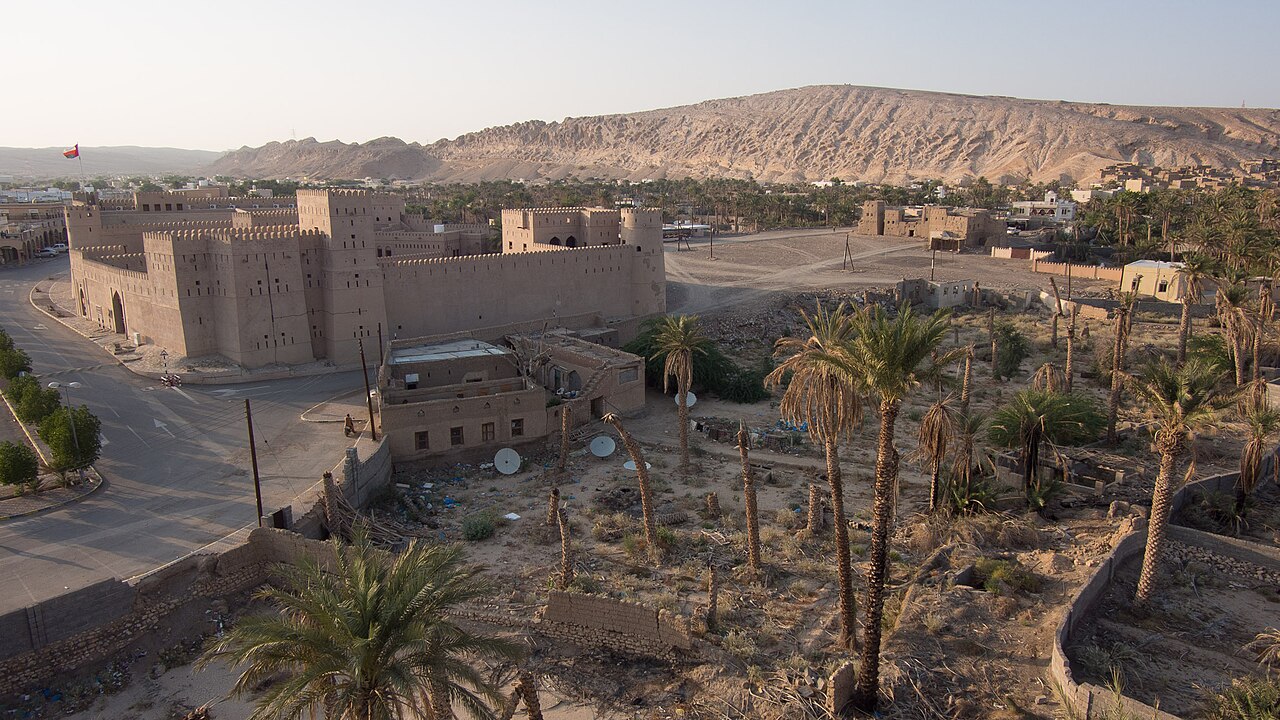
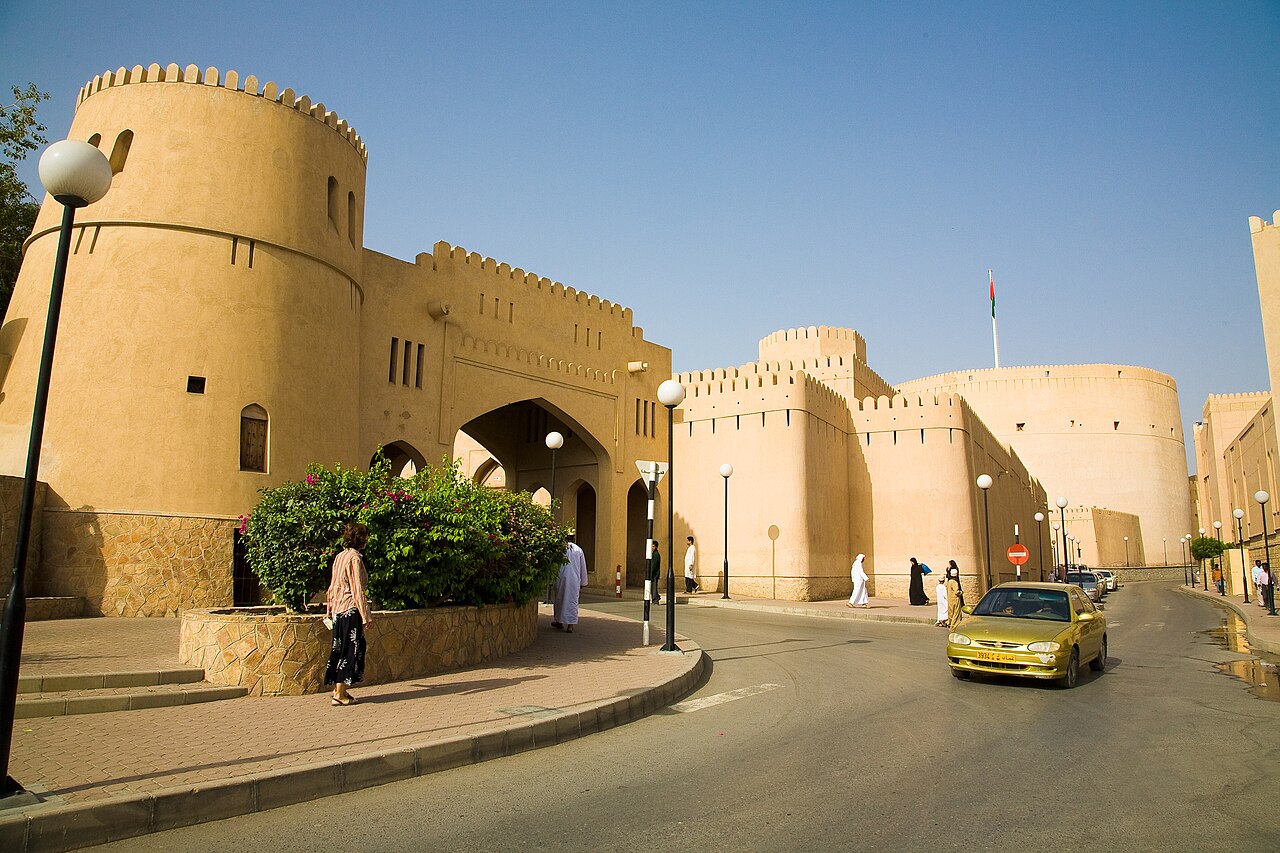
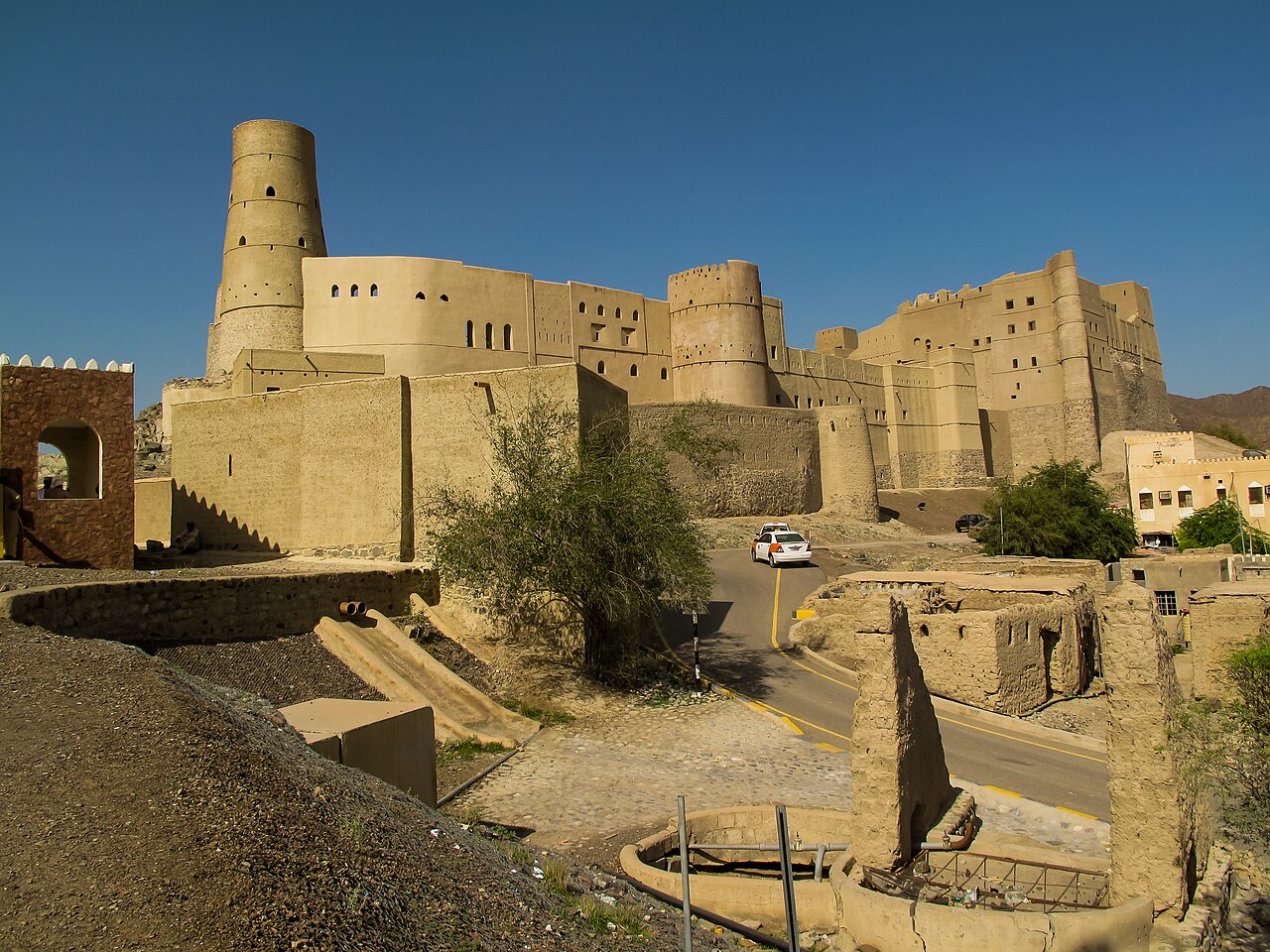
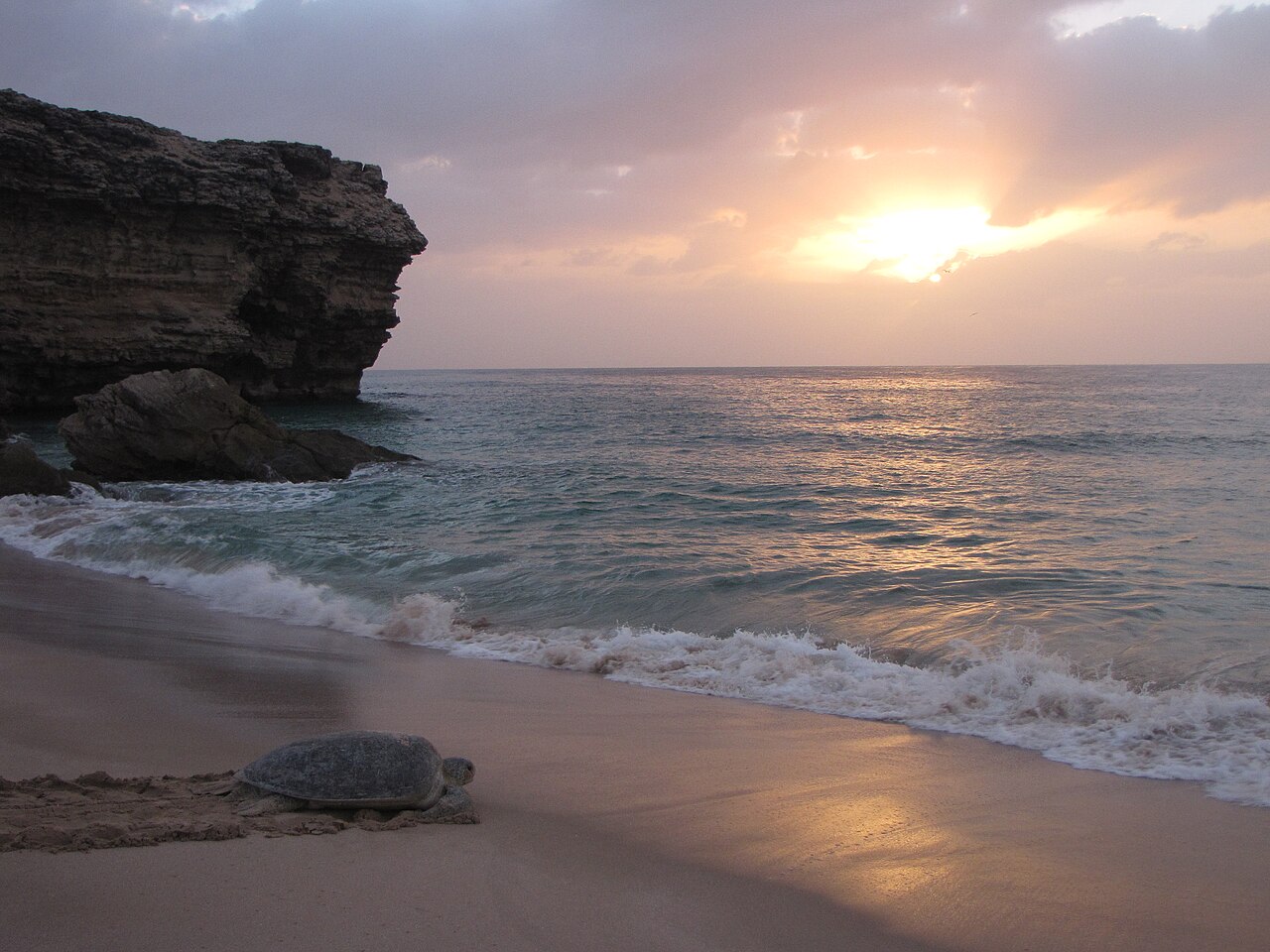
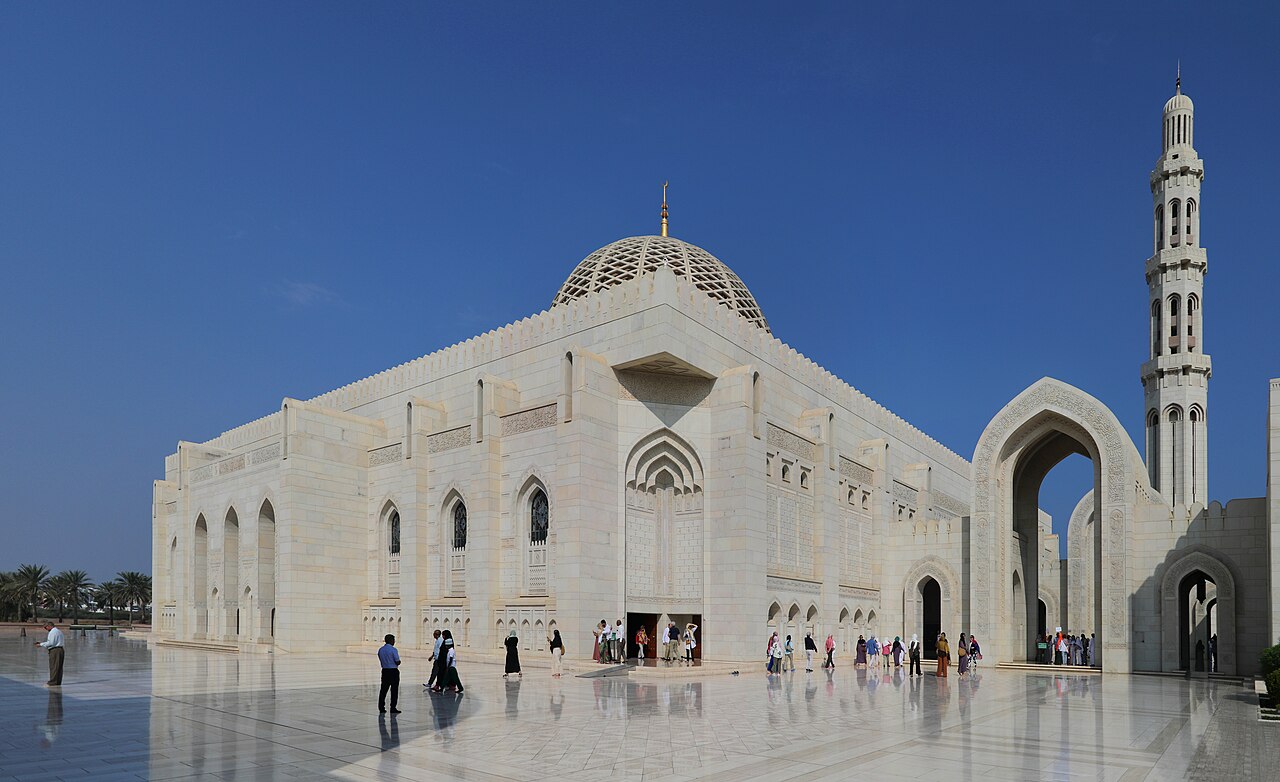
As of 2026 about 5.4 million people live in Oman, and a little over half of them are Omani citizens; most of the rest are workers from South Asia and other countries. Almost all Omanis are Muslims. Oman is the heartland of the Ibadi school of Islam, which has few followers elsewhere, and many Omanis are Sunni, with a small Shia minority. Visitors come for the forts of Nizwa and Bahla, the Grand Mosque in Muscat, turtle beaches, desert camps, mountain villages and the cool green season in Salalah.
CapitalMuscat
PopulationAbout 5.4 million (National Centre for Statistics and Information, September 2026), of whom about 57% are Omani citizens
Official languageArabic. English is widely used in business and tourism, and many workers speak languages of India, Pakistan and Bangladesh
CurrencyOmani rial (OMR, often written RO), divided into 1,000 baisa and tied to the US dollar
AreaAbout 309,500 km²
GovernmentAbsolute monarchy: the sultan is head of state and head of government and rules by royal decree; the Consultative Assembly (Majlis al-Shura) is elected and advises
Highest mountainJebel Shams, in the Hajar Mountains, about 3,009 m according to the Ministry of Tourism (its highest summit is a closed military area)
Longest riverNone: Oman has no permanent rivers. Water flows through dry valleys called wadis only after rain, and ancient channels called aflaj carry spring water to villages
NeighboursThe United Arab Emirates to the northwest, Saudi Arabia to the west and Yemen to the southwest. Across the sea lie Iran, on the other side of the Strait of Hormuz, and Pakistan
Drives on theRight
Calling code+968
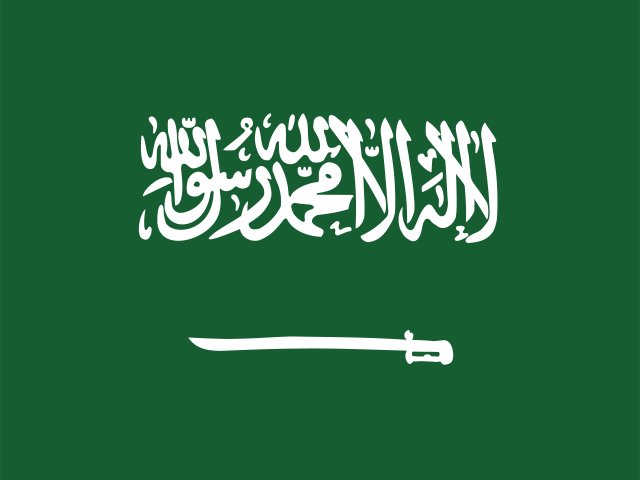 Saudi Arabia
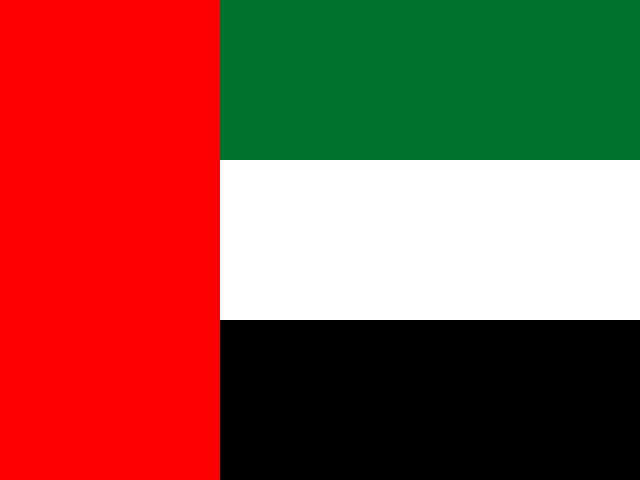 United Arab Emirates
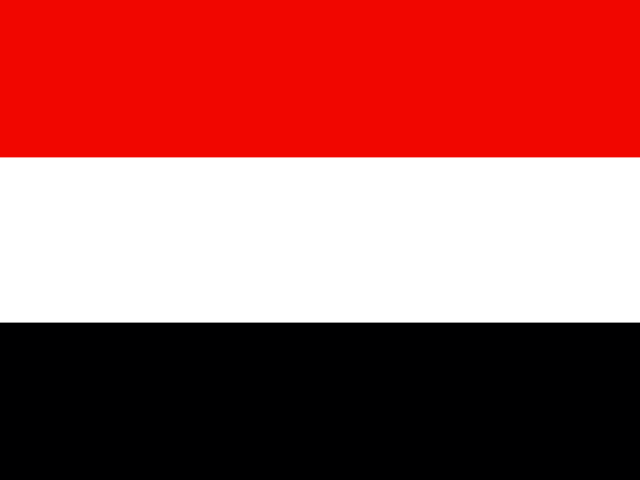 Yemen