A free large-print PDF. Choose what goes in: facts, map, history, dishes and recipes, phrases, fun facts, a quiz with or without answers. Made for clubs, care homes, libraries and family afternoons.
Saudi Arabia covers most of the Arabian Peninsula, between the Red Sea in the west and the Gulf in the east. Much of it is desert: the Rub' al Khali, or Empty Quarter, in the south is the largest continuous sand desert in the world. There are no permanent rivers at all, only wadis, dry valleys that fill with water after rare rains. In the southwest, the green mountains of Asir rise to about 3,000 m and are much cooler and wetter than the rest of the country.
Islam began here in the 7th century. Mecca, where the Prophet Muhammad was born, and Medina, where he is buried, are the two holiest cities in Islam, and millions of Muslims come every year for the Hajj and Umrah pilgrimages. The modern kingdom was proclaimed in 1932, and the discovery of oil in 1938 turned a land of oases, caravan towns and Bedouin camps into one of the world's great oil producers.
Today about 35 million people live in Saudi Arabia, and more than four in ten of them are foreign residents. Riyadh is the capital and largest city, and Jeddah is the old gateway on the Red Sea. Since 2019 the country has welcomed tourists with a visa that is easy to get online, and visitors come for ancient sites such as Hegra, mud-brick old towns, desert landscapes, coral reefs and famous hospitality.
CapitalRiyadh
PopulationAbout 35 million (official estimate for 2024), of whom about 15.7 million are foreign residents
Official languageArabic. People speak regional dialects such as Najdi, Hejazi and Gulf Arabic, and English is widely used in business and for visitors
CurrencySaudi riyal (SAR), divided into 100 halalas. It is fixed at 3.75 riyals to one US dollar
AreaAbout 2,150,000 km², the largest country on the Arabian Peninsula
GovernmentAbsolute monarchy: the king is head of state and, as of September 2026, the crown prince is prime minister. There is no elected parliament
Highest mountainJabal Sawda in the Asir mountains, officially 3,015 m (a 2018 survey found Jabal Ferwa, also in Asir, to be slightly higher)
Longest riverNone. Saudi Arabia has no permanent rivers, only wadis that flow after rain
NeighboursJordan, Iraq and Kuwait to the north, Qatar and the United Arab Emirates to the east, Oman to the southeast and Yemen to the south. Bahrain is linked by a causeway, and Egypt, Sudan, Eritrea and Iran lie across the sea
Long before Islam, caravans carrying incense and spices crossed Arabia, and peoples such as the Nabataeans built cities along their routes. In the 7th century Islam began in Mecca and Medina and spread across much of the world. For centuries the holy cities of the Hejaz were ruled from far away, while in the central region of Najd a family from the oasis town of Diriyah, the Al Saud, founded a state in 1727. After two earlier Saudi states, the modern kingdom was proclaimed in 1932.
AD 106
Rome annexes the Nabataean kingdom
The Nabataeans, famous for Petra in Jordan, had built their second city at Hegra in the northwest of today's Saudi Arabia, carving grand tombs into the sandstone. In AD 106 the Roman Empire under Trajan annexed their kingdom and made it the province of Arabia Petraea.
AD 570
The Prophet Muhammad is born in Mecca
Muhammad was born in Mecca in about 570, into the Quraysh tribe. Mecca was already a trading town and a place of pilgrimage around the Kaaba.
AD 610
The first revelation
Muslims believe that in about 610, in the Cave of Hira on a mountain just outside Mecca, Muhammad received the first verses of the Quran. He began to preach in Mecca soon after.
AD 622
The Hijra to Medina
Facing hostility in Mecca, Muhammad and his followers moved to the oasis town of Yathrib, which became known as Medina, 'the city' of the Prophet. This journey, the Hijra, marks year 1 of the Islamic calendar.
AD 647
Jeddah becomes the port of Mecca
The caliph Uthman chose Jeddah, a fishing village on the Red Sea, as the main port for travellers to Mecca. Since then, millions of pilgrims have arrived in Mecca by way of Jeddah.
1517
The Ottomans take over the Hejaz
After the Ottoman sultan Selim I conquered Egypt, the Sharif of Mecca accepted Ottoman rule. The sharifs kept a good deal of local power, and the Ottomans held the Hejaz, with Mecca and Medina, with a short break in the early 1800s, for four centuries.
1727
The First Saudi State begins in Diriyah
Muhammad bin Saud became the ruler of Diriyah, a small oasis town now on the edge of Riyadh, in February 1727. Since 2022, 22 February has been celebrated as Founding Day, a public holiday. His state, the Emirate of Diriyah, grew to rule much of Arabia.
1818
Diriyah is destroyed
An Ottoman Egyptian army sent by Muhammad Ali Pasha besieged and destroyed Diriyah, ending the First Saudi State. The ruins of its At-Turaif district still stand.
1824
The Second Saudi State is founded
Turki bin Abdullah drove the Ottoman Egyptian forces out of Najd and restored Saudi rule, this time with Riyadh as the capital. The Second Saudi State lasted until 1891, when the Al Rashid of Hail took Riyadh and the family went into exile in Kuwait.
1902
Abdulaziz retakes Riyadh
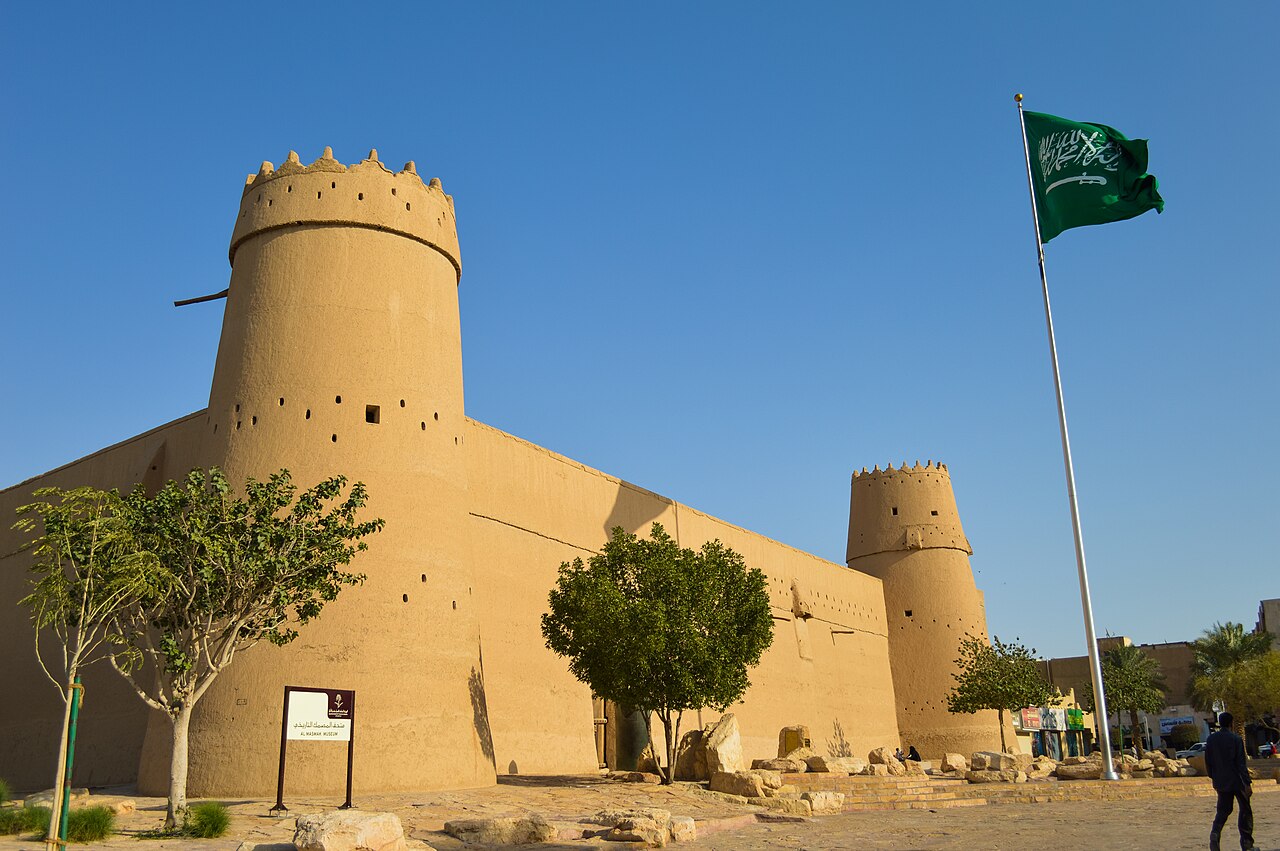
In January 1902 the young Abdulaziz Al Saud, later known as Ibn Saud, returned from exile with a small band of men and captured the Masmak fort in Riyadh. Over the next 30 years he brought most of the peninsula under his rule.
1908
The Hejaz Railway reaches Medina
The Ottoman railway from Damascus reached Medina on 1 September 1908, cutting the pilgrims' journey from weeks to days. It never reached Mecca, and after damage in the First World War it fell out of use; old stations still stand in Tabuk and Medina.
1925
Abdulaziz takes the Hejaz
Abdulaziz's forces entered Mecca in 1924, and the campaign ended in December 1925 with the surrender of Jeddah. Najd and the Hejaz, with the holy cities, were now under one ruler.
1932
The Kingdom of Saudi Arabia is proclaimed
On 23 September 1932 Abdulaziz's lands were renamed the Kingdom of Saudi Arabia. The date is celebrated every year as Saudi National Day.
1938
Oil is found at Dammam No. 7
After six disappointing wells, American and Saudi oilmen struck oil in commercial quantities at well Dammam No. 7 on 3 March 1938. Oil soon transformed the country's economy; the well, nicknamed the Prosperity Well, produced oil until 1982.
2018
Women begin driving
On 24 June 2018 the first women received Saudi driving licences and took to the roads legally. Until then Saudi Arabia had been the only country where women were not allowed to drive. The same year the first public cinema in 35 years opened.
2019
Tourist visas are introduced
In September 2019 Saudi Arabia began issuing tourist visas online and on arrival to citizens of dozens of countries, opening the country to independent holiday visitors for the first time.
Saudi cooking is built on rice, wheat, meat, dates, ghee and warm spices such as cardamom, cinnamon, cloves, black pepper and dried black lime. A family meal usually centres on a large shared platter of spiced rice topped with chicken or lamb, with salad, a spicy tomato sauce and yoghurt drinks on the side. Guests are welcomed with small cups of Arabic coffee and dates, and every region has its own dishes: rice with milk in the Hejaz, cracked wheat and date desserts in Najd, and spiced cookies in Qassim. In January 2023 the Culinary Arts Commission named jareesh the national dish and maqshush the national dessert. Pork and alcohol are forbidden under Islamic law.
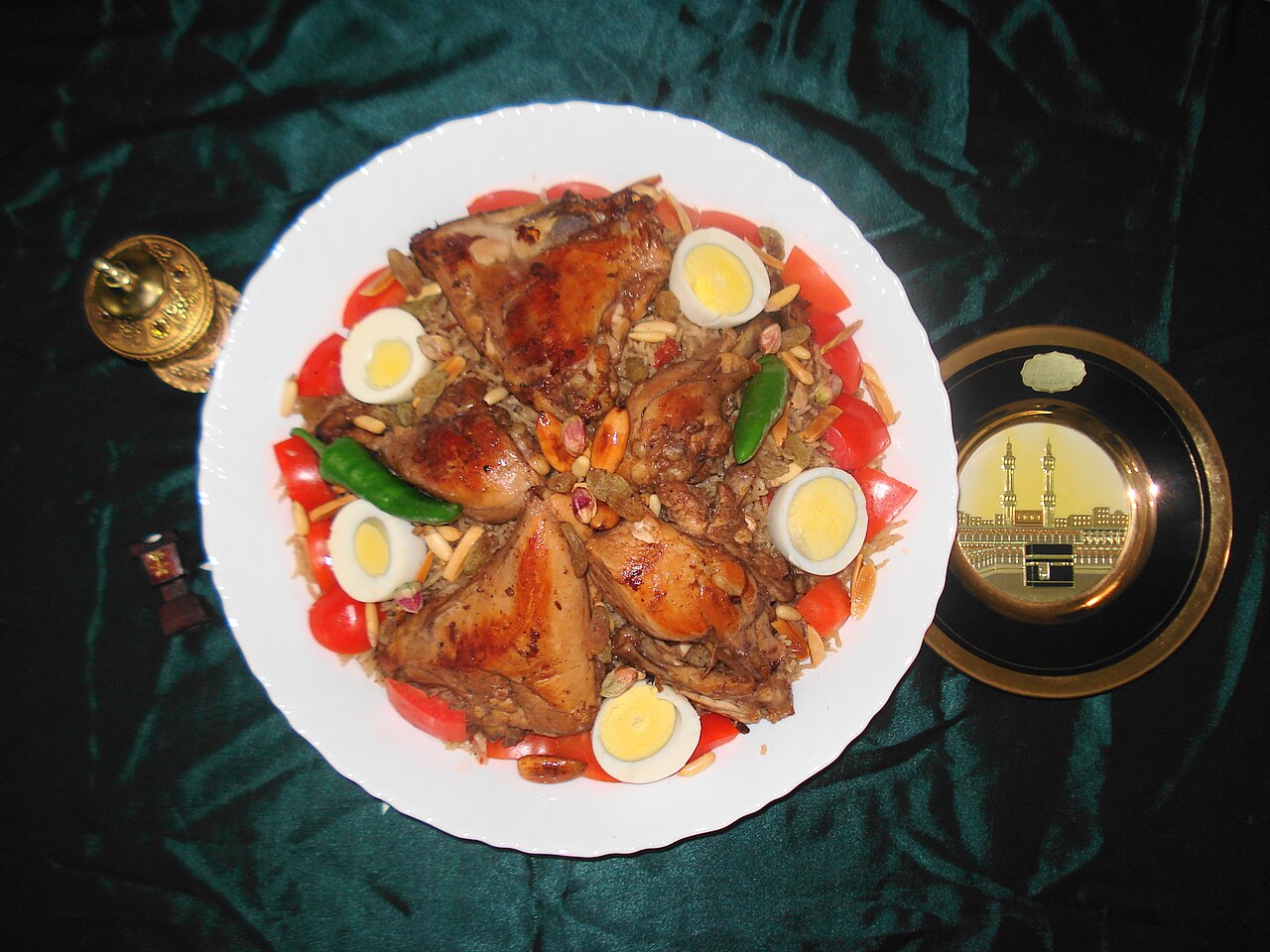
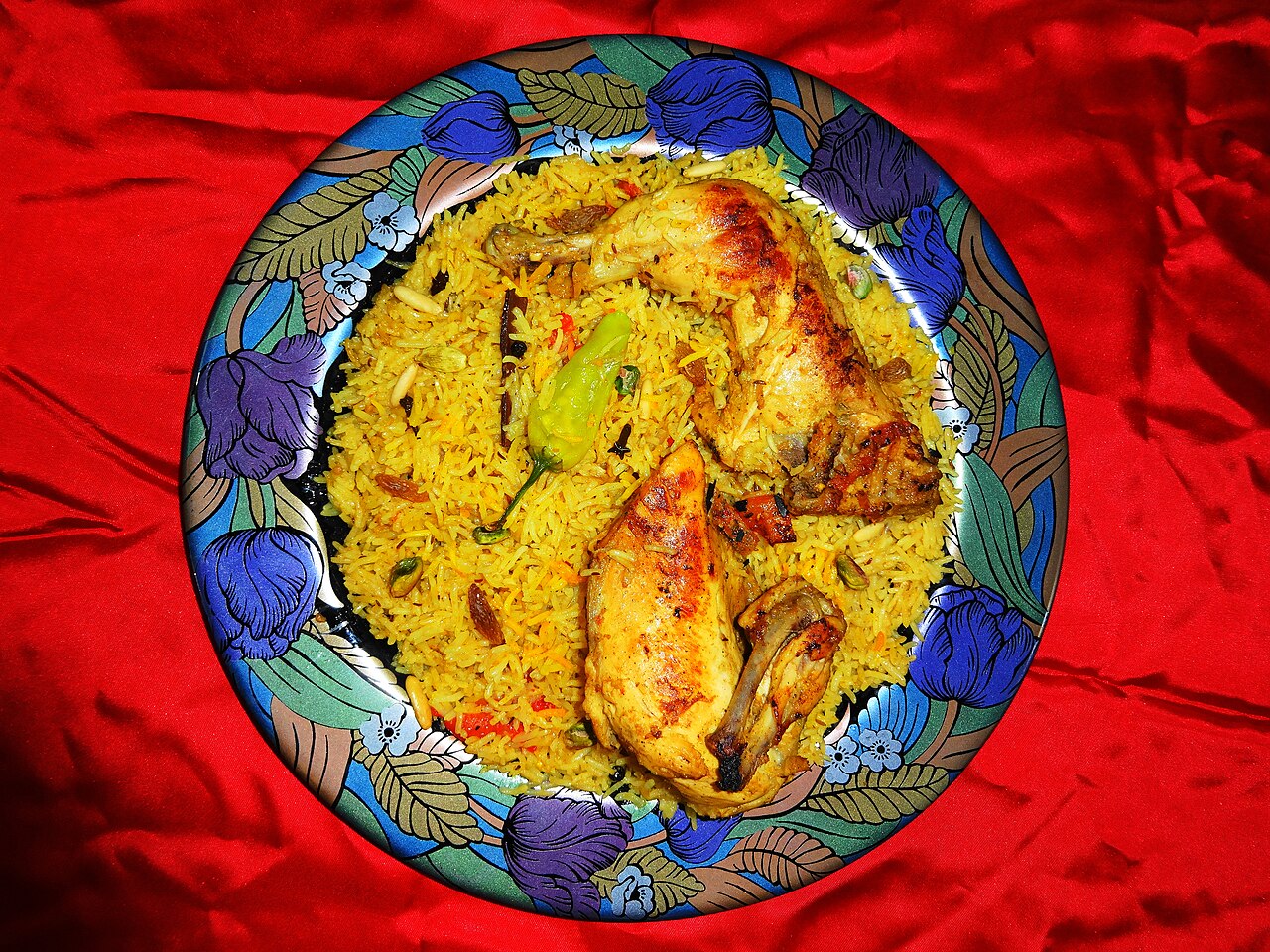
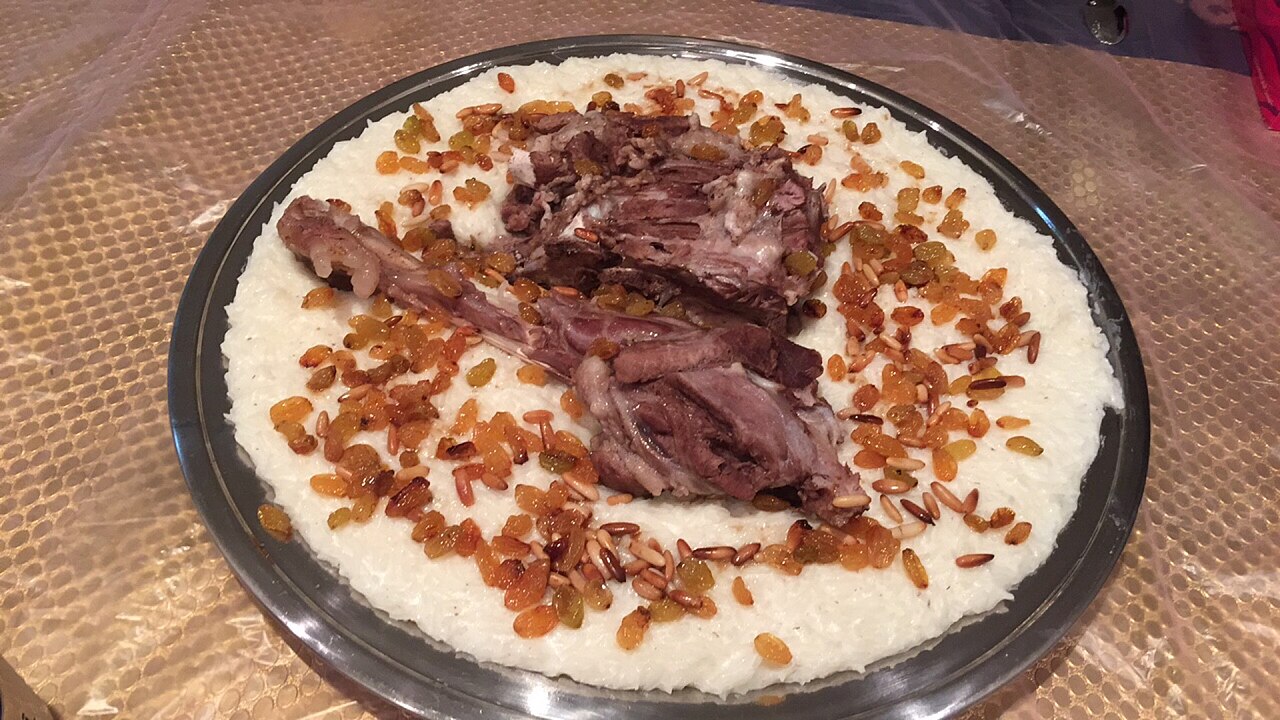
The best-known Saudi dish: long-grain rice cooked in one pot with chicken, lamb or camel, tomatoes, onions and a mix of spices such as cardamom, cloves, cinnamon, black pepper and dried black lime. It is piled on a large platter with the meat on top and often scattered with raisins and fried almonds.
The name comes from an Arabic root meaning 'to press', because everything is cooked together, 'pressed' into one pot.
See the recipe
Serves 6
1 h 30 min
Ingredients
1.5 kg chicken pieces (thighs and legs), or 1 whole chicken cut into 8
3 tablespoons oil or ghee
2 onions, chopped
4 cloves garlic, crushed
2 tomatoes, chopped, and 2 tablespoons tomato paste
2 carrots, grated
1 dried black lime (loomi), pierced with a knife, or the peel of half a lemon
4 cardamom pods, 4 cloves, 1 cinnamon stick and 2 bay leaves
1 teaspoon each of ground black pepper, cumin and coriander, and 1/2 teaspoon turmeric
500 g basmati rice, rinsed and soaked for 20 minutes
1 litre hot water or chicken stock, and salt
A handful of raisins and toasted flaked almonds, to serve
Method
Heat the oil in a large, heavy pot and fry the onions until golden. Add the garlic, then the chicken, and brown it on all sides.
Stir in the tomatoes, tomato paste, carrots, dried lime and all the spices, and cook for 5 minutes.
Pour in the hot water or stock, add 2 teaspoons of salt, cover and simmer for 35 to 40 minutes, until the chicken is cooked through. Lift out the chicken and keep it warm (you can brown it under a hot grill for a few minutes).
Drain the rice and stir it into the broth. There should be about 2 cm of liquid above the rice; add a little water if needed. Bring to the boil, then cover tightly and cook on the lowest heat for 20 to 25 minutes, until the rice is tender.
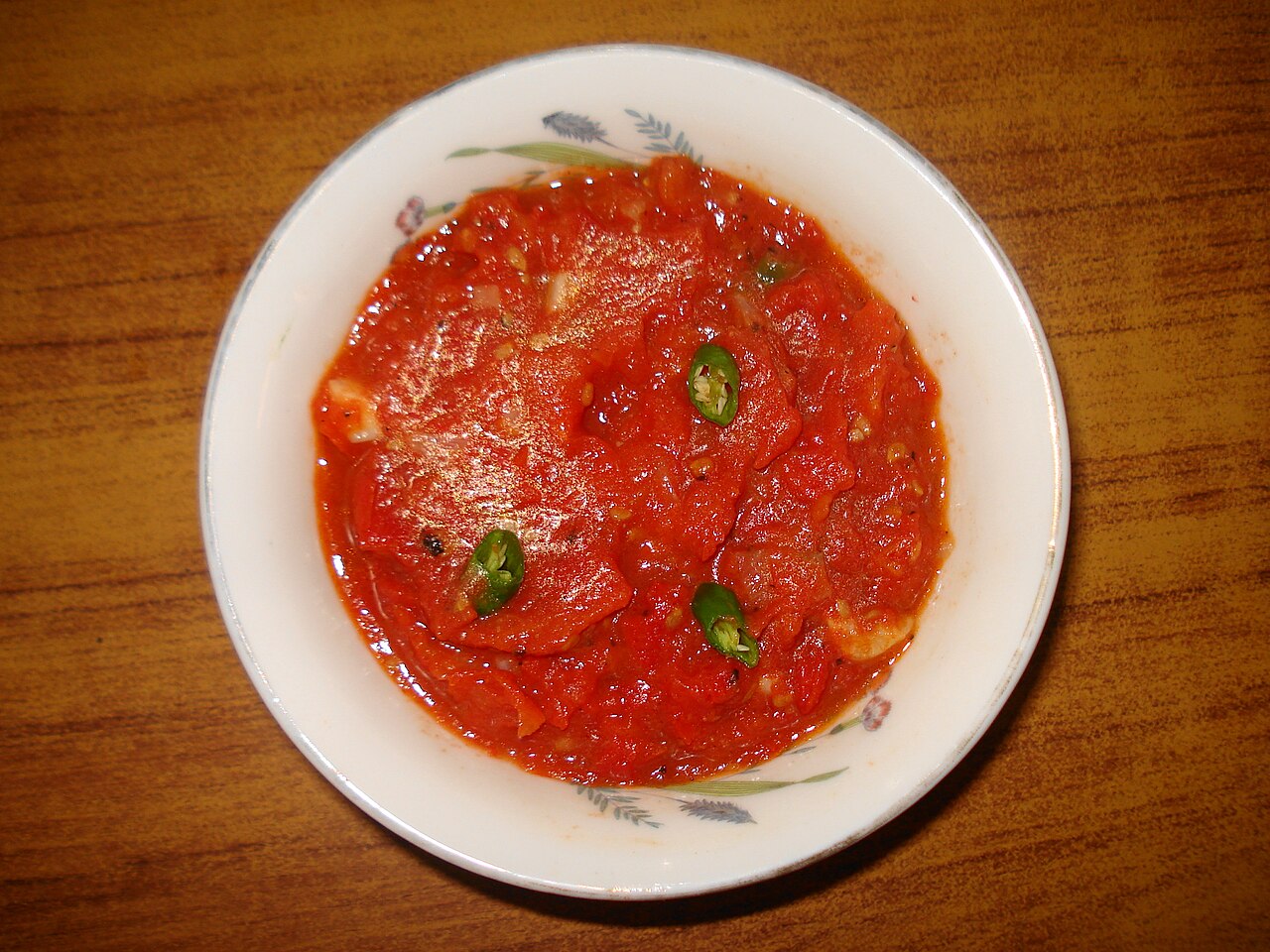
Spoon the rice onto a large platter, lay the chicken on top and scatter over the raisins and almonds. Serve with a green salad and a spicy tomato sauce such as dakkous.
Crushed wheat cooked slowly with meat or chicken, onions and spices, often with yoghurt or laban, until soft and creamy. It is served in a wide dish topped with crisp fried onions and a spoonful of ghee.
In January 2023 the Saudi Culinary Arts Commission named jareesh the national dish of Saudi Arabia.
Chicken or lamb seasoned with spices and cooked in a deep oven in the ground, called a tannour, hung above a pot of rice so that the juices drip into the rice below. The meat comes out very tender, with a light smoky taste.
The name is thought to come from the Arabic word for dew, describing the moist texture of the meat.
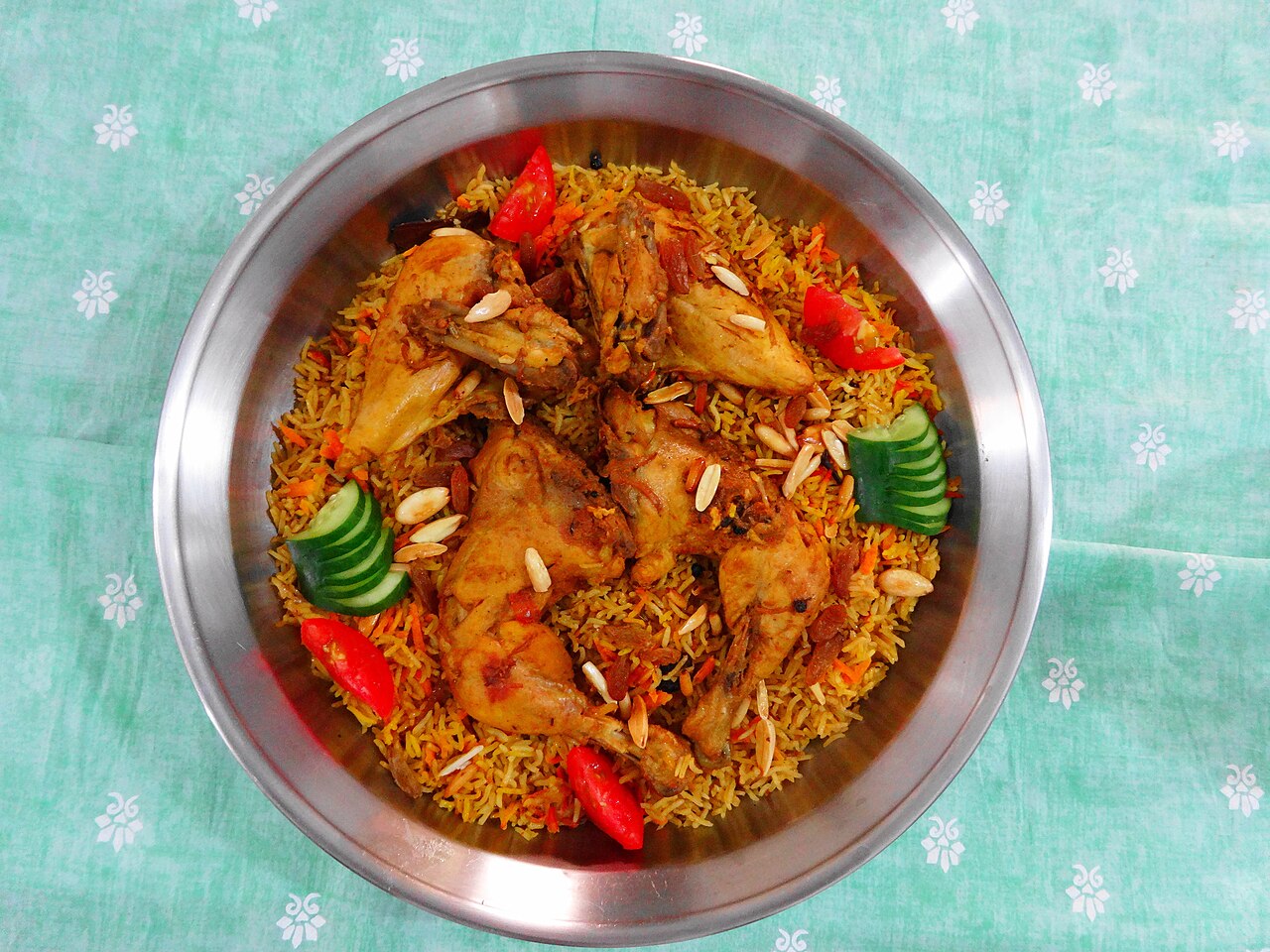
A golden rice dish cooked with meat or chicken, onions, tomato, black pepper, cumin and grated carrots. It is as widespread as kabsa, but milder and a little sweeter.
It is one of the best-liked rice dishes in the kingdom, and a favourite for family gatherings in the Hejaz.
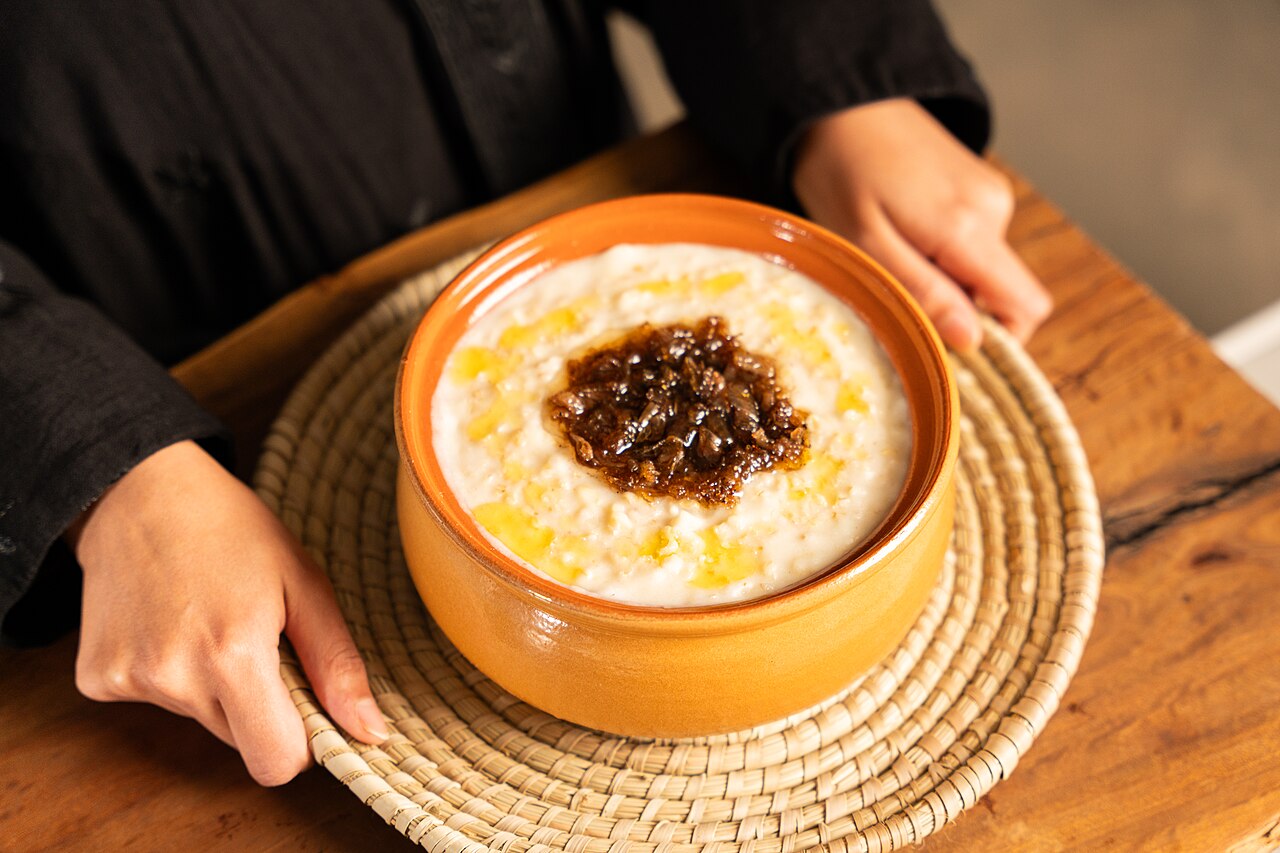
Short, creamy rice cooked slowly in chicken or lamb broth with milk, cardamom and a little mastic, then topped with the roasted meat and a pool of ghee. It is often compared to an Italian risotto.
In January 2024 saleeg was named the regional dish of the Makkah region. A cook in Taif is said to have opened the first restaurant serving it in 1936.
See the recipe
Serves 4
1 h 15 min
Ingredients
1 chicken (about 1.3 kg), cut into 4 pieces
1 onion, halved
4 cardamom pods, 1 cinnamon stick, 2 bay leaves and 4 black peppercorns
300 g short-grain or medium-grain rice, rinsed
500 ml whole milk
2 small pieces of mastic, crushed with a pinch of sugar (optional)
2 tablespoons butter, and 1 tablespoon ghee to serve
Salt and ground black pepper
Method
Put the chicken, onion and whole spices in a pot with 1.5 litres of water and 1 teaspoon of salt. Simmer for 40 minutes, until the chicken is cooked through. Lift out the chicken and strain and keep the broth.
Put the rice in a clean pot with about 1 litre of the hot broth. Simmer, stirring often, for 15 minutes.
Add the milk, the mastic if using, and the butter, and cook gently for another 10 to 15 minutes, stirring, until the rice is very soft and creamy. Add more broth if it gets too thick.
Meanwhile, brown the chicken pieces under a hot grill or in a pan for a few minutes.
Spread the rice on a platter, place the chicken on top, drizzle with the ghee and sprinkle with black pepper. Serve with dakkous or a squeeze of lemon.
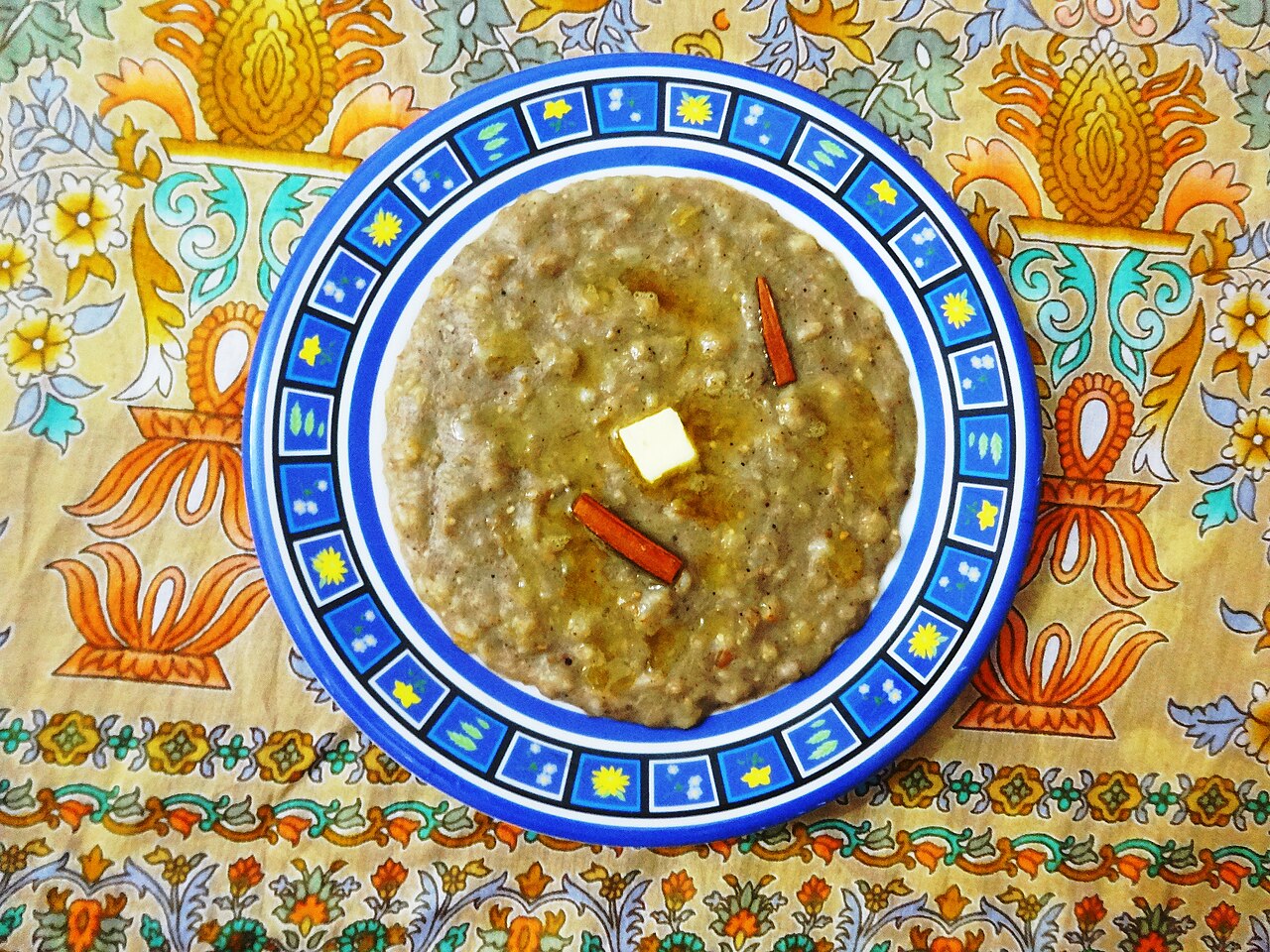
Whole wheat grains cooked for hours with meat and then beaten until smooth, like a thick savoury porridge. It is served with melted ghee, and sometimes cinnamon or sugar, on top.
In the Gulf countries harees is a favourite dish during the month of Ramadan.
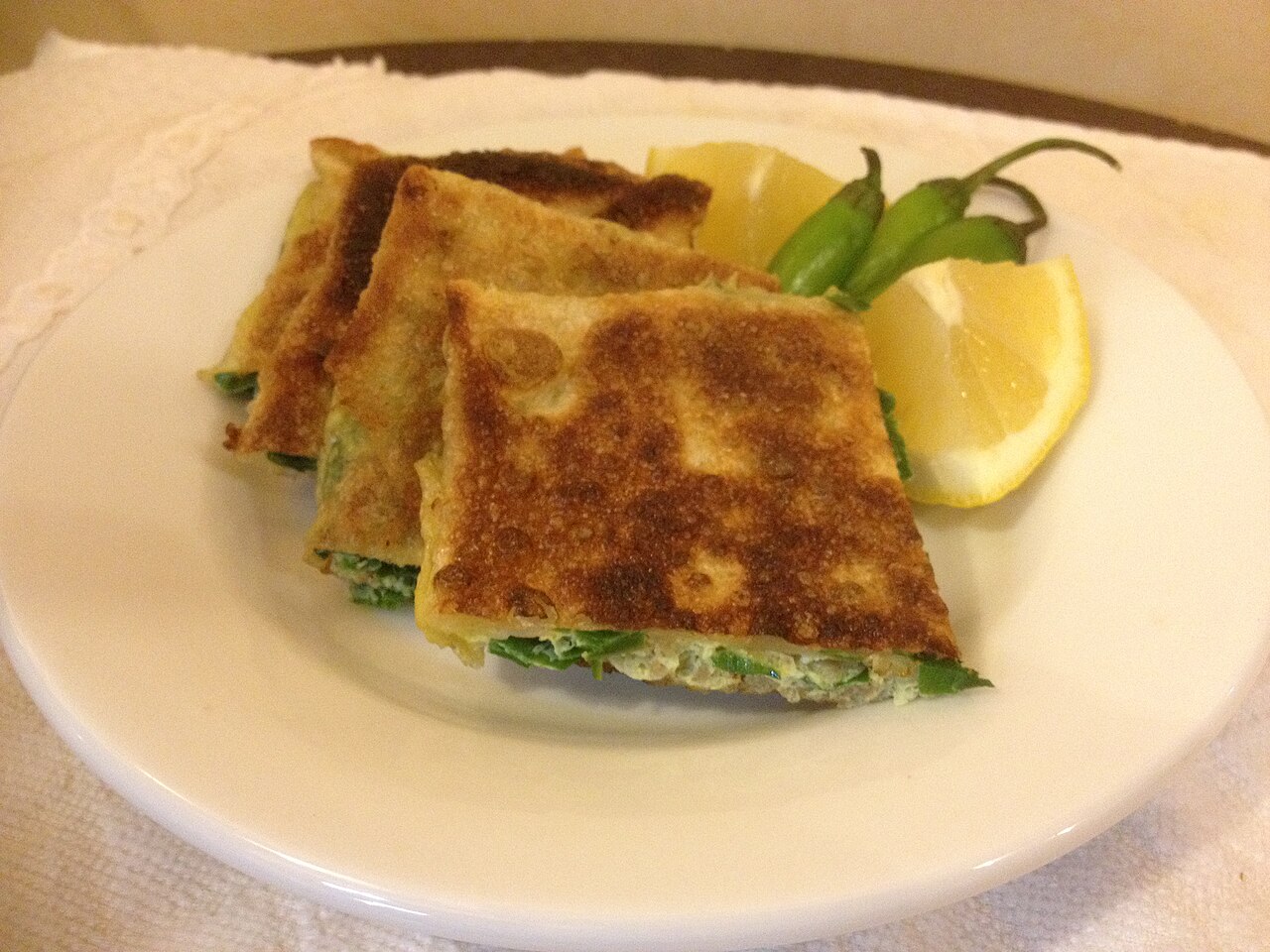
Paper-thin dough folded around minced meat, beaten egg, leeks and spring onions, then fried on a flat griddle until crisp and cut into squares. It is eaten hot with lemon and green chillies.
The name means 'folded' in Arabic. It is a favourite street snack in Mecca during Ramadan and the pilgrimage seasons.
Oases all over the country, especially Al-Ahsa, Qassim and Medina
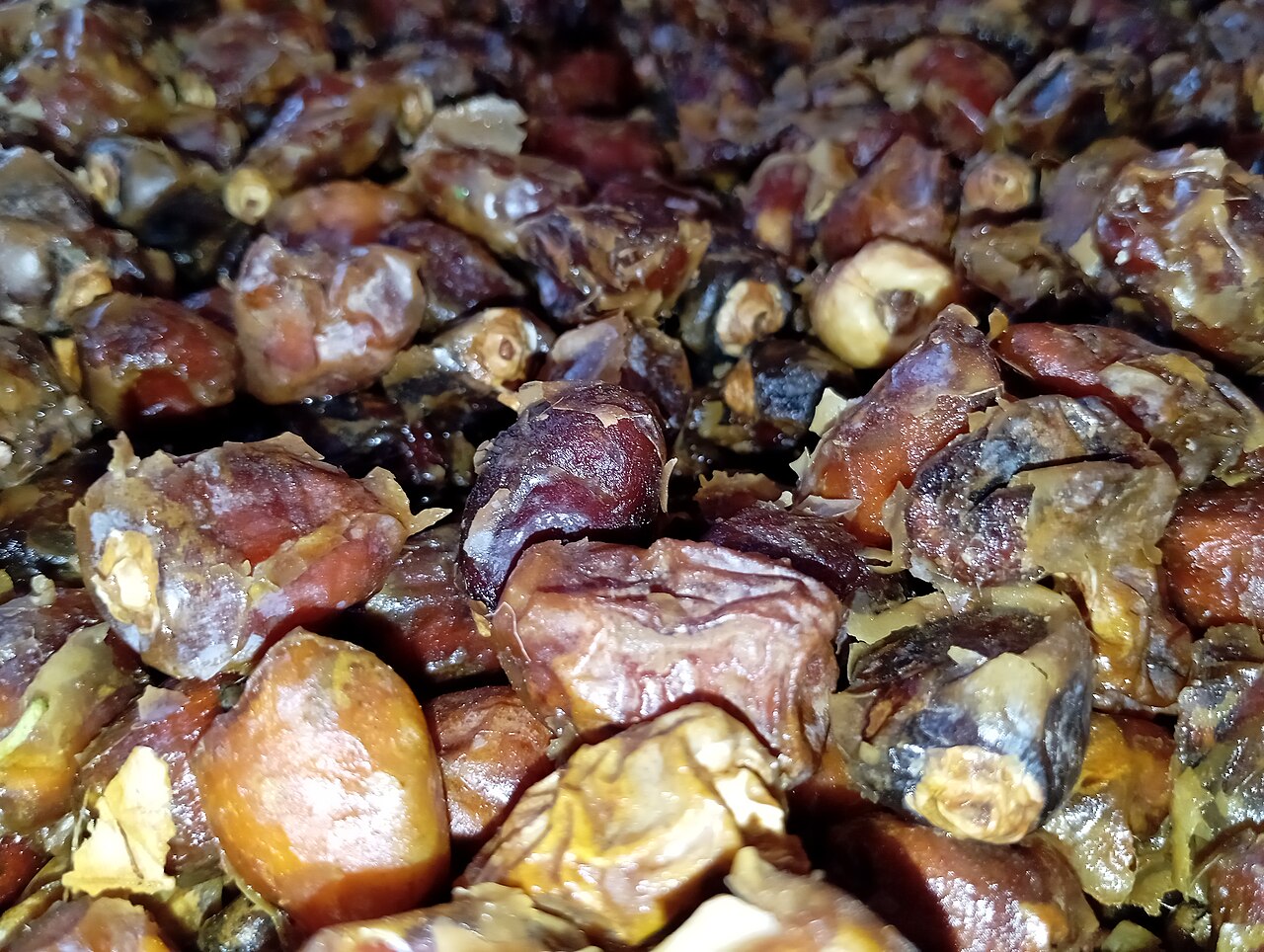
Soft, sweet fruit of the date palm, eaten every day and always offered to guests with coffee. There are hundreds of varieties, from soft and dark to golden and crunchy, and they are also made into date paste and date syrup (dibs).
Following the example of the Prophet, many Muslims break their fast in Ramadan with a few dates and water. As of 2022, Saudi Arabia was the world's second-largest producer of dates, after Egypt.
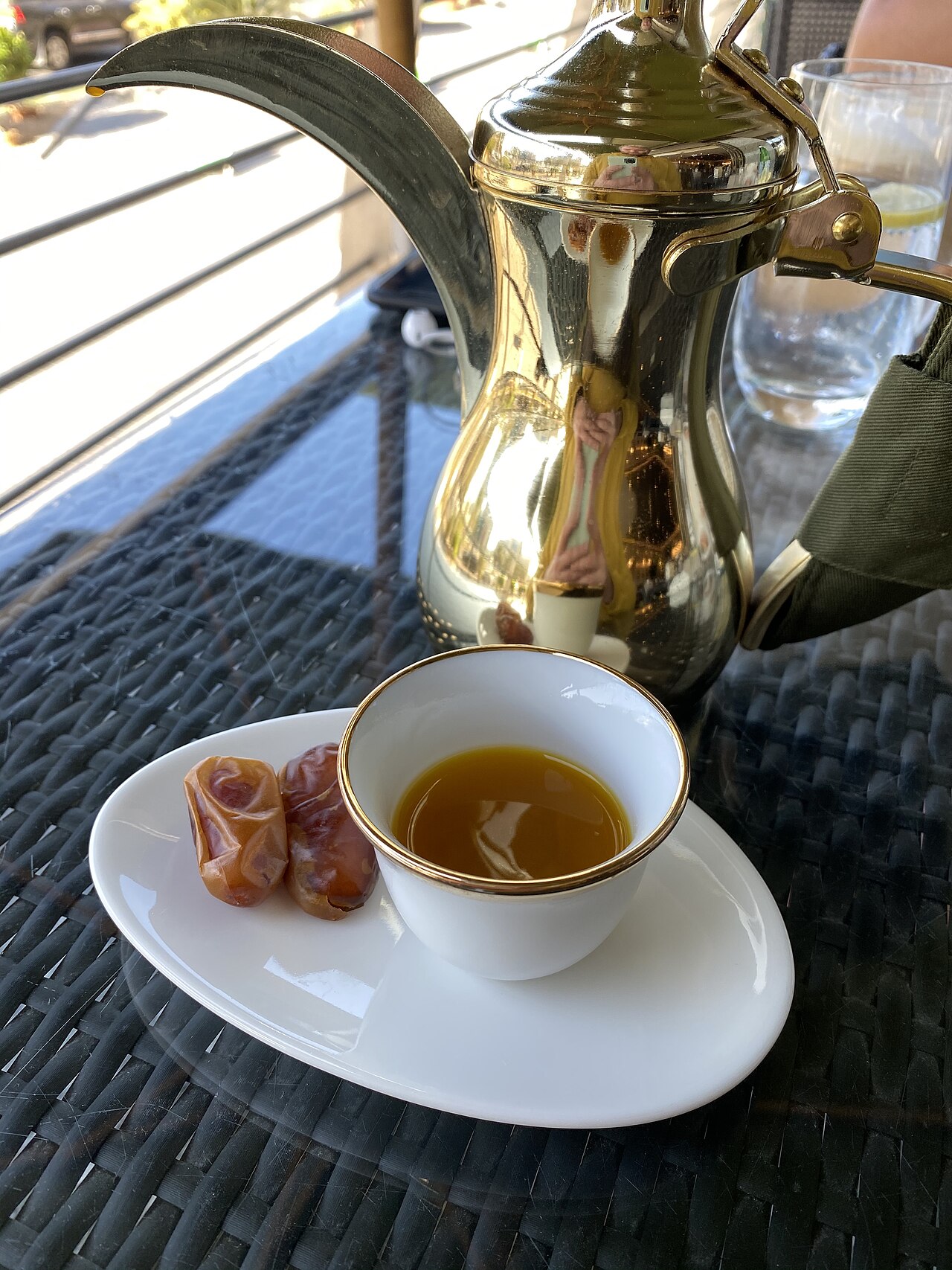
Lightly roasted coffee boiled with plenty of cardamom, sometimes with saffron or cloves, giving a pale golden, bitter and fragrant drink. It is poured from a long-spouted pot called a dallah into small cups without handles, a few sips at a time.
In 2015 UNESCO added Arabic coffee as a symbol of generosity to its list of intangible heritage, after a joint nomination by Saudi Arabia, the United Arab Emirates, Oman and Qatar. Jordan joined the listing in 2024.
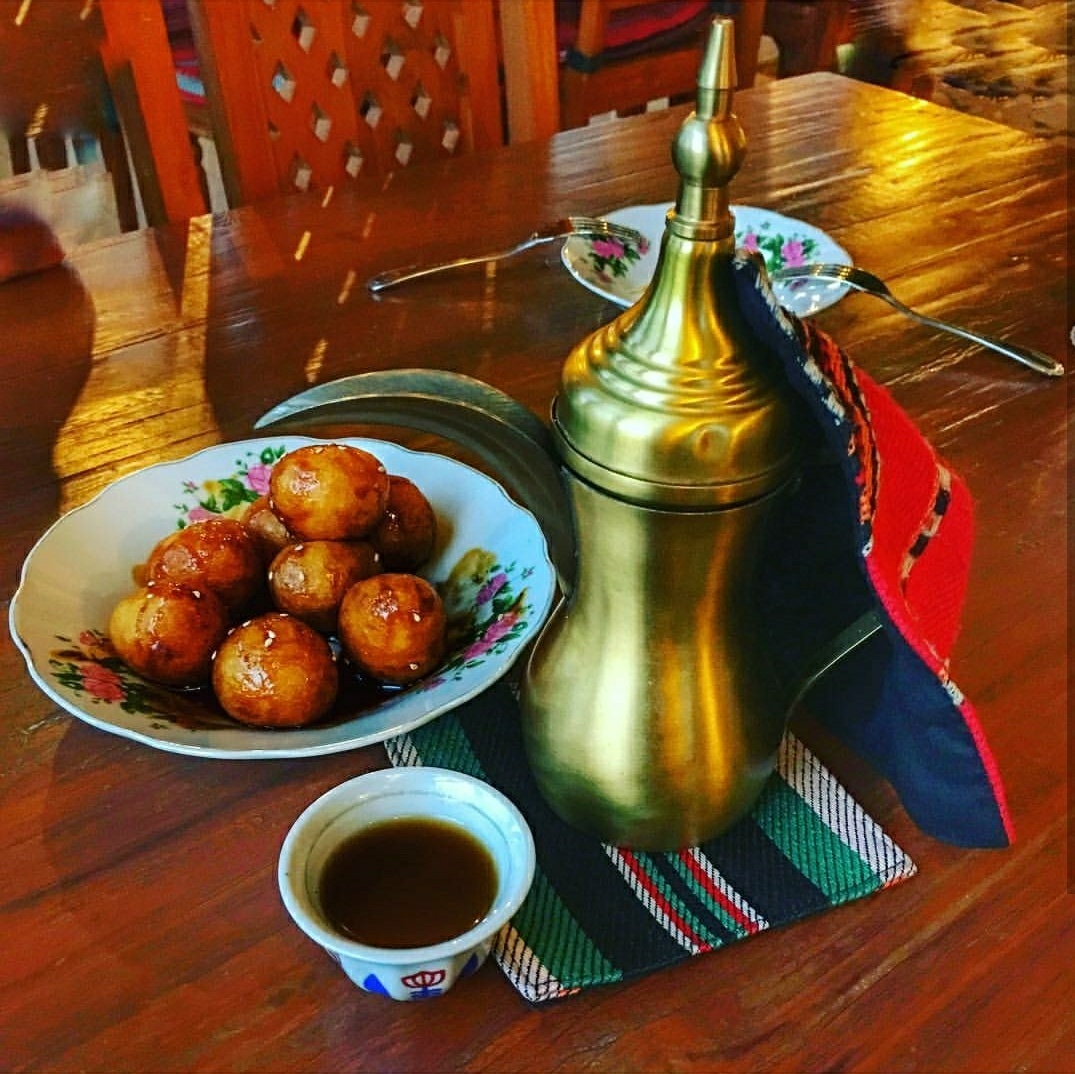
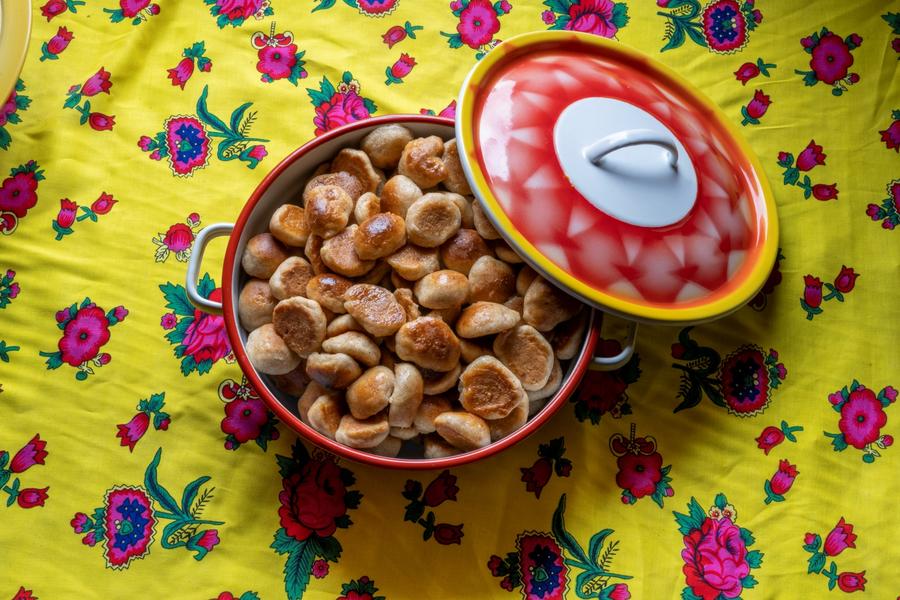
Small balls of yeast batter, deep-fried until crisp and golden outside and soft inside, then drizzled with date syrup or honey and sometimes sprinkled with sesame seeds.
Their name means 'little mouthfuls'. The same sweet was described in Arabic cookery books in Baghdad as early as the 13th century.
See the recipe
Serves 6
1 h 30 min
Ingredients
250 g plain flour
1 tablespoon cornflour
1 teaspoon instant yeast
1 tablespoon sugar and a pinch of salt
1/2 teaspoon ground cardamom and a pinch of saffron (optional)
About 300 ml warm water
Vegetable oil for deep-frying
Date syrup (dibs) or honey, and sesame seeds, to serve
Method
Mix the flour, cornflour, yeast, sugar, salt and cardamom in a bowl. Gradually beat in the warm water to make a thick, smooth, sticky batter.
Cover and leave in a warm place for about 1 hour, until doubled and bubbly.
Heat about 5 cm of oil in a deep, heavy pan to 170 °C. Never leave hot oil unattended and keep children away from the pan.
Using a wet teaspoon, drop small balls of batter into the oil, a few at a time. Fry for 4 to 5 minutes, turning, until golden all over. Lift out and drain on kitchen paper.
Drizzle with date syrup or honey and sprinkle with sesame seeds. Serve warm with Arabic coffee. Honey should not be given to babies under one year old.
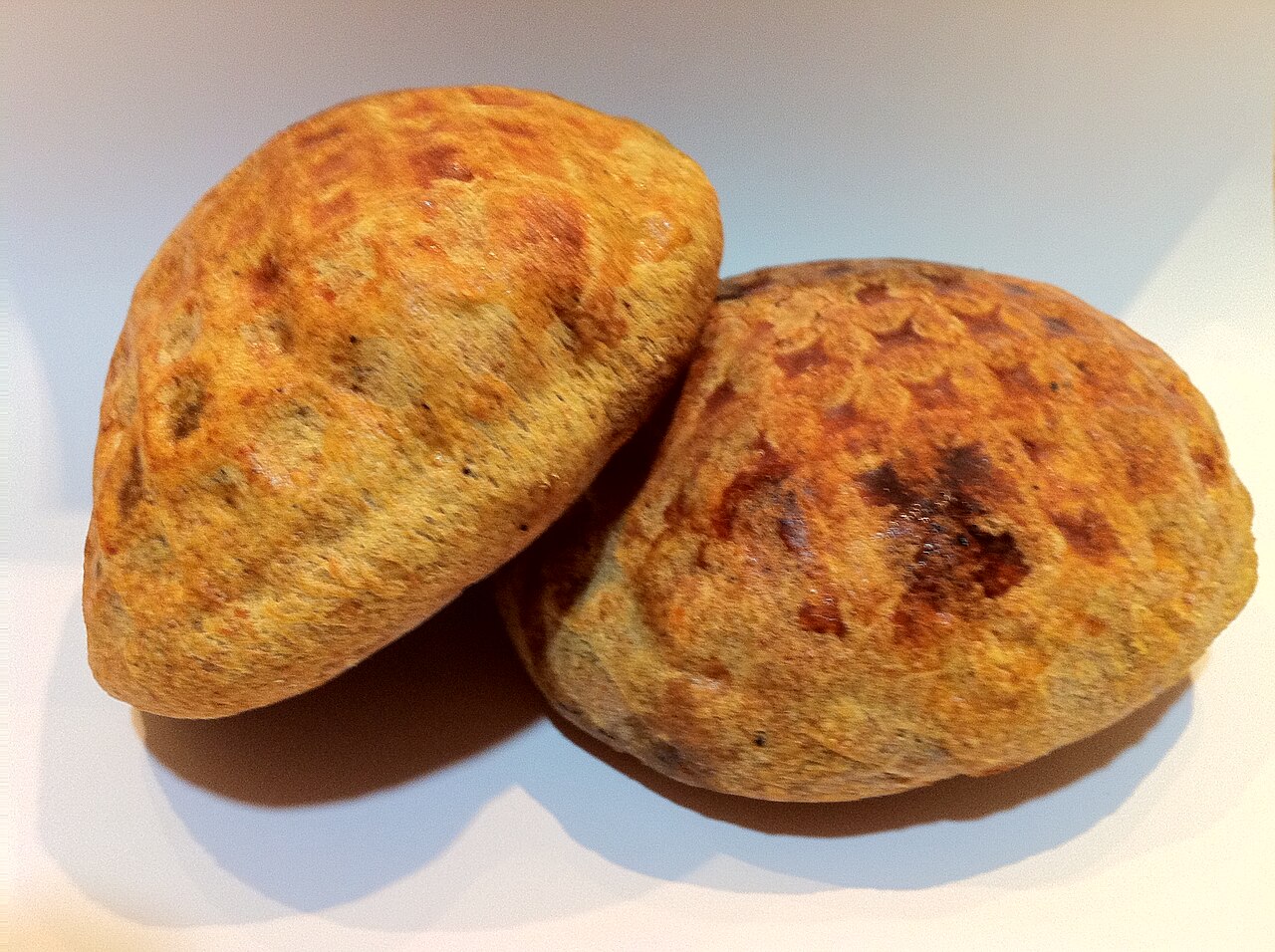
Round cookies of whole wheat flour filled or flavoured with sugar, cardamom, cinnamon, ginger, ground black lime and ghee, often pressed with a pattern on top. They keep well and are eaten with coffee or tea.
In January 2024 kleija was named the regional dish of Qassim, where kleija food festivals are held.
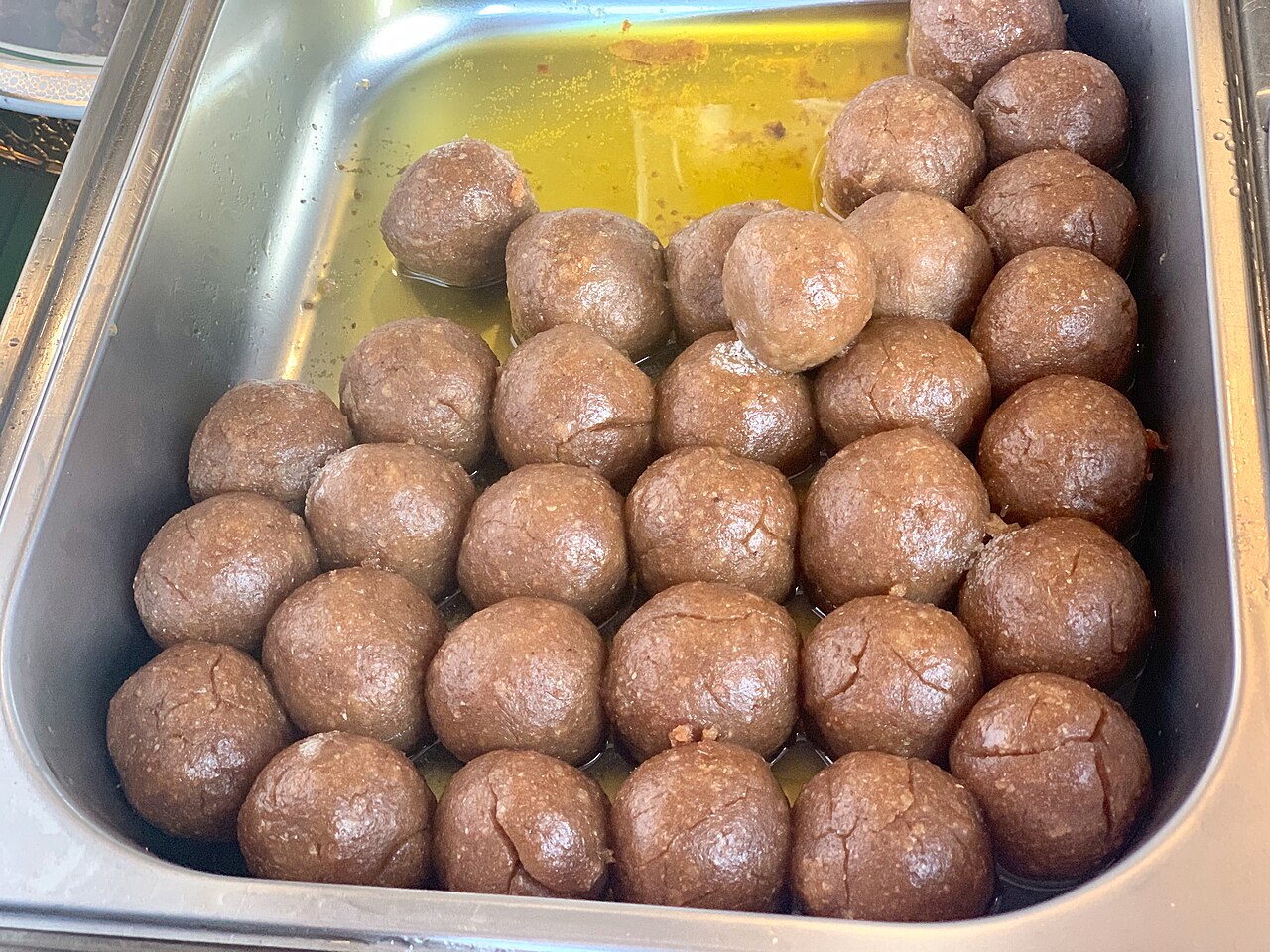
Soft dates kneaded with crumbled brown bread and warm ghee, flavoured with cardamom and saffron, and shaped into balls or pressed into a dish. It is rich, warming and often eaten for breakfast in winter.
It is traditionally made in winter, when a rich, warming dish of dates and ghee is most welcome.
Table manners
Wash your hands before and after the meal. Eat, and pass food, with your right hand.
Many families eat from a large shared platter, sitting on a carpet or cushions. Take food from the part of the dish directly in front of you.
Your host will keep offering more. It is polite to accept and to praise the food, and to leave a little on your plate when you have had enough.
Arabic coffee is poured into small cups, a little at a time. Hold the cup in your right hand; when you have had enough, gently shake the cup from side to side before handing it back.
Do not ask for alcohol or pork: both are forbidden by law.
During Ramadan, if you are invited to break the fast (iftar), it usually begins with dates, water and coffee at sunset, followed by a larger meal.
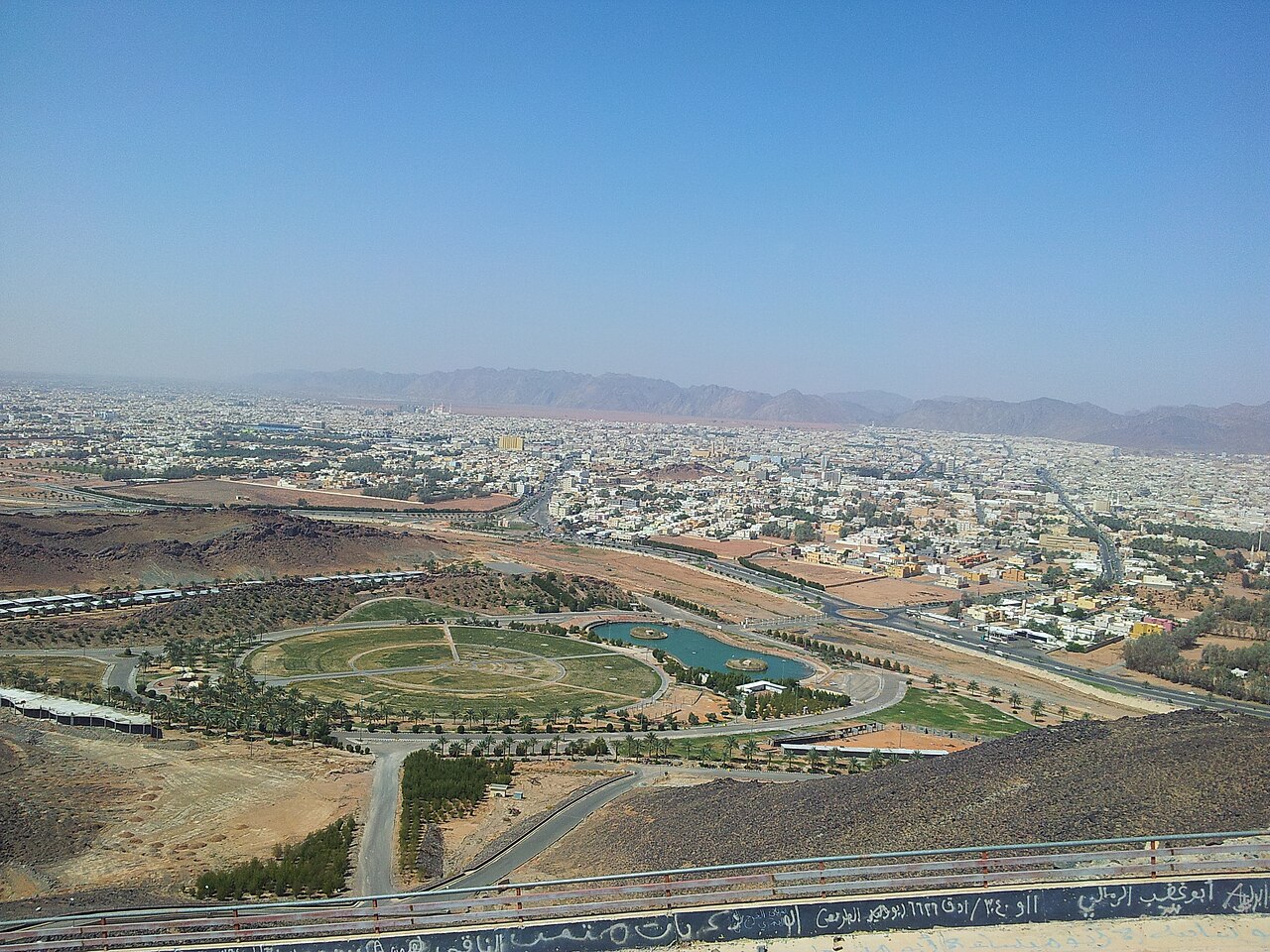
Most Saudis live in a handful of large cities: Riyadh in the centre, Jeddah, Mecca and Medina in the Hejaz near the Red Sea, and Dammam on the Gulf coast. Smaller cities sit in cool mountains, such as Taif and Abha, or in old oases, such as Hofuf, AlUla and Hail.
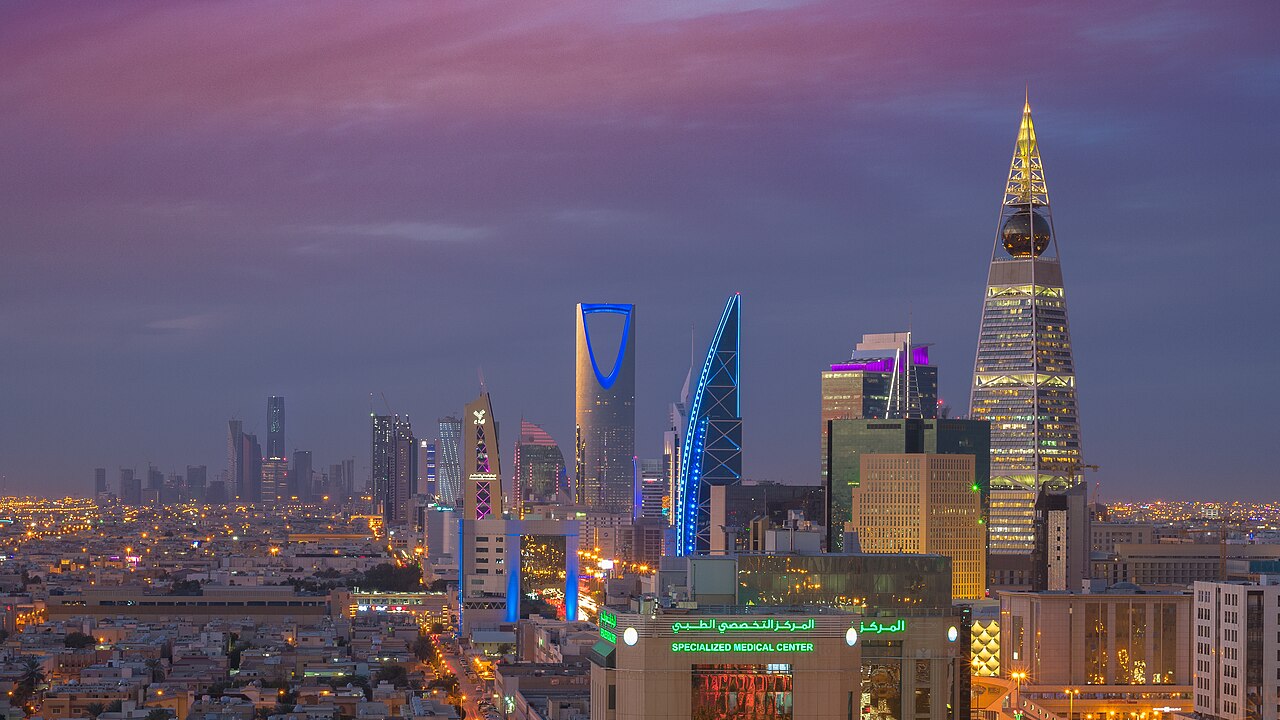
The capital and largest city, with about 7 million people (2022 census), on a high plateau in the heart of the country. Its name means 'gardens', after the oasis orchards that once surrounded the small walled town. Today it is a city of wide highways and glass towers, with summer highs above 40 °C.
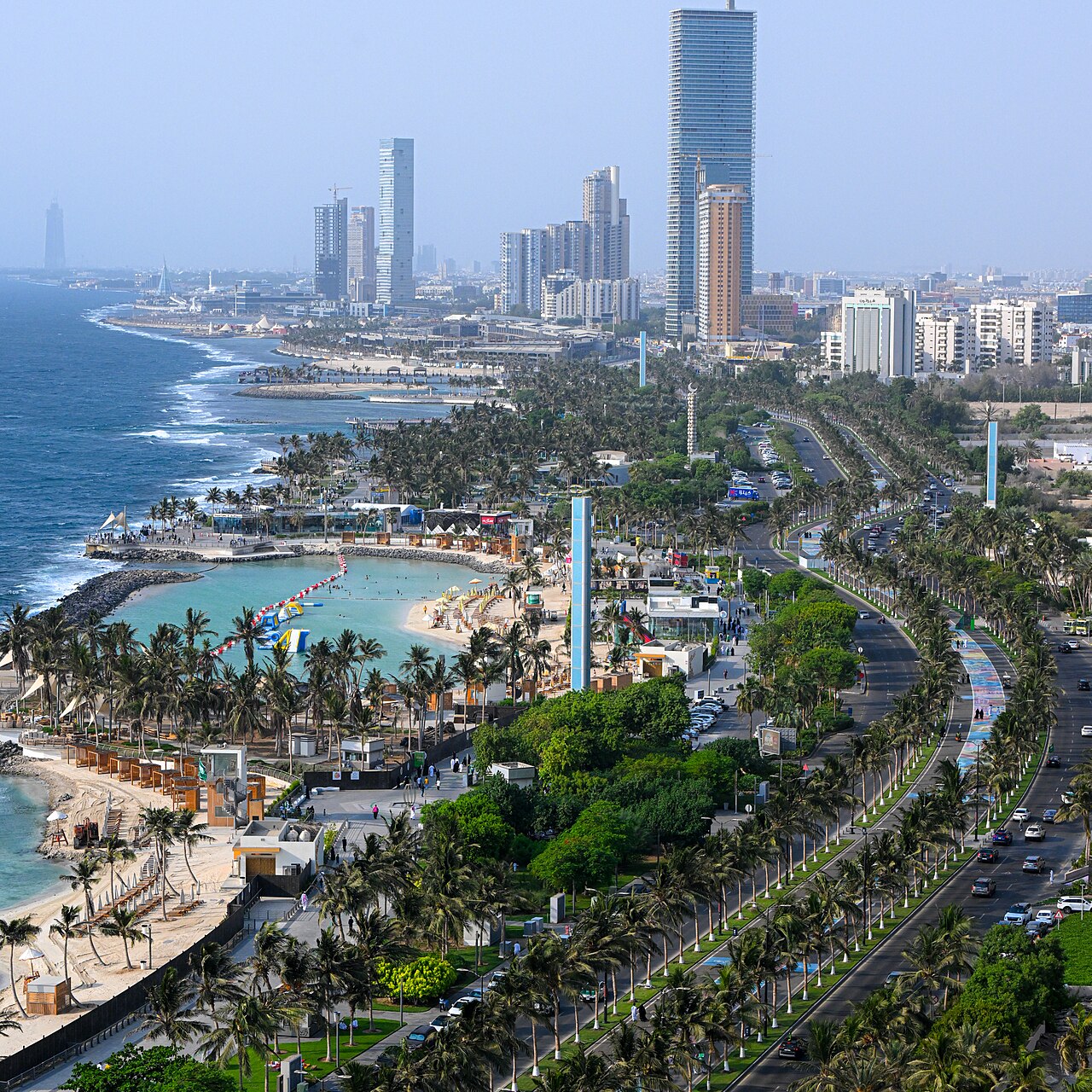
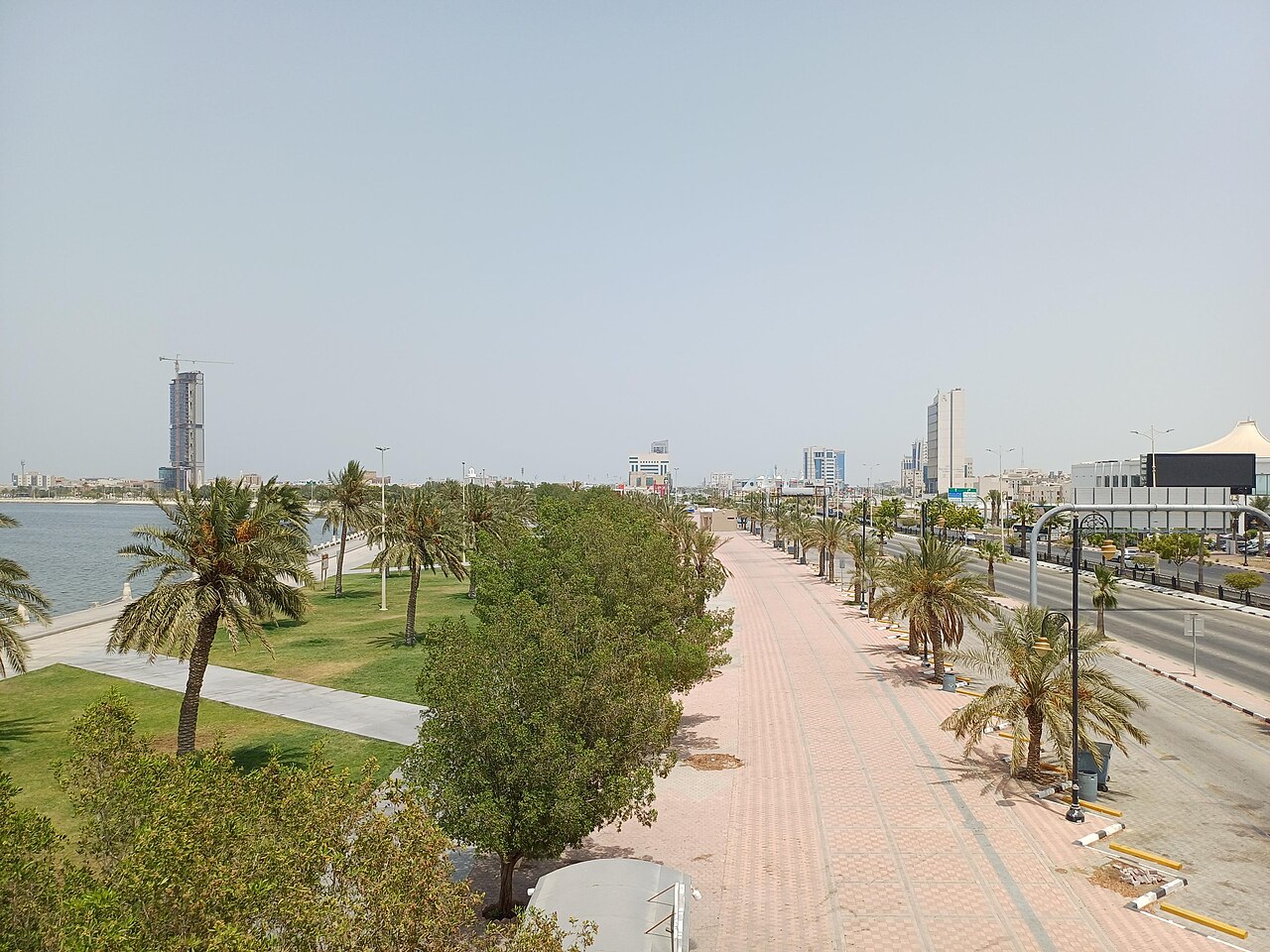
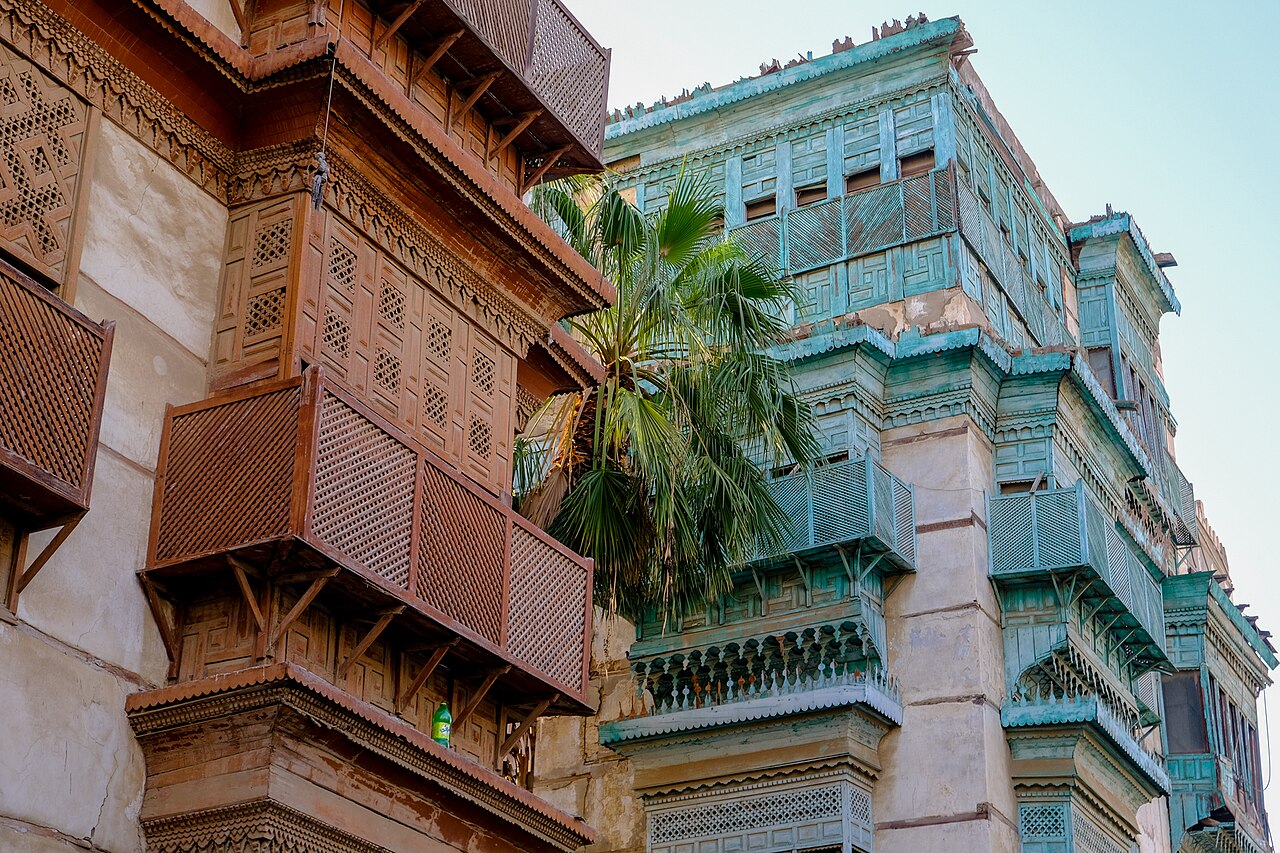
The second-largest city and the main port, the traditional gateway for pilgrims on their way to Mecca. It has a relaxed seaside feel, a long corniche and a historic centre, Al-Balad, of coral-stone houses with carved wooden balconies.
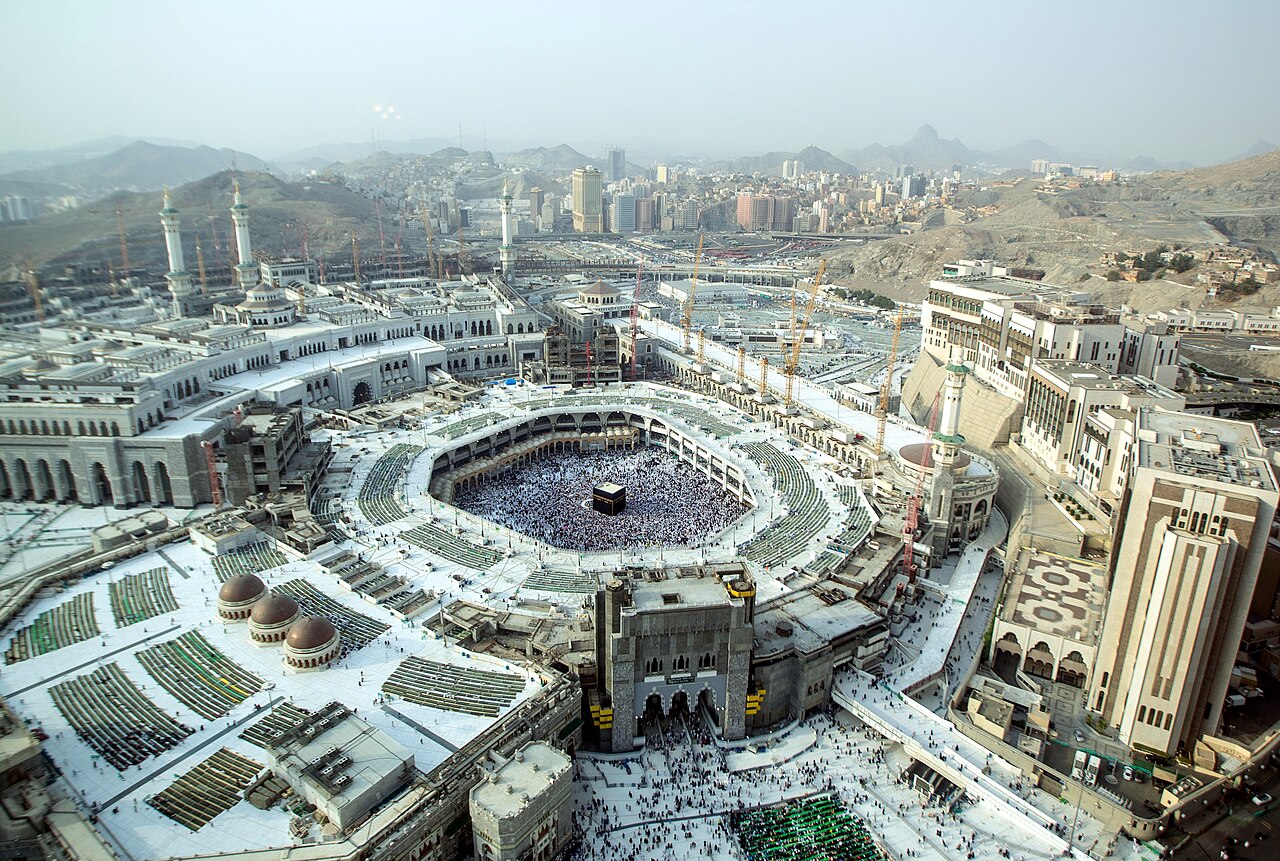
The holiest city in Islam and the birthplace of the Prophet Muhammad, about 70 km inland from Jeddah. The Kaaba in the Great Mosque is the direction that Muslims all over the world face in prayer. Under Saudi law, only Muslims may enter the city.
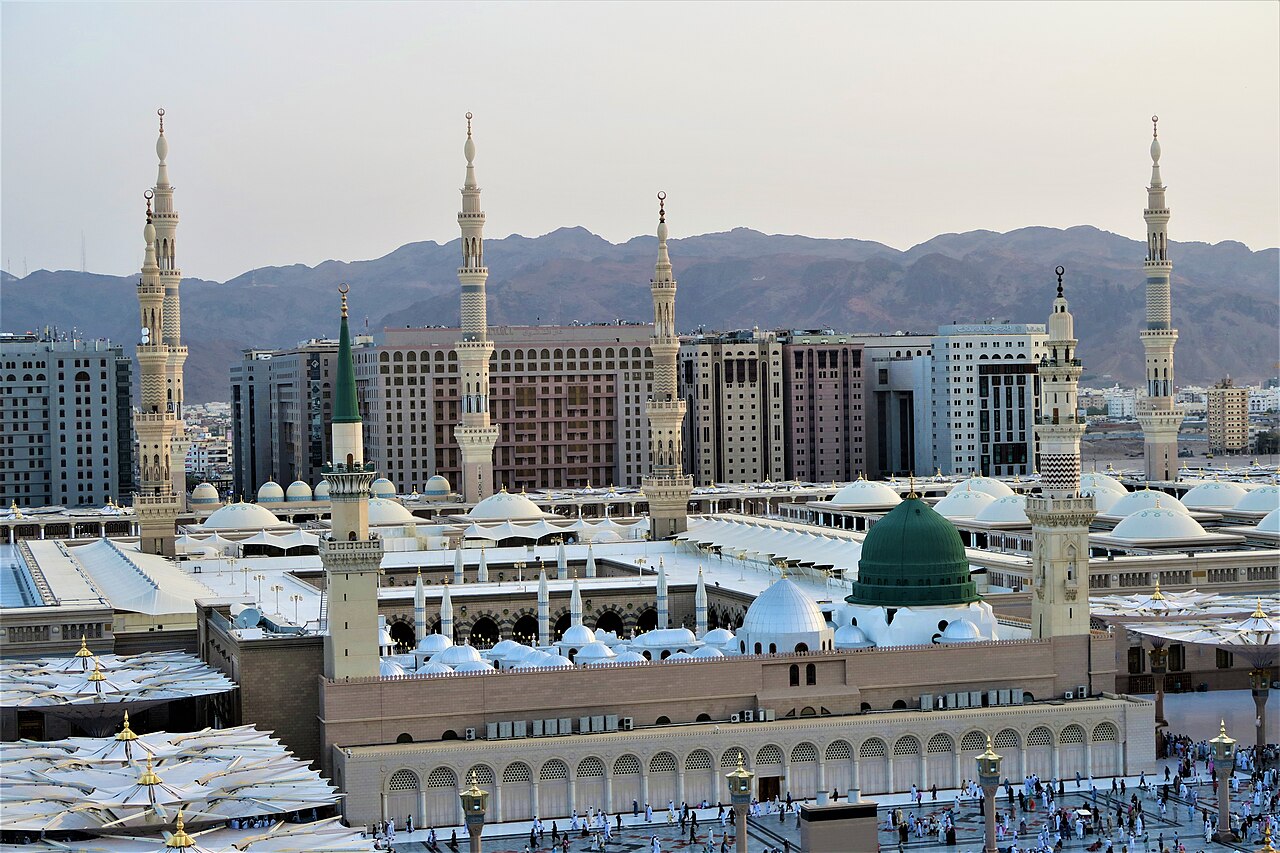
The second holiest city in Islam, where the Prophet Muhammad settled in 622 and where he is buried in the Prophet's Mosque. Non-Muslims may visit the city, but the Prophet's Mosque is for Muslims, and visitors should check locally which areas around it are open to them.
The largest city of the Eastern Province, with about 1.4 million people (2022 census), and the heart of the oil industry. Together with Khobar and Qatif it forms one large metropolitan area, from which a causeway leads to Bahrain.
A mountain city at about 1,880 m, much cooler than the coast, where families from Jeddah and Mecca go to escape the summer heat. It is known as the 'City of Roses'.
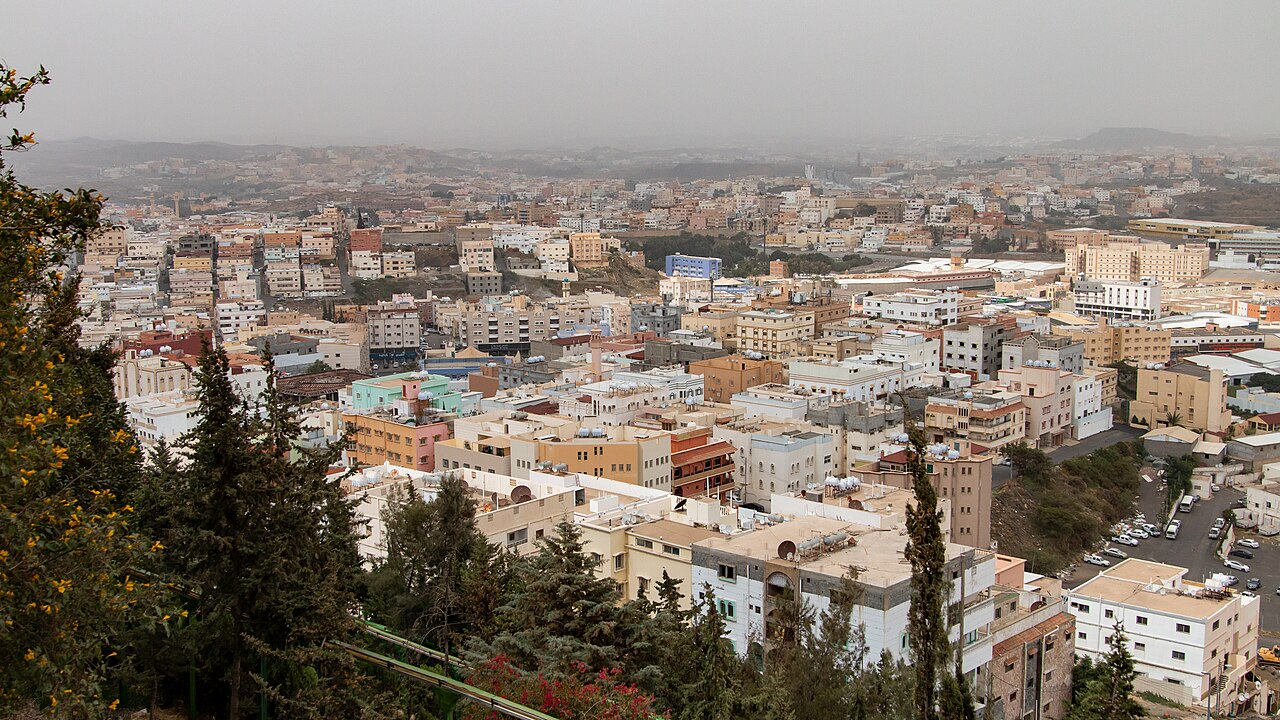
The capital of Asir, at about 2,270 m in green mountains that catch the summer rains. Its mild climate makes it a favourite holiday spot for Saudis, who call it the 'Bride of the Mountain'. As of September 2026, the UK government advises against all but essential travel to Abha, so check the latest advice before planning a visit.
Jabal Sawda, the country's highest mountain, nearby
A city in the northwest near the border with Jordan, once a stop on the pilgrim road from Damascus to Medina. The surrounding region roughly matches the ancient land of Midian and is rich in rock art and old inscriptions.
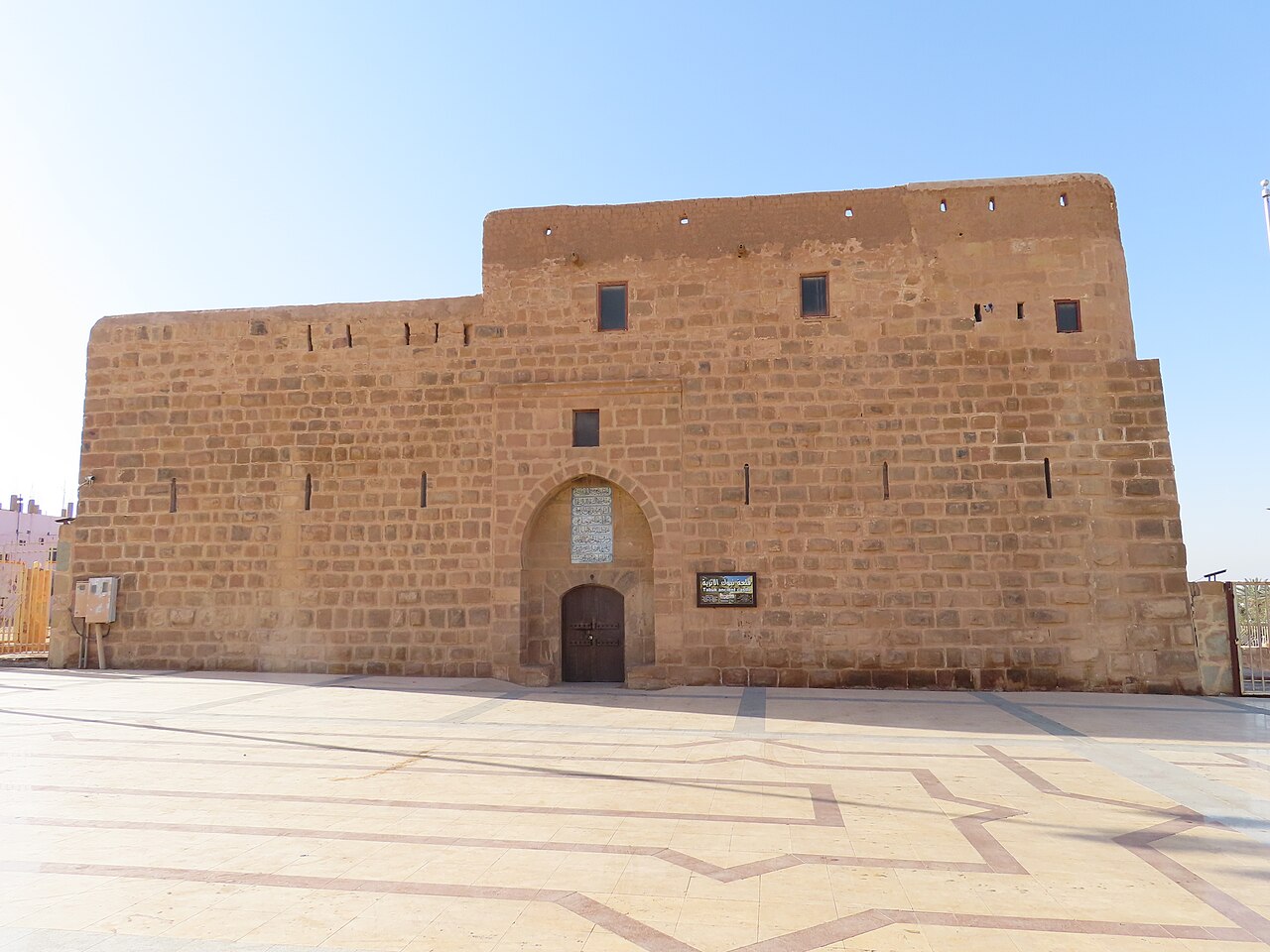
Tabuk Castle, an Ottoman pilgrims' fort
A station of the Hejaz Railway
Rock art and inscriptions in the surrounding region
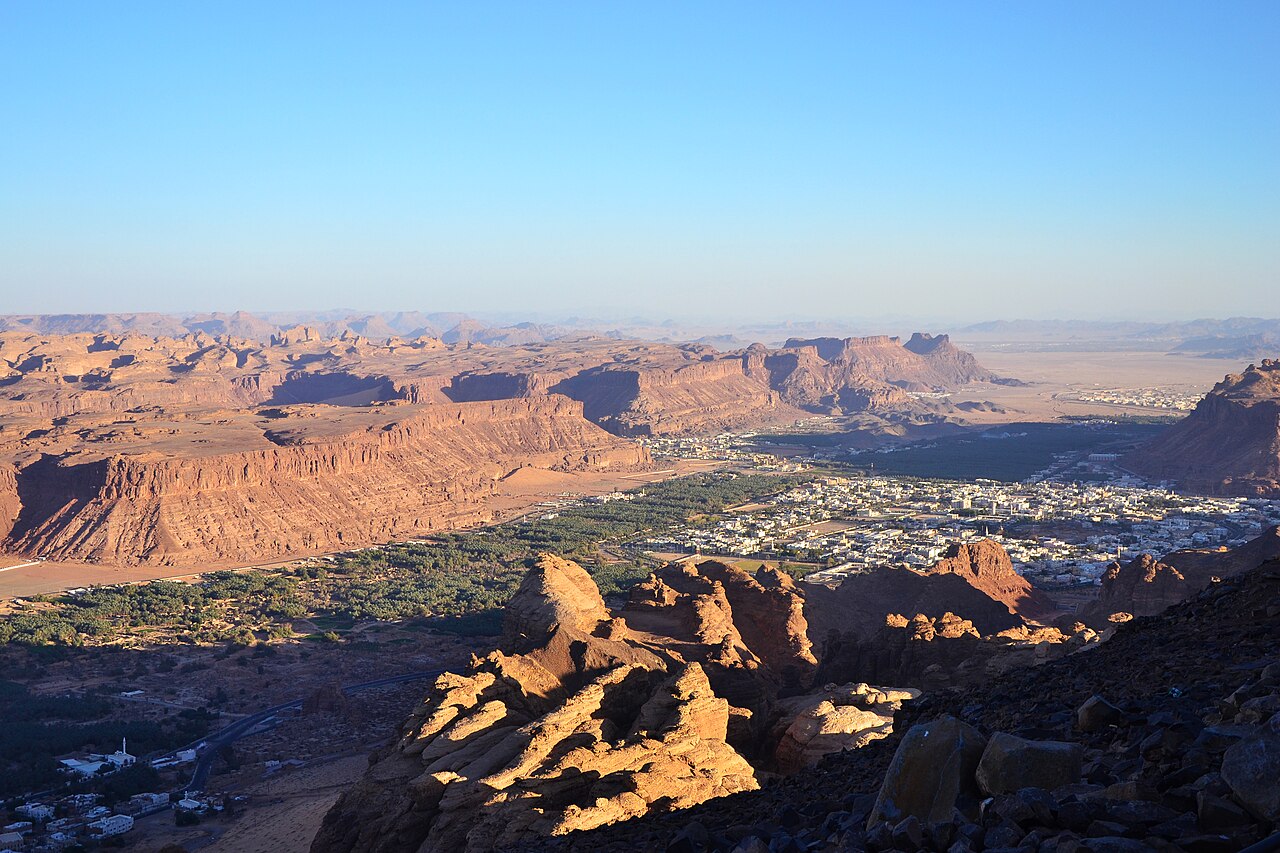
An ancient oasis town on the old incense trade route, set among red sandstone cliffs and palm groves. Once a small farming town, it is now one of the country's main destinations for visitors.
Hegra, the first World Heritage Site in Saudi Arabia
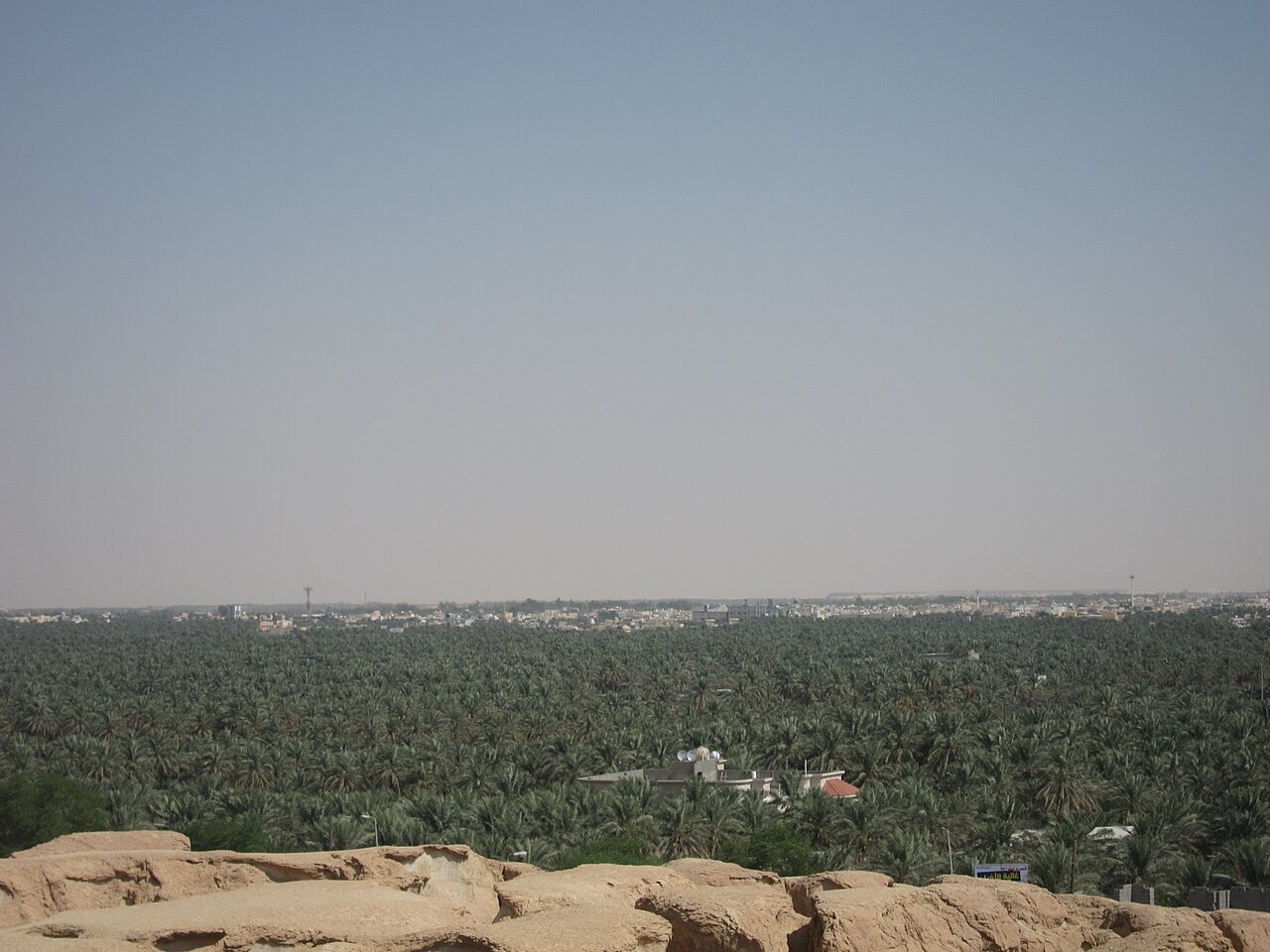
The main city of the Al-Ahsa oasis, with about 730,000 people (2022 census), surrounded by millions of date palms. It is known for its old markets and palaces.
A city in the north between two mountain ranges, once rich from the camel caravans of the pilgrim route. It is famous for hospitality, as the home of Hatim al-Tai, a pre-Islamic poet remembered for his generosity.
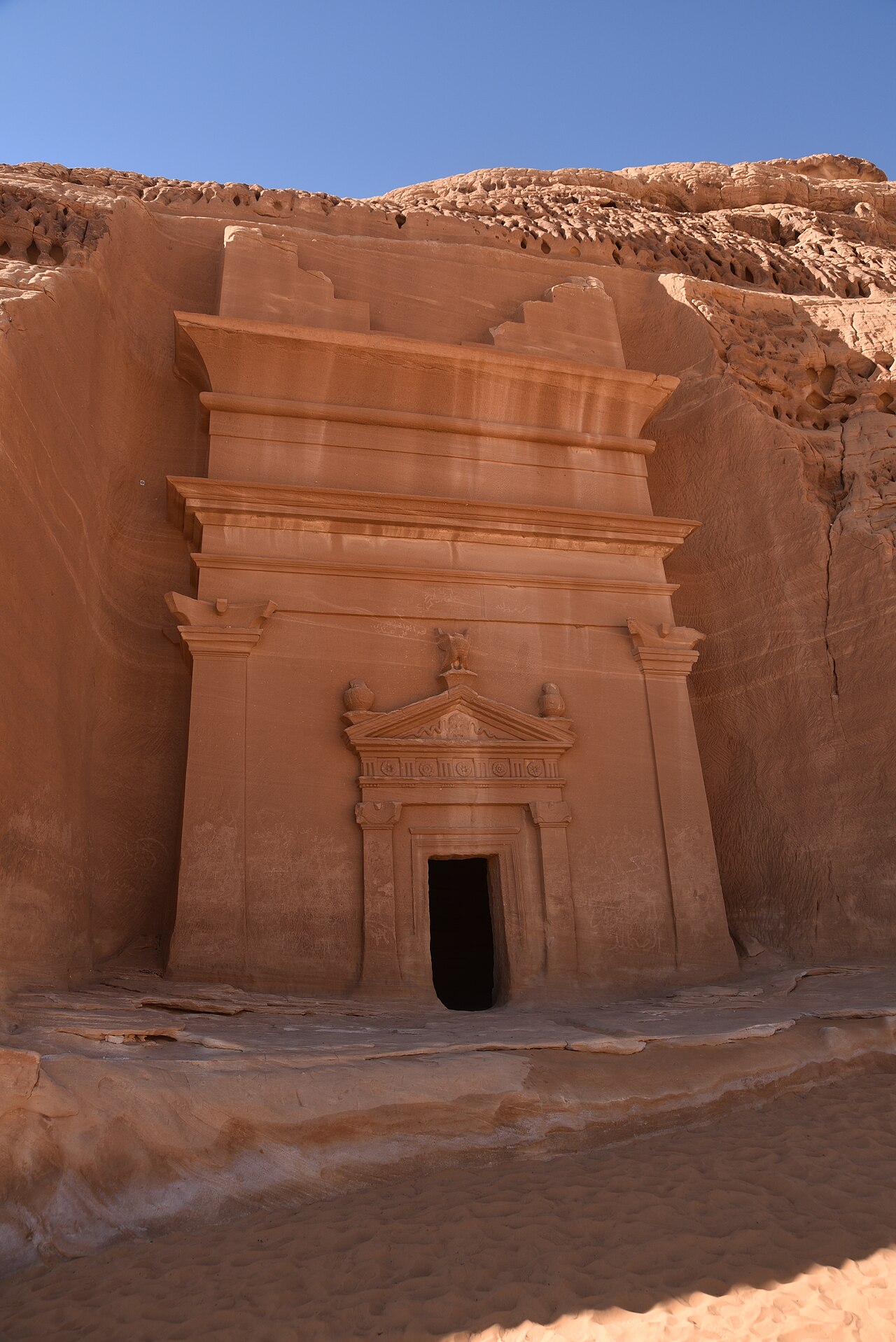
The second city of the Nabataeans after Petra, with more than 110 grand tombs carved into sandstone outcrops about 2,000 years ago. The best known, Qasr al-Farid, stands alone in the sand. In 2008 it became Saudi Arabia's first World Heritage Site.
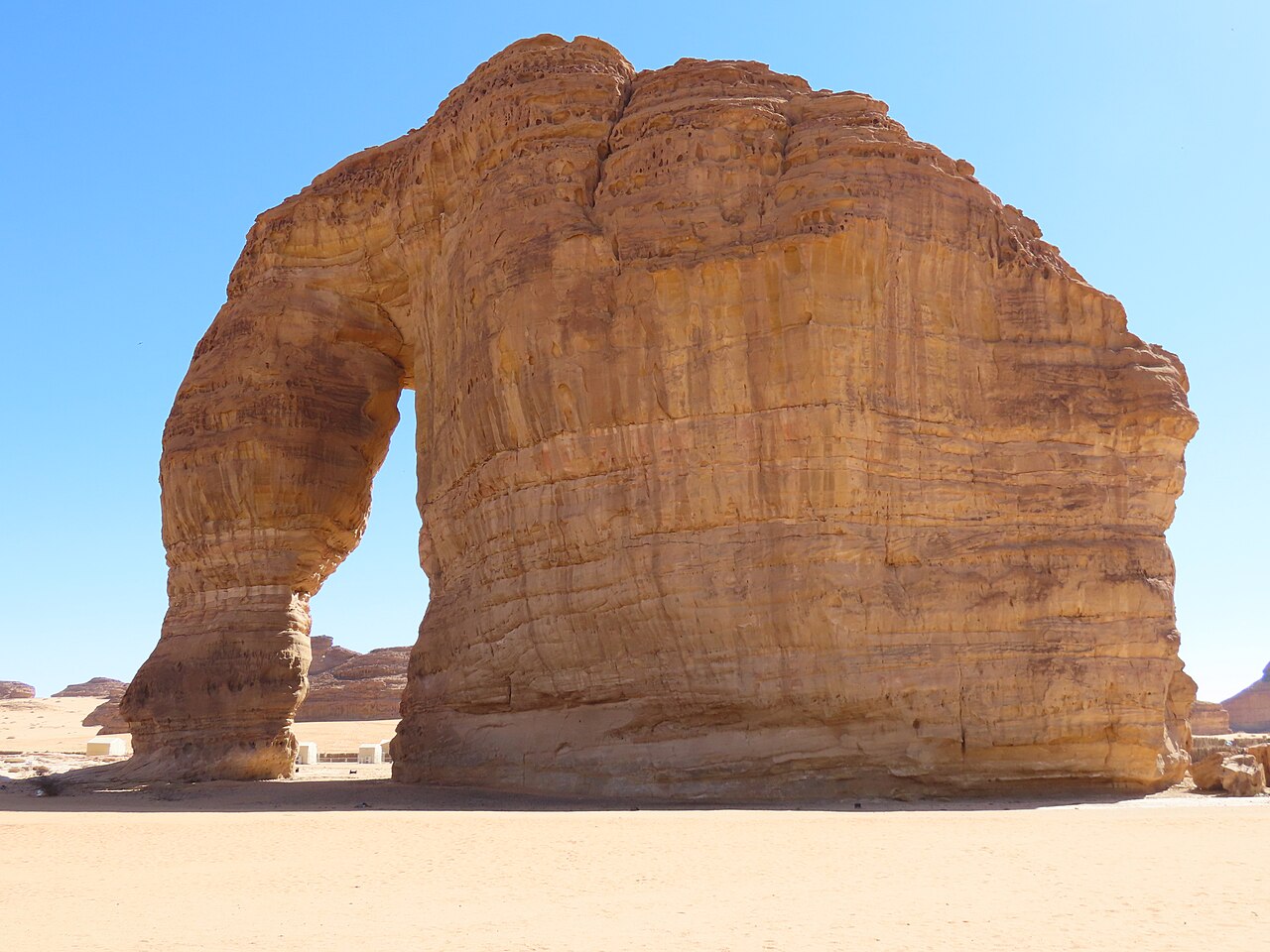
A sandstone rock about 52 m high, shaped by wind and water into the form of an elephant with its trunk touching the ground. It is especially beautiful at sunset.
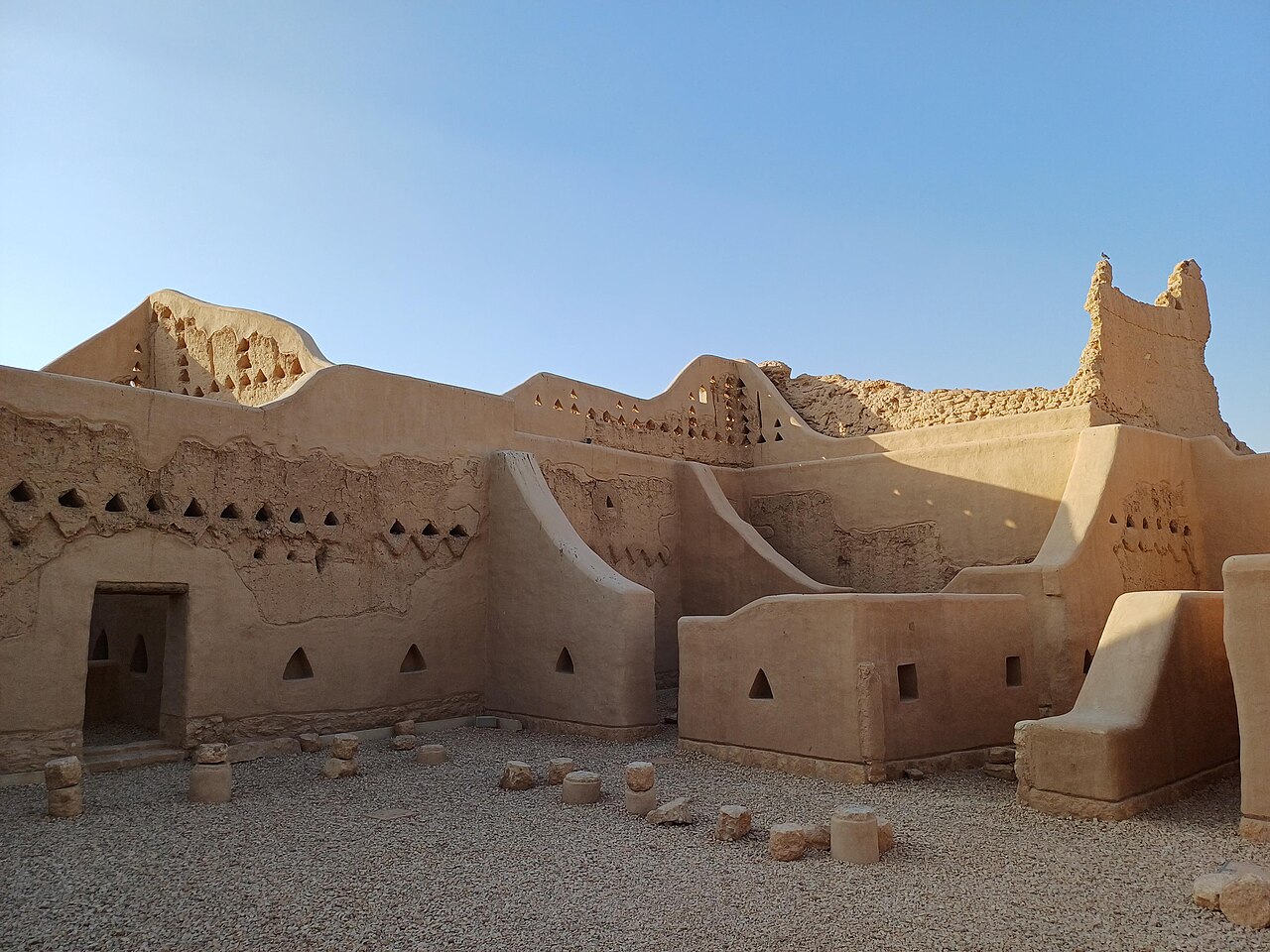
The mud-brick palaces and mosques of the first Saudi capital, on the edge of Riyadh, built in the Najdi mud-brick style. It was destroyed in 1818 and has been restored as an open-air museum. A World Heritage Site since 2010.
A clay and mud-brick fort with four watchtowers in the old centre of Riyadh, completed in 1895. Its capture by Abdulaziz Al Saud in 1902 began the unification of the country. It is now a museum.
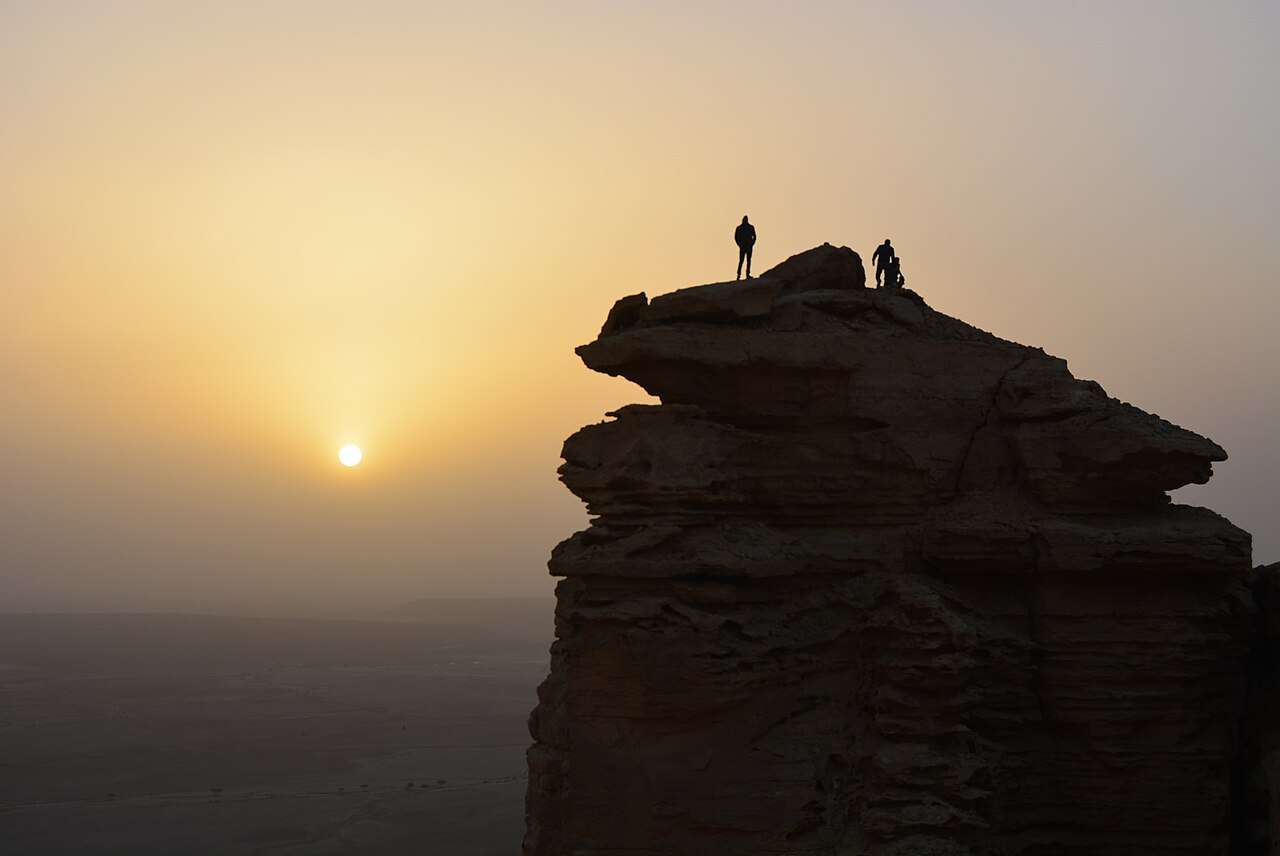
A cliff of the Tuwaiq escarpment, some 100 km northwest of Riyadh by road, where the land suddenly drops about 300 m to an ancient sea bed, with endless views over the desert. The last part of the way is a rough track.
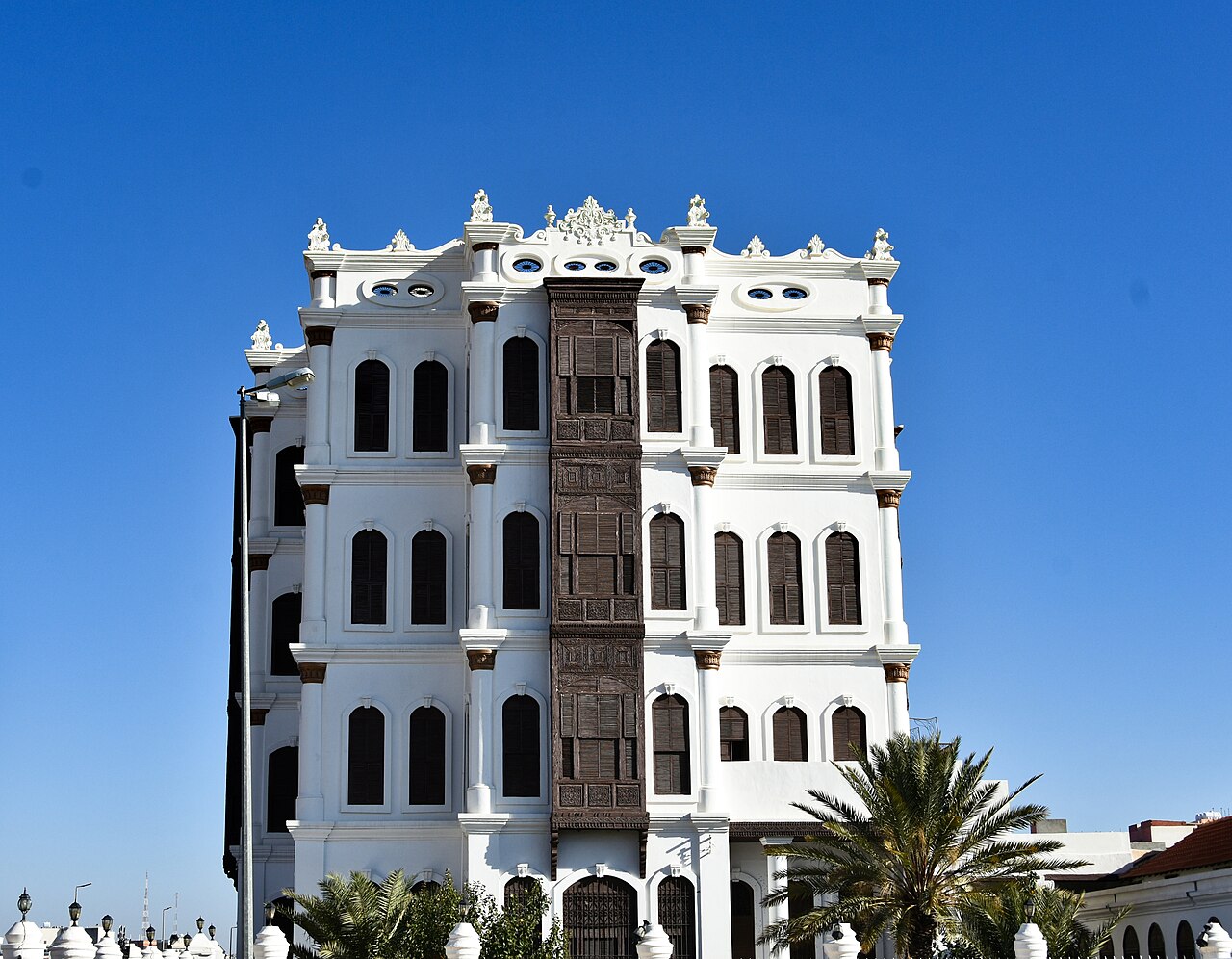
The old town of Jeddah, with tall houses of coral stone and carved wooden bay windows called roshan, busy markets and old mosques. It was for centuries the gateway for pilgrims arriving by sea. A World Heritage Site since 2014.
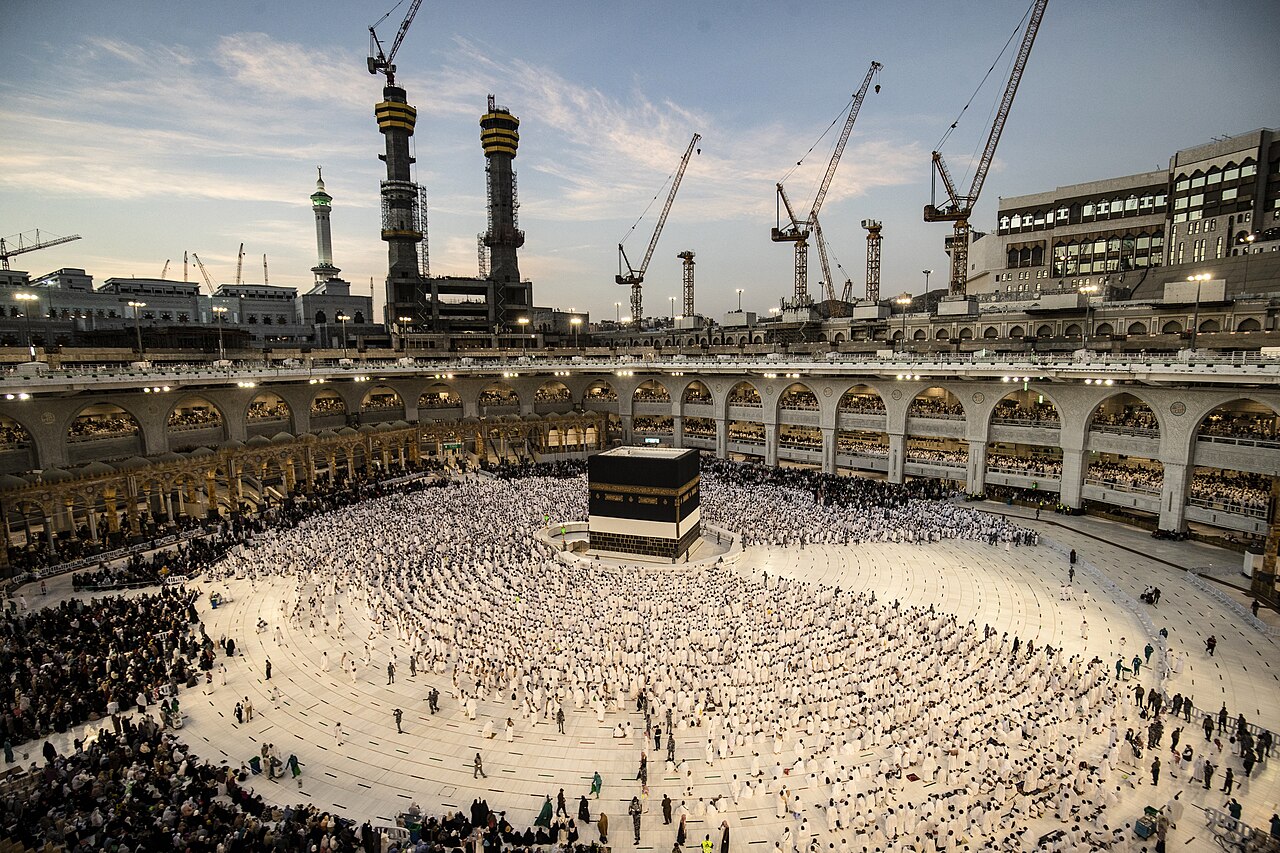
The holiest mosque in Islam, which surrounds the Kaaba, the cube-shaped building covered in black cloth that Muslims face when they pray. As of 2026 it is the largest mosque in the world, and it is the centre of the Hajj and Umrah pilgrimages. Only Muslims may enter Mecca.
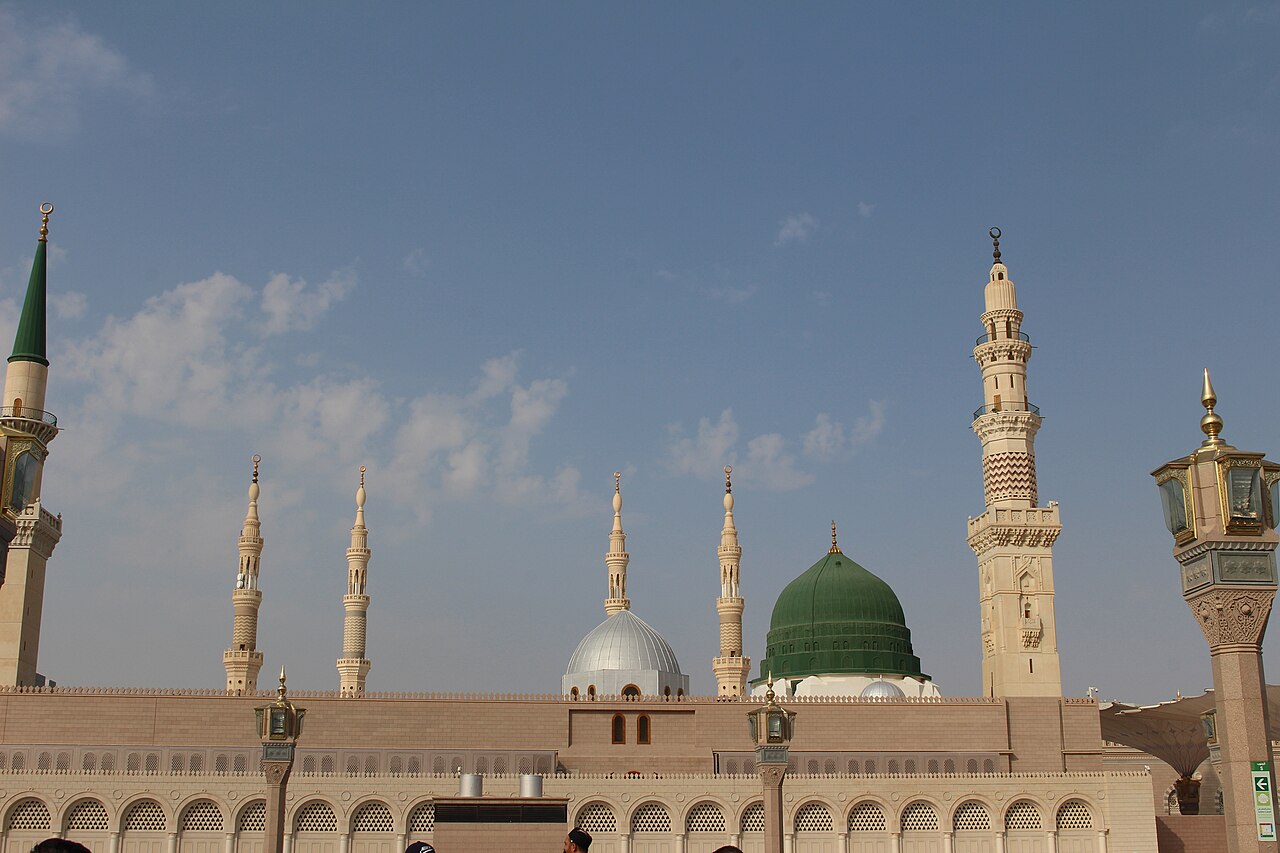
The mosque first built by the Prophet Muhammad in Medina, and his burial place beneath the Green Dome. It is the second holiest site in Islam, with giant umbrellas that shade the courtyards. Non-Muslim visitors may see it from outside; check locally which areas around it are open to them.
A huge oasis of more than 2.5 million palm trees, watered by more than 280 natural springs, with canals, old wells, mosques and the cool caves of Jabal Al-Qarah. A World Heritage Site since 2018.
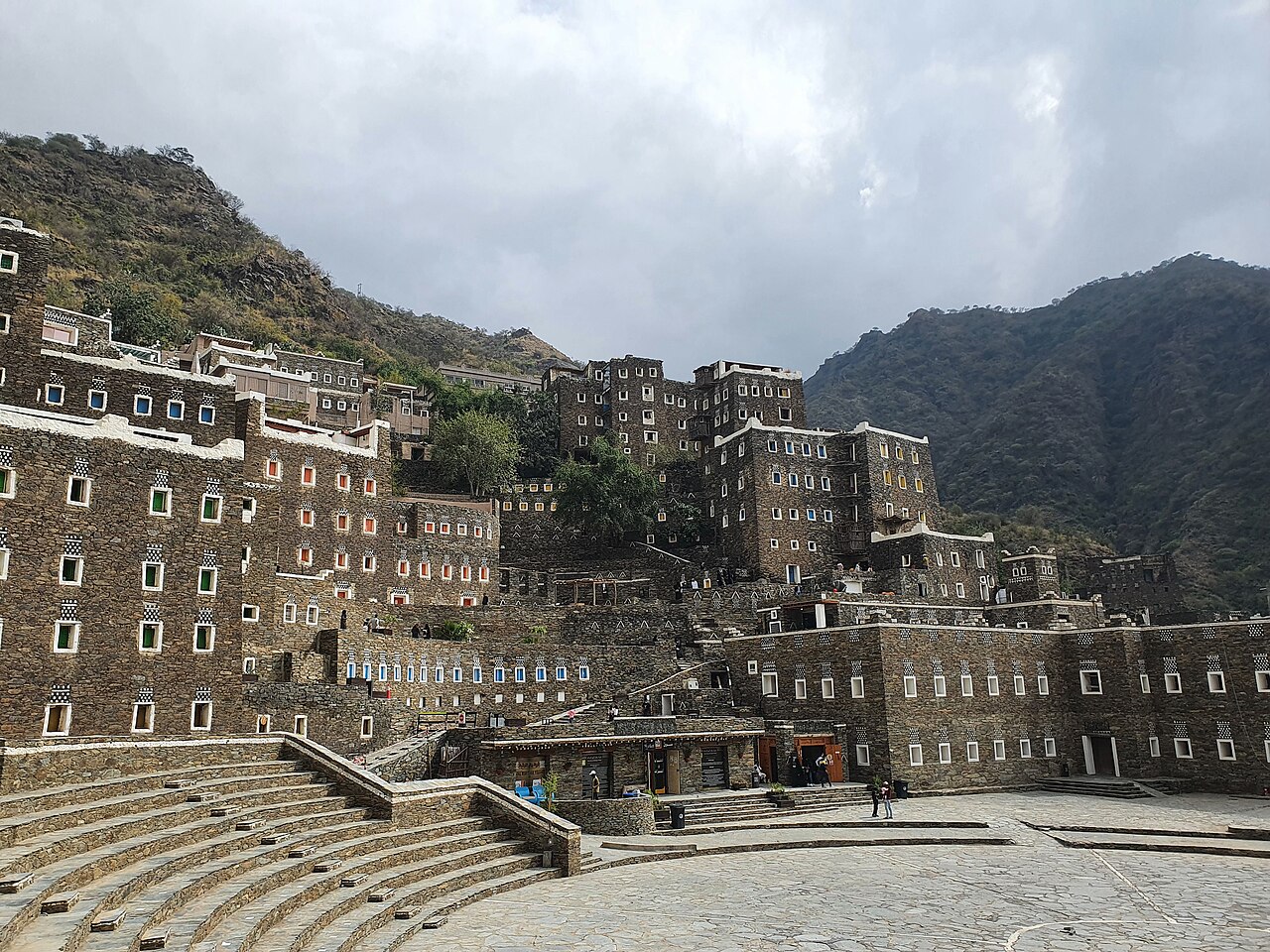
A village of about 60 tall houses of stone, clay and wood, some up to eight floors high, in a steep valley west of Abha. The houses have brightly painted windows, and the rooms are decorated with colourful Al-Qatt wall paintings made by the village women.
Saudi Arabia is the largest country in the world without a single permanent river. Its water comes from underground aquifers, wadis that flow after rain and, today, huge desalination plants.
02
The Rub' al Khali, or Empty Quarter, covers about 650,000 km² of the southern Arabian Peninsula and is the largest continuous sand desert in the world. Some of its dunes are up to 250 m high.
03
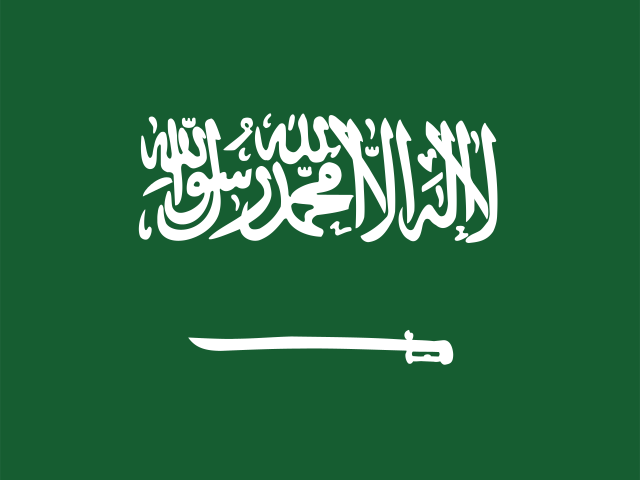
The green Saudi flag carries the Islamic declaration of faith, the shahada. Because the words are holy, the flag is never flown at half-mast, and it is made so that the writing reads correctly from both sides.
04
The name of the country comes from the royal family, the Al Saud. It is one of the very few countries named after a family.
05
The King Fahd Causeway, a 25 km chain of bridges and embankments opened in 1986, links Saudi Arabia to the island kingdom of Bahrain. Border checks take place on an artificial island in the middle.
06
The Saudi riyal has been fixed at 3.75 riyals to one US dollar since 1986, and the rate was made official in 2003.
07
Rock carvings of hunters with dogs found in the northwest of Saudi Arabia are more than 8,000 years old, and may be the oldest pictures of dogs in the world.
08
The Al-Ahsa Oasis has more than 2.5 million palm trees, fed by more than 280 springs, and Saudi Arabia is one of the world's largest producers of dates (as of 2022).
09
As of September 2026, the Jeddah Tower is still under construction. It is planned to be the first building in the world to reach 1 kilometre in height.
10
At the 2022 World Cup in Qatar, Saudi Arabia beat Argentina 2 to 1 in the group stage. Argentina, with Lionel Messi, went on to win the tournament.
11
Riyadh will host the world fair Expo 2030, from October 2030 to March 2031, and in December 2024 FIFA confirmed Saudi Arabia as host of the 2034 World Cup.
12
Taif, high in the mountains near Mecca, is known as the City of Roses: its small pink roses are distilled into a precious rose oil.
13
Hegra was the second-largest city of the Nabataean kingdom after Petra in Jordan, and its more than 110 tombs are among the best-preserved Nabataean monuments anywhere.
Arabic is written from right to left; each word is shown in Latin letters with the Arabic script in brackets. 'Kh' sounds like the ch in Scottish 'loch', and many Saudis say a hard 'g' where written Arabic has 'q' Pronunciation is written the way it sounds; the capital letters show where the stress goes.
Greetings
salam (سلام)sah-LAHMpeace, also used as hello
shukran (شكراً)SHOOK-ranthank you
aywa (أيوه)AY-wahyes (everyday speech)
la (لا)LAHno
yalla (يلا)YAL-lahlet's go, come on
Food and drink
gahwa (قهوة)GAH-wahcoffee
tamr (تمر)TAM-erdates (the fruit)
khubz (خبز)KHOOBZbread
ruz (رز)ROOZrice
moya (موية)MOY-yahwater (everyday speech)
laban (لبن)LAH-bana cool drink of buttermilk or thin yoghurt
In town
souq (سوق)SOOKmarket
masjid (مسجد)MAS-jidmosque
bayt (بيت)BAYThouse, home
madina (مدينة)ma-DEE-nahcity
Nature
sahra (صحراء)SAH-rahdesert
wadi (وادي)WAH-deevalley, a dry riverbed that fills after rain
Read your government's travel advice before you go. As of September 2026, the UK government advises against all travel within 10 km of the border with Yemen, and against all but essential travel between 10 and 80 km from that border and to the cities of Abha and Khamis Mushait in Asir. Advice can change quickly with the situation in the region.
Apply for the eVisa online
Since 2019 visitors from many countries can get a tourist eVisa online or on arrival at the main airports. As of September 2026 it is valid for a year for several visits, up to 90 days in total, and includes health insurance. Your passport must be valid for at least 6 months after you arrive. Pilgrims going for Hajj need a separate Hajj visa.
Mecca is only for Muslims
Under Saudi law, non-Muslims may not enter Mecca, and signs and checkpoints on the main roads mark the boundary of the sacred area that they may not cross. Medina is different: non-Muslims may visit the city, but the Prophet's Mosque is for Muslims, and the rules for the area around it have changed in recent years, so check locally.
Dress modestly
As of September 2026, the UK government says that men and women must wear loose clothing that covers the elbows and reaches below the knees. Women visitors do not have to wear the abaya (the traditional long robe) or cover their hair.
No alcohol, and zero tolerance for drugs
Do not bring alcohol into the country: drinking alcohol is illegal, and so is being drunk in public. Drug offences are punished very severely. Pork is also not allowed.
Be thoughtful during Ramadan
During Ramadan, do not eat, drink, smoke or chew gum in public in the daytime, including in your car. Many shops and restaurants open late into the night, and the evenings are festive.
Ask before you take photos
Ask people before photographing them. It is illegal to photograph government buildings, military sites, embassies and palaces. Public displays of affection, swearing and loud music can also cause offence.
Respect the heat
In summer, temperatures in Riyadh and the desert often pass 40 °C, and the coast is hot and humid. The most pleasant months to visit are from November to March. Drink plenty of water, and plan desert trips with an experienced guide.
 Iraq
Iraq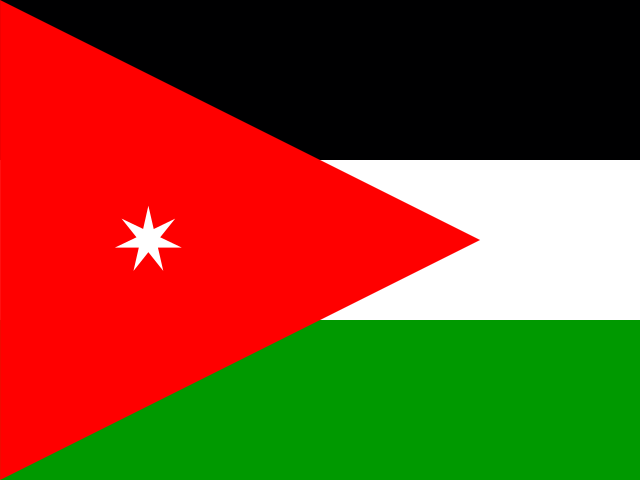 Jordan
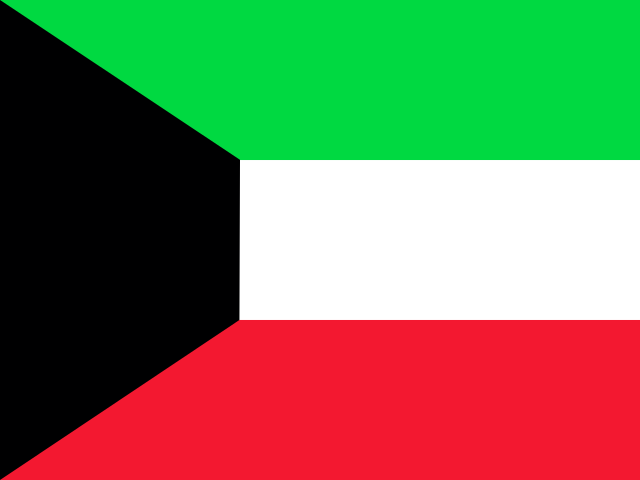 Kuwait
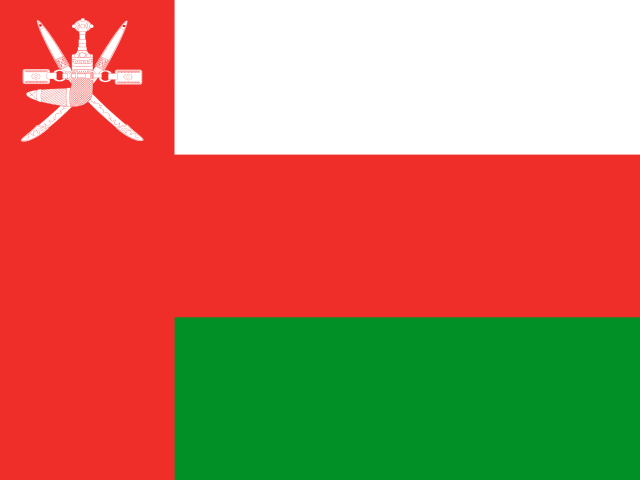 Oman
Oman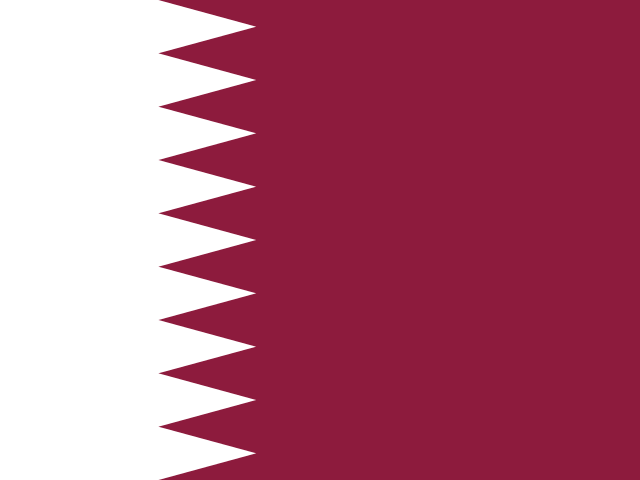 Qatar
Qatar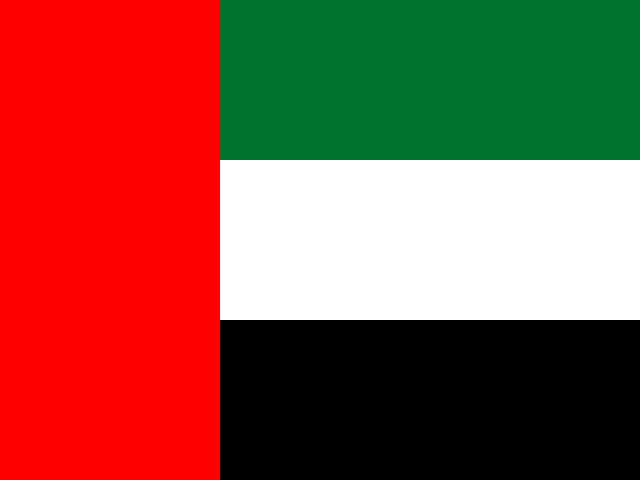 United Arab Emirates
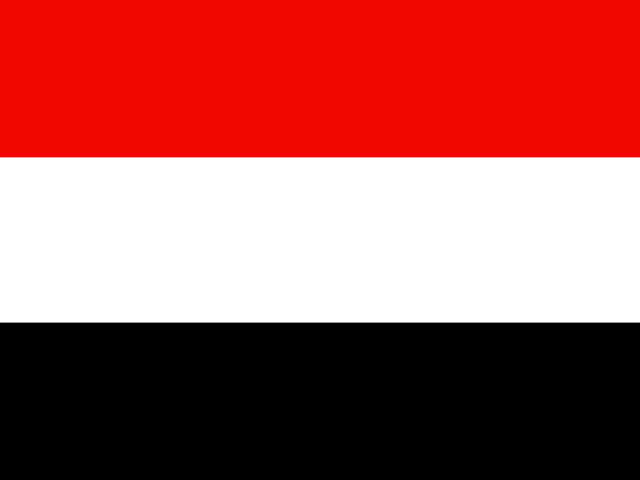 Yemen
Yemen