Uruguayan food is built on beef and on the cooking of Spanish and Italian immigrants, with touches from Germany, Britain and Brazil. There is pasta on Sundays, pizza with a slice of fainá on top, and cakes filled with dulce de leche. The biggest social meal is the asado, the barbecue. It usually starts with a picada, a board of cheese, olives, salami and bread with an aperitif, then sausages and black pudding come off the grill, and finally the big cuts of beef, with salads and bread. In the afternoon people drink mate with small pastries called bizcochos or with tortas fritas.
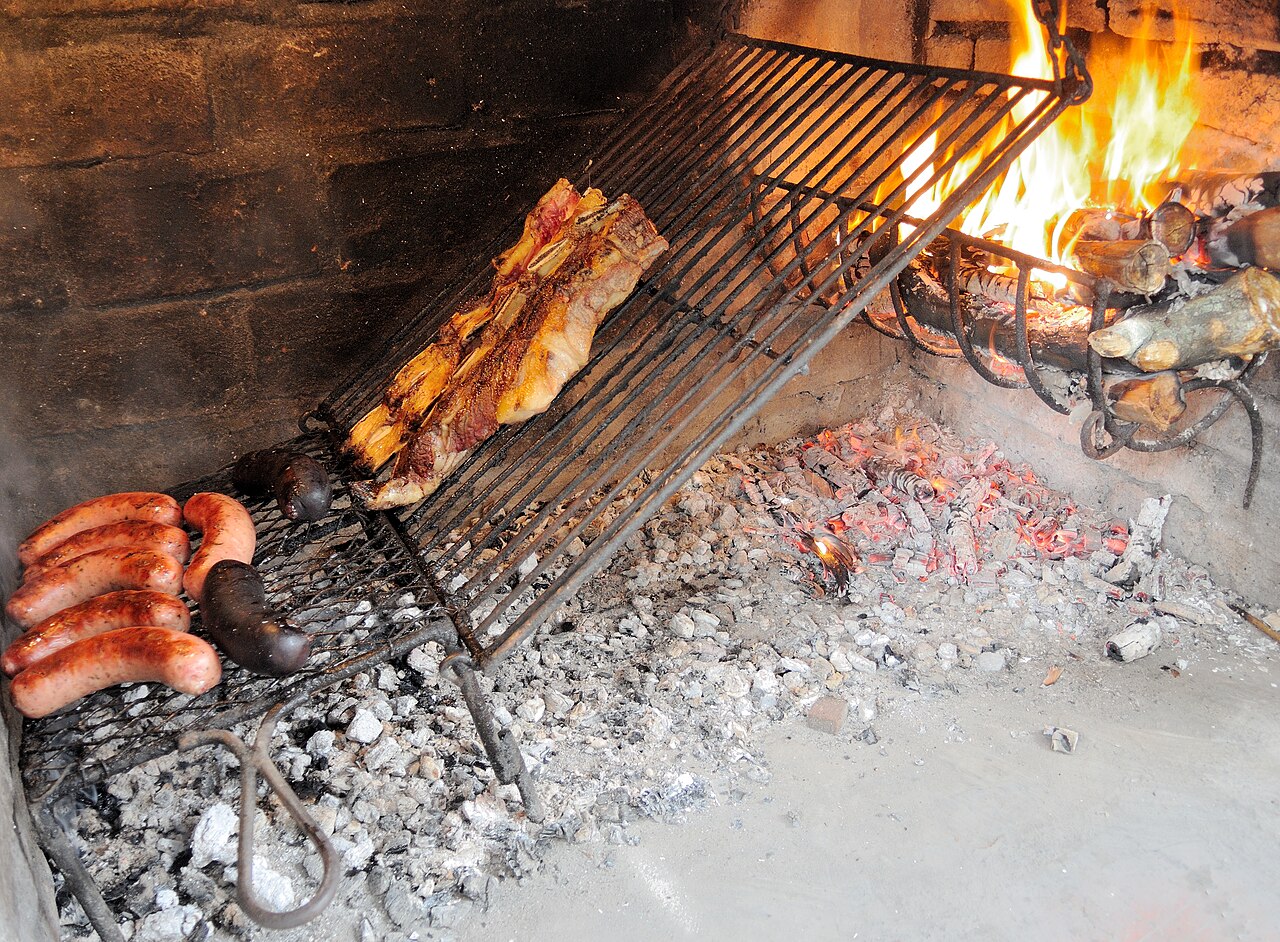
The Uruguayan barbecue, and a social ritual as much as a meal. Beef ribs (tira de asado), sausages (chorizo), black pudding (morcilla), offal and other cuts are cooked slowly over wood embers on a large grill. Many Uruguayan homes have a brick and iron grill on the patio, and in Montevideo's Mercado del Puerto you can eat asado at the counter.
The person in charge of the grill is called the asador or parrillero, and the grill itself is the parrilla.
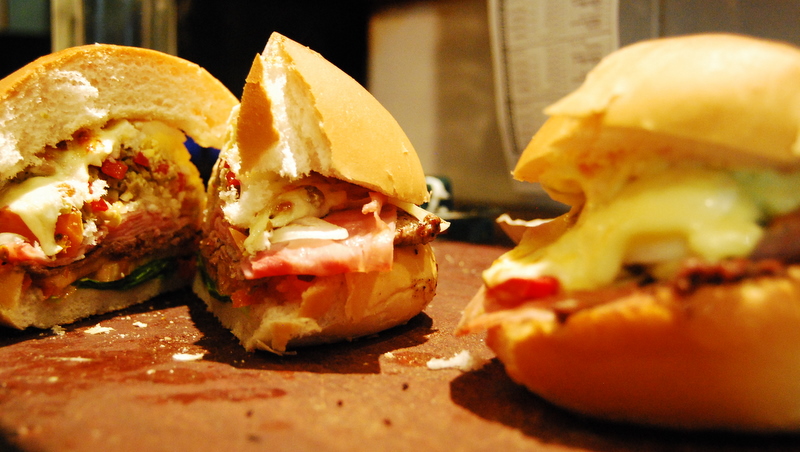
Uruguay's national dish: a huge sandwich of thin grilled beef steak with ham, mozzarella, bacon, tomato, lettuce, mayonnaise, olives and a fried or hard-boiled egg, usually served with chips. Chivito al plato comes on a plate, without the bun.
Chivito means 'little goat'. The story goes that in 1946, at El Mejillón bar in Punta del Este, a customer asked for a kid goat sandwich; the owner, Antonio Carbonaro, had no goat and used beef fillet instead.
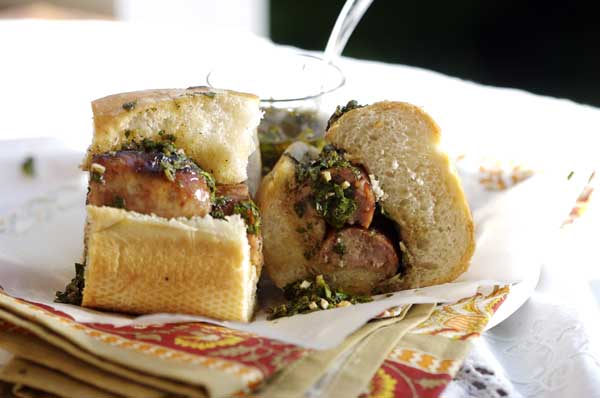
A grilled chorizo sausage split in half and served in bread, often with sauces such as salsa criolla, a mix of chopped tomato and onion. It is a favourite street food and the first thing off the grill at many asados.
The name joins its two ingredients: chorizo and pan, bread.
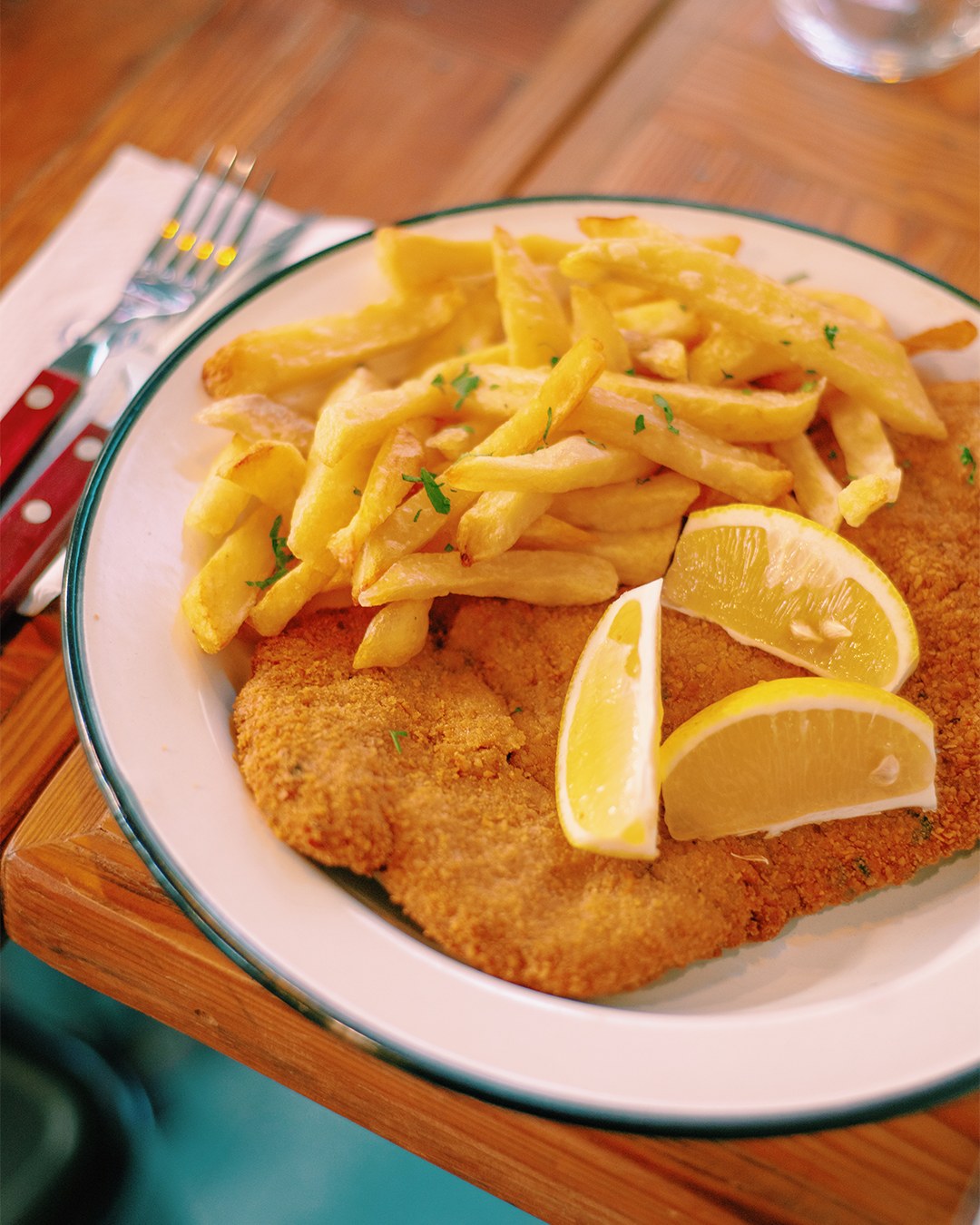
A thin slice of beef or chicken dipped in egg and breadcrumbs and fried. It comes 'a la napolitana' with tomato sauce, ham and melted cheese, 'a caballo' (on horseback) with fried eggs on top, or 'al pan' as a big sandwich.
Despite its name, the milanesa a la napolitana does not come from Naples: popular legend says it was created in Buenos Aires in the 1940s.
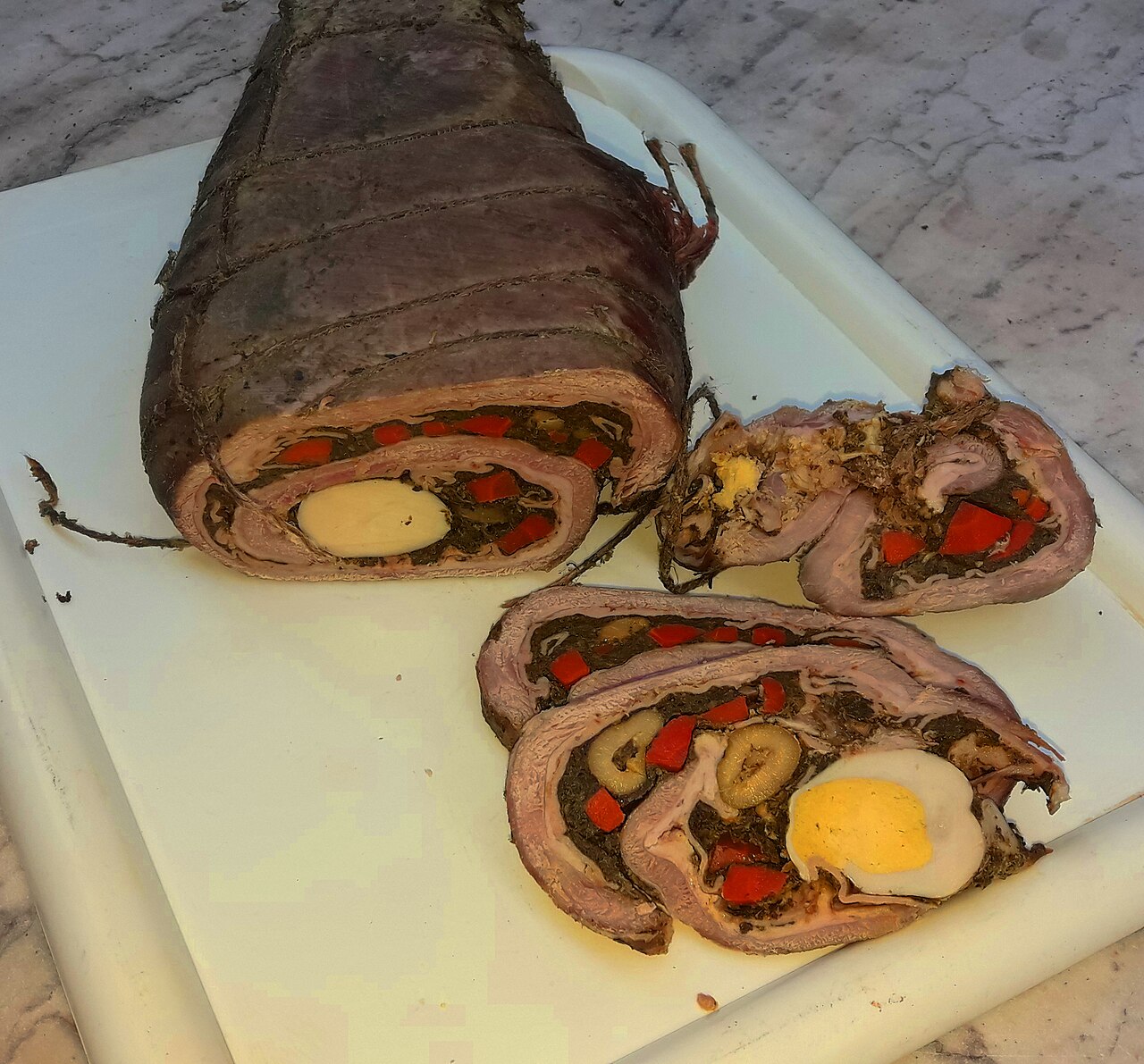
A thin, wide cut of beef rolled around a filling of spinach, carrots and hard-boiled eggs, tied with string, boiled, pressed and served cold in slices, which show a colourful spiral.
Matambre joins the Spanish words matar and hambre: it means 'hunger killer'.
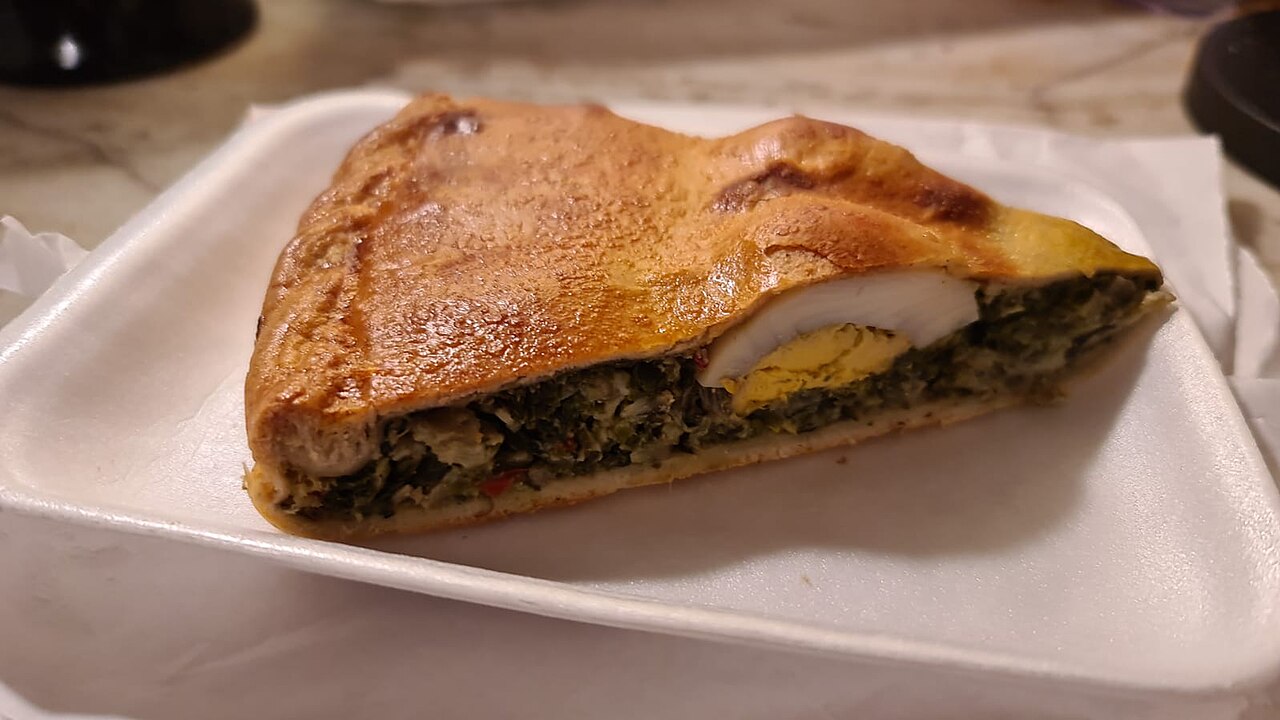
A savoury pie of thin pastry filled with chard or spinach, cheese and eggs. Whole eggs are broken into hollows in the filling, so each slice shows a hard-cooked egg. It is a favourite family dish, brought by Italian immigrants.
In Genoa, where it comes from, it is an Easter dish, and legend says skilled cooks once layered up to 33 sheets of pastry, one for each year of Christ's life.
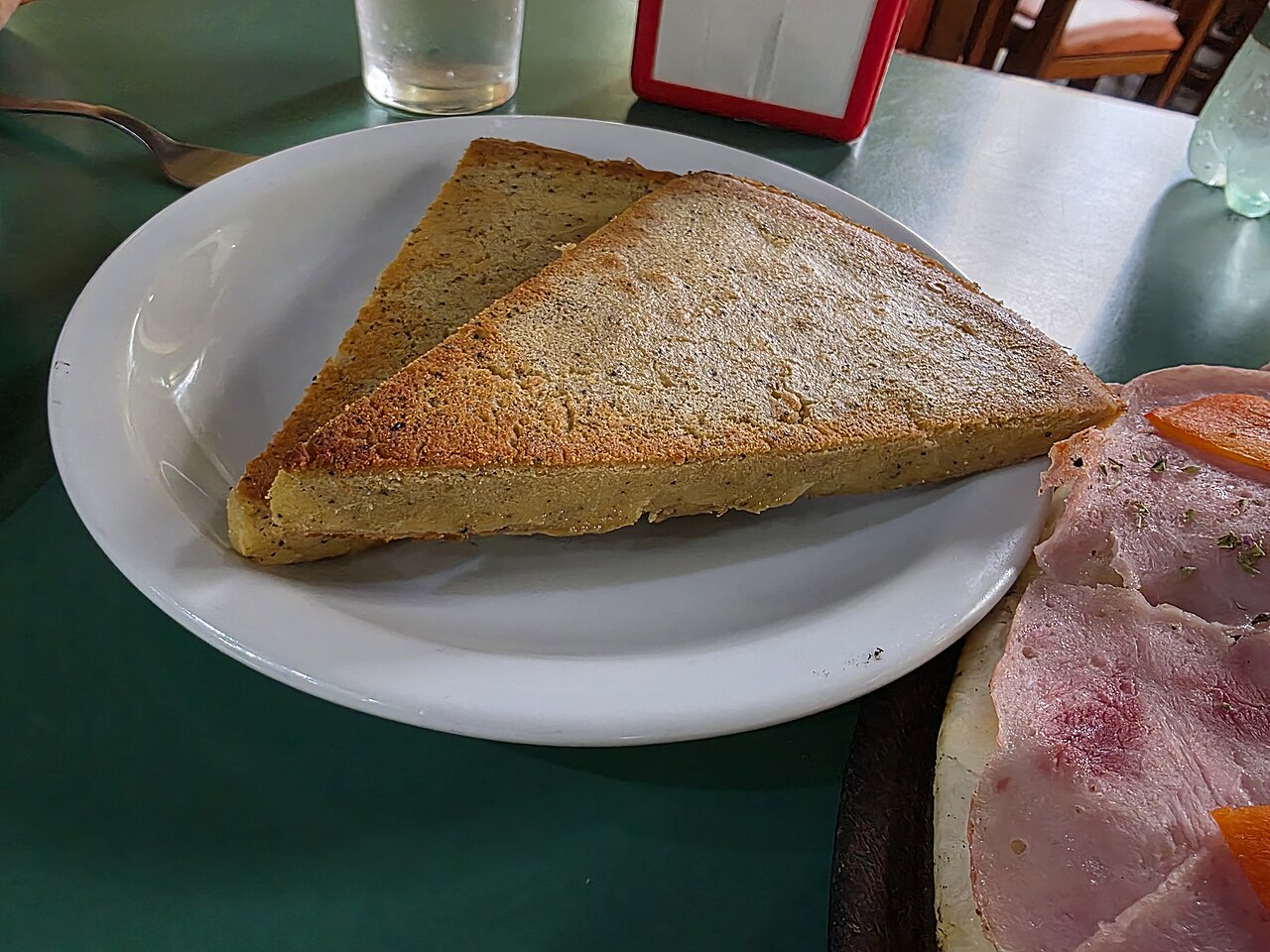
A thin, flat bake of chickpea flour, water and olive oil, cut into slices and sprinkled with pepper. In pizzerias people order a slice of pizza with a slice of fainá on top, called 'pizza a caballo'.
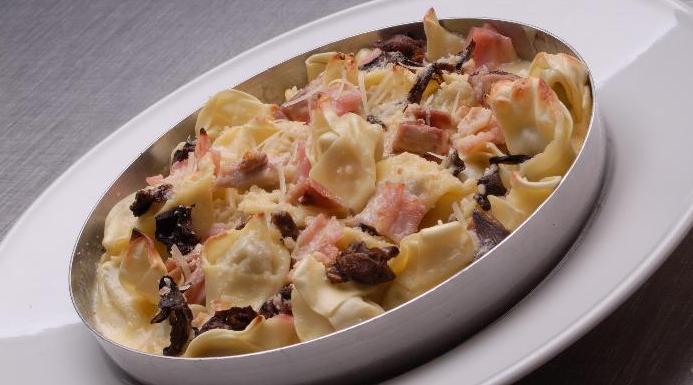
Small stuffed pasta (cappelletti) in a warm, rich sauce of cream, ham, mushrooms and a spoonful of beef extract, sometimes with onion or walnuts. It is Uruguay's own contribution to Italian-style pasta.
The sauce was invented in the 1950s by the Italian chef Raimondo Monti at the Montevideo restaurant Mario y Alberto, and named after the tenor Enrico Caruso, who had sung in Montevideo in 1915. Caruso never tasted it.
Italian immigrants all over the Río de la Plata region
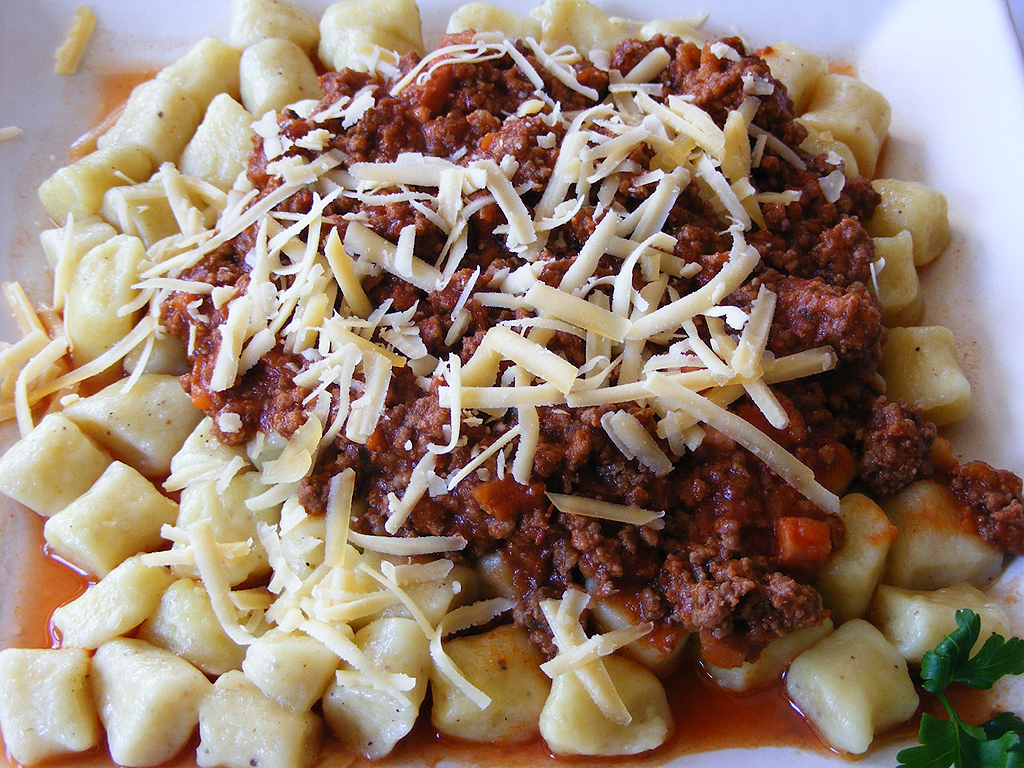
Potato gnocchi, usually with tuco (a meat and tomato sauce), eaten on the 29th of every month. It is a family tradition in homes and restaurants alike.
Diners put a banknote or a coin under their plate to bring luck and money in the month ahead. One explanation is that the 29th, just before payday, was when poor families could only afford cheap food like gnocchi.
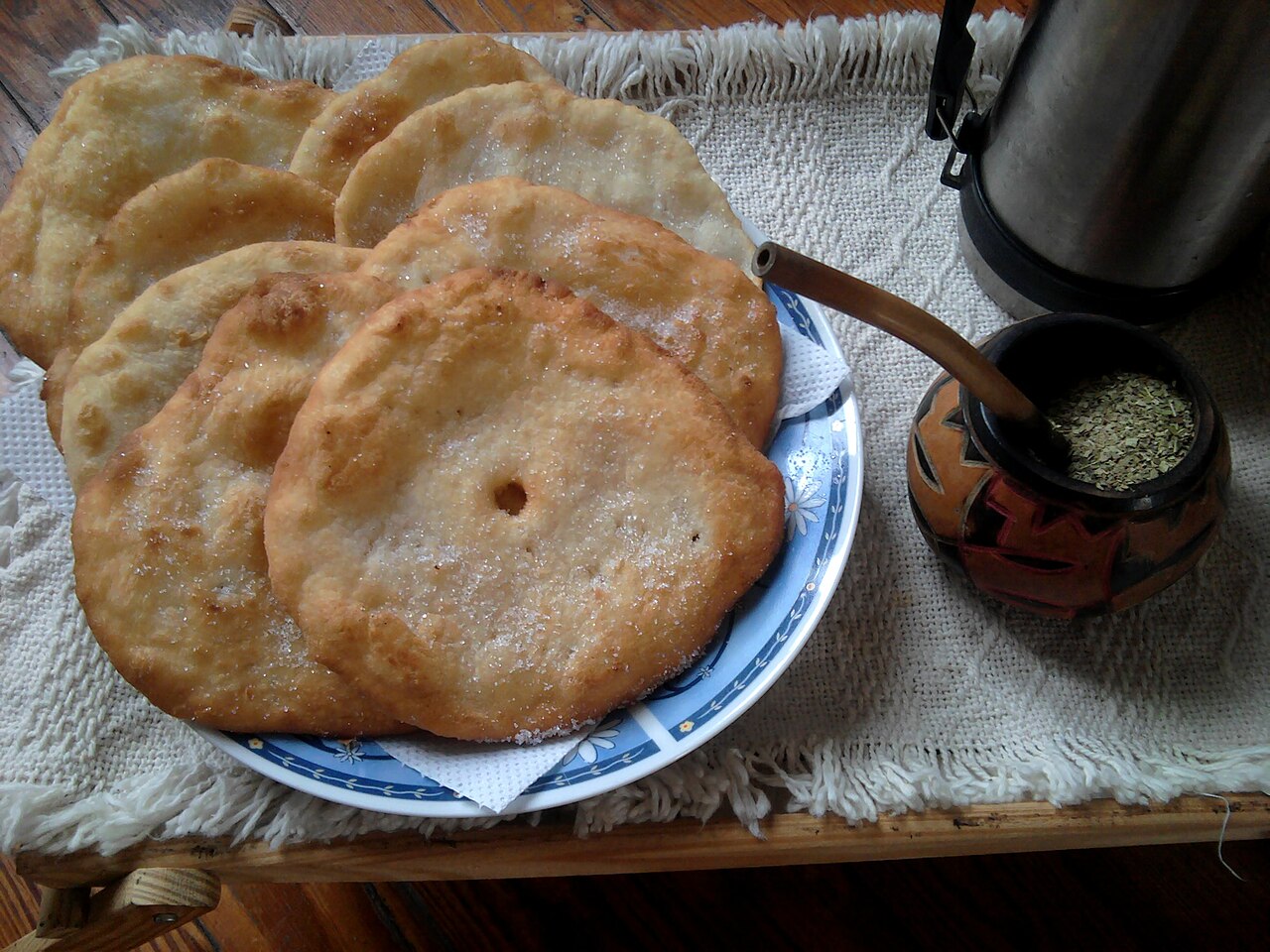
Thin, round pieces of fried dough with a little cut or hole in the middle, sprinkled with sugar or salt. They are sold at street stalls and fairs and are the classic partner for mate.
Uruguayans like to make tortas fritas on rainy days. One story says the gauchos of the countryside used to collect rainwater to make the dough.
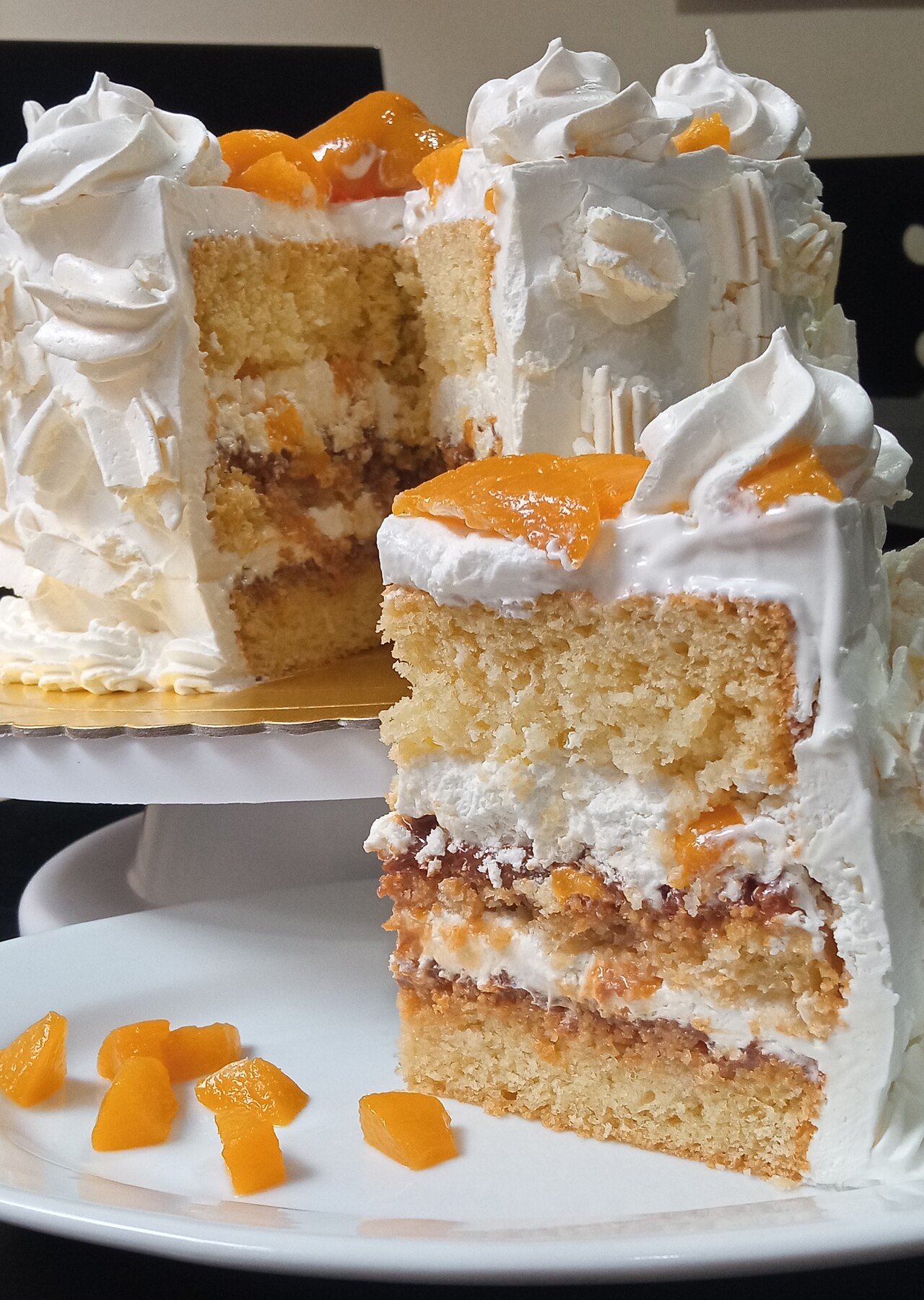
A light cake of sponge, whipped cream, crunchy meringue and fruit, usually peaches and sometimes strawberries. Some versions add dulce de leche or chocolate. You can buy it in bakeries and supermarkets all over the country.
It was created on 27 April 1927 by Orlando Castellano at the Confitería Las Familias in Paysandú, and named after the chajá, the southern screamer, a large bird of the wetlands.
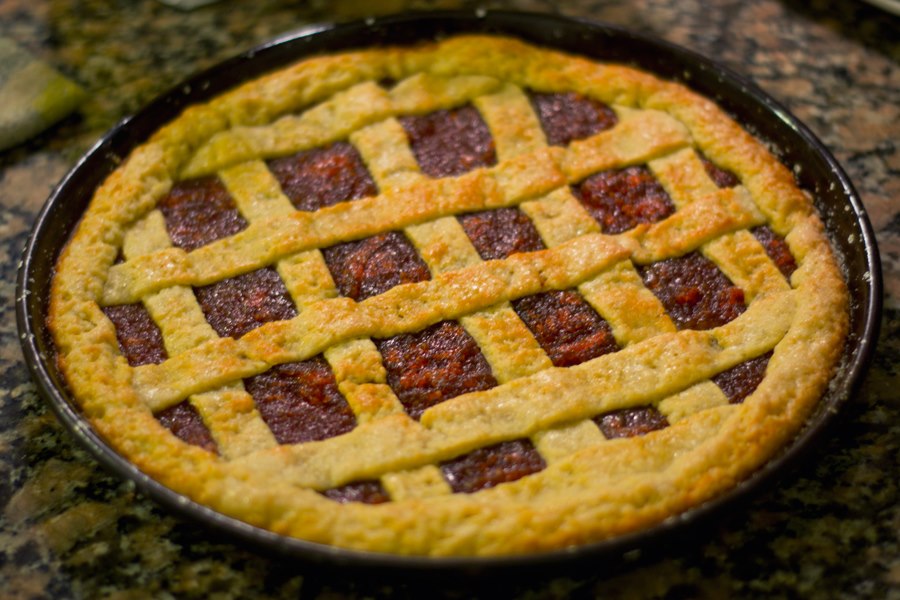
A sweet tart of crumbly shortcrust pastry filled with quince paste (dulce de membrillo), sweet potato jam or dulce de leche, covered with a lattice of thin pastry strips. It is a favourite with afternoon mate or coffee.
The name comes from the Italian pasta frolla, 'crumbly pastry', the dough used for the Italian crostata.
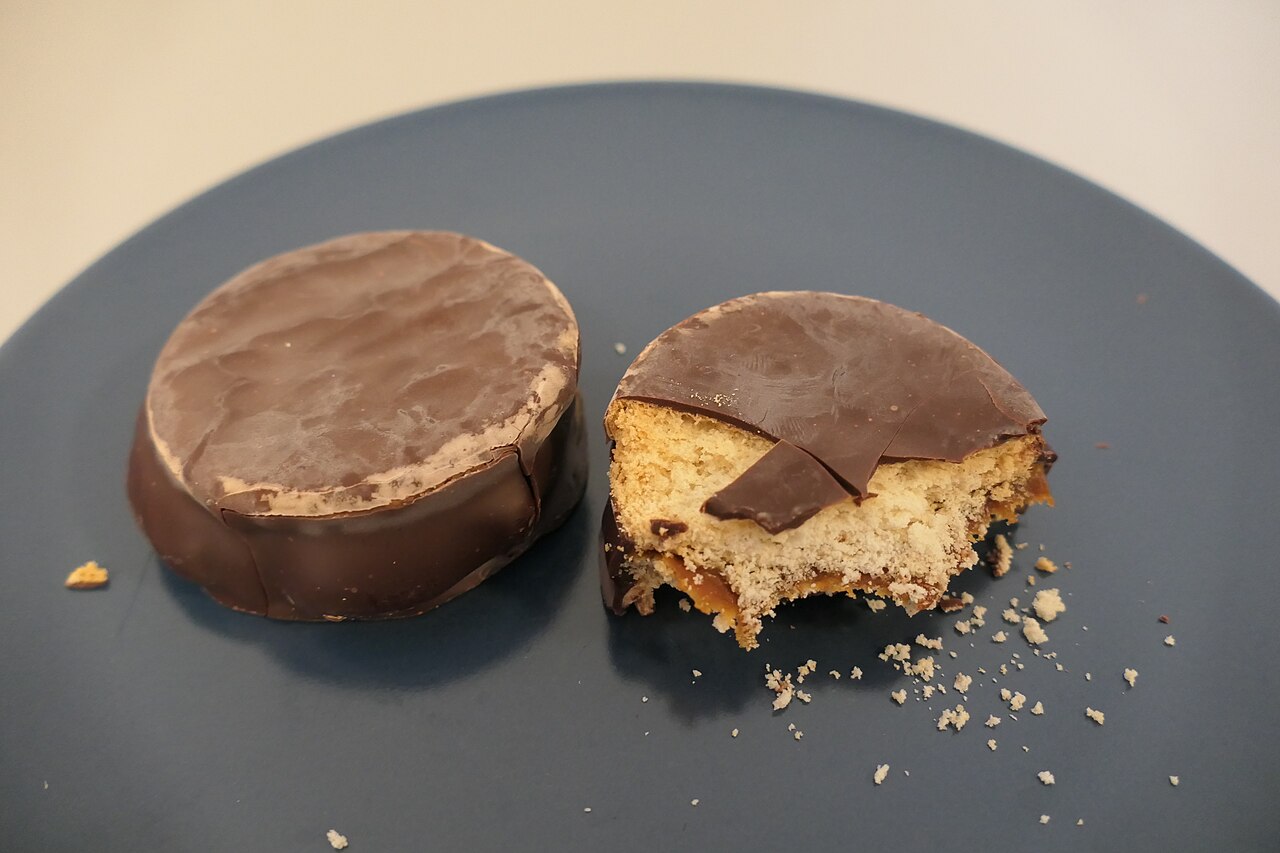
Two soft round biscuits sandwiched with dulce de leche, the thick caramel made by slowly cooking milk and sugar. In Uruguay they come in two main styles: covered in chocolate, or 'nieve' (snow), covered in white meringue icing.
Dulce de leche is one of the most popular spreads in Uruguay; it goes into cakes, pancakes, pastries and ice cream as well as alfajores.
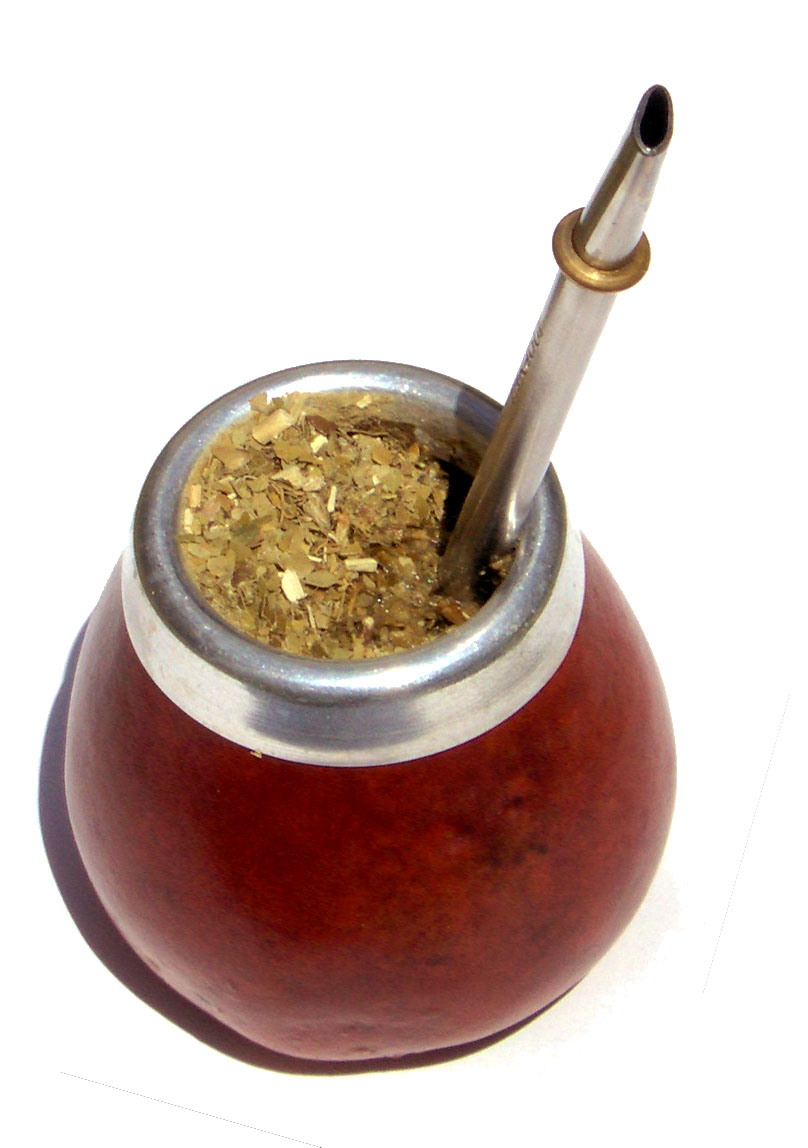
An infusion of dried yerba mate leaves, drunk through a metal straw (bombilla) from a gourd that is filled again and again with hot water from a thermos. It contains caffeine and tastes strong and bitter, and most Uruguayans drink it without sugar. Let the water cool a little: very hot drinks are bad for the throat.
Uruguayans are often said to drink more mate than anyone else: about 6.8 kg of yerba per person a year by one estimate. People carry a gourd and a thermos under their arm on the street.
Southwest France; now grown above all in southern Uruguay
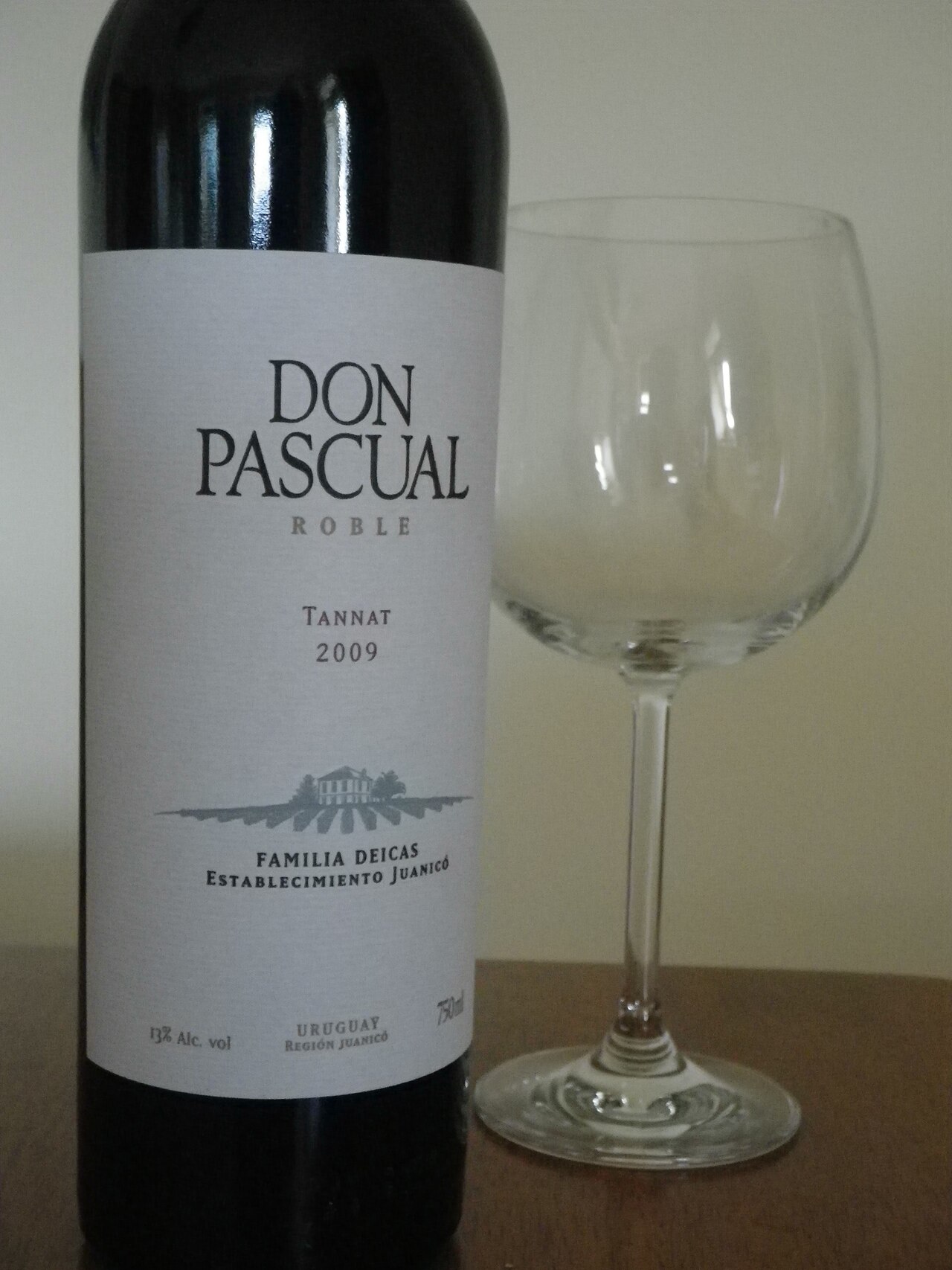
A deep red wine from the Tannat grape, which Uruguayans call their national grape. Uruguayan Tannat is usually softer than the French wines made from the same grape, with notes of blackberry. It contains alcohol.
The grape was brought to Uruguay in the 1800s by Basque settlers, especially Pascual Harriague, so it is also known locally as 'Harriague'.
At the table in Uruguay
An asado is slow. Expect a picada of cheese, olives, salami and bread first, often with an aperitif such as medio y medio, a mix of sparkling and white wine first made at the Mercado del Puerto in Montevideo.
Mate is shared. One person prepares the gourd, fills it with hot water and hands it to each person in turn. Drink it all through the straw and hand it back to the same person. Do not stir the straw.
On the 29th of the month, many families eat gnocchi and put a banknote or coin under the plate for luck. Join in if you are invited.
Friends and acquaintances usually greet each other with a single kiss on the cheek, and in Uruguay men often greet each other this way too. A handshake is fine if you prefer.
Many restaurants add a cover charge to the bill. A tip of about 10 percent is usual for good service, but it is not compulsory.
In pizzerias, try your pizza 'a caballo', with a slice of fainá on top. It is completely normal to eat it with your hands.