Icelandic cooking grew out of a harsh climate: lamb, fish and dairy, with little grain or fruit. For centuries food was preserved for the long winter by drying, smoking and pickling in sour whey. Today a typical dinner is fresh fish or lamb with potatoes and vegetables, and coffee with pastries such as kleinur is part of everyday life. In the dark midwinter, many Icelanders gather for Þorrablót feasts of old-style preserved foods.
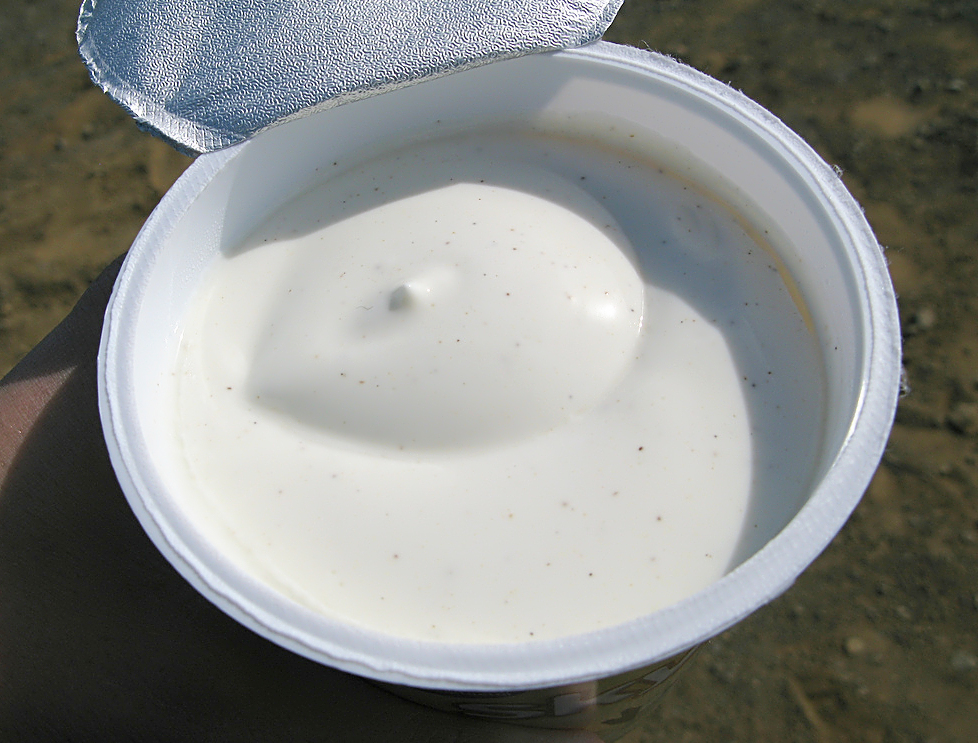
A thick, mild, high-protein dairy food made from skimmed milk. It looks and is eaten like a strained yoghurt, but it is really a soft fresh cheese. It is served cold, often with berries and a little cream, or in flavoured pots.
Skyr is mentioned in the medieval sagas, such as Egil's saga, and has been part of Icelandic food for centuries.
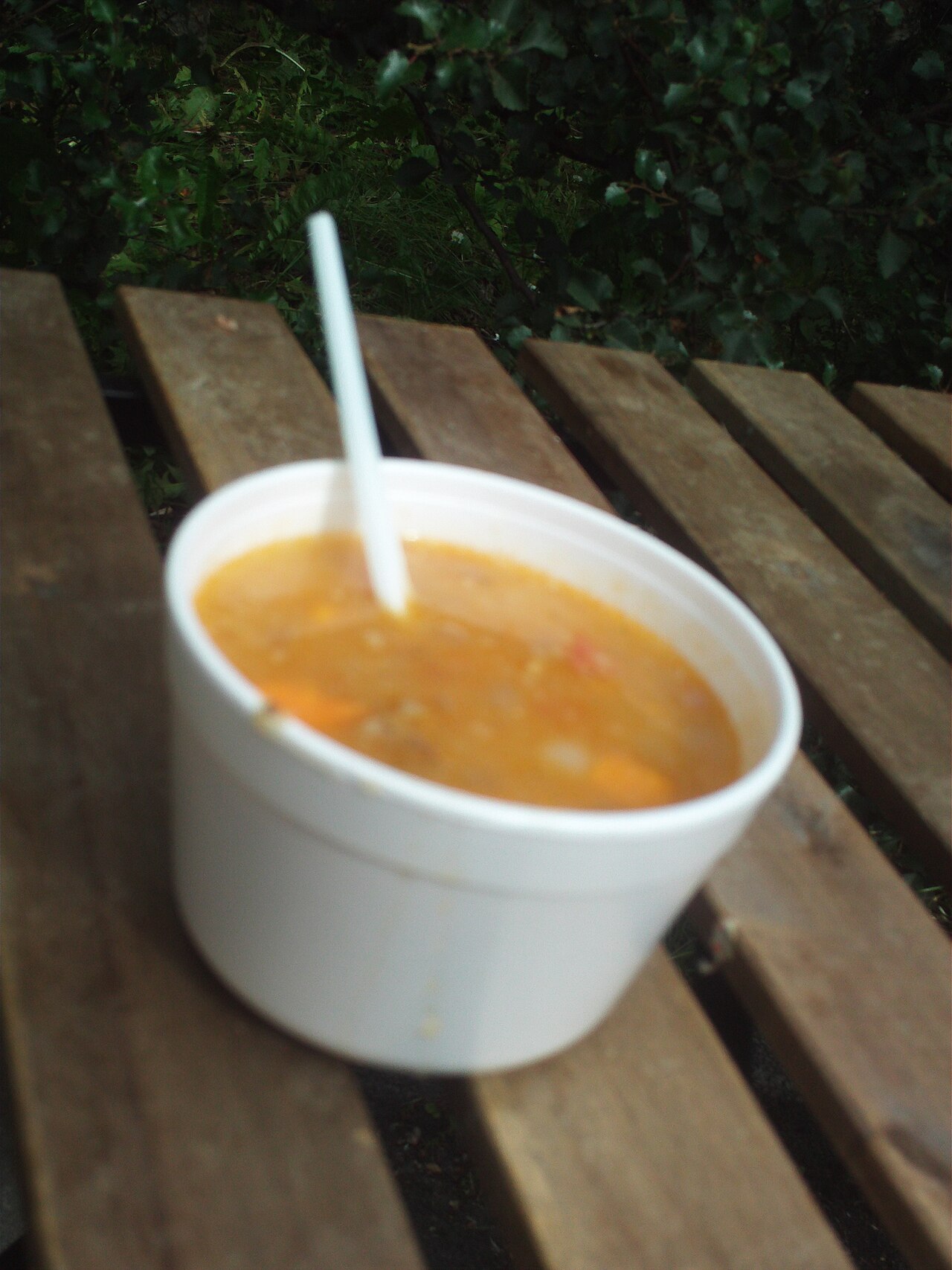
A hearty soup of lamb on the bone, simmered with rutabaga (swede), carrots, potatoes and cabbage, often thickened with a little rice or oats and seasoned with dried soup herbs. It is the dish Icelanders abroad often cook to show foreigners what Icelandic food is like.
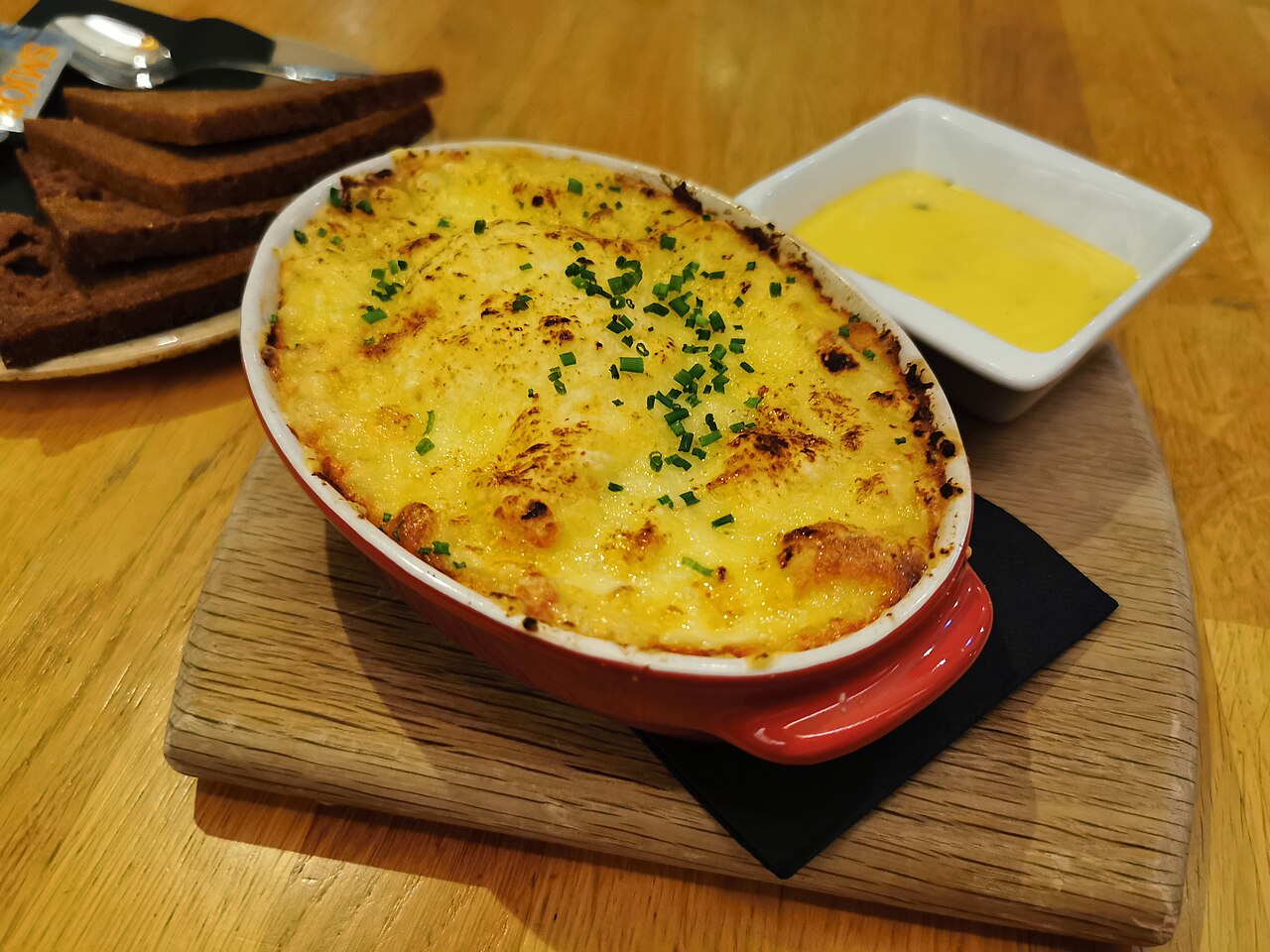
Cooked white fish, such as cod or haddock, broken into flakes and mixed with boiled potatoes and onion in a creamy white sauce. It began as a way to use up leftover fish and is served with dark rye bread and butter.
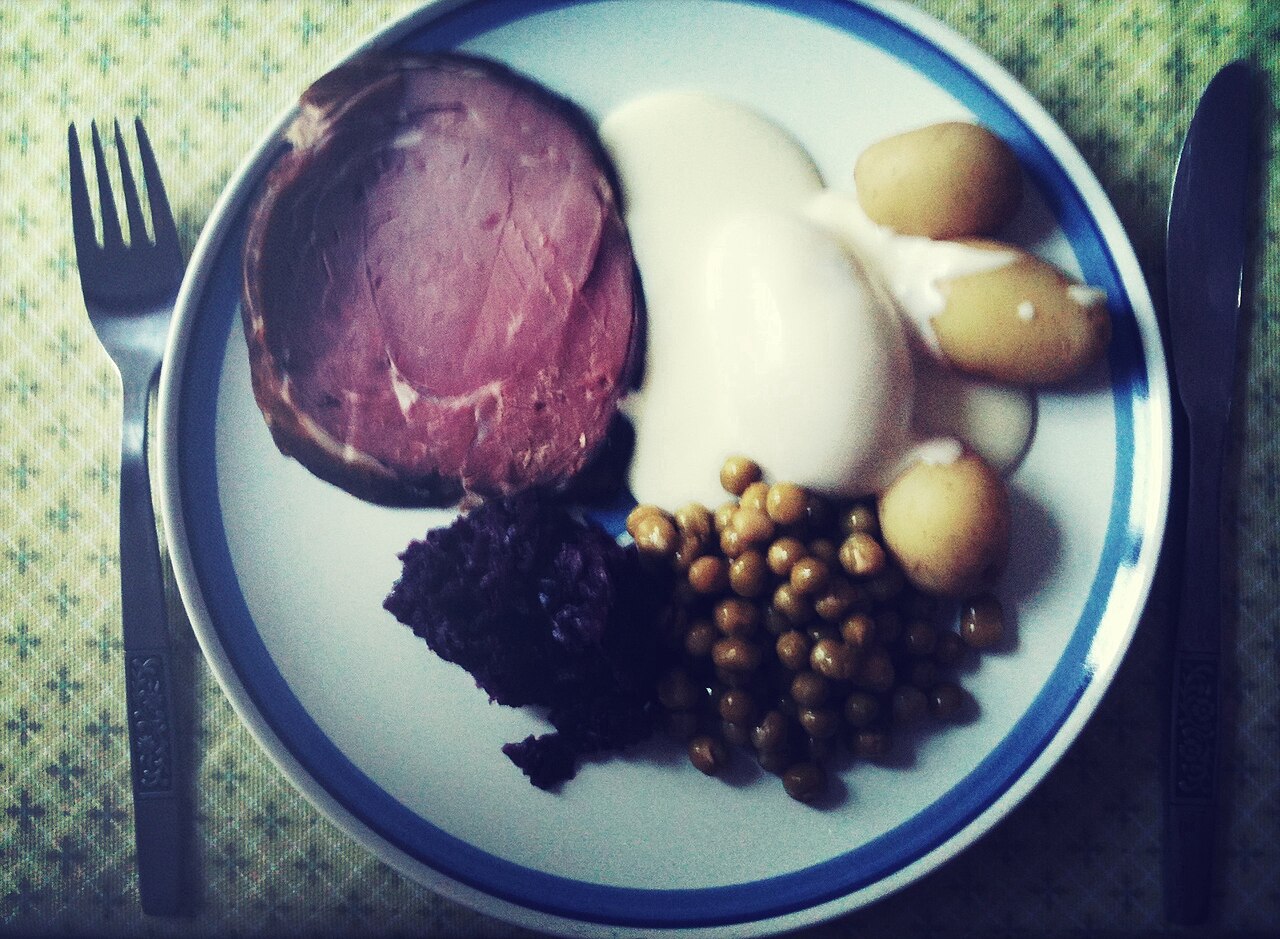
Lamb or mutton smoked, traditionally over birch or dried sheep dung, then boiled and served hot or cold in slices. At Christmas it comes with potatoes in white sauce and green peas, and it is also eaten in thin slices on flatbread.
The name means 'hung meat', from the old custom of hanging it to smoke in the rafters. In one survey about 90 percent of Icelanders said they eat it over the Christmas holidays.
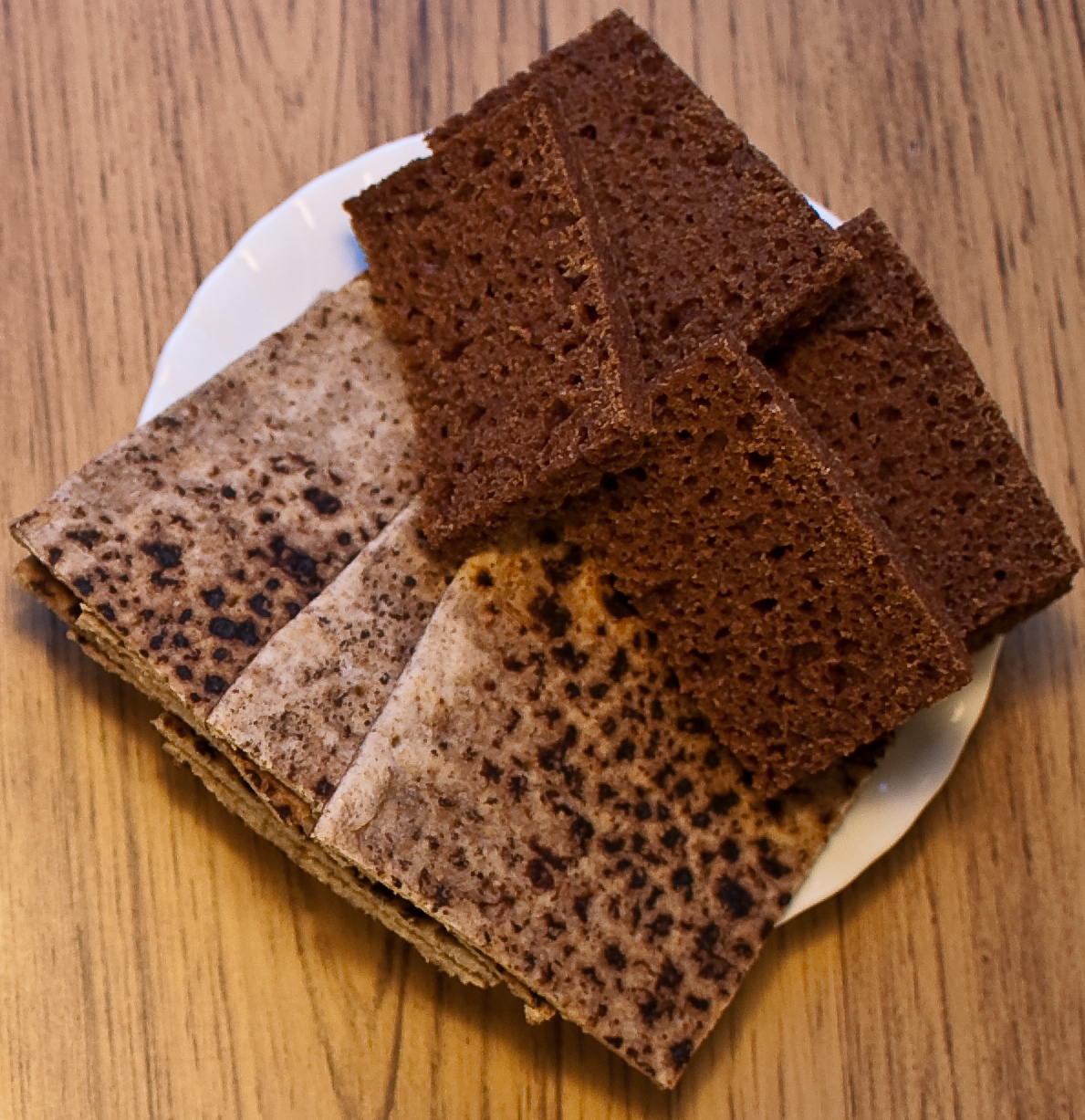
A dark, dense, slightly sweet rye bread with no crust, served with butter, smoked lamb, pickled herring or fish stew. The traditional way was to bake it slowly in a pot.
In geothermal areas the dough can be put in a closed pot and buried in the hot ground near a hot spring, then dug up the next day. This is called hverabrauð, 'hot spring bread'.
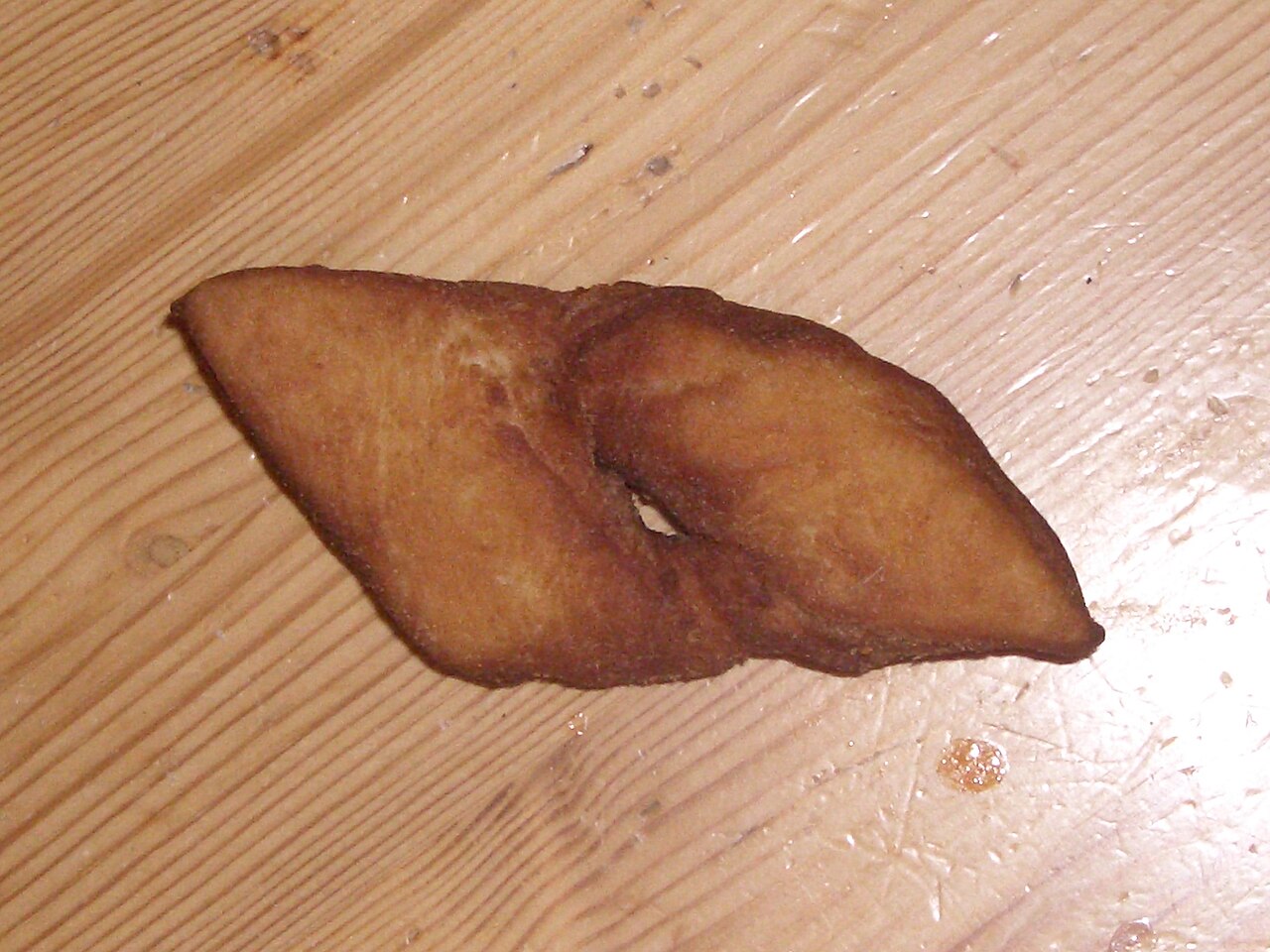
Small fried pastries cut into slanted shapes (trapezoids), with one end pulled through a slit to make a twist. They are sold in bakeries and shops all over the country and eaten plain with coffee.
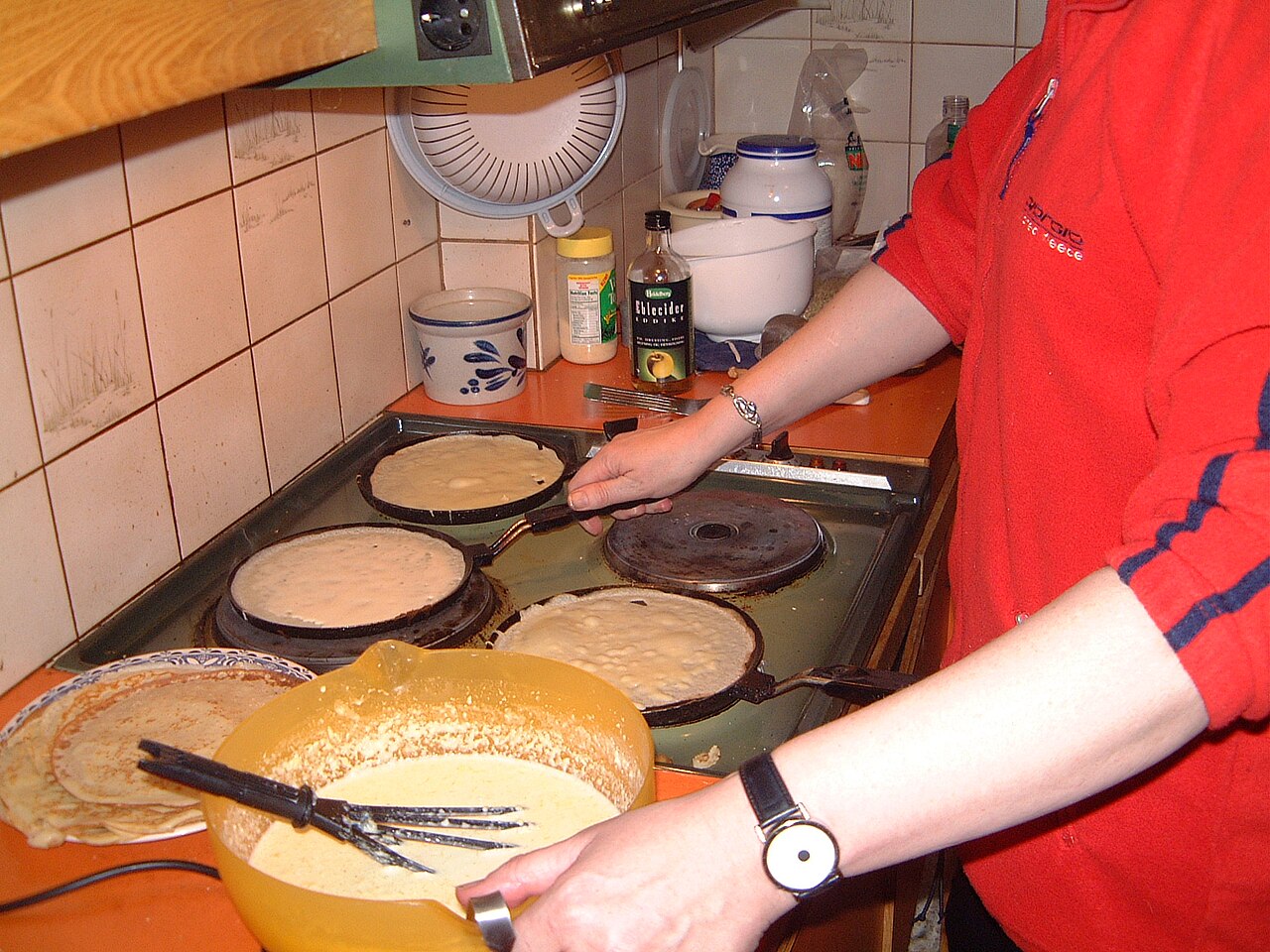
Very thin pancakes, smaller than French crêpes, served either rolled up with sugar or folded into triangles with jam and whipped cream. They are a favourite at family coffee parties and on special days such as the First Day of Summer and the national day.
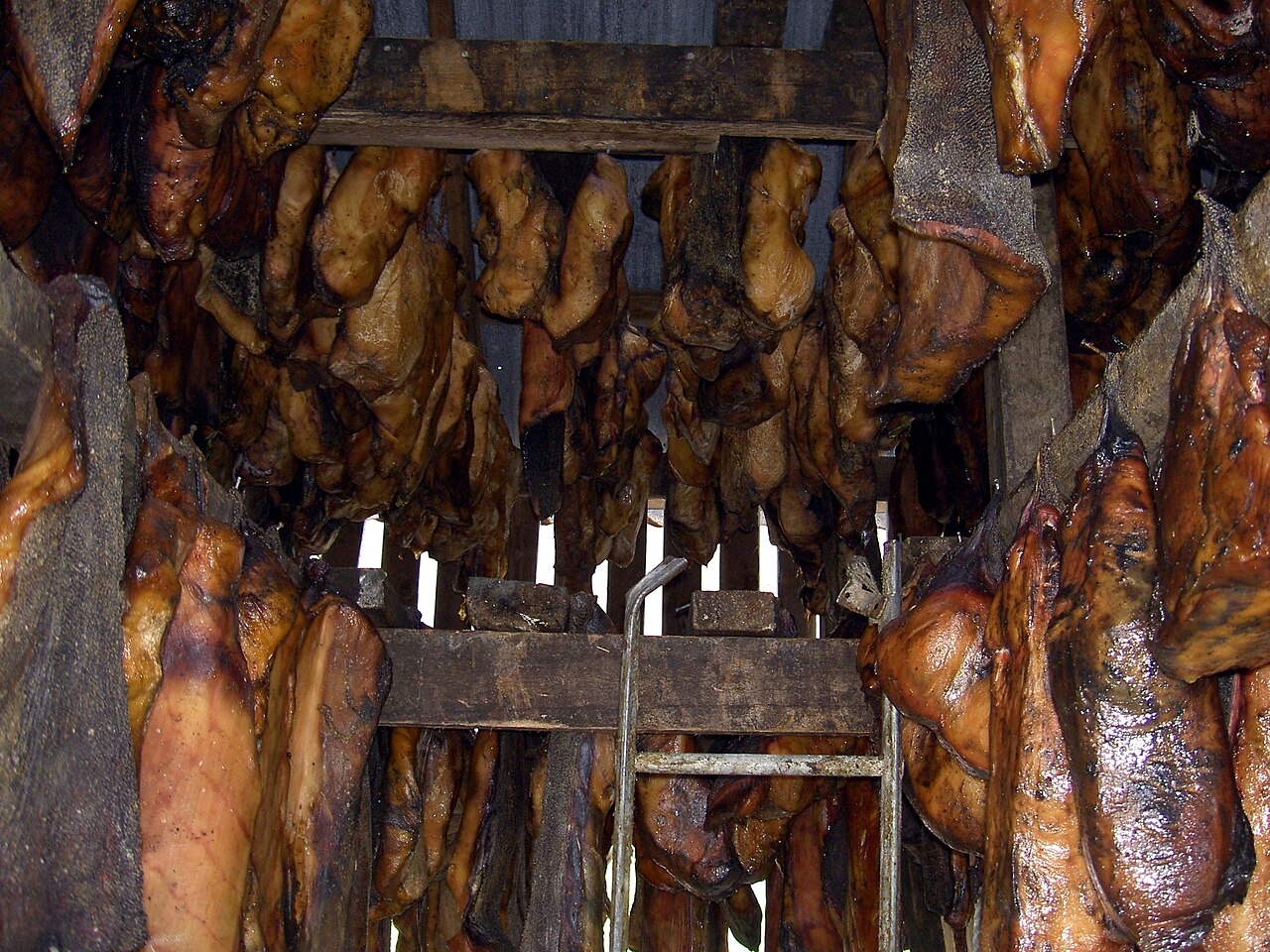
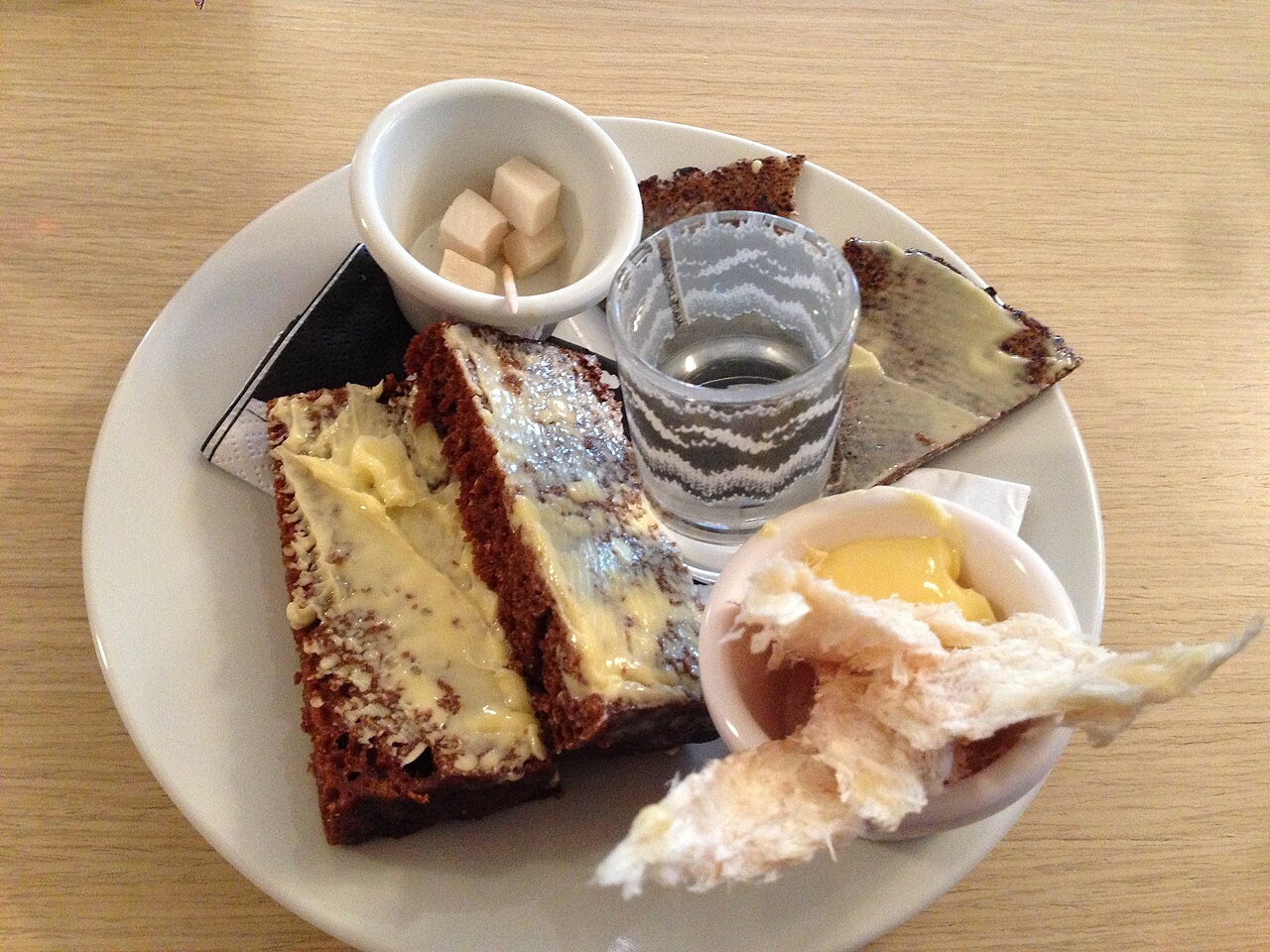
Greenland shark meat, which is poisonous when fresh, cured for weeks under gravel and then hung to dry for four to five months. It has a strong smell of ammonia and is served in small cubes on toothpicks, often with a shot of brennivín.
Most Icelanders eat it only at the midwinter Þorrablót feasts, and visitors often try one cube as a dare. Greenland sharks grow very slowly and can live for centuries, which has raised questions about eating them.
Iceland's signature spirit, a clear schnapps (akvavit) distilled from grain and flavoured only with caraway, at 37.5 percent alcohol. It is drunk ice cold as a small shot, especially at Þorrablót feasts. It is a strong alcoholic drink, best in small amounts or skipped.
The name means 'burnt wine', an old Nordic word for distilled liquor.
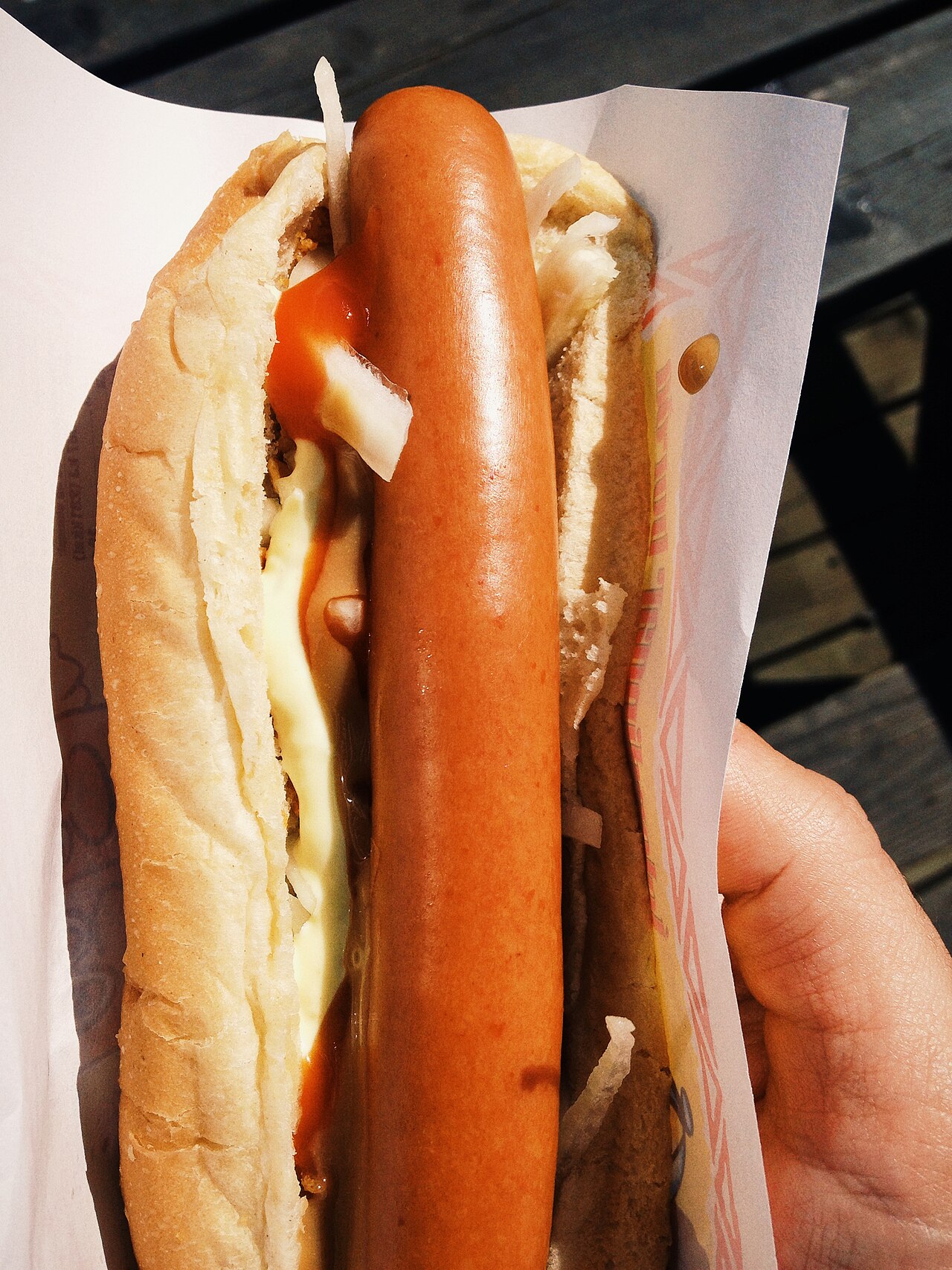
A hot dog made mostly from lamb, with pork and beef, served in a soft bun with raw onion, crispy fried onion, ketchup, sweet mustard and remoulade. Ask for 'eina með öllu', 'one with everything'.
The stand Bæjarins Beztu Pylsur, 'the town's best hot dogs', has sold hot dogs in central Reykjavík since 1937. Bill Clinton ate one there in 2004.
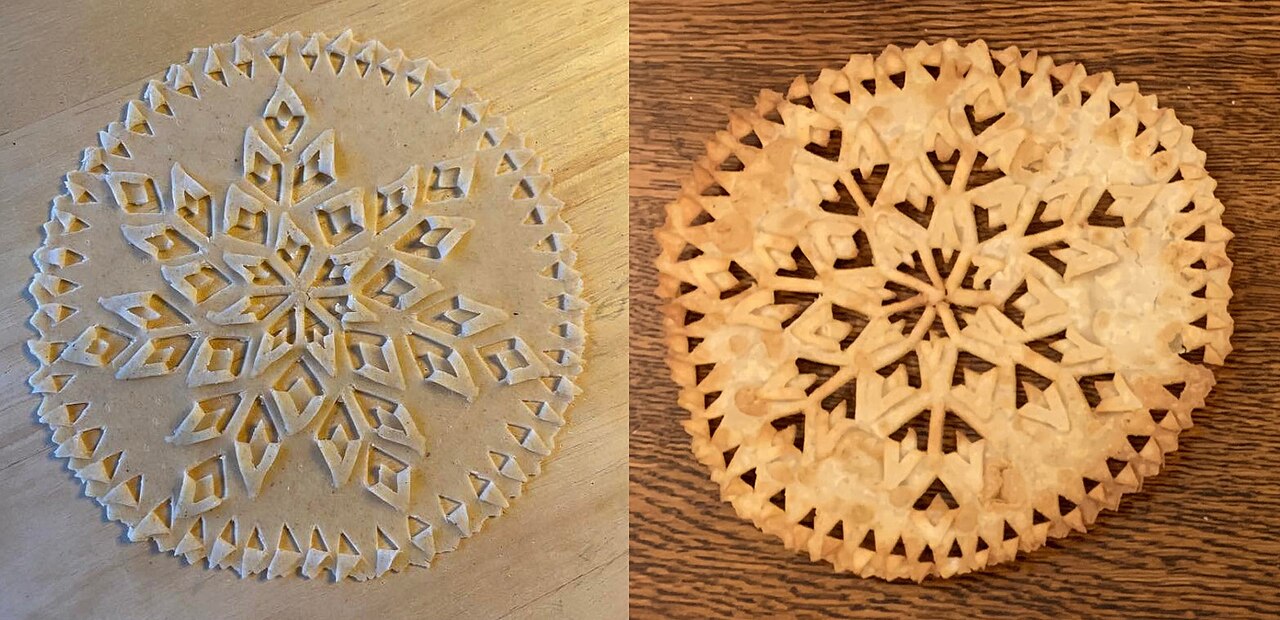
Very thin round wafers with lacy patterns cut into them by hand, fried crisp in fat. Families gather in the weeks before Christmas to cut and fry them, and they are eaten with smoked lamb at Christmas.
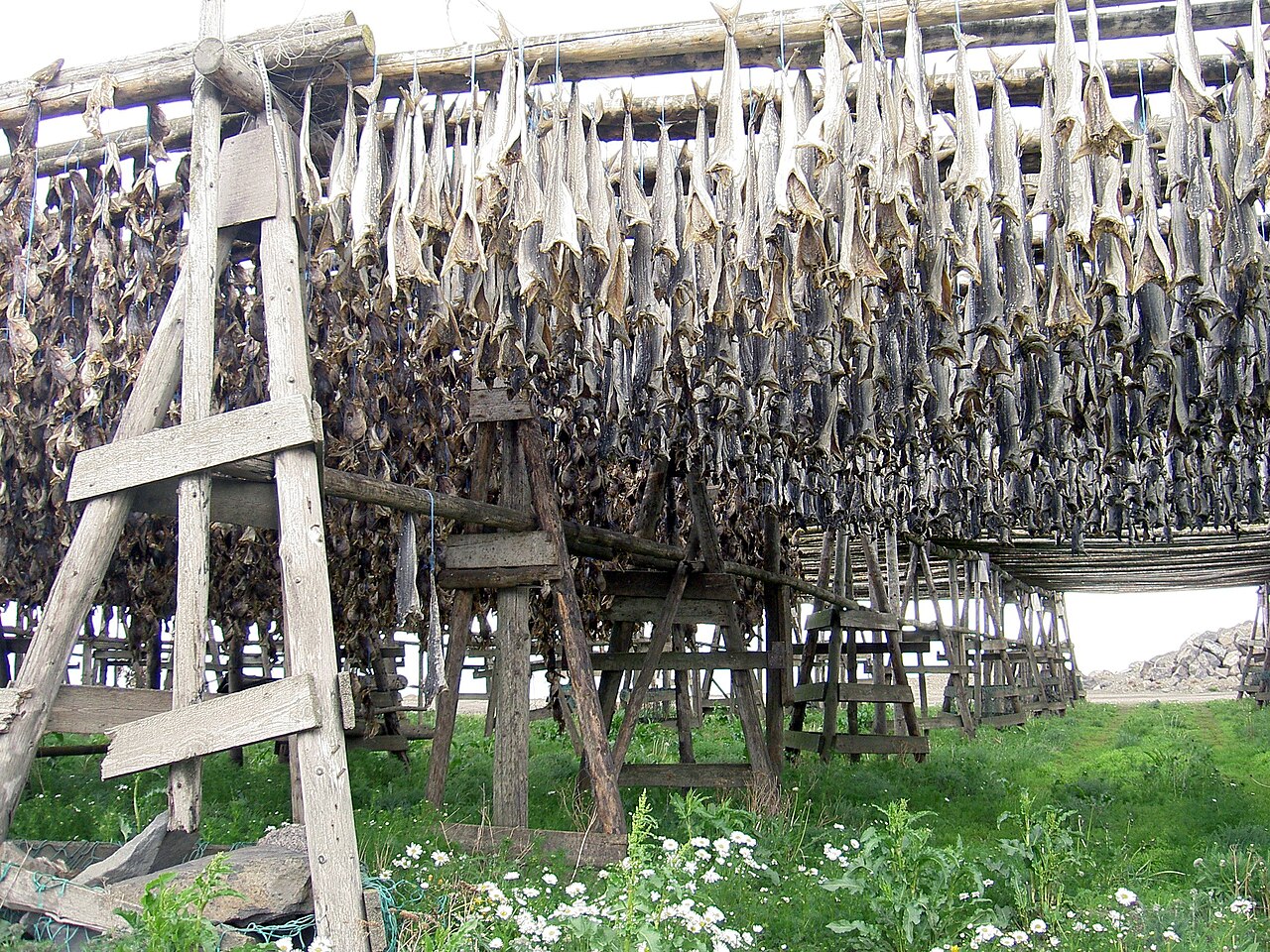
Wind-dried cod or other white fish, torn into strips and eaten as a snack with butter. For centuries dried fish was eaten with every meal, taking the place that bread had elsewhere in Europe.
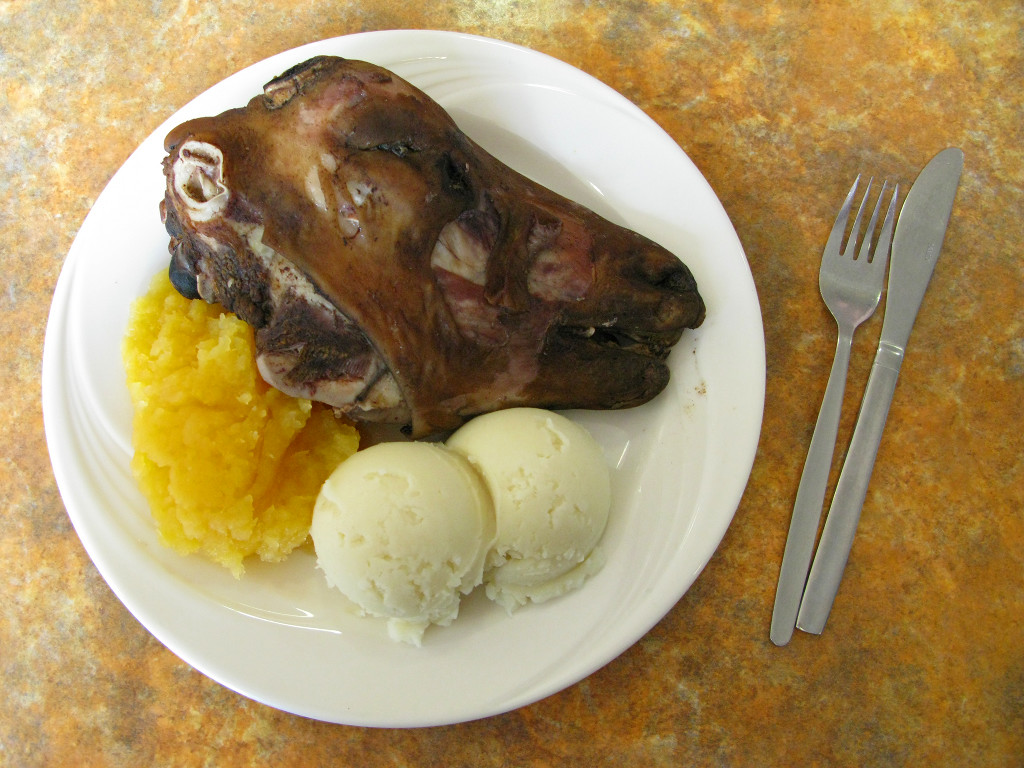
Half a sheep's head, singed to remove the wool and then boiled, and served hot or cold. It dates from a time when no part of an animal could be wasted, and it is also a Þorrablót food.
The cheek is the meatiest part, and some Icelanders say the eye is the best.
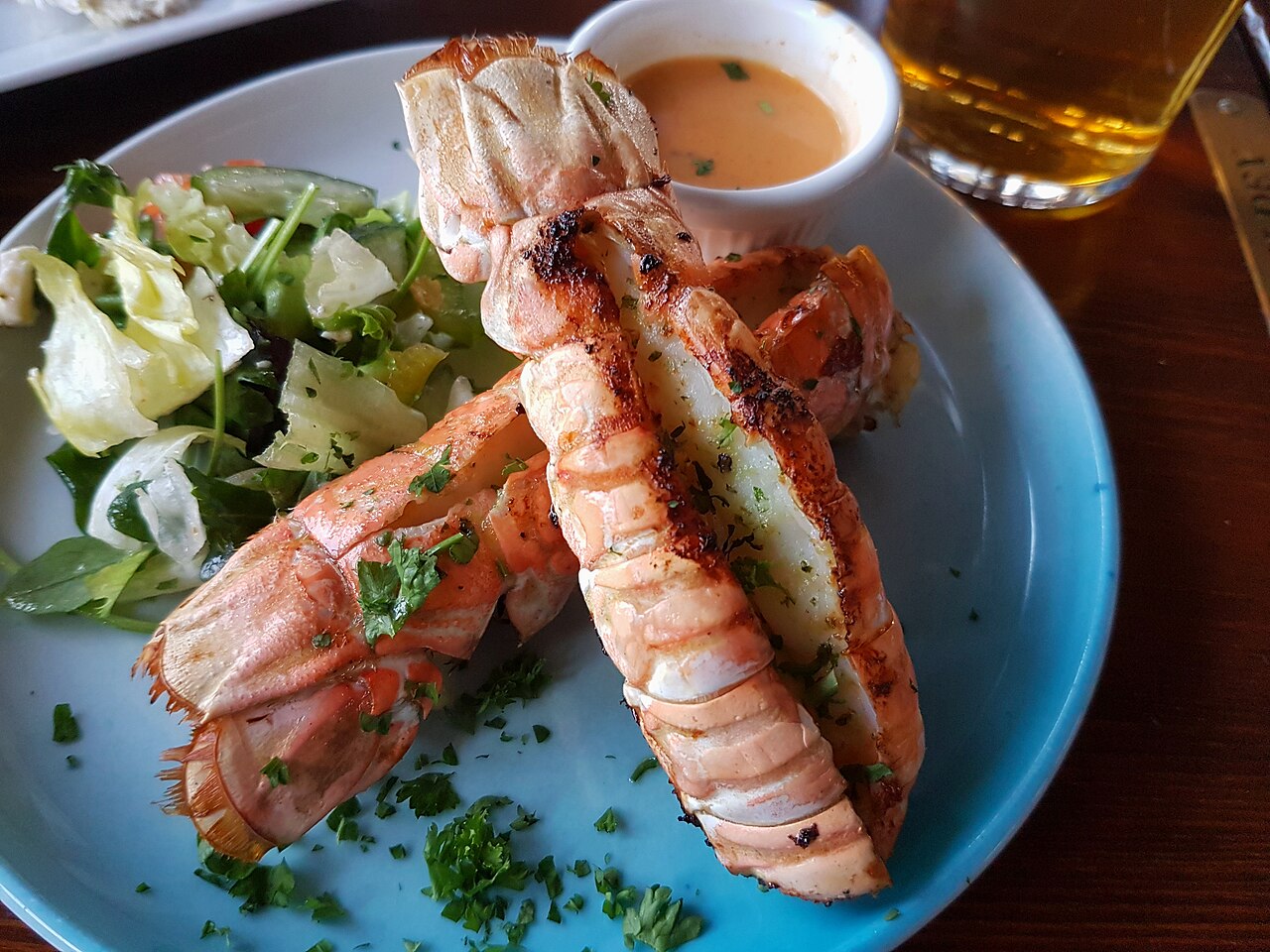
Small, sweet lobsters, also called Norway lobster or langoustine. For decades they were caught off the southeast coast and landed at the fishing town of Höfn, which still celebrates them with a lobster festival, Humarhátíð, in early July. To protect the stock, fishing for them has been stopped since 2022.
At the table in Iceland
Tap water in Iceland is clean and safe to drink, so there is no need to buy bottled water.
Coffee is part of daily life, and pastries such as kleinur and pancakes are served with it at home and at family gatherings.
Take off your shoes when you enter an Icelandic home, unless your hosts tell you not to.
A host may say 'Verði þér að góðu', which is used like 'enjoy your meal'. 'Takk' or 'takk fyrir' means thank you.
Tipping is not expected: service is included in the price.