Swedish food grew out of long winters: fish that was salted, pickled, cured or fermented, crisp rye bread that kept for months, potatoes, and berries from the forest. A classic buffet, the smörgåsbord, is eaten in an order: first herring, then other fish such as salmon, then cold meats, then warm dishes like meatballs, and finally cheese and something sweet. Every day there is time for fika, coffee with a bun or a slice of cake, and many families still eat pea soup and pancakes on Thursdays.
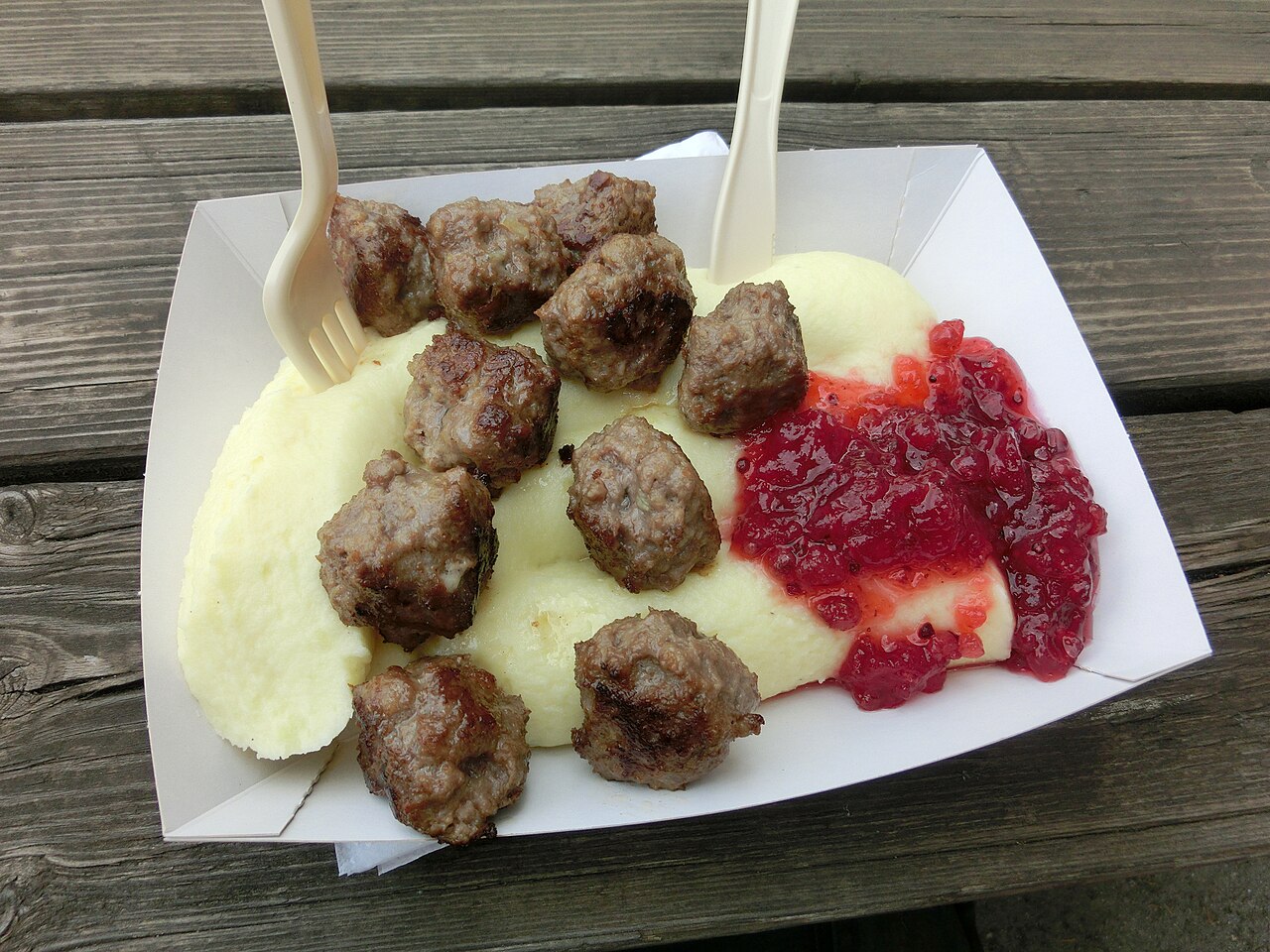
Small, round meatballs of minced beef and pork with onion and breadcrumbs soaked in milk, fried in butter. They are served with a creamy brown sauce, boiled or mashed potatoes, sweet-sour lingonberry jam and often pickled cucumber.
The furniture company IKEA began serving meatballs in its restaurants in 1985 and now sells them all over the world.
All of Sweden, from an old Nordic way of keeping fish
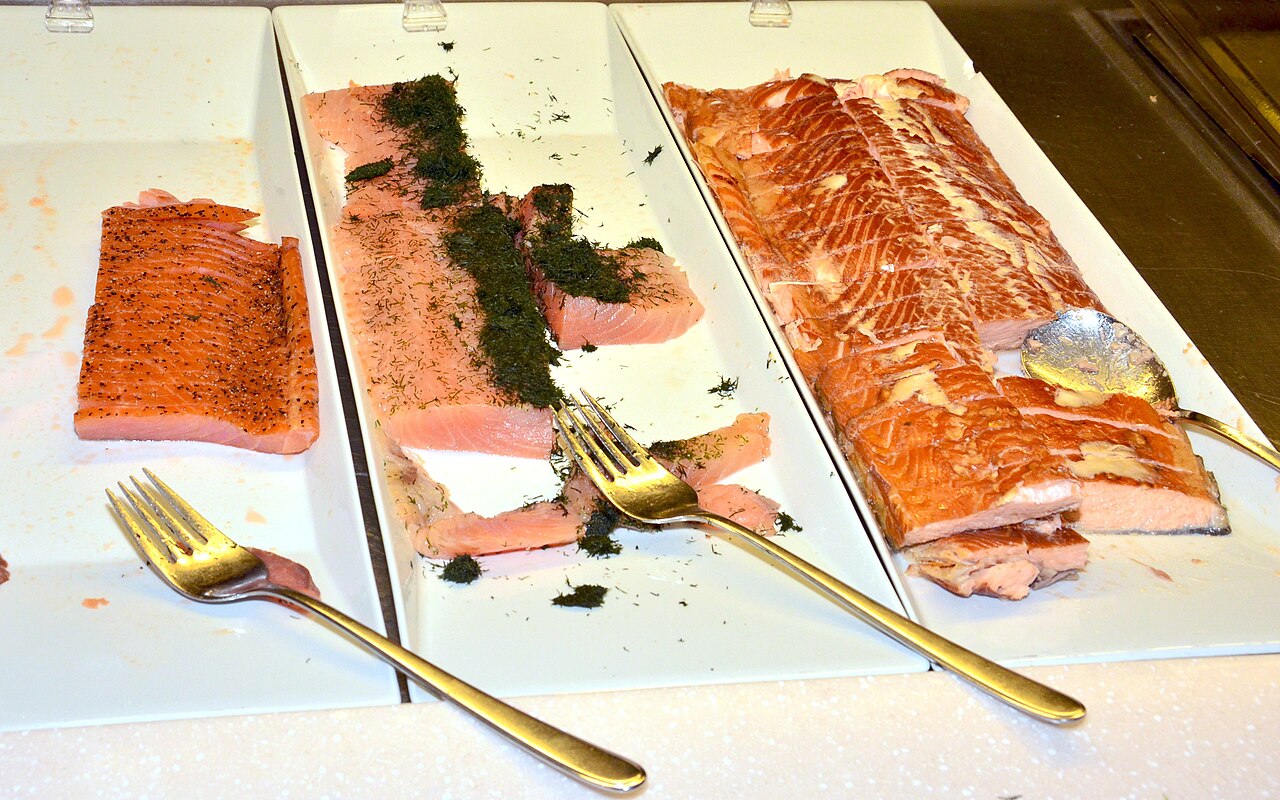
Raw salmon cured for a few days under salt, sugar and plenty of dill, then sliced thinly. It is eaten with a sweet mustard and dill sauce, on bread or with boiled potatoes. The fish is cured, not cooked, so it is still raw.
The name means 'buried salmon': in the Middle Ages fishermen salted the fish and buried it in the sand above the high-tide line to cure it.
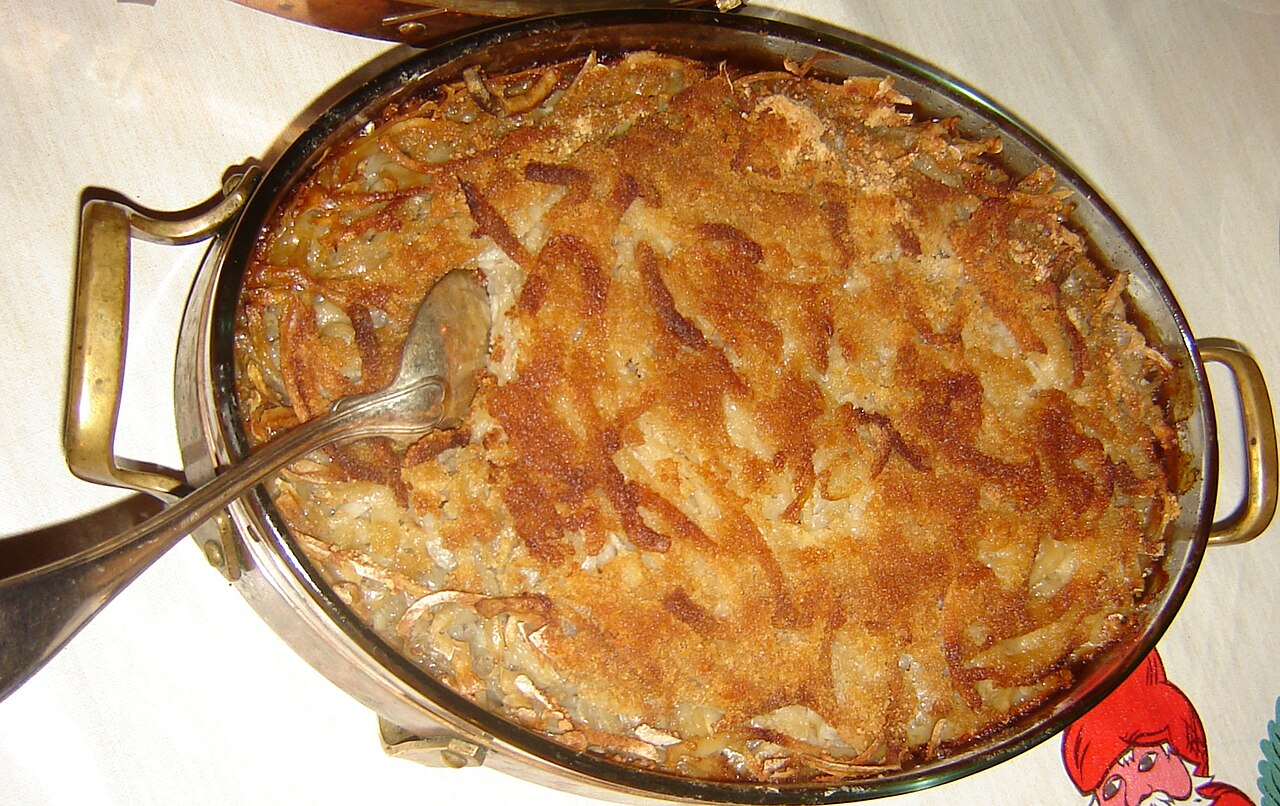
A creamy bake of thin potato strips, onions and pickled sprats, topped with breadcrumbs and baked until golden. It is a favourite on the Christmas buffet, the julbord.
Swedish recipes call for 'ansjovis', but these are spiced, pickled sprats, not the salty anchovies of southern Europe.
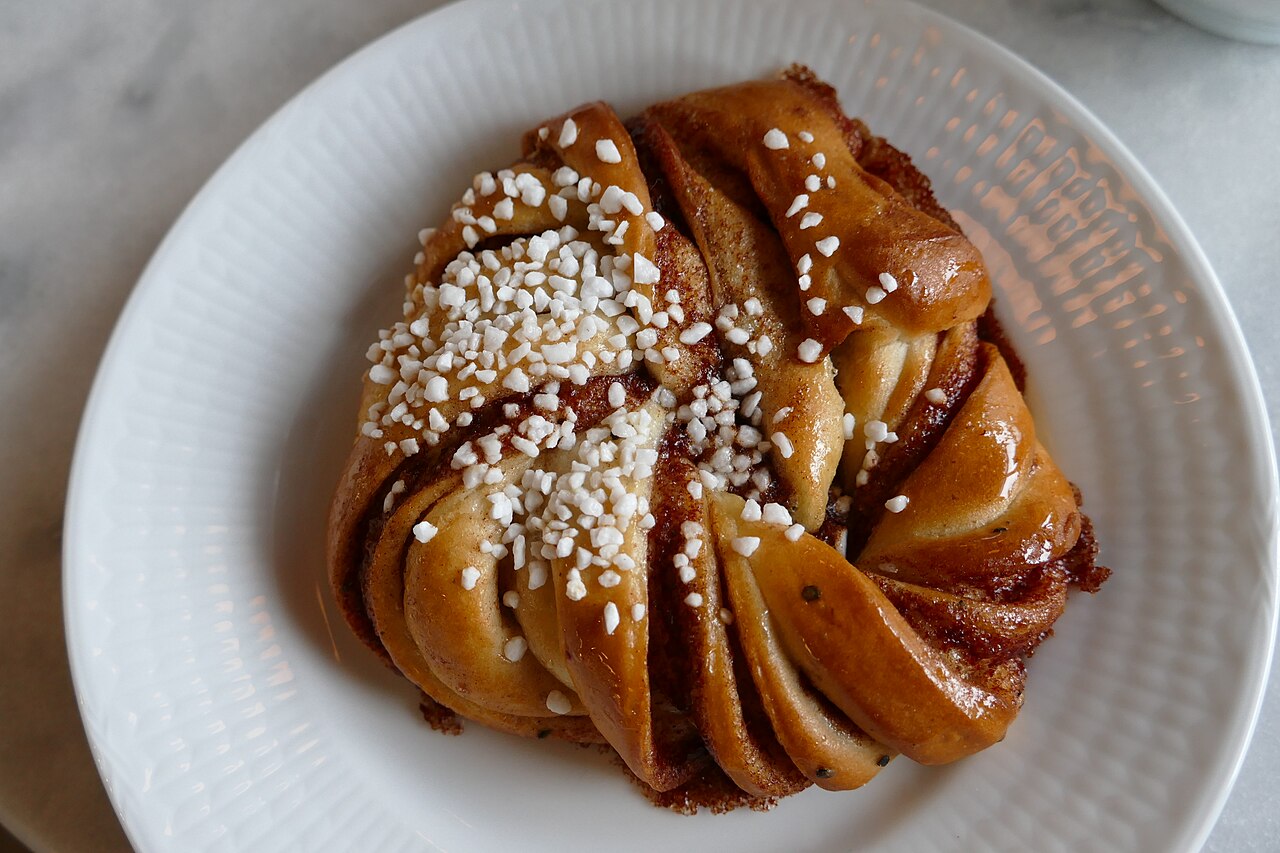
Soft, twisted buns of sweet yeast dough spiced with cardamom and rolled up with butter, sugar and cinnamon, topped with pearl sugar. They are the most famous treat for fika.
Since 1999, 4 October has been promoted as Cinnamon Bun Day, Kanelbullens dag.
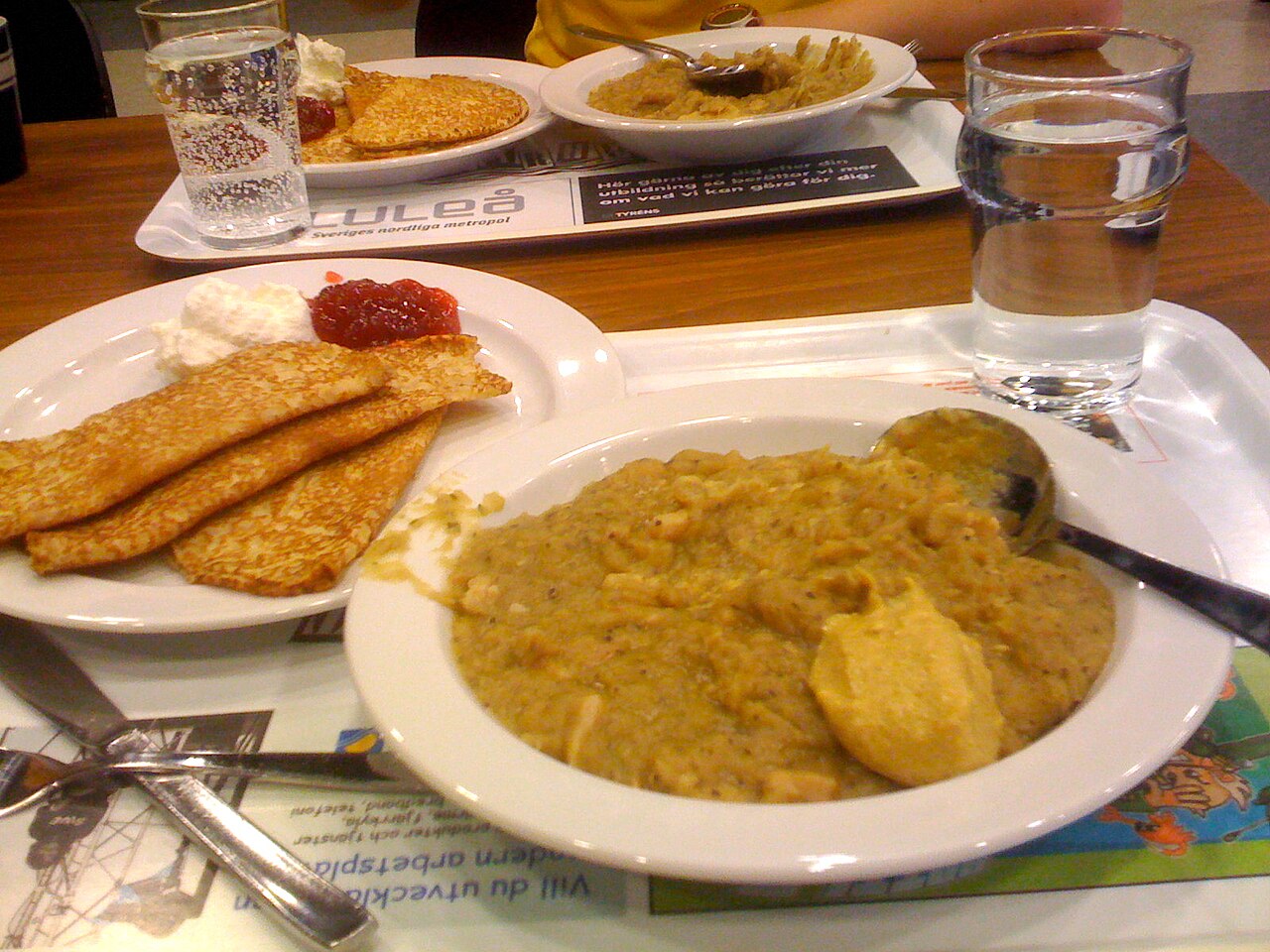
A thick soup of dried yellow peas cooked with salted pork, onion and marjoram, eaten with a little mustard. It is followed by thin pancakes with jam and cream. Schools, workplaces and restaurants still serve it on Thursdays.
Swedes have eaten pea soup since at least the 13th century; the pancakes, and a glass of warm 'punsch' liqueur, were added later.
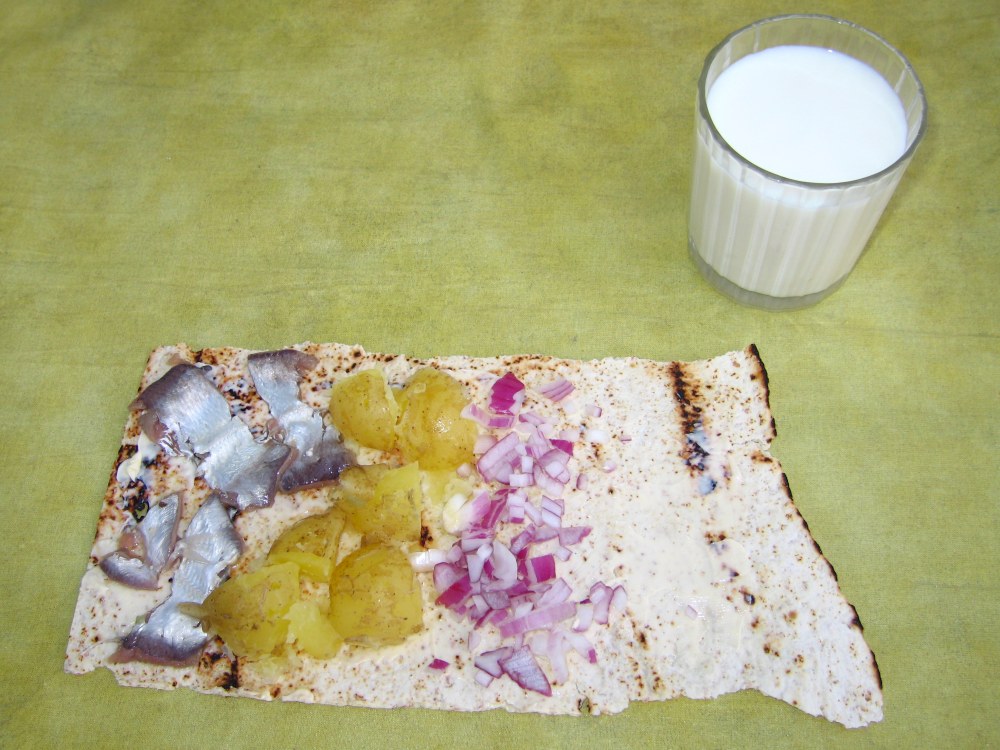
Baltic herring lightly salted and fermented for months, sold in bulging tins. Its smell is famously strong, so tins are often opened outdoors. It is eaten with thin flatbread (tunnbröd), boiled potatoes, onion and sour cream.
The new season's tins go on sale from the third Thursday in August, a date first set by a royal order in the 1940s and still kept by shops today.
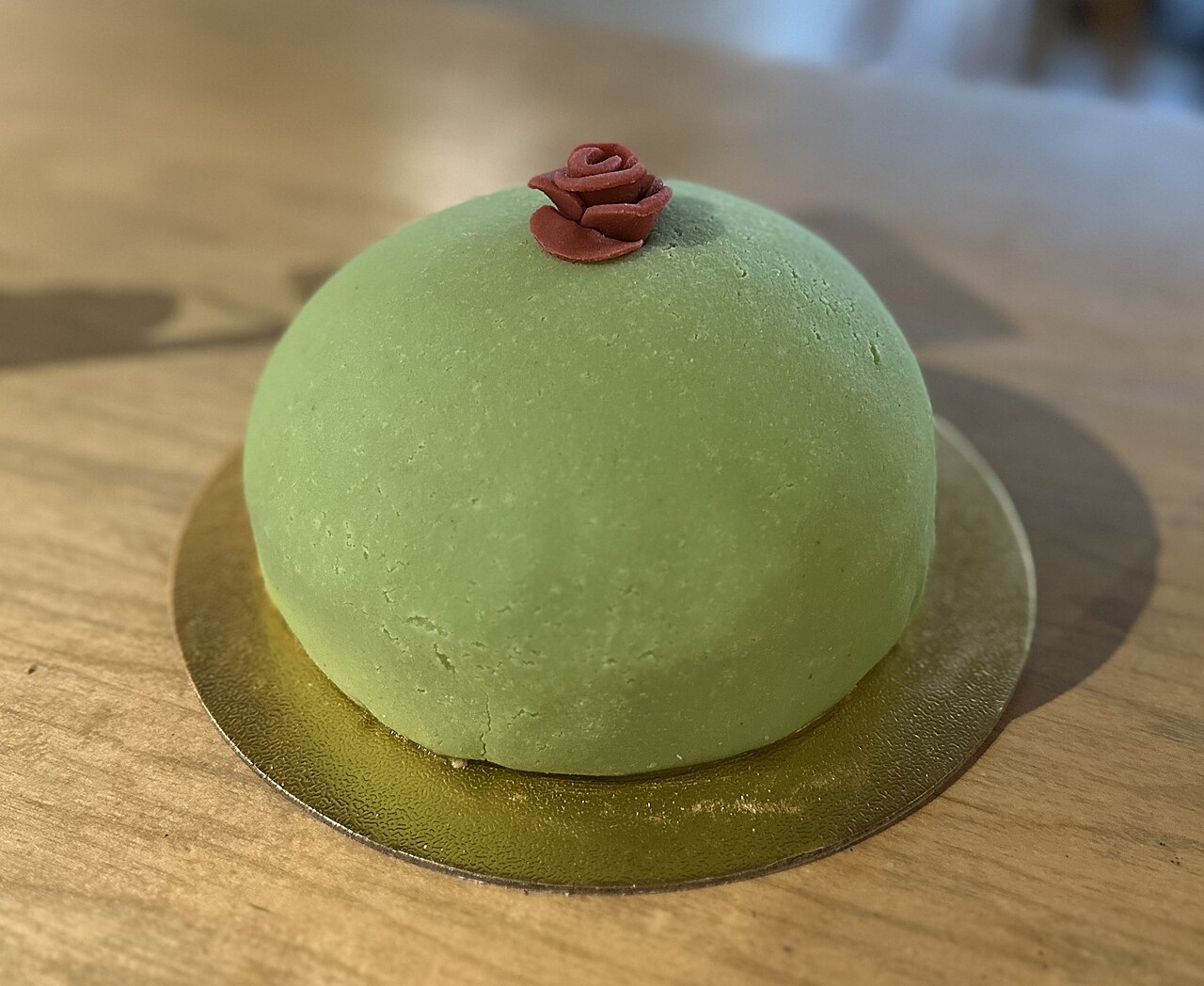
A dome-shaped cake of sponge layers, raspberry jam, vanilla custard and a mountain of whipped cream, covered with smooth green marzipan and often a pink marzipan rose.
The recipe first appeared in 1948 in 'The Princesses' Cookbook' by Jenny Åkerström, who taught the three daughters of Prince Carl.
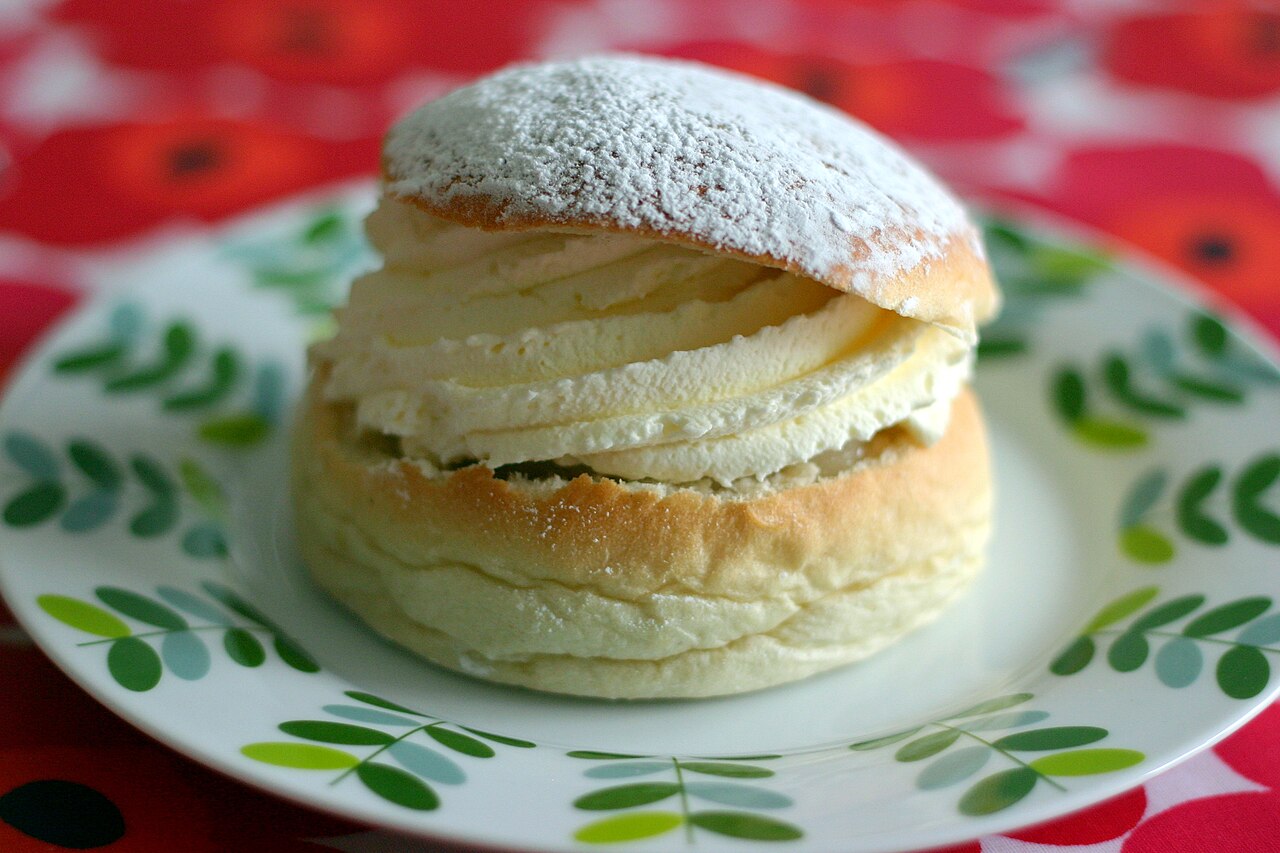
A cardamom bun with its top cut off, filled with almond paste mixed with milk and piled with whipped cream, then dusted with icing sugar. It belongs to the weeks before Easter, and above all to Shrove Tuesday.
A popular story says King Adolf Frederick died in 1771 after a huge dinner finished with semla in hot milk, his favourite dessert.
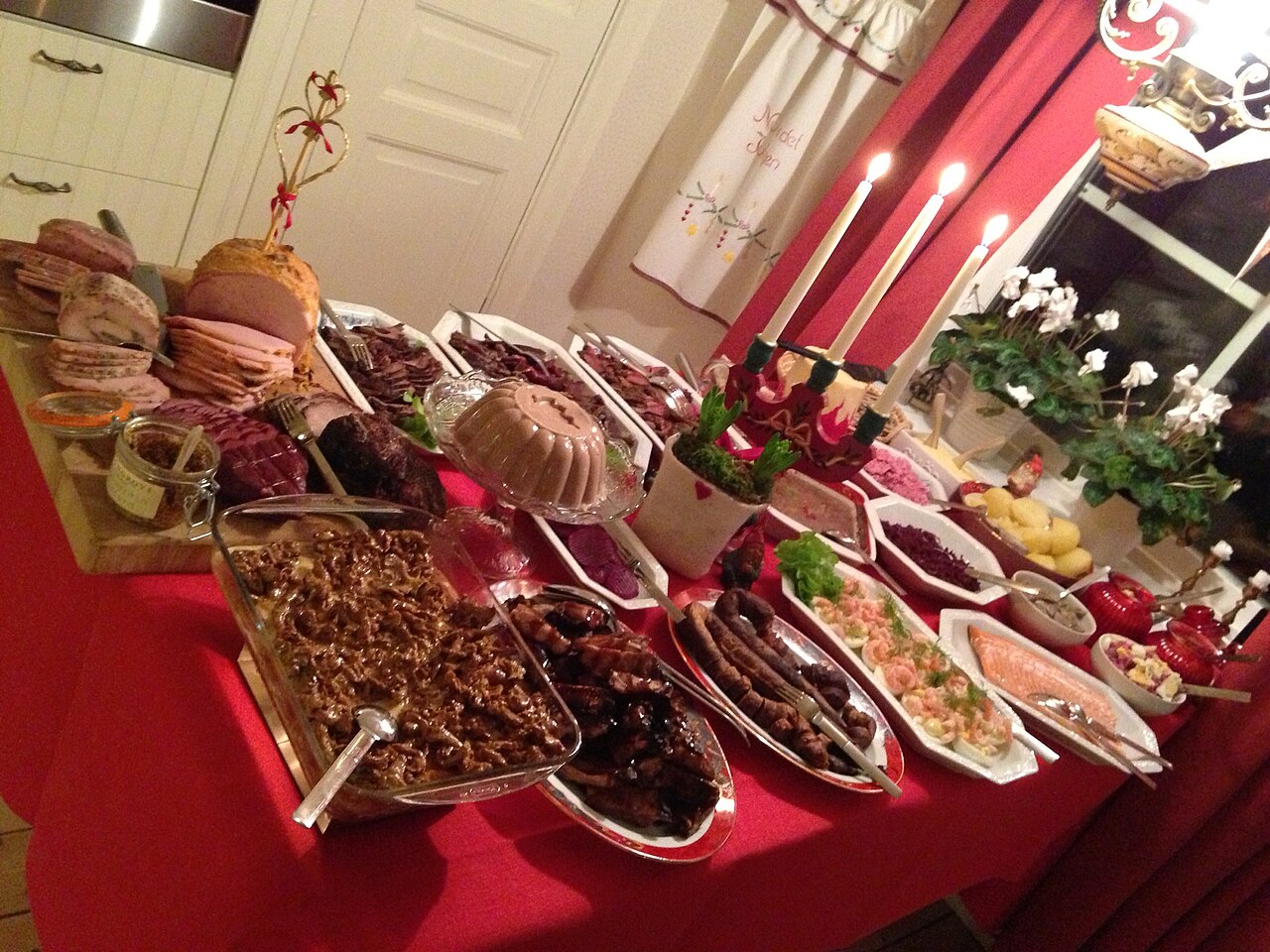
A large buffet of cold and warm dishes: herring, salmon, eggs, cold meats, meatballs, sausages, cheese and bread. At Christmas it becomes the julbord, with Christmas ham, and at Easter and Midsummer there are smaller versions.
It began as a small table of snacks with bread, butter, cheese, herring and spirits served before the meal; during the 1912 Stockholm Olympics restaurants began serving it as the main meal.
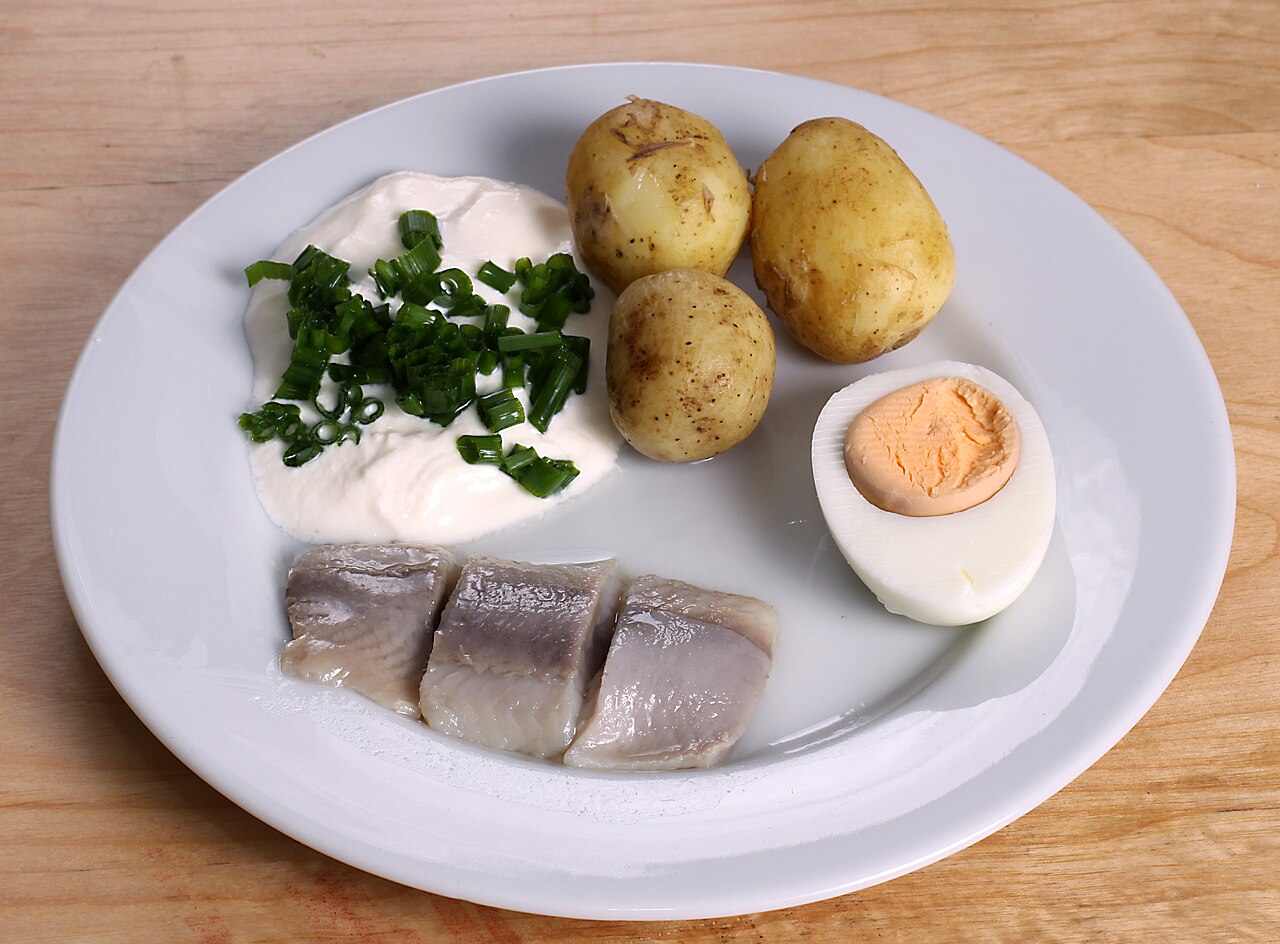
Herring pickled in a sweet vinegar brine with onion and spices, or served in mustard, dill or cream sauces. With new potatoes, sour cream and chives it is the heart of the Midsummer meal.
On a Swedish buffet the herring is eaten first, before the salmon, the cold meats and the warm dishes.
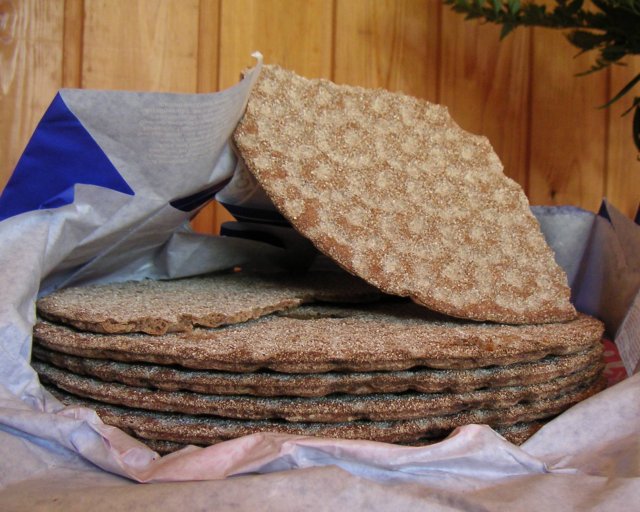
Thin, dry and crunchy bread, usually made of rye flour, that keeps for months. Swedes eat it with butter, cheese or caviar spread at breakfast and with soup.
Crispbread has been baked in central Sweden since at least the sixth century. Traditional round loaves had a hole in the middle so they could be stored on a pole under the roof.
Small red lingonberries grow wild in Swedish forests and are picked in late summer and autumn. Made into a lightly sweetened jam, their tart taste goes with meatballs, potato pancakes, black pudding and porridge.
Thanks to the right of public access, anyone may pick wild lingonberries in the forest, even on private land, though not in some national parks and nature reserves.
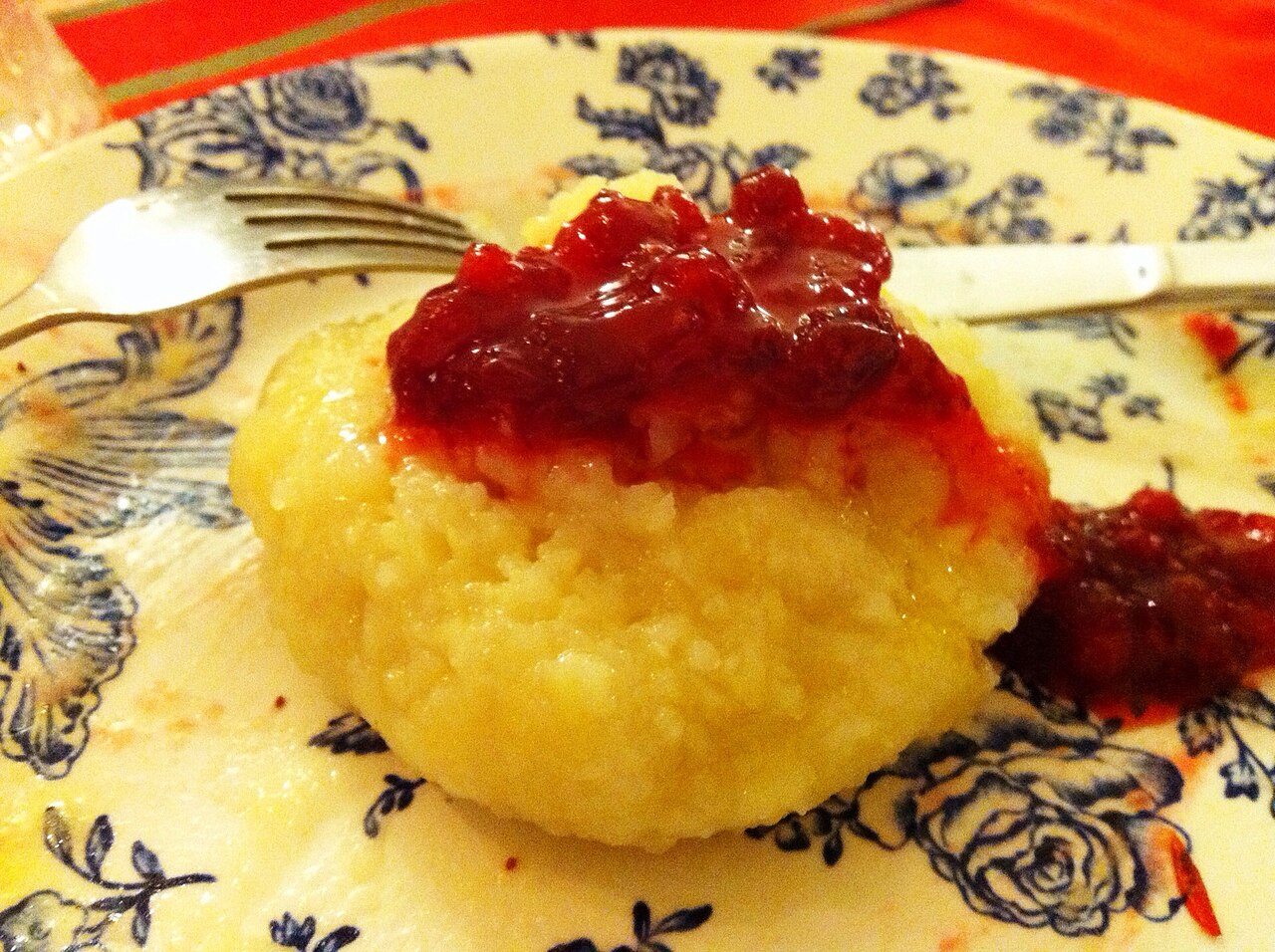
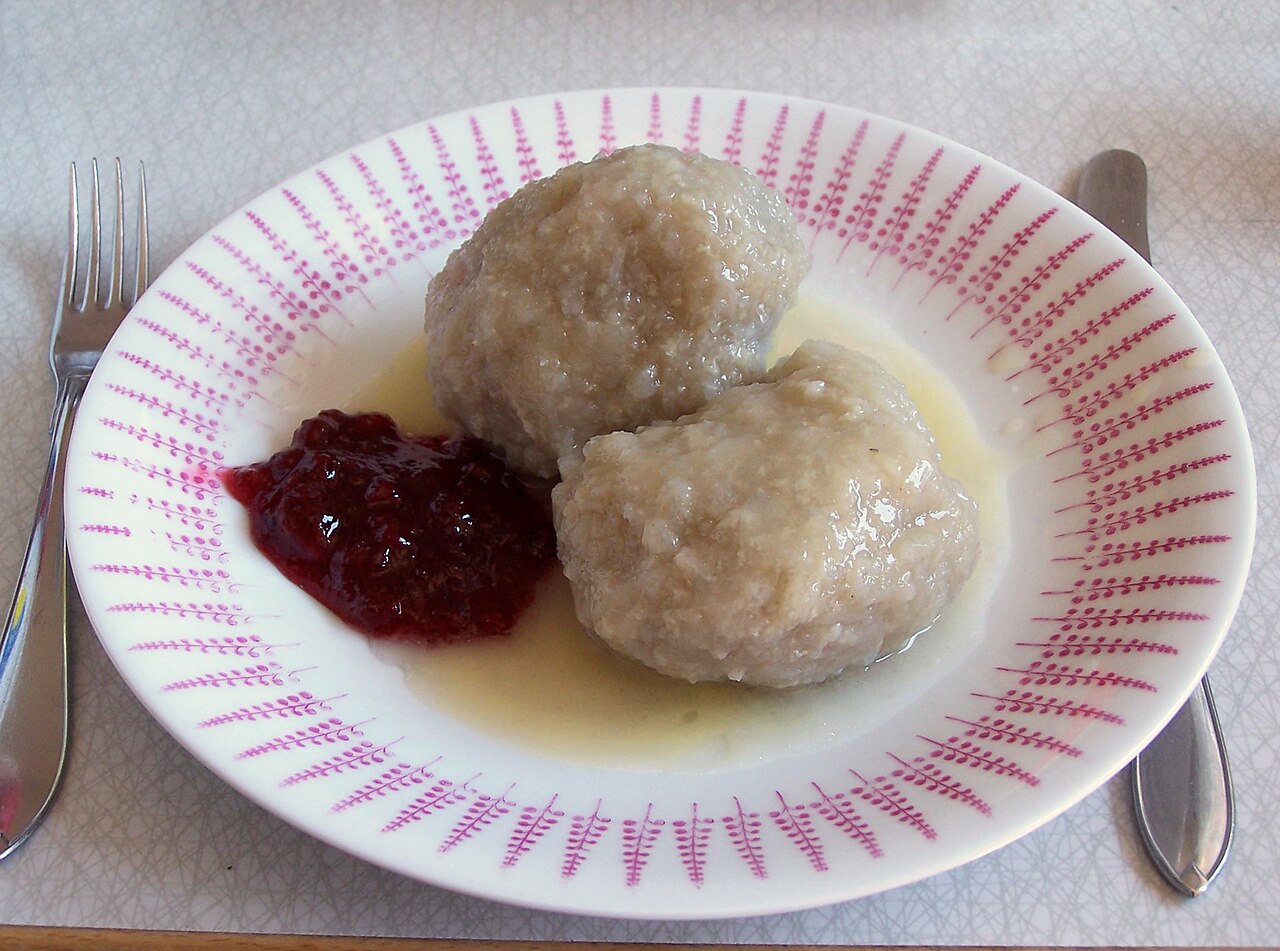
Large dumplings of potato dough filled with salted pork and onion, boiled and served with melted butter and lingonberry jam.
Each region makes them a little differently: on Öland mostly with raw potato, in Småland mostly with boiled potato, and on Gotland only with boiled potato.
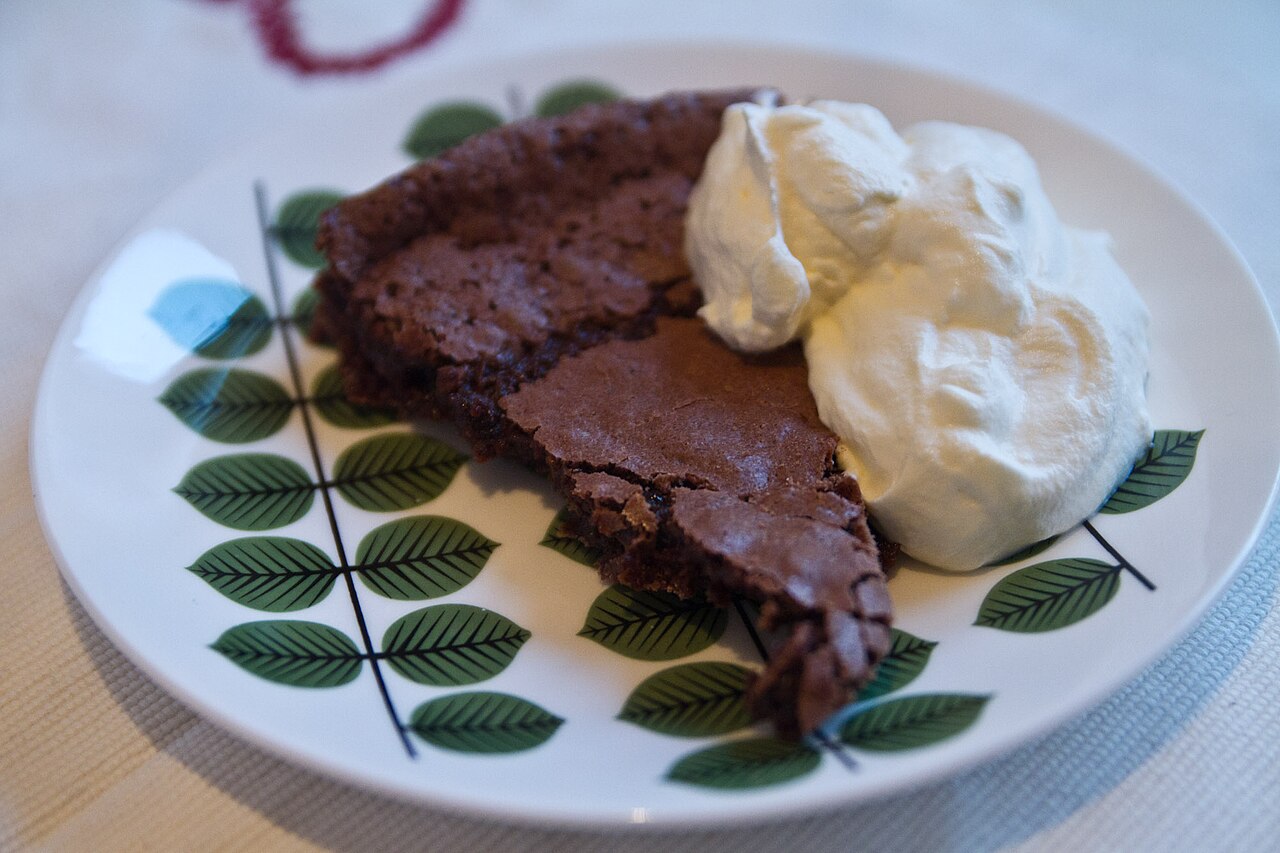
A flat chocolate cake with a crisp top and a soft, gooey middle, served with whipped cream or ice cream. 'Kladdig' means sticky. Because the middle is left soft, the eggs are not fully cooked: use pasteurised eggs or bake it longer for pregnant women, older people and anyone with a weak immune system.
It is made without baking powder, which is why it stays flat and dense. Since 2008, 7 November has been Kladdkaka Day.
At the table in Sweden
Before eating, people may wish each other 'Smaklig måltid', enjoy your meal.
When raising a glass, Swedes say 'Skål', cheers.
People take their shoes off when entering a private home.
Be on time: Swedes value punctuality, whether for dinner or a friendly fika.
Tipping is welcome but not expected; rounding up or adding about 10 percent in a restaurant is generous.