Danish food is hearty, homely and built on rye bread, pork, dairy and fish from the surrounding seas. Most Danes eat a cold breakfast, a cold lunch of open sandwiches on dark rye bread, and a hot dinner at home with the family. At festive lunches the order is fish first, often pickled herring, then meat and warm dishes, and cheese to finish, with a small glass of ice-cold akvavit for those who like it. Christmas means roast pork, rice pudding and cosy afternoons of little round pancakes.
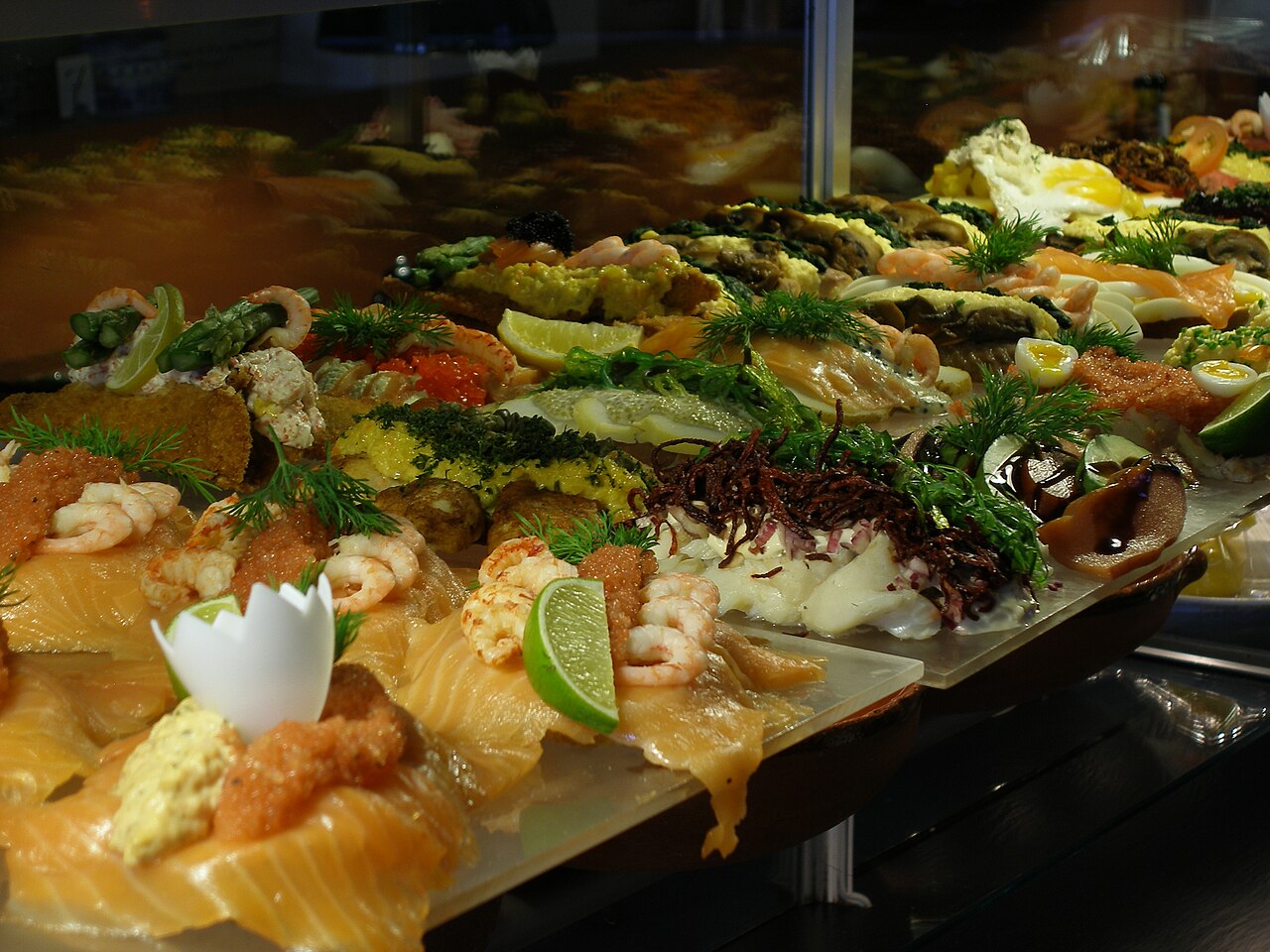
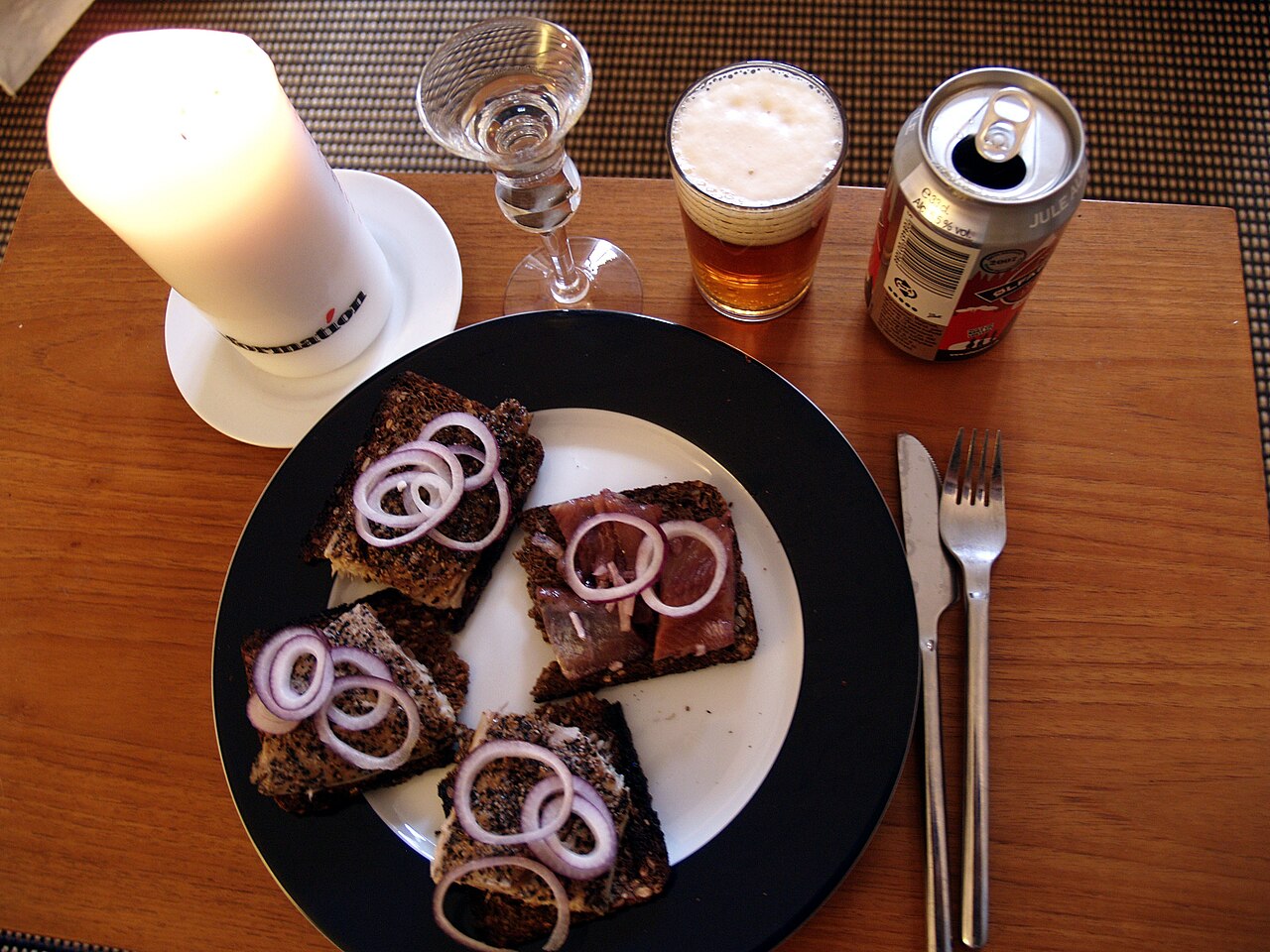
A slice of buttered rye bread topped with pickled herring, liver pâté, roast beef, shrimp, egg, cheese or smoked fish, and carefully garnished. It is the classic Danish lunch and is usually eaten with a knife and fork.
The name comes from 'smør og brød', butter and bread. In 1888 Oskar Davidsen opened a wine bar in Copenhagen that became famous for its very long list of open sandwiches.
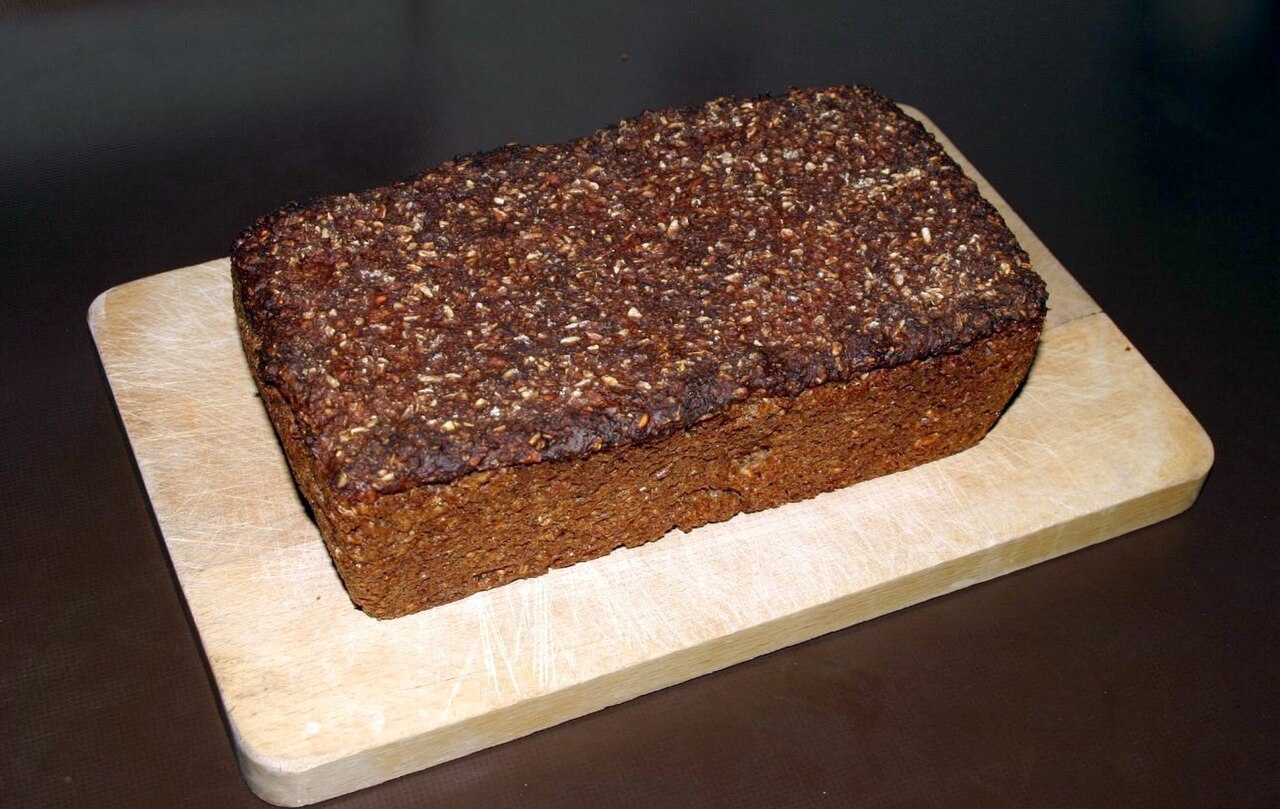
A dark, dense sourdough bread made from rye flour, often with whole rye grains and seeds, baked in a long rectangular tin. Most Danes eat it every day, as the base for open sandwiches.
Until 1933, some Danish prisoners could be punished with a diet of only water and rye bread, which is why 'on water and bread' still means serving time.
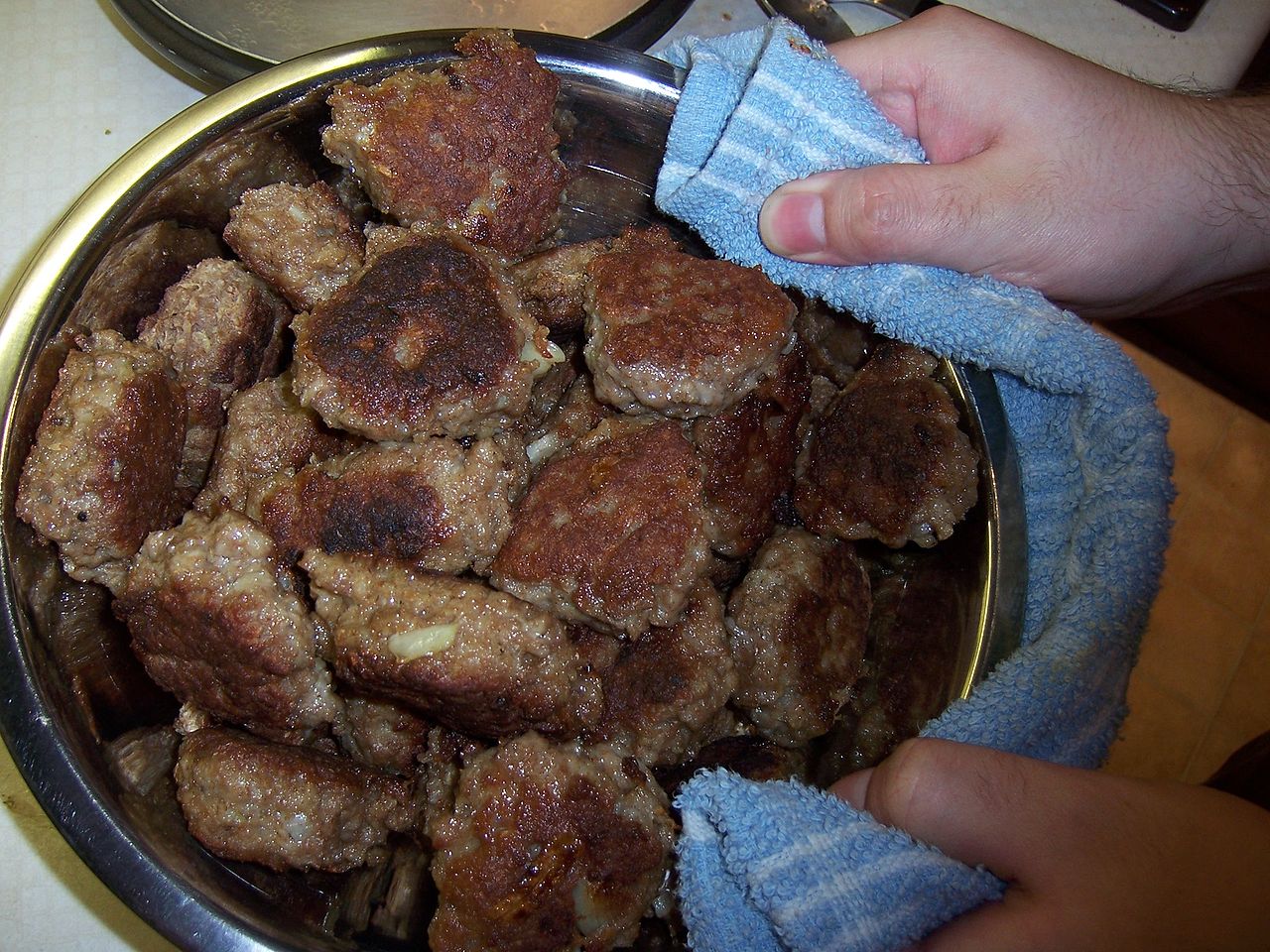
Flattened, pan-fried meatballs of minced pork, or pork and veal, with onion, egg and a little flour or breadcrumbs. They are served warm with potatoes, brown sauce and pickled red cabbage, or cold on rye bread.
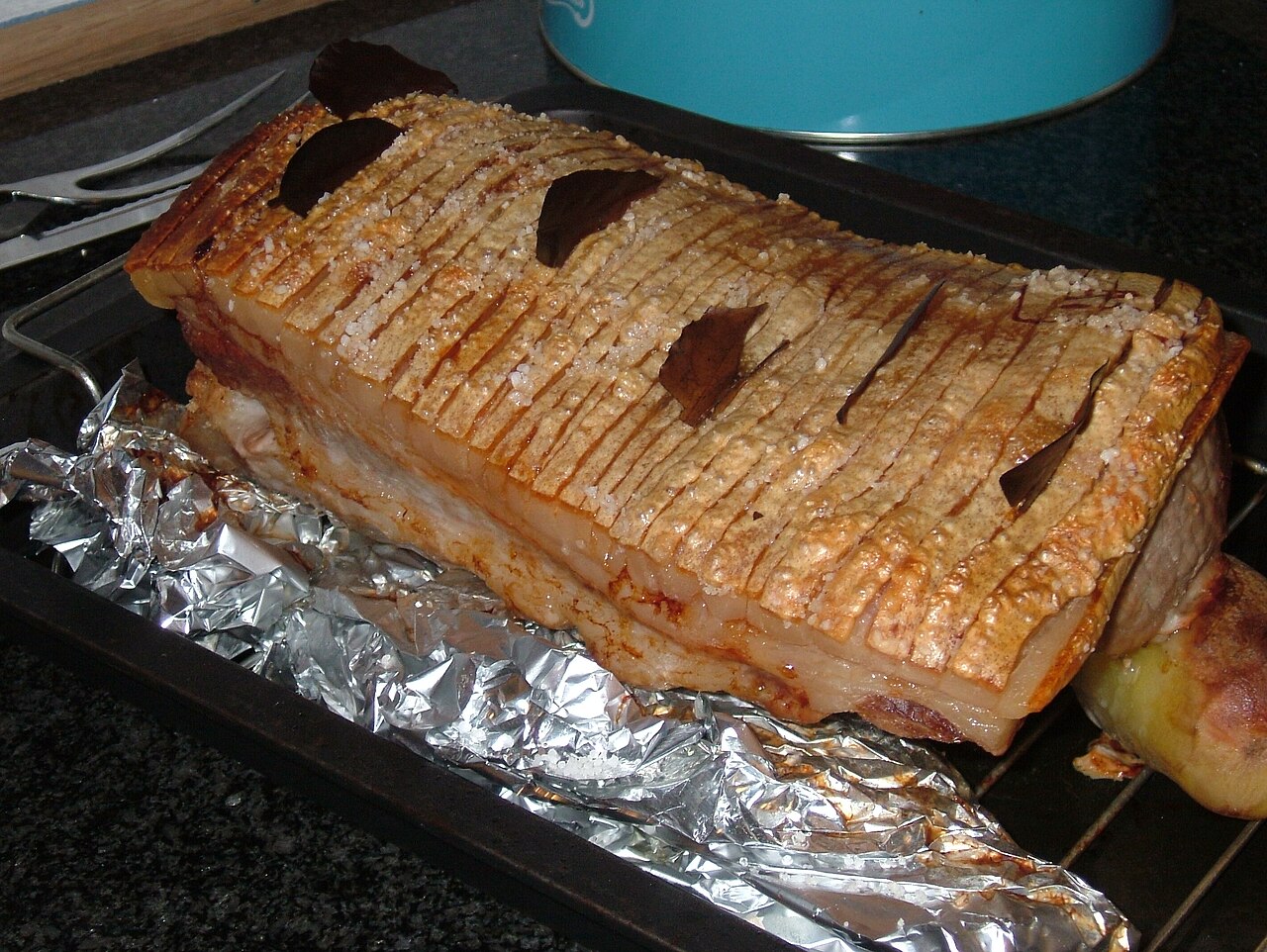
A joint of pork roasted with its rind scored into narrow strips, so it turns into crisp crackling. It is served with boiled and caramelised potatoes, red cabbage and gravy, and, often with roast duck, it is the classic dinner on Christmas Eve.
Roast pork became an everyday dish in Denmark only after the 1860s, when homes got ovens heated by wood-burning stoves.
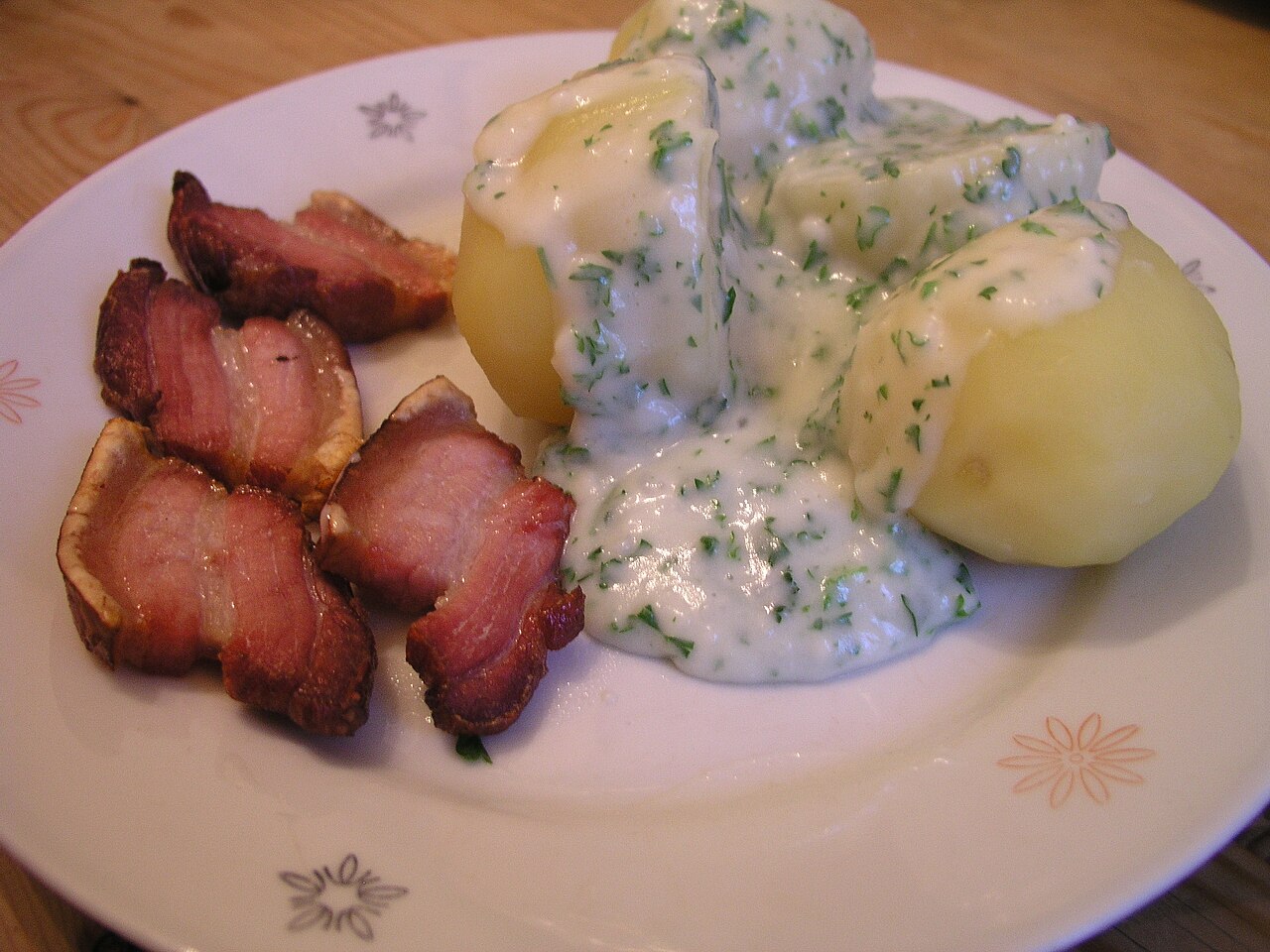
Thick slices of pork belly fried until crisp, served with boiled potatoes and a creamy white parsley sauce. It is simple, filling and very much loved.
In 2014 it was voted Denmark's national dish in a public vote organised by the Danish food ministry. Some Danes also eat it on election nights, as a joke on 'valgflæsk', 'election pork', meaning empty promises.
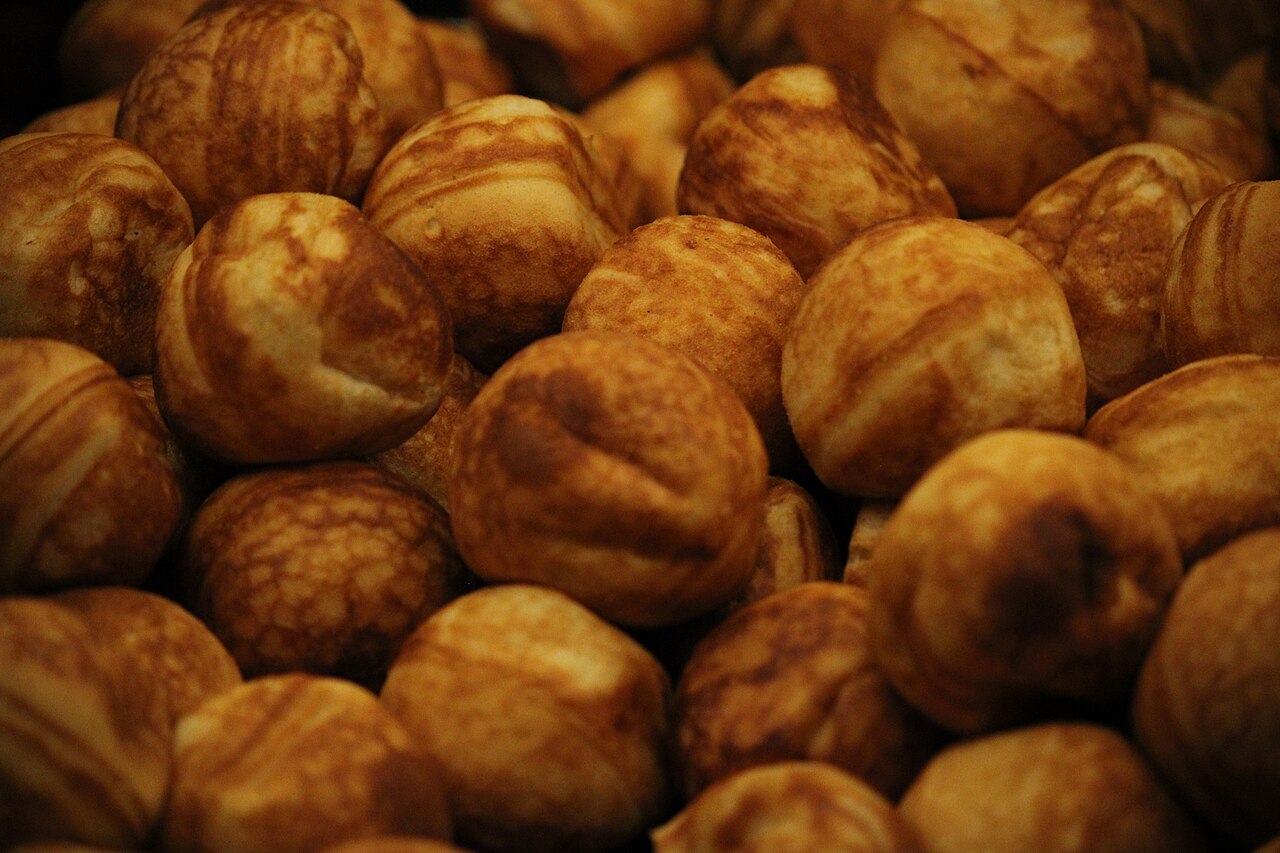
Light, fluffy balls of batter cooked in a special pan with round hollows and turned with a knitting needle or skewer. They are dipped in jam and dusted with icing sugar, especially in December with a cup of mulled wine (gløgg).
The name means 'apple slices'. They used to have bits of apple inside, but today they almost never do.
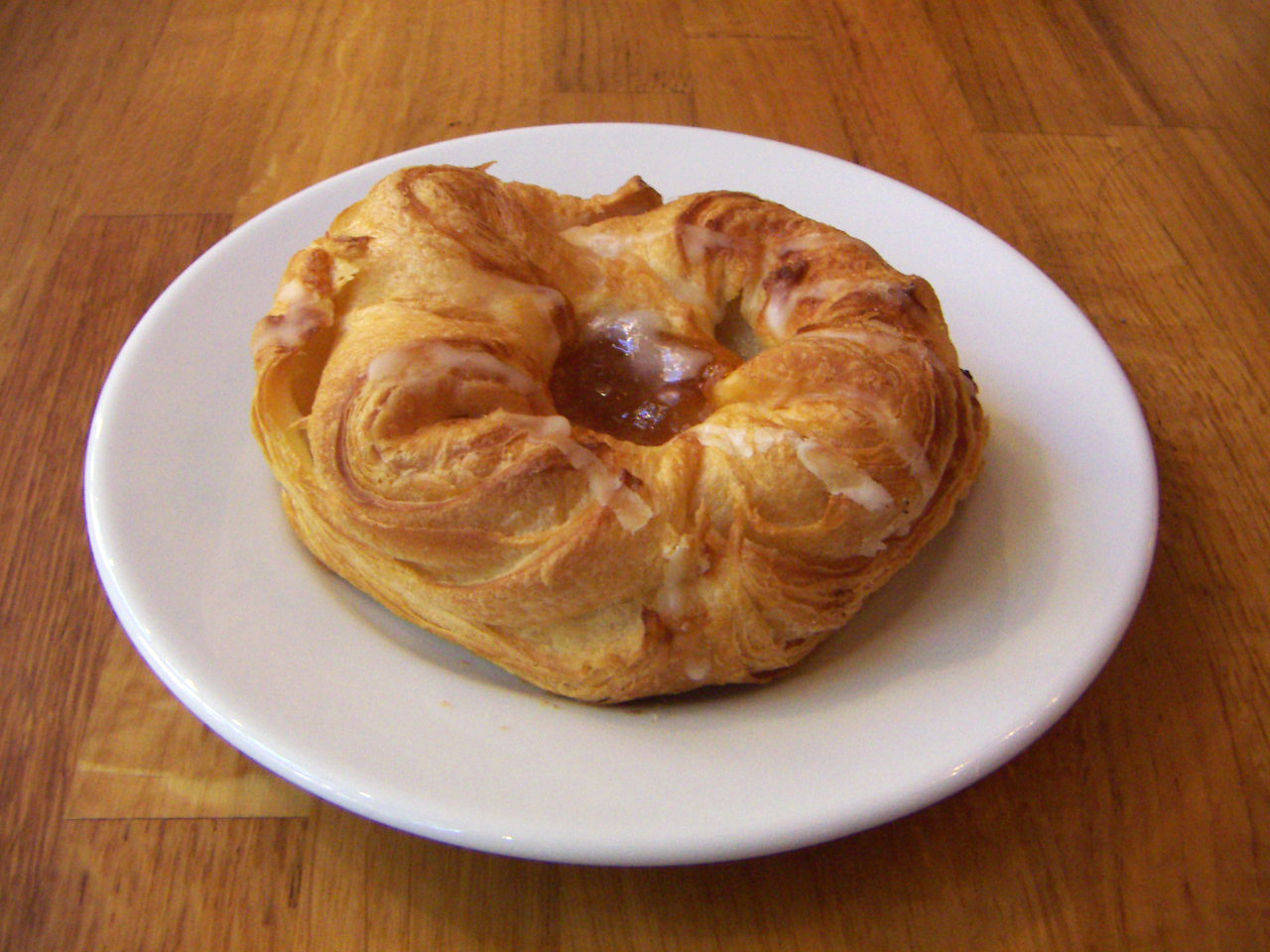
A flaky pastry made from a yeast dough folded again and again with thin layers of butter, filled with custard, marzipan, jam or cinnamon, and often topped with icing or nuts.
In Denmark it is called 'wienerbrød', Viennese bread, because Austrian bakers are thought to have brought the technique. In Vienna, meanwhile, it is called a 'Kopenhagener'.
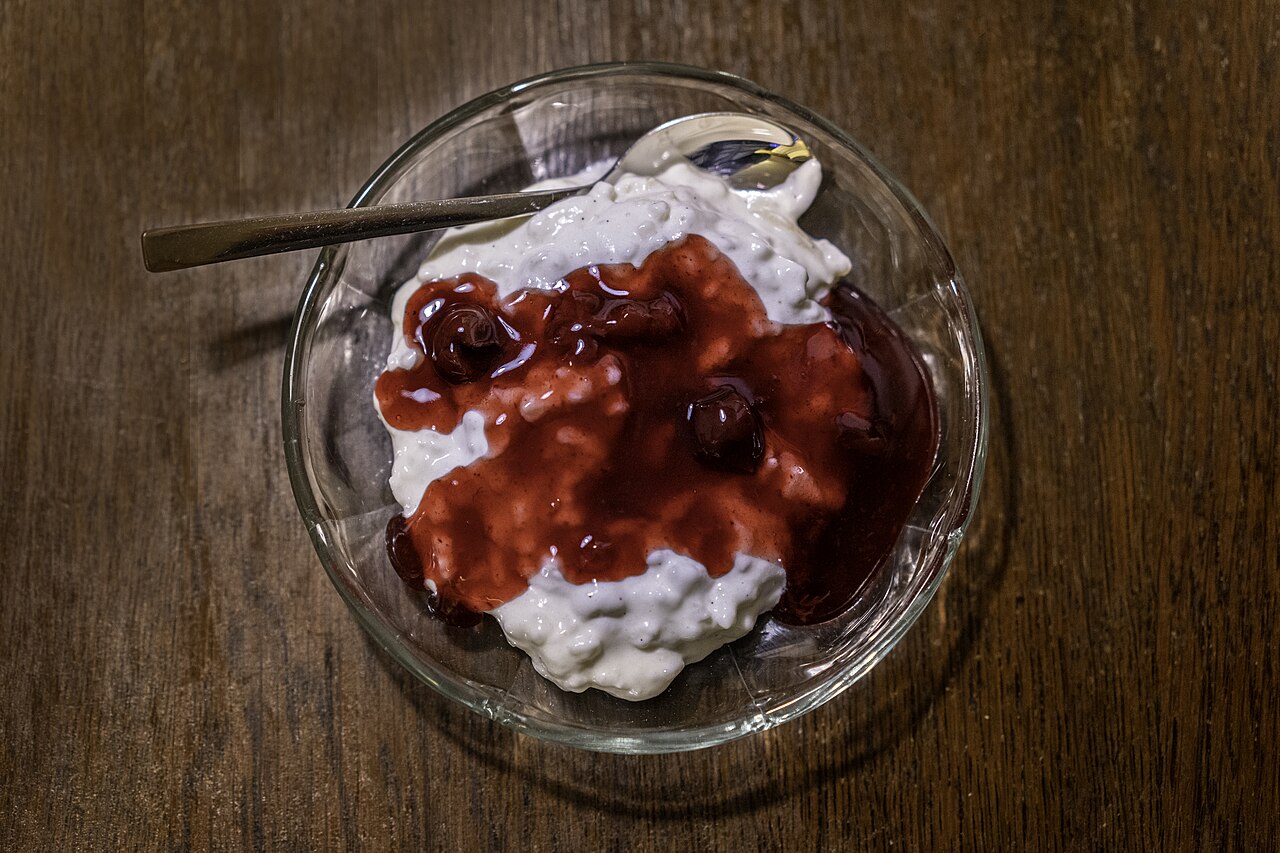
Cold rice pudding mixed with whipped cream, vanilla and chopped almonds, served with warm cherry sauce. It is the traditional dessert on Christmas Eve.
One whole almond is hidden in the bowl. Whoever finds it wins a prize, the 'almond present'.
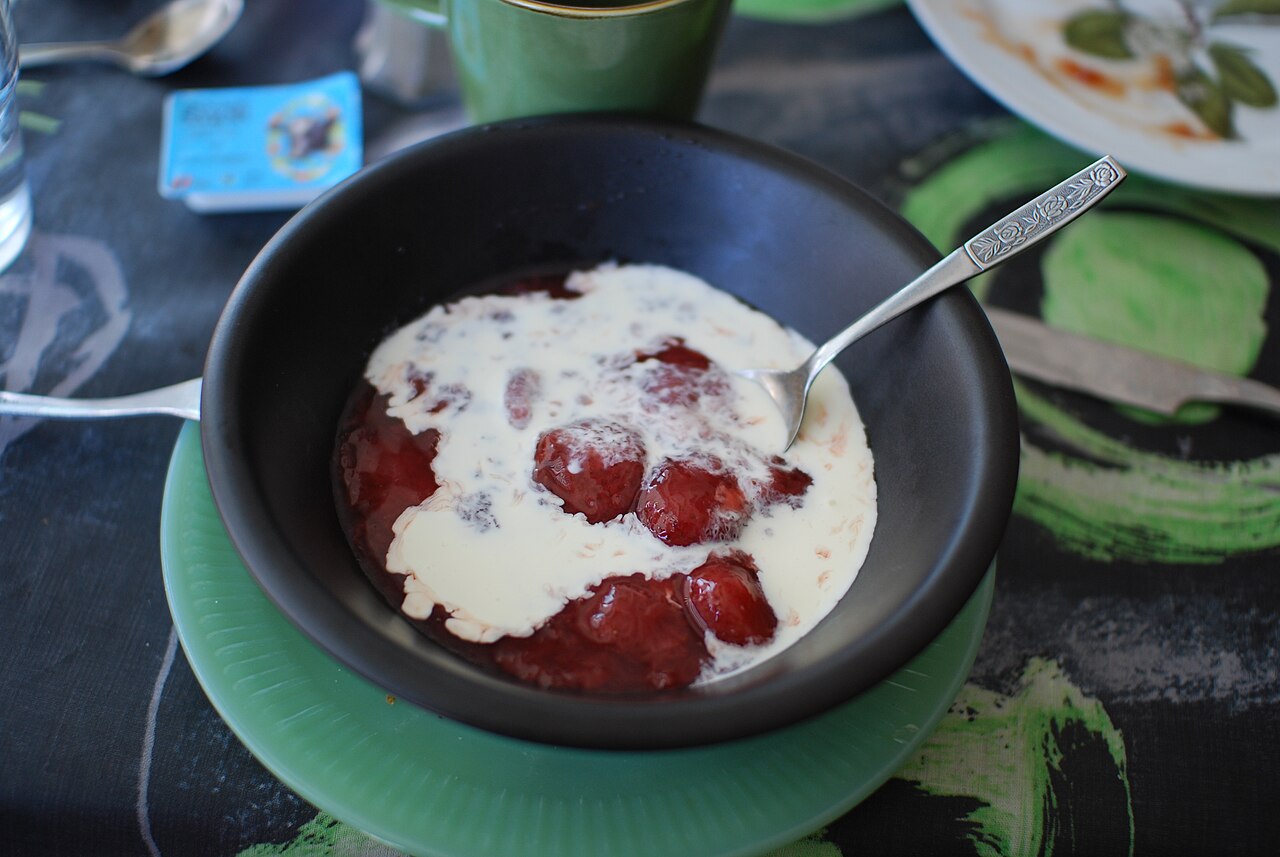
Summer berries such as redcurrants, raspberries and strawberries, cooked with sugar and thickened with potato starch, served cold with cream poured over.
'Rødgrød med fløde' is famously hard for foreigners to say, and Danes have used it as a fun pronunciation test since the early 1900s.
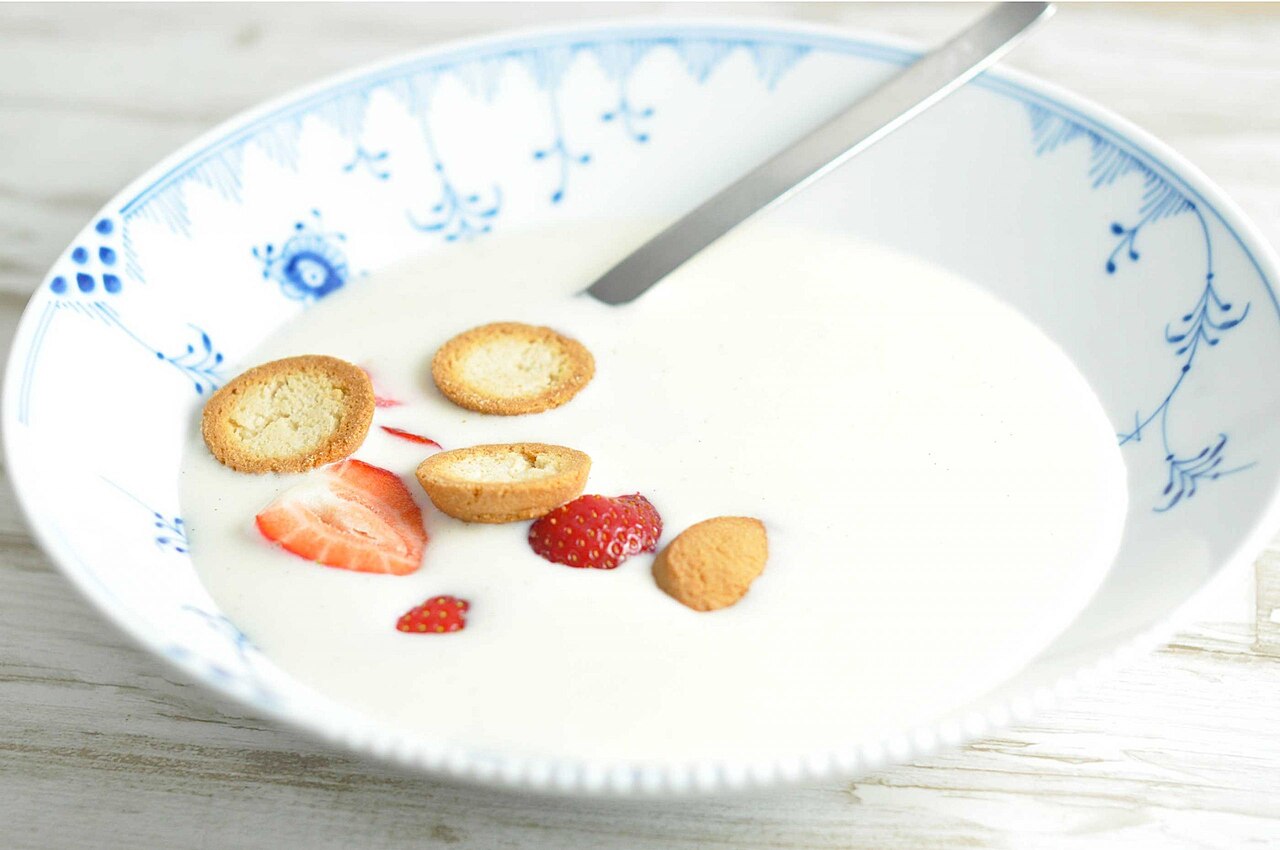
A sweet, cold mixture of buttermilk, sugar, vanilla and lemon, eaten on warm summer days with small crisp biscuits called kammerjunkere. Homemade versions often include raw egg yolks, so use pasteurised eggs if serving pregnant women, older people, young children or anyone with a weak immune system.
Demand depends on the weather. In July 2013 one dairy alone sold 3.8 million litres of ready-made koldskål.
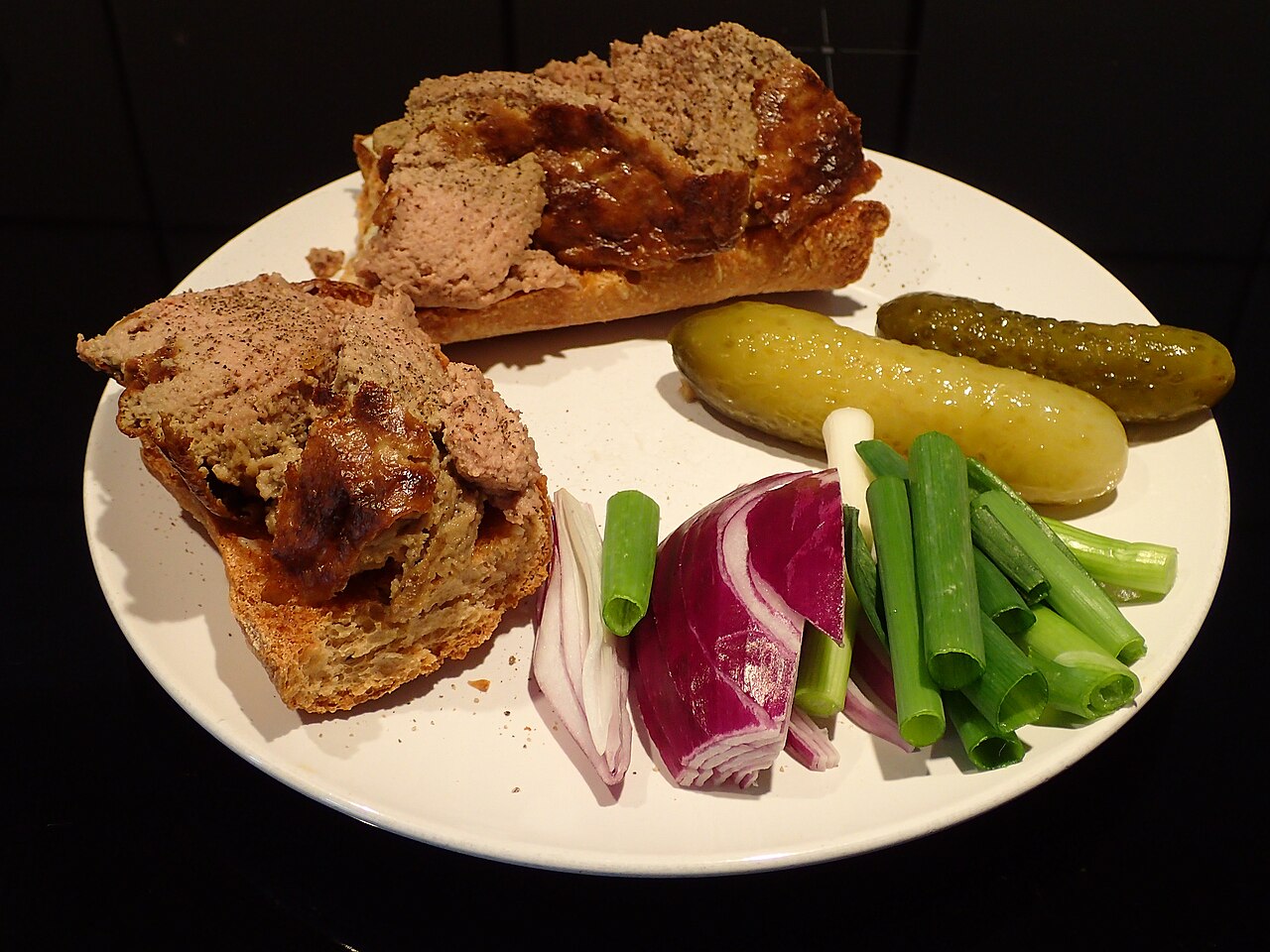
A baked pâté of pork liver and lard with onion and spices. It is spread on rye bread, cold with pickled cucumber or warm with crisp bacon and mushrooms.
Herring fillets marinated in sweet, spiced vinegar, often in a white and a red version, or in curry sauce. Served on rye bread with onion rings, it is the traditional first course at a festive Danish lunch.
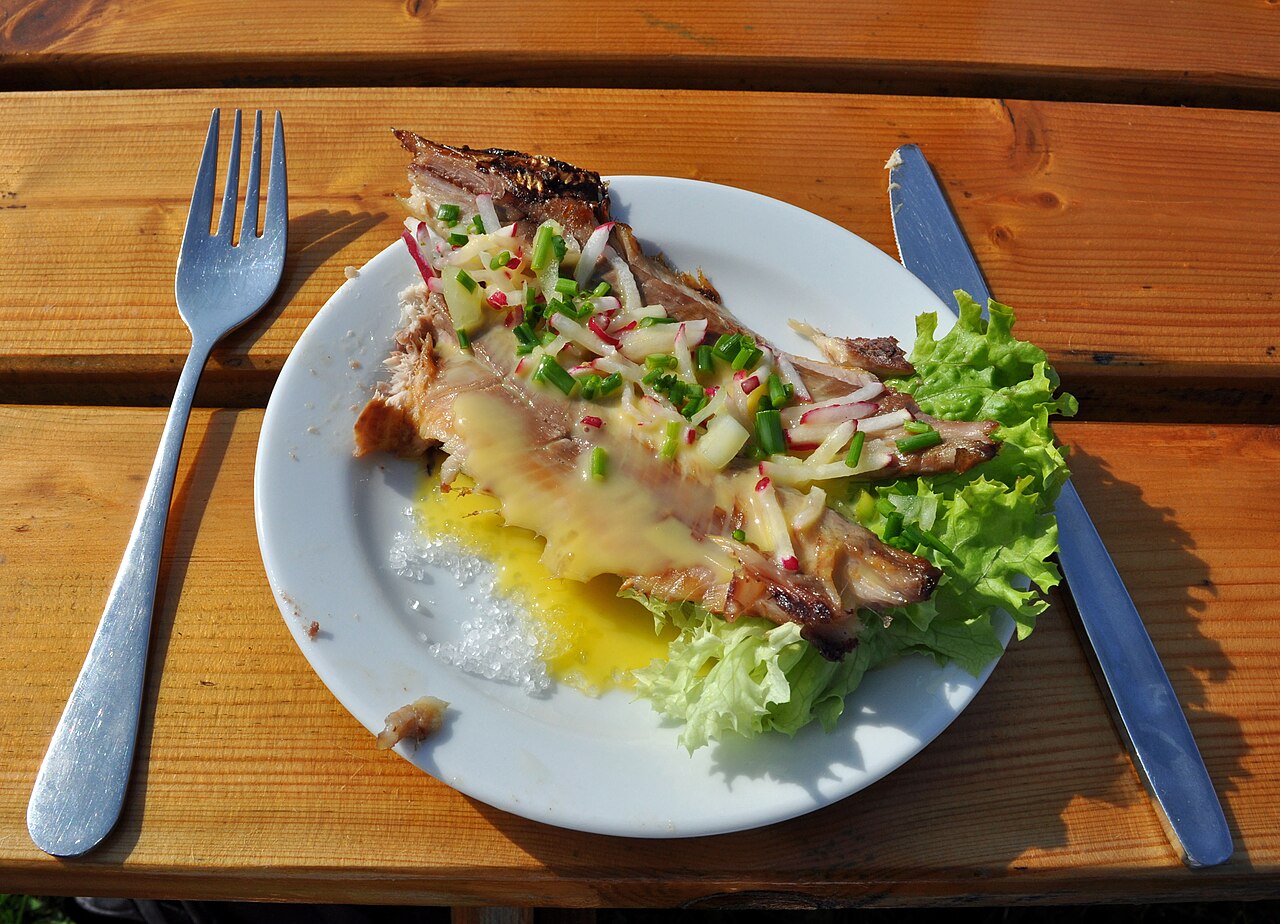
An open sandwich of rye bread with smoked herring, chives and a raw egg yolk on top, the 'sun'. The island of Bornholm is famous for its herring smokehouses. Use a pasteurised egg if serving pregnant women, older people, young children or anyone with a weak immune system.
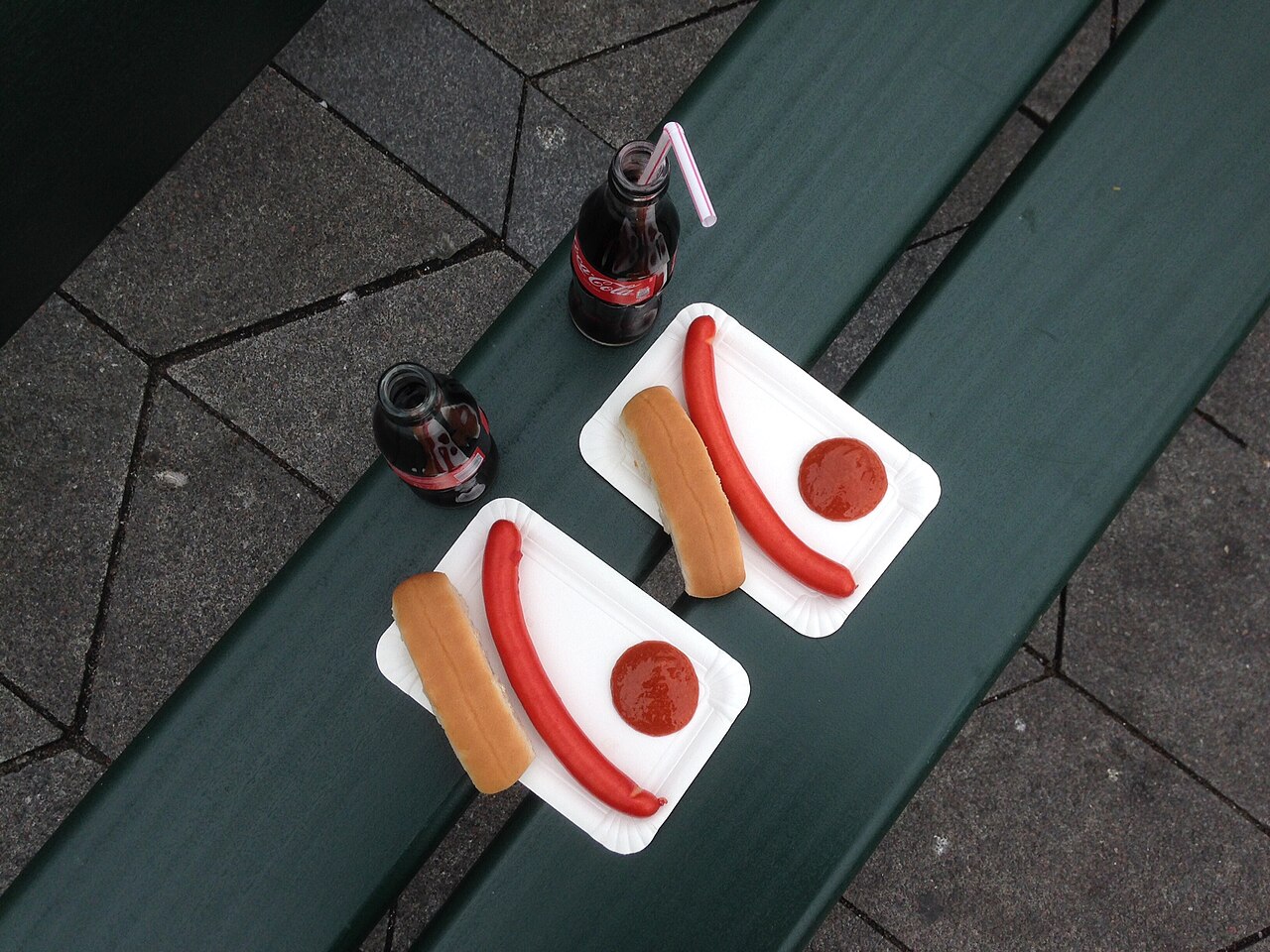
A bright red boiled pork sausage sold from hot dog stands (pølsevogne) all over Denmark, served in a bun with remoulade, mustard, ketchup, crisp fried onions, raw onions and pickled cucumber.
Nobody is quite sure why the skin is red. One story says old sausages were dyed as a warning to customers.
Scandinavia; the Aalborg brand was first made in Aalborg
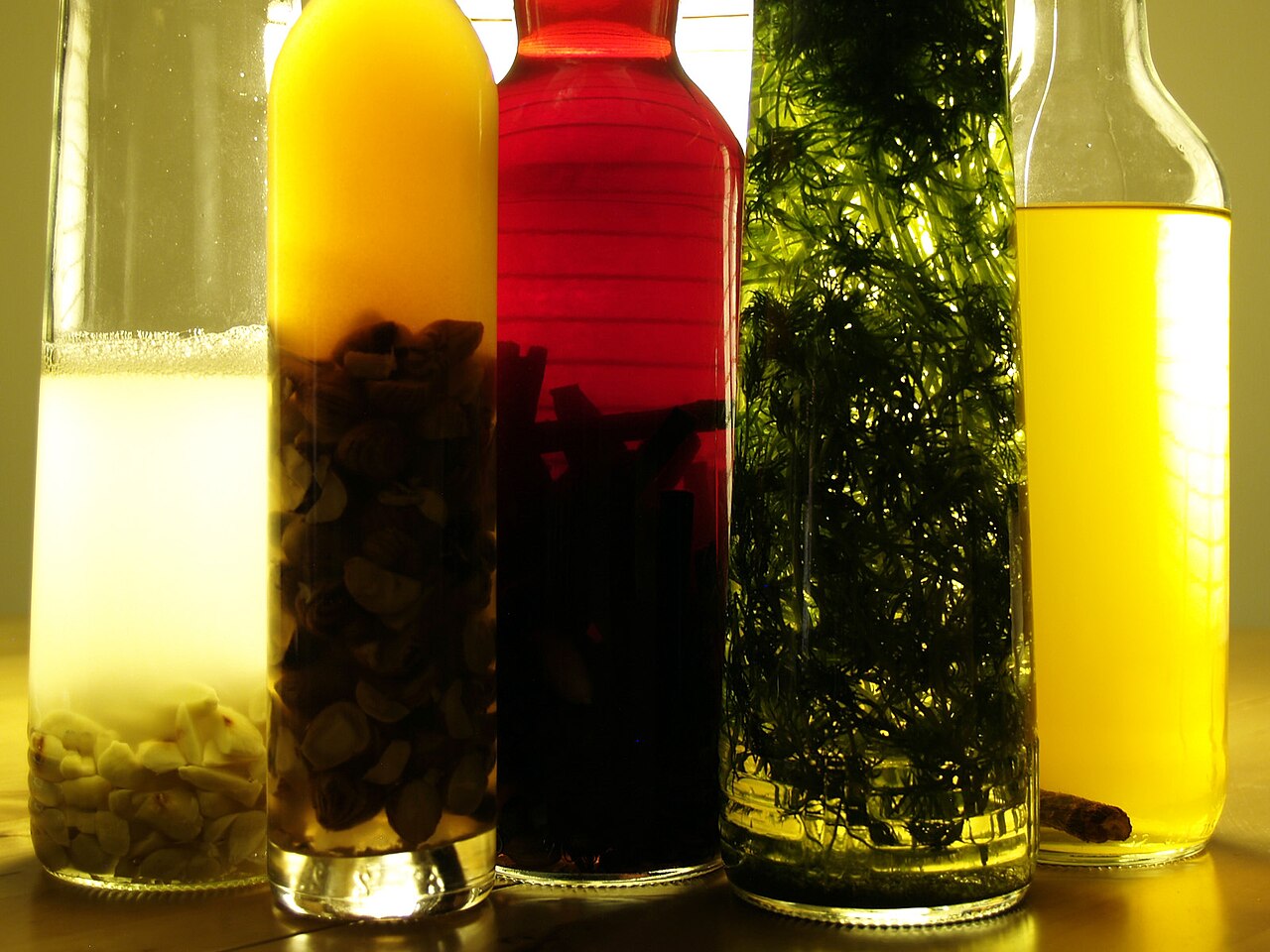
A strong spirit, usually around 40 percent alcohol, flavoured with caraway or dill. In Denmark it is served ice cold in small glasses, mostly at Christmas and Easter lunches, often with herring.
The name comes from the Latin 'aqua vitae', water of life, just like whisky comes from the Gaelic for the same words.
At the table in Denmark
Open sandwiches are usually eaten with a knife and fork, not with your hands.
At a festive lunch, eat the fish first, then the meat and warm dishes, and finish with cheese.
After a meal in someone's home, thank the host with 'Tak for mad' (TAHK for MATH), 'thanks for the food'.
When raising a glass, say 'Skål' (SKOHL), meaning 'cheers'.
Service is included in restaurant, hotel and taxi bills, so tipping is not expected, although you may leave a little extra for great service.