Kazakh food grew out of nomadic life: meat from sheep, horses, cattle and camels, milk in many forms, and dough that could be cooked in a single iron cauldron called a kazan. A festive meal is laid on a low table, the dastarkhan, covered with small dishes of bread, fried baursak, dried fruit, sweets, nuts and cold meats such as horse sausage. Then comes the main dish, usually beshbarmak, with meat carved by the host, followed by bowls of hot broth. Tea, strong and black with milk, is served before, during and after everything, and fermented mare's or camel's milk is drunk in summer. Russian, Uzbek, Uyghur, Dungan, Korean and Tatar cooks have added dumplings, noodles, salads and pastries of their own.
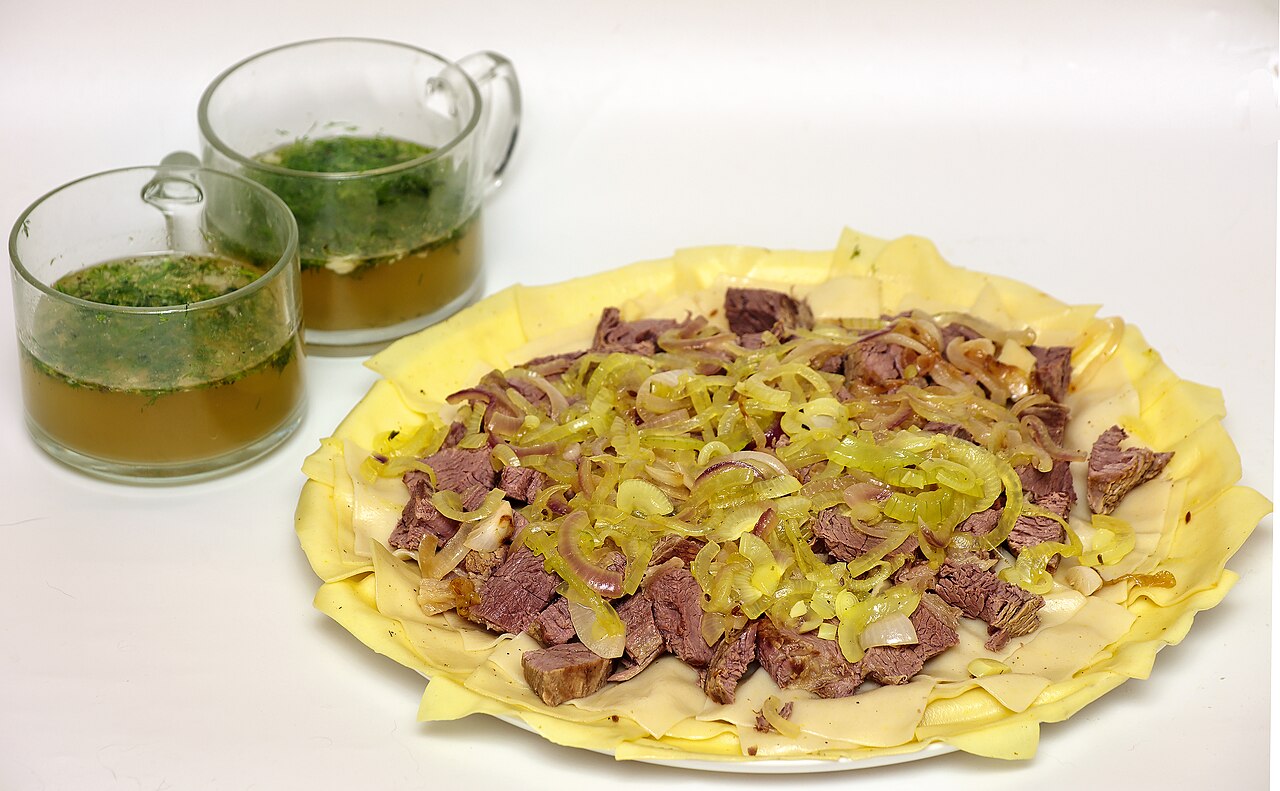
Бесбармақ (besbarmaq), also simply ет (et, 'meat')
All of Kazakhstan, the national dish
Large pieces of boiled mutton or horse meat, often with horse sausage, served on a wide platter over sheets of thin boiled dough and topped with onions softened in the rich broth. The broth itself, sorpa, is drunk from bowls alongside. The name means 'five fingers', because it was traditionally eaten with the hands.
The host carves the meat and hands out the pieces in order of honour: the most respected guest may be offered the boiled sheep's head, and shares it out with others at the table.
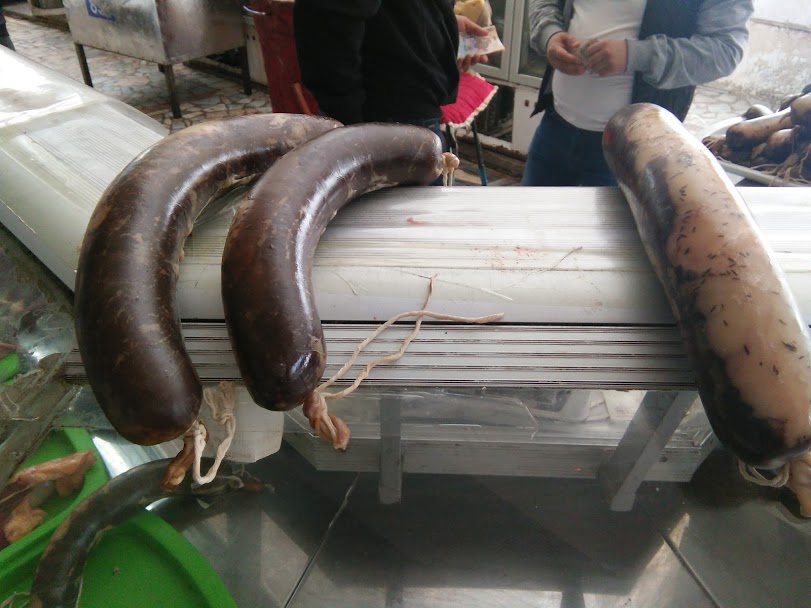
A handmade sausage of horse meat and fat, dried or smoked and then boiled. It is sliced into rounds, each with a ring of white fat, and served cold as a starter with other cold meats, or cooked together with beshbarmak on festive days.
Kazy was once a dish only the wealthy could afford, because it takes the best meat from a well-fed horse.
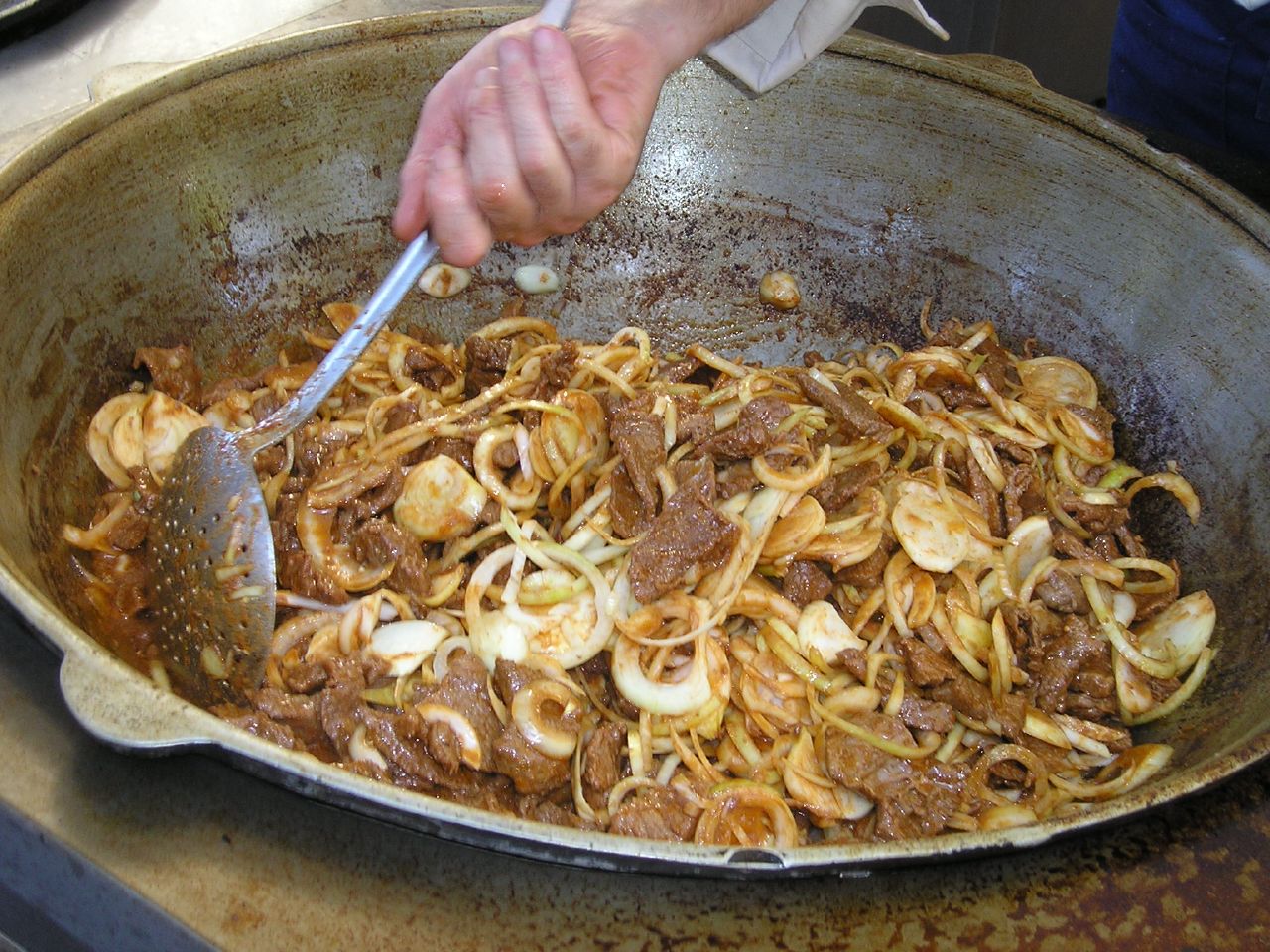
A hearty dish of fried meat and offal, such as liver, heart and kidneys, cut small and cooked with onions in a cauldron. Nomads traditionally made it from a freshly slaughtered sheep, frying it in animal fat; potatoes, which reached the region in the 19th century, are often added today.
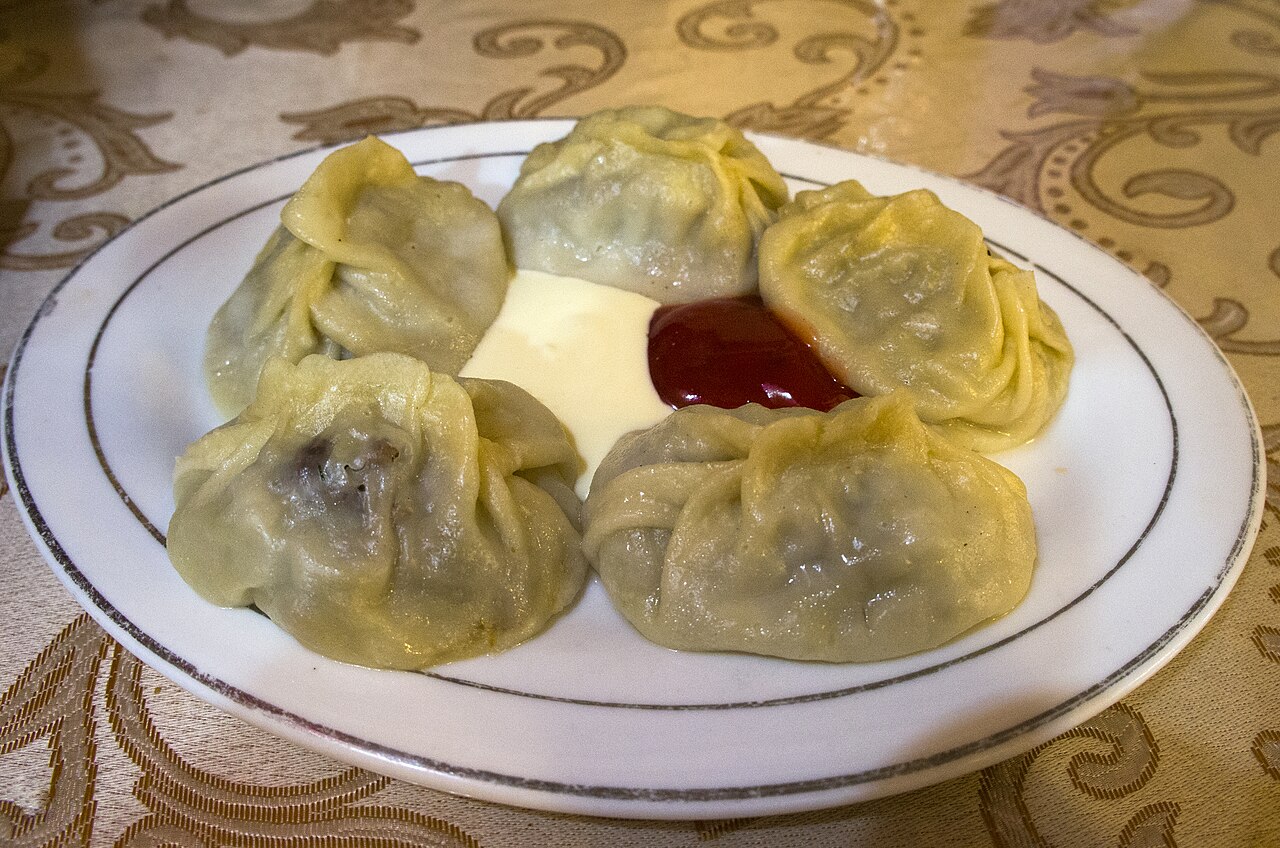
Large steamed dumplings filled with minced lamb or beef, onion and black pepper, sometimes with pumpkin. They are cooked in a tall steamer with several tiers and served with butter, sour cream or an onion sauce.
Southeast Kazakhstan and all big cities, from Uyghur and Dungan cooking
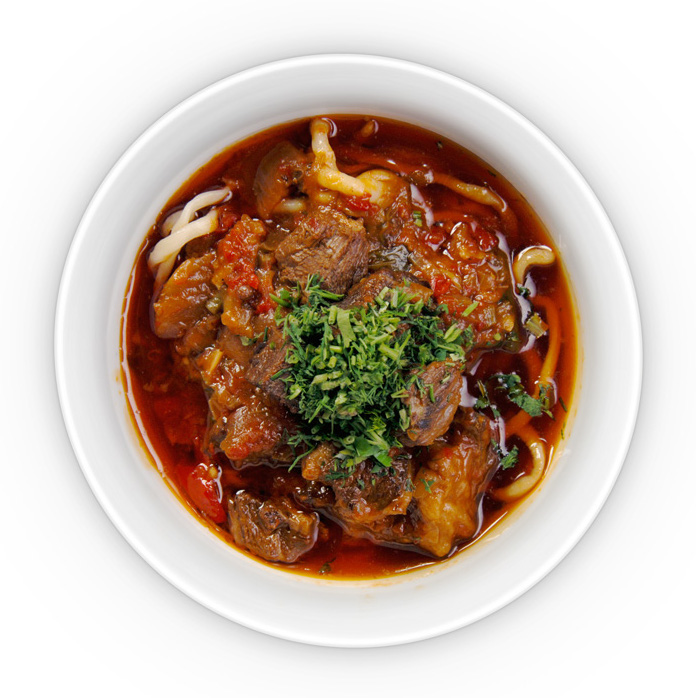
Long, hand-pulled wheat noodles topped with a stir-fried sauce of meat, peppers, tomatoes, onion and garlic. In Kazakhstan it is known as a national dish of the Uyghur and Dungan communities, and it is found in cafés all over the country.
All of Kazakhstan, made for the spring festival of Nauryz
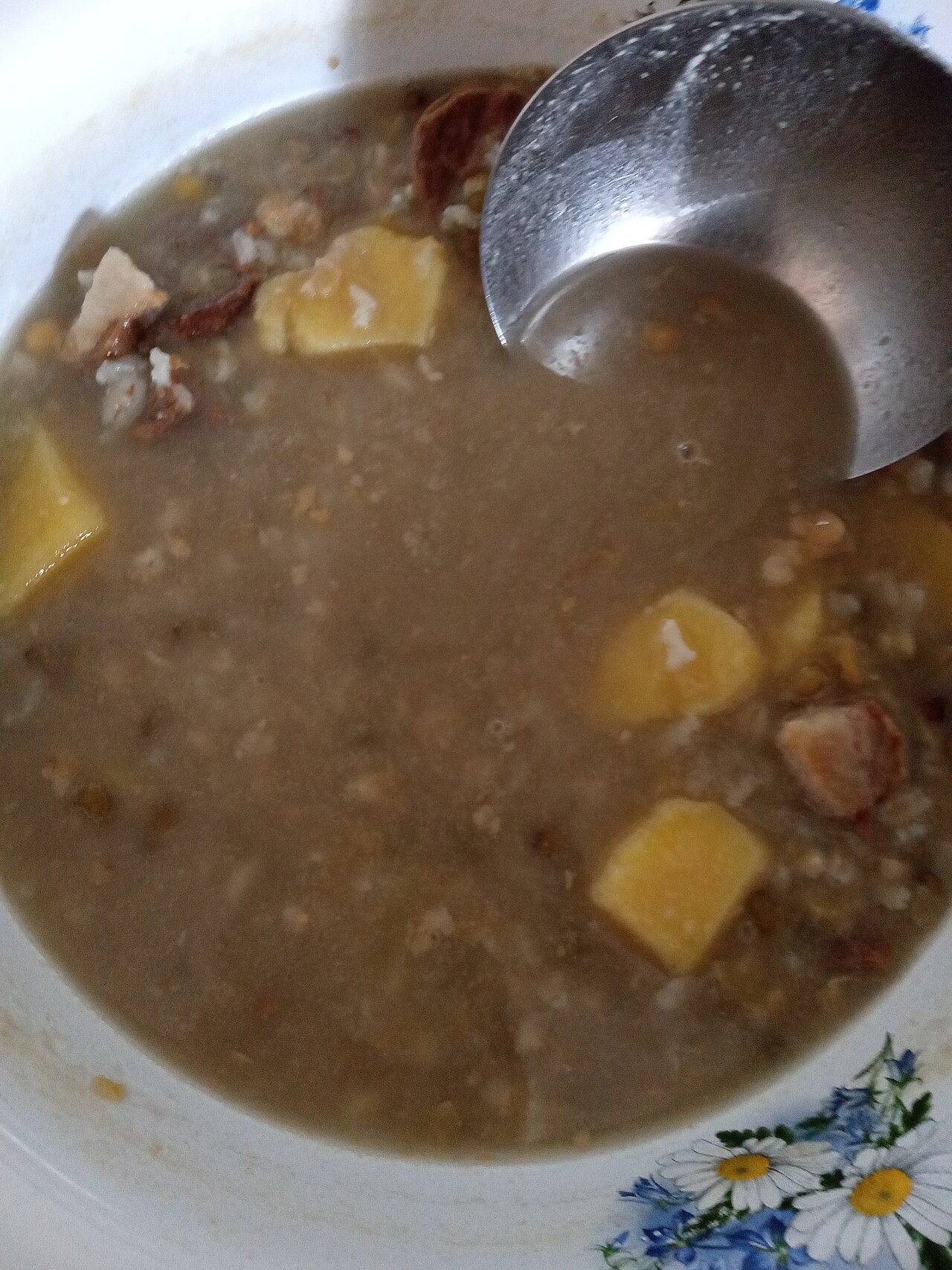
A thick soup made once a year for Nauryz, the spring new year in March. It is cooked from seven ingredients, which vary by region but usually include meat, fat, water, milk, grain and salt. The seven ingredients stand for good fortune and plenty in the coming year.
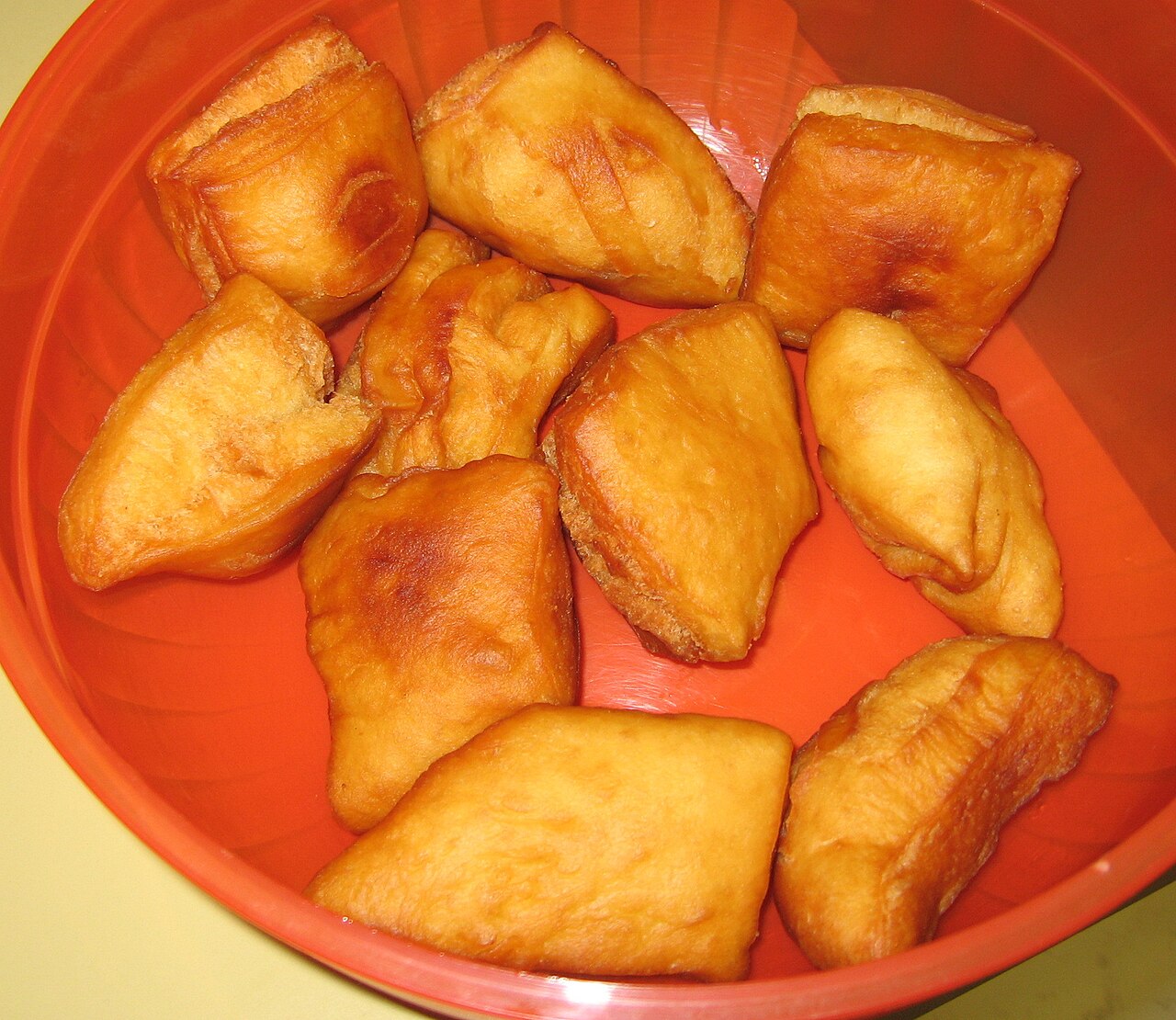
Small puffy pieces of fried dough, golden outside and soft inside, piled high on every dastarkhan. They are eaten with tea, butter, honey or jam, and a family gathering without baursak is hard to imagine.
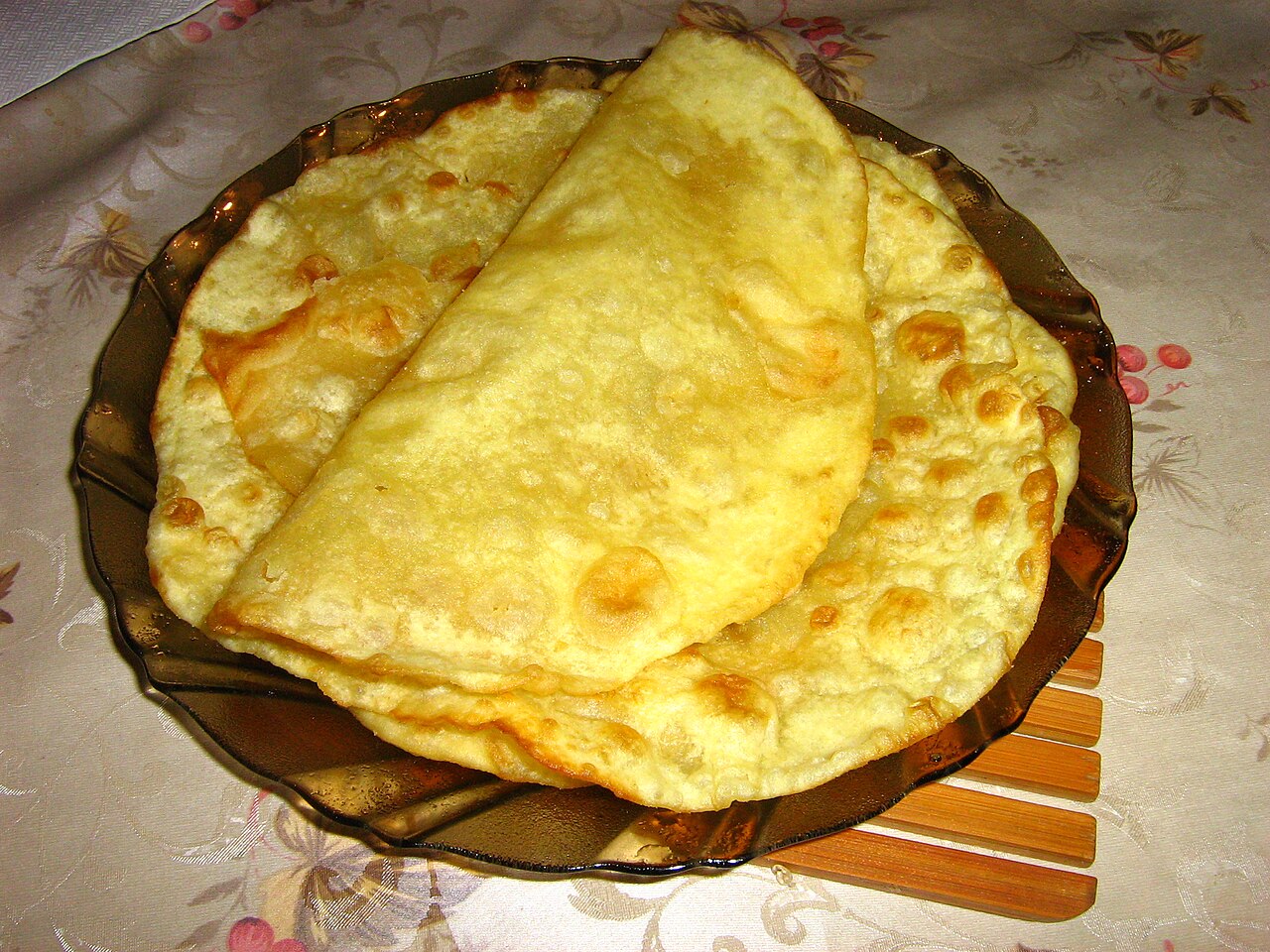
A thin, round flatbread fried in oil in a shallow pan, soft and slightly chewy. It is eaten with tea and is also made for gatherings in memory of the dead.
Families often fry seven shelpek, 'jeti nan', on Thursdays to remember their ancestors, one for each. It is said that the smell of frying bread feeds their spirits.
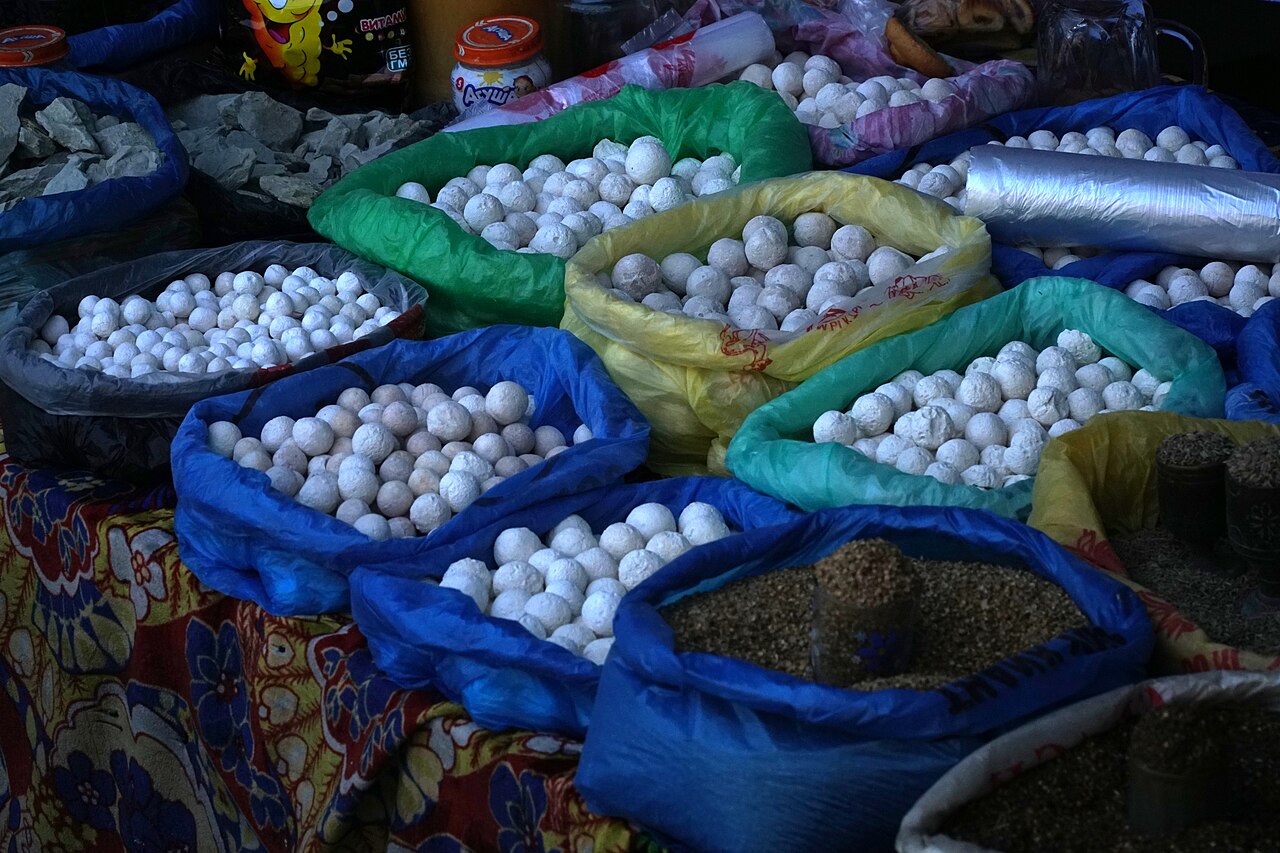
Small hard balls of strained sour milk, salted and dried until white. Kurt keeps for months, which made it perfect food for nomads on the move, and today it is sold in every market as a salty snack.
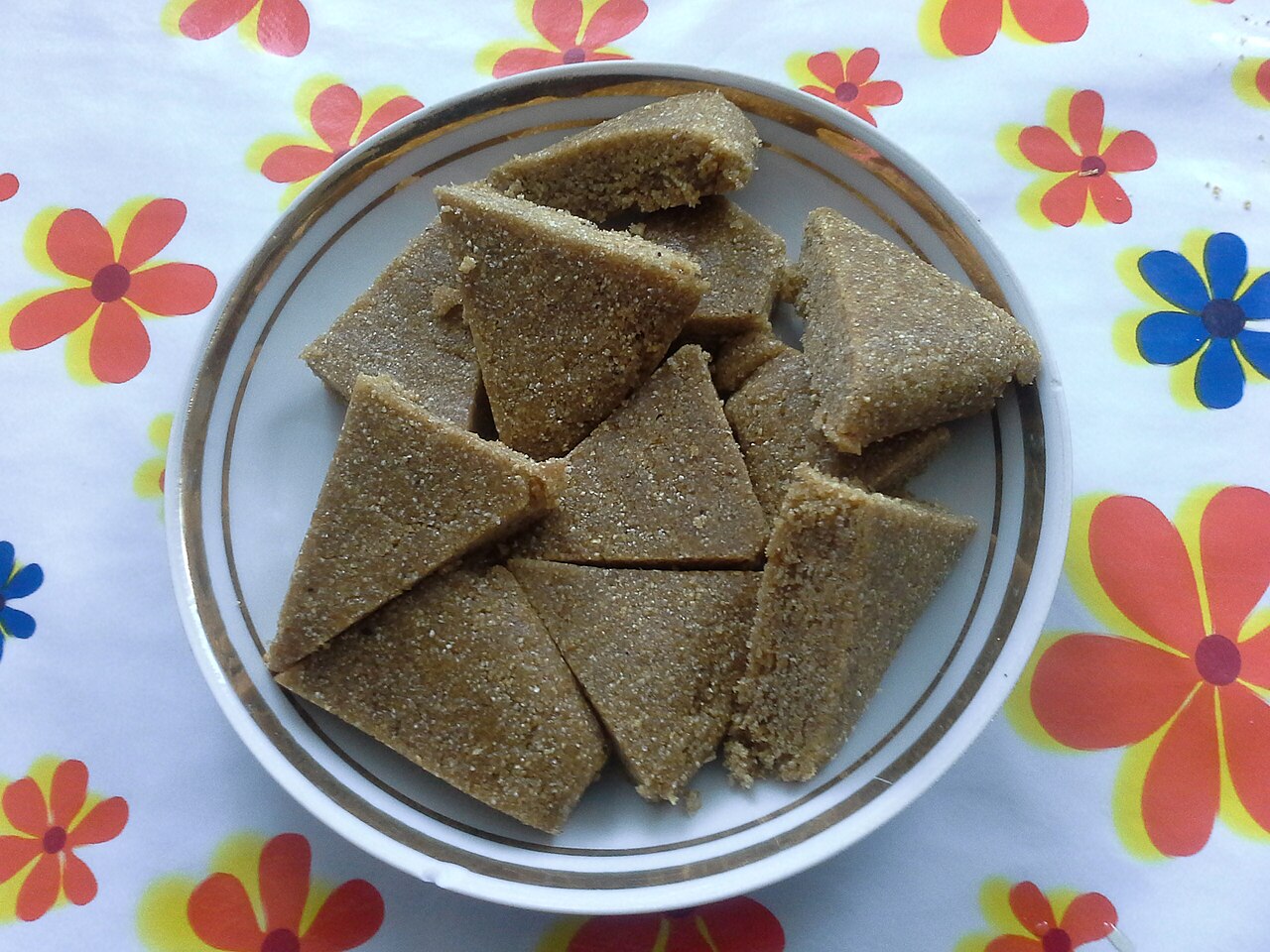
A sweet made without baking, from roasted crushed millet mixed with butter, sugar or honey, and often raisins, pressed firmly and cut into pieces. Easy to make in a single cauldron, it is still prepared for festive gatherings.
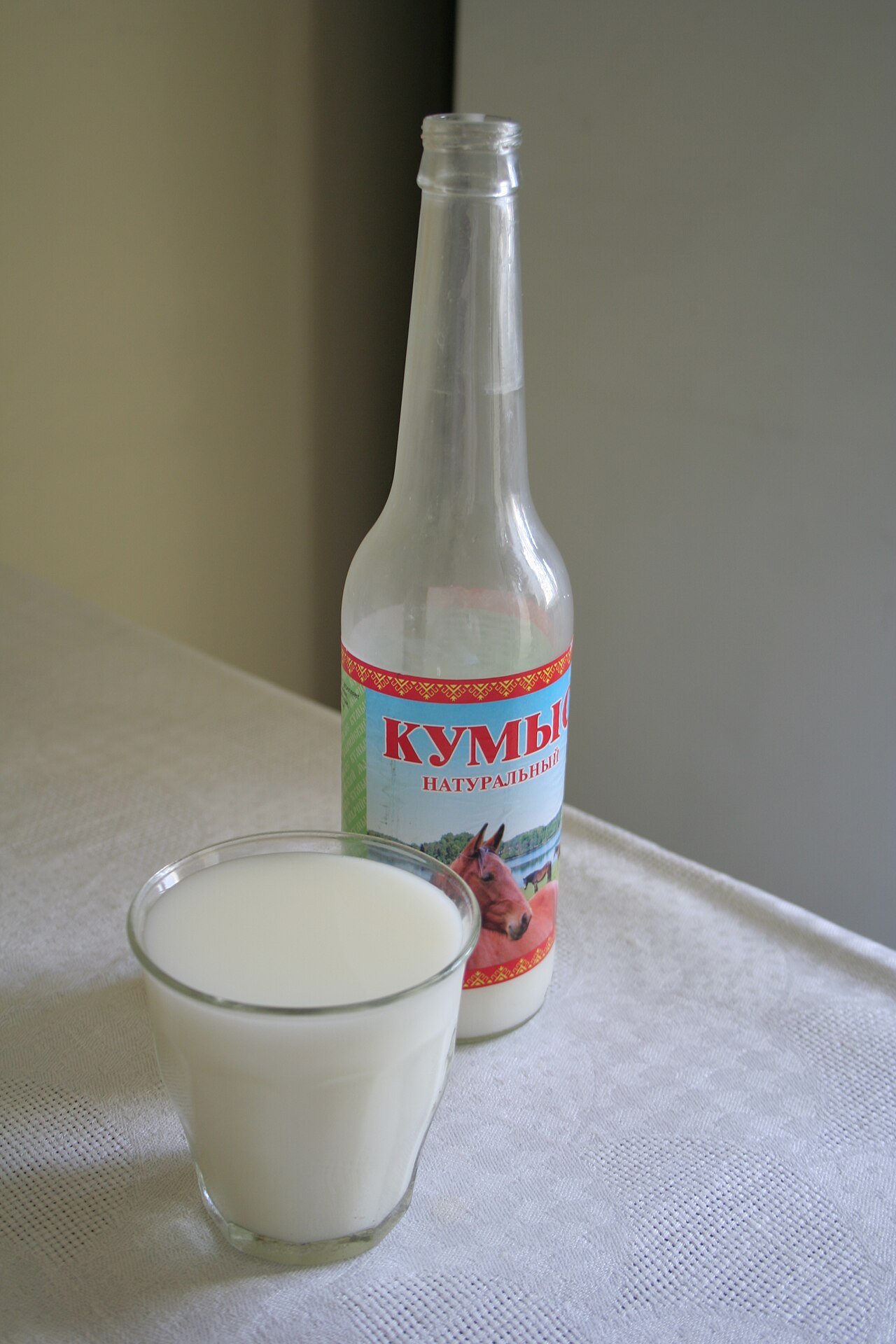
Fermented mare's milk, slightly sour, a little fizzy and very mildly alcoholic. It is served in wide bowls, and many Kazakhs value it as a healthy drink. Because mare's milk is scarce, factory versions are often made with cow's milk.
Kymyz contains only a little alcohol, usually between 0.7 and 2.5 percent, less than most beers.
Western and southern Kazakhstan, where camels are kept
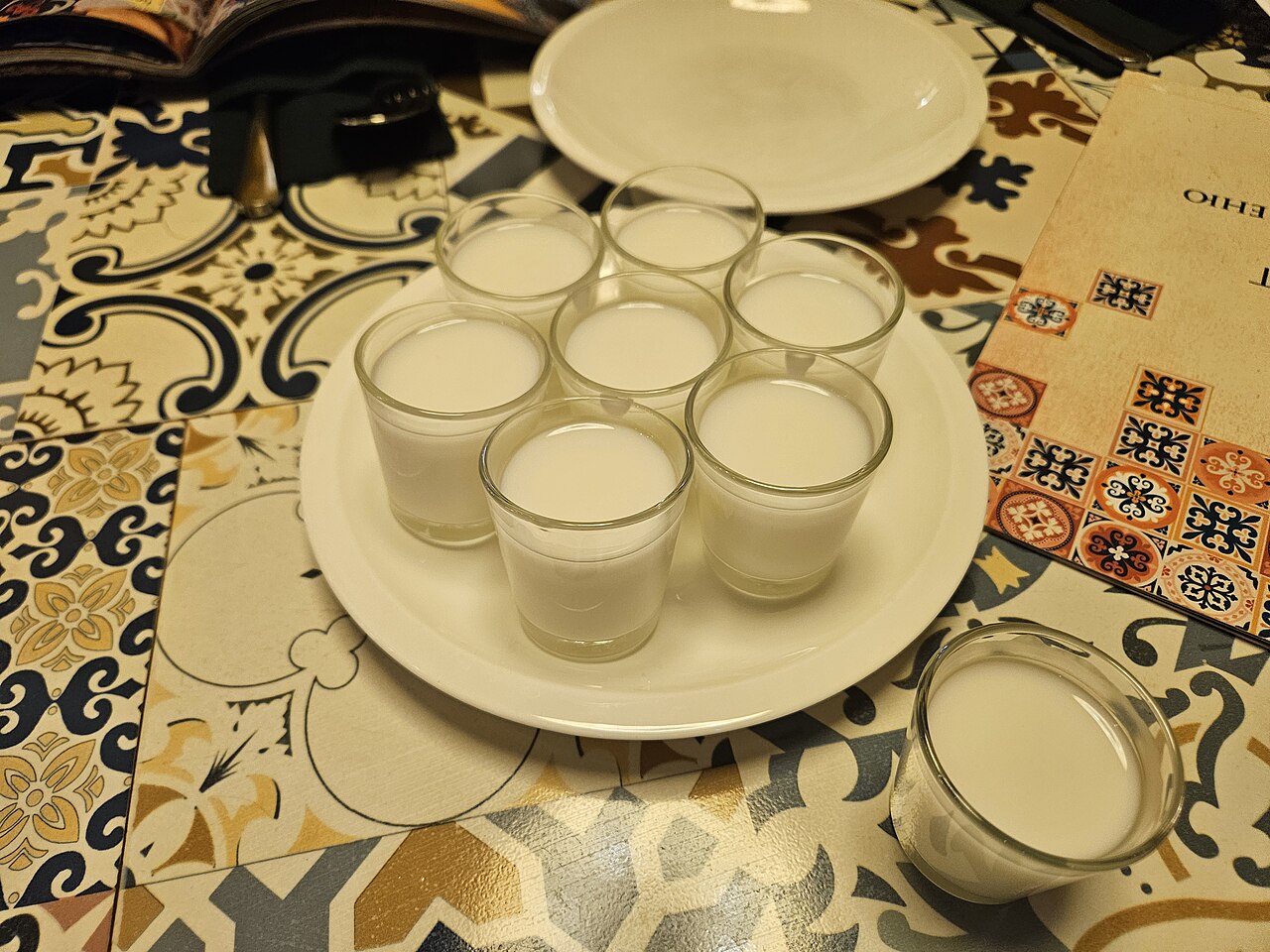
Fermented camel's milk, white, sparkling and sour, a staple summer drink of the camel-herding west. It spoils quickly, so it is best tasted fresh on a farm or in a local market.
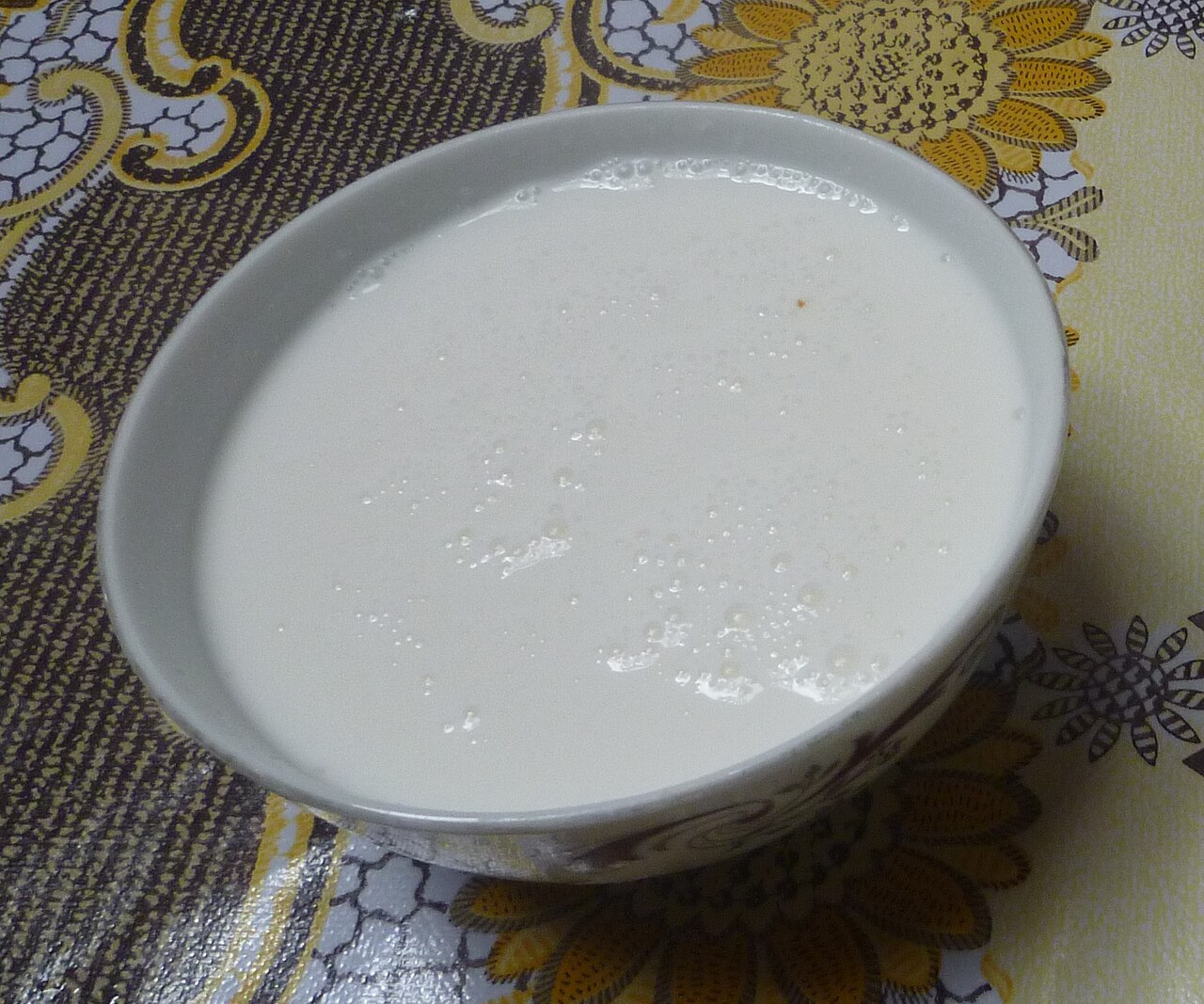
A cool, salty drink made from thick sour milk (katyk) or strained yoghurt thinned with water, and in modern times with fizzy water. It is a favourite on hot summer days and with rich meat dishes.
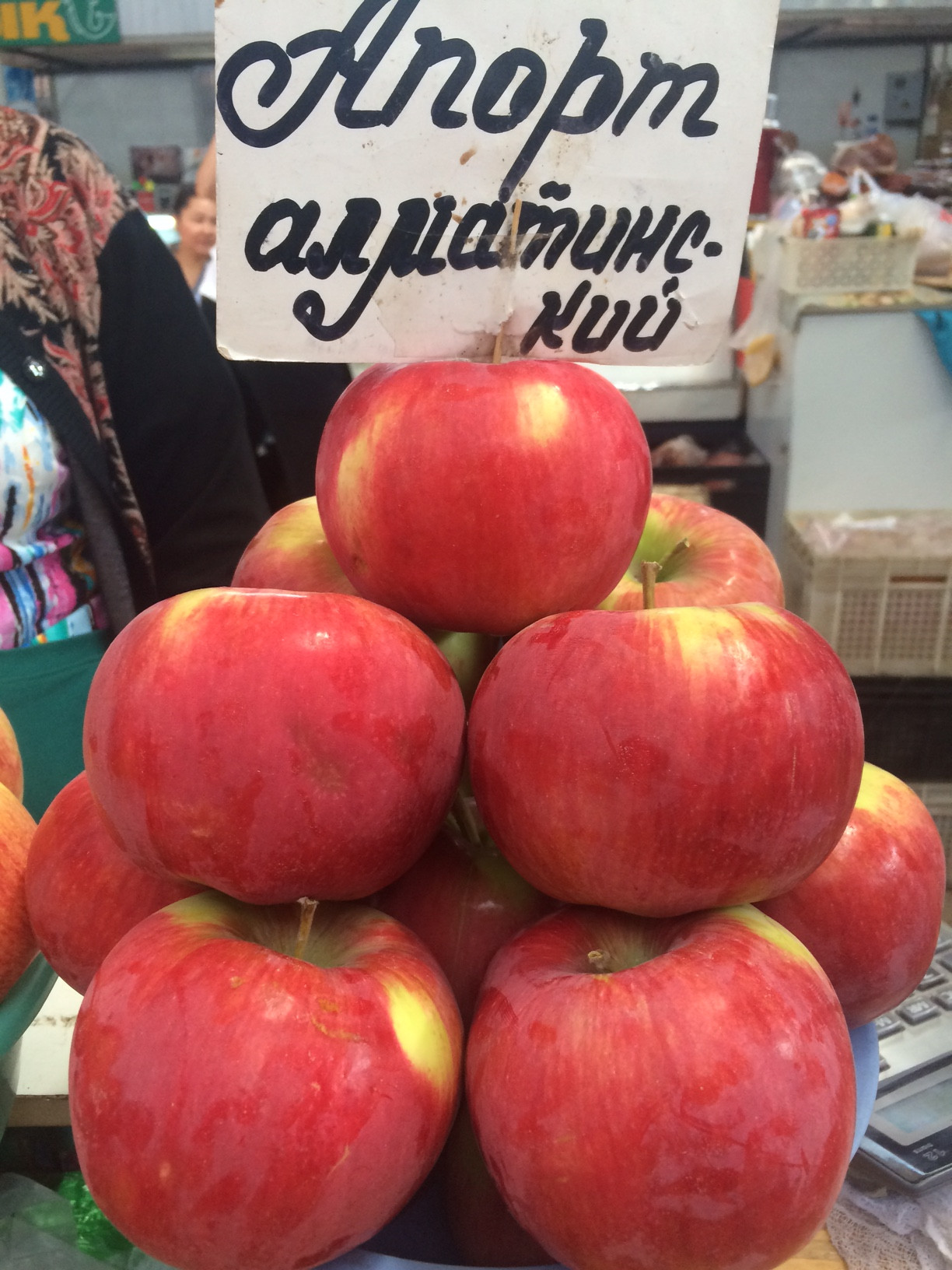
Huge, fragrant red apples grown in the mountain foothills around Almaty, usually weighing 200 to 500 g each. Aport is the city's famous apple and is sold in its markets every autumn. It is thought to have come to Almaty, then called Verny, in 1865 and was crossed there with the local wild apple.
The wild apple forests of the Tian Shan, around Almaty, are home to Malus sieversii, which DNA studies show is the main ancestor of the apples eaten around the world today.
At the table in Kazakhstan
A guest is always given the place of honour at the table and a special welcome. Meals are traditionally laid out on a low table called a dastarkhan.
Tea is poured only part of the way up the bowl, called a kese. A small pour is a sign of respect, because the host will refill it again and again to keep your tea hot. A full bowl can hint that it is time to leave.
The host carves the meat for beshbarmak and hands out the best pieces to the most honoured guests and to children. The most honoured guest may be offered the boiled sheep's head to share out.
Tea comes with every meal, usually strong black tea with milk, and a festive meal often ends with kymyz and then more tea.
Vegetarians should ask before ordering: even dishes without meat are very often cooked in meat stock.