There is no single Indian cuisine: every region has its own. The north eats more wheat breads, the south and east more rice, and spices such as turmeric, cumin and cardamom are used everywhere (chilli came only in the 1500s, with the Portuguese). A home meal is not served in courses: rice or roti, dal, vegetables, yoghurt, pickle and perhaps a sweet all arrive together, often in small bowls on a round metal tray called a thali. In Kerala a feast is served on a banana leaf. Vegetarianism is widespread but not universal: in a 2021 survey about 4 in 10 Indians called themselves vegetarian, with big differences between regions and communities.
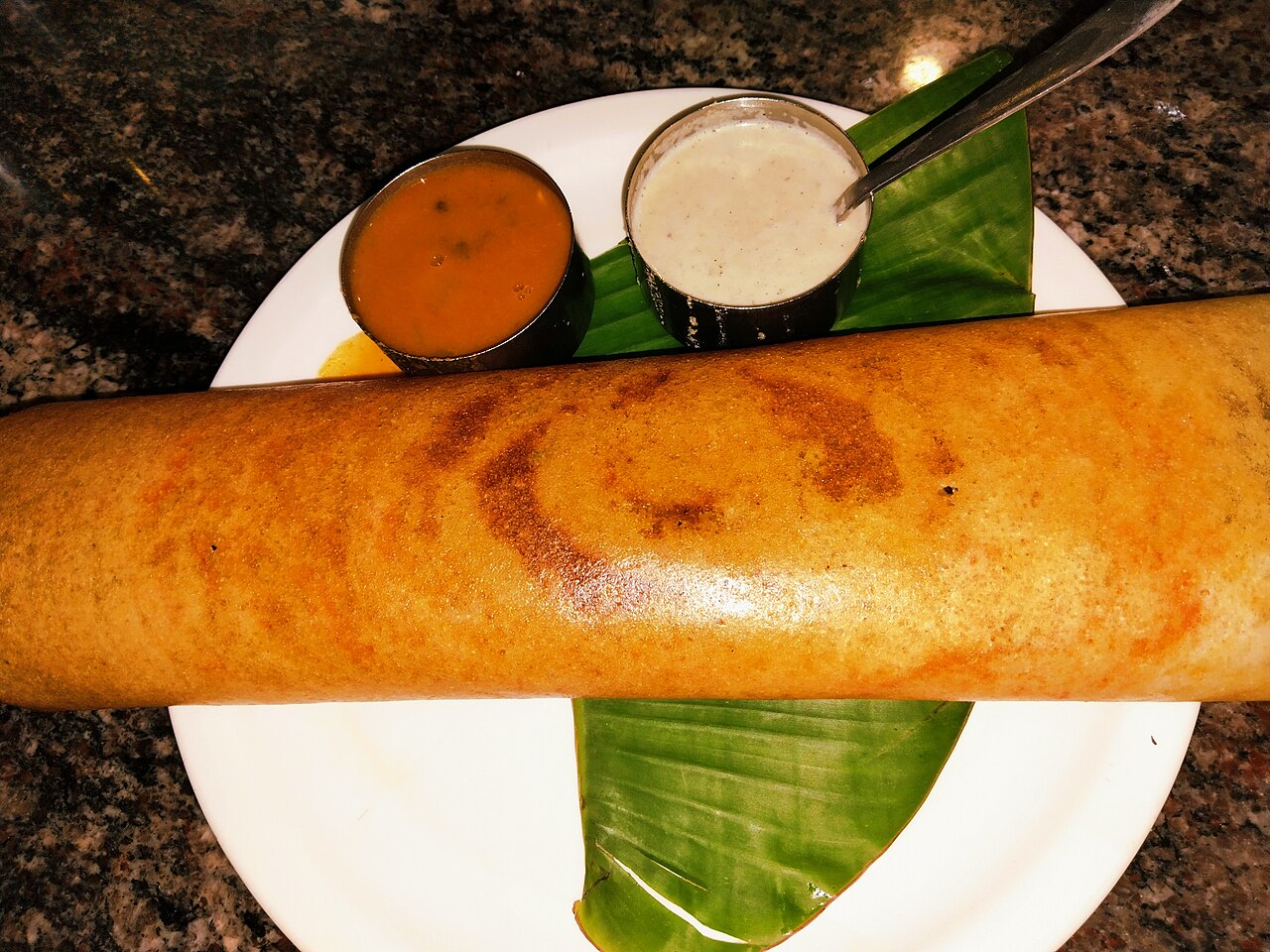
A large, thin, crisp pancake made from a fermented batter of rice and lentils, rolled around a spiced potato filling and served with coconut chutney and sambar, a lentil and vegetable stew. A favourite breakfast across the south.
The batter is left to ferment overnight, which gives the dosa its light, slightly sour taste.
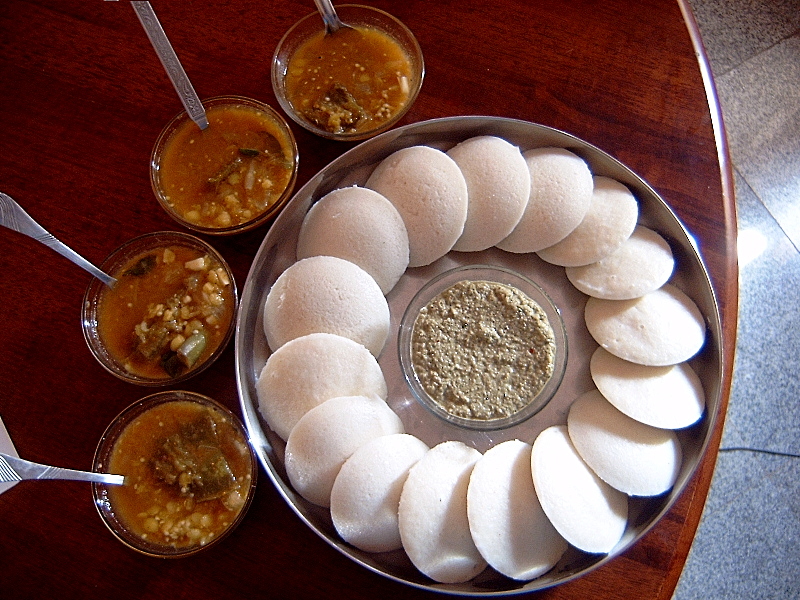
Soft, round, steamed cakes made from fermented rice and black lentils, about four parts rice to one part lentils. They are mild on their own and are eaten for breakfast with sambar and chutney.
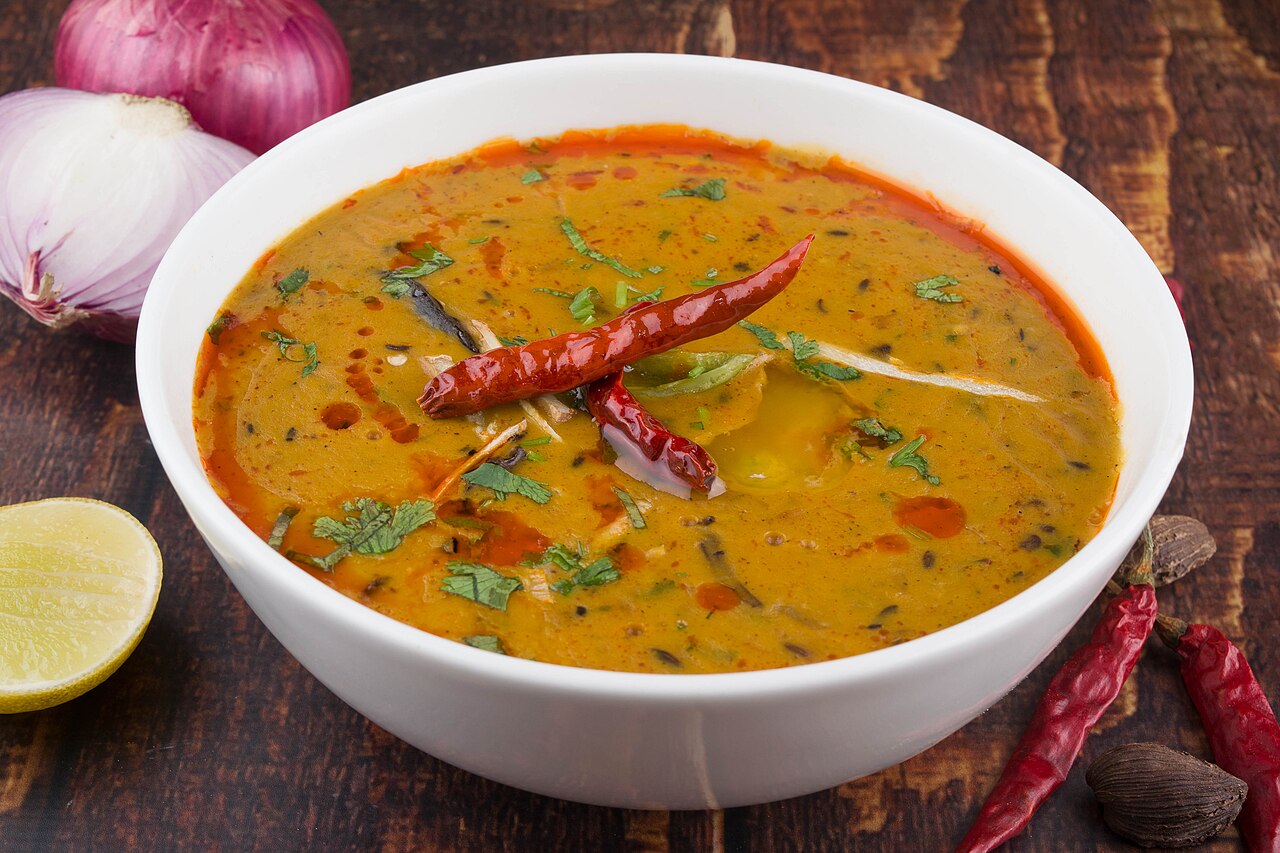
Dal means dried split lentils, peas or beans, and the soup made from them. For dal tadka, cooked lentils are finished with a tadka: spices, garlic and onion fried in hot ghee or oil and poured over the top. Eaten with rice or roti, it is one of India's everyday staples.
India is the largest producer of pulses, such as lentils and chickpeas, in the world.
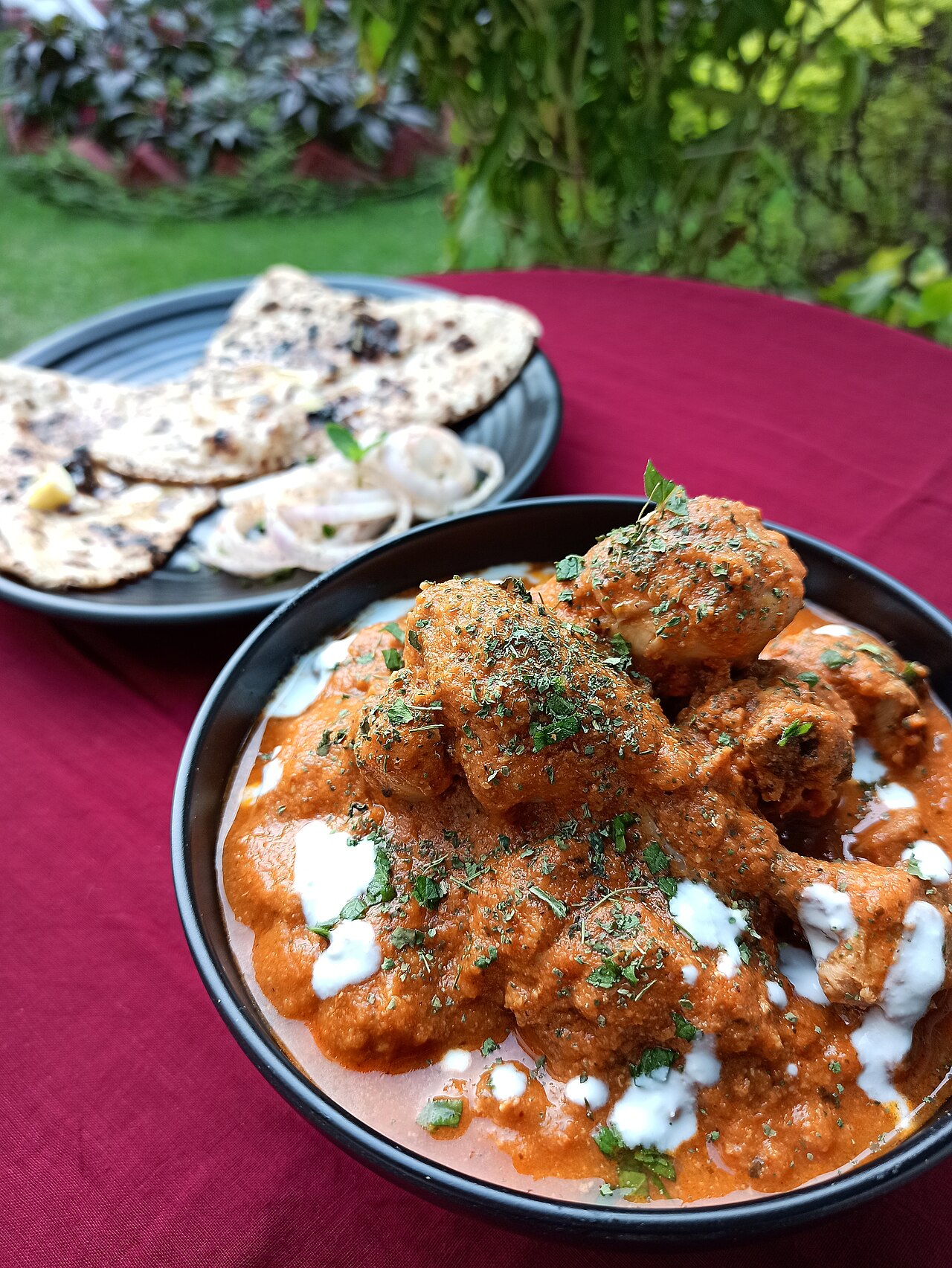
Pieces of tandoori chicken in a smooth, mild sauce of tomatoes, butter and cream, flavoured with garam masala and dried fenugreek leaves (kasuri methi). Usually eaten with naan.
It was popularised in the 1950s at the Moti Mahal restaurant in Old Delhi, by refugees from Peshawar. Who exactly invented it was argued over in court as recently as 2024.
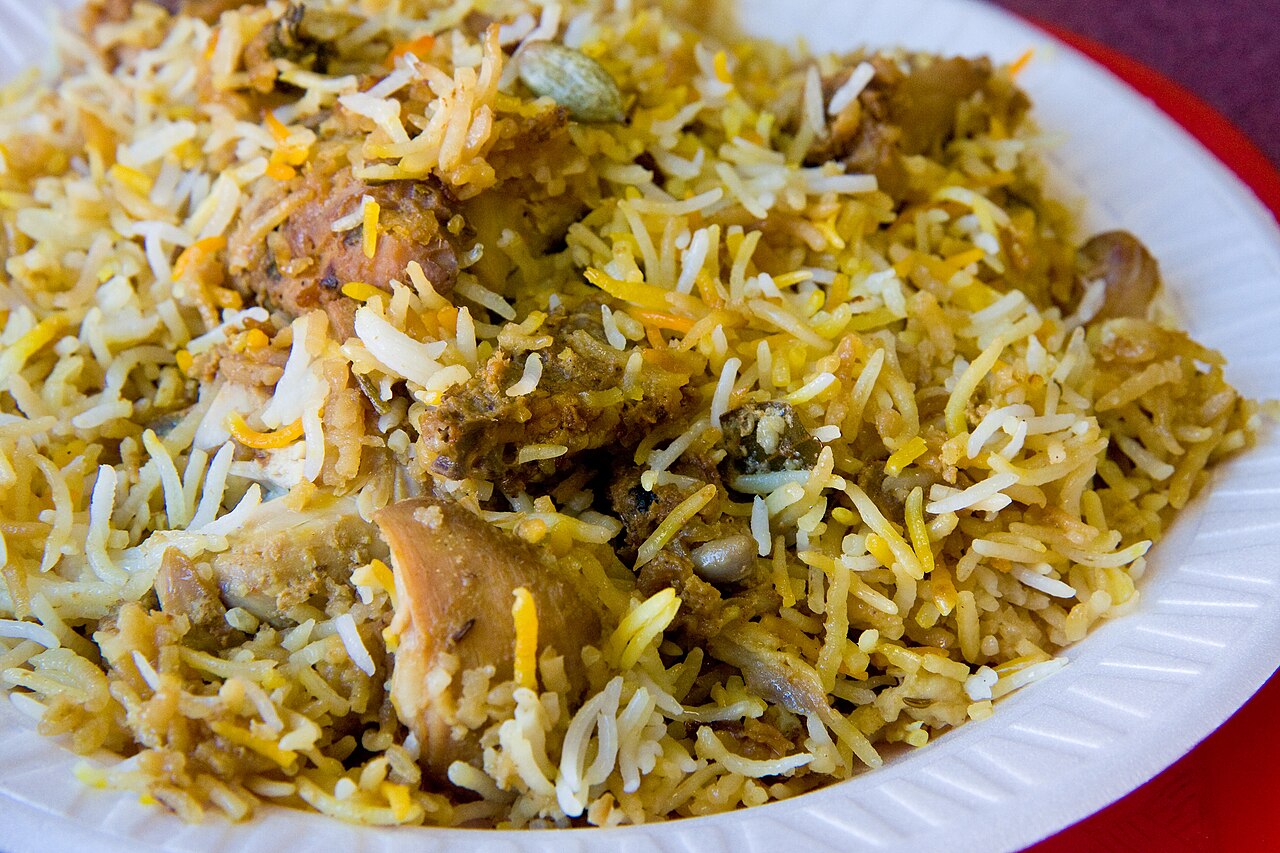
Long-grain rice and meat, often goat or chicken, layered with spices, saffron, fried onions and mint. In the kacchi style the meat goes into the pot raw, after marinating in yoghurt and spices, and cooks together with the rice in a pot sealed with dough, a slow method called dum.
Kashmir, from a Persian dish brought by the Mughals
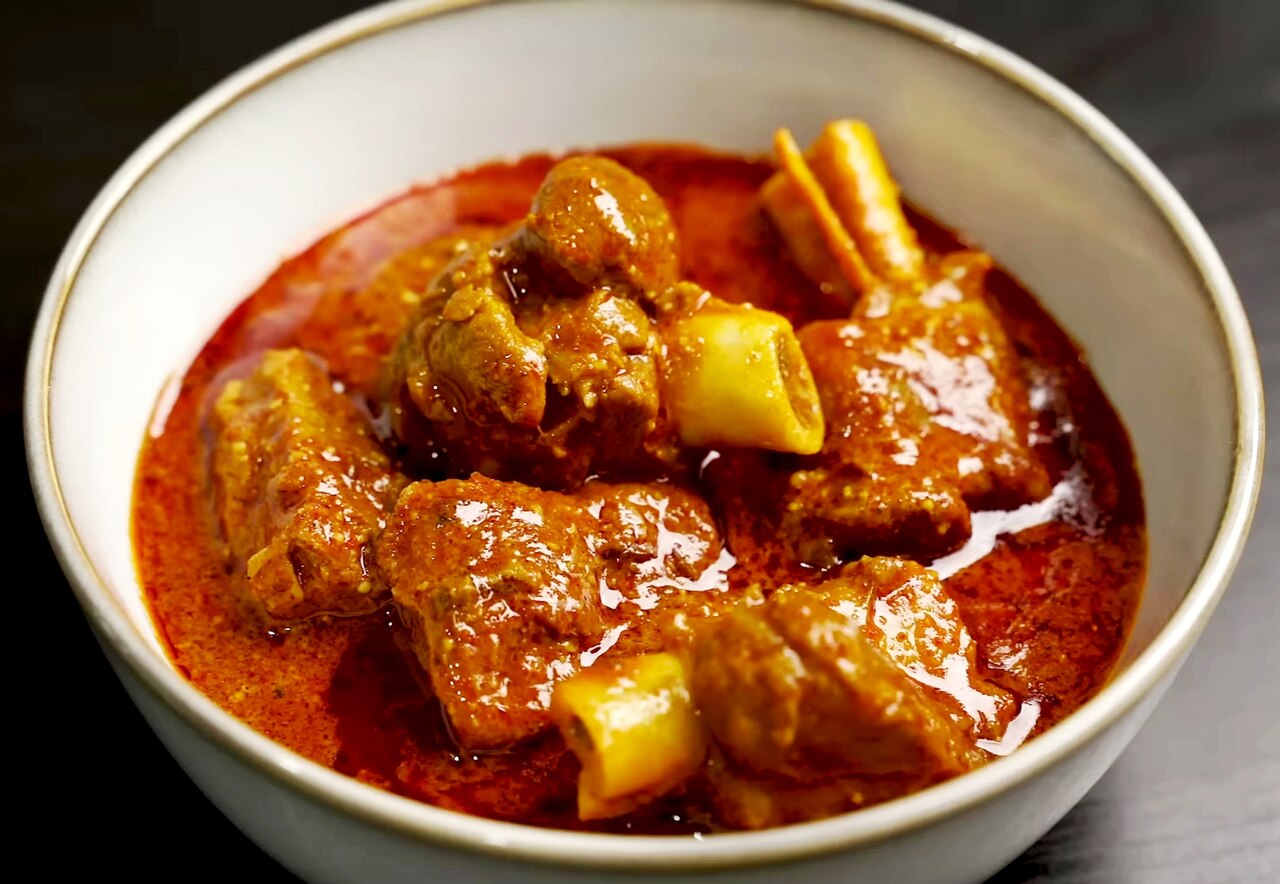
Lamb or goat braised slowly with garlic, ginger, cloves, bay leaves, cardamom and cinnamon. Its deep red colour comes from mild Kashmiri chillies or from ratan jot, a dried root.
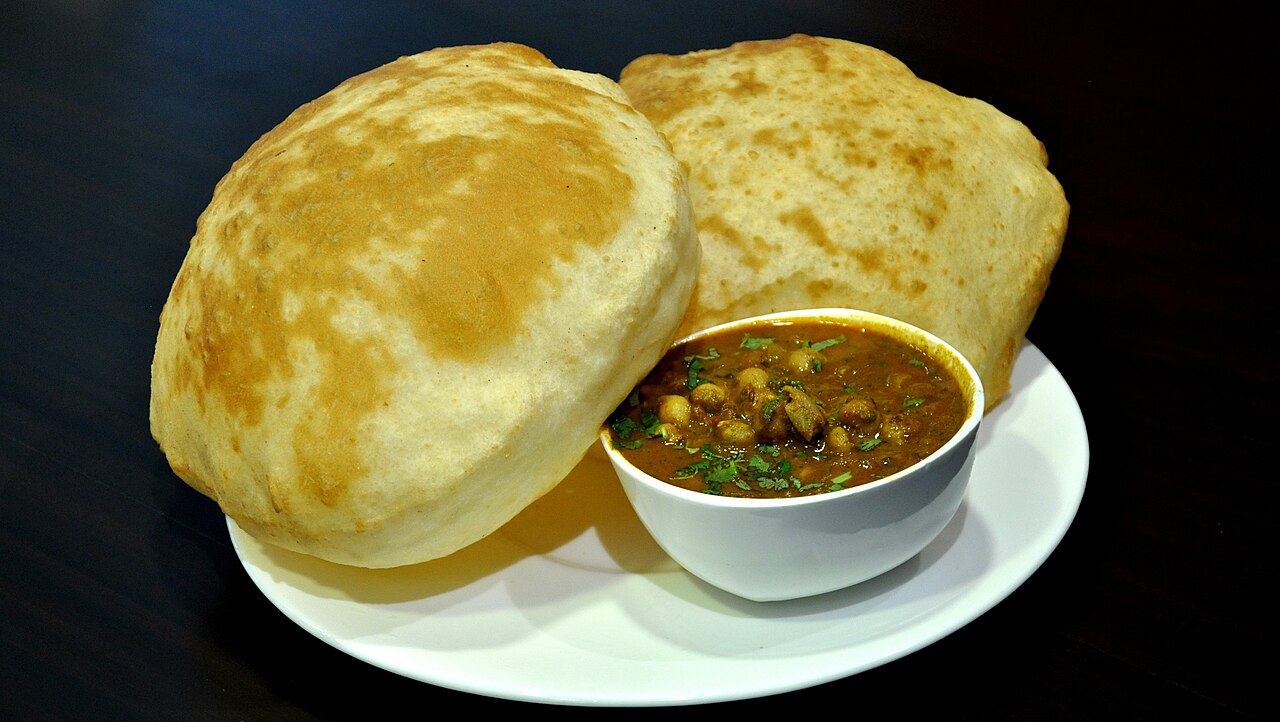
Spiced chickpeas in a thick gravy, served with bhature: large, puffy breads of fermented dough, deep-fried until they balloon. Mainly a hearty breakfast, and a favourite street food.
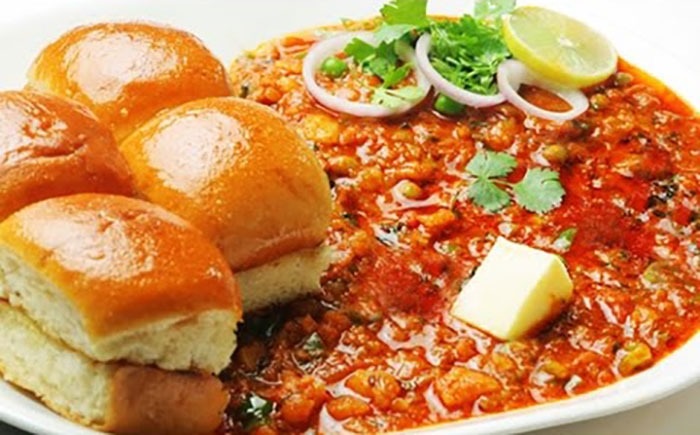
A thick, buttery mash of vegetables cooked with spices on a big griddle, eaten with soft bread rolls (pav) toasted in butter, with chopped onion and lime.
It began as a quick, filling lunch for the workers of Mumbai's textile mills.
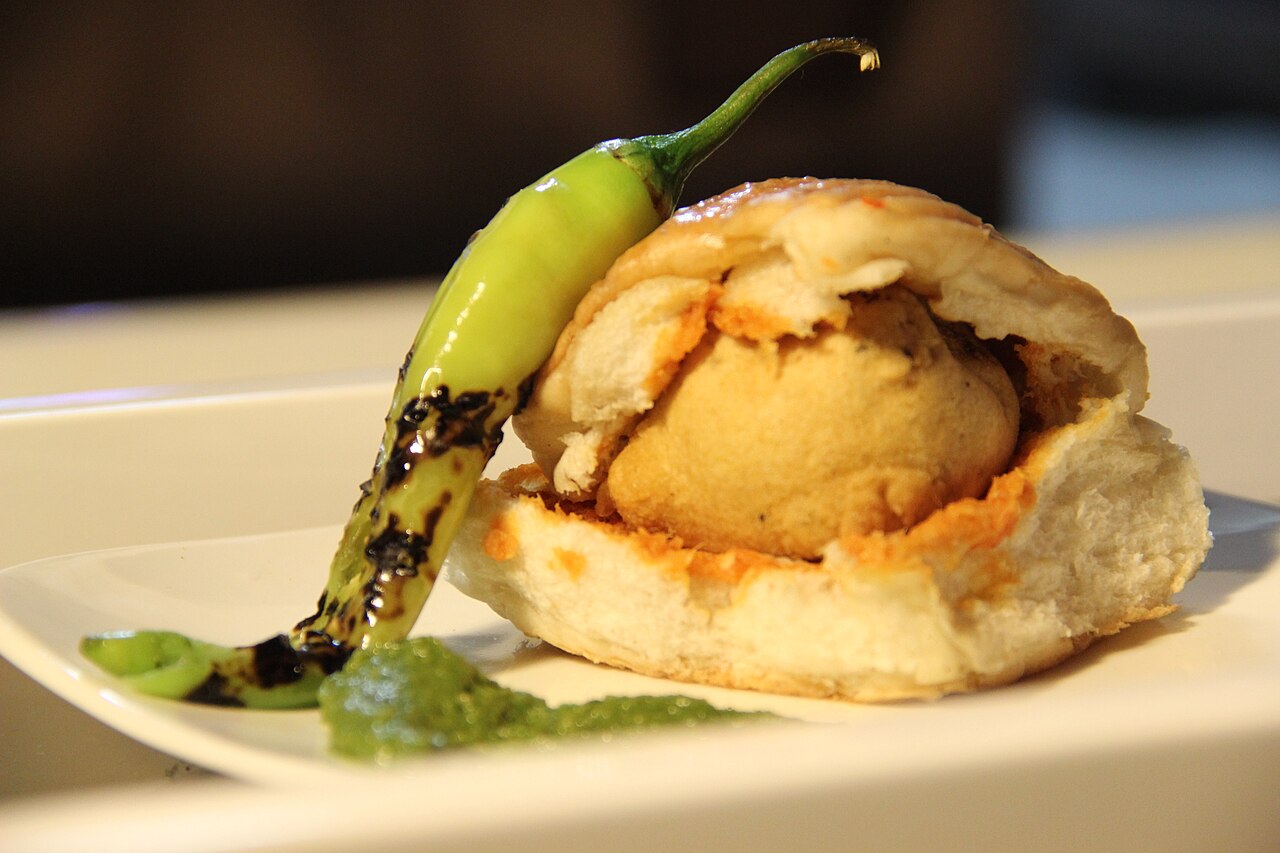
A spiced potato dumpling fried in chickpea batter, tucked into a bread roll with chutneys and a fried green chilli. Cheap, filling and easy to eat on the move.
Ashok Vaidya is often credited with opening the first vada pav stall, outside Dadar railway station in Mumbai, in 1966.
Came from Central Asia and the Middle East in the 1200s or 1300s
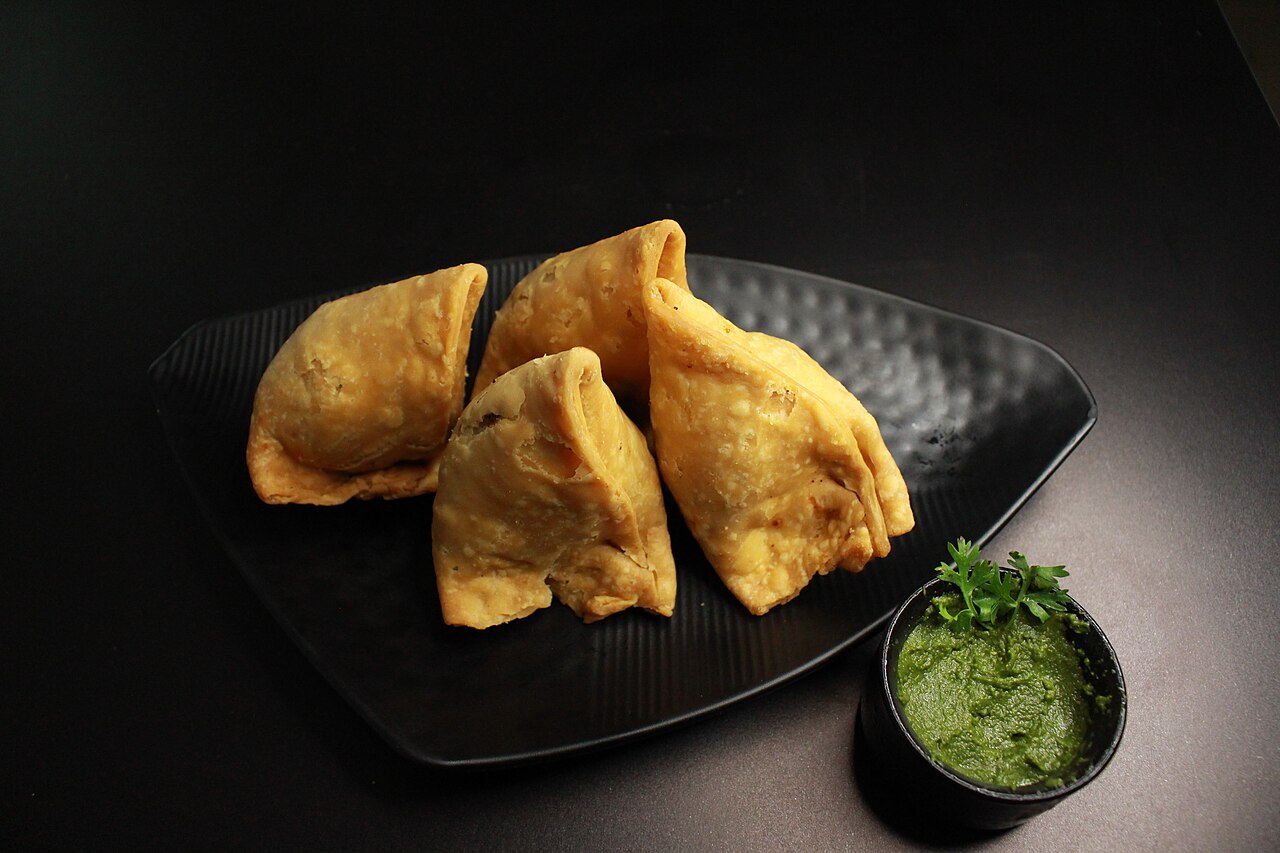
A triangular pastry, deep-fried until crisp, filled in India most often with spiced potatoes, onions and peas. Sold at tea stalls everywhere, with chutney.
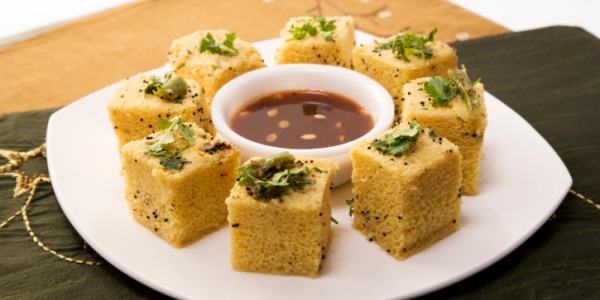
A soft, spongy savoury cake of fermented rice and chickpea batter, steamed, cut into squares and topped with mustard seeds, green chillies and fresh coriander.
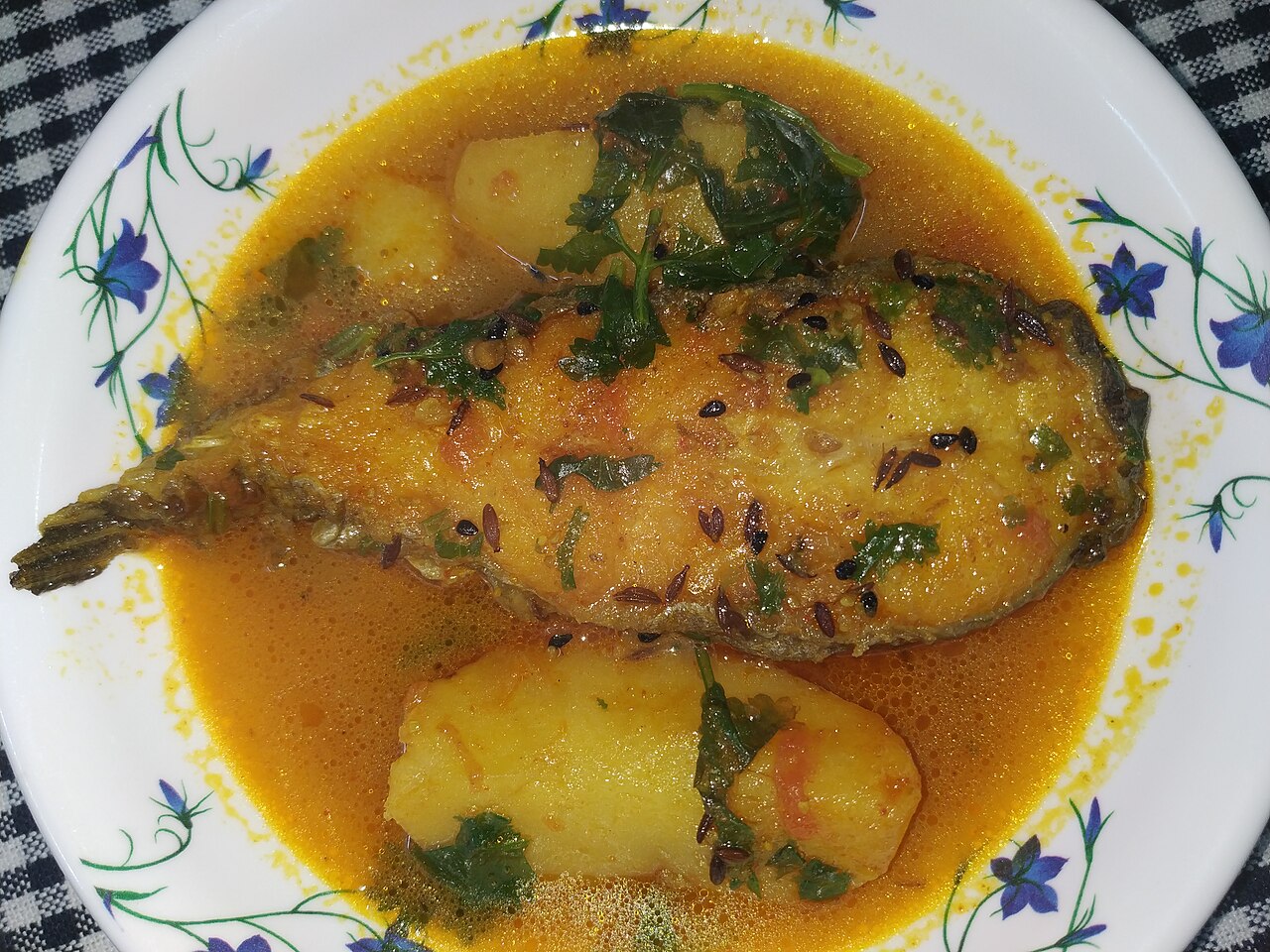
A light, spicy fish curry of river fish such as rohu or hilsa, cooked with turmeric, ginger, garlic and potatoes. In Bengal it is everyday comfort food, always eaten with rice.
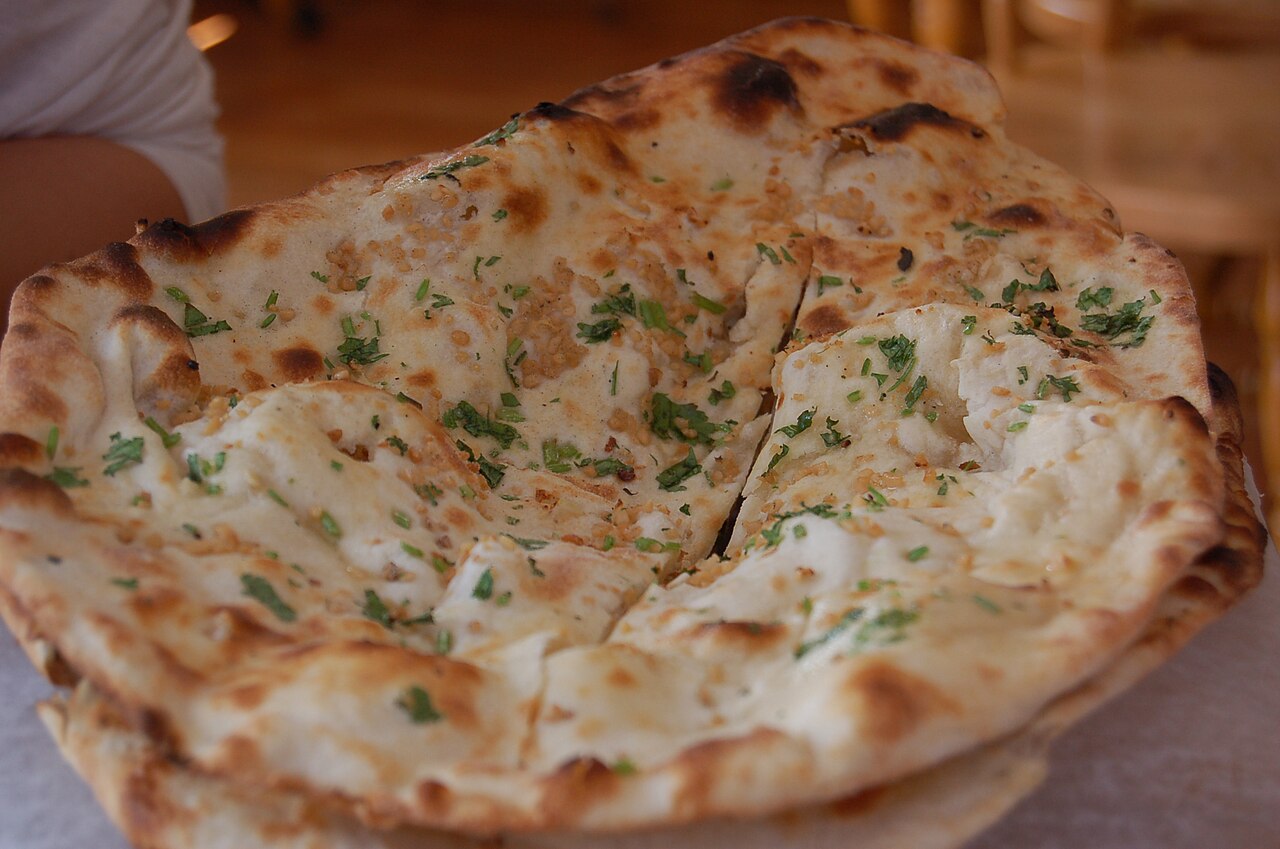
A soft, leavened flatbread slapped onto the inside wall of a very hot clay oven, the tandoor, where it puffs and chars in minutes. At home most Indians eat roti or chapati, unleavened breads cooked on a flat pan; naan is more of a restaurant bread.
The word naan comes from Persian, where it simply means bread.
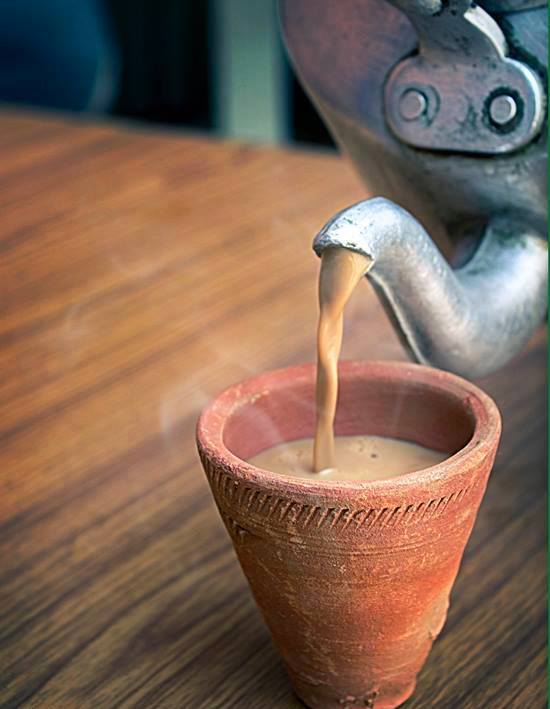
Black tea boiled with milk, sugar and spices such as cardamom, ginger, cinnamon and cloves. Sold in small cups by chaiwalas at stalls and railway stations across the country.
Tea drinking spread widely in India in the early 1900s, when the Indian Tea Association promoted it with tea breaks in factories and support for street tea sellers.
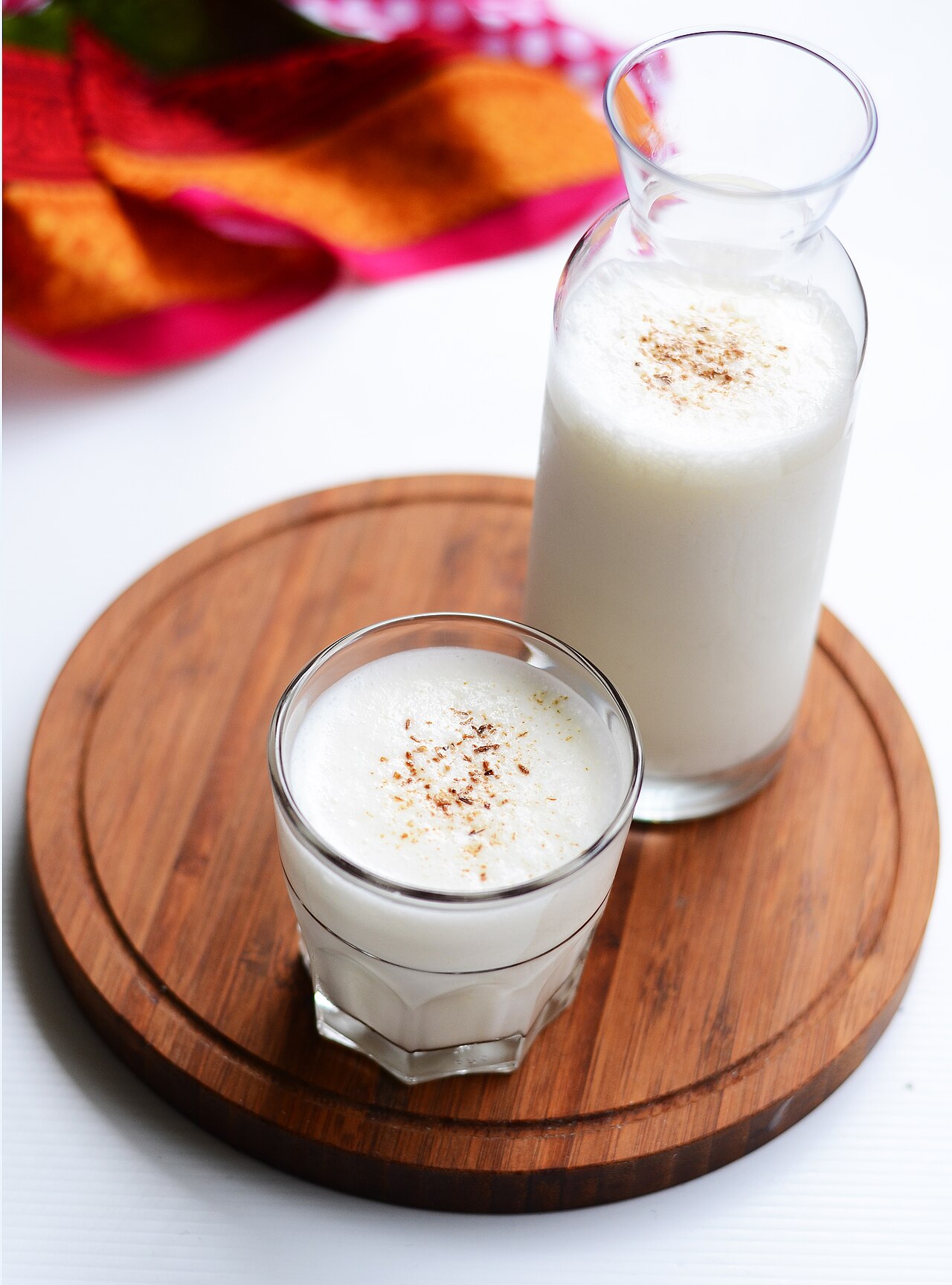
A cool yoghurt drink with the thickness of a smoothie. It can be salty, with cumin and black pepper, or sweet, with cardamom, rosewater or saffron. Mango lassi, made with ripe mango, is a favourite far beyond India.
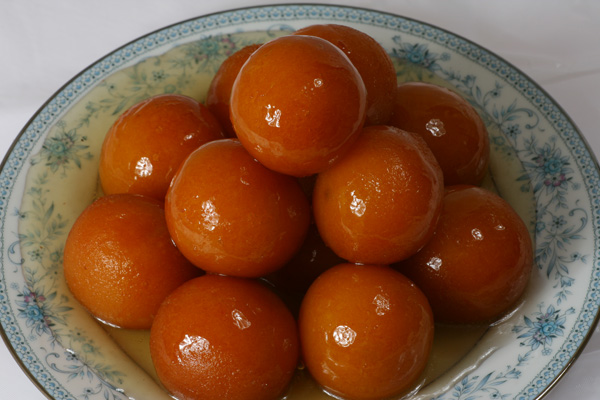
Small balls of khoya (milk cooked down to a soft dough) and flour, fried slowly in ghee or oil until dark brown, then soaked in a warm syrup scented with cardamom and rosewater.
Gulab comes from the Persian word for rosewater (in Hindi it means rose), and jamun is a dark purple fruit of about the same size and shape.
Eastern India: both West Bengal and Odisha claim it
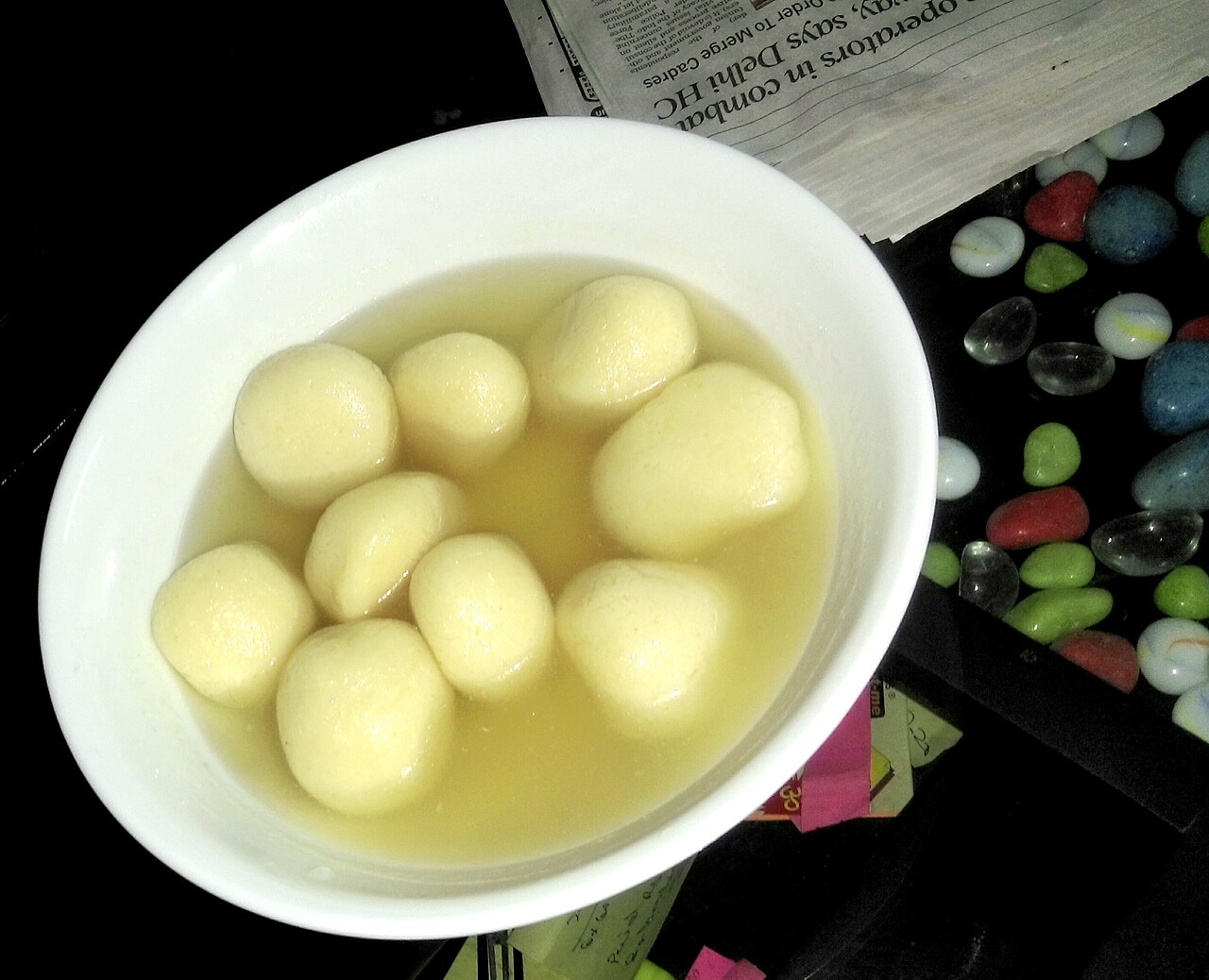
Soft, spongy balls of chhena, a fresh cheese, cooked in a light sugar syrup until they soak it up.
West Bengal received a geographical indication for its Banglar Rosogolla in 2017, and Odisha for its Odisha Rasagola in 2019.
At the table in India
Many Indians eat with their hand, and only with the right one. The left hand stays dry and is used for passing dishes or holding a glass of water.
Wash your hands before and after the meal. Tear roti with the fingers of your right hand and use it to scoop up food; rice is mixed with curry and eaten with the fingertips.
Do not put food, a spoon or fingers that have touched your mouth back into a shared dish. Food that has touched someone's mouth is called jootha and should not be shared.
Whole spices such as cloves, bay leaves and cinnamon sticks are not eaten. Set them aside on your plate.
At a Kerala feast (sadya) on a banana leaf, the leaf is folded at the end of the meal. Which way you fold it is a message to the host, so watch what your neighbours do.
Many Hindus do not eat beef, many Muslims do not eat pork and many people are vegetarian. Ask before offering food, and expect separate spoons for vegetarian and non-vegetarian dishes.