A Bengali saying goes 'machhe bhate Bangali': fish and rice make a Bengali. Rice is eaten at almost every meal, and fish from rivers, ponds and the sea is the main source of protein. Food is cooked in pungent mustard oil with turmeric, cumin, green chilli and mustard seed. A home meal is not served in courses: a mound of rice comes with small mashes called bhorta, dal, vegetables and a fish or meat curry, and sweet yoghurt or syrupy sweets end the meal. The grand meat and rice dishes of Old Dhaka come from the Mughal kitchens, and during Ramadan whole streets fill with fried snacks for iftar, the meal at sunset.
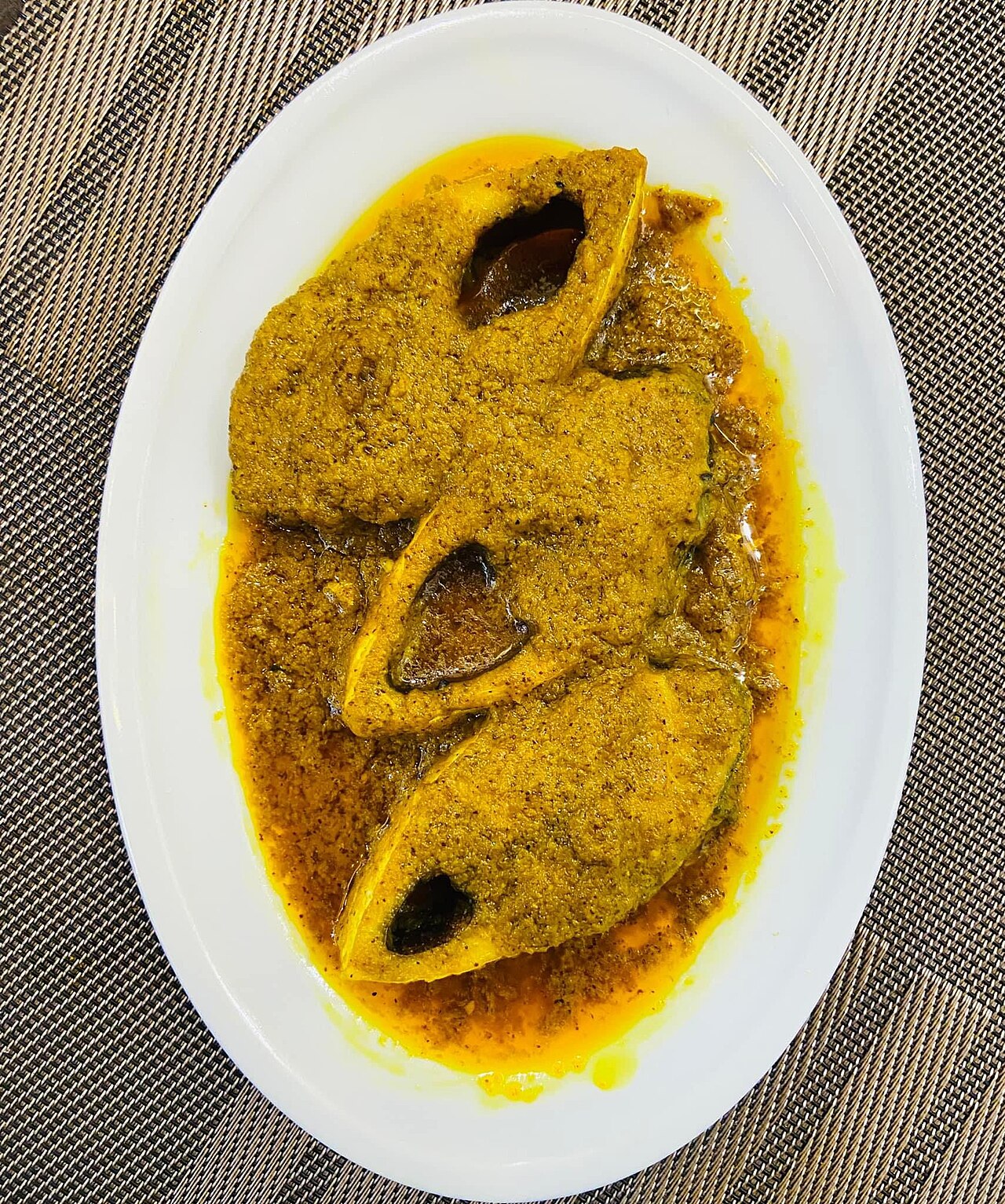
Ilish, or hilsa, a rich and bony fish of the herring family, cooked in a sharp sauce of ground mustard seeds, mustard oil, turmeric and green chillies. Eaten with plain rice, it is many people's favourite dish and is often called the national dish.
The ilish is the national fish of Bangladesh, and most of the world's ilish is caught in Bangladeshi waters: estimates range from about 86 to 97 percent.
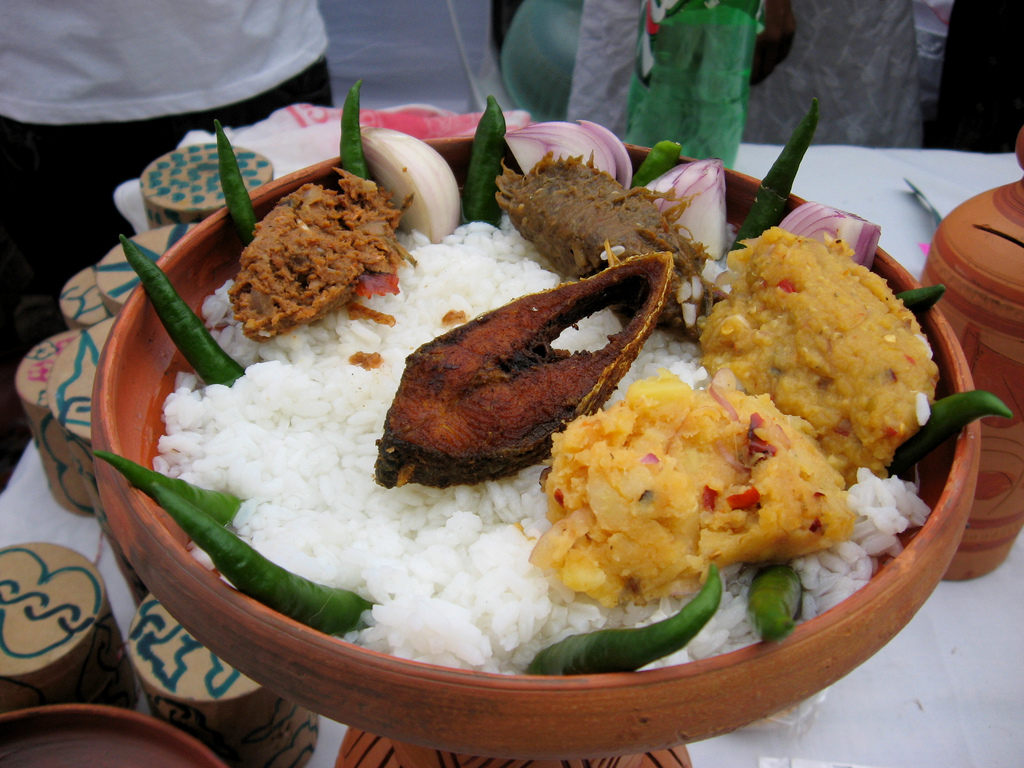
Cooked rice left to soak in water overnight, so that it ferments a little and turns cool and slightly sour. It is eaten in the morning with salt, onion, green chilli and a mash of potato or fried fish.
On Pohela Boishakh, the Bengali New Year on 14 April, many city people eat panta bhat with fried ilish for breakfast.
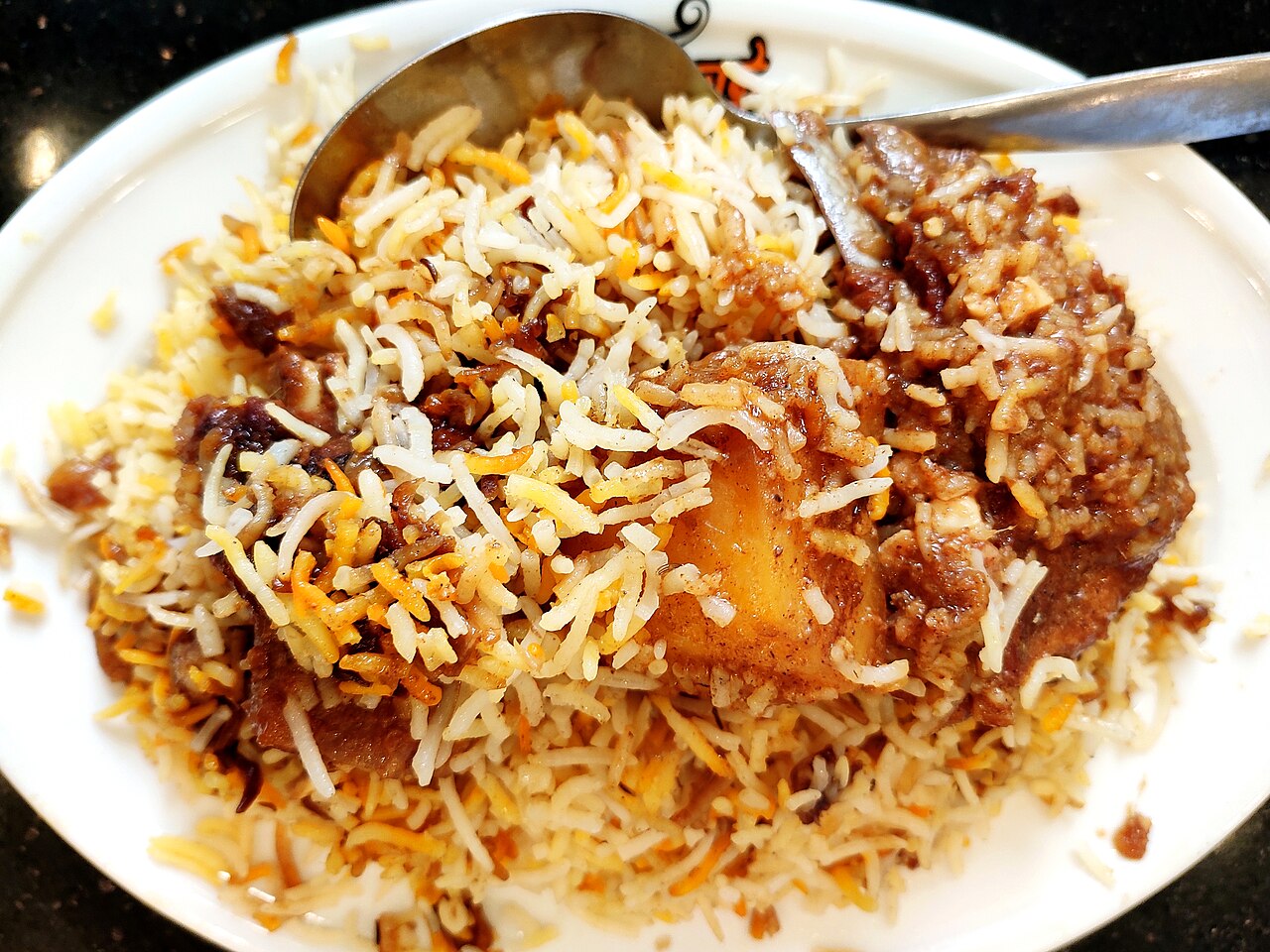
Aromatic rice layered with raw marinated mutton or goat and potatoes, then sealed and cooked slowly so the meat steams in its own juices. Kacchi means 'raw'. It is the classic dish of weddings in Dhaka, usually followed by a glass of borhani.
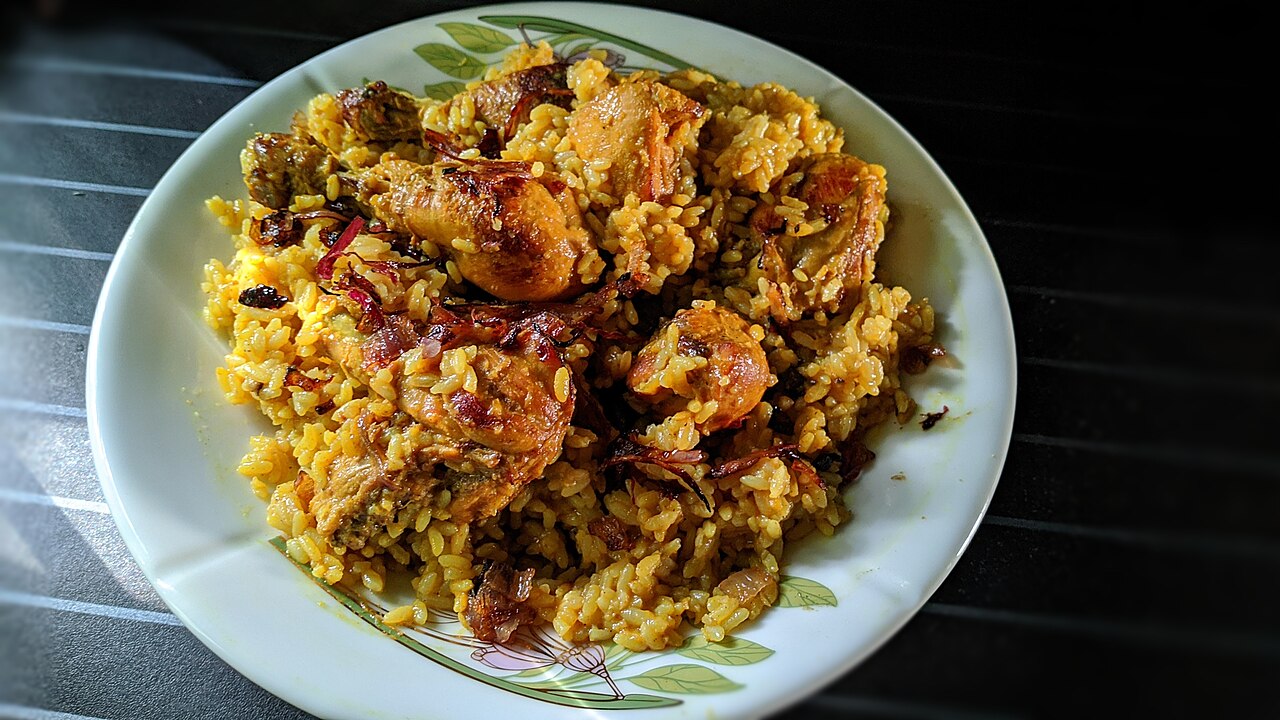
A fragrant pilaf of rice and chicken cooked with ghee, whole spices and a little milk or yoghurt, gentler than biryani. It is a signature festive dish of Dhaka.
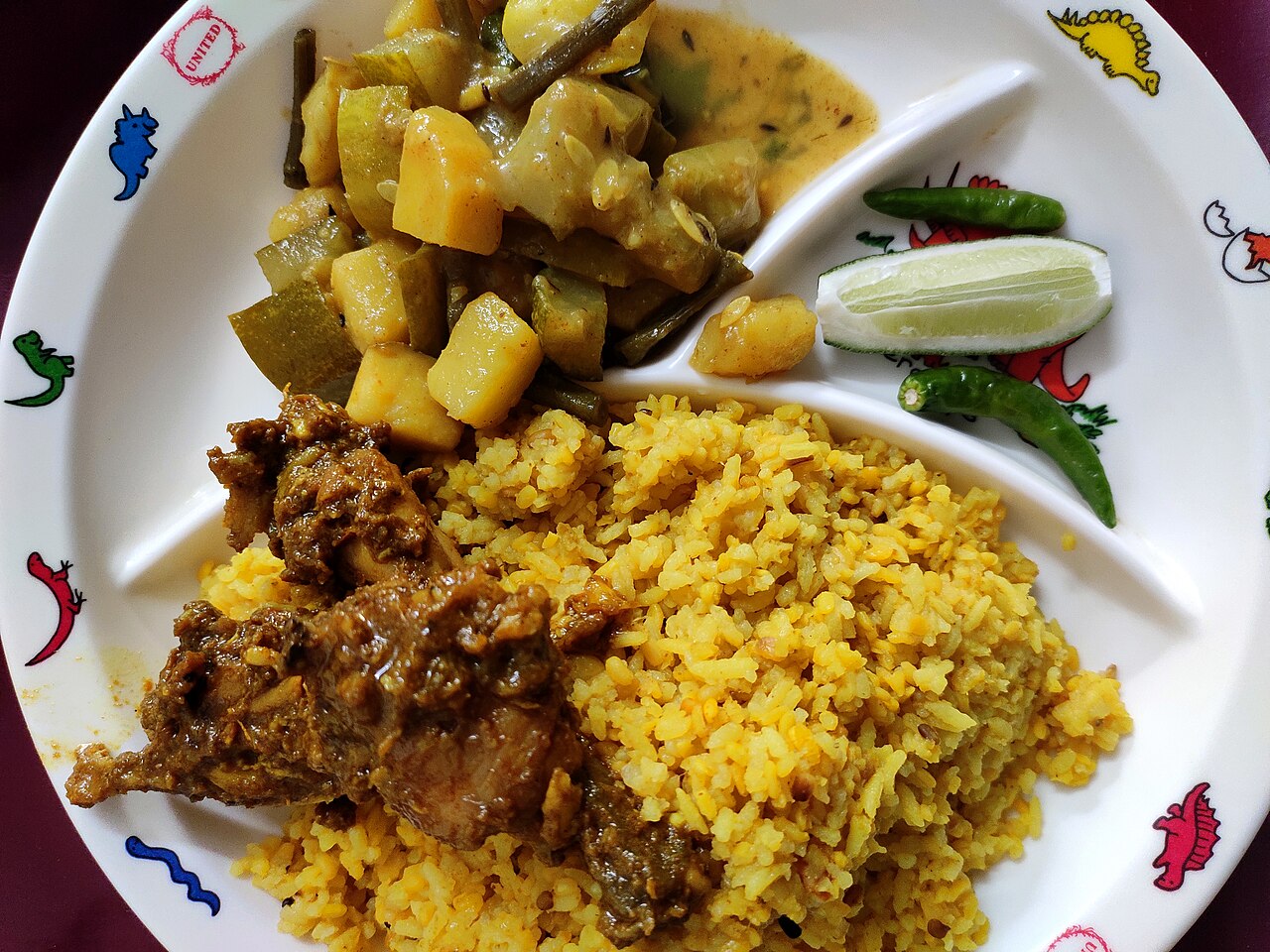
Rice and lentils fried in ghee with onion and spices, then cooked together into a soft, savoury dish. It is often eaten with fried egg, beef or aubergine, and many families cook it on rainy days.
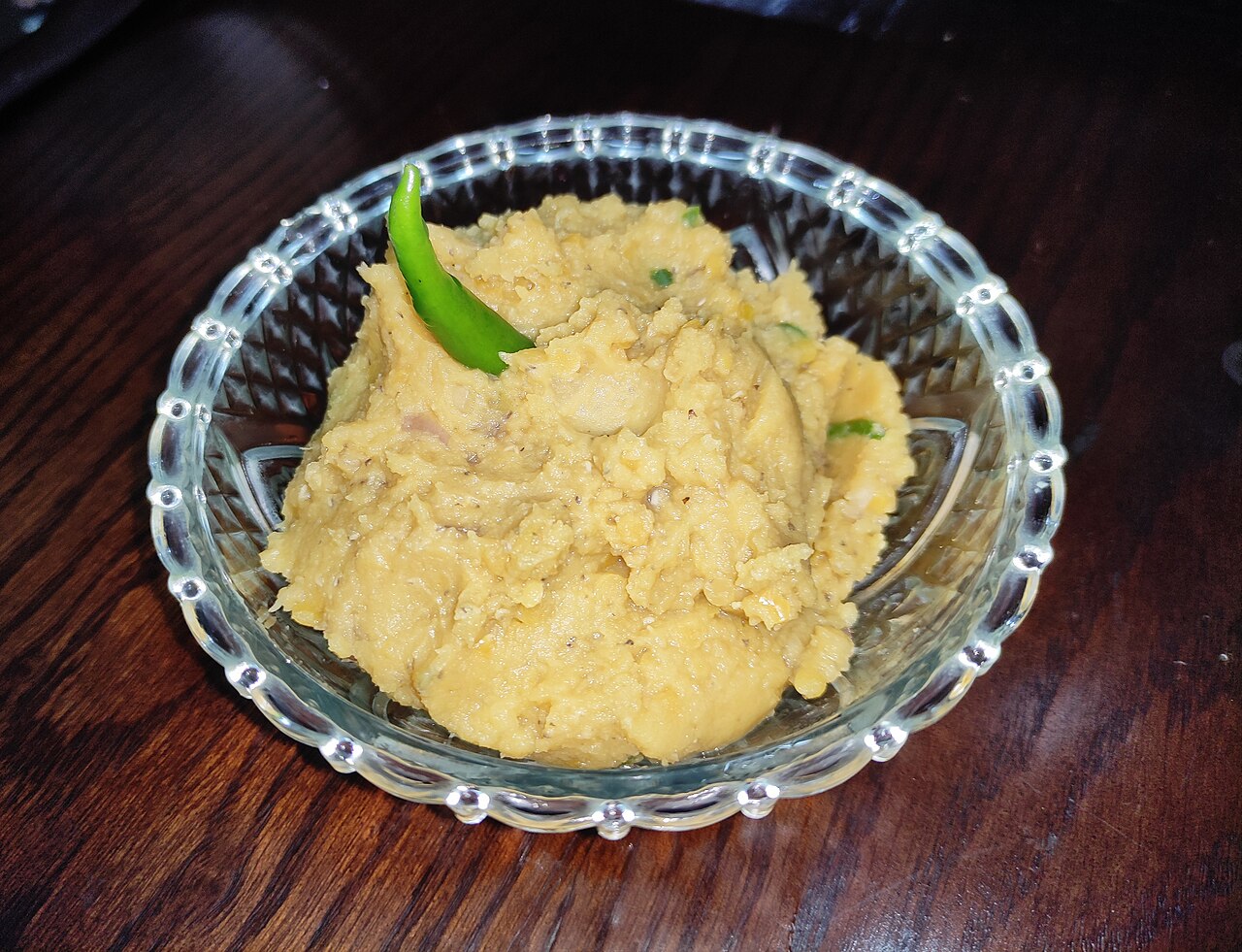
Boiled potato mashed by hand with raw mustard oil, sliced onion, green or fried dried chilli and salt. Bhorta means a mash, and families make dozens of kinds, from aubergine, fish, lentils or tomato, to eat with rice.
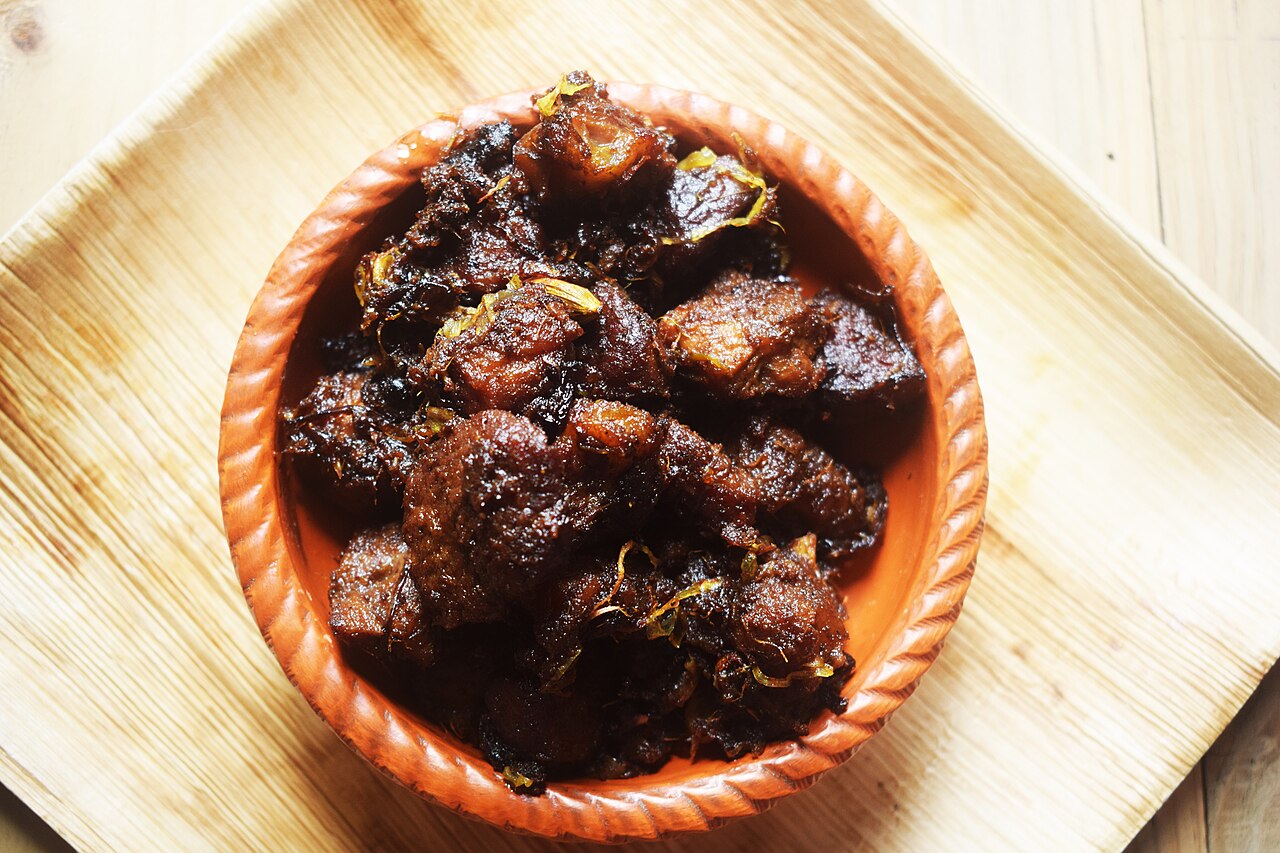
Beef cooked slowly with onion, ginger, garlic, chilli and warm spices, then fried in its own sauce for a long time until it turns almost black and very tender. Kala means black, and bhuna is this way of frying spices and meat until dry and rich. It is a favourite at Chittagong's mezban feasts.
A mezban is a great communal feast in Chittagong, where hosts serve beef curry and rice to hundreds of guests.
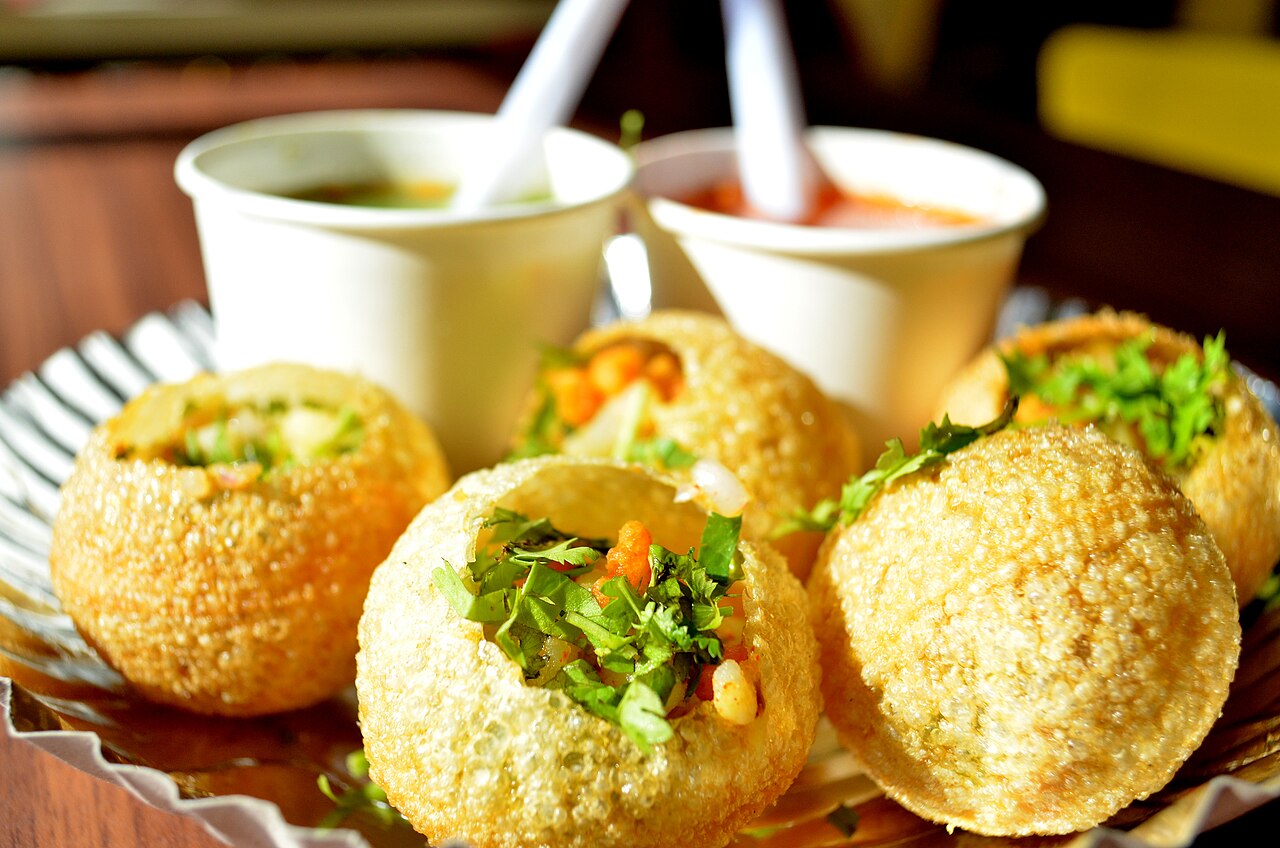
Small, hollow, crisp shells filled with a spicy mix of potatoes, chickpeas and onion, topped with grated boiled egg and eaten in one bite after a splash of sour tamarind water. The Bangladeshi cousin of Indian panipuri.
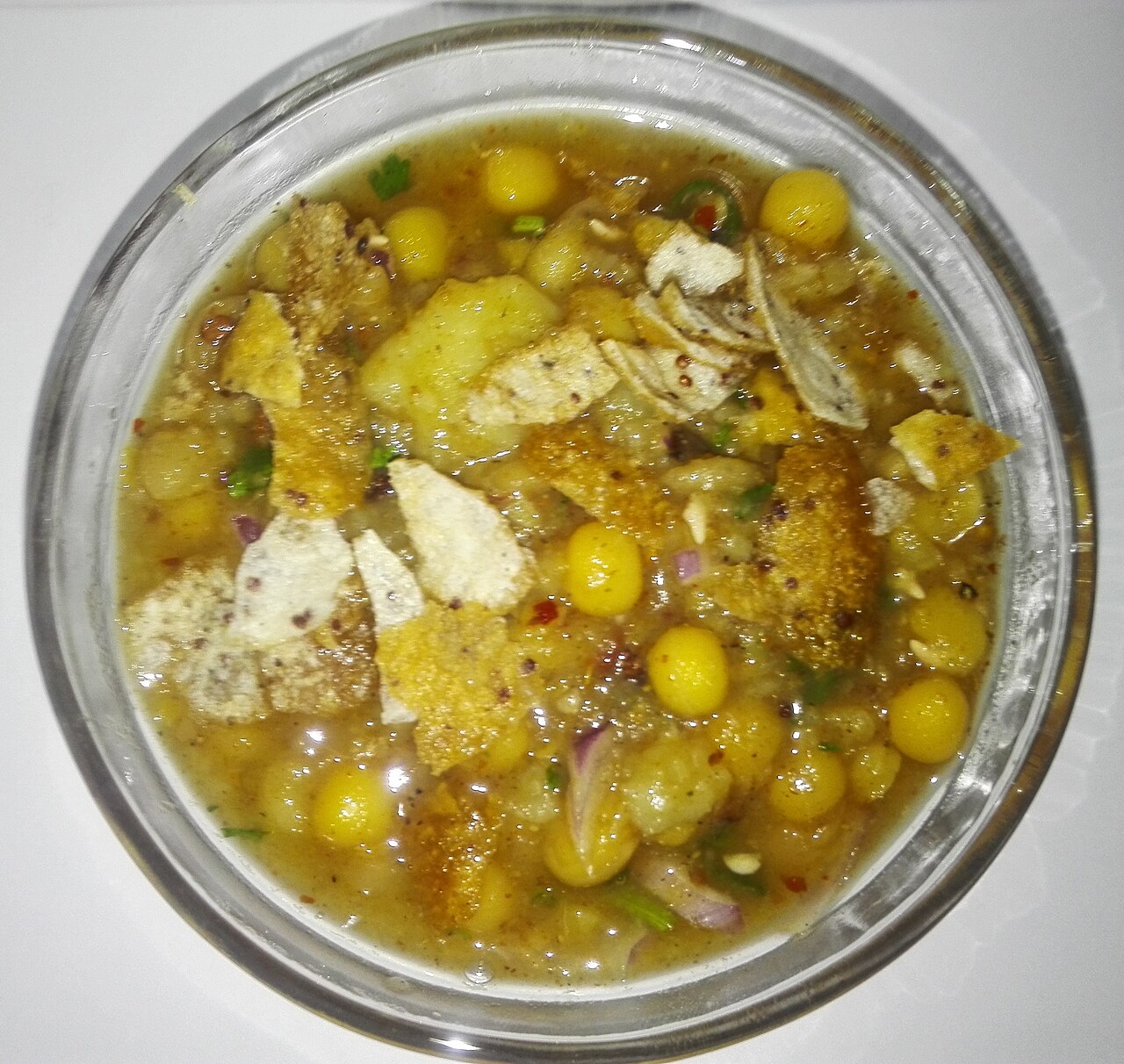
A warm, tangy dish of yellow peas and potatoes, topped with onion, green chilli, grated boiled egg, coriander, cumin, tamarind sauce and crushed crisp puri. It is sold at the same stalls as fuchka.
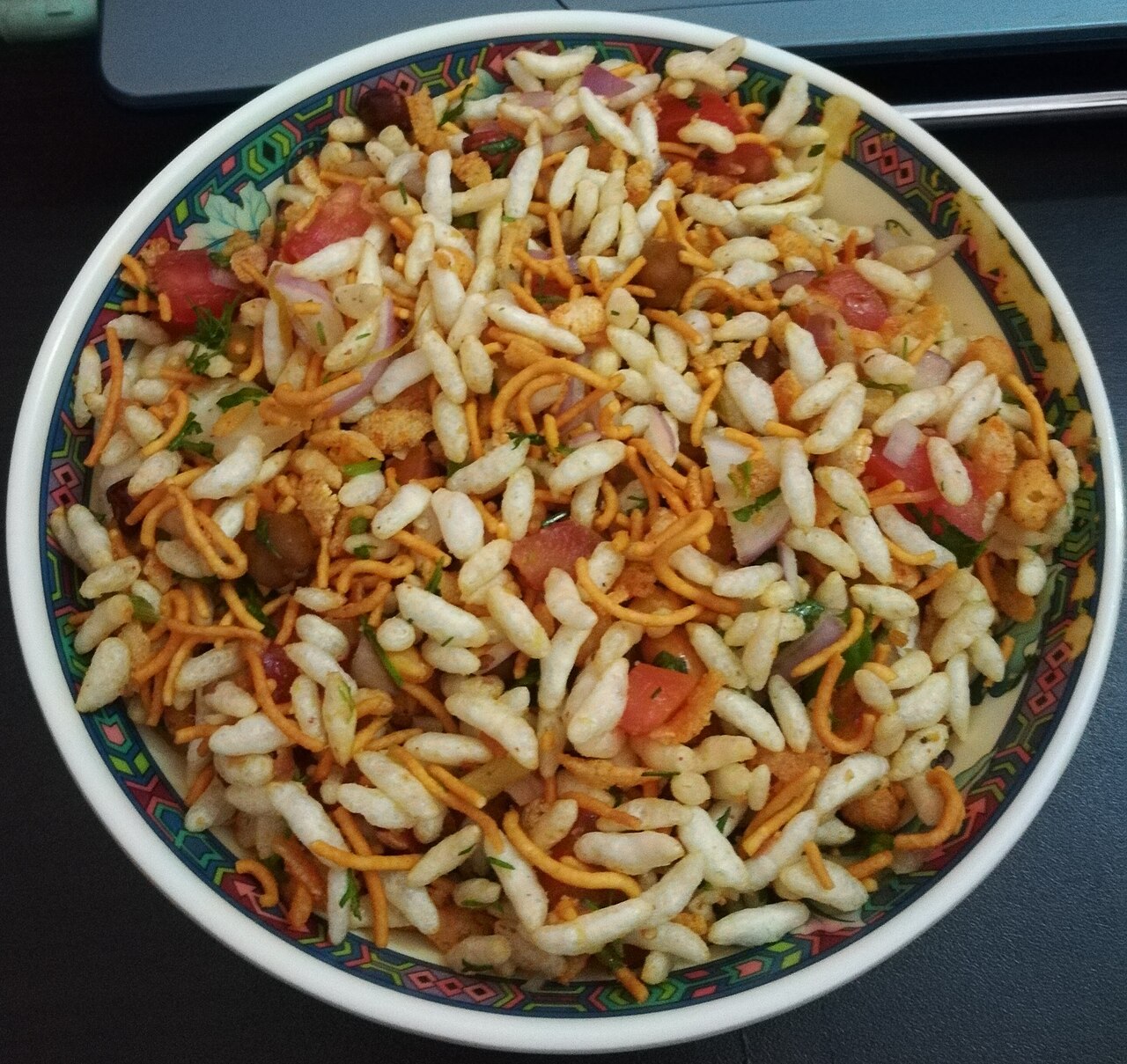
Puffed rice tossed with chanachur (a spicy fried snack mix), onion, green chilli, cucumber, coriander and a few drops of mustard oil, sold by street sellers in paper cones. Jhal means spicy and muri means puffed rice.
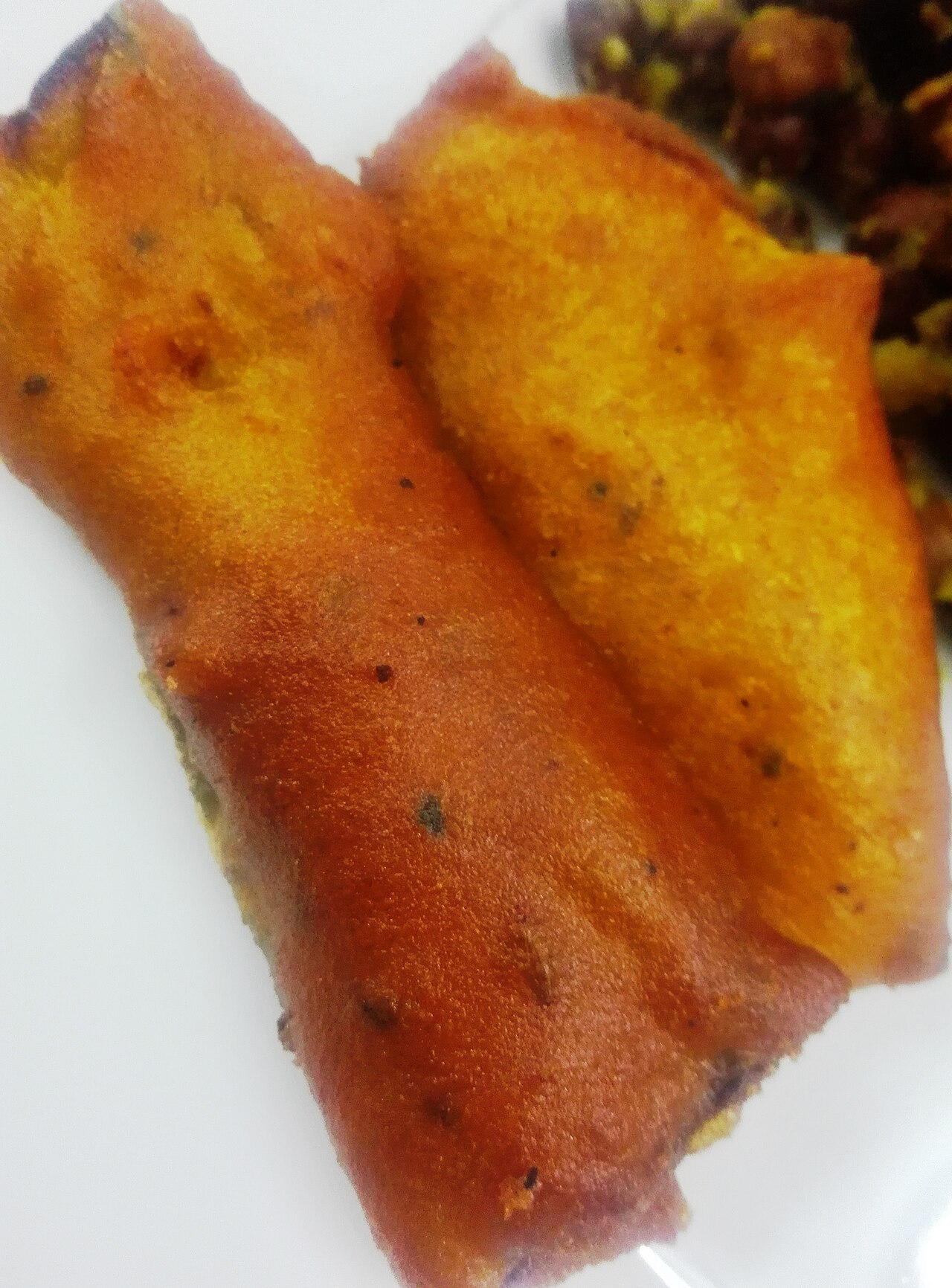
Long slices of aubergine dipped in a gram flour batter with turmeric and salt, then deep-fried until golden. It is a favourite with afternoon tea and at iftar during Ramadan.
The name comes from begun, the Bengali word for aubergine.
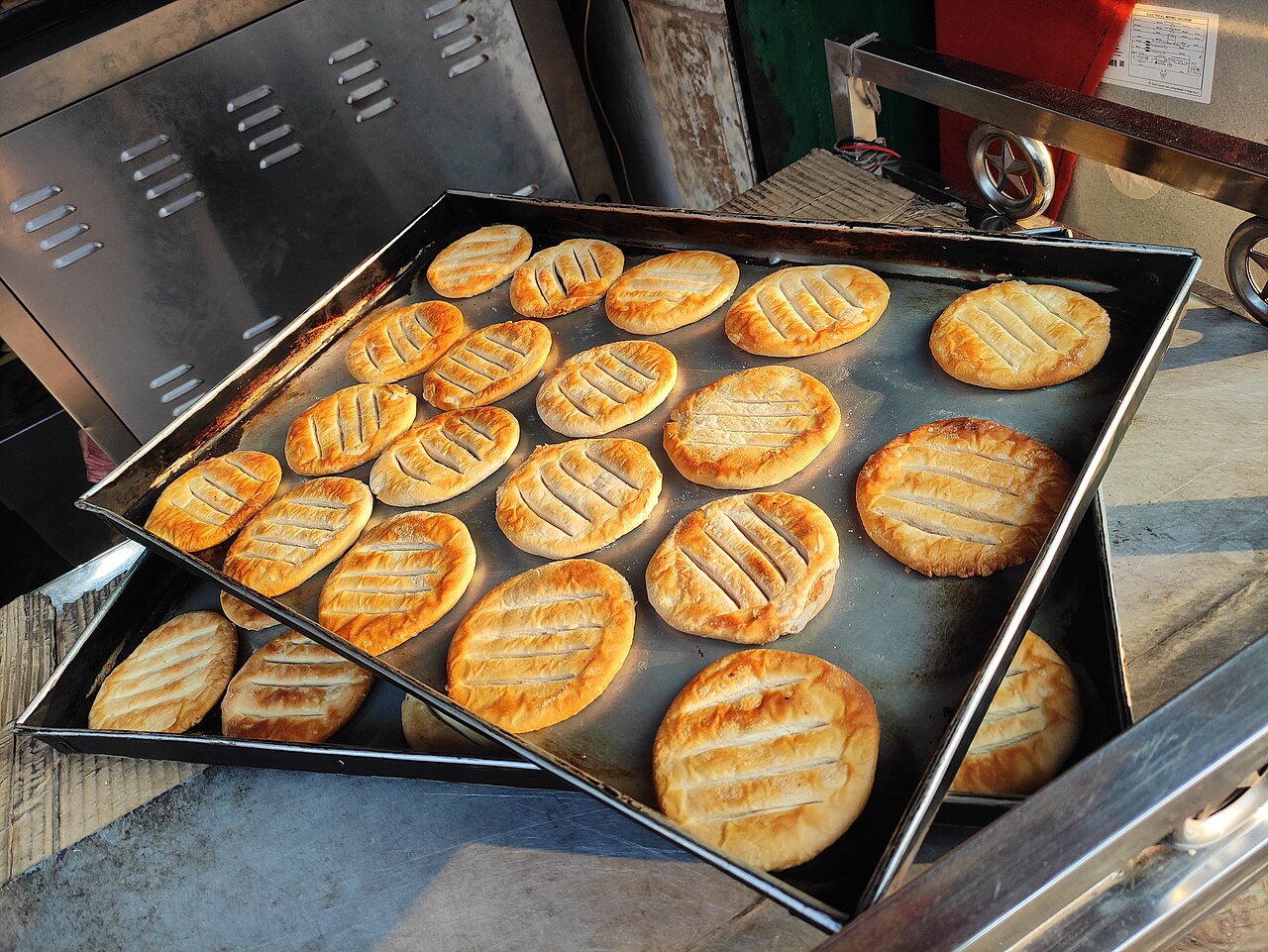
A thick, layered flatbread made with flour and ghee and baked until crisp, almost like a biscuit. In Old Dhaka it is eaten for breakfast or with tea, and small bakeries still make it by hand.
A legend says the bread is named after Aga Baqer, an 18th-century general, and his beloved Khani Begum.
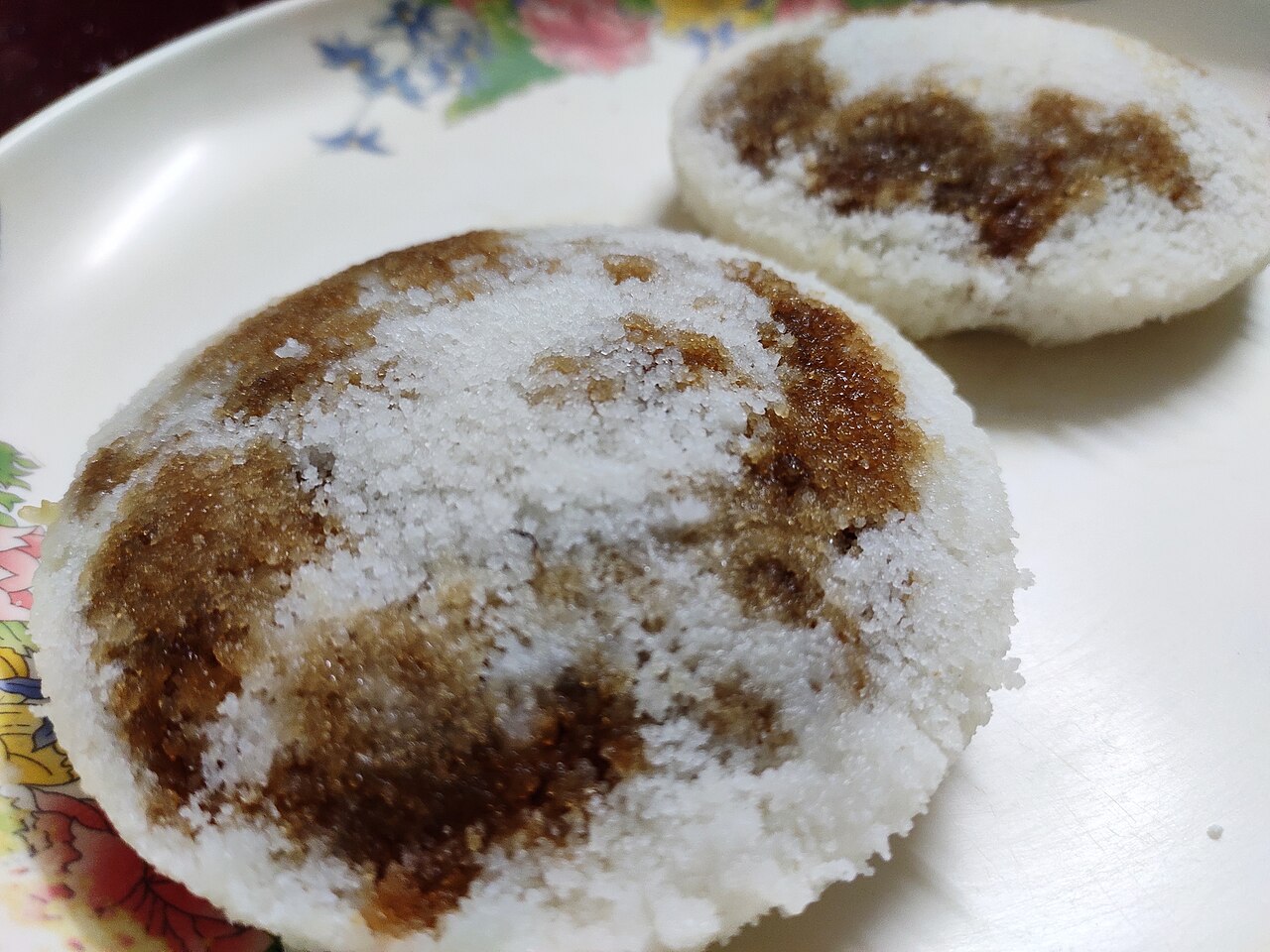
A soft, round cake of fresh rice flour filled with grated coconut and date palm molasses, steamed in a cloth over a pot of boiling water. Sold hot from street stalls on winter mornings and evenings.
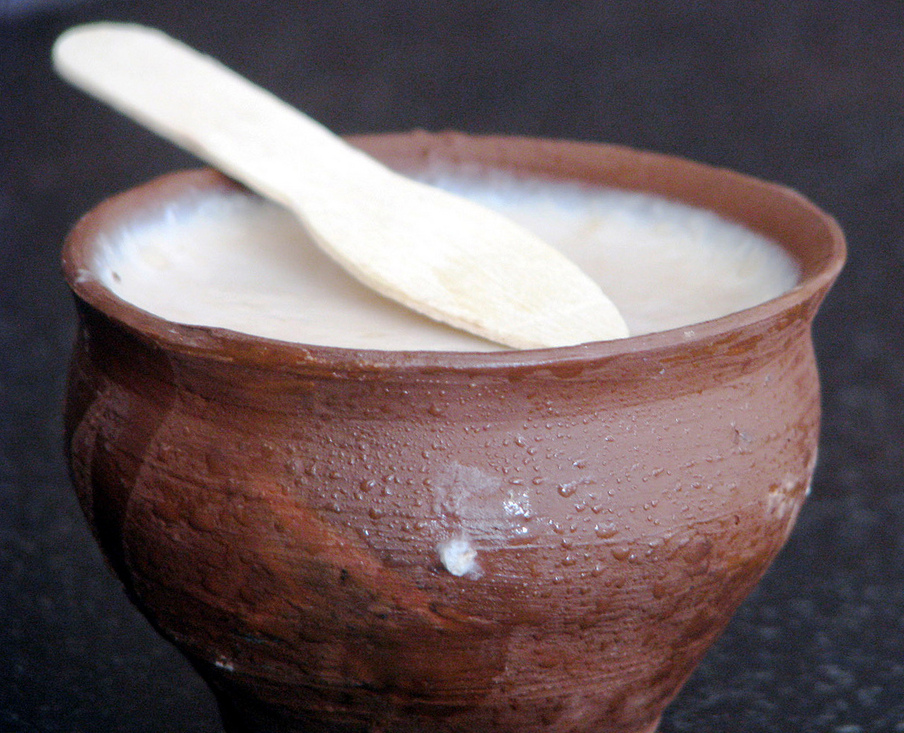
Sweet yoghurt made from milk boiled down until thick, sweetened with sugar or molasses and set overnight in clay pots. The pots let water evaporate, so the yoghurt becomes thick and creamy.
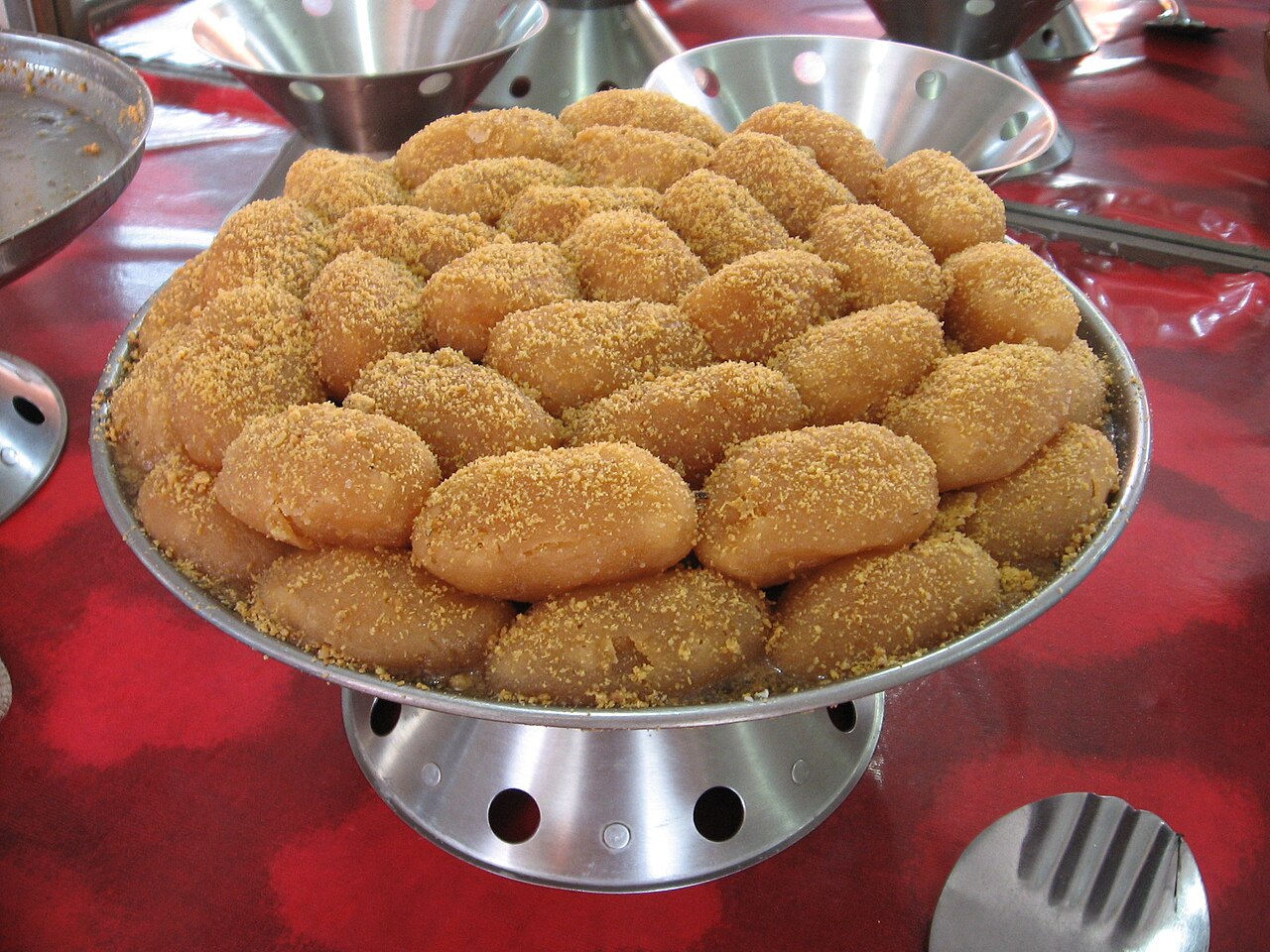
An oval sweet of fresh cheese (chhena) cooked in sugar syrup until firm and brown, sometimes coated with dried milk flakes. The version from Porabari in Tangail dates back to the mid-1800s.
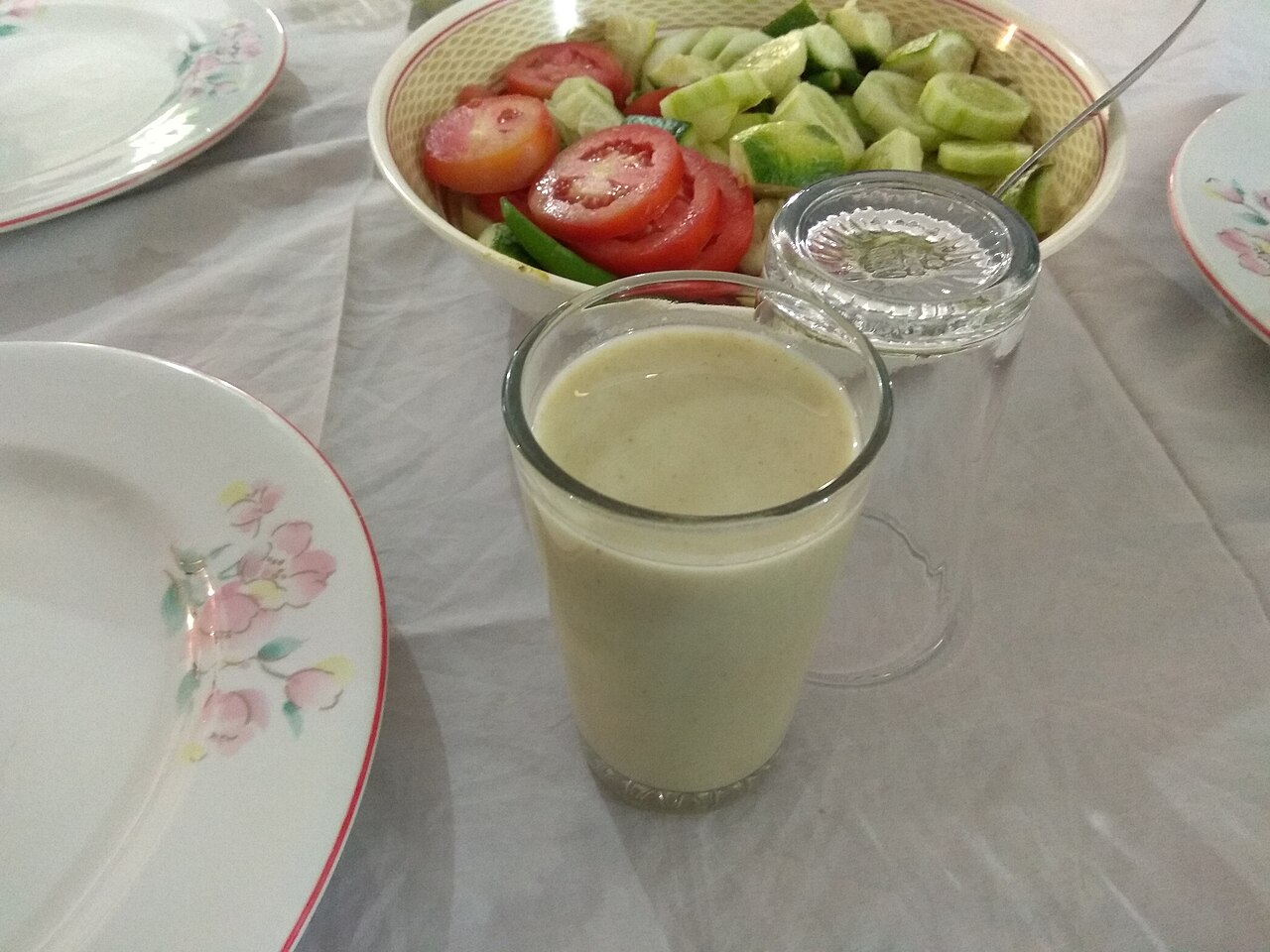
A savoury, spicy yoghurt drink with mint, coriander, green chilli, mustard seed and black salt. It is served after heavy meals such as kacchi biryani at weddings and during Ramadan to help digestion.
Most Bangladeshis eat with their right hand. Wash your hands before and after the meal: restaurants have a wash basin, and at home a jug of water and a bowl are brought to the table.
Mix a little rice with curry at the edge of your plate, make a small ball with your fingers and push it into your mouth with your thumb. Spoons are always available in city restaurants if you prefer.
Never eat with your left hand, and use your right hand to pass food or to give and take anything.
Ilish and many river fish are full of small bones. Eat slowly and put the bones at the edge of your plate.
Most people are Muslim, so pork is not served and alcohol is restricted. During Ramadan do not eat, drink or smoke in public during the day, and accept an invitation to iftar at sunset if you can.