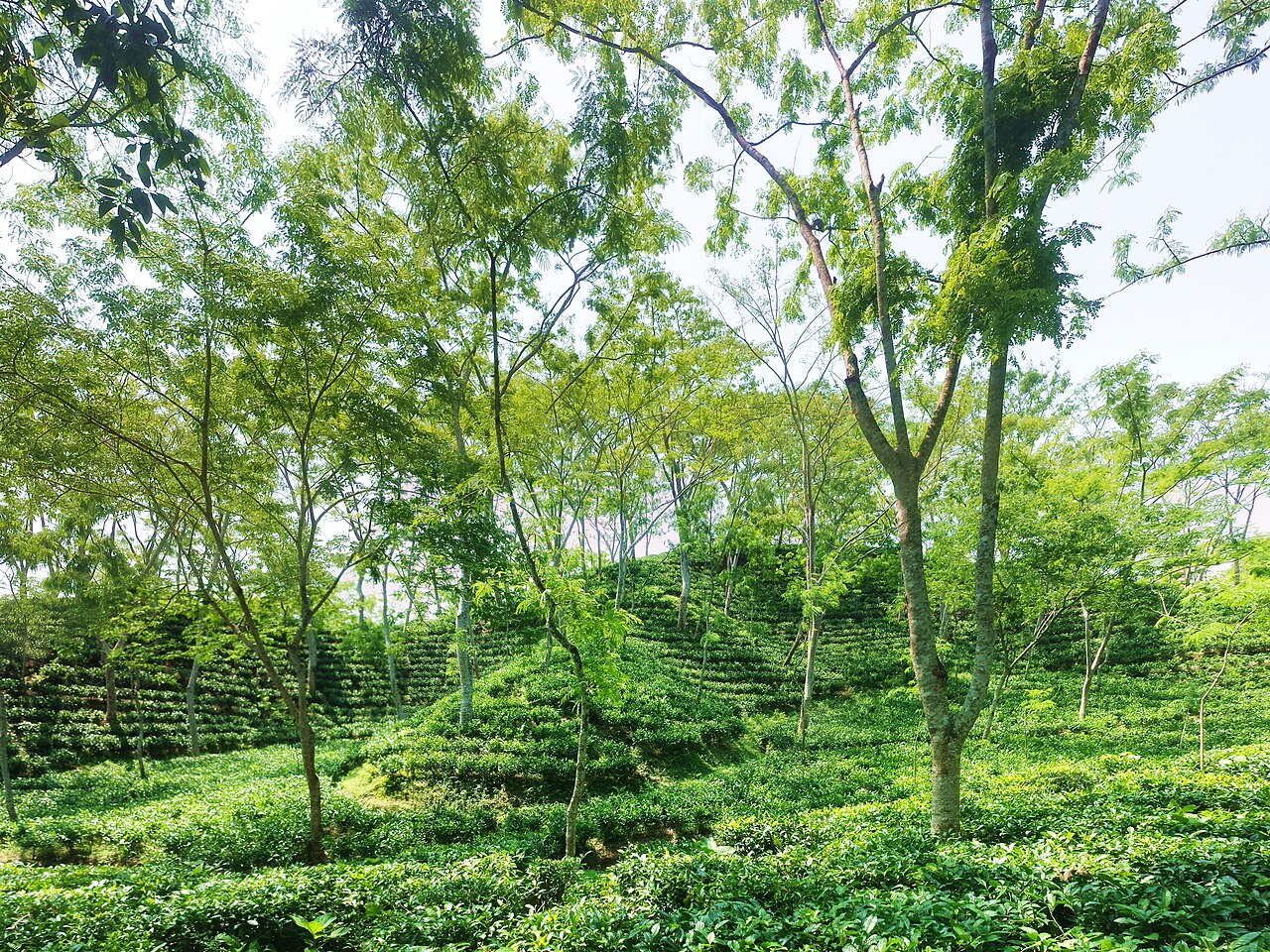
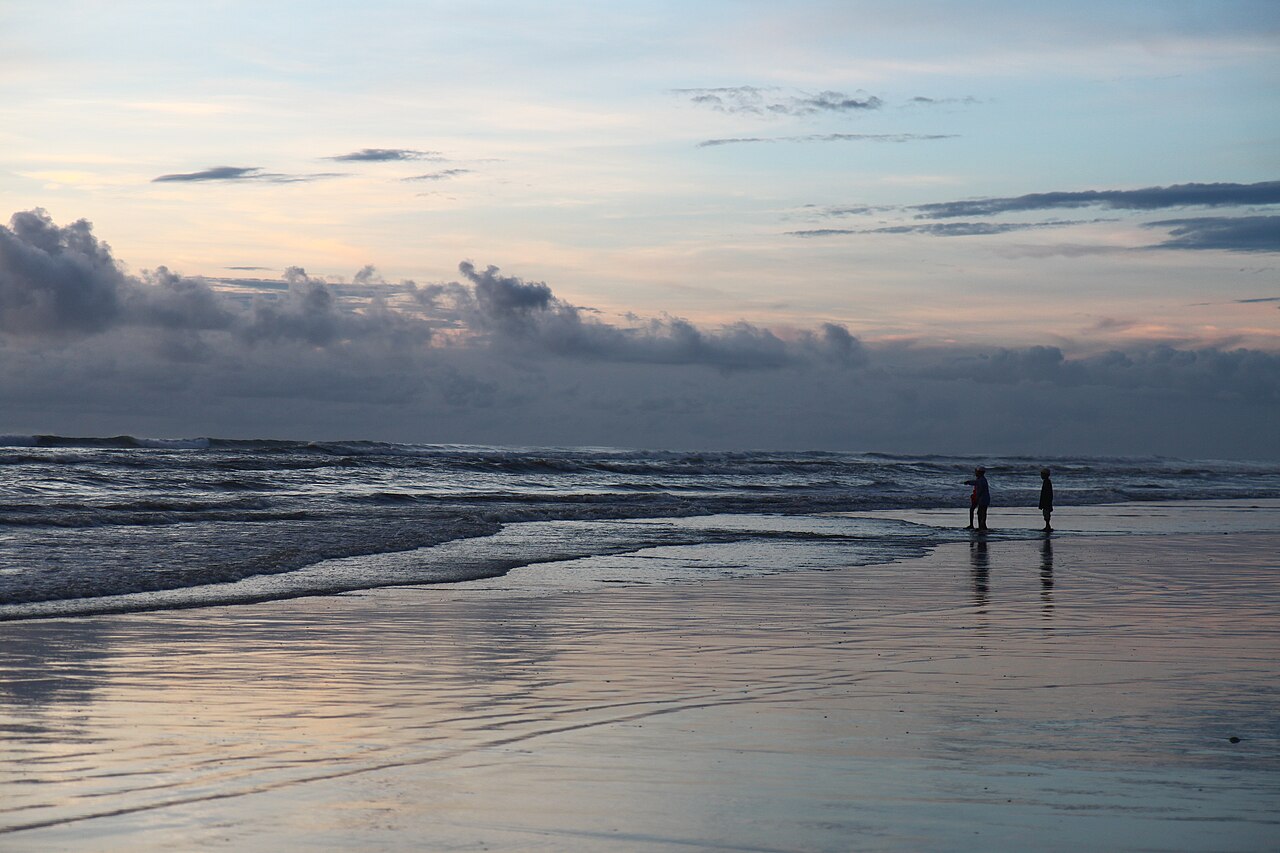
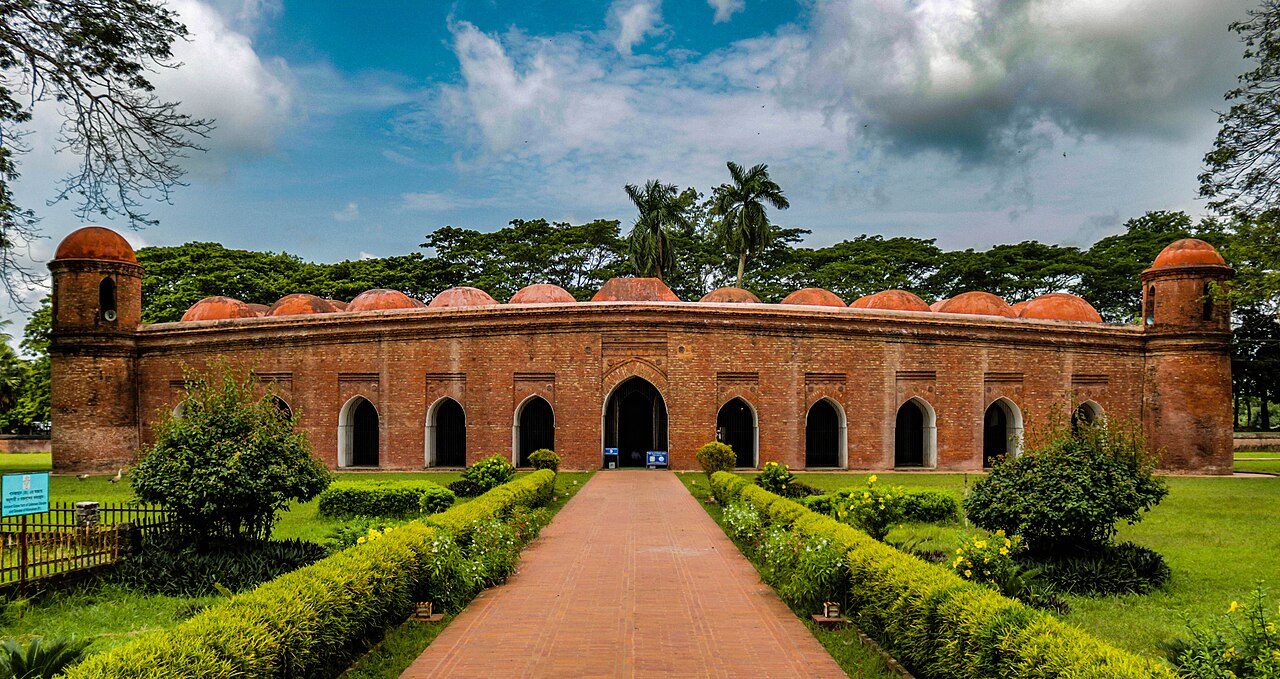
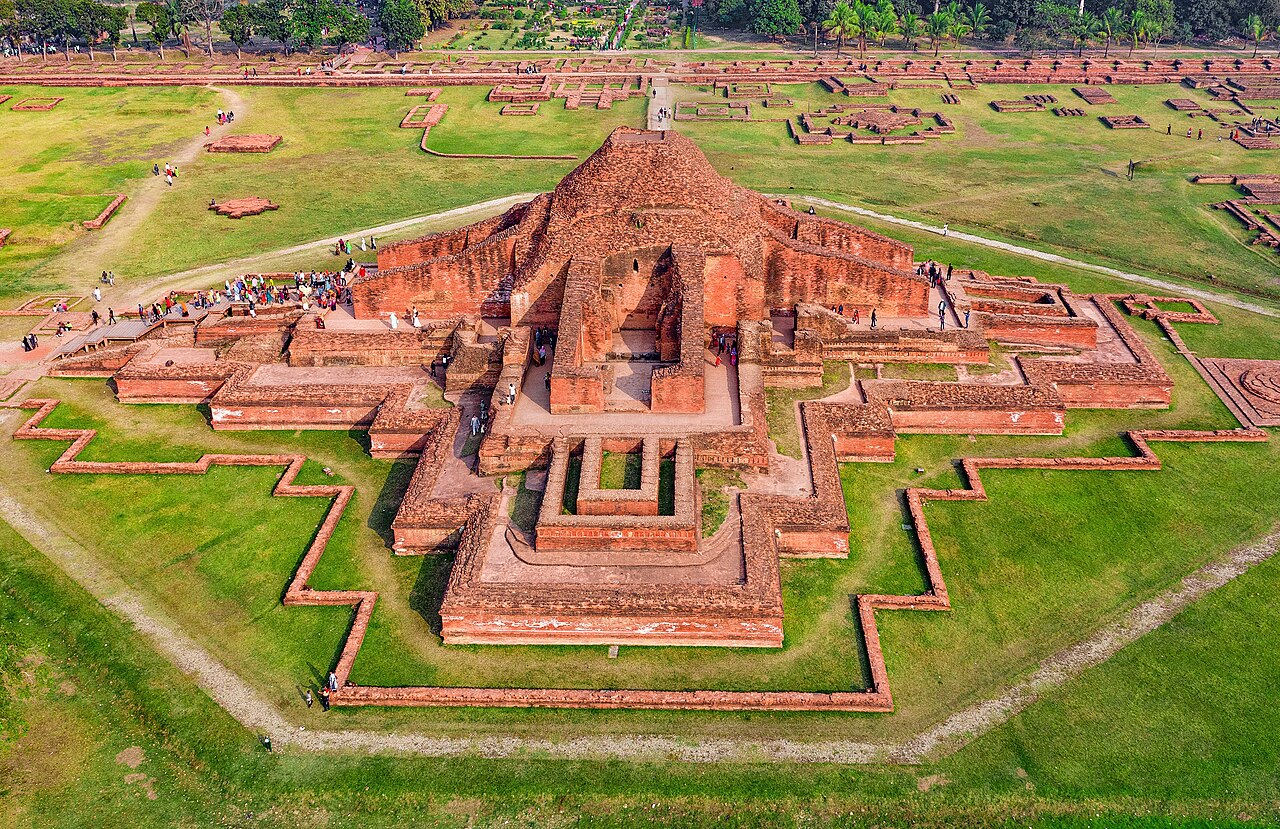
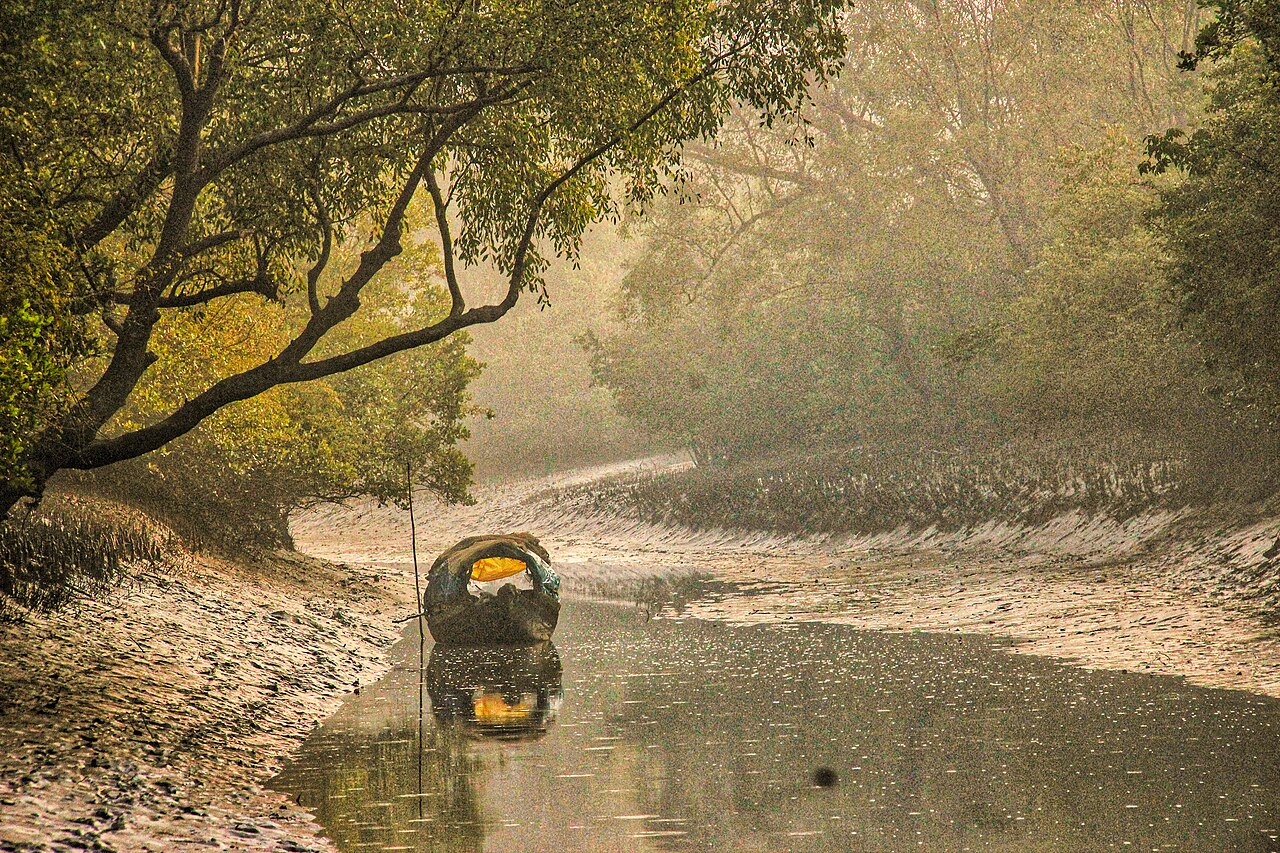
Bangladesh lies in the northeast of the South Asian subcontinent, on the Bay of Bengal. Almost all of it is the flat, green Ganges Delta, the largest river delta in the world, where the Padma (the Ganges), the Jamuna (the Brahmaputra) and the Meghna meet on their way to the sea. Only the southeast rises into hills, the Chittagong Hill Tracts. India surrounds it on three sides, and in the southeast it borders Myanmar.
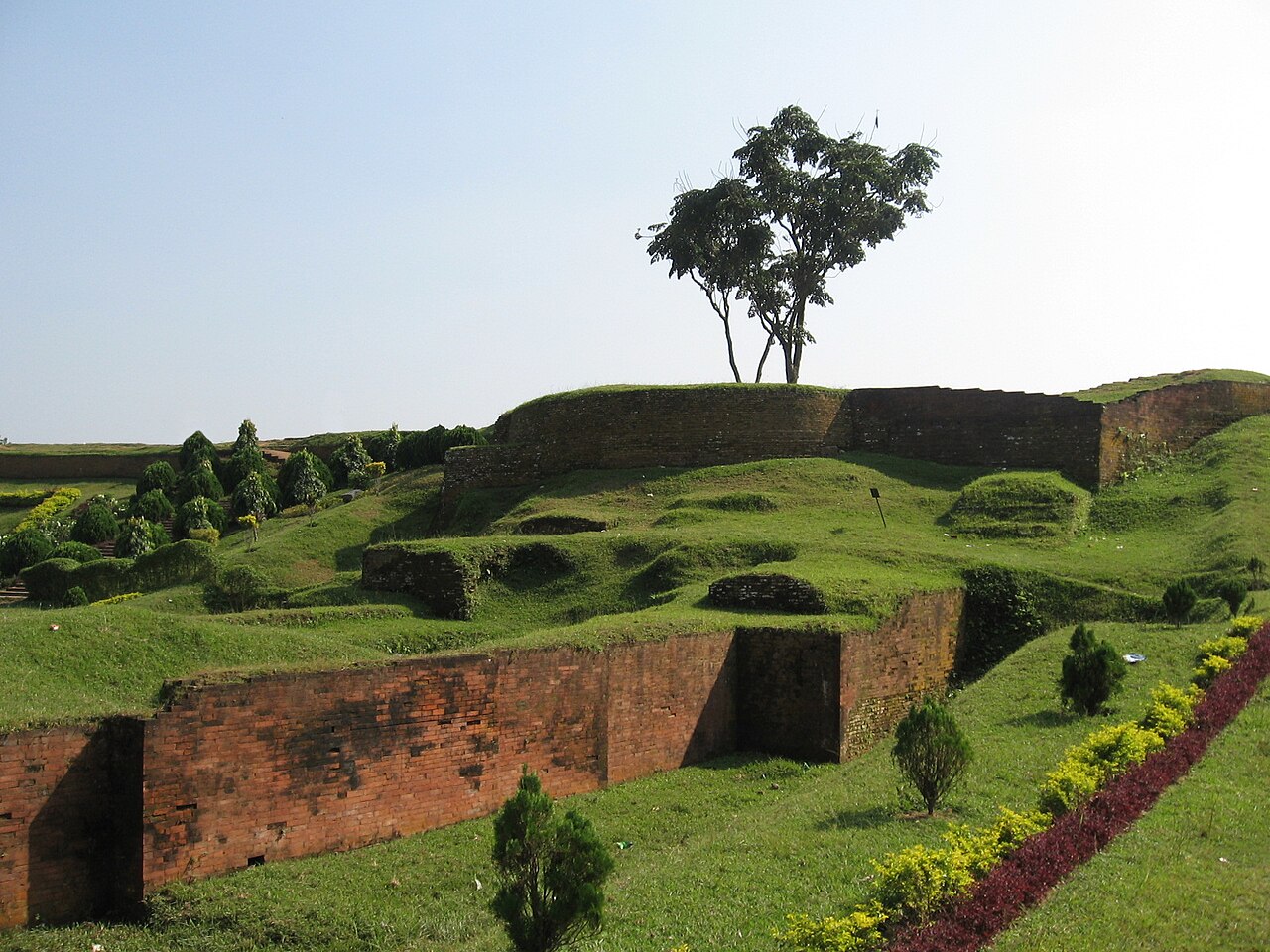
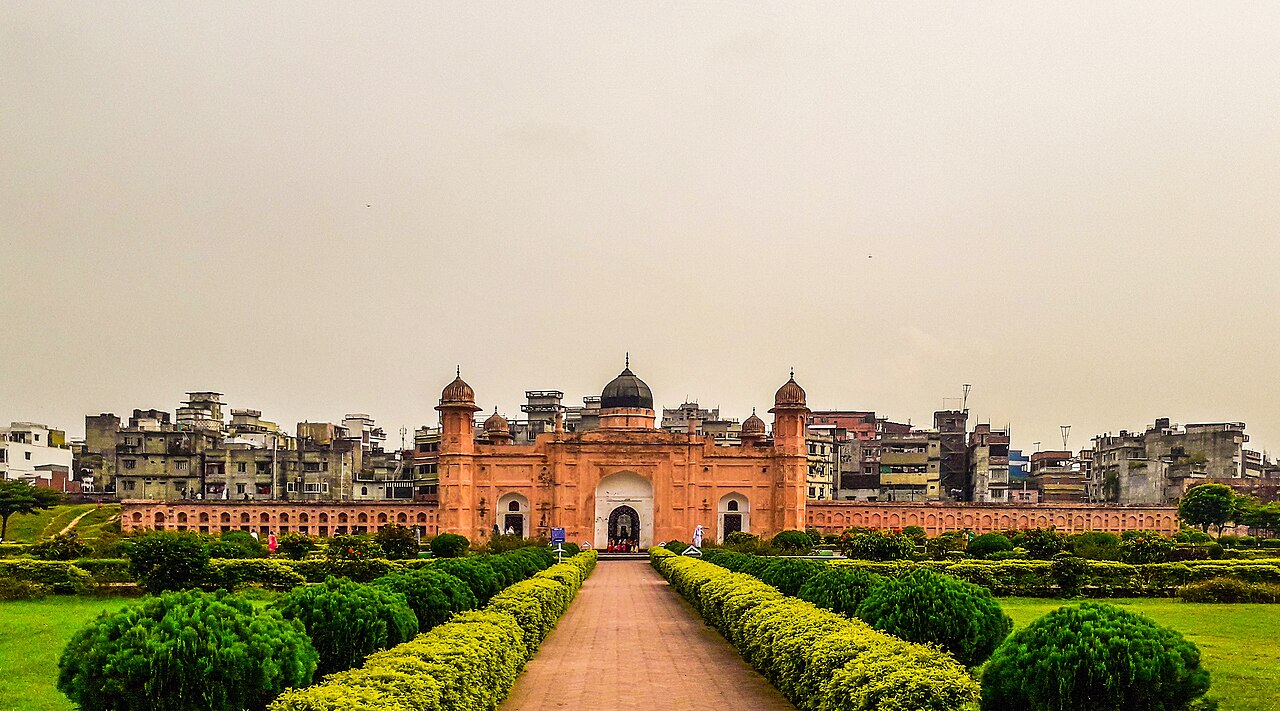
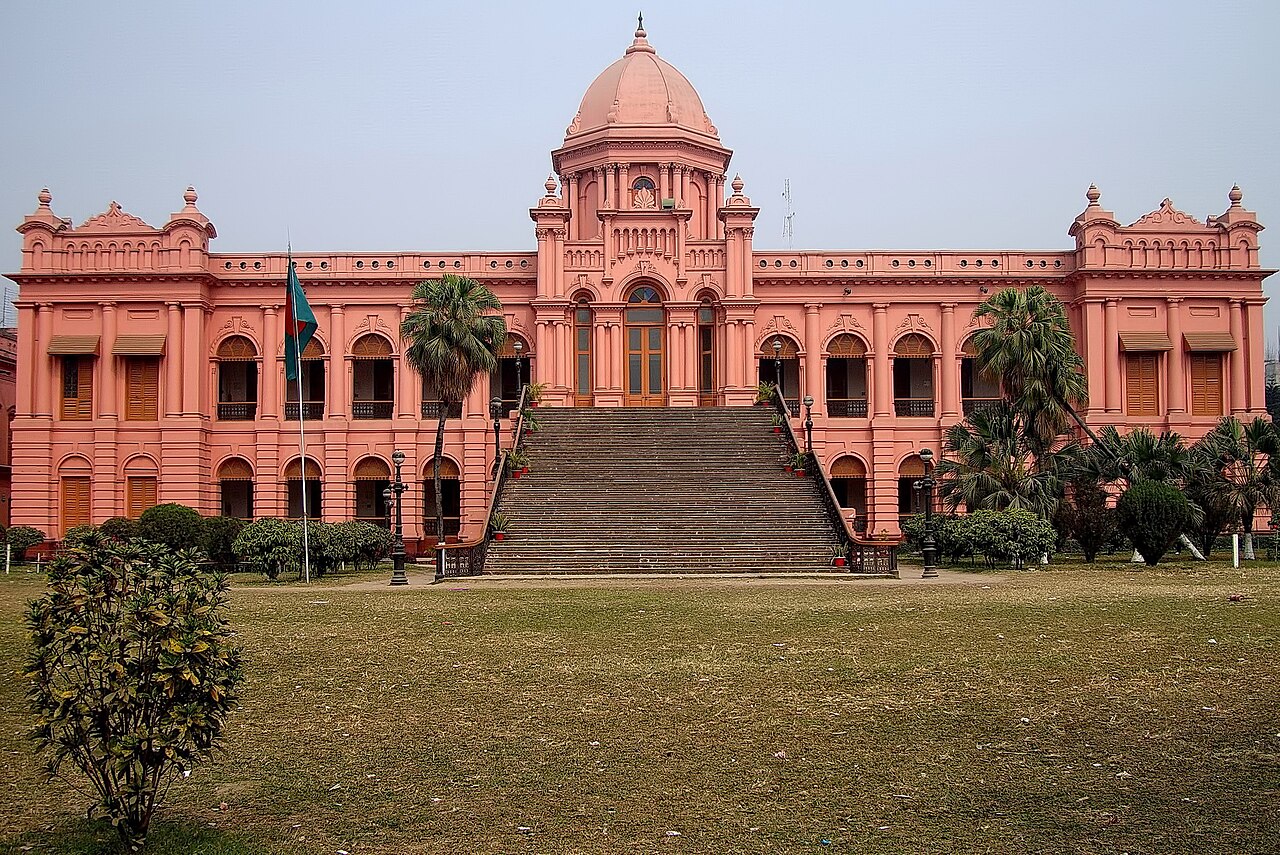
Buddhist and Hindu kingdoms, the Bengal Sultanate and the Mughals all ruled here, and Bengal became famous for its fine cotton muslin. After almost two centuries of British rule, East Bengal became the eastern part of Pakistan in 1947. Anger over language, money and power grew, and after the Liberation War of 1971 Bangladesh became an independent country. Its name means 'the land of Bengal'.
Today Bangladesh is one of the most populous countries on Earth, with about 170 million people counted in the 2022 census on an area a little smaller than England and Wales together. Most people are Bengali and speak Bengali, which they call Bangla. Most are Muslim, with Hindu, Buddhist and Christian minorities. Rice, fish, rivers and boats run through daily life, songs and poems.
CapitalDhaka
PopulationAbout 170 million (2022 census), one of the ten most populous countries in the world
Official languageBengali (Bangla), named in the constitution as the state language
CurrencyBangladeshi taka (৳)
AreaAbout 148,000 km²
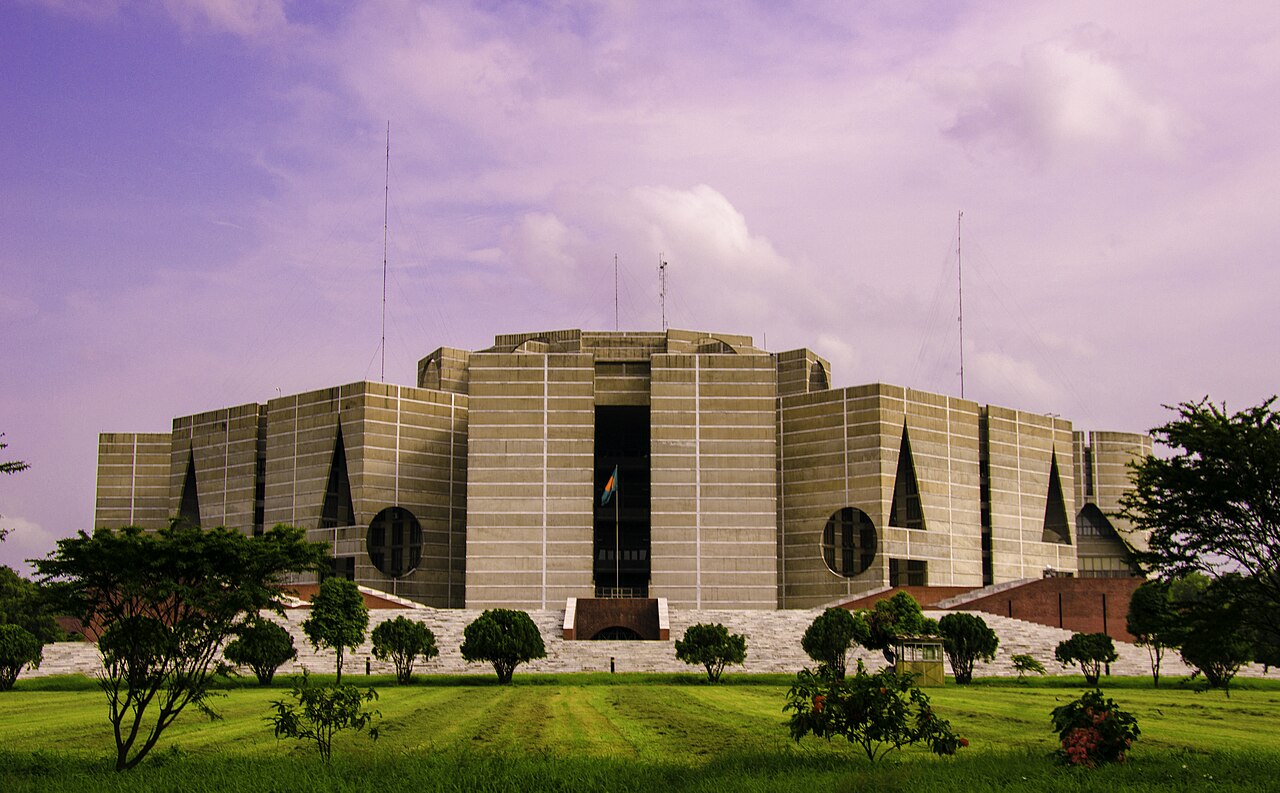
GovernmentParliamentary republic, with a president as head of state and a prime minister leading the government
Highest mountainSaka Haphong, about 1,050 to 1,065 m (sources differ), on the border with Myanmar in the Chittagong Hill Tracts (older lists name Keokradong or Tazing Dong)
Great riversThe Padma (the Ganges), the Jamuna (the Brahmaputra) and the Meghna, among hundreds of rivers and streams
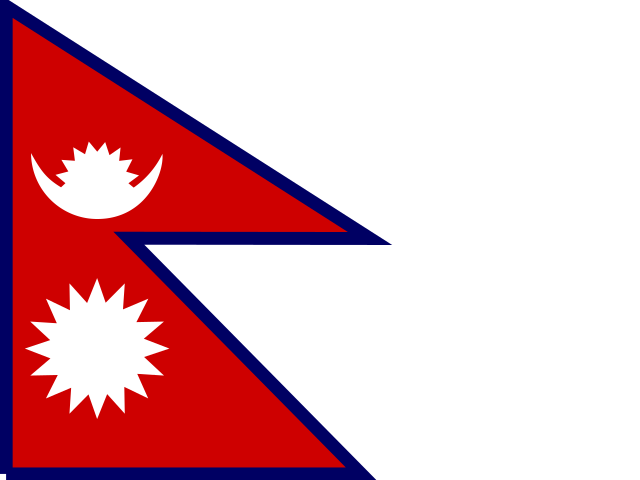
NeighboursIndia and Myanmar. Nepal and Bhutan are only a short distance away across India's narrow Siliguri Corridor
Drives on theLeft
Calling code+880
 Myanmar
 India