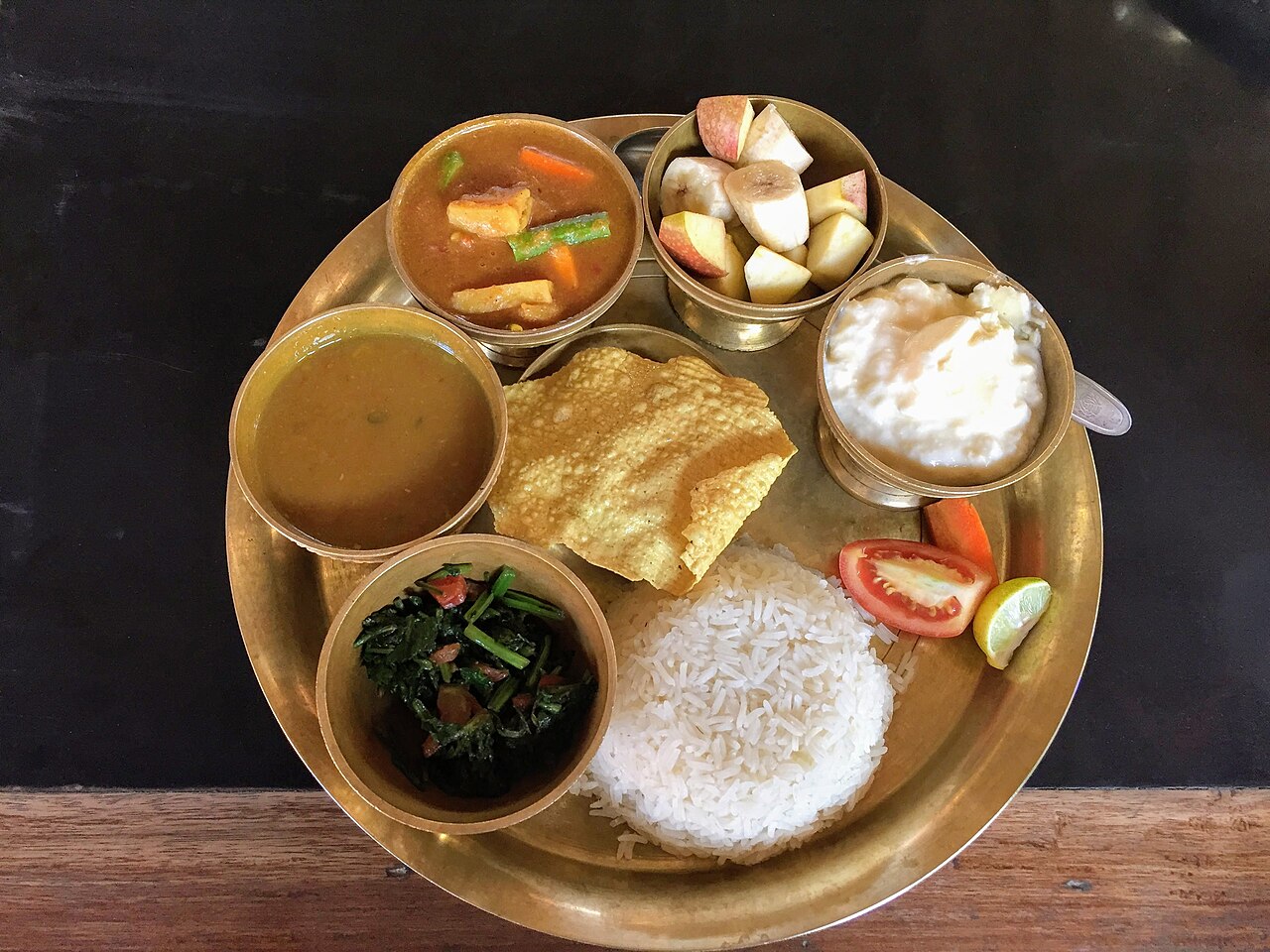
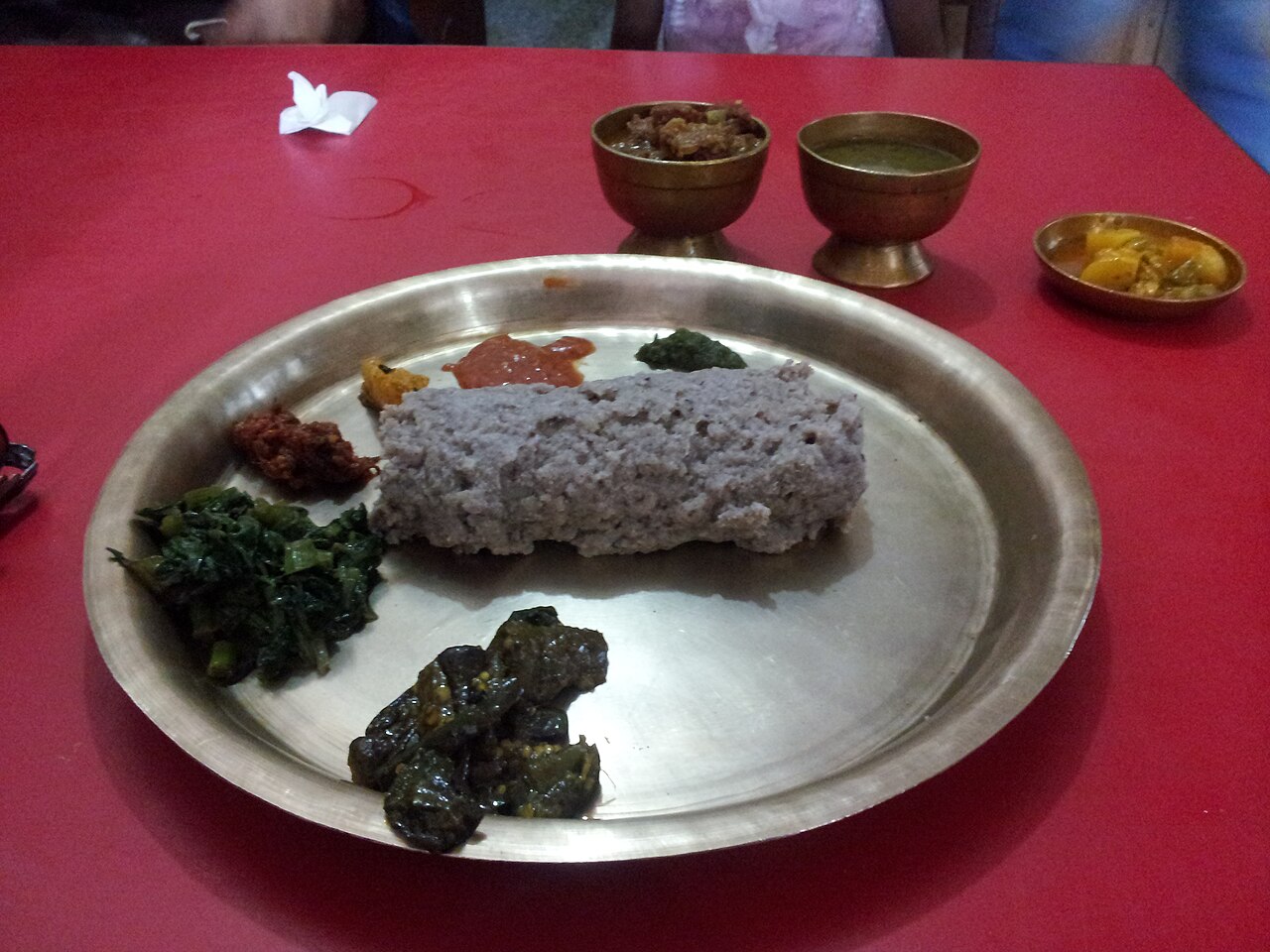
The everyday meal of Nepal is dal bhat: a plate of plain rice with lentil soup, a vegetable curry called tarkari and a spoon of sharp pickle (achar), often served on a metal tray with small bowls, and eaten twice a day, late in the morning and in the evening. In the hills and mountains, where rice grows poorly, a thick porridge of millet, maize or buckwheat called dhindo takes its place. Nepali curries are usually lighter than Indian ones, and are flavoured with ginger, garlic, cumin, turmeric and a Himalayan herb called jimbu. The Newar people of the Kathmandu Valley have the richest feast cooking, with dozens of small dishes, while the Tibetan-influenced north gave the whole country its favourite snack, momo dumplings. Most Hindus do not eat beef, and buffalo meat, called buff, is common instead.
A very thick porridge made by stirring buckwheat, millet or maize flour into boiling water until it is stiff. A small ball is shaped with the fingers, dipped in soup or gundruk and swallowed.
Dhindo was long seen as poor people's food, but it now appears on city restaurant menus as a healthy traditional dish.
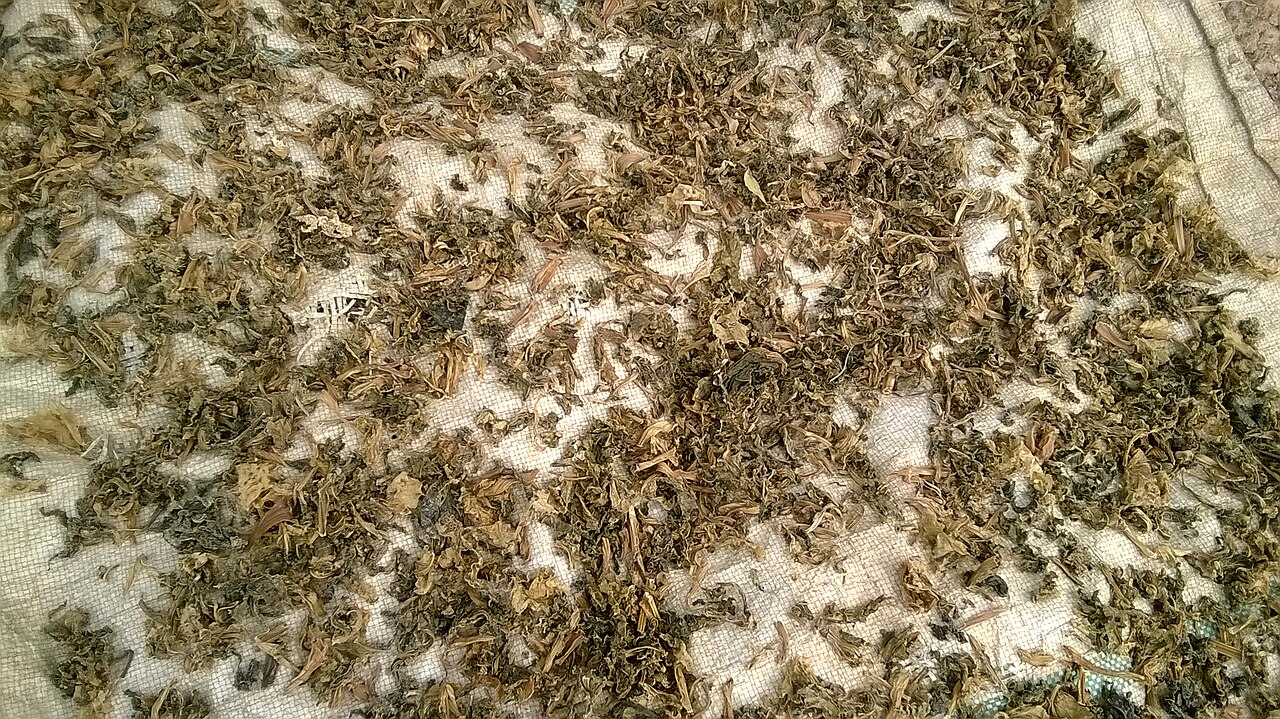
Leaves of mustard, radish and cauliflower that are fermented in a pot for about a week and then dried in the sun. It is cooked into a sour soup or a spicy pickle and keeps all winter.
Unlike sauerkraut or kimchi, no salt is added to the leaves before they ferment.
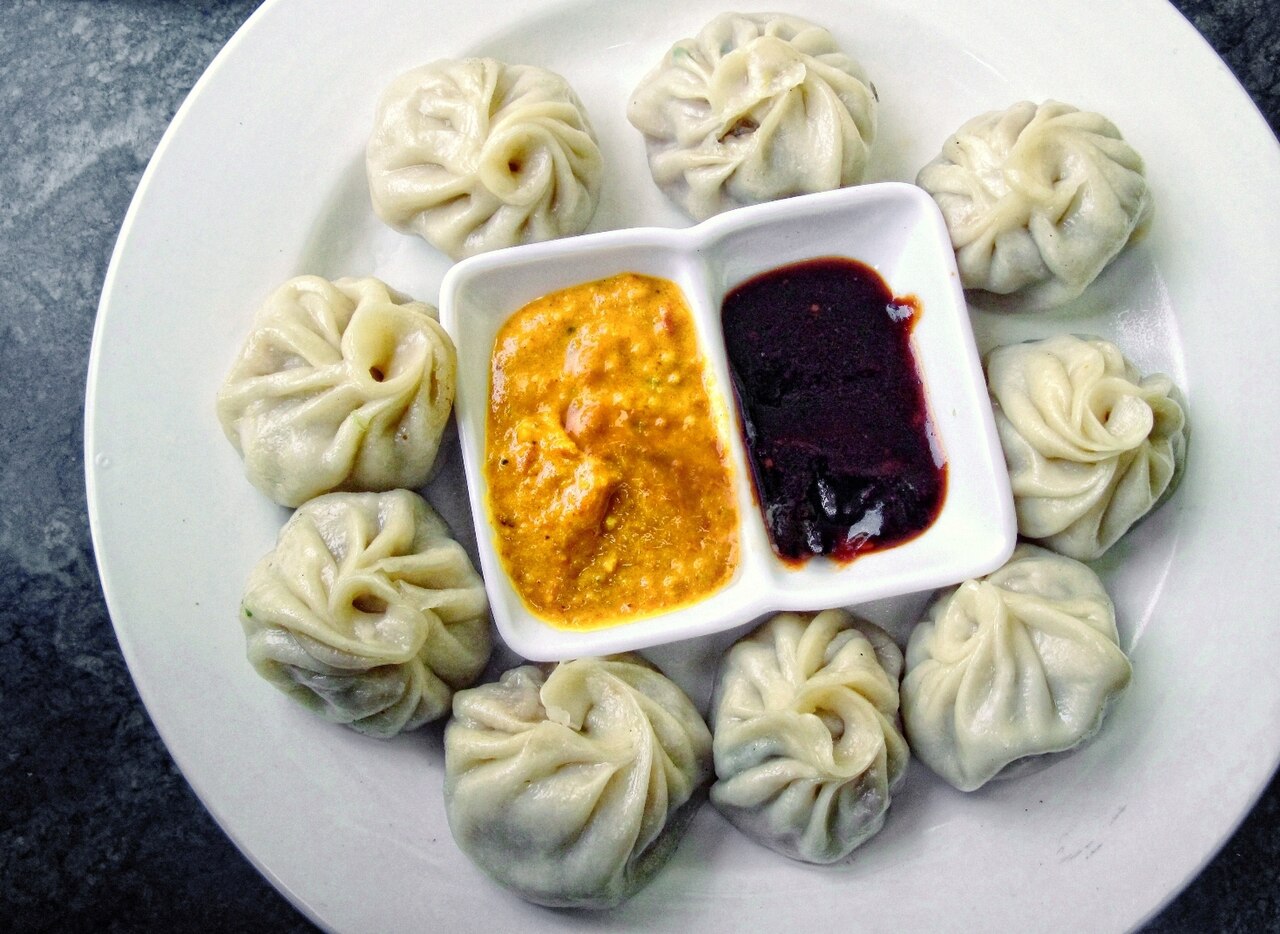
Small dumplings of thin wheat dough filled with spiced minced buffalo, chicken, pork or vegetables, steamed and served with a spicy tomato-based dipping sauce (achar). They are the most popular snack in the country.
Newar traders are often said to have brought momos over the mountains from Tibet, though historians still debate which way the recipe travelled.
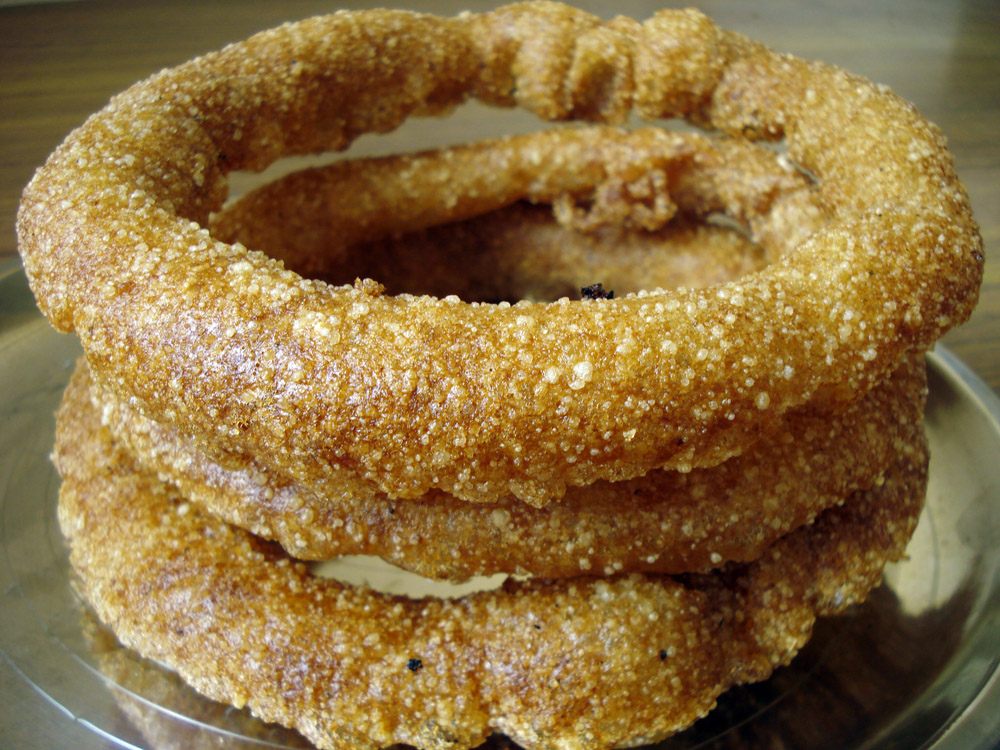
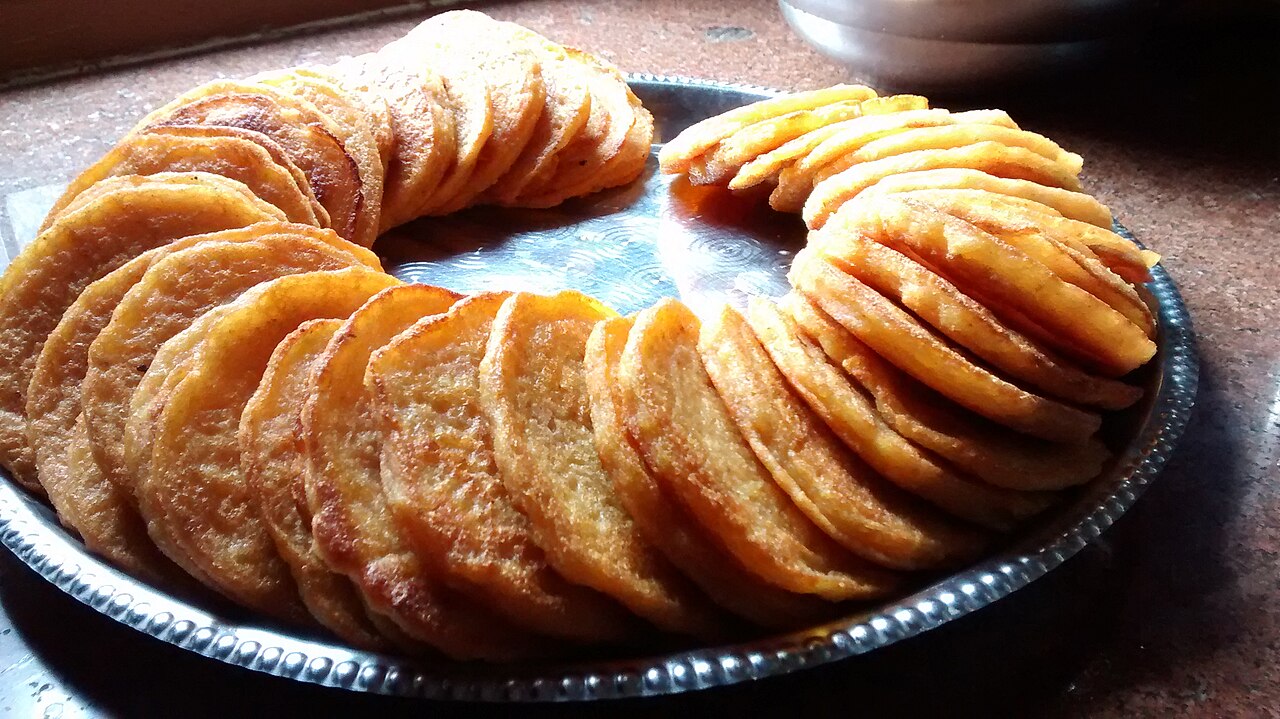
A sweet, ring-shaped bread made from a batter of rice flour, sugar and ghee, poured by hand into hot oil. Crisp outside and soft inside, it is made in large batches for the Dashain and Tihar festivals.
Sel roti keeps for about two weeks, so families often send it as a gift to relatives living far from home.
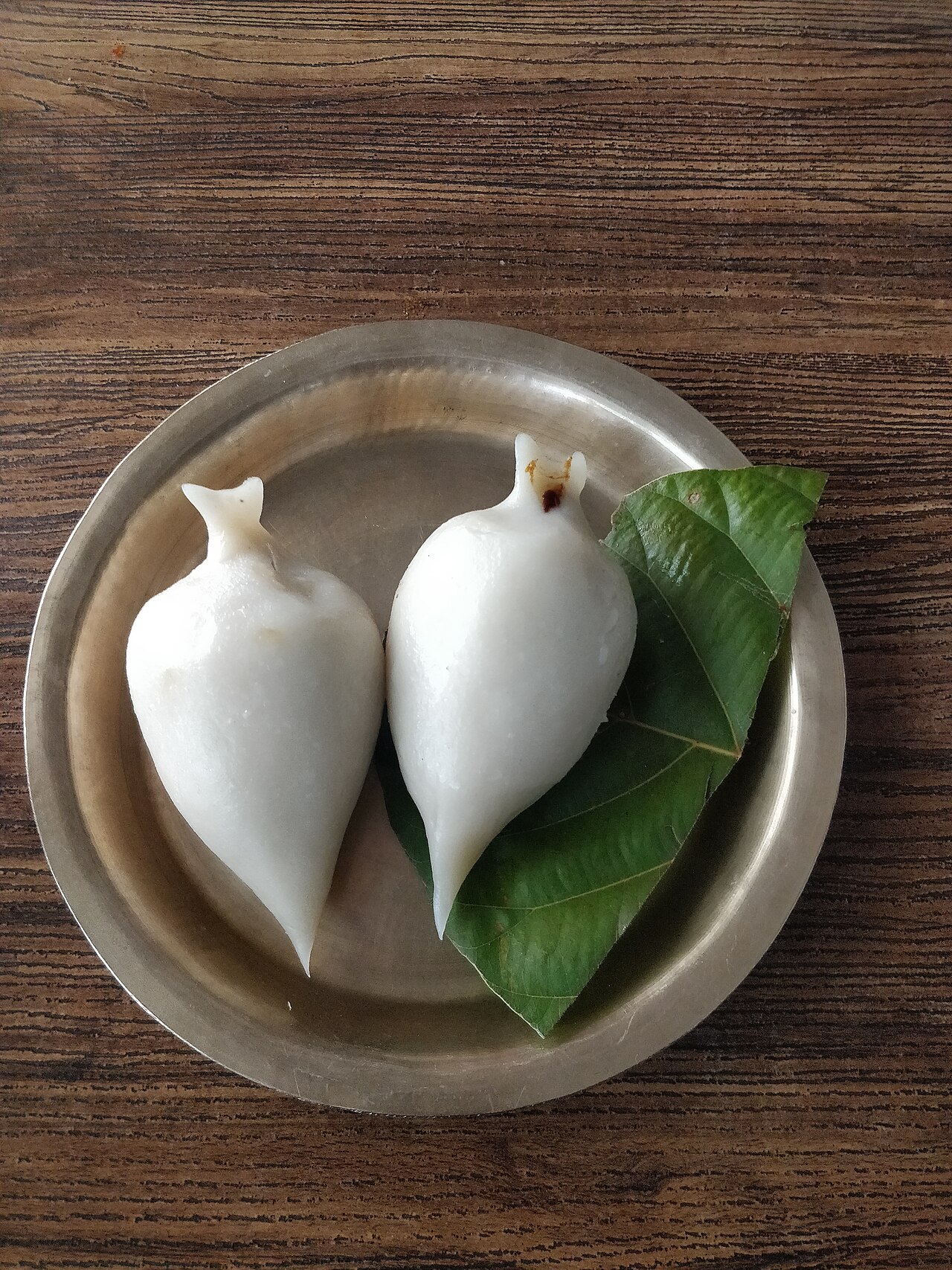
A steamed dumpling of glutinous rice flour with a pointed tip, filled with chaku (a dark molasses) and sesame, or with sweet milk solids called khuwa. It is the star of the Yomari Punhi festival at the end of the rice harvest.
In the Newar language the name means roughly 'liked bread', because everyone likes it.
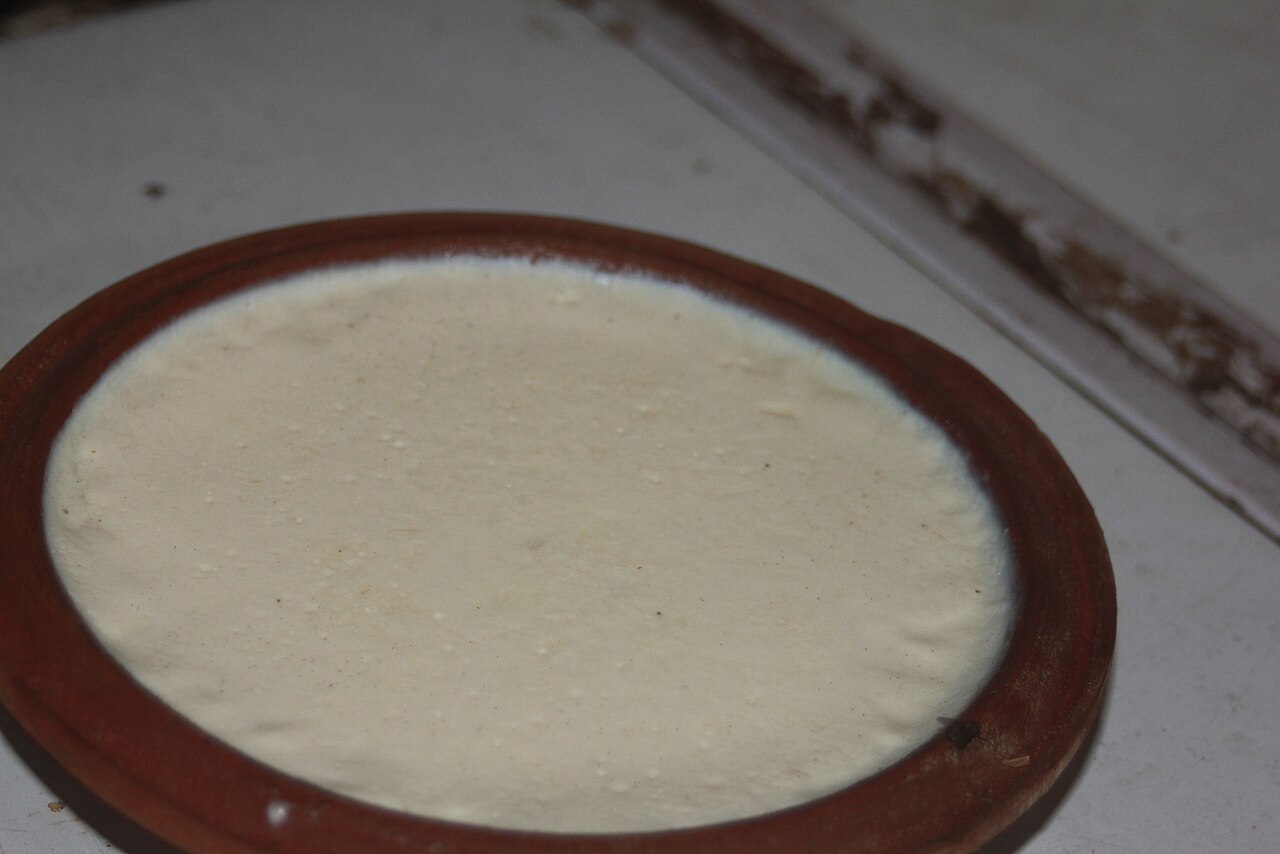
A thick, creamy, slightly sweet yoghurt from Bhaktapur, made from buffalo milk and set in clay pots. It is served at the end of Newar feasts and sold in pots all over the Kathmandu Valley.
Juju dhau means 'king of yoghurt'. A story says a Malla king held a yoghurt contest and liked Bhaktapur's best.
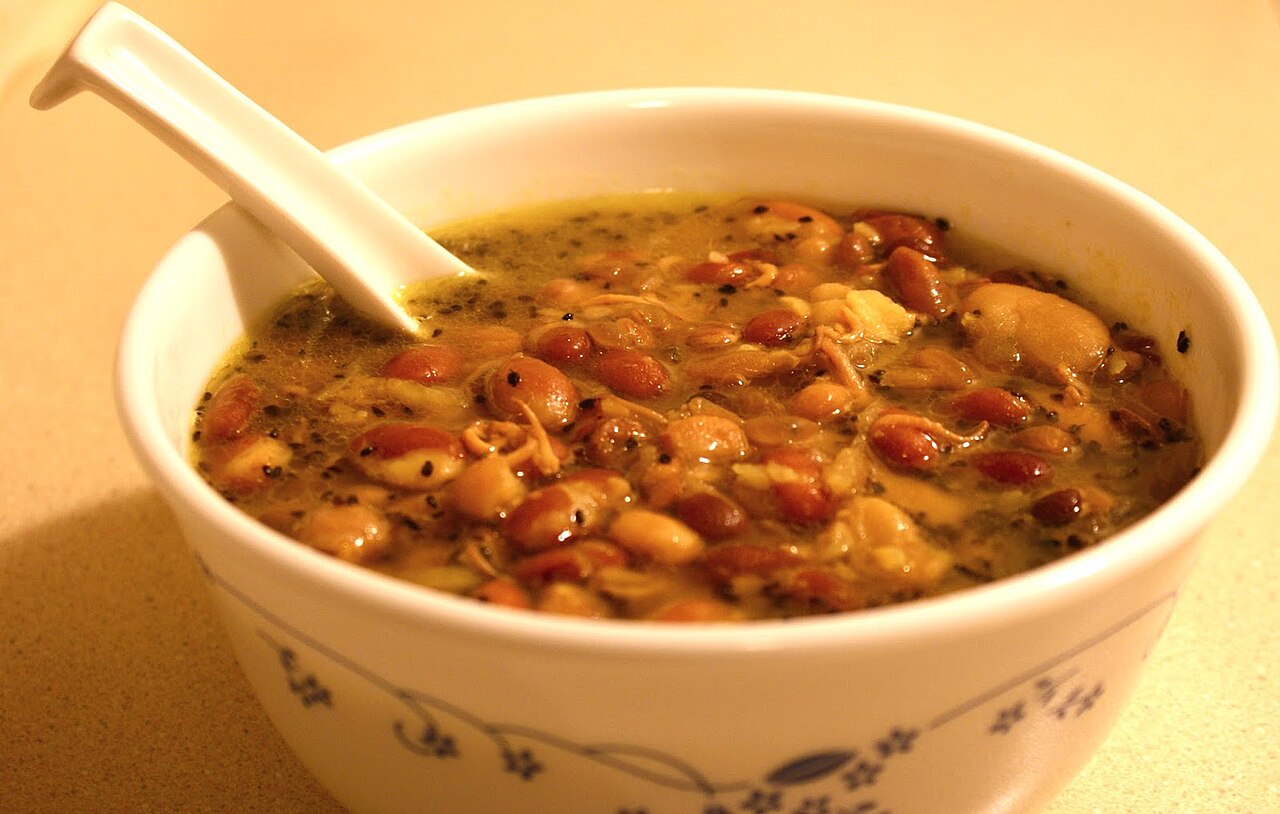
A thick soup of nine kinds of sprouted beans, such as chickpeas, soybeans, mung beans and peas, soaked for three or four days until they sprout and then cooked with spices and ajwain seeds.
It is eaten on Janai Purnima, a full moon festival that usually falls in August.
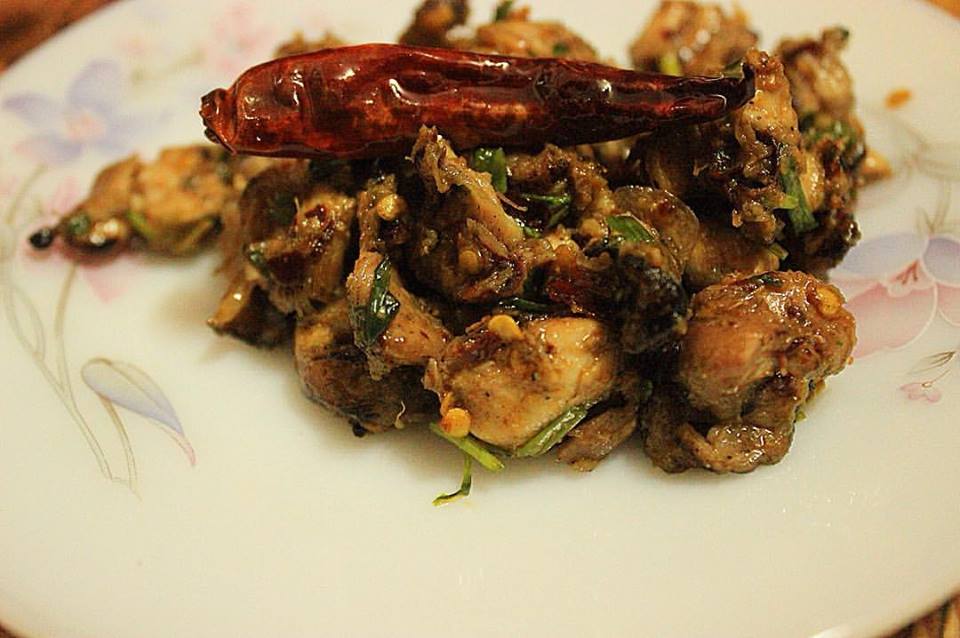
Spicy grilled buffalo meat, cut small and mixed with chilli, garlic, ginger and mustard oil. Traditionally the meat is charred over a straw fire; today chicken, duck or mushrooms are also used.
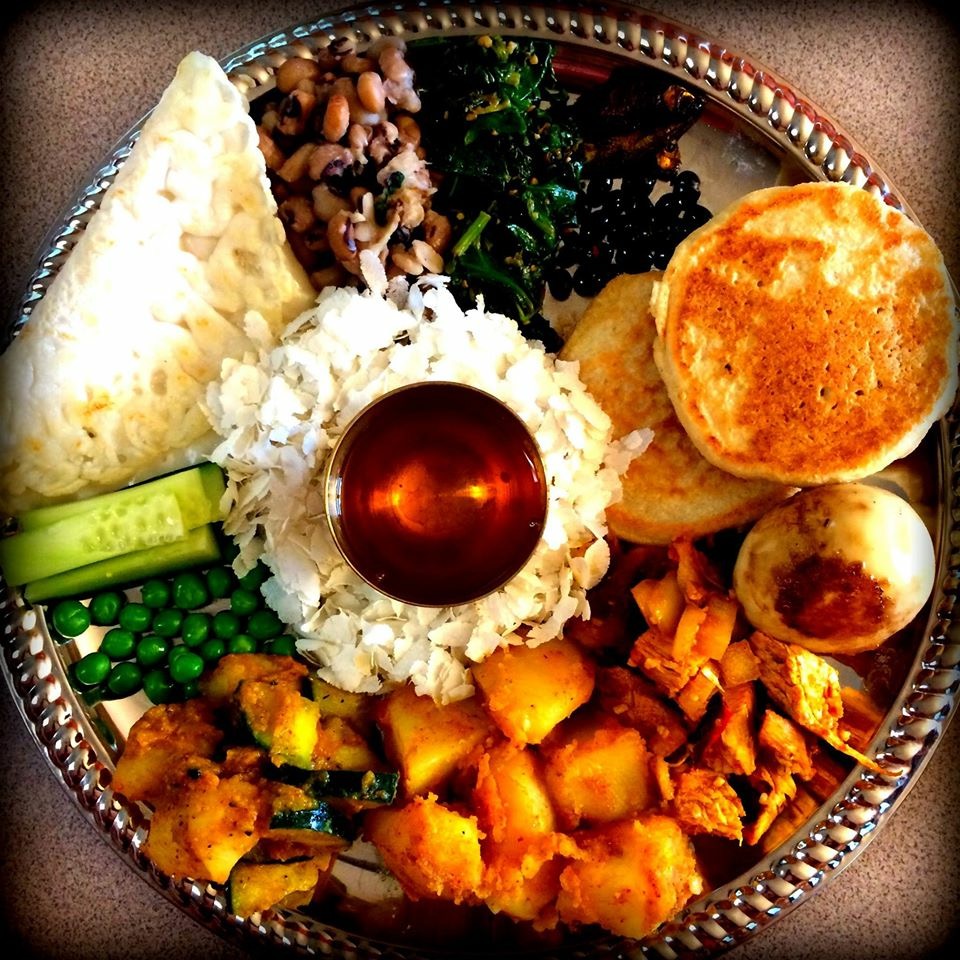
A Newar festival platter built around beaten rice (chiura), with roasted soybeans, choila, a lentil bara, a boiled and fried egg, fresh ginger, greens and pickle. It is served at festivals, family gatherings and religious ceremonies.
It began as farmers' food: everything on the plate could be carried to the fields and eaten cold.
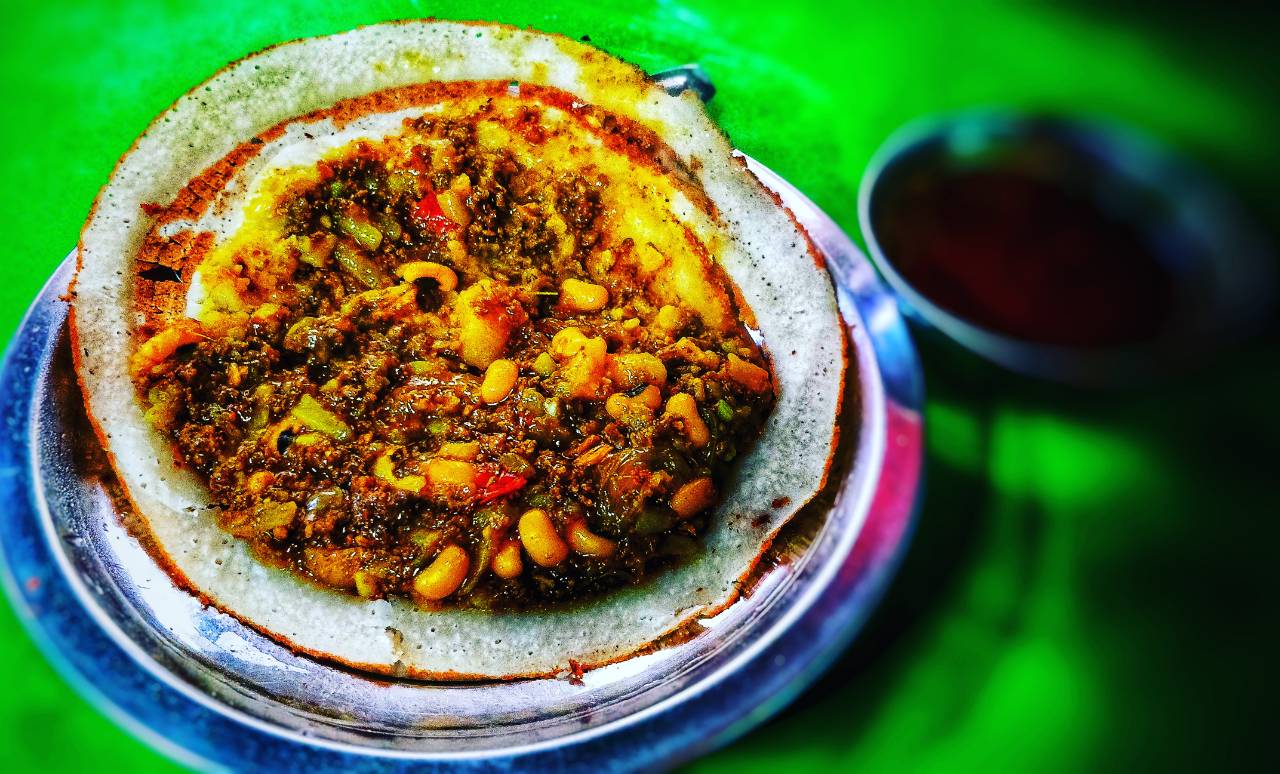
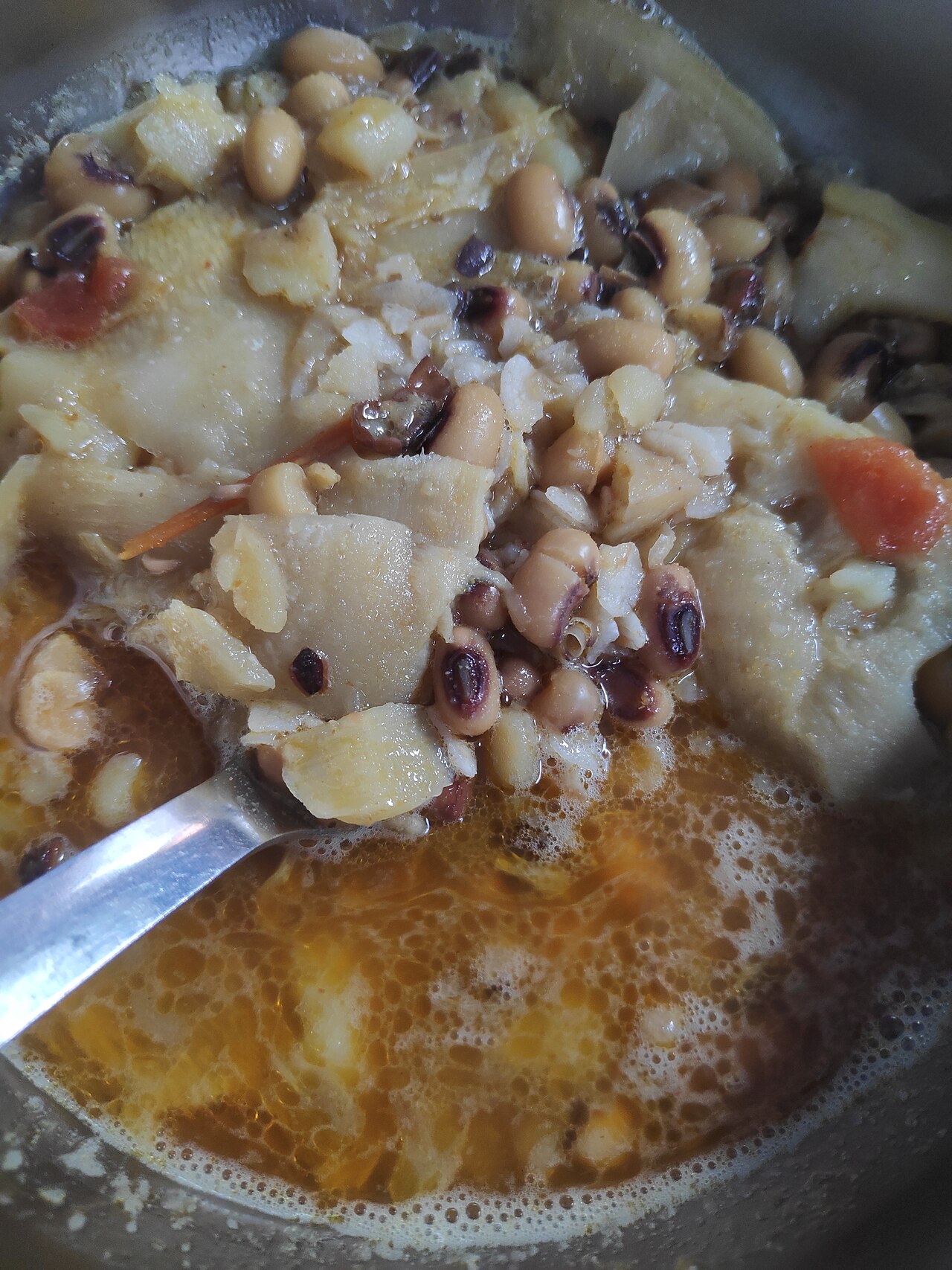
A sour, tangy curry of potatoes, black-eyed peas and tama, fermented bamboo shoots. With the peas it is called aloo tama bodi, and it is a favourite partner for rice.
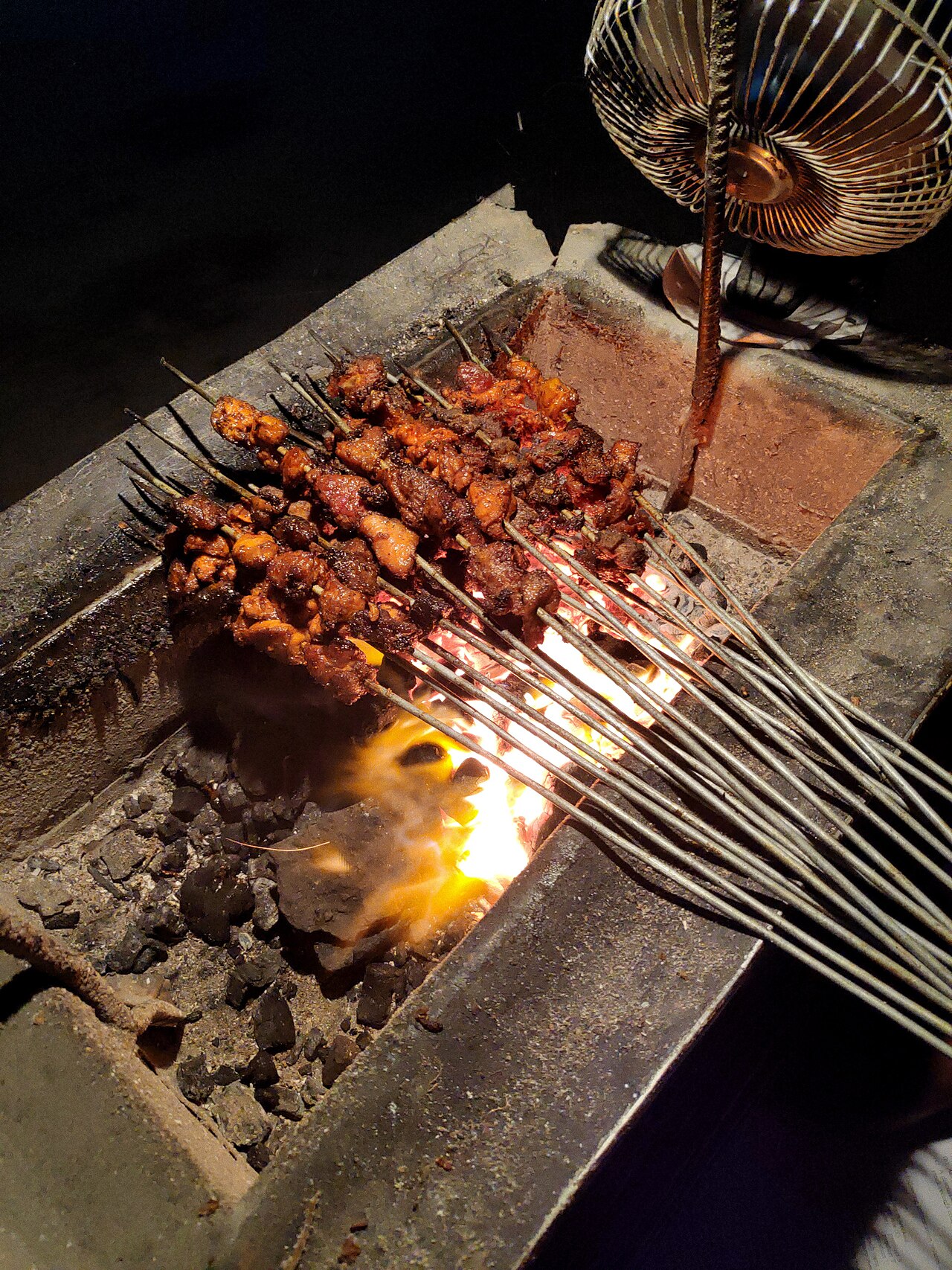
Pieces of goat, chicken, buffalo or pork marinated in spices, ginger, garlic and mustard oil, then grilled on skewers over charcoal. It is eaten with beaten rice, pickle and sliced onions.
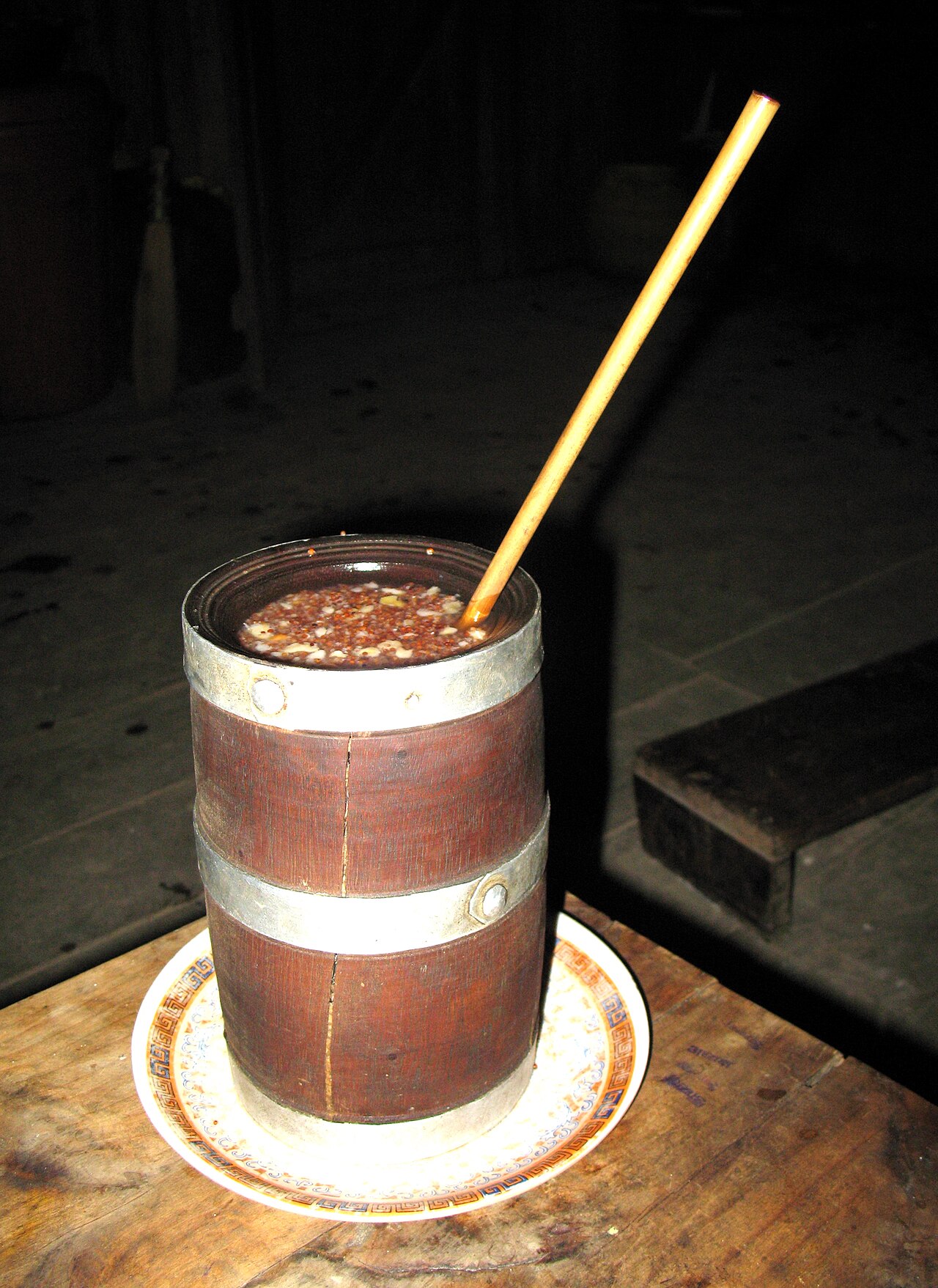
Fermented finger millet in a wooden or bamboo vessel, topped up with hot water and sipped through a bamboo straw. It is mildly alcoholic and is refilled several times.
Tongba is actually the name of the vessel. Offering it to a guest is a sign of respect among the Limbu.
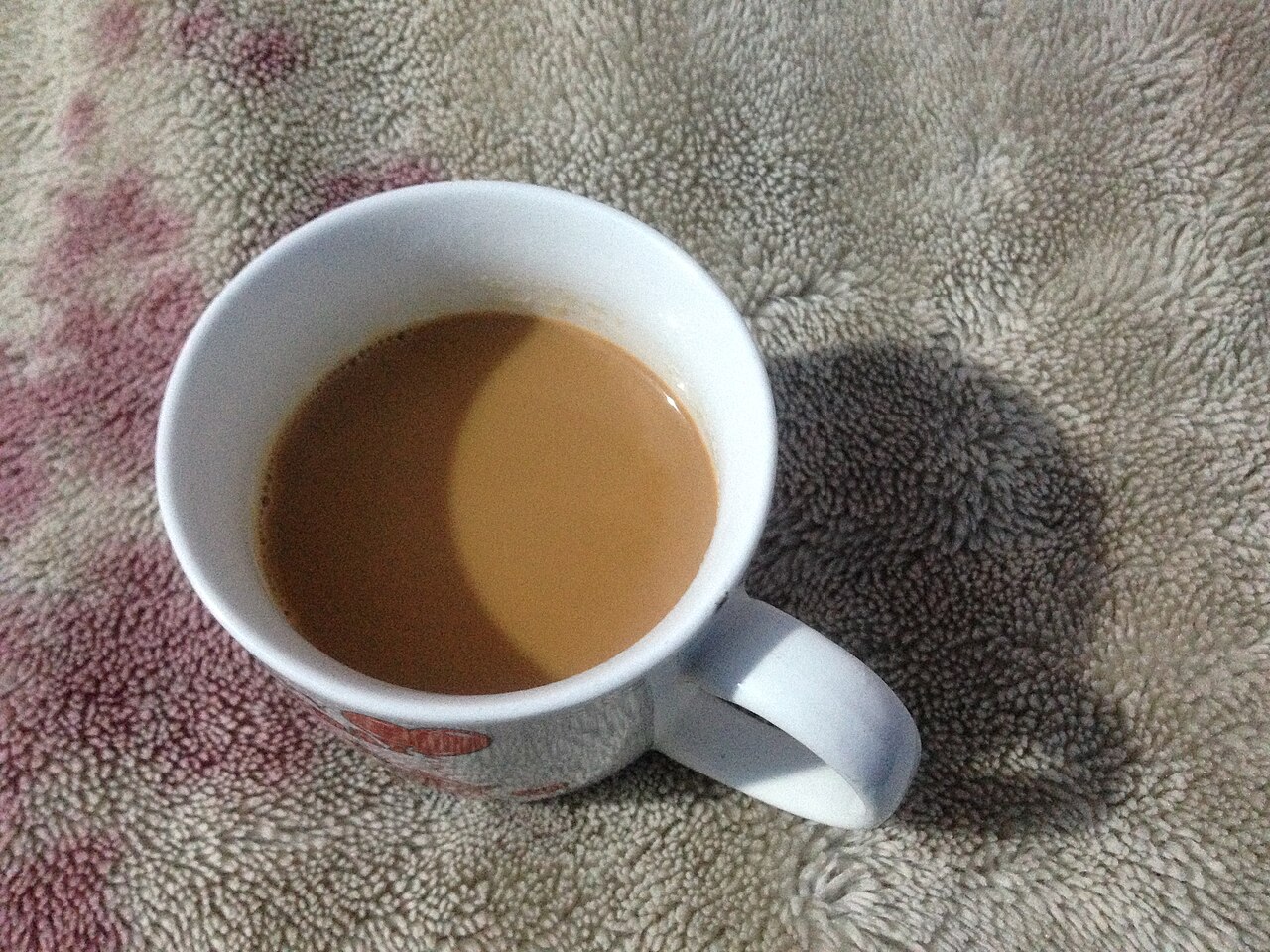
Sweet milk tea, boiled together with black tea and often spiced with ginger or cardamom. It is served at every roadside stall and trekking lodge, in small glasses.
Many Nepalis eat with their right hand. The left hand is not used for eating or for passing food.
Wash your hands before and after the meal. Mix rice and dal with your fingertips and push the food into your mouth with your thumb.
Do not touch food that other people will eat, and do not put anything that has touched your mouth back into a shared dish. Some strict Hindus consider such food impure.
Dal bhat is often refilled until you say you have had enough. The Nepali word for that is 'pugyo'.
Because Hindus hold cattle sacred, beef is not part of traditional Nepali cooking. Goat and chicken are the usual meats; buffalo is eaten by some communities but avoided by others, and some families are vegetarian.
Avoid touching shared water jugs and containers. Let your host pour water into your own glass or bottle.