Pakistani cooking grew from the royal kitchens of the Mughals and from the traditions of Central Asia, Persia and the Arab world. Food is halal, so pork is not eaten and alcohol is rare, and meat is at the heart of a festive meal: beef, lamb, goat and chicken. Almost every meal comes with bread, usually a round wheat roti or a naan from the tandoor, used to scoop up curry, lentils and vegetables, and dishes are served together and shared. Each region has its own style: rich curries and tandoor breads in Punjab, grilled meat in the Pashtun north-west, rice and fish in Sindh, slow-roasted meat in Balochistan. Sweet milky tea is drunk everywhere, all day long.
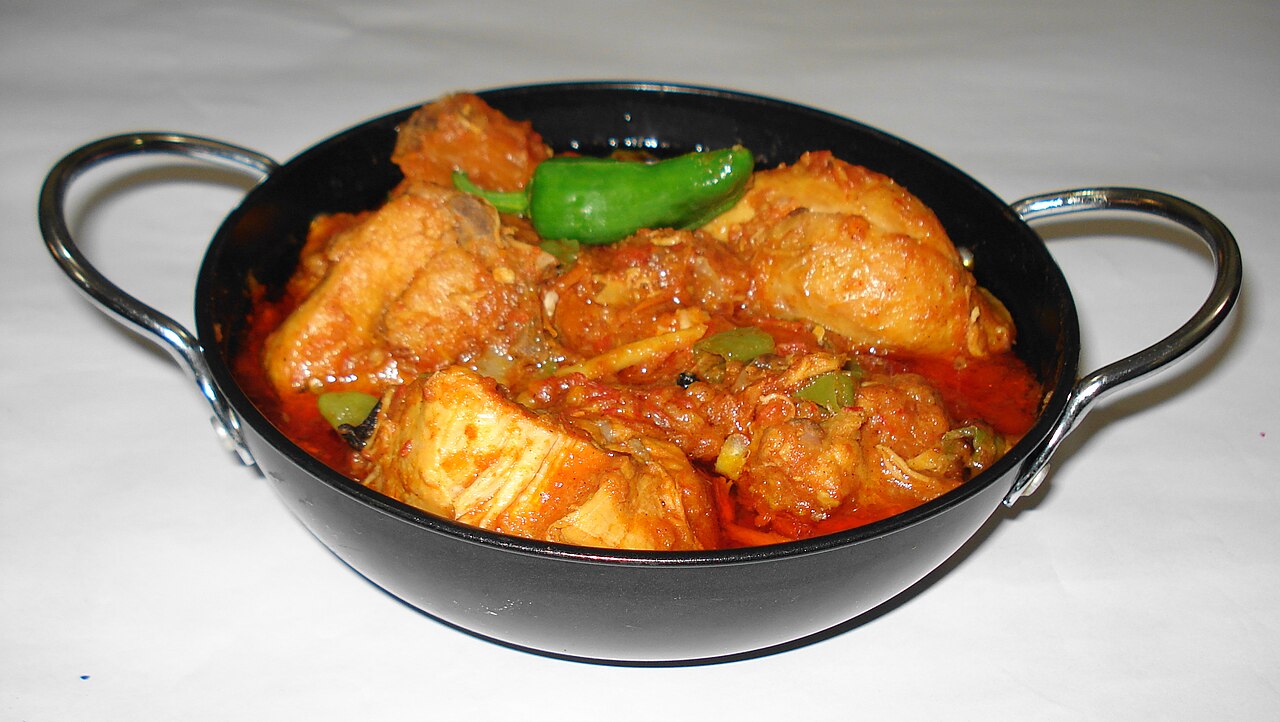
Chicken cooked quickly in a karahi, a deep round pan like a wok, with tomatoes, ginger, garlic and green chillies. Unlike most curries of the region, the traditional version has no onions. It is brought to the table in the pan and eaten with hot naan.
Made with lamb or goat instead of chicken it is called gosht karahi, a dish thought to come from the old North-West Frontier Province.
Mughal-era Delhi or Lucknow; brought to Karachi and Lahore by migrants in 1947
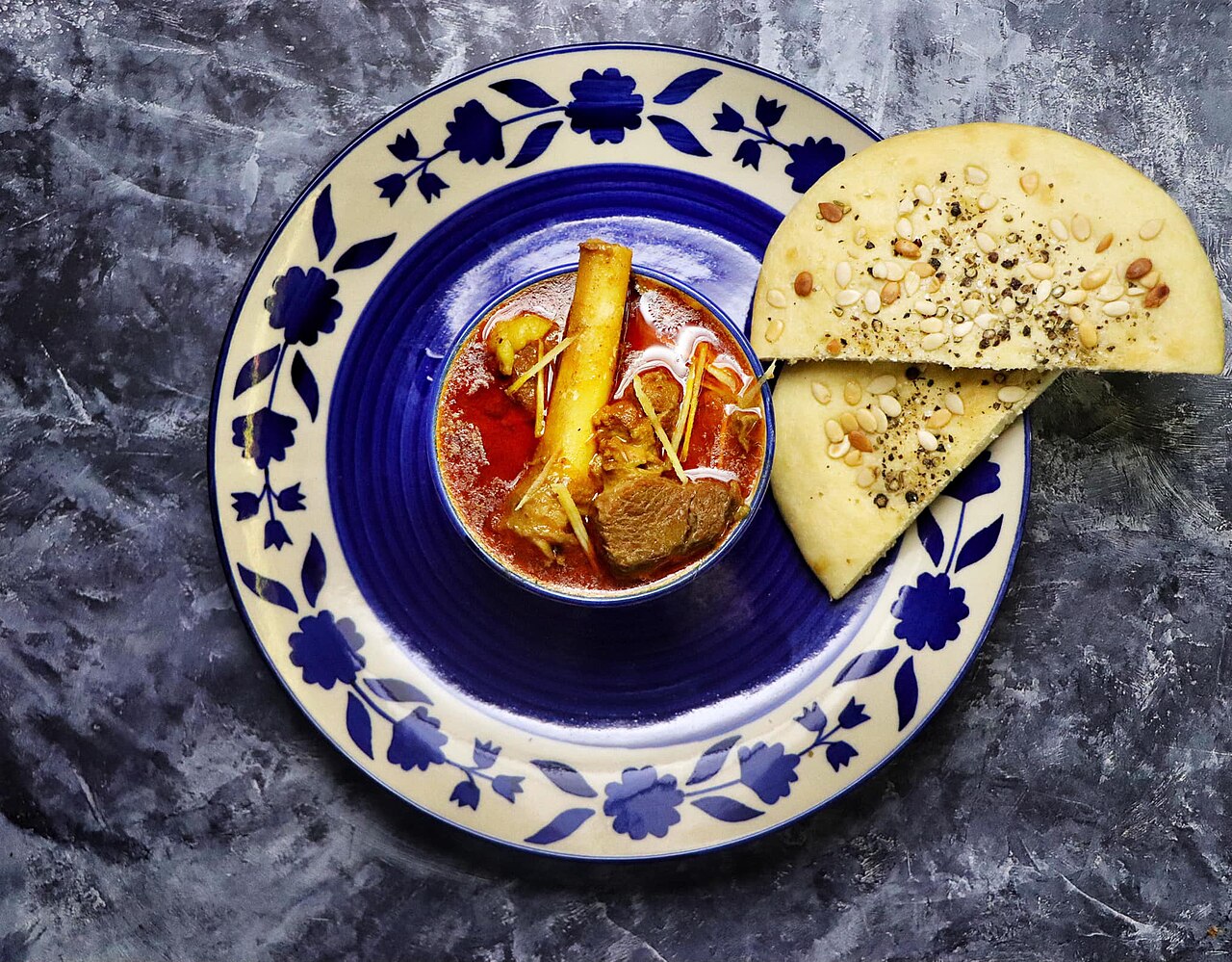
A deep, silky stew of beef or lamb shank cooked slowly for many hours, often overnight, with bone marrow and warm spices such as long pepper. It is topped with fresh ginger, green chillies, coriander and a squeeze of lemon, and eaten with naan.
The name comes from the Arabic word nahar, morning: nihari was first eaten as a breakfast after the dawn prayer.
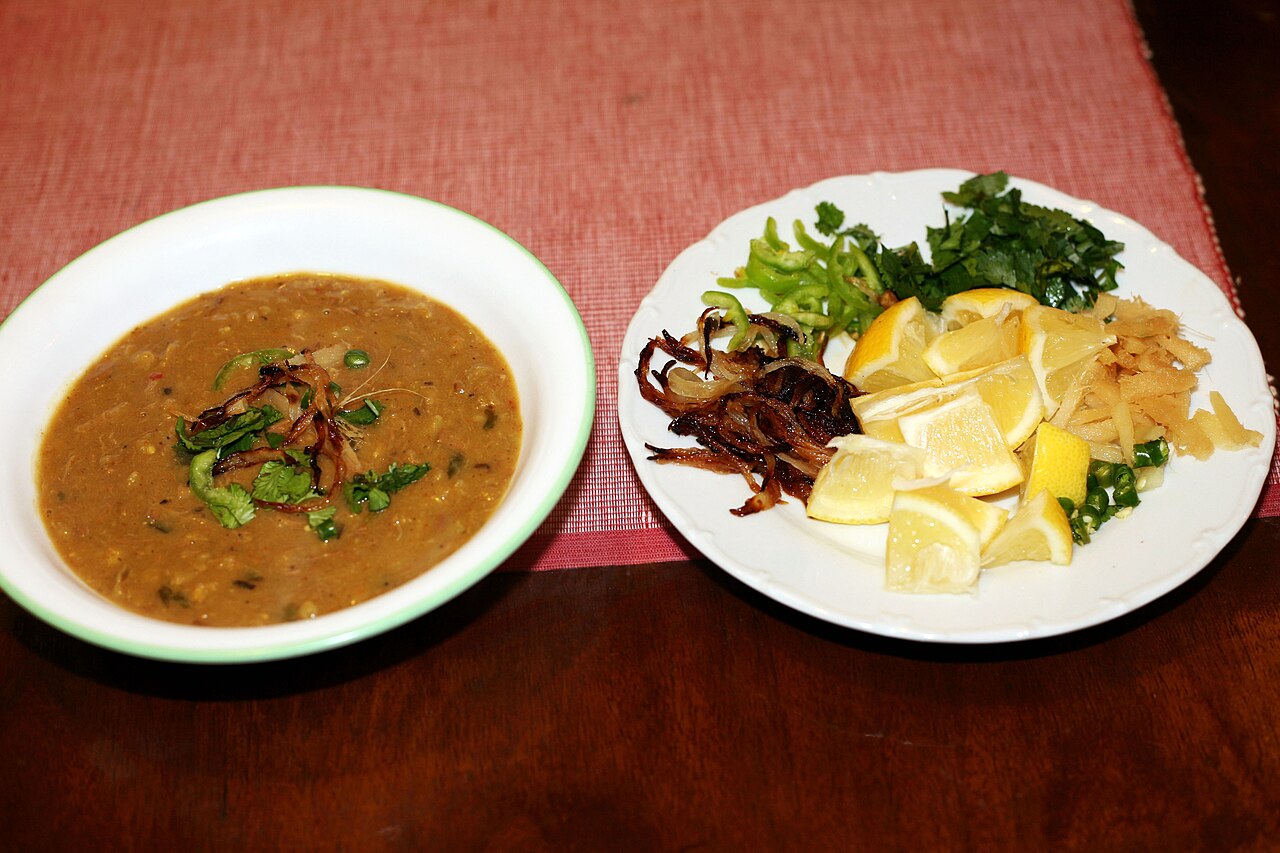
A thick, comforting stew of meat, wheat or barley and lentils, cooked slowly for seven or eight hours and then beaten until it becomes smooth. It is served with fried onions, ginger, green chillies and lemon, and is especially popular during Ramadan.
One of the earliest written recipes for its ancestor, harees, is in a 10th-century cookbook from Baghdad.
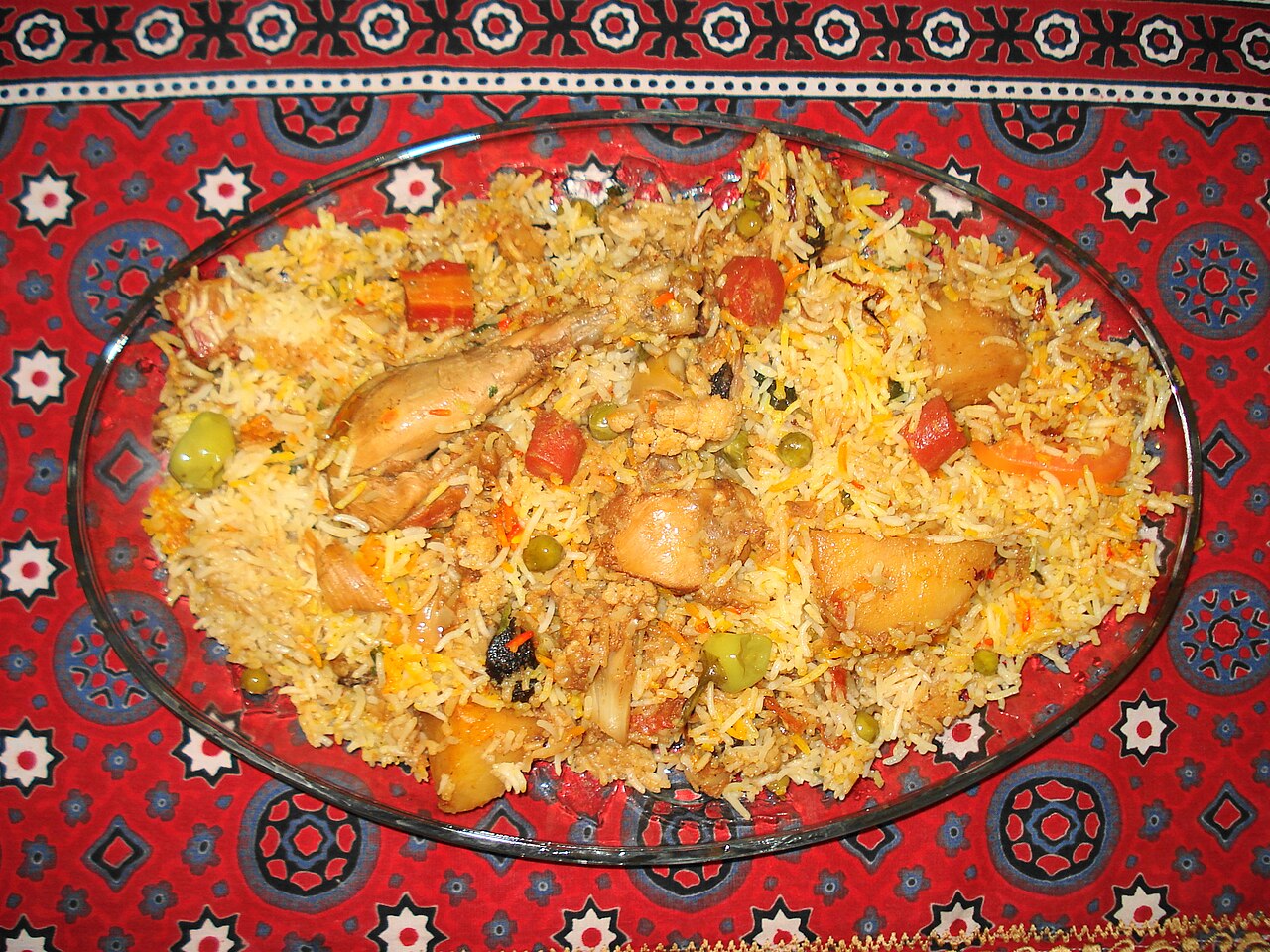
Layers of long-grain basmati rice and spicy meat, usually mutton or chicken, cooked with potatoes, tomatoes, yoghurt, fried onions and plenty of green chillies, and sometimes dried plums. It is one of the most eaten dishes in Pakistan.
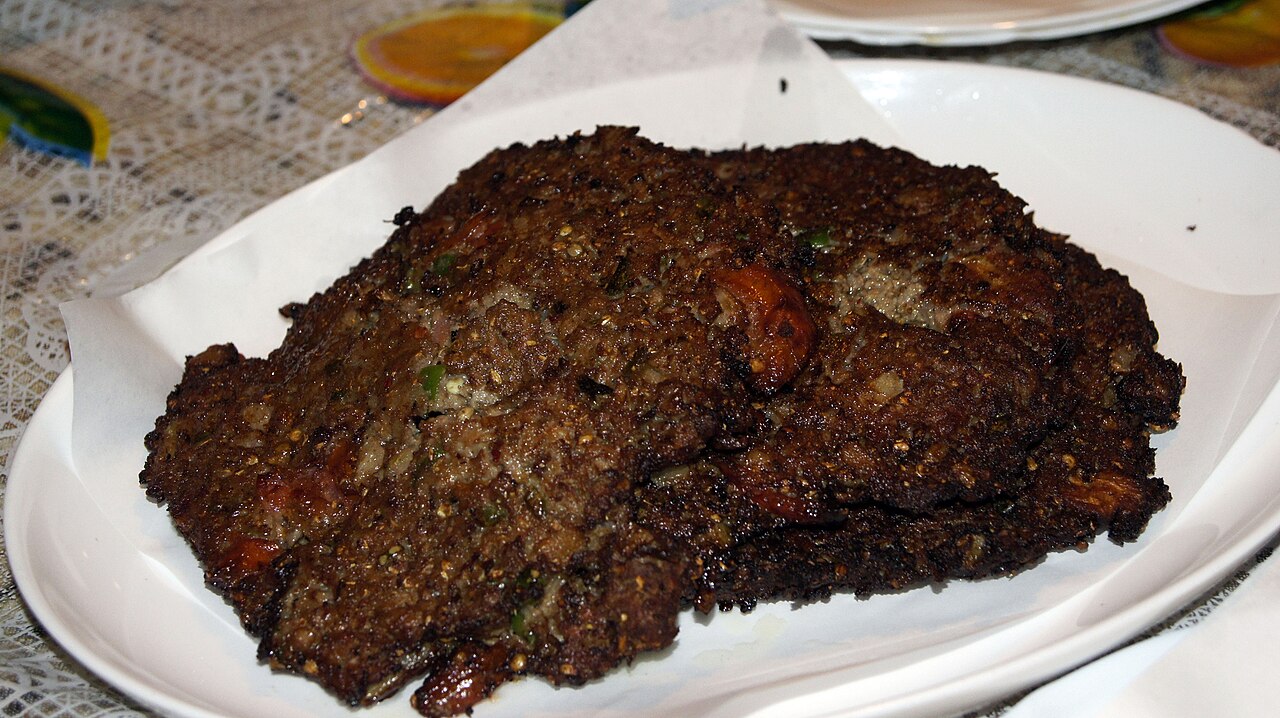
A large, flat patty of spiced minced beef or mutton with tomato, onion, green chilli, coriander and crushed coriander seeds, fried in fat until the edges are crisp. It is a favourite of Pashtun cooking and is eaten with naan and yoghurt chutney.
The name may come from the Pashto word for flat, or from chappal, the Urdu word for a sandal, which the kebab is said to resemble.
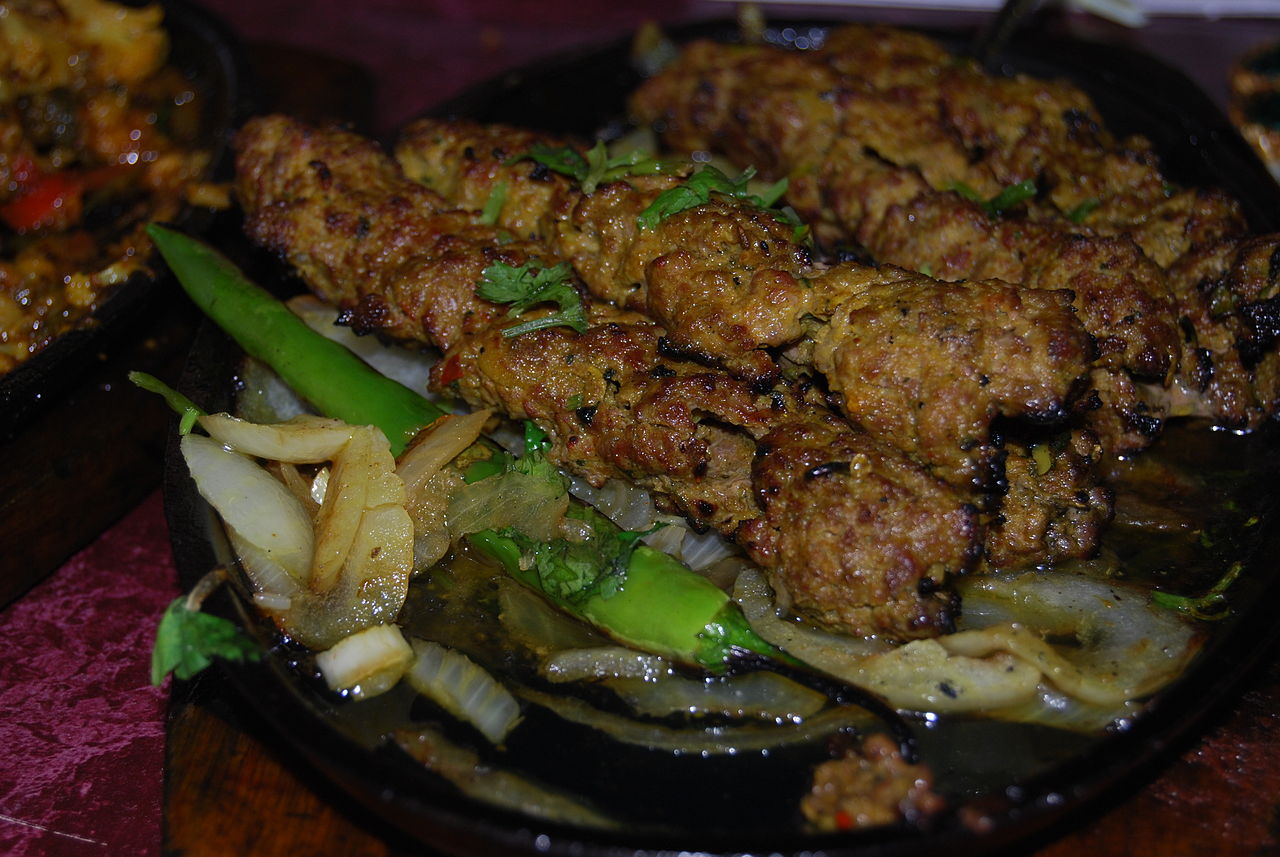
Minced beef, lamb or chicken mixed with ginger, garlic, green chilli, garam masala and fresh herbs, pressed around long metal skewers and grilled over charcoal. It is served with sliced onions, lemon, mint chutney and naan.
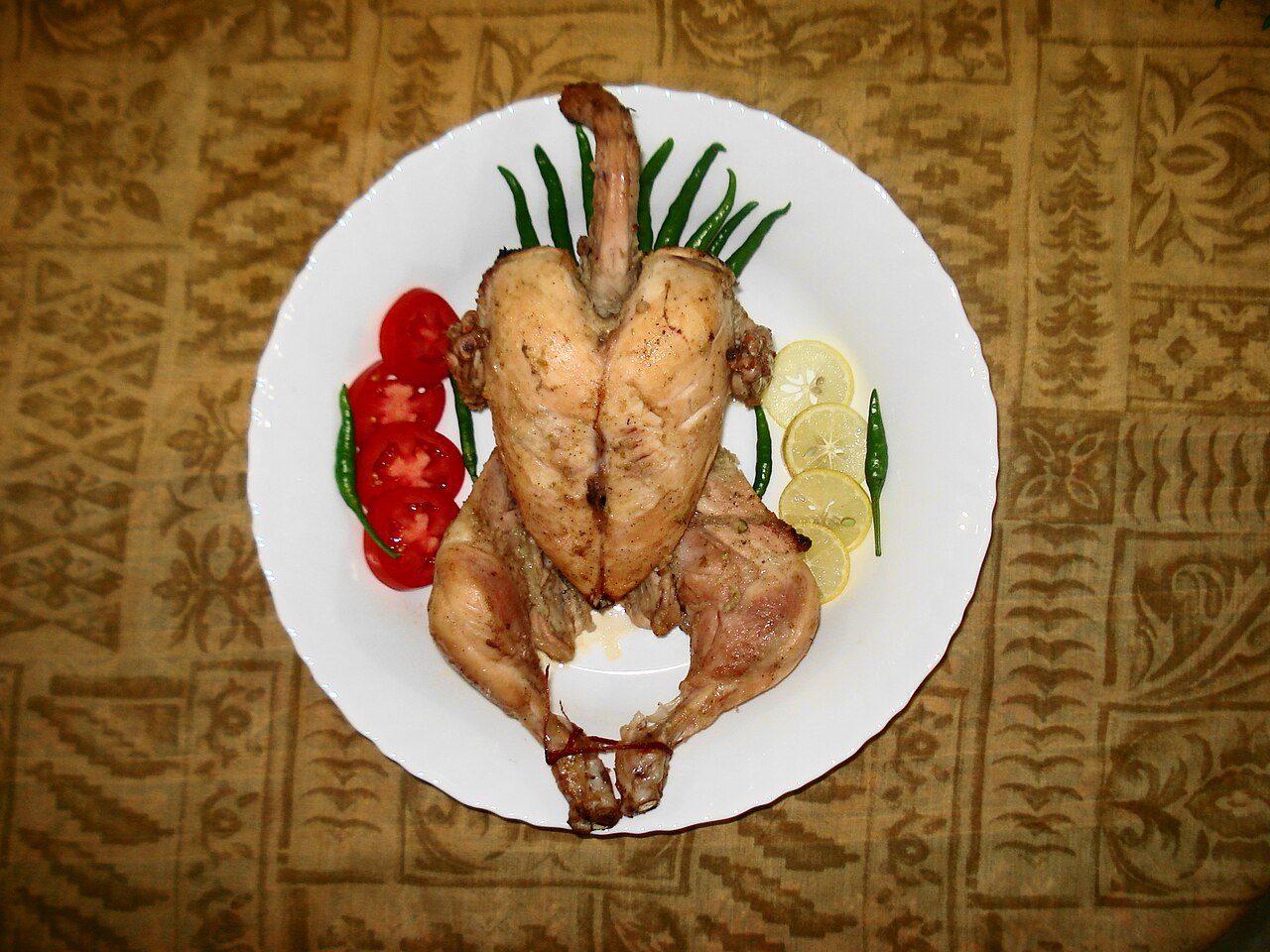
A whole leg of lamb or a whole chicken, seasoned with little more than salt, and roasted slowly on skewers until tender, often stuffed with rice. In Balochistan it is eaten with kaak, a hard bread, while in Karachi, Lahore and Islamabad it is usually chicken served with rice.
Balochi cooking is known for being aromatic but not spicy, unlike much of the food in the rest of Pakistan.
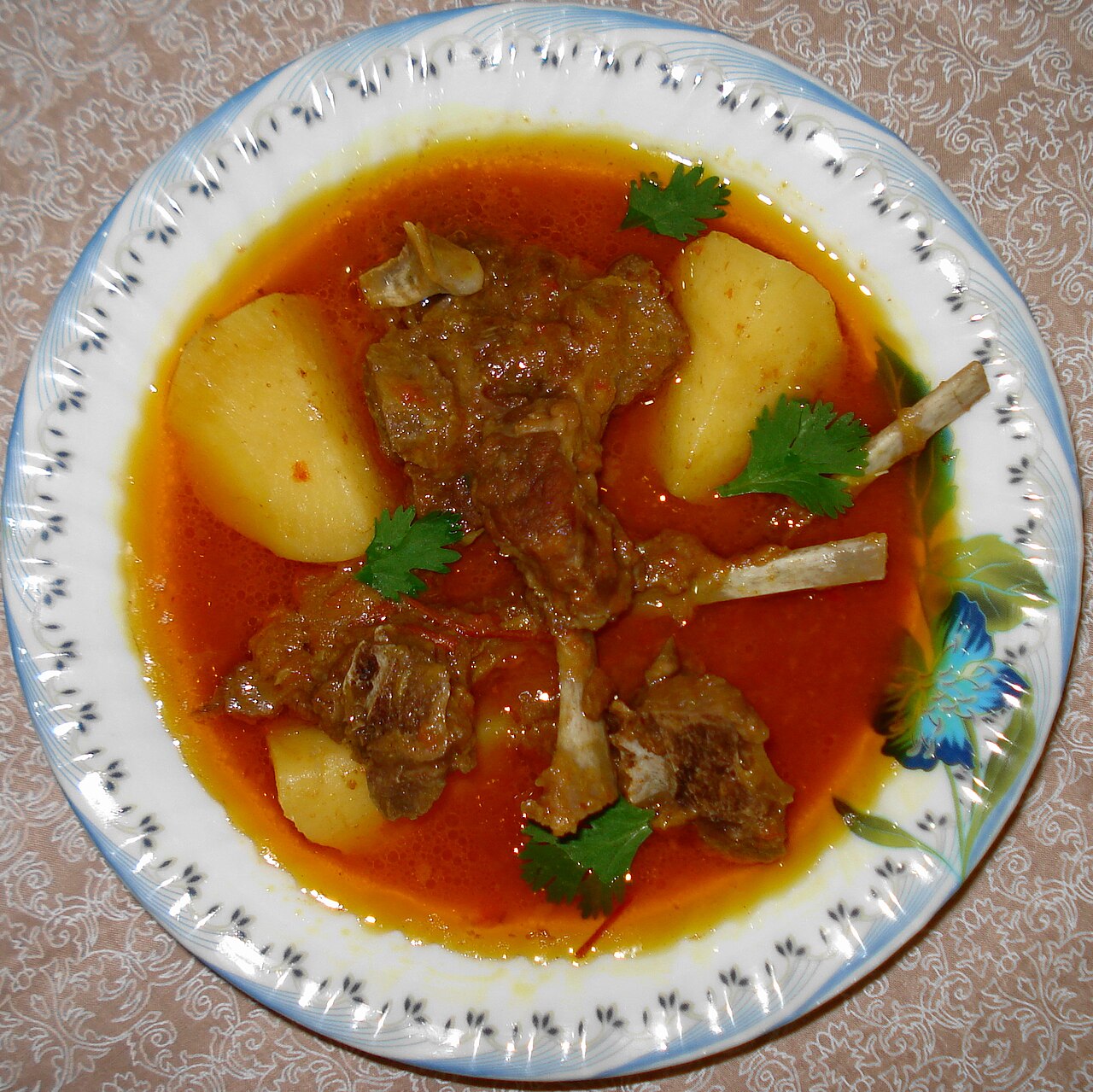
Everyday home cooking at its best: meat, usually lamb, mutton or beef, simmered with potatoes in a thin, spiced gravy until tender. It is eaten with roti or plain rice, and for many Pakistanis it tastes of home.
Aloo means potato and gosht means meat, so the name simply says what is in the pot.
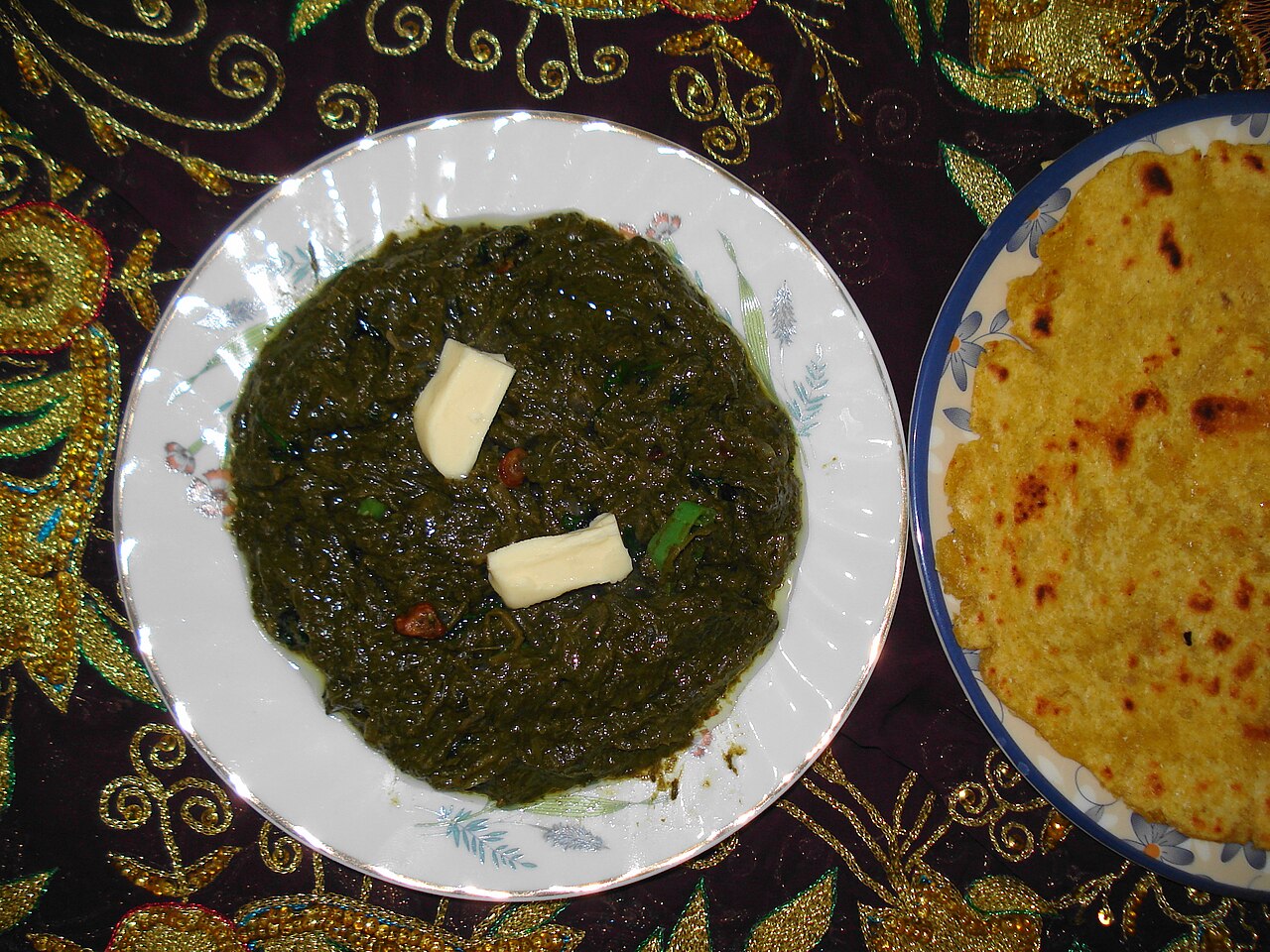
Mustard greens cooked for a long time with garlic, ginger and green chilli until soft and creamy, finished with ghee or butter. It is a warming winter dish and is traditionally eaten with makki ki roti, a yellow flatbread made from maize flour.
Mustard is harvested in winter and spring, so saag with maize bread is a classic of the Punjabi winter.
Across Pakistan, from a Persian and Central Asian pastry
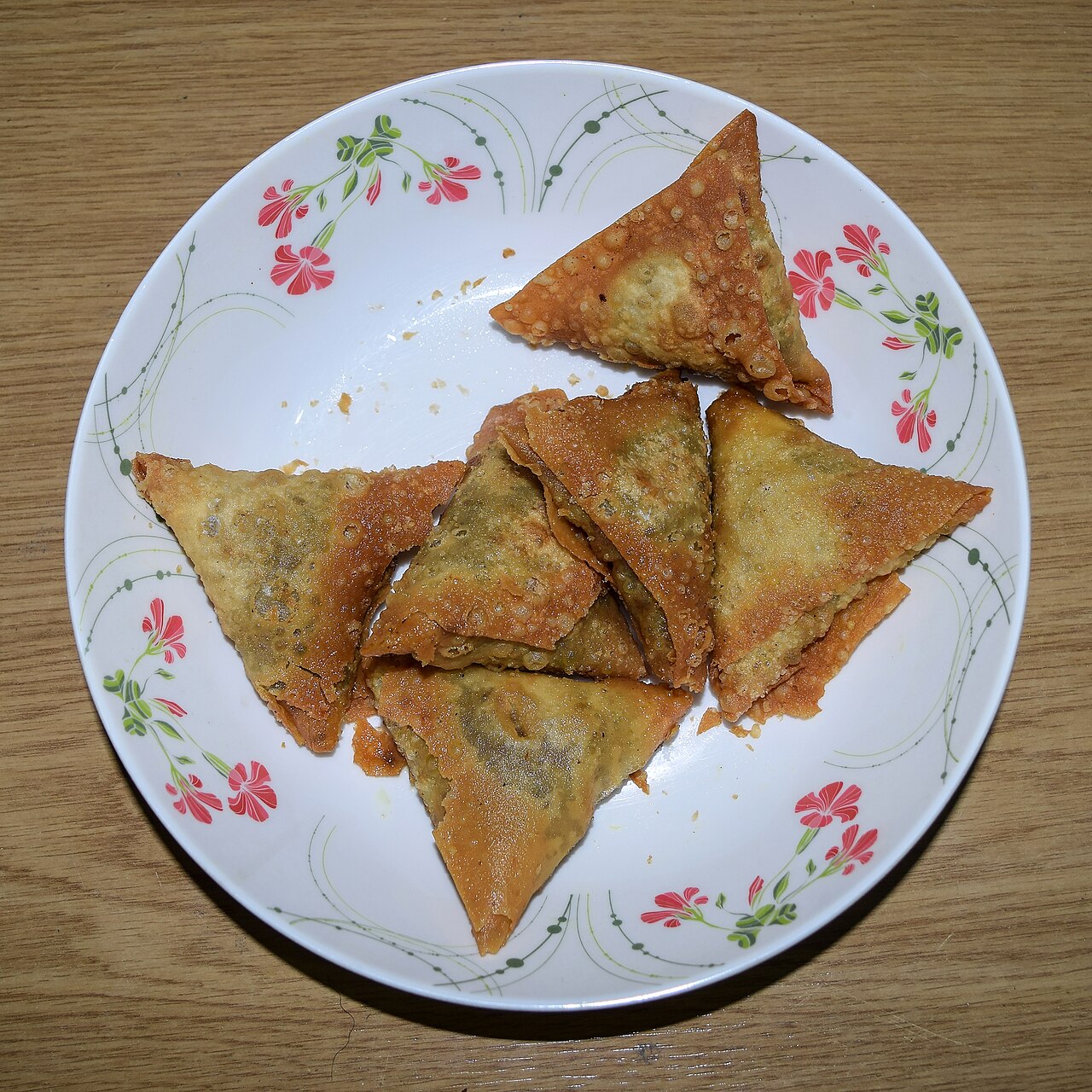
A crisp, triangular fried pastry filled with spiced potatoes and peas or with minced meat, eaten with tamarind or mint chutney. Samosas are sold at street stalls everywhere and are a favourite snack with a cup of tea.
The name goes back to the Middle Persian word sambosag, meaning triangular pastry.
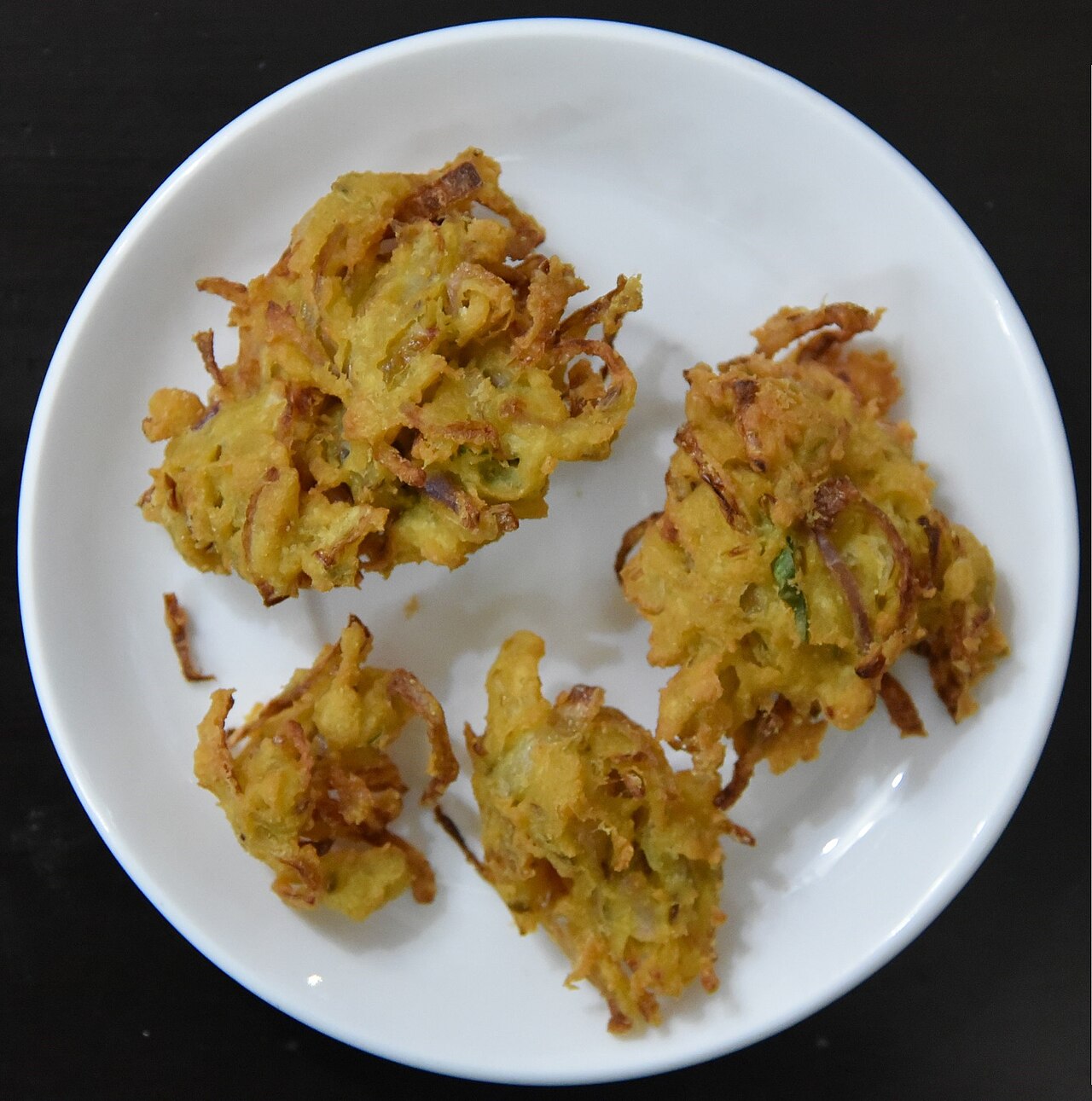
Fritters of onion, potato, spinach or chilli dipped in a spiced batter of gram flour, made from chickpeas, and deep-fried until crunchy. They are sold hot at street stalls and are a favourite treat with tea on a rainy day.
The word pakora comes from Sanskrit words meaning cooked and small lump.
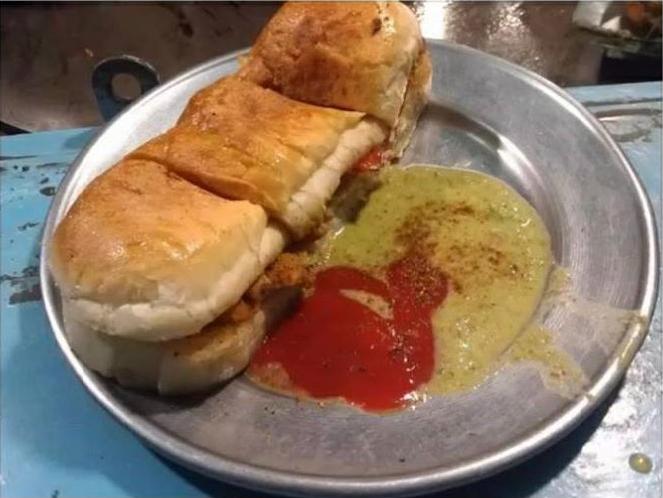
Pakistan's own burger: a soft bun with a fried patty of lentils and minced meat, often dipped in egg, topped with onions, chutney and a little salad. Street stalls in Karachi and Lahore sell it from morning until late at night.
With the egg-dipped patty it is often called an anday wala burger, egg burger. Burns Road in Karachi is especially famous for it.
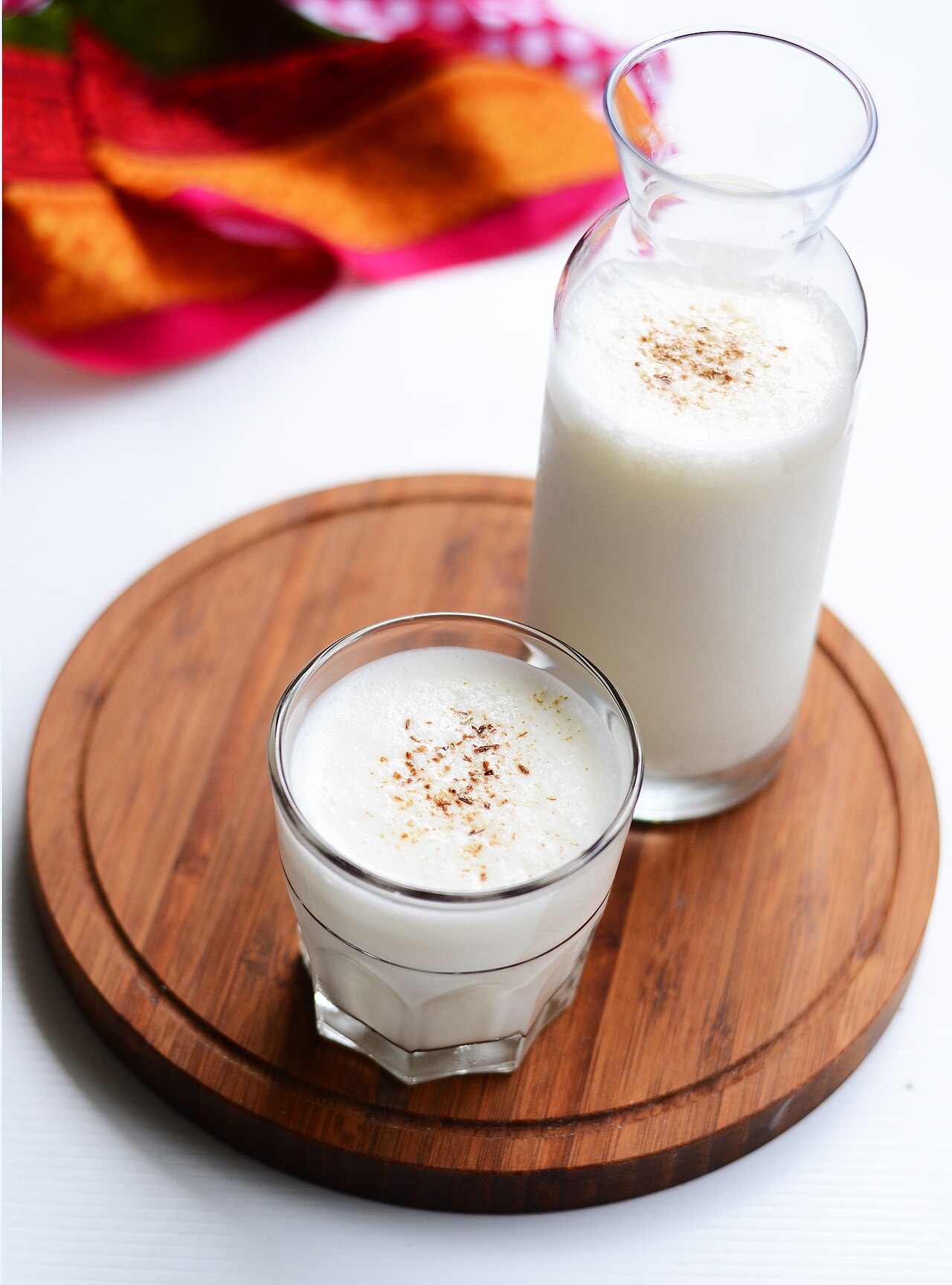
A cool drink of yoghurt blended with water, either salty with a pinch of cumin or sweet with sugar and sometimes rose water or mango. In Punjab it is traditionally made from buffalo milk yoghurt and served in a clay cup.
A tall glass of lassi is the classic way to cool down in the Punjabi summer, when temperatures can pass 40°C.
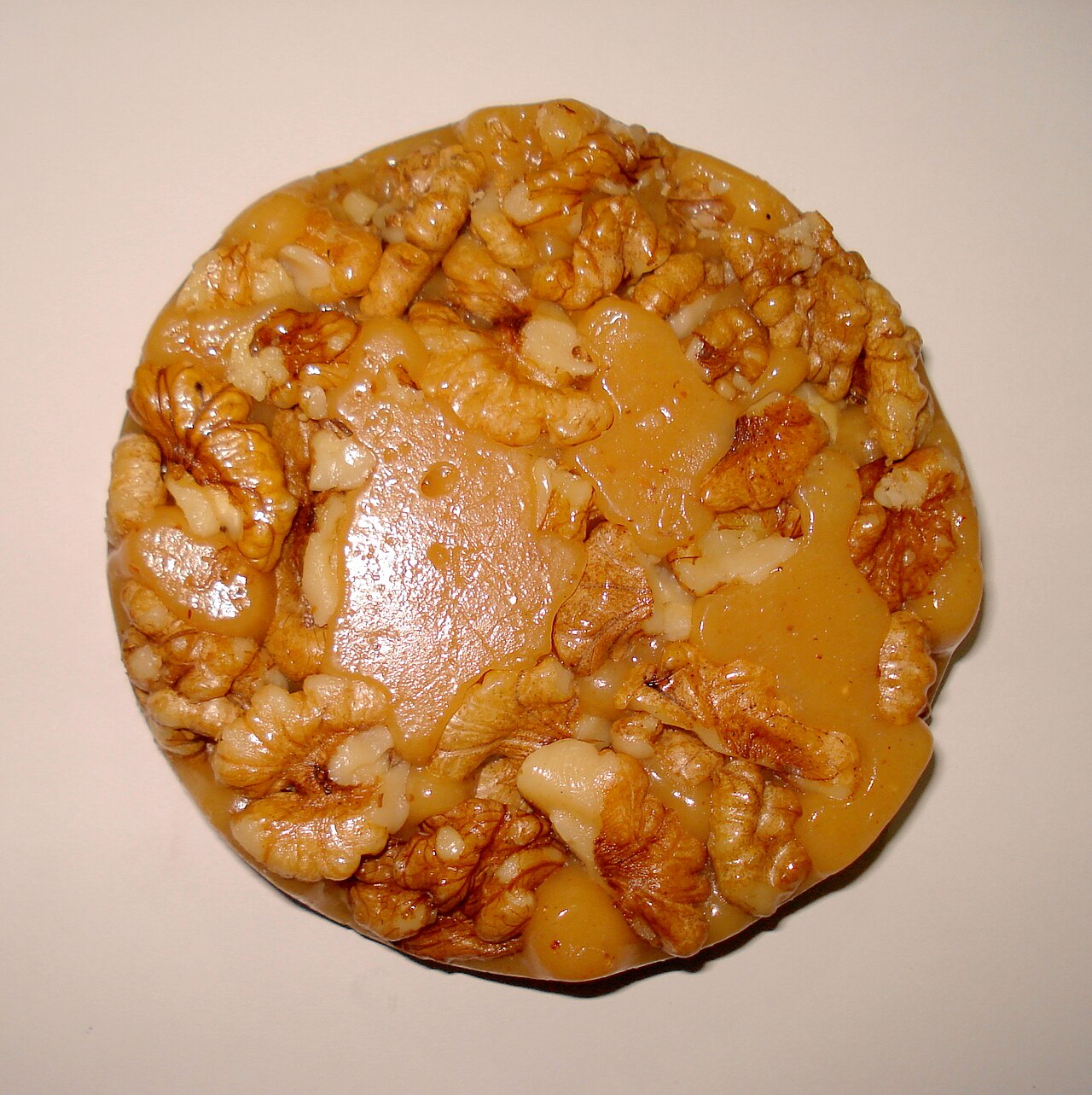
A dense, chewy sweet made by boiling milk, sugar and cornflour with plenty of ghee until it sets, flavoured with saffron and cardamom and topped with almonds and pistachios. Multan's sohan halwa is sold in round tins and taken home as a gift from the city.
Unlike most halwas, which are soft, sohan halwa is firm enough to break into pieces.
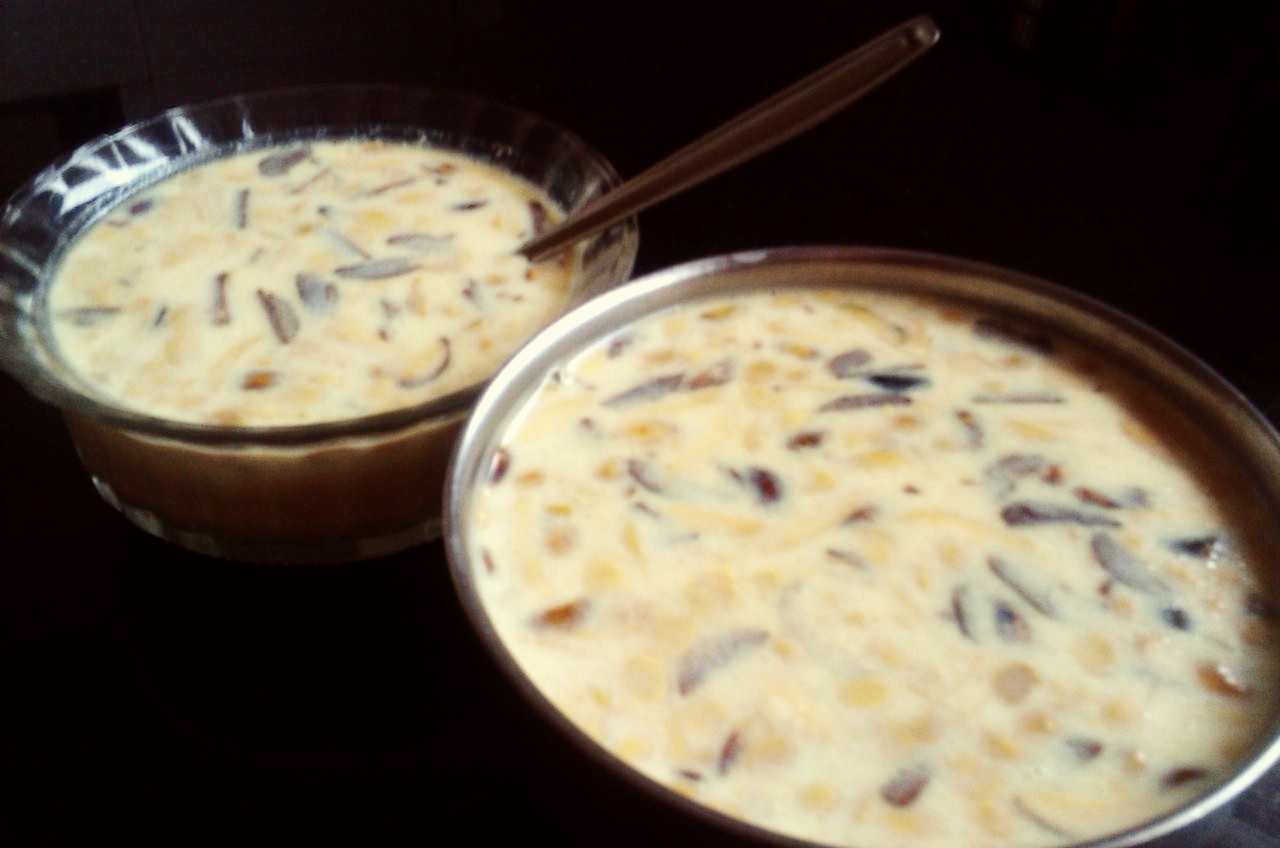
A festive pudding of thin vermicelli cooked in milk with dates, sugar, cardamom and nuts. On the morning of Eid, after the prayer, families serve it for breakfast and offer it to every guest who calls that day.
Eat and pass food with your right hand. The left hand is seen as unclean for eating, so keep it for other tasks.
Wash your hands before and after the meal. At many homes and restaurants a basin is offered, and bread is torn with the fingers of the right hand and used to scoop up curry.
Hospitality is a point of honour. Your host will offer more food again and again; leaving a little on your plate shows you have had enough.
Food is halal. Do not bring pork or alcohol as a gift, and ask before offering food to others.
During Ramadan most Muslims fast from dawn to sunset. Avoid eating, drinking or smoking in public during the day, and if you are invited to iftar, the evening meal, arrive on time: the fast is broken at the call to prayer, often with a date and water.
Tea is offered to almost every guest, in homes and even in shops. Accepting a cup is polite, and refusing everything may seem cold.