Kenyan home cooking is simple and filling. The day often starts with tea and bread, chapati or mandazi, and many people stop for more tea in the middle of the morning and the afternoon. Lunch and supper are very often ugali, a stiff maize porridge, served with greens, beans, a stew, fish or grilled meat. Each region has its own favourites: fish around Lake Victoria, sour milk in the Rift Valley, and spiced rice and coconut on the Swahili coast, where Arab and Indian influences are strongest.
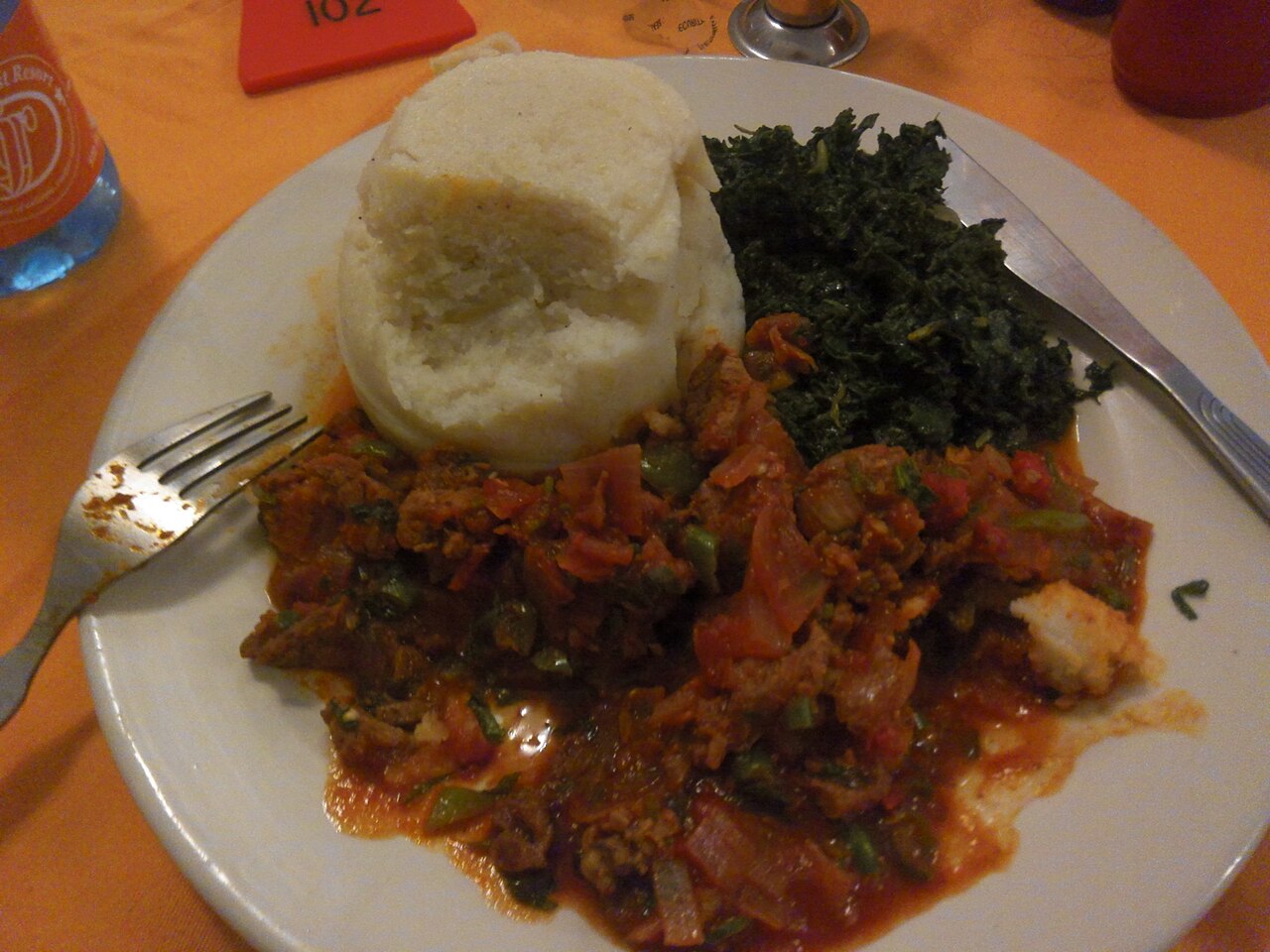
Maize flour cooked in boiling water until it becomes a firm, smooth dough. It is served in a round mound, and pieces are pulled off with the right hand, rolled into a ball and used to scoop up stew or greens.
The same dish is called nsima in Malawi, sadza in Zimbabwe and pap in South Africa. Maize itself was brought to Africa from the Americas by the Portuguese.
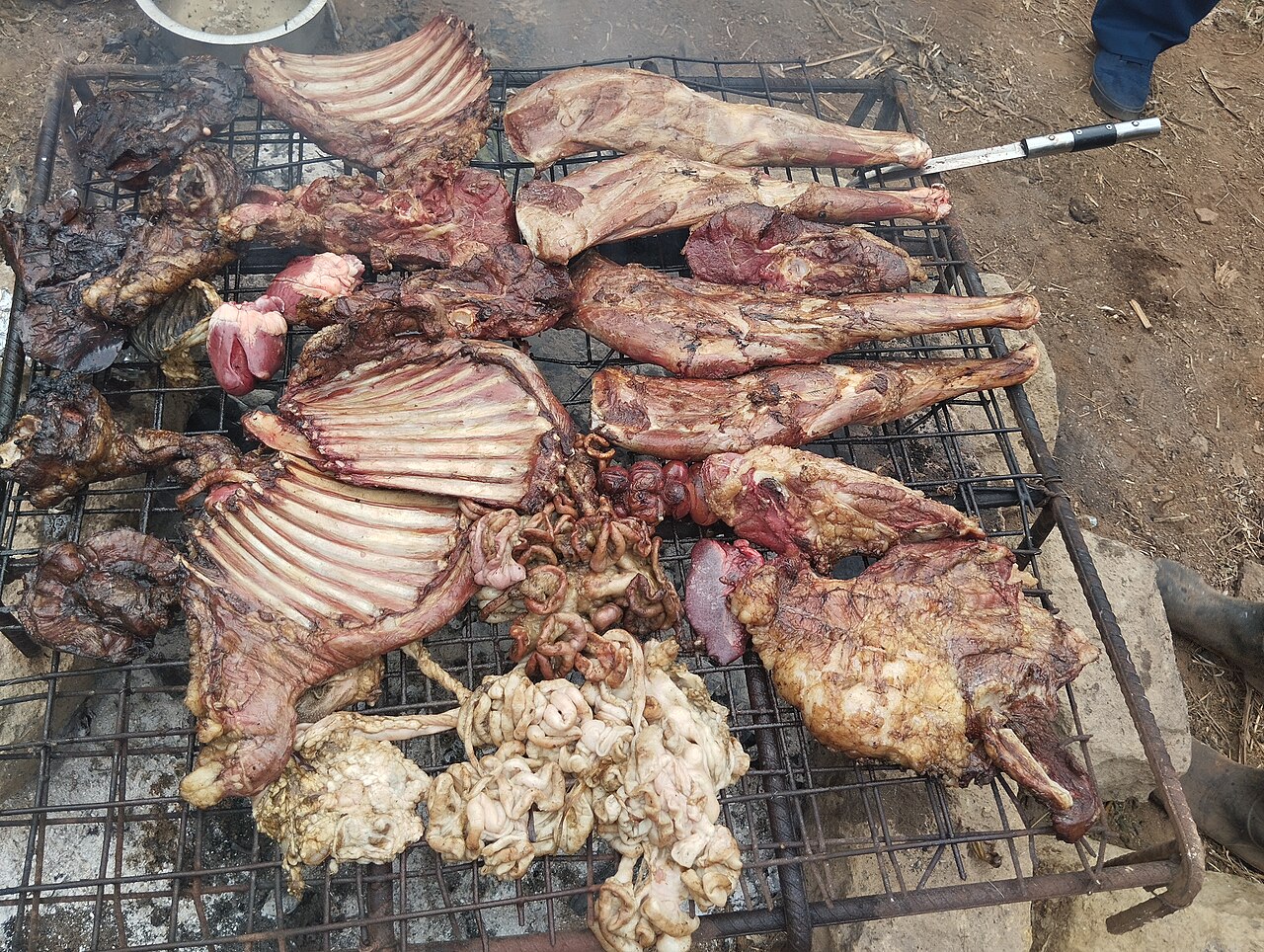
Goat meat or beef slow-grilled over charcoal or wood, cut into bite-sized pieces and eaten with the hands, usually with ugali and a fresh kachumbari salad. Grilling it is a social event, and many people consider it the national dish.
Nyama choma means 'grilled meat' in Swahili. In Kenya goat is the favourite meat for it.
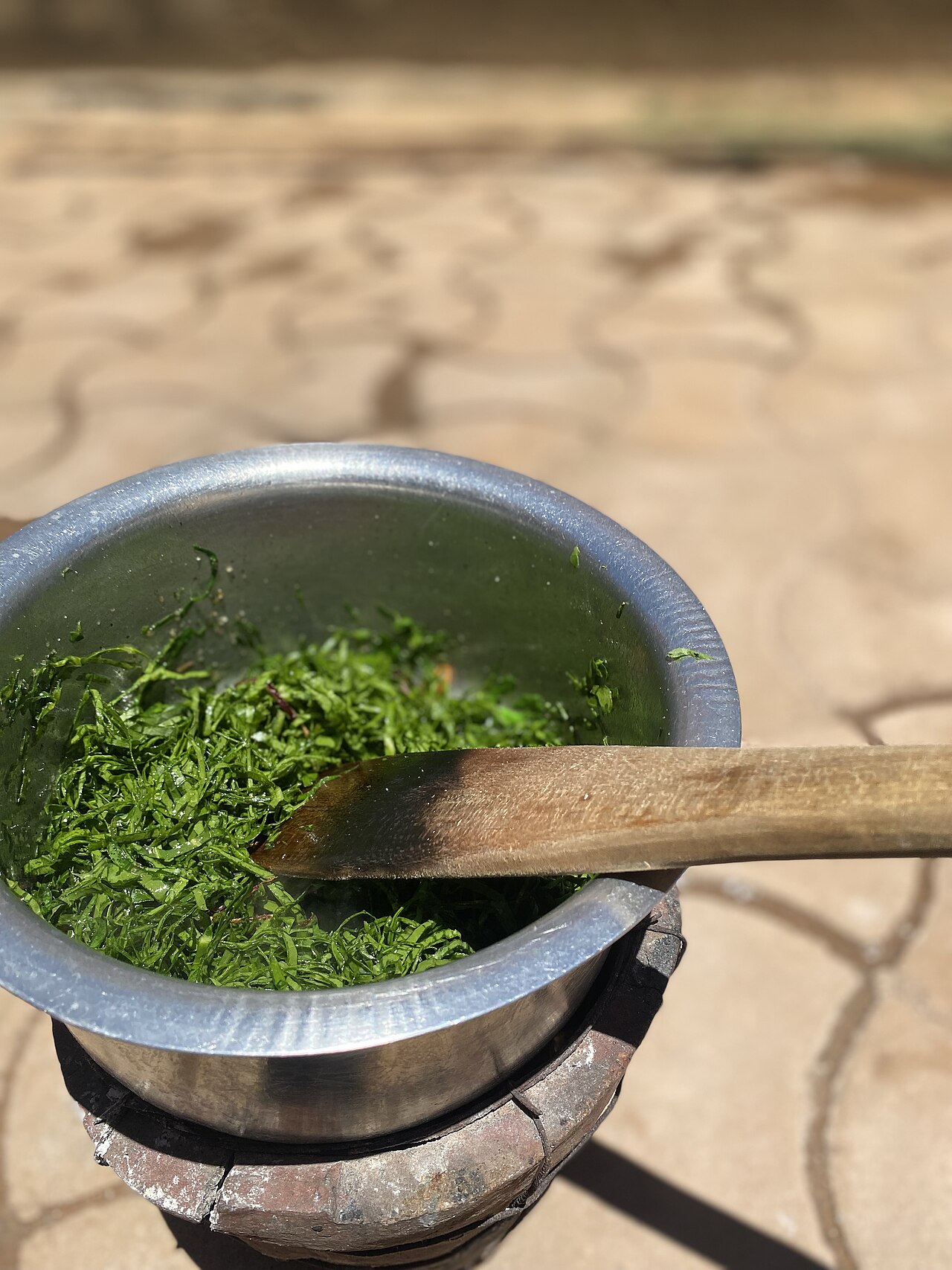
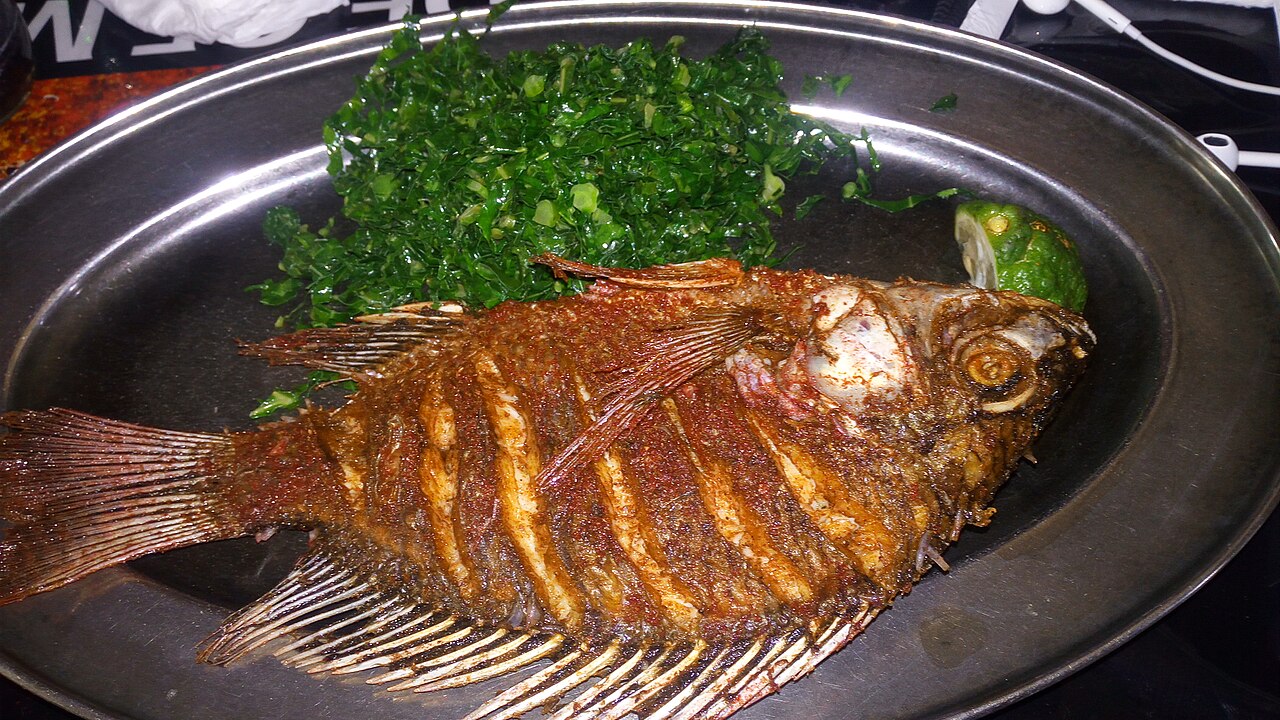
Collard greens, or kale, chopped finely and fried with onions and tomatoes. It is cheap, grows all year round and is eaten with ugali in homes across the country.
The name means 'push the week' or 'stretch the week' in Swahili, because the greens help a family's money last until the end of the week.
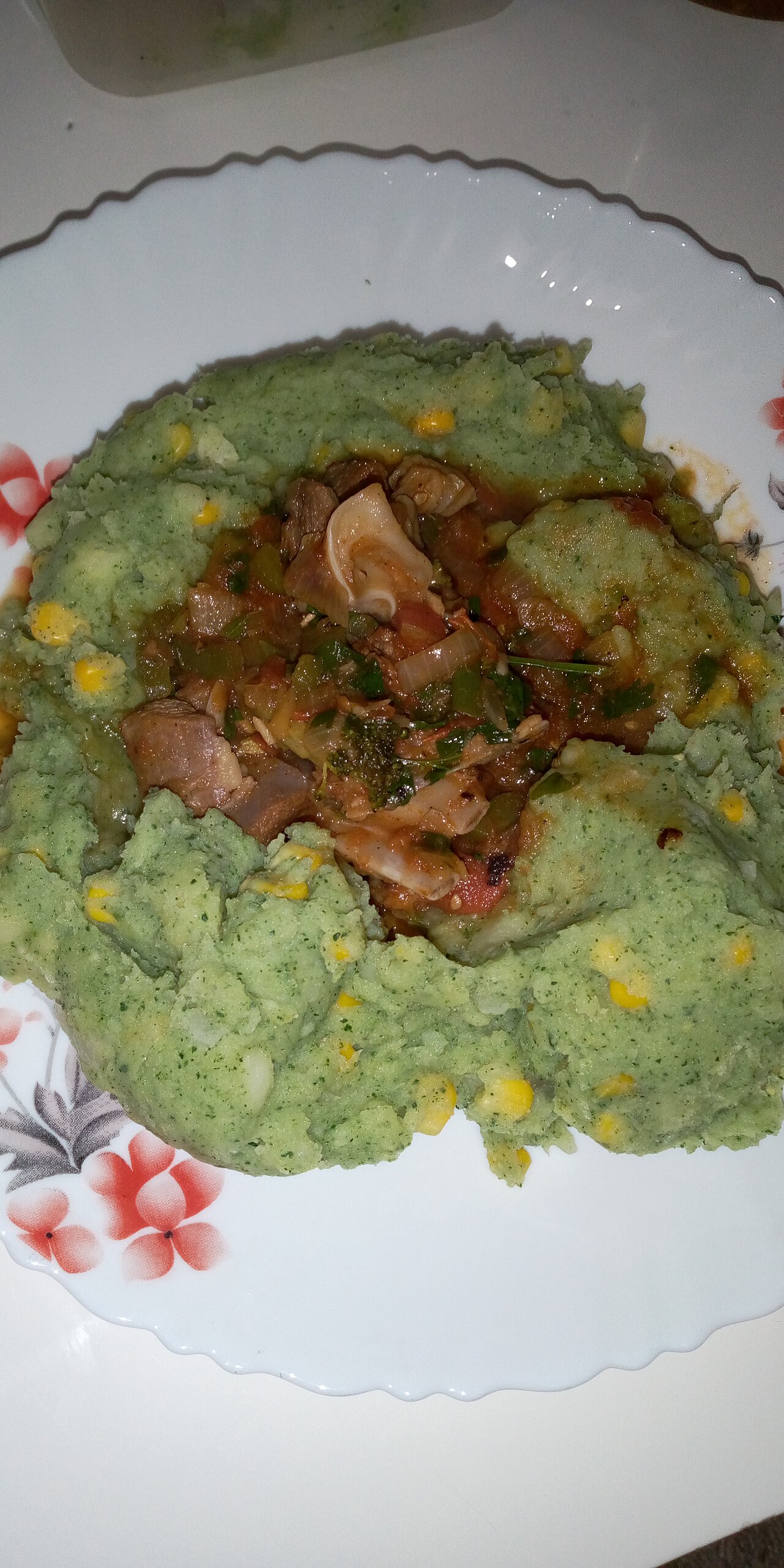
Potatoes mashed with green vegetables such as pumpkin leaves, peas or spinach, and often maize and beans, giving it a bright green colour. It is served with stew or nyama choma.
Brought from the Indian subcontinent; now eaten all over Kenya
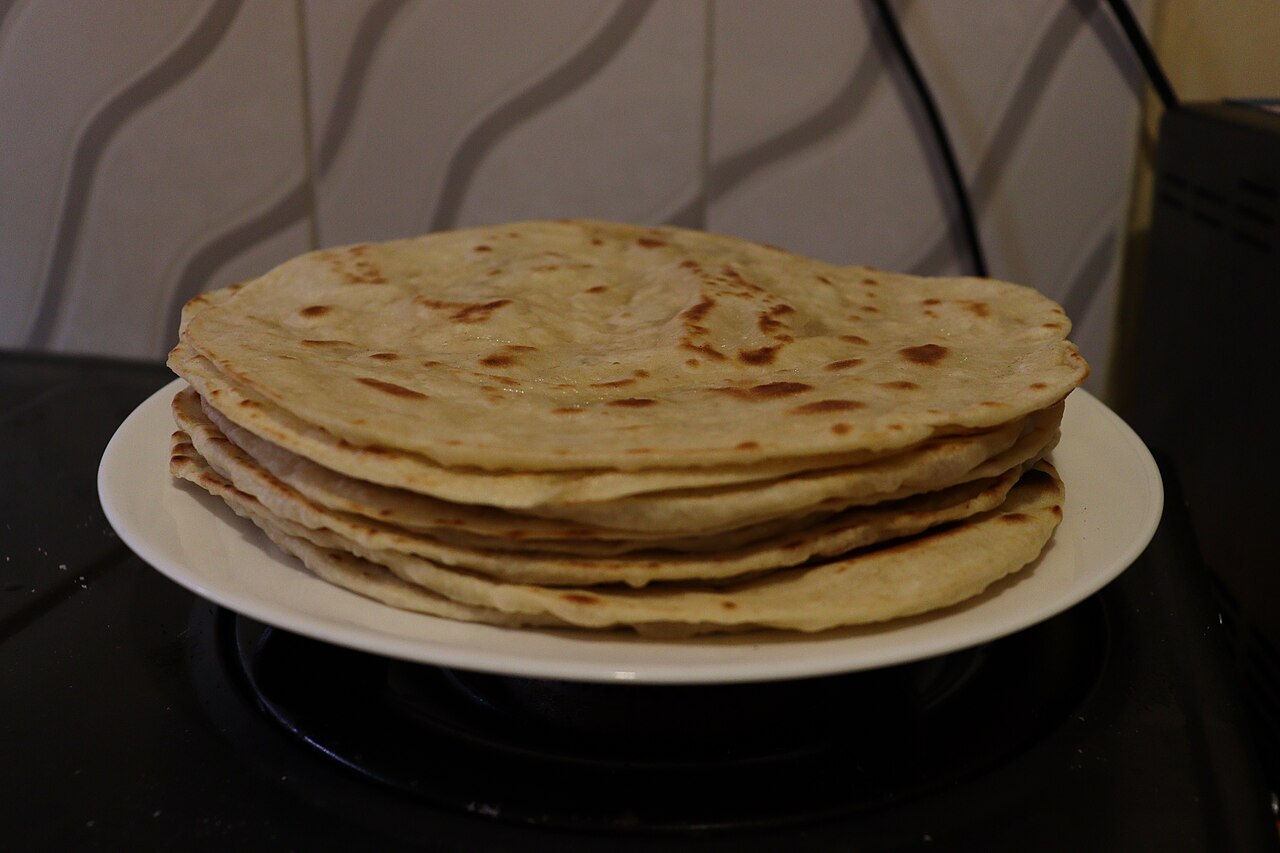
A soft, layered flatbread made from wheat flour and fried in a little oil on a flat pan. In Kenya it is richer and flakier than the Indian original, and it is a favourite for breakfast, with tea, or at celebrations.
Chapati came to East Africa through trade and with Indian workers who came to build the railway in the 1890s.
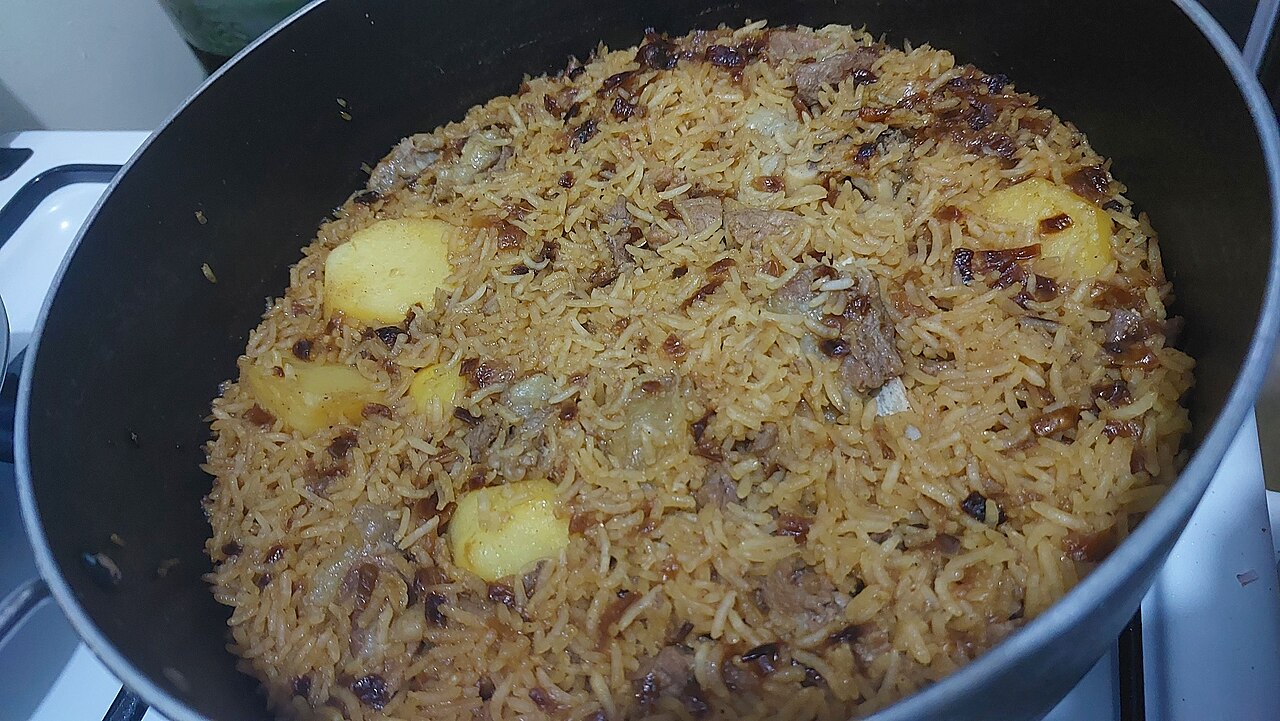
Rice cooked in a meat broth with a spice mix of cumin, cardamom, cinnamon, cloves and black pepper, which turns it a warm brown colour. It is made with beef, chicken or fish, or without meat, and served at weddings and festivals with kachumbari.
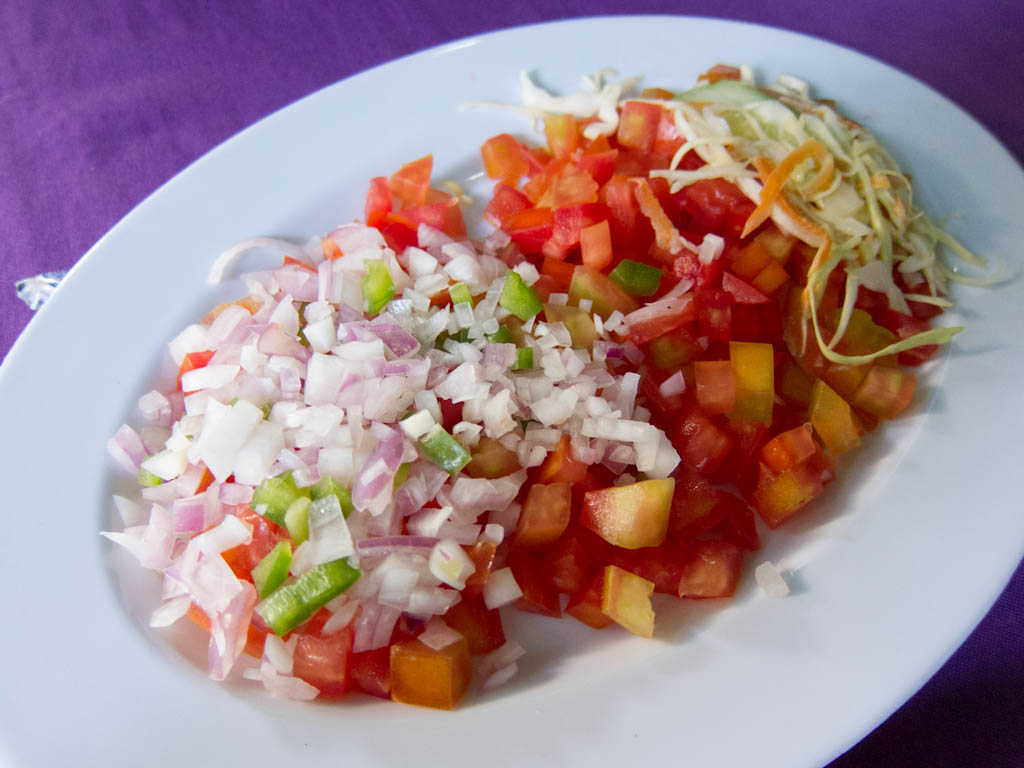
A fresh, uncooked salad of chopped tomatoes, onions and chilli, with lemon or lime juice, coriander and salt. It is served with nyama choma, pilau and ugali to add freshness.
The Swahili word kachumbari comes from the Indian word cachumber, the name of a similar salad.
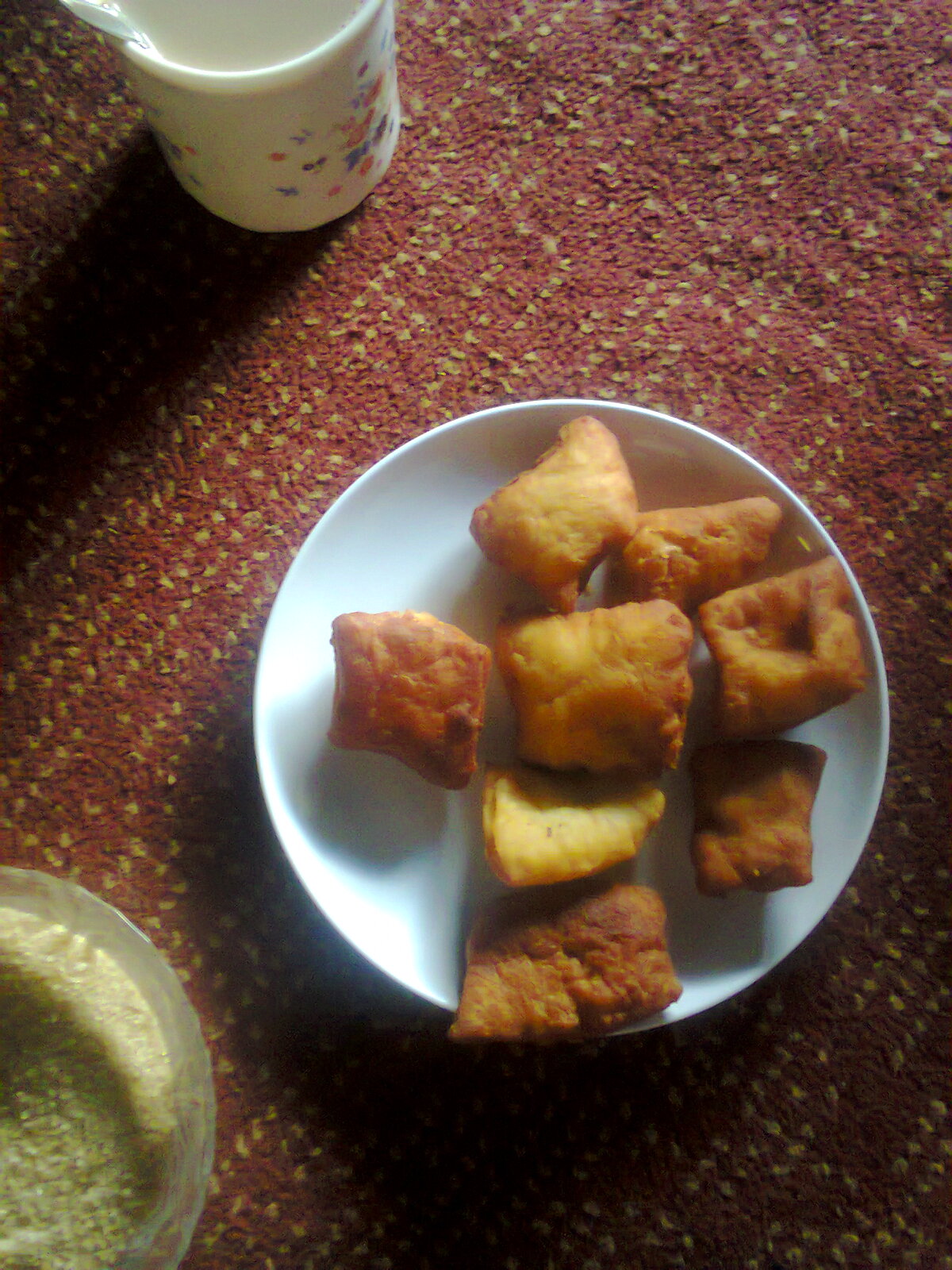
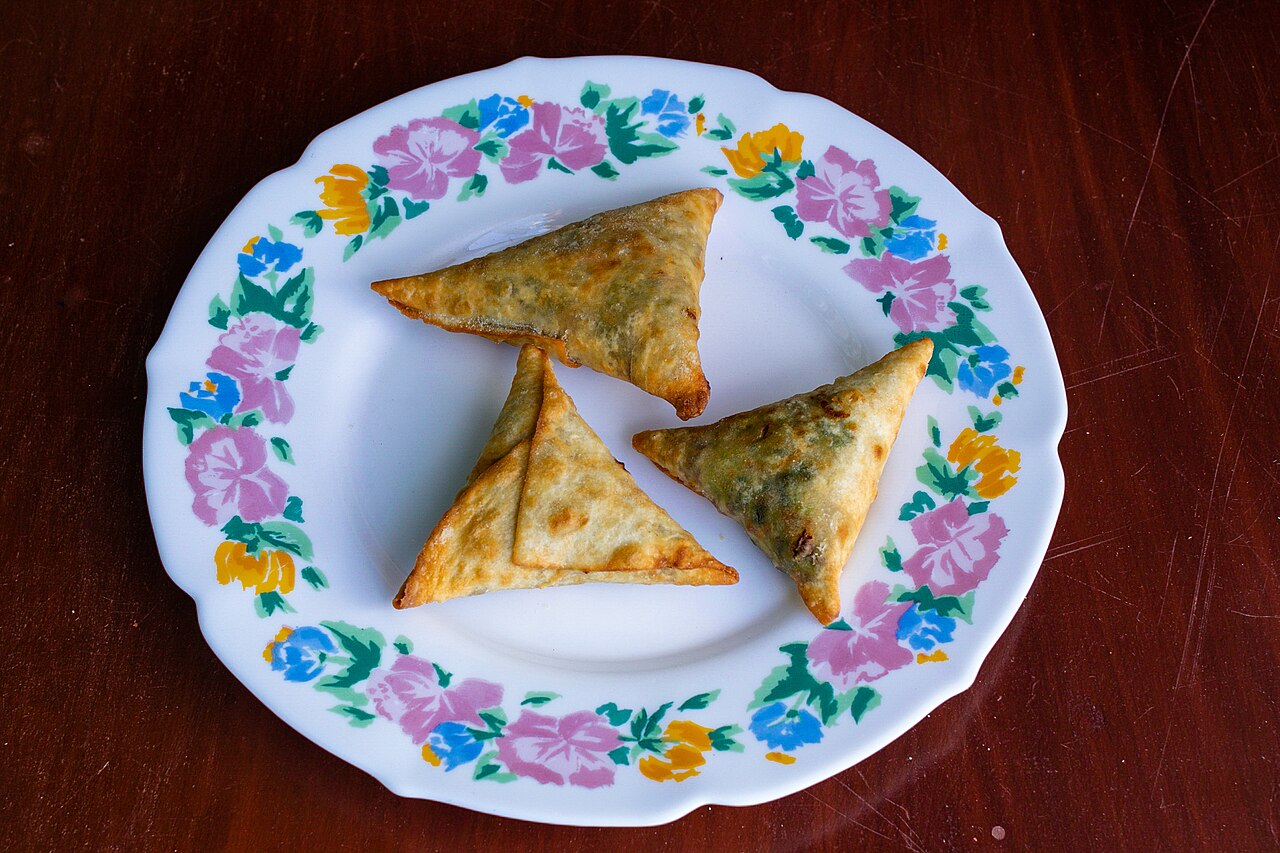
A lightly sweet fried dough, often shaped in triangles, sometimes flavoured with cardamom or coconut milk. It is less sweet than a doughnut and is eaten for breakfast or with tea.
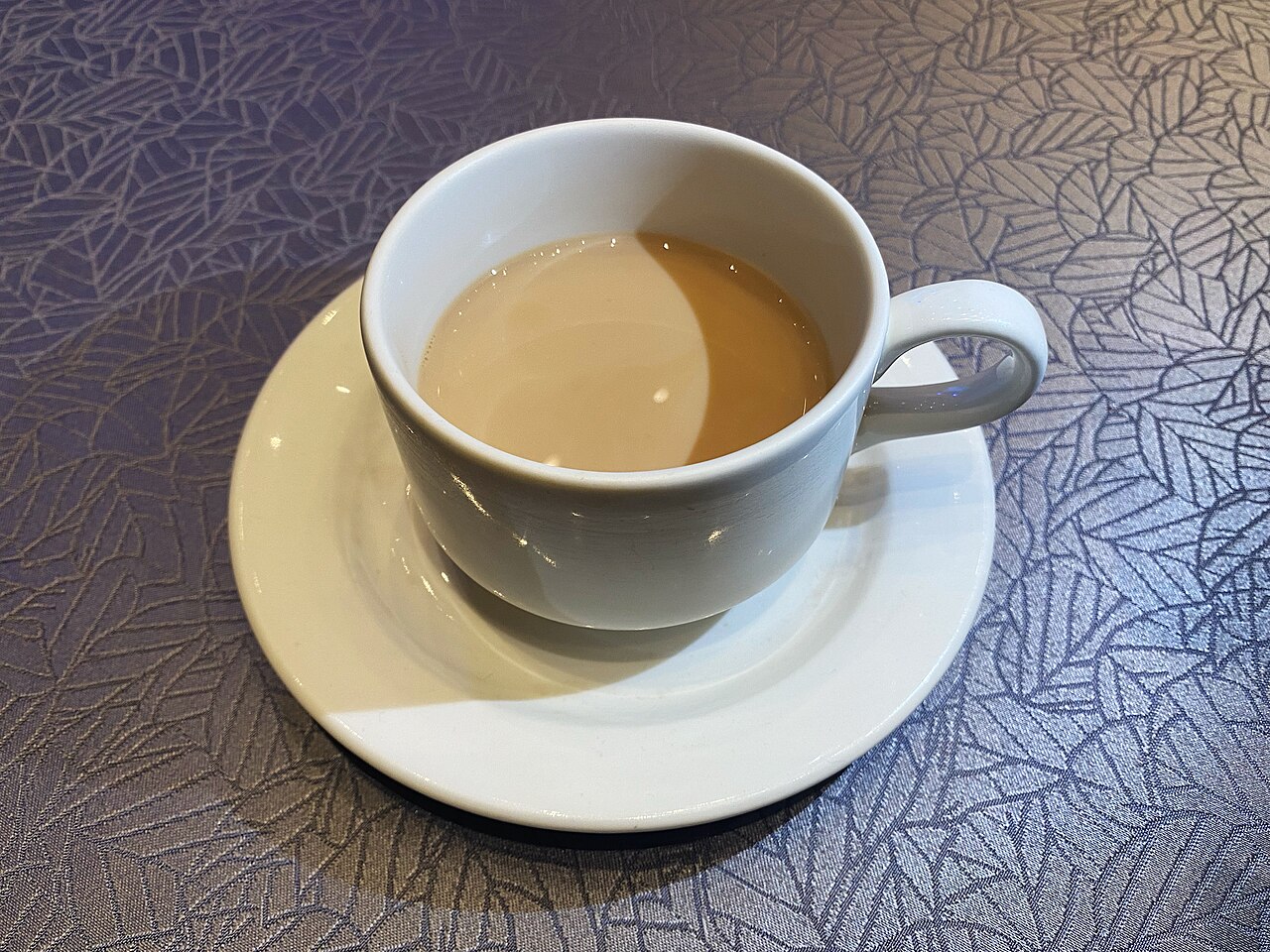
Kenyan black tea boiled together with milk and sugar, sometimes with ginger or cardamom. It is drunk at breakfast and again during the day, and is offered to every guest.
Tea was first planted in Kenya in 1903, at Limuru near Nairobi. Today Kenya is one of the world's leading exporters of black tea.
The central highlands, around Mount Kenya and Nyeri
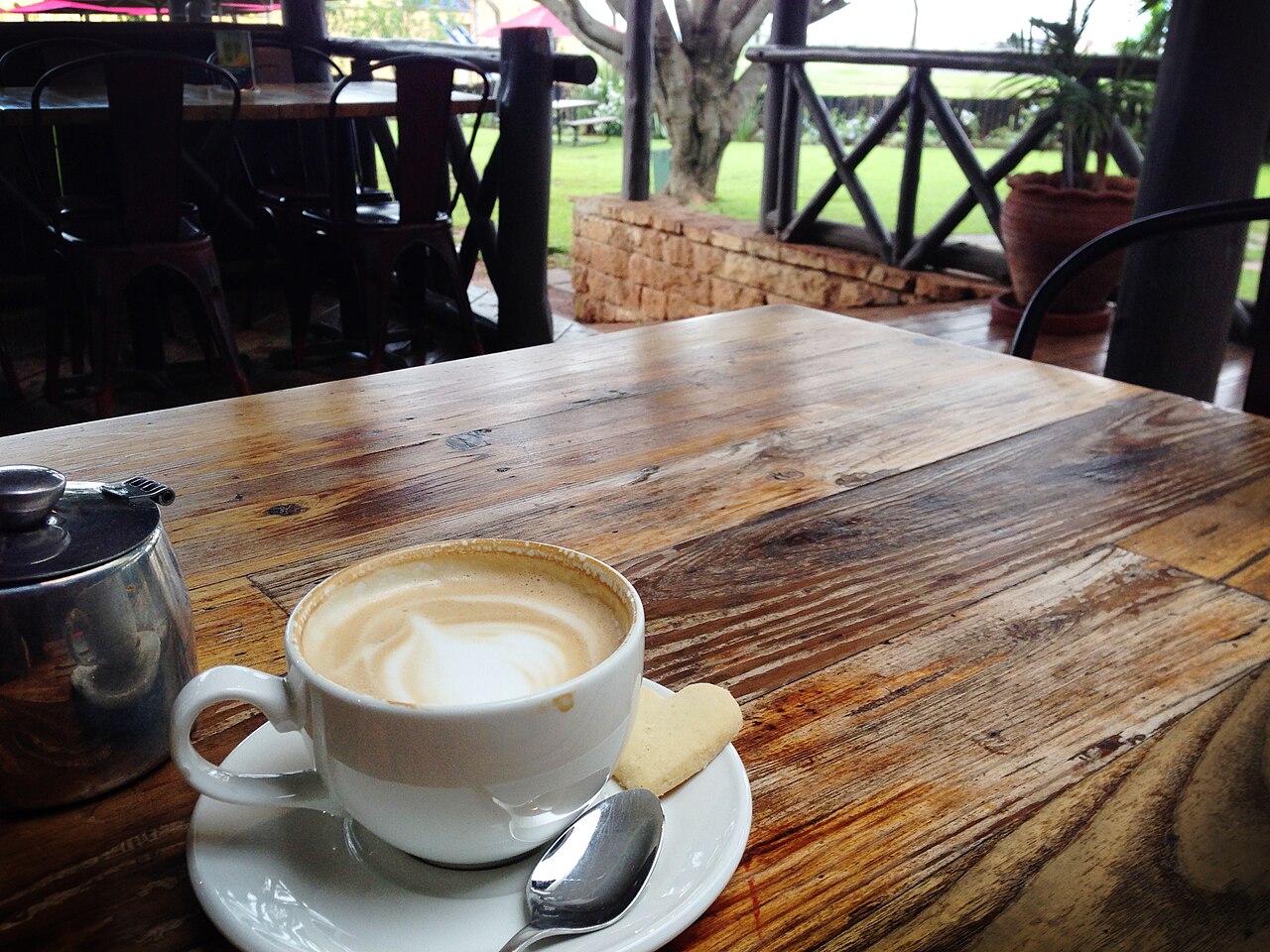
Arabica coffee grown on the volcanic soils of the highlands, mostly by small farmers. It is known around the world for its bright, fruity taste, though at home most Kenyans drink tea.
At the table in Kenya
Wash your hands before and after the meal. In many homes a bowl of water and a towel are brought to the table.
Eat with your right hand, and if you are given a spoon or fork, hold it in your right hand too.
To eat ugali, pull off a small piece, roll it into a ball, press a dent in it with your thumb and use it to scoop up stew or greens.
In traditional homes the guest of honour and the elders are served first. Wait until the eldest person has started before you begin to eat.
Accept a cup of tea when it is offered, even if you only take a few sips; tea is a sign of welcome.
On the mainly Muslim coast, in Mombasa and Lamu, pork and alcohol may not be served at the table, and during Ramadan it is polite not to eat in public in the daytime.