Ugandan cooking is simple, filling and based on what grows in the fertile soil: green cooking bananas, maize, millet, cassava, sweet potatoes, beans and groundnuts. A main meal is usually a big serving of a starchy food, steamed matooke in the centre and south, posho made from maize flour, or millet bread in the west, north and east, with a sauce or stew of groundnuts, beans, greens, fish or meat poured over it. Breakfast is often tea with bread or katogo, and the streets are full of quick snacks such as the rolex, a chapati rolled around an omelette. Indian dishes like chapati and samosas, brought by the railway workers and traders of the 1890s, are now part of everyday Ugandan food.
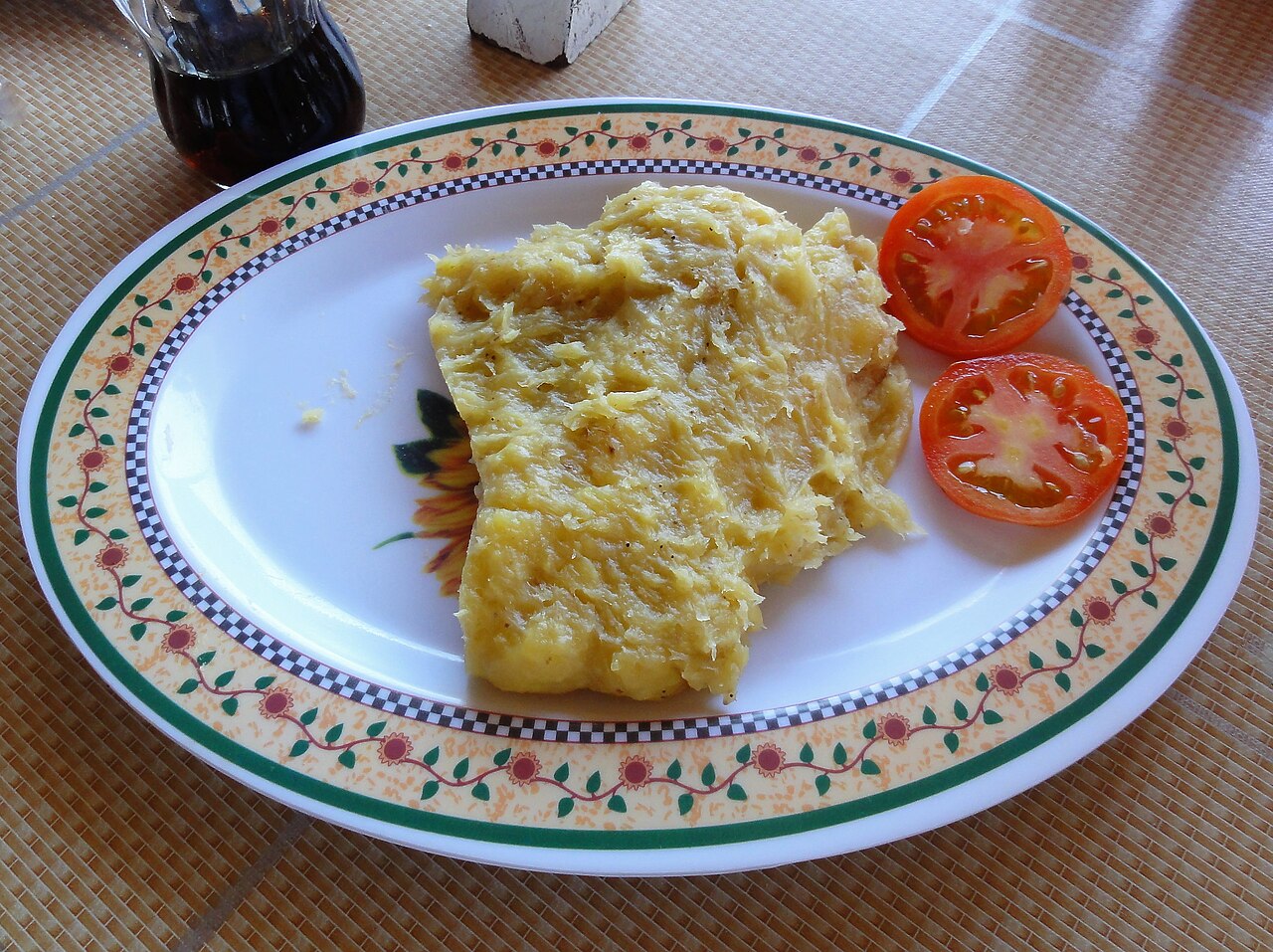
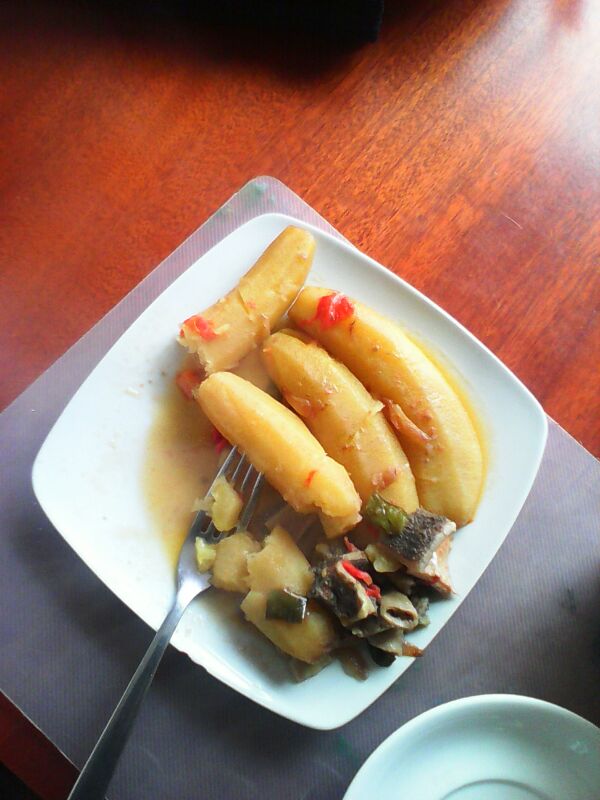
Green cooking bananas, peeled, wrapped in banana leaves and steamed for a long time until soft, then mashed into a smooth yellow mound. It is served with groundnut sauce, beans, meat or fish stew, and is considered a national dish.
Matooke is not a plantain but its own group of East African Highland bananas, harvested green and always cooked.
A smooth, thick sauce of ground roasted peanuts cooked in water with onion and tomato. It is one of the most common sauces in the country and is poured over matooke, posho, rice or sweet potatoes, sometimes with smoked fish, meat or mushrooms added.
Groundnuts are also a favourite snack: roasted nuts are sold on the street in twists of paper.
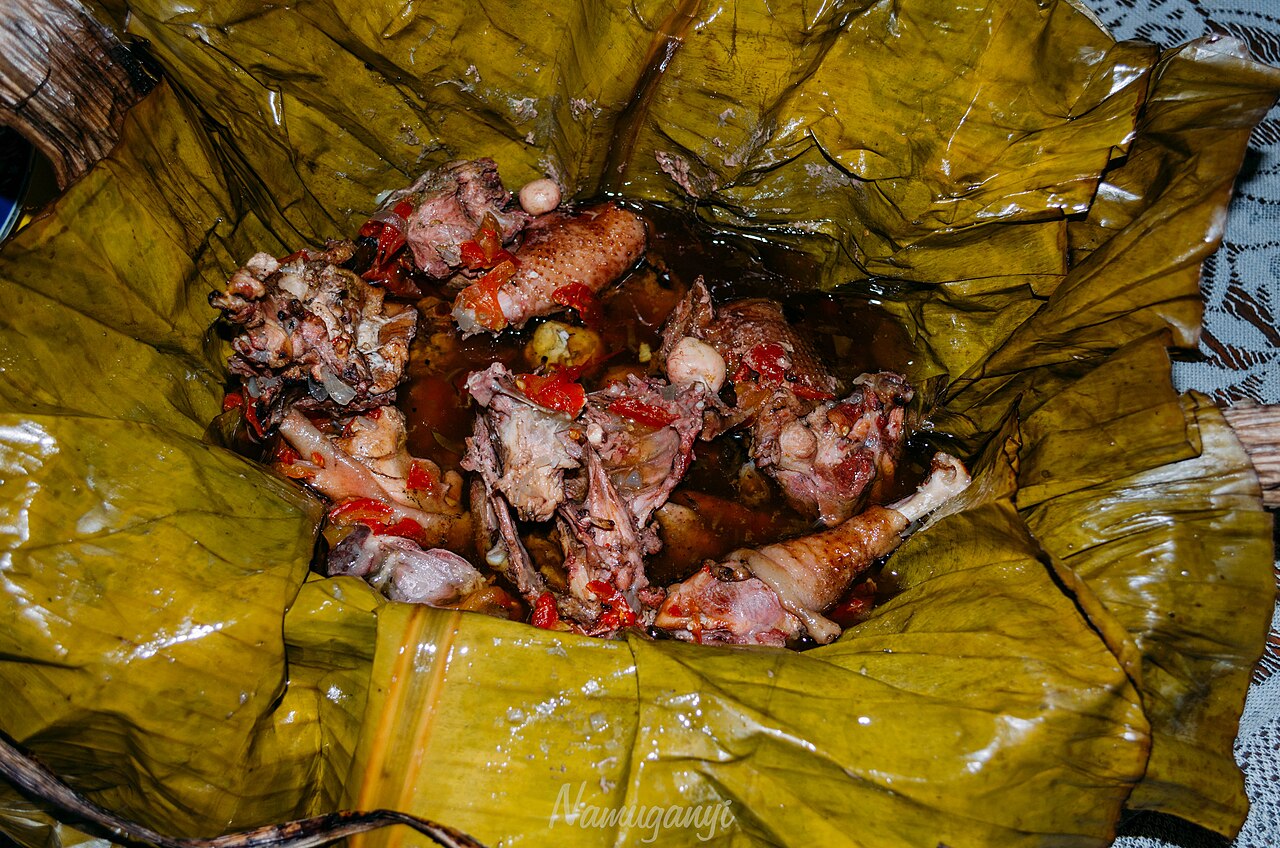
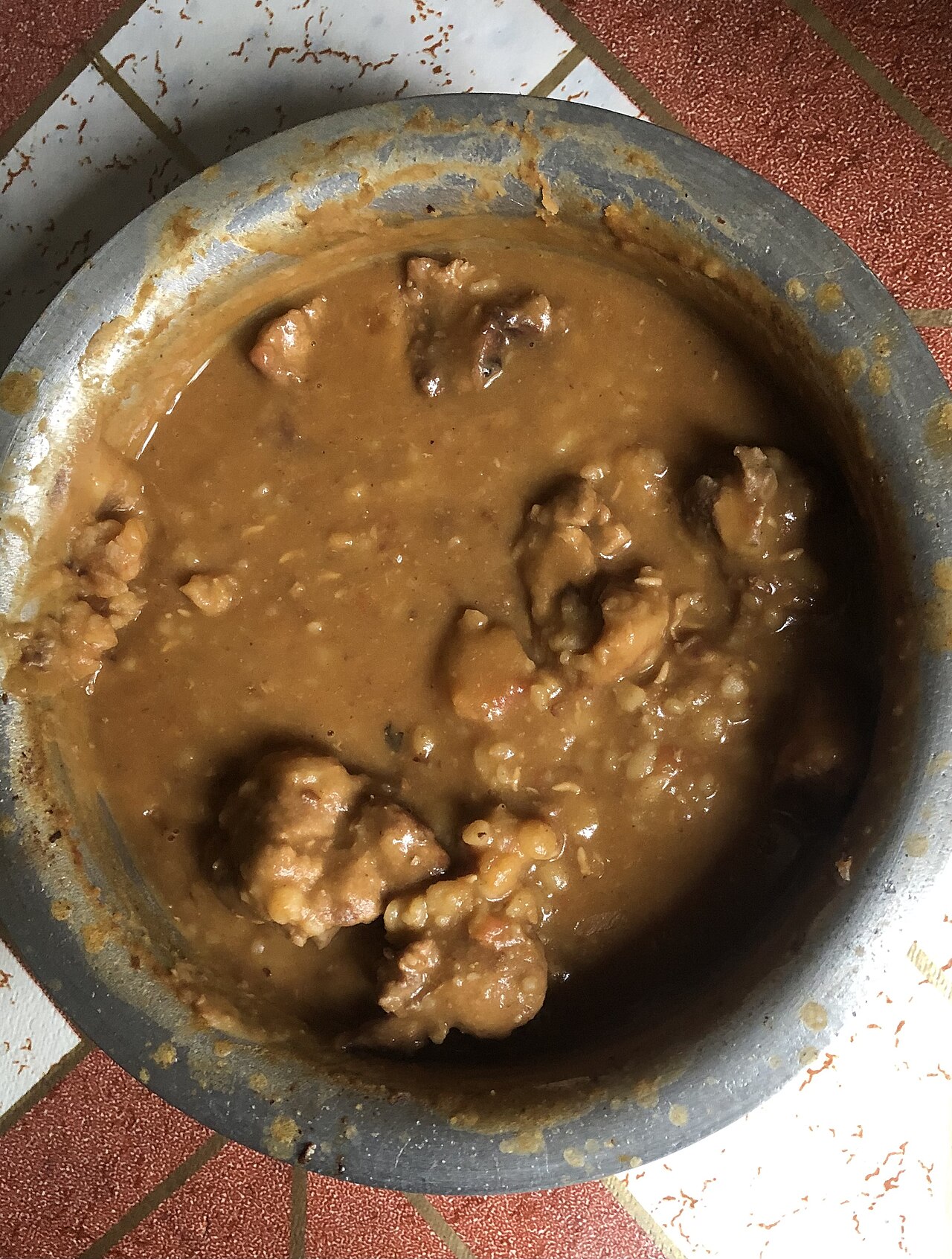
A stew of chicken, beef, goat, fish or groundnuts with mushrooms, wrapped in parcels of smoked banana leaves and steamed slowly, so the meat takes on a gentle smoky taste. Each guest is given a parcel to open at the table.
In the Buganda tradition, the royal chef Kawuuta first served luwombo to the Kabaka in 1887, and for a long time it was kept for royalty and chiefs. Today anyone can enjoy it, and it is still a favourite at weddings and introduction ceremonies.
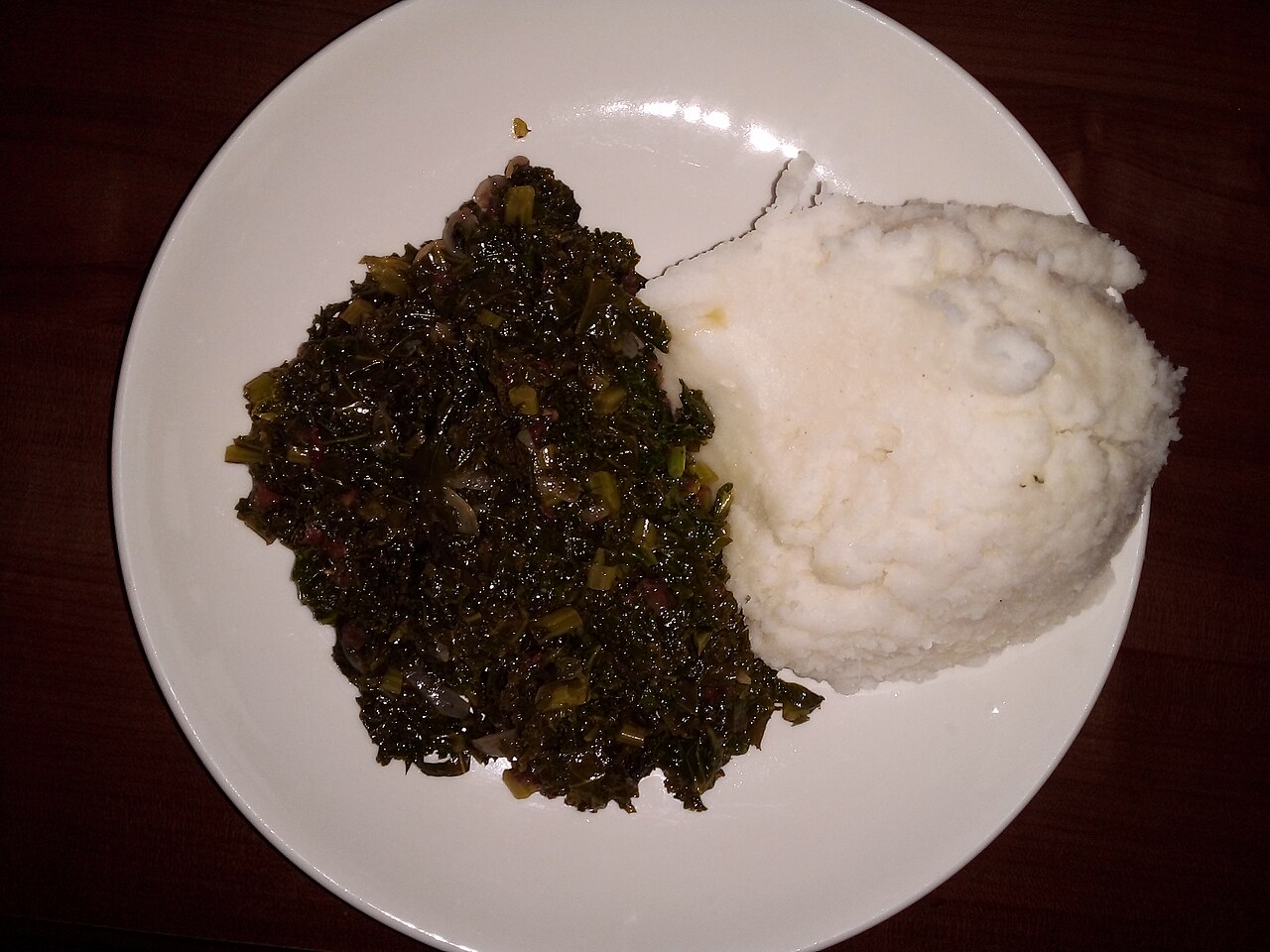
White maize flour stirred into boiling water until it becomes a firm, smooth dough, then cut into slices or served in a mound. It is cheap and filling, eaten with beans, greens or groundnut sauce, and is a standard meal in schools.
The same dish is called ugali in Kenya and Tanzania. A thin version of posho is eaten as porridge for breakfast.
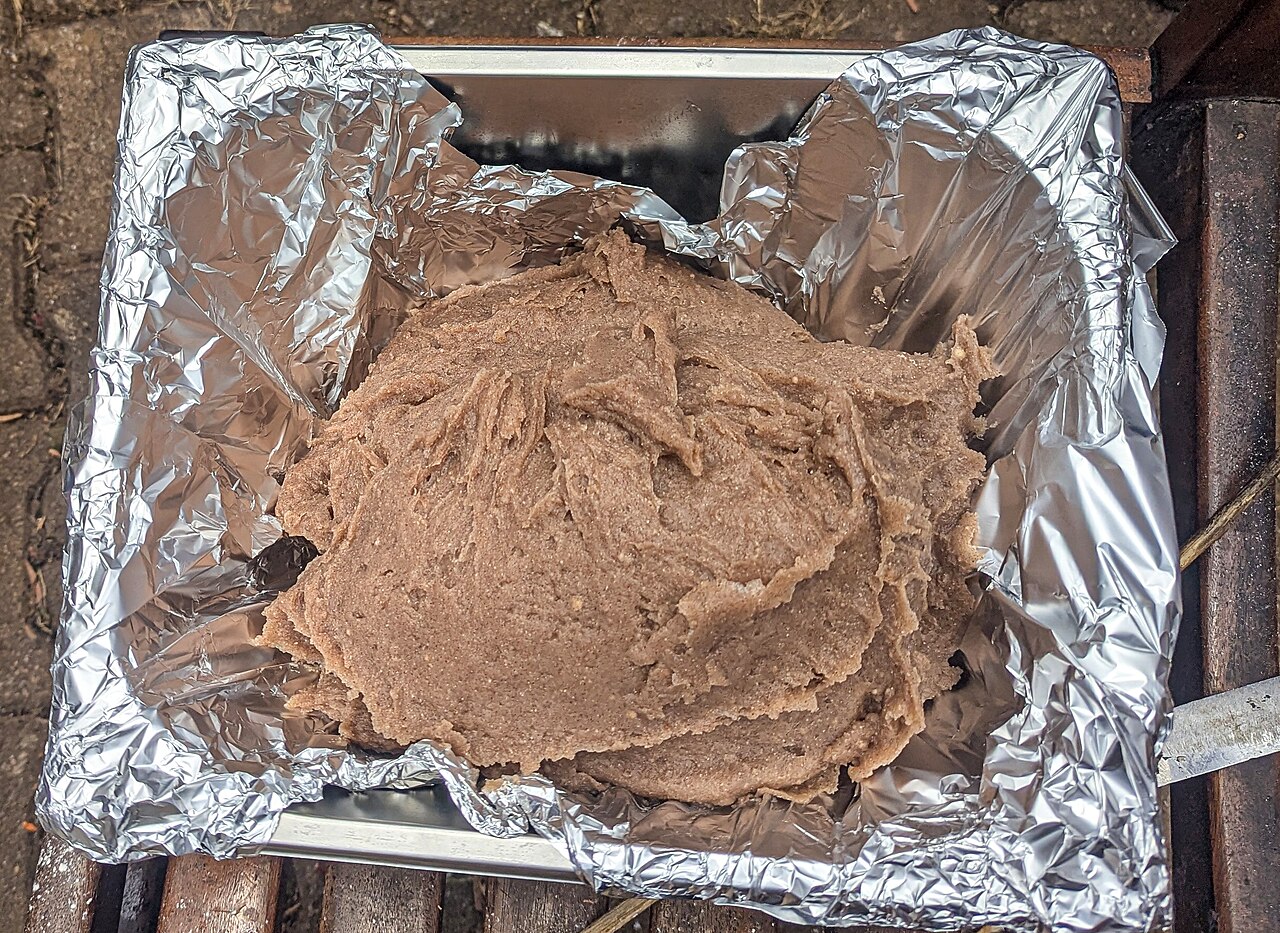
A firm, dark brown dough made by stirring millet flour, sometimes mixed with cassava flour, into boiling water. It is eaten with the hands, dipped into sauces such as firinda, eshabwe or groundnut sauce.
Buganda and western Uganda, now all over the country
A one-pot breakfast of chopped green matooke cooked in a tomato and onion sauce, usually with beans, offal, meat or groundnuts. Once thought of as a poor man's food, it is now loved by everyone.
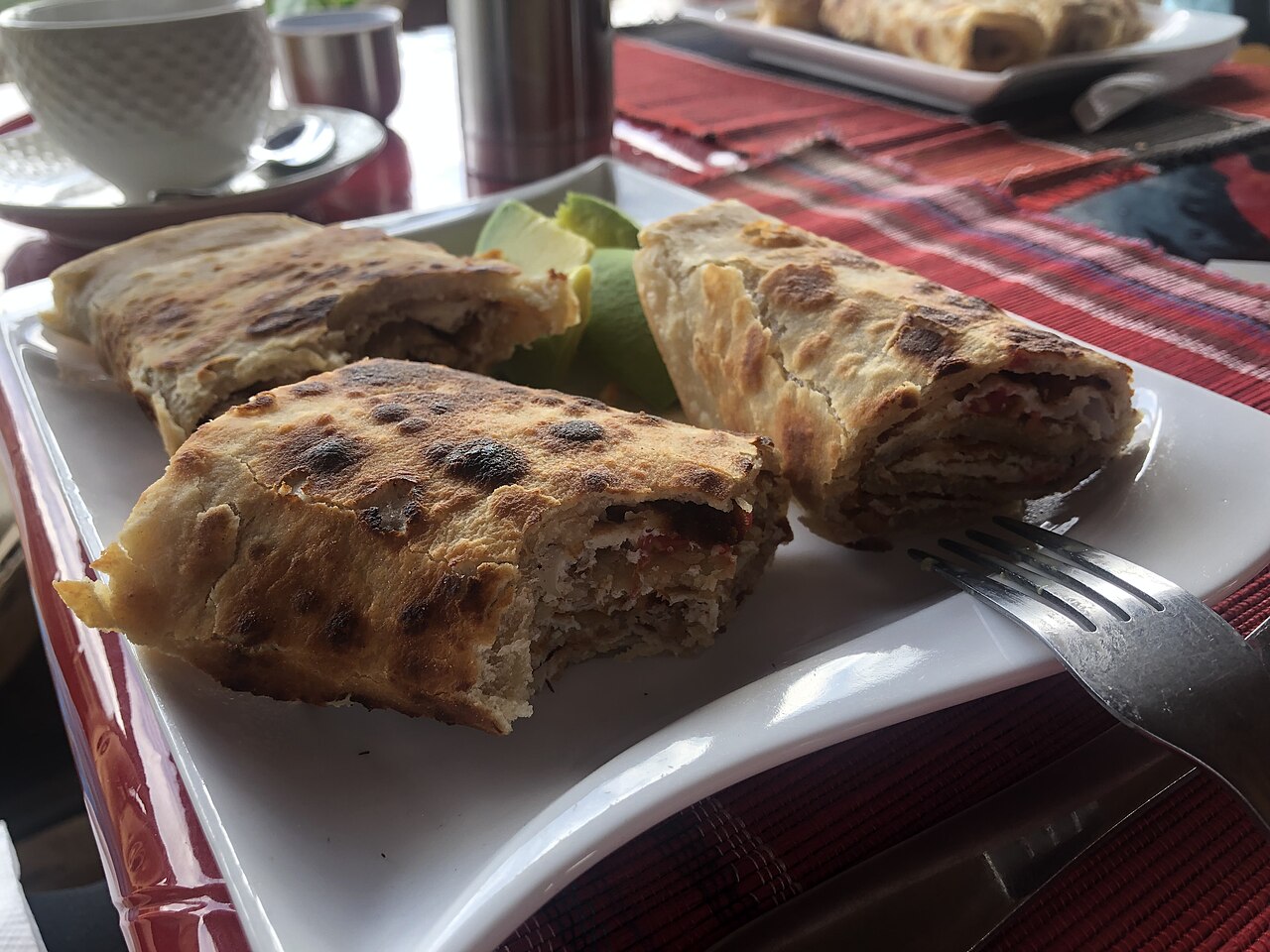
A fresh chapati rolled around an omelette made with onion, tomato and cabbage. It is cooked to order at roadside stalls from morning to night and is the country's favourite street food.
The name has nothing to do with watches: it comes from 'rolled eggs', said quickly. The idea spread from stalls near Makerere University, where students wanted a cheap, quick meal.
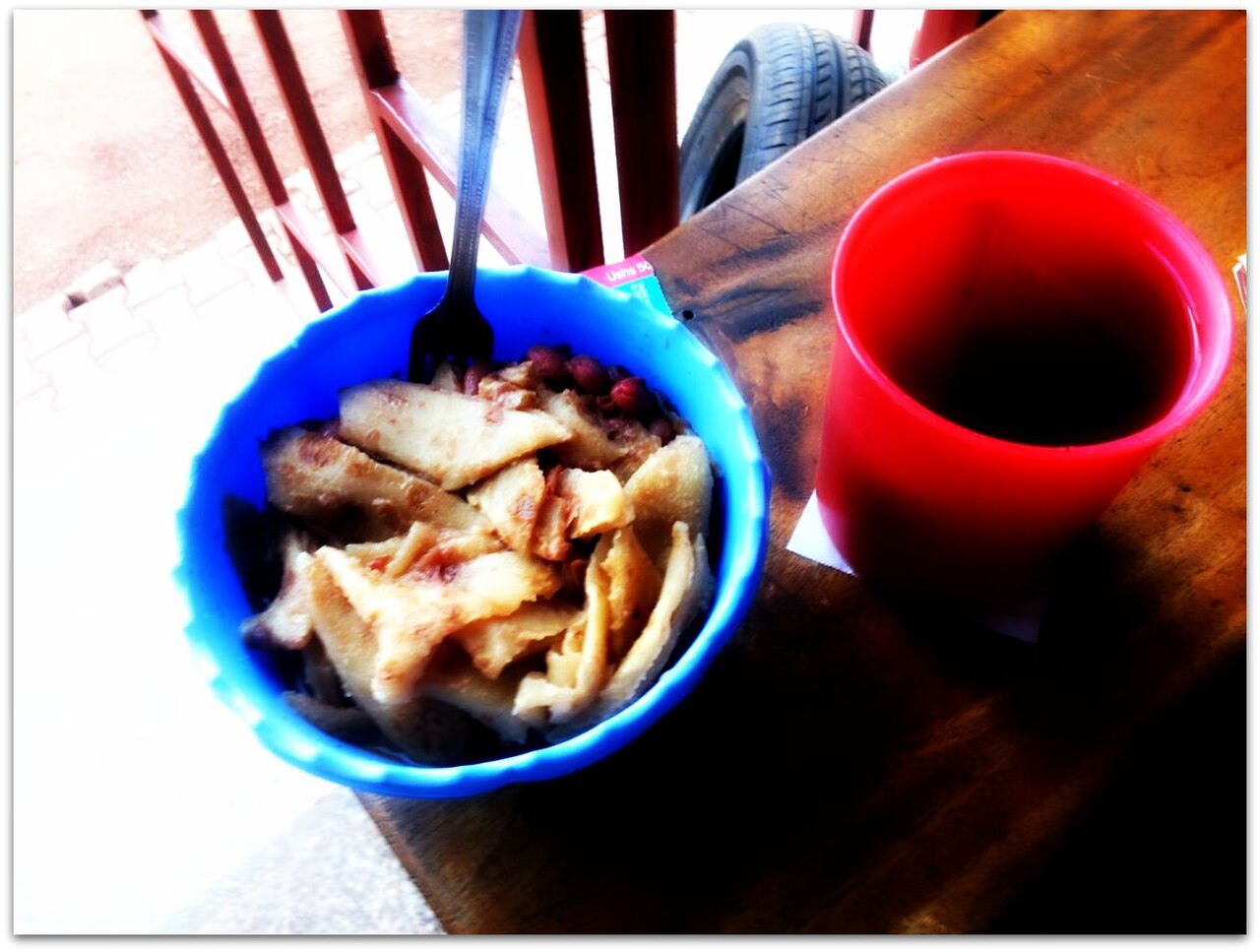
Chapati cut into small pieces and mixed with fried beans, sometimes with avocado or meat stew. It is cheap and filling and popular with students and workers.
The name was made popular by a song, and people joke that eating it makes you as strong as a commando.
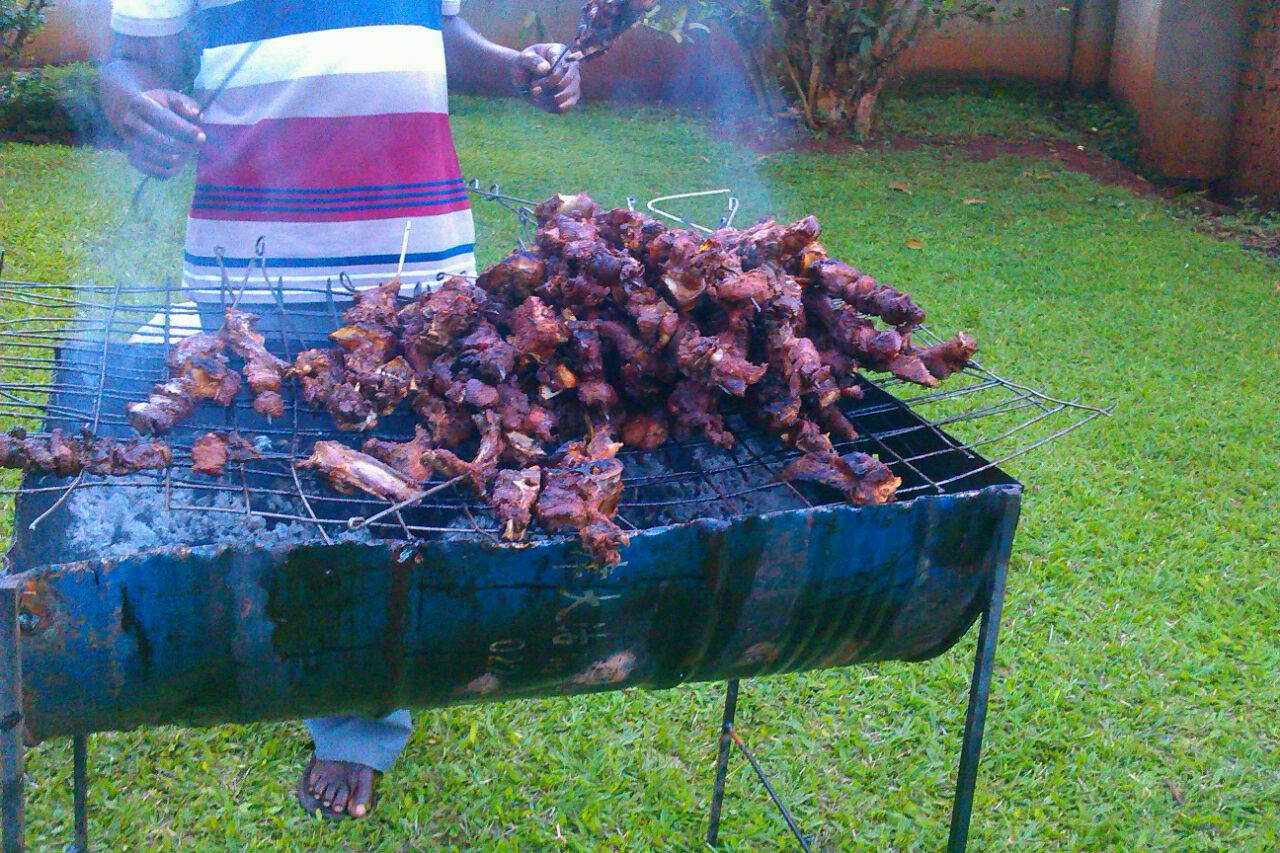
Pieces of beef, goat, chicken or liver threaded on skewers, often with onion, and roasted over charcoal. It is sold at roadside grills, markets and bus stops, and is especially popular in the evening.
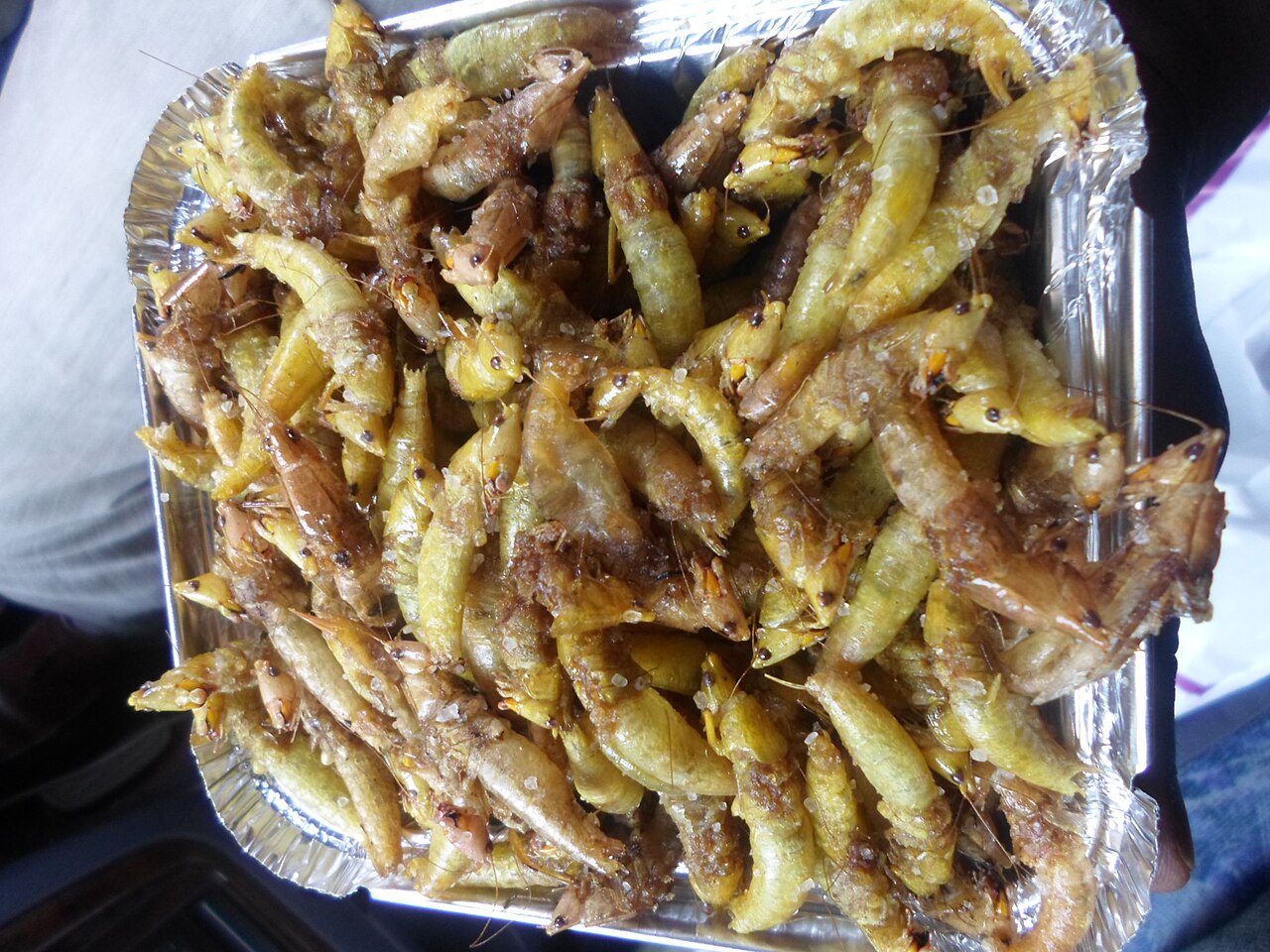
Bush crickets (katydids), green insects related to grasshoppers, collected when they swarm in the rainy seasons, then cleaned and fried, sometimes with onion and chilli, until crunchy. They are sold in paper cones as a seasonal treat.
The nsenene season comes with the rains, usually around May and November. The insect is also the totem of one of the clans of Buganda.
Bugisu, on the slopes of Mount Elgon in eastern Uganda
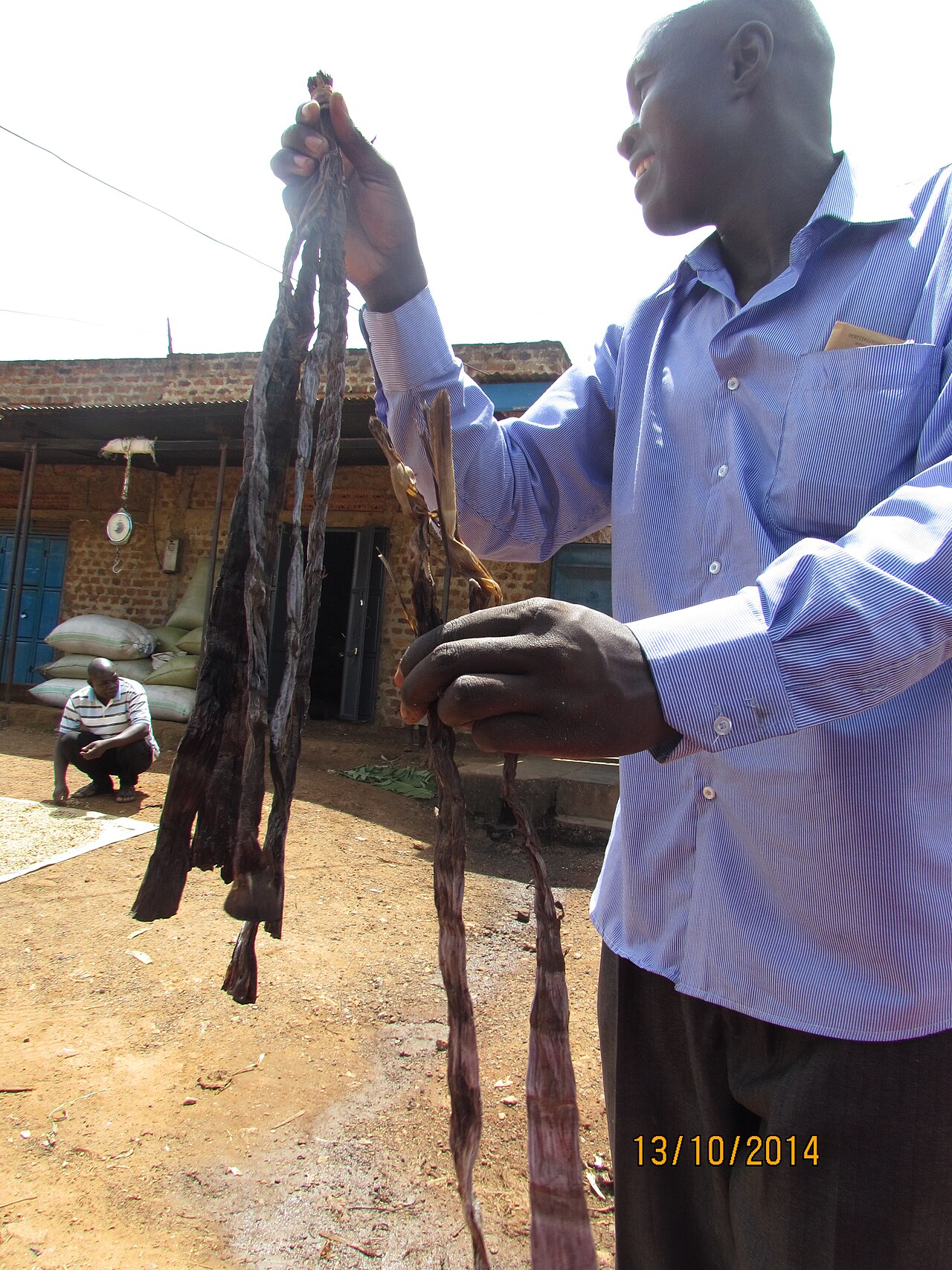
Bamboo shoots that are smoked and dried to keep, then boiled until tender and cooked into a sauce with peanut or sesame paste. It is served with matooke, posho or sweet potatoes.
Malewa is an important dish at Bugisu ceremonies, including the famous imbalu coming-of-age ceremony for young men.
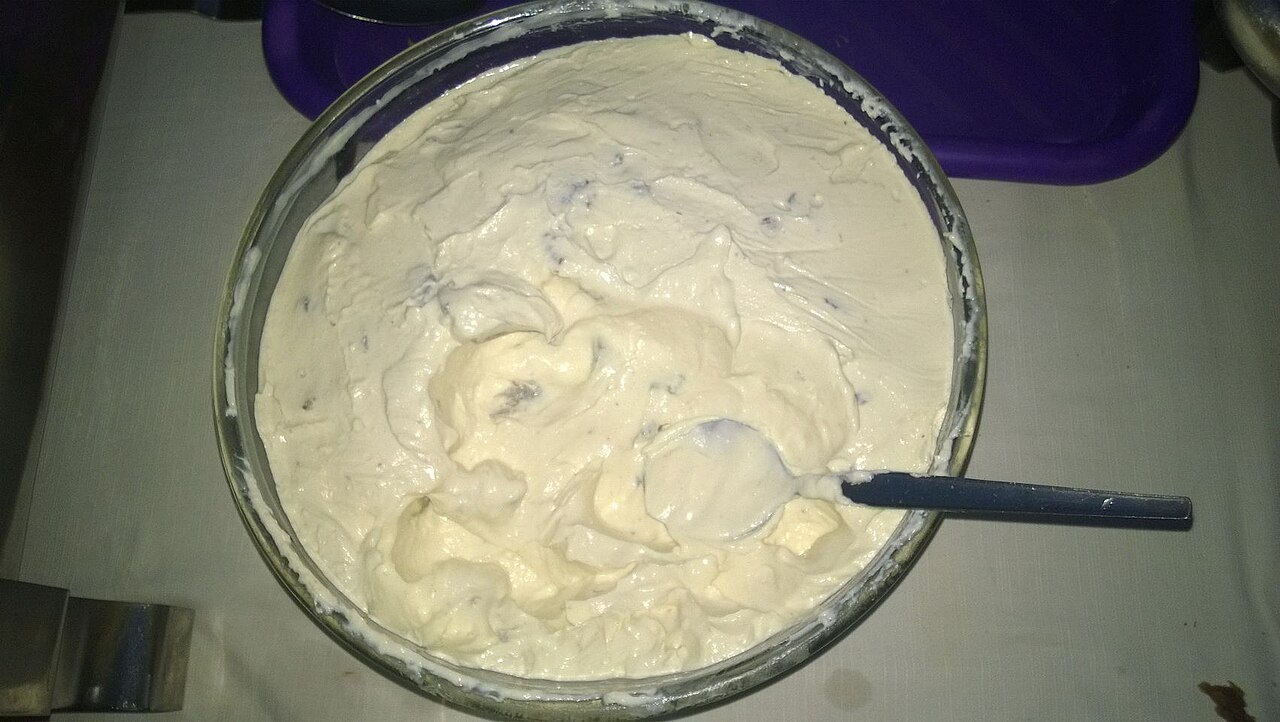
A white, creamy sauce made by washing ghee from cow's milk and whipping it with salted water until it turns from yellow to white. It is served with millet bread, matooke or sweet potatoes, often with roasted meat.
Traditionally it was made by older women who had to stay silent while they worked, because talking was believed to spoil the eshabwe.
Western Uganda, among the Batooro, Banyoro and Bakonzo
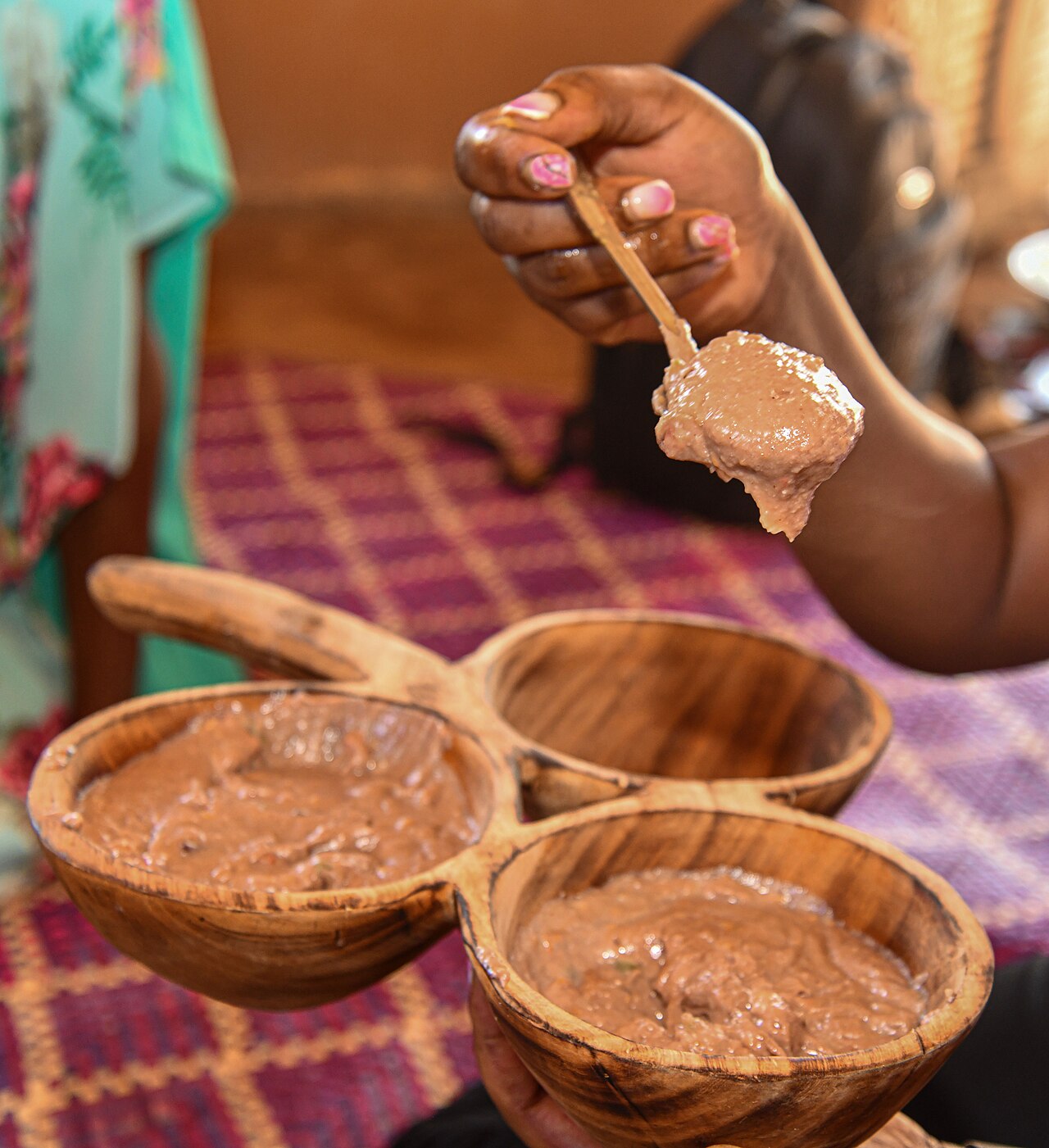
Dry beans soaked and skinned one by one, boiled until soft and mashed into a smooth sauce with onions, tomatoes and ghee or oil. It is a sign of hospitality and is served at weddings and ceremonies, usually with millet bread.
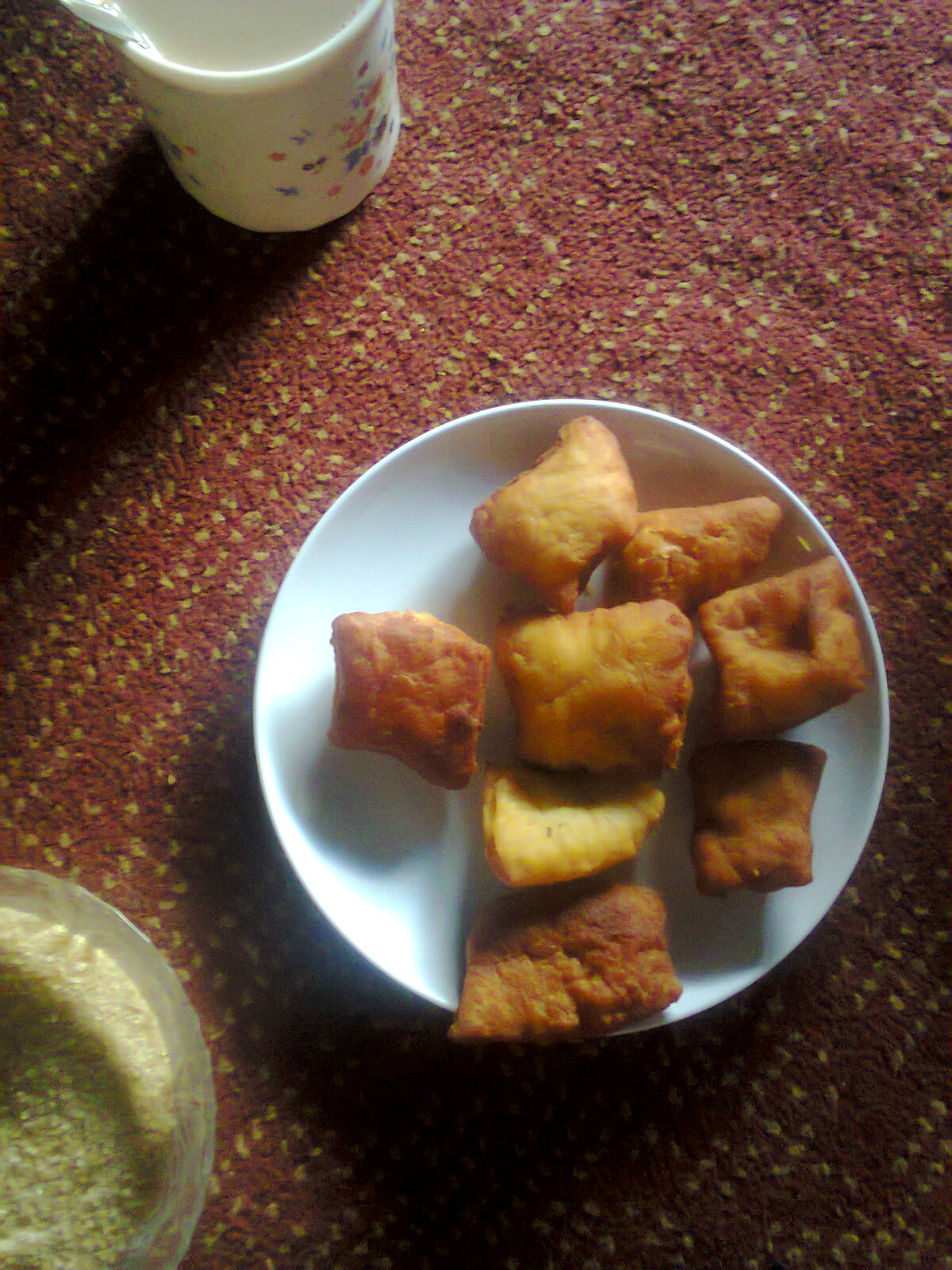
Lightly sweet fried dough, often flavoured with cardamom, cut into triangles or squares. It is eaten for breakfast with tea or as a snack at any time of day.
At the table in Uganda
Wash your hands before and after the meal. In many homes someone brings a jug of water and a basin and pours water over your hands.
Traditional foods such as matooke, posho and millet bread are often eaten with the fingers. Use your right hand.
Visitors who arrive at mealtime are usually invited to join the family. Accept at least a little food; refusing everything can seem unfriendly.
Wait for the host or the eldest person to start before you begin to eat.
At a wedding or an introduction ceremony in Buganda, each guest may be served a parcel of luwombo. Open the smoked banana leaf carefully and eat from it like a bowl.
Saying 'Webale' (thank you) to the cook after a meal is always appreciated.