Maldivian cooking is built on three things: fish, coconut and starch. The fish is almost always tuna, fresh, boiled, smoked or dried, and coconut is grated, squeezed into milk or used as oil. A traditional meal is rice with garudhiya, a clear tuna broth, and small sides of lime, chilli and onion, or rice and roshi flatbread with a tuna curry. Breakfast is often mas huni scooped up with warm roshi and sweet black tea. In the afternoon, cafes called hotaa fill their counters with hedhikaa, small fried snacks such as gulha and masroshi, eaten with tea. Taro, breadfruit and sweet potato are boiled and eaten with grated coconut, and unlike many Pacific islanders, Maldivians have no tradition of eating raw fish.
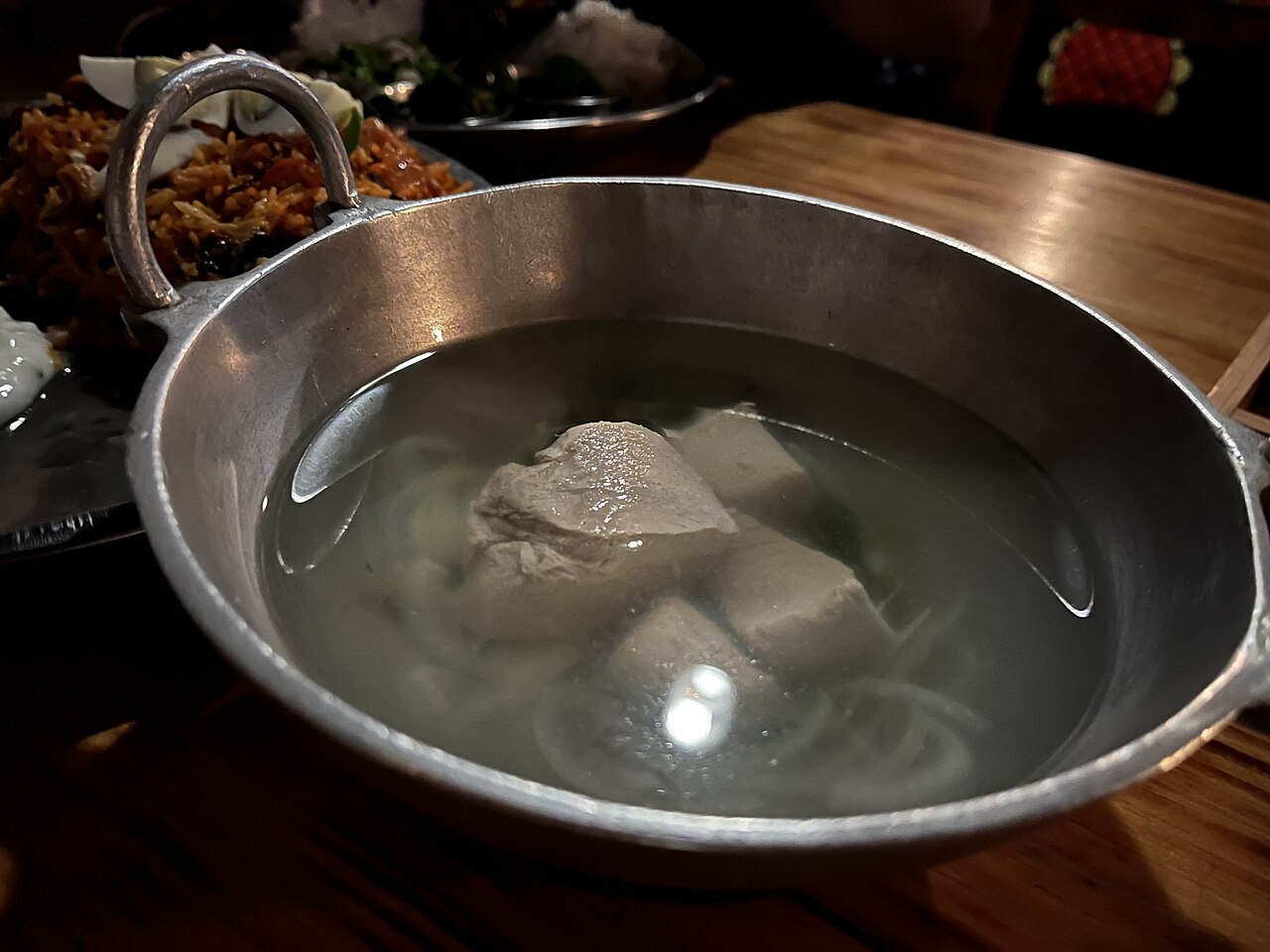
A clear, salty broth made by boiling fresh tuna, usually skipjack, in water with salt, carefully skimming off the foam. It is eaten with steamed rice and small sides of lime, chilli and onion, or with roshi, taro or breadfruit and grated coconut. It is often called the national dish.
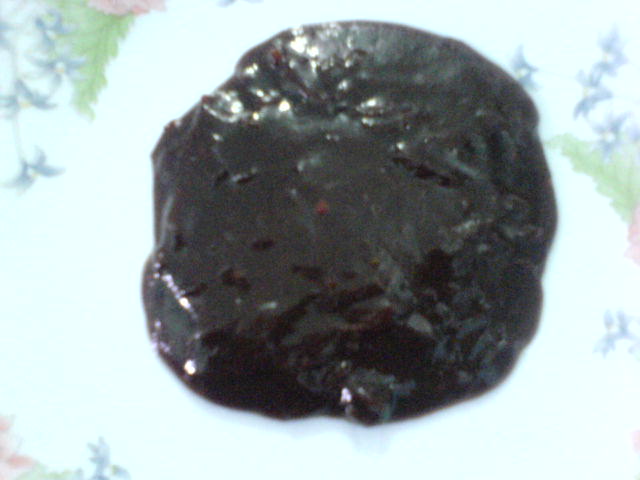
When garudhiya is boiled for hours until all the water has gone, it becomes rihaakuru, a thick brown fish paste.
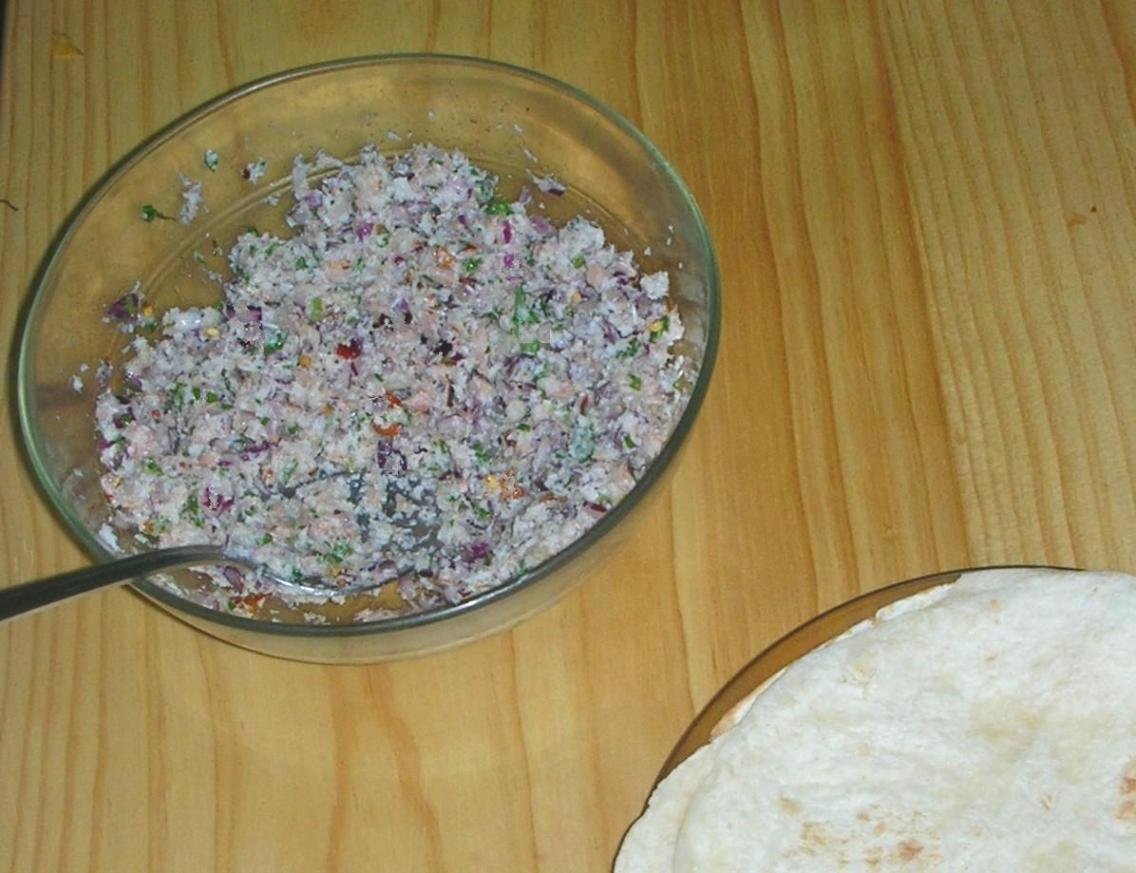
The classic Maldivian breakfast: tuna mixed with grated fresh coconut, finely chopped onion, chilli, lime juice and salt, rubbed together by hand. It is scooped up with warm roshi flatbread and eaten with sweet black tea. In the past it was made with dried Maldives fish; today many people use canned tuna.
When fish was scarce, cooks stretched mas huni with chopped green leaves such as moringa.
The most important Maldivian curry: diced fresh tuna cooked slowly with fried onions and spices, then finished with coconut milk. It is eaten with steamed white rice, or for breakfast with roshi and hot tea.
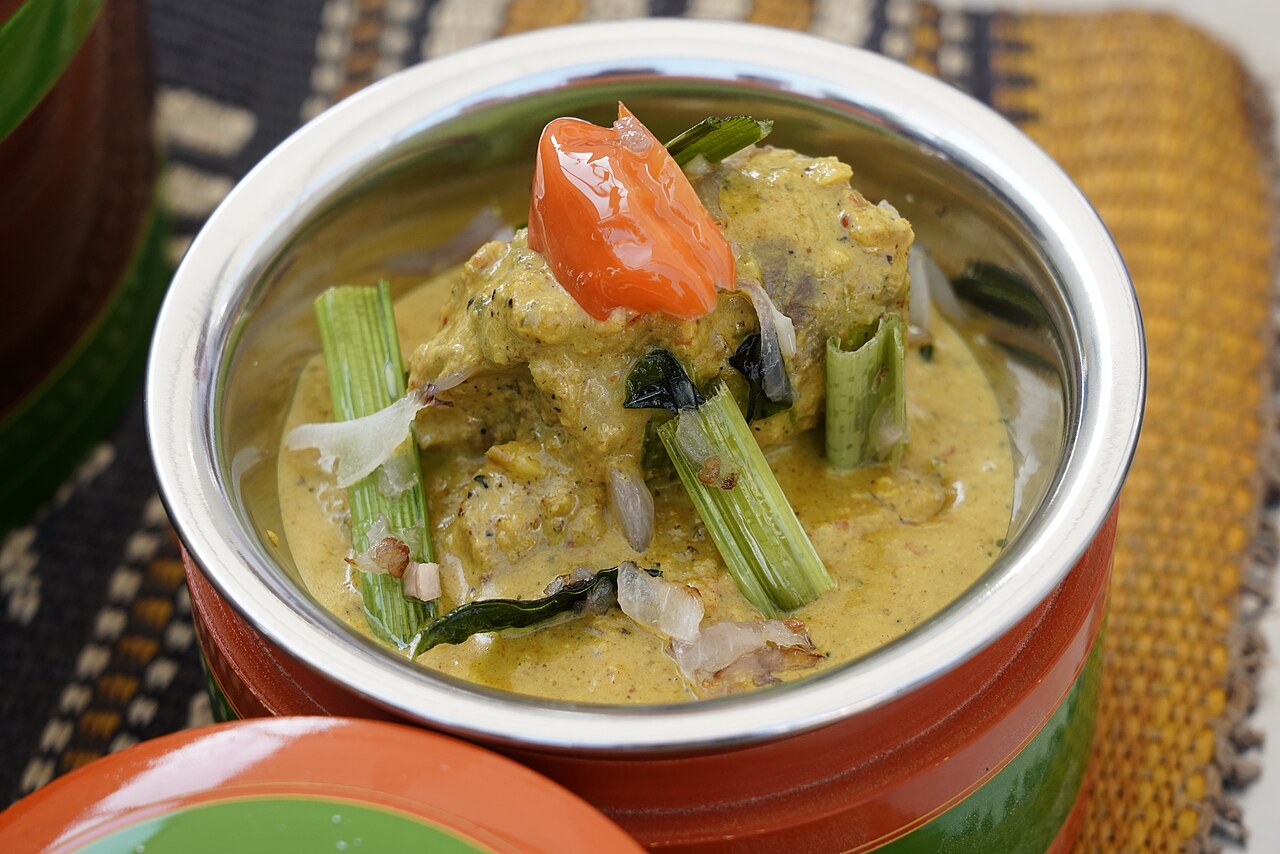
Tuna fillets rolled up with curry paste, tied with a strip of coconut leaf and cooked in coconut milk. The curry is usually prepared overnight and served with rice or roshi.
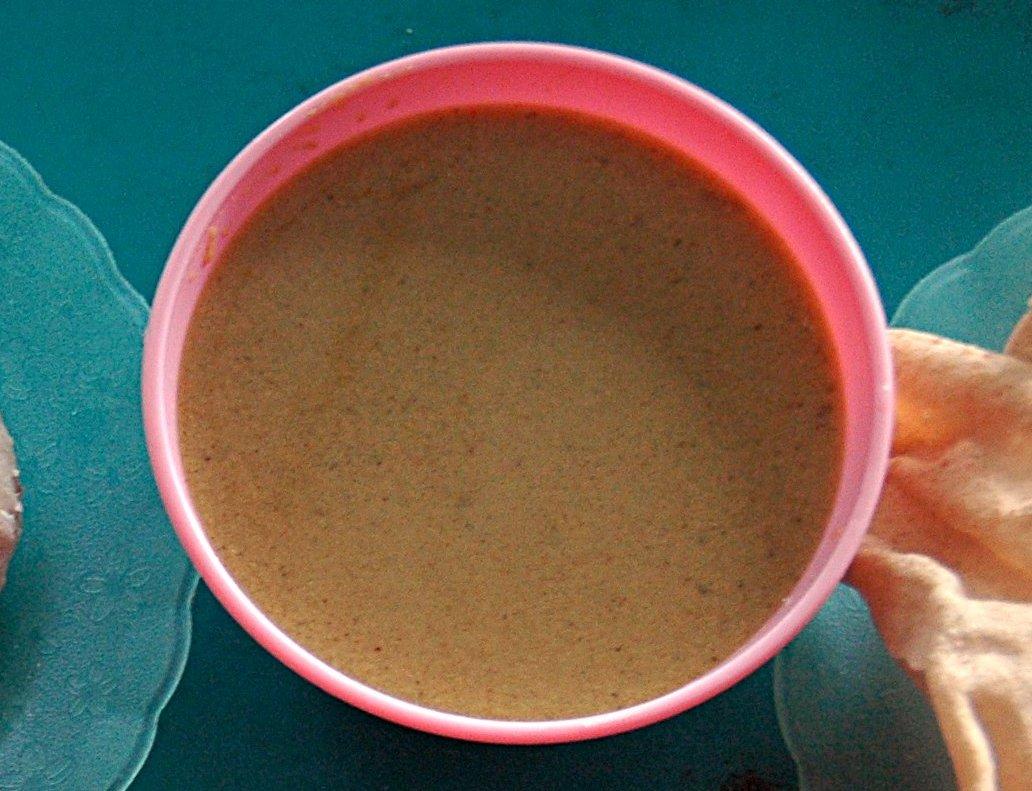
A thick, dark brown paste made by boiling down the broth left over from cooking tuna for hours, until almost all the water has gone. It is eaten almost every day in many homes, plain with rice, taro, breadfruit or roshi, or fried with onion, curry leaves and chilli.
Some people abroad spread it on bread, much like Marmite or Vegemite.
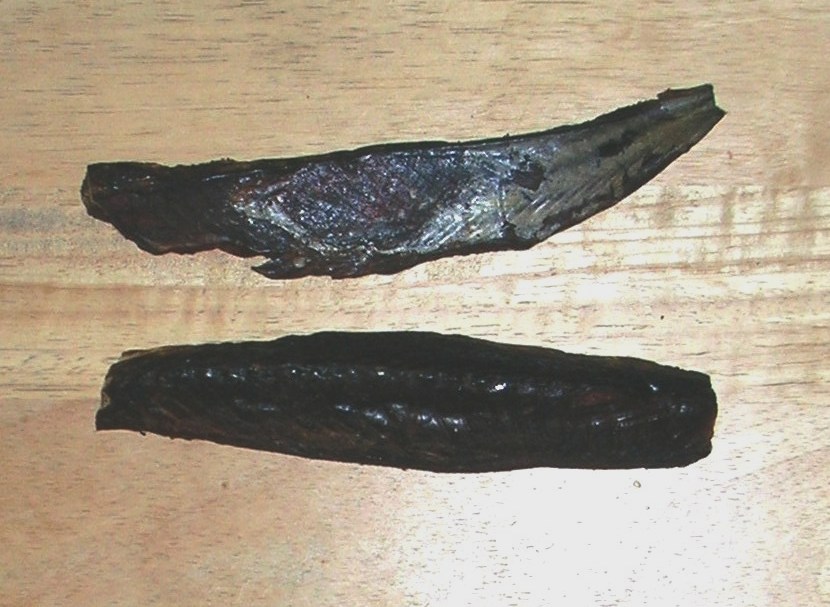
Tuna that has been boiled, smoked and dried in the sun until it is as hard as wood. Shaved or pounded into flakes, it flavours mas huni, curries and snacks. It keeps for a very long time without a fridge, and for centuries it was one of the islands' main exports to Sri Lanka.
Maldives fish is so loved in Sri Lanka that it is an essential ingredient in coconut sambol there.
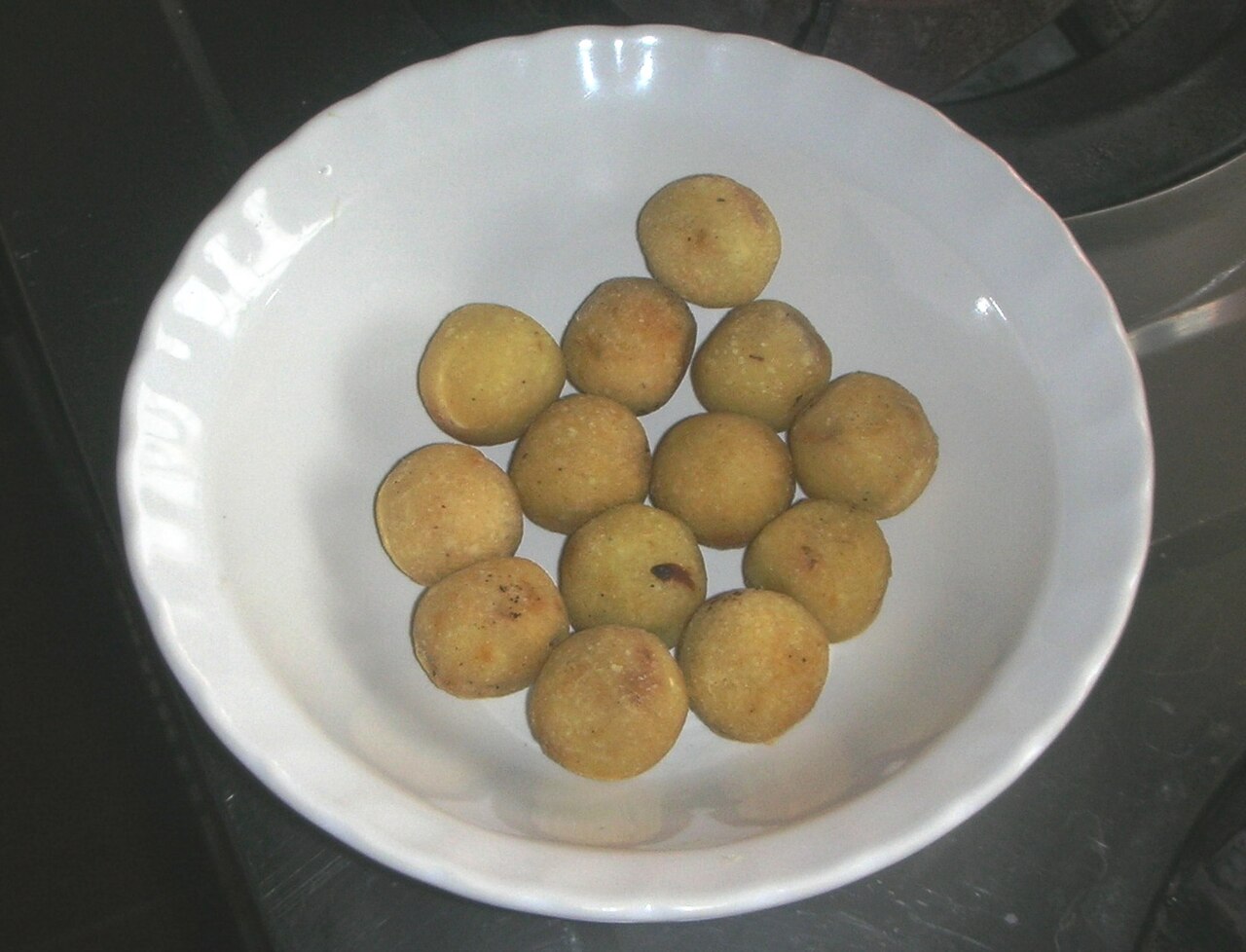
Small round dumplings of dough stuffed with tuna, grated coconut, onion and chilli, then deep-fried until golden. They range from the size of a marble to a little bigger than a ping-pong ball and are a favourite with afternoon tea.
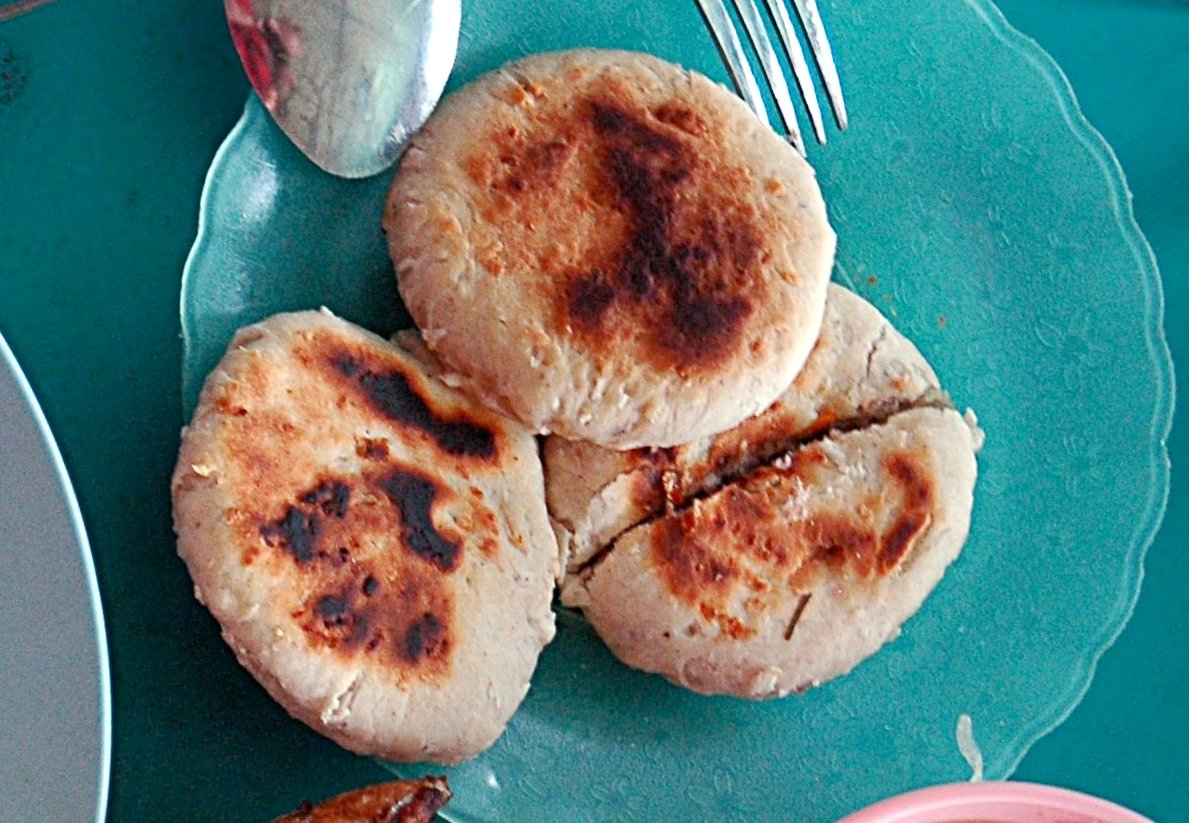
A favourite short eat: a disc of roshi dough wrapped around a filling of tuna, coconut, onion, garlic and ginger, then baked or fried. It is sold in hotaa cafes everywhere, often with a squeeze of lime.
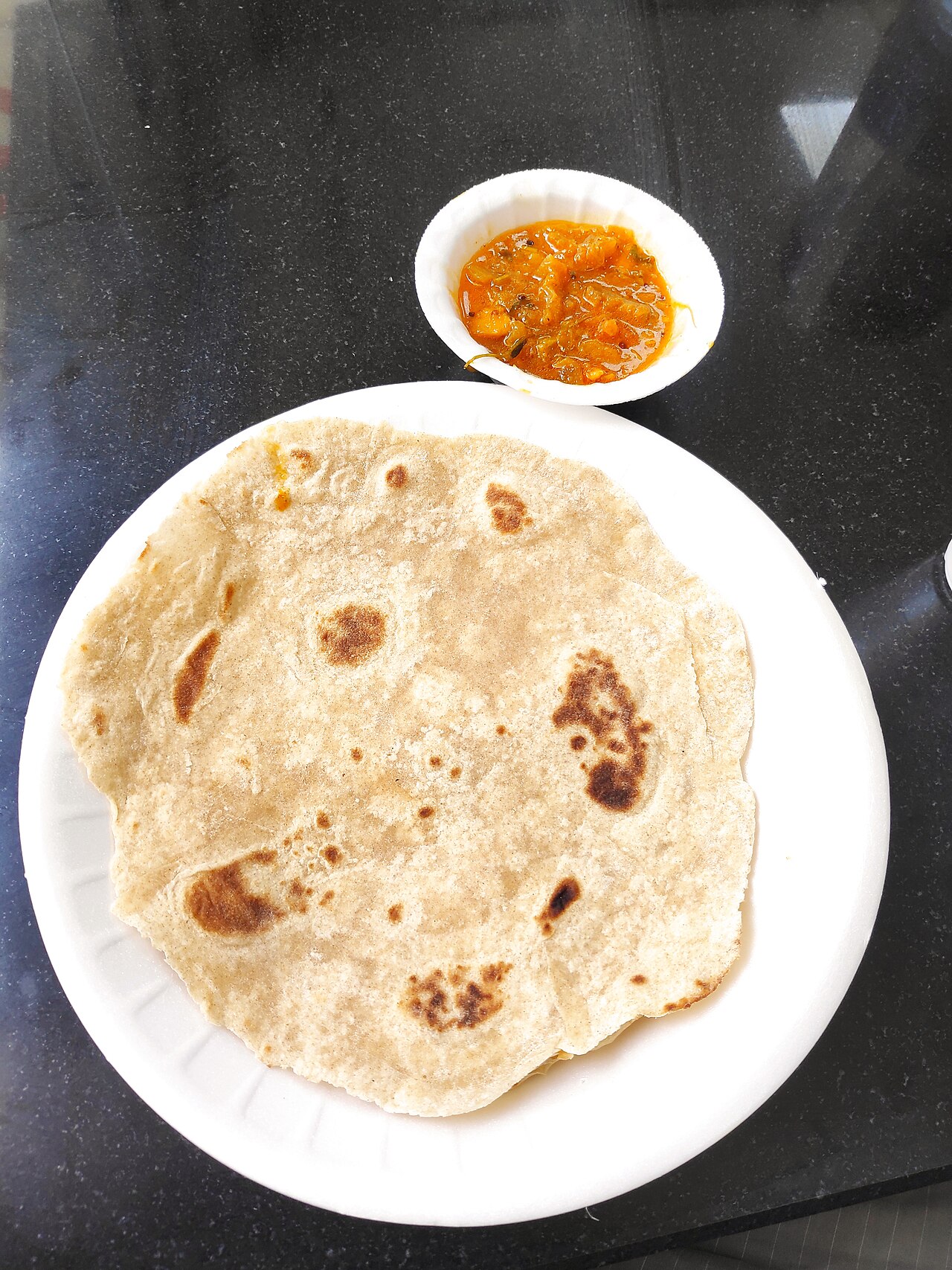
A thin, unleavened round flatbread, the Maldivian version of the Indian chapati or roti, cooked on a hot griddle. It is torn by hand and used to scoop up mas huni at breakfast, or eaten with curries and garudhiya instead of rice.
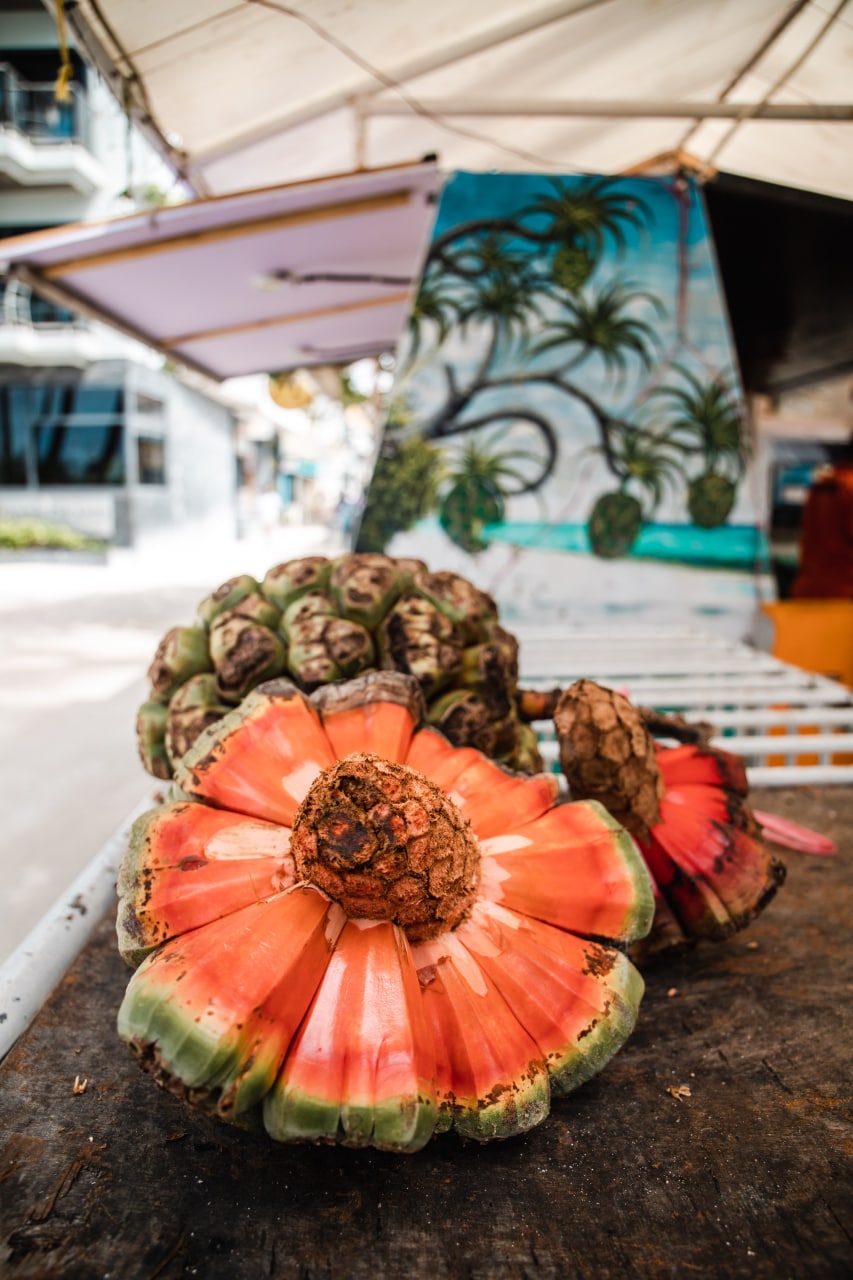
The big, knobbly fruit of the screwpine tree. It is sold in markets and is mostly eaten raw, cut into thin slices, but it is also a common ingredient in Maldivian cooking.
At the table in the Maldives
A traditional Maldivian meal is rice with garudhiya, the clear tuna broth, and small sides of lime, chilli and onion. Each person seasons their own bowl.
At breakfast, mas huni is scooped up with pieces of roshi torn by hand, and washed down with sweet black tea.
Local cafes called hotaa put out plates of hedhikaa, small fried snacks almost always filled with fish, to go with tea. They are the cheapest way to eat like a Maldivian in Malé.
Alcohol is not sold on islands where Maldivians live. It is served only in resorts, on licensed boats and in a hotel on the airport island, and bottles brought in by visitors are taken at customs.
During Ramadan, do not eat, drink or smoke in public during the day outside the resorts. Just before Ramadan begins, families and friends gather for Maahefun, a feast of fish, coconut and root-vegetable snacks.