Maltese food is Mediterranean country cooking shaped by Sicily, North Africa and the islands' many rulers, with a dash of British habits left over from the colonial years. Bread, olive oil, tomatoes, capers, beans, rabbit, fish and small sheep's cheeses are the basics. A meal often opens with bread, olives and bigilla, moves on to pasta or soup and then a meat or fish course, and on feast days ends with fried pastries such as imqaret.
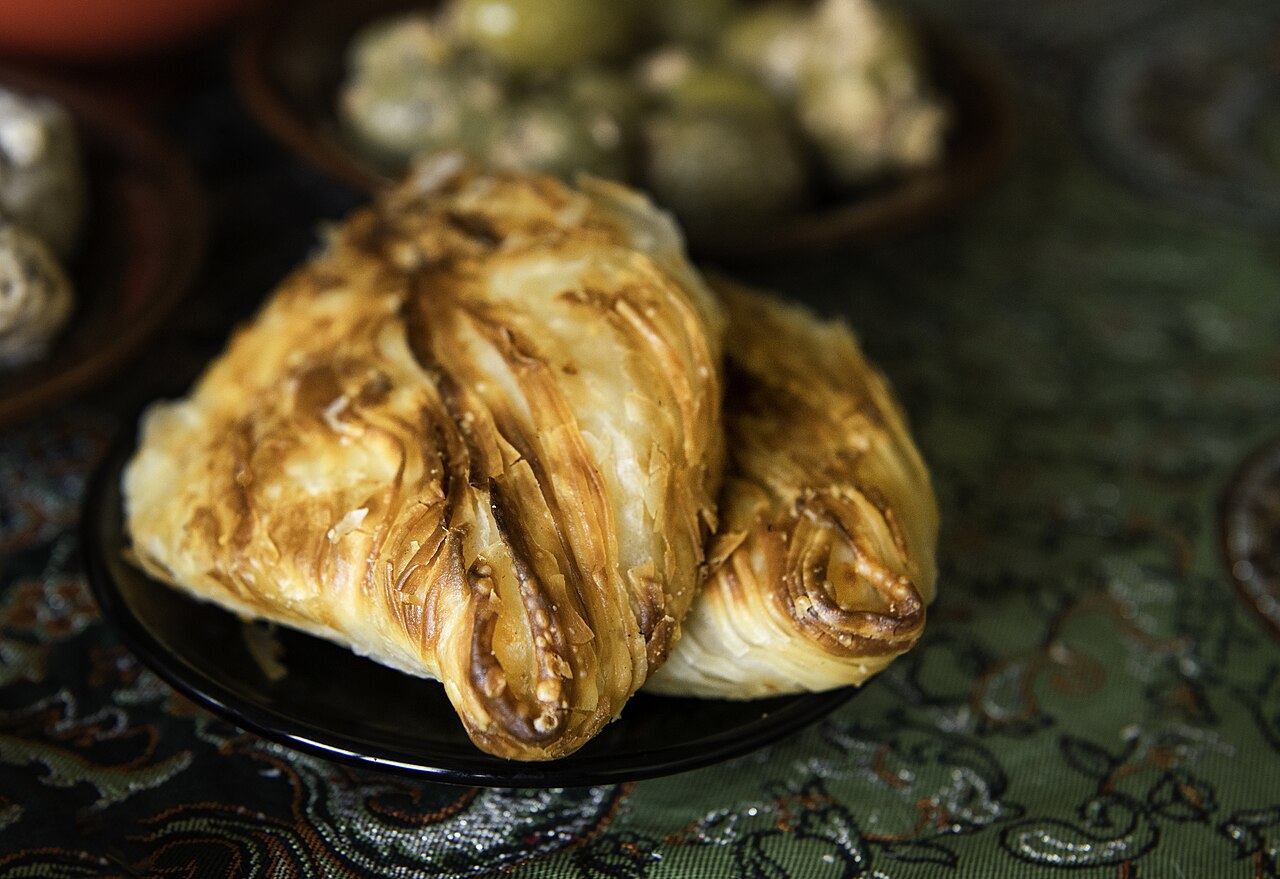
Flaky, diamond-shaped or round pastries filled with ricotta or with curried mushy peas, baked in small bakeries called pastizzeriji and sold everywhere for a quick breakfast or snack.
The two classic fillings are folded differently so you can tell them apart: ricotta pastizzi are folded down the middle, pea pastizzi down the side. To sell 'like pastizzi' is the Maltese way of saying 'like hot cakes'.
A slice of crusty Maltese sourdough bread rubbed with ripe tomato or tomato paste, drizzled with olive oil and topped with tuna, onion, capers and olives. It is the classic summer snack for the beach.
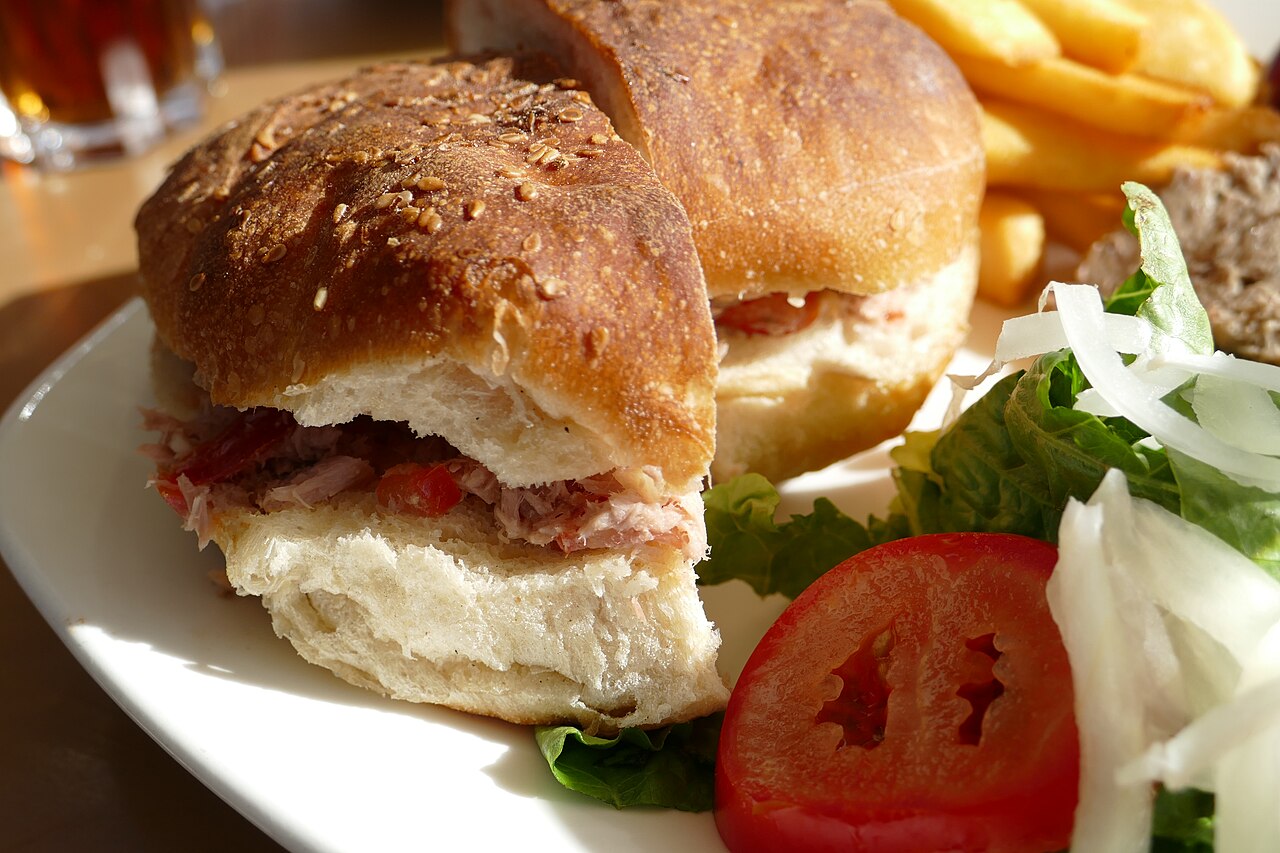
A flat, ring-shaped sourdough bread, usually filled like a sandwich with tuna, sardines, potato, tomato, onion, capers and olives. On Gozo the ftira is served open, topped with thin slices of potato, more like a pizza.
In 2020 UNESCO added the culinary art and culture of the Maltese ftira to its list of the Intangible Cultural Heritage of Humanity.
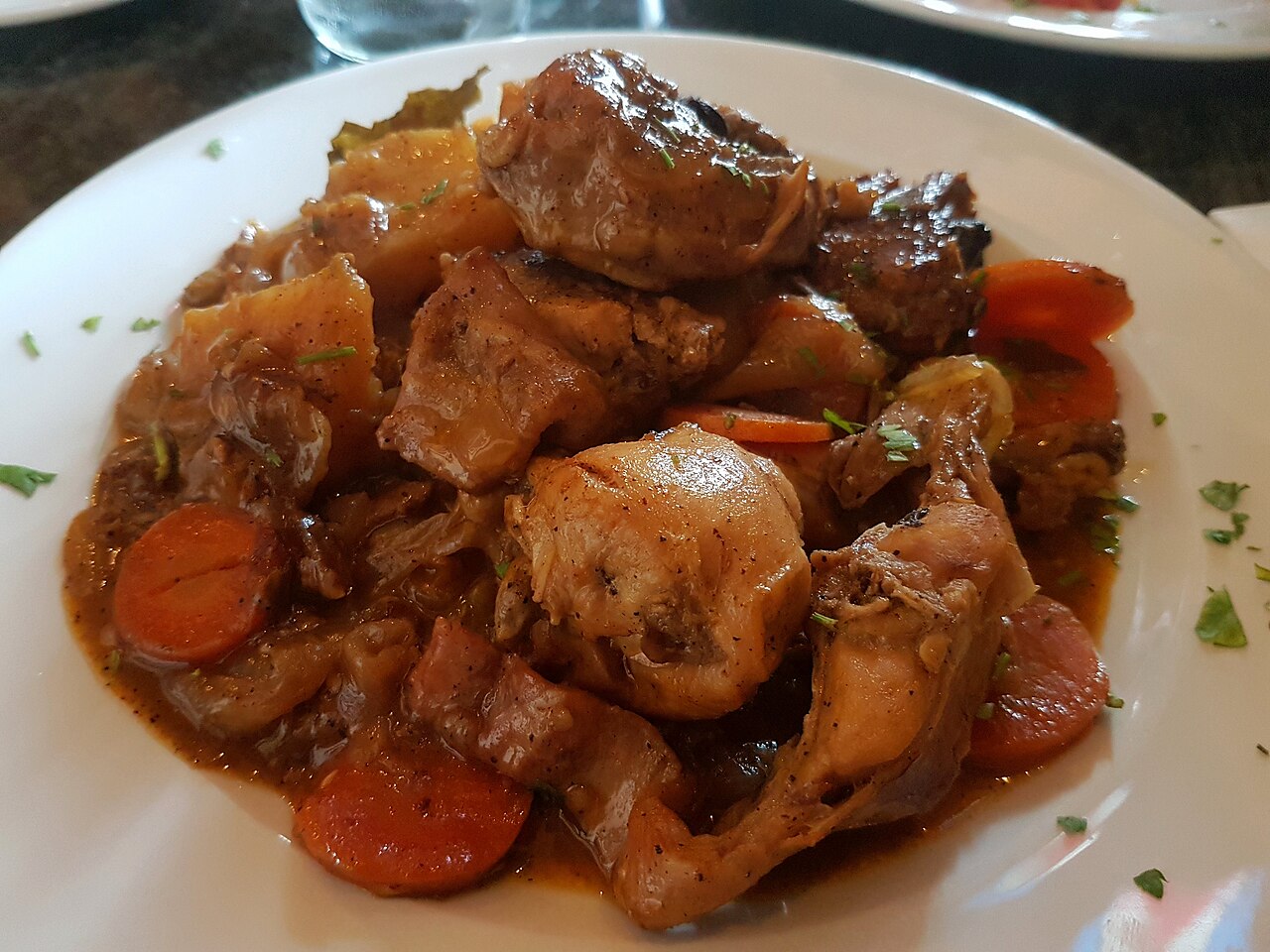
Rabbit slowly braised with red wine, tomatoes, garlic, bay leaves and cloves, with potatoes and peas. It is often called Malta's national dish, and the sauce is usually served first over spaghetti, followed by the rabbit itself.
The dish may have begun as a quiet protest against the Knights of St John, who restricted rabbit hunting. It became popular after the rules were lifted in the late 18th century.
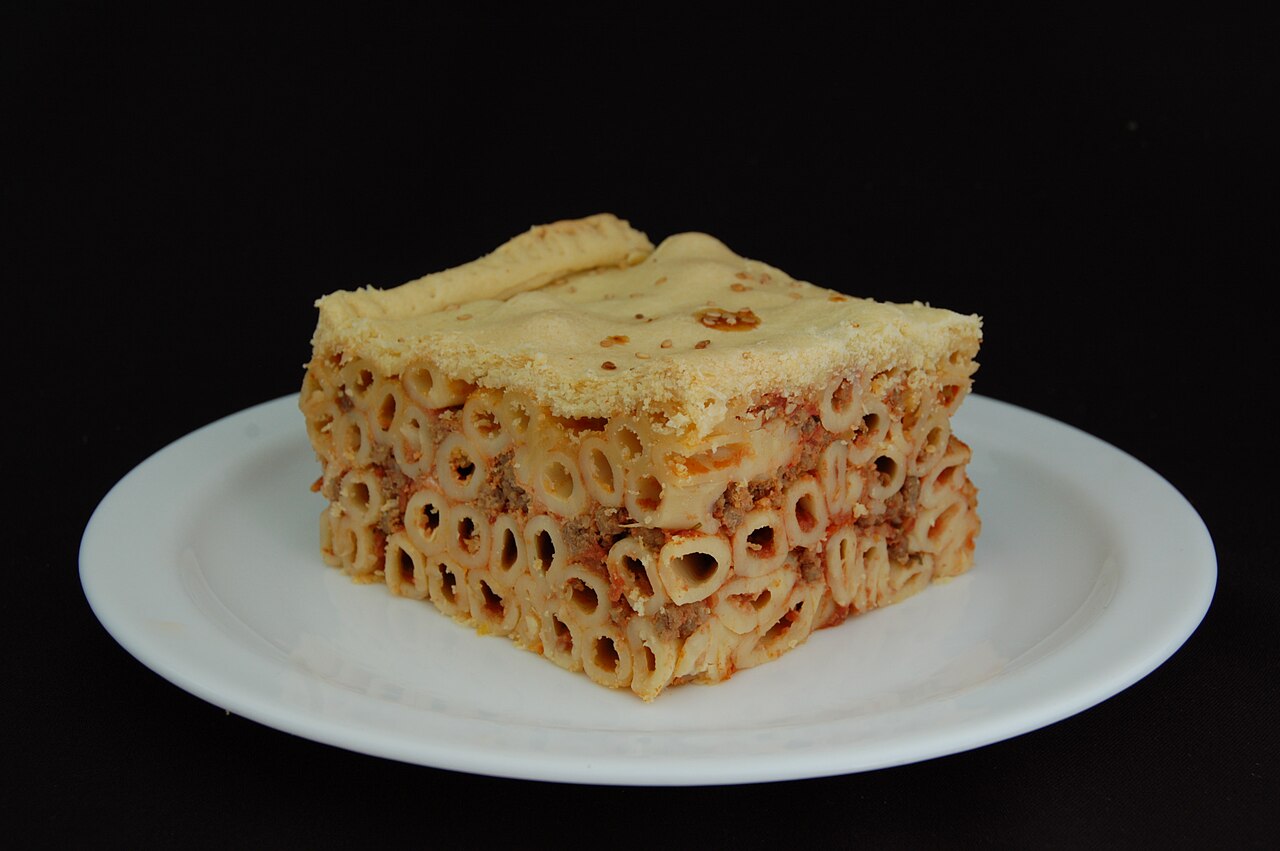
A rich baked macaroni pie: pasta tossed in a tomato and minced meat sauce, bound with egg and grated cheese, and baked inside a pastry case. A similar dish without the pastry is called imqarrun.
The name probably comes from the Italian 'timballo', a drum-shaped baked dish.
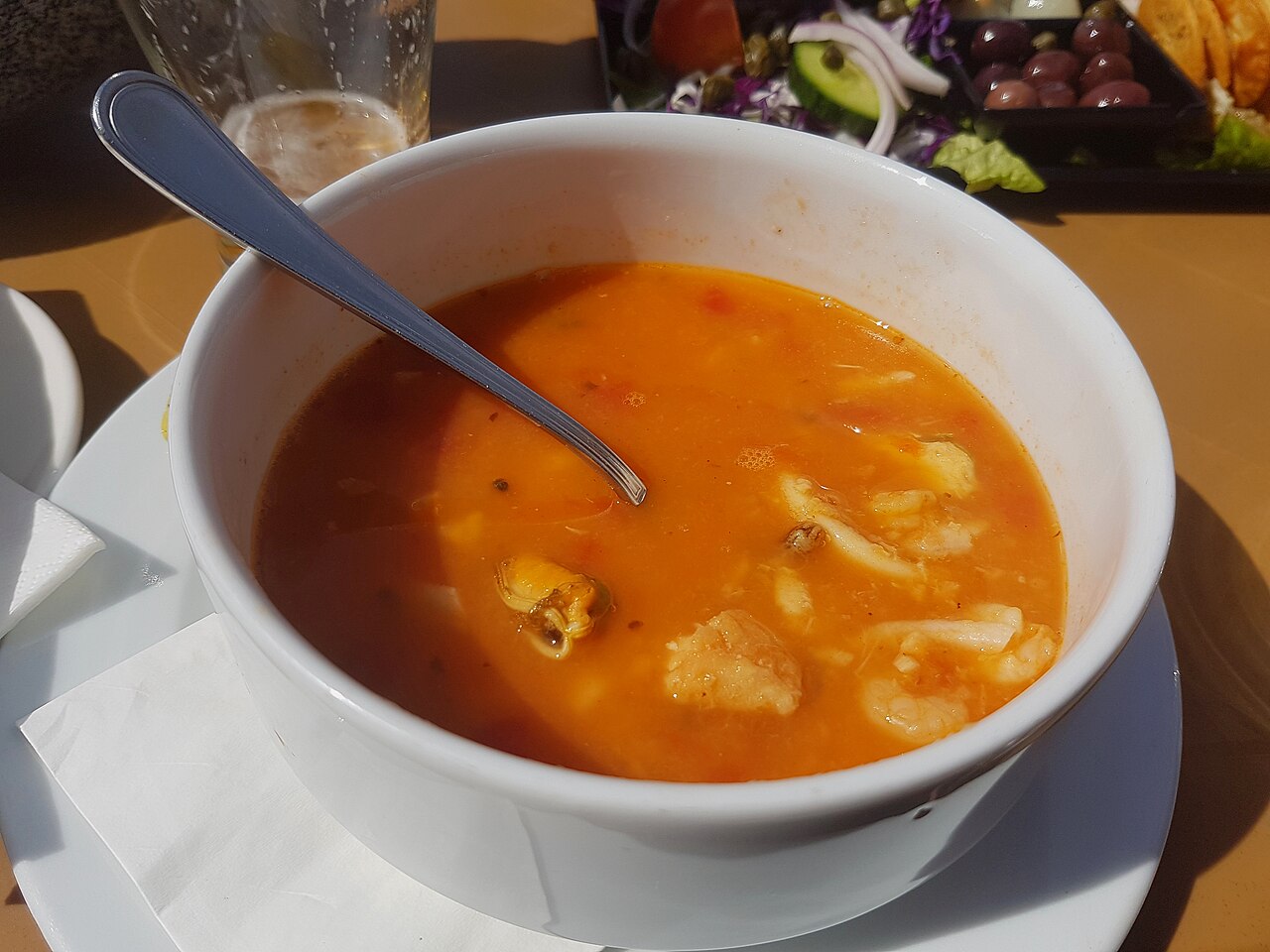
A light fish soup with plenty of garlic, tomatoes and herbs such as marjoram, often with a little rice. It is made when the catch is plentiful.
Aljotta is considered the Maltese adaptation of the French bouillabaisse, one of many tastes linked to the Knights of St John, who came from France, Italy, Spain and elsewhere.
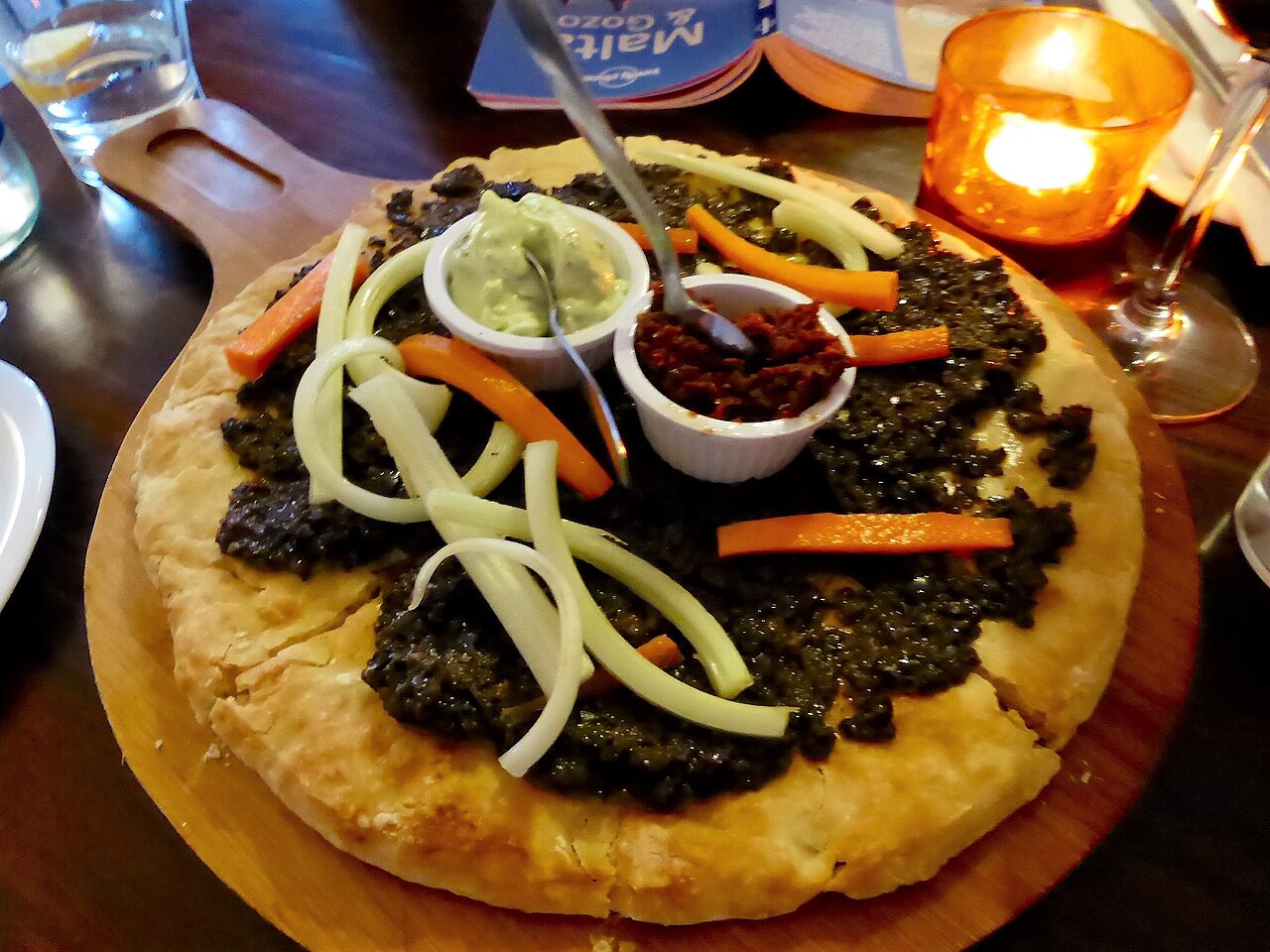
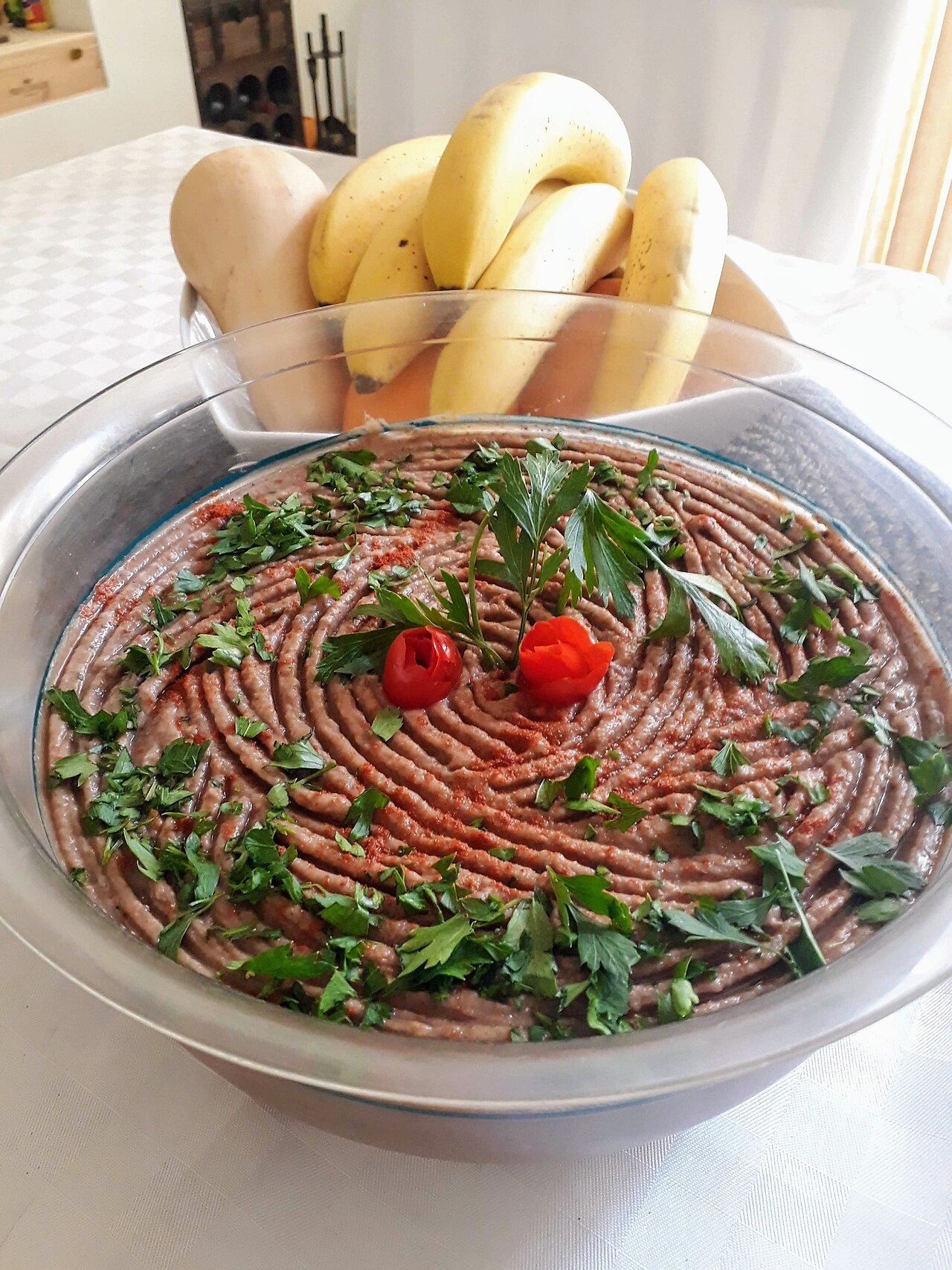
A thick dip of mashed beans with olive oil, garlic, salt and red pepper, eaten with bread or crackers. It is sold on almost every food counter in Malta. The dried beans need soaking overnight before cooking.
It is made with tic beans, small dark beans similar to broad beans, called 'ful ta' Ġirba', 'beans of Djerba', after the Tunisian island.
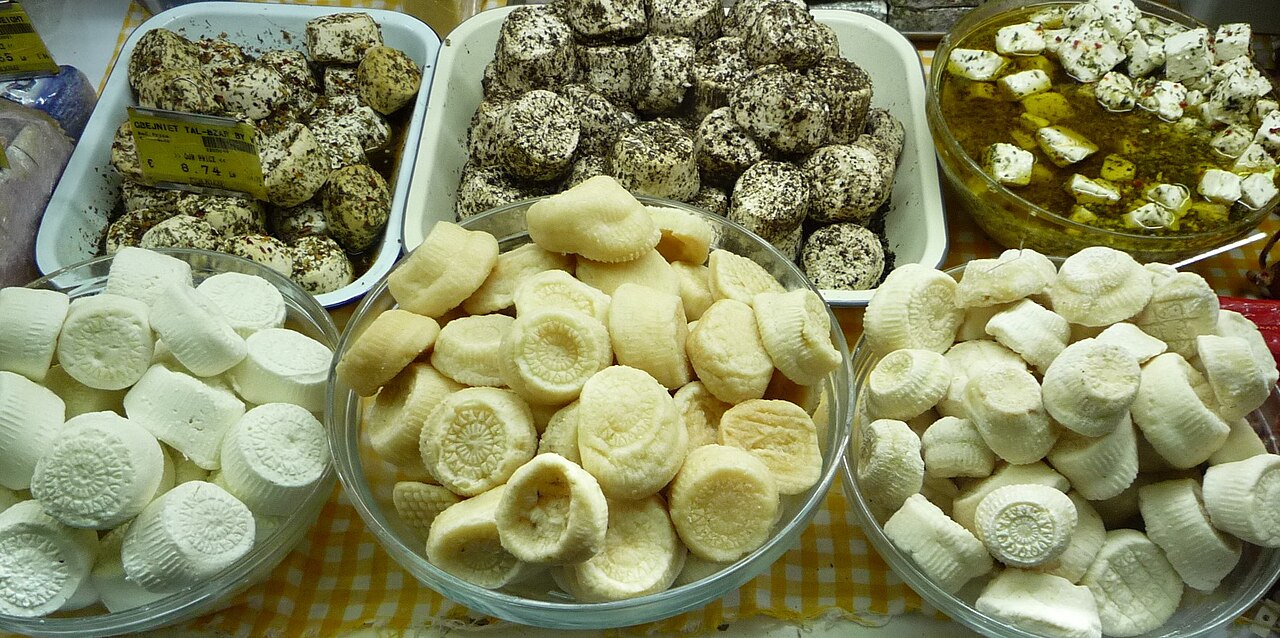
Small round sheep's milk cheeses, eaten fresh and milky, sun-dried and firm, or cured and coated in crushed black pepper. They go into soups, pasta and ravioli, on top of ħobż biż-żejt, or are fried as a starter.
'Ġbejna' is the diminutive of 'ġobna', cheese, so it means 'little cheese'. 'Ġbejna tan-nagħaġ' became, in 2025, Malta's first food product with an EU protected geographical name.
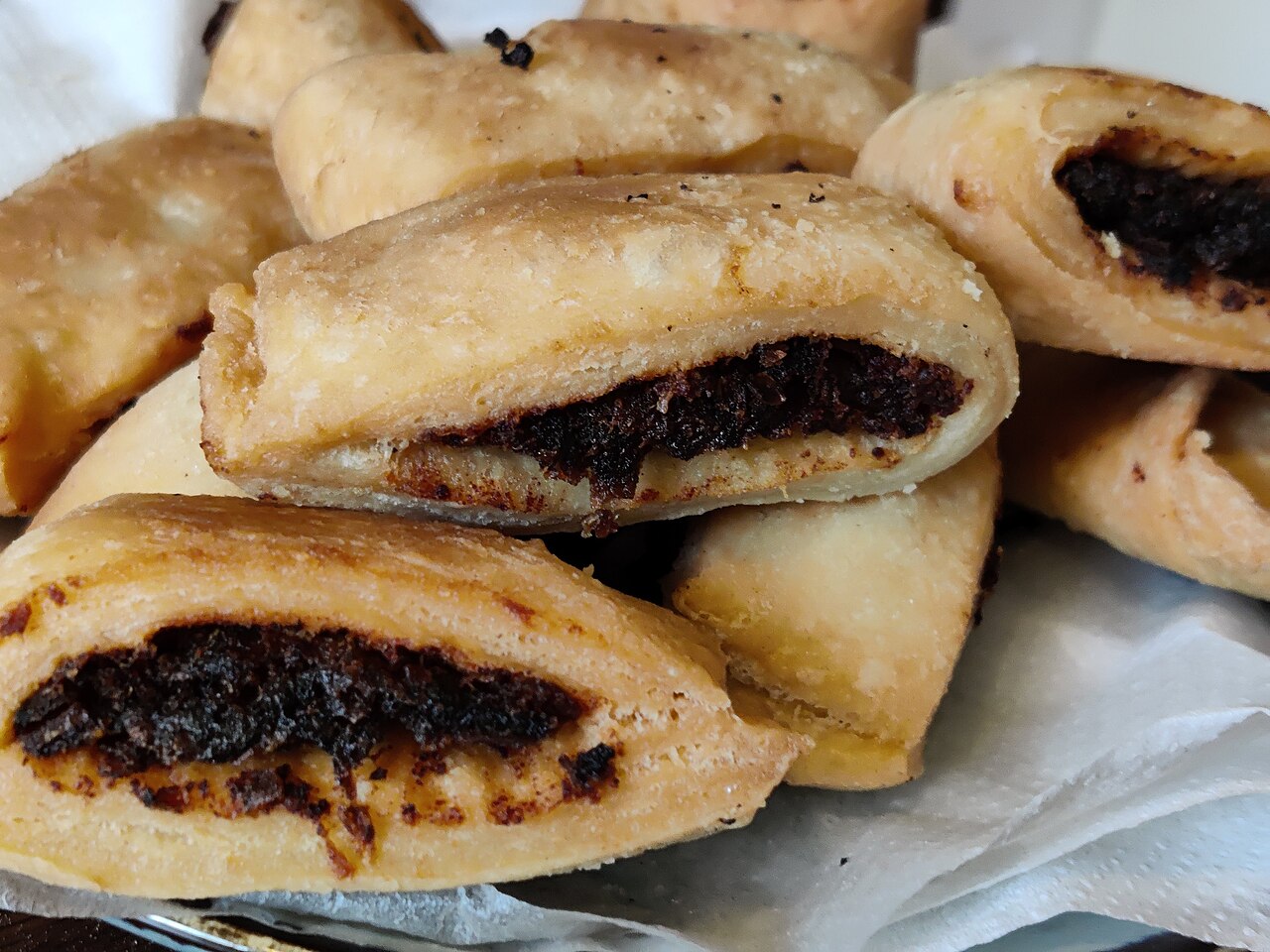
Diamond-shaped pastries filled with dates flavoured with aniseed and bay leaf, then deep-fried until golden. They are sold hot at street markets and village feasts, sometimes with ice cream.
Imqaret date back to the Arab period. A very similar sweet called makroudh is eaten across the sea in Tunisia.
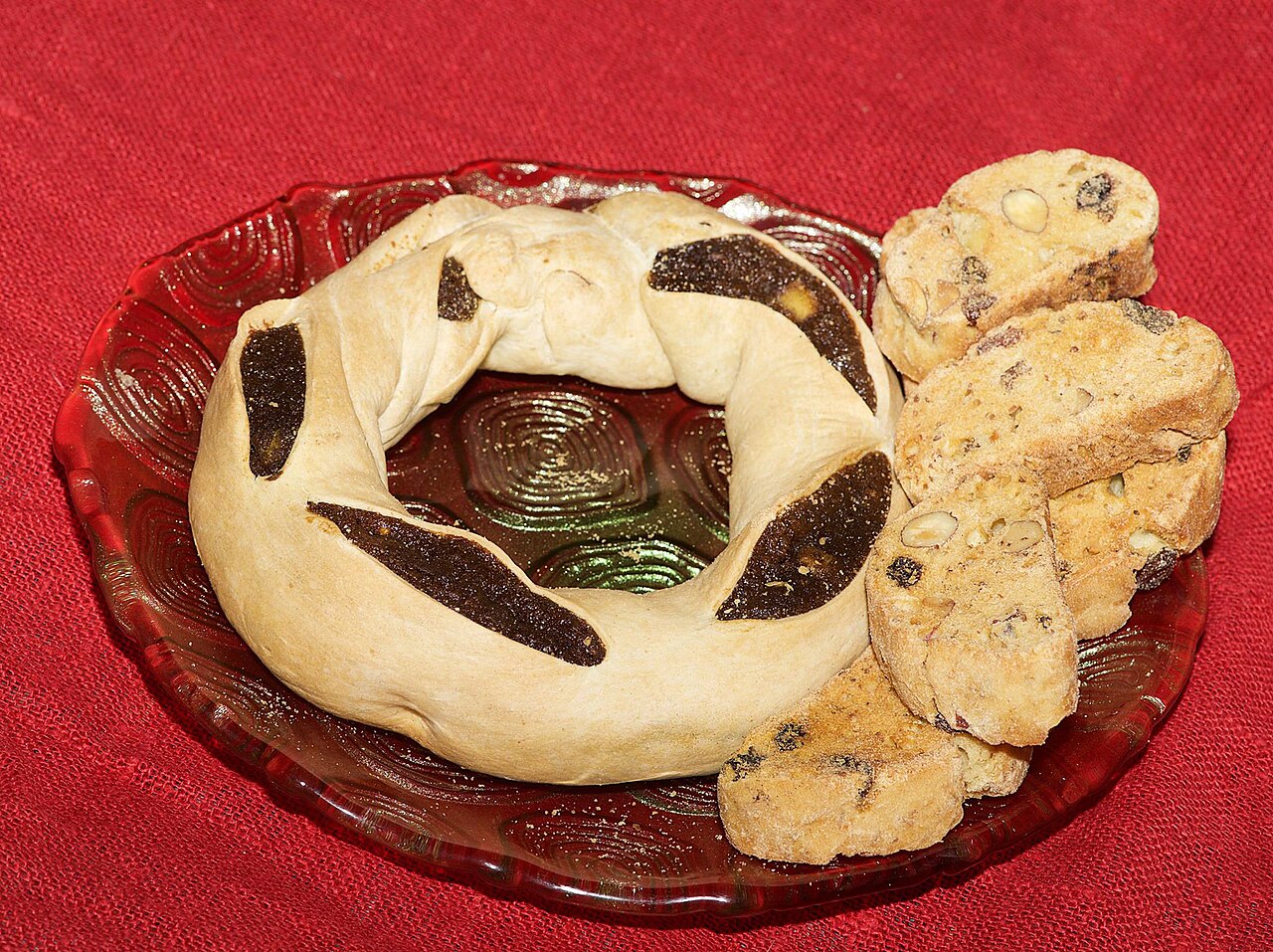
Rings of pastry with a dark, sticky filling of honey or treacle, spiced with aniseed, cinnamon and cloves. Slits along the ring let the filling ooze out.
They were once a Christmas sweet but became so popular that they are now made all year. Despite the name, 'honey rings', the filling is usually made with treacle.
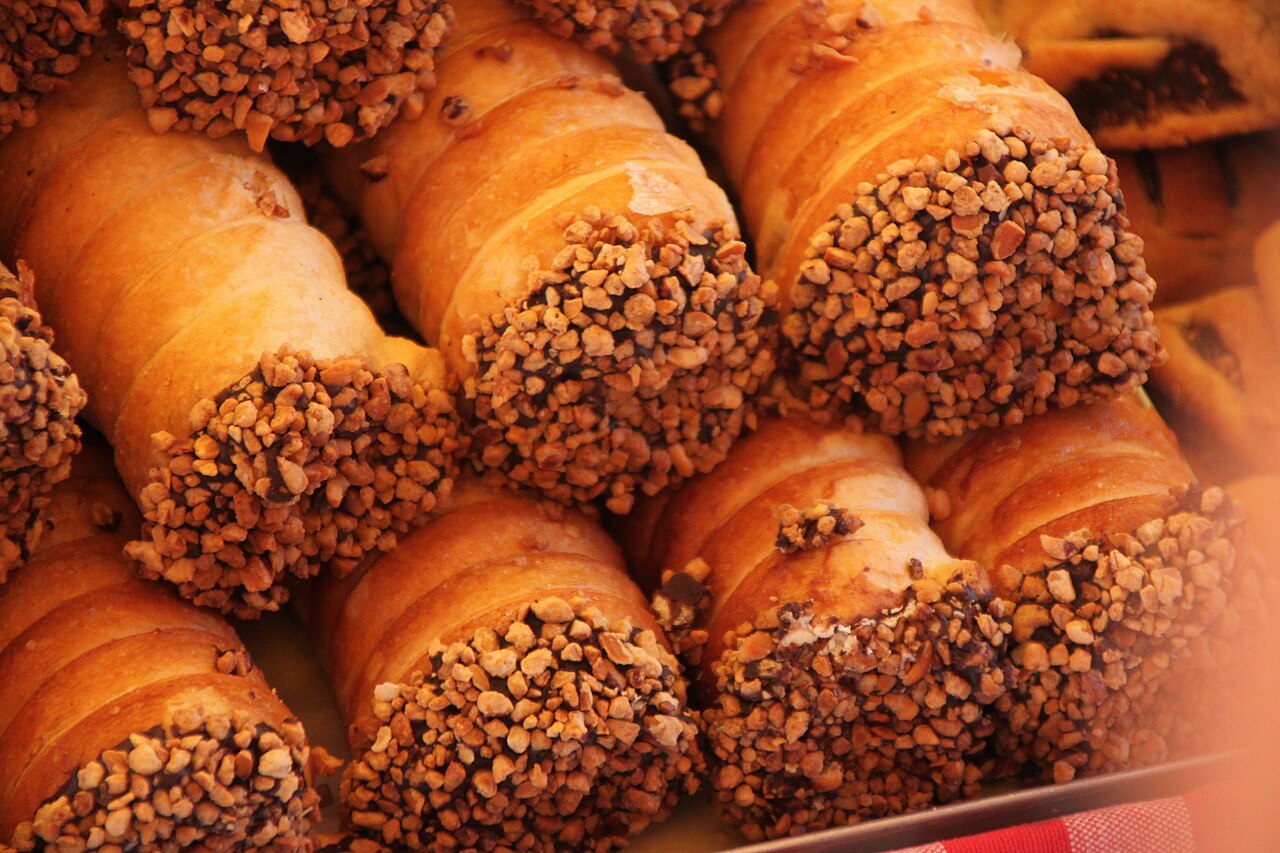
Tubes of crisp fried pastry filled with sweet ricotta, often with candied fruit or chocolate. They came to Malta from neighbouring Sicily and are one of the islands' favourite sweets.
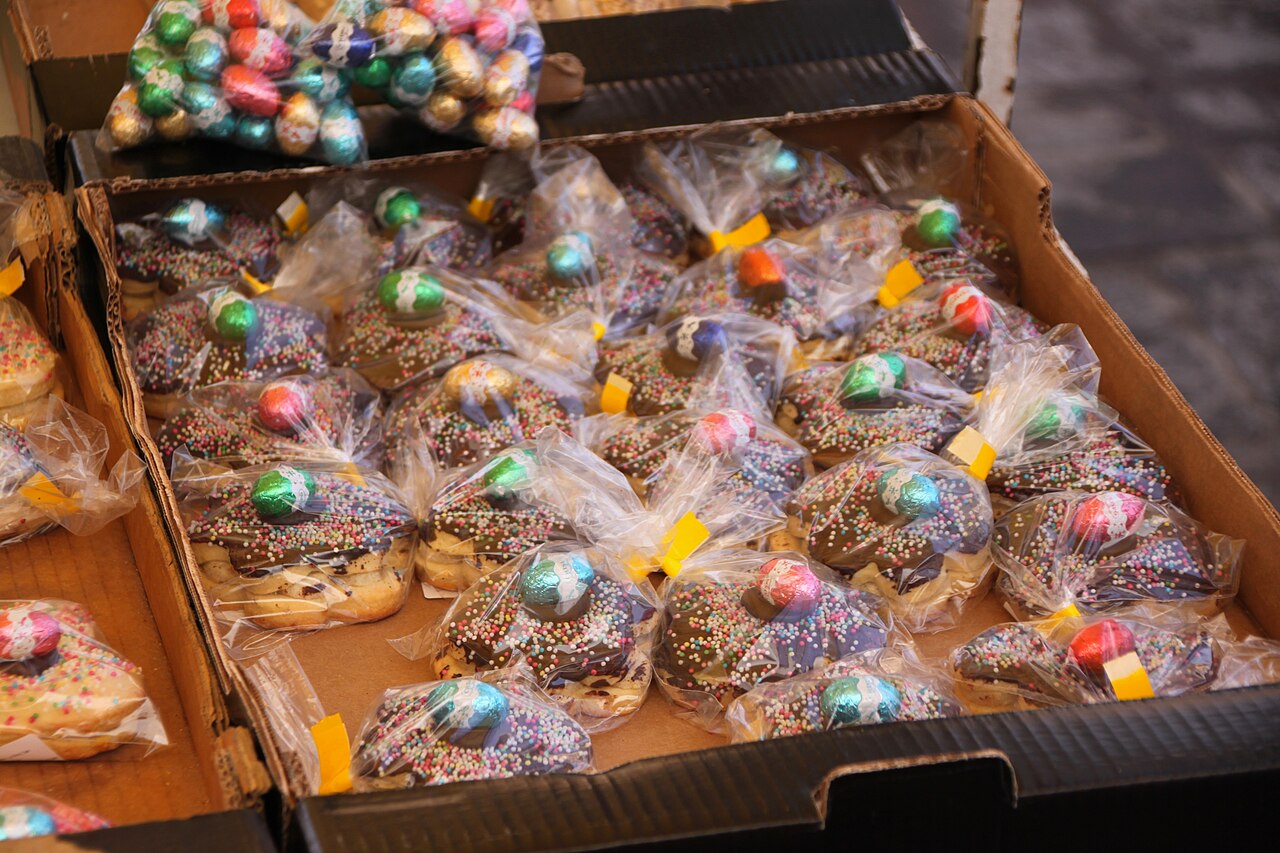
Easter biscuits of sweet pastry with an almond filling similar to marzipan, cut into shapes such as hearts, fish, stars or lambs and topped with icing or chocolate.
Figolli are baked during Holy Week and given to children and friends on Easter Sunday. In some villages a priest blesses them in the square outside the church.
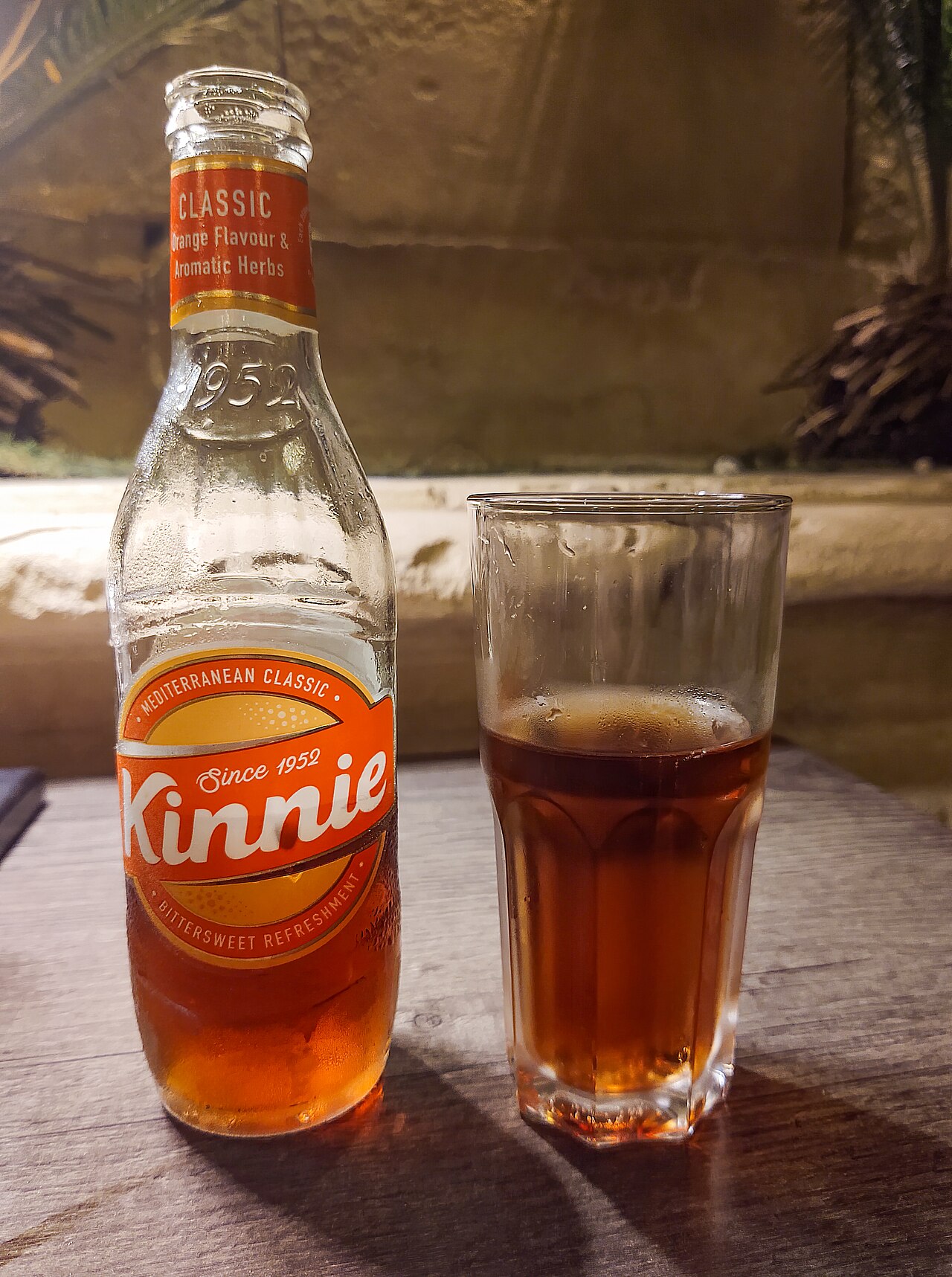
A brown, bittersweet fizzy drink made from bitter oranges and herbal extracts, including wormwood. It is often called Malta's national soft drink.
Kinnie was launched in 1952 by the Maltese brewery Simonds Farsons Cisk as a home-grown alternative to cola. Its full recipe is a secret.
At the table in Malta
A 'fenkata' is a rabbit feast for family and friends: spaghetti in rabbit sauce comes first, then the rabbit itself, fried or stewed.
Pastizzi are bought hot from a pastizzerija and eaten with your hands, often for breakfast or as a mid-morning snack.
During Lent many Maltese traditionally avoided meat, so fish, stewed snails, stuffed artichokes and cheese fritters appear on tables in the weeks before Easter.
At Easter, figolli are given to children and friends and eaten on Easter Sunday.
Tap water in Malta is safe to drink but has a slightly salty taste, so many people prefer bottled water at the table.