New Zealanders usually eat breakfast, lunch and an evening meal, which many older Kiwis still call 'tea'. Everyday cooking has British roots, such as roasts, meat pies and fish and chips, and the country's farms and cold seas give excellent lamb, dairy, mussels, oysters and fish. Māori cooking brought the hāngī earth oven, the boil-up and rēwena bread, and the kūmara, a sweet potato brought by the first Polynesian settlers. Home baking is much loved, from Afghan biscuits to lolly cake, and the café culture is strong: the flat white is claimed by both New Zealand and Australia, as is the pavlova.
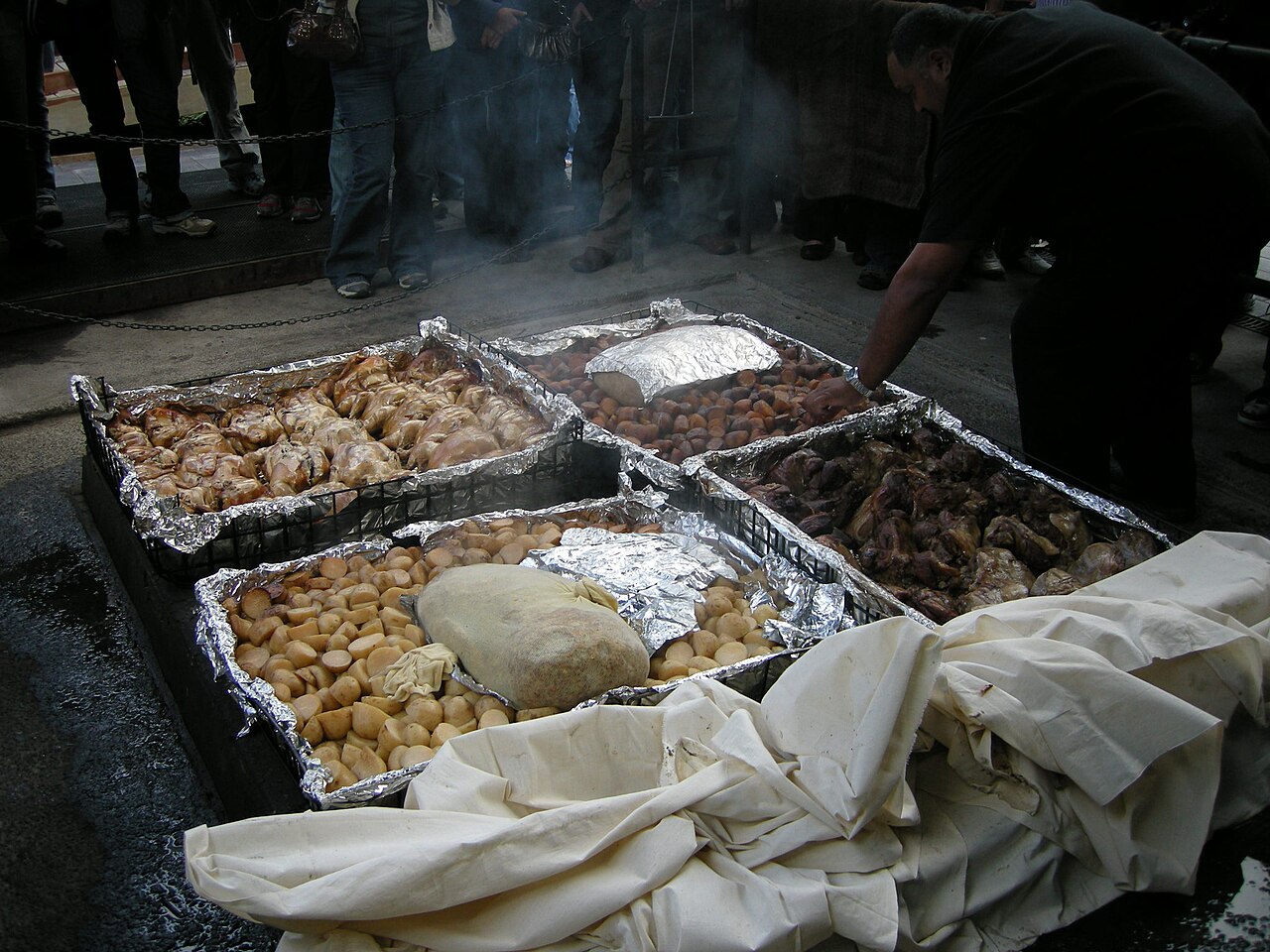
A traditional Māori way of cooking food in a pit in the ground. Stones are heated in a large fire, baskets of meat and vegetables such as lamb, pork, chicken, potato, kūmara and pumpkin are placed on them, and everything is covered with cloths and earth for several hours. The food comes out tender, with a smoky, earthy taste.
A hāngī is still made for big gatherings on special occasions, because it can cook food for a large crowd without any kitchen appliances. The stones are heated to around 600 to 700 °C.
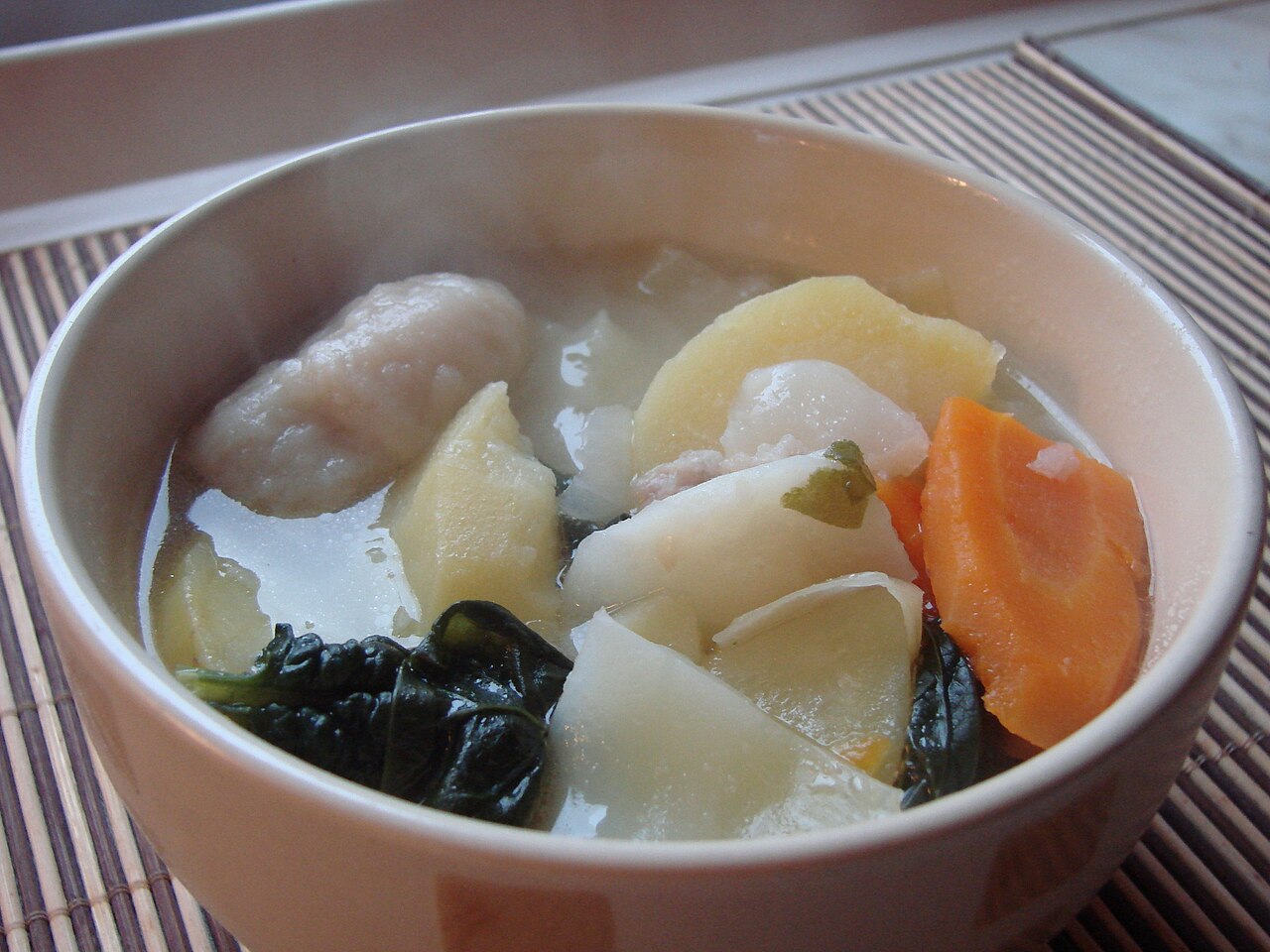
A hearty broth of pork bones or meat simmered with potatoes or kūmara and greens such as pūhā (sow thistle), watercress or cabbage, with flour dumplings called 'doughboys' cooked on top.
Boil-ups began in the 1800s, when Māori adopted pigs, potatoes and iron cooking pots brought by European settlers.
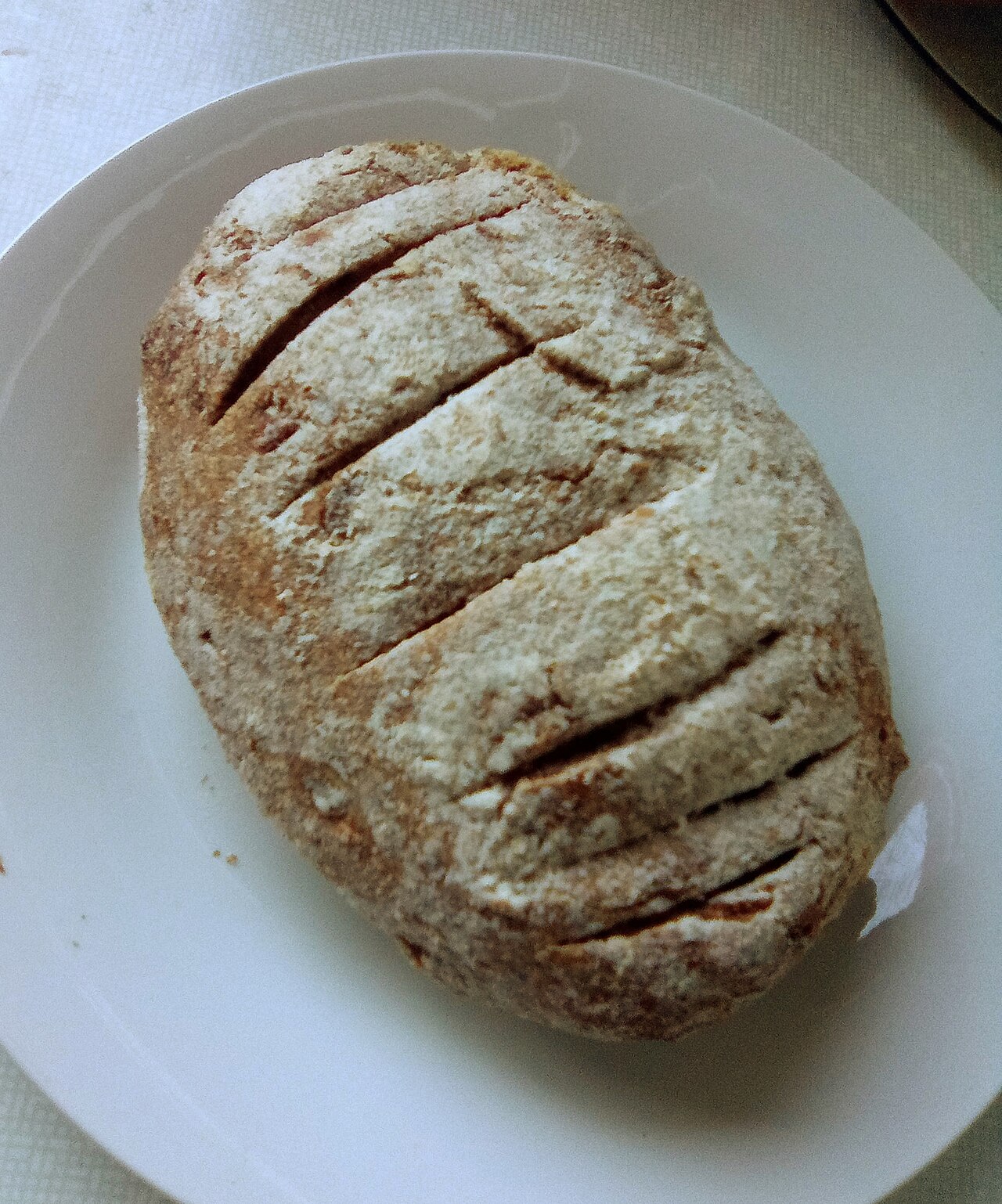
A round sourdough loaf leavened with a fermented potato starter, often called the 'bug'. It has a slightly sweet and sour taste and is delicious with butter and golden syrup, or with a boil-up.
Rēwena comes from the English word 'leaven', and parāoa from 'flour'. A good starter can be fed and kept alive for years.
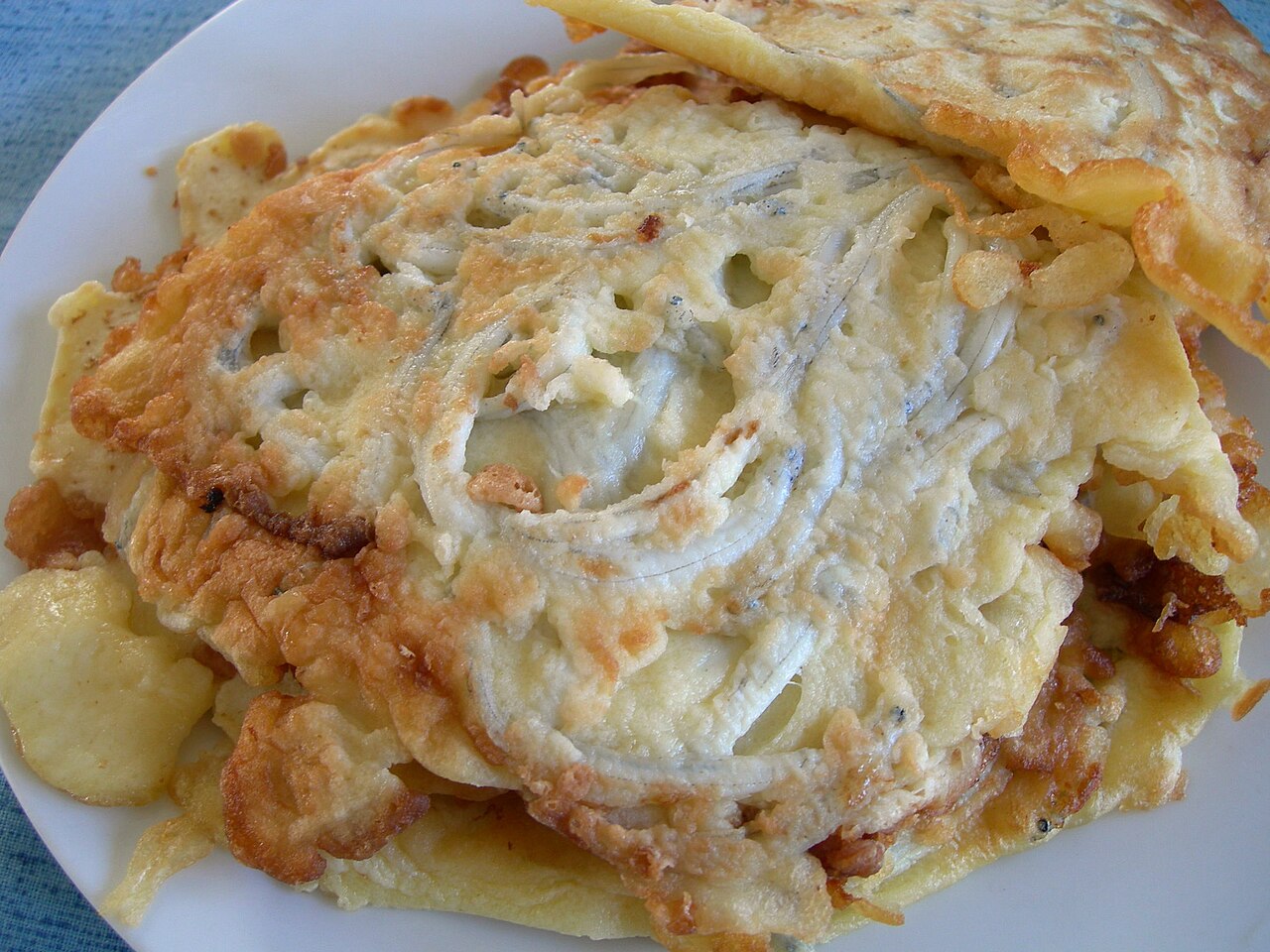
Tiny, almost see-through young fish bound with beaten egg and fried in butter into a thin golden pancake. They are often eaten between two slices of buttered white bread, with a squeeze of lemon.
New Zealand whitebait are the young of five kinds of small native freshwater fish. They may only be caught with small nets that the fisher must stay with, during a short legal season in spring, so they are a pricey treat.
The Marlborough Sounds and coasts all over New Zealand
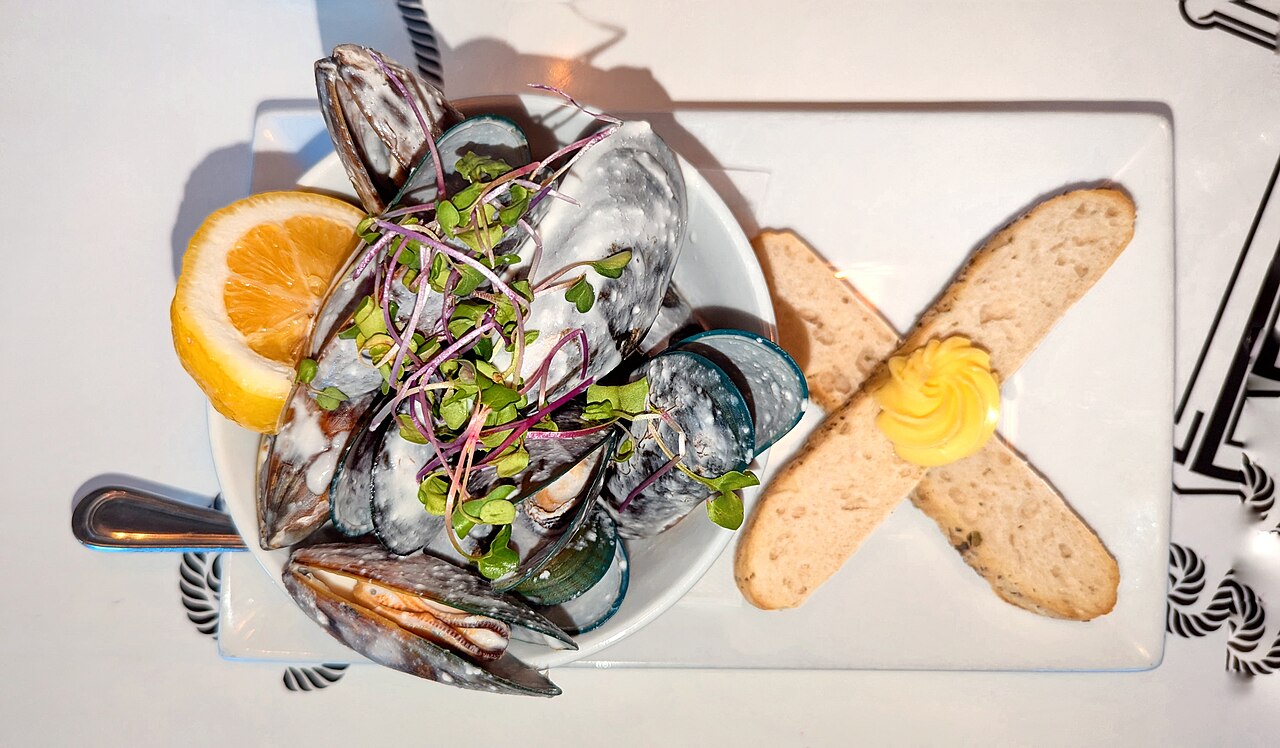
Large mussels with a bright green edge to the shell, found only in New Zealand. They are steamed with white wine or coconut milk, grilled on the half shell, or made into fritters and chowder.
They are farmed in large numbers under the trade name Greenshell. About 80 percent of the young 'seed' mussels for the farms wash up on one beach, Ninety Mile Beach in Northland.
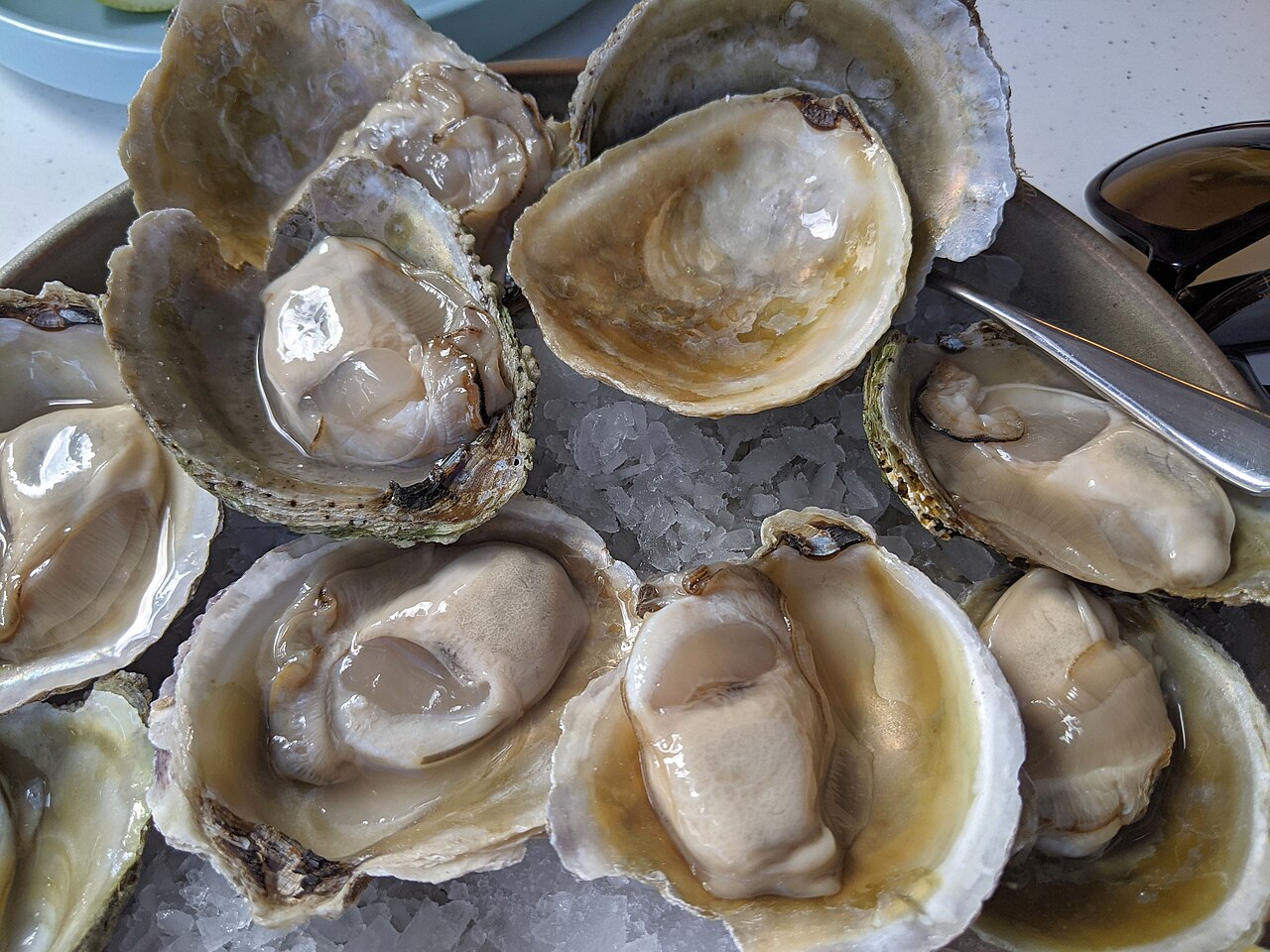
Plump, rich flat oysters dredged from the cold waters of Foveaux Strait at the bottom of the South Island. Most people eat them raw with lemon, or fried in batter. Raw shellfish is not advised for pregnant women, young children, older people or anyone with weak immunity.
The town of Bluff holds a yearly oyster festival, and the start of the oyster season each autumn is followed closely all over the country.
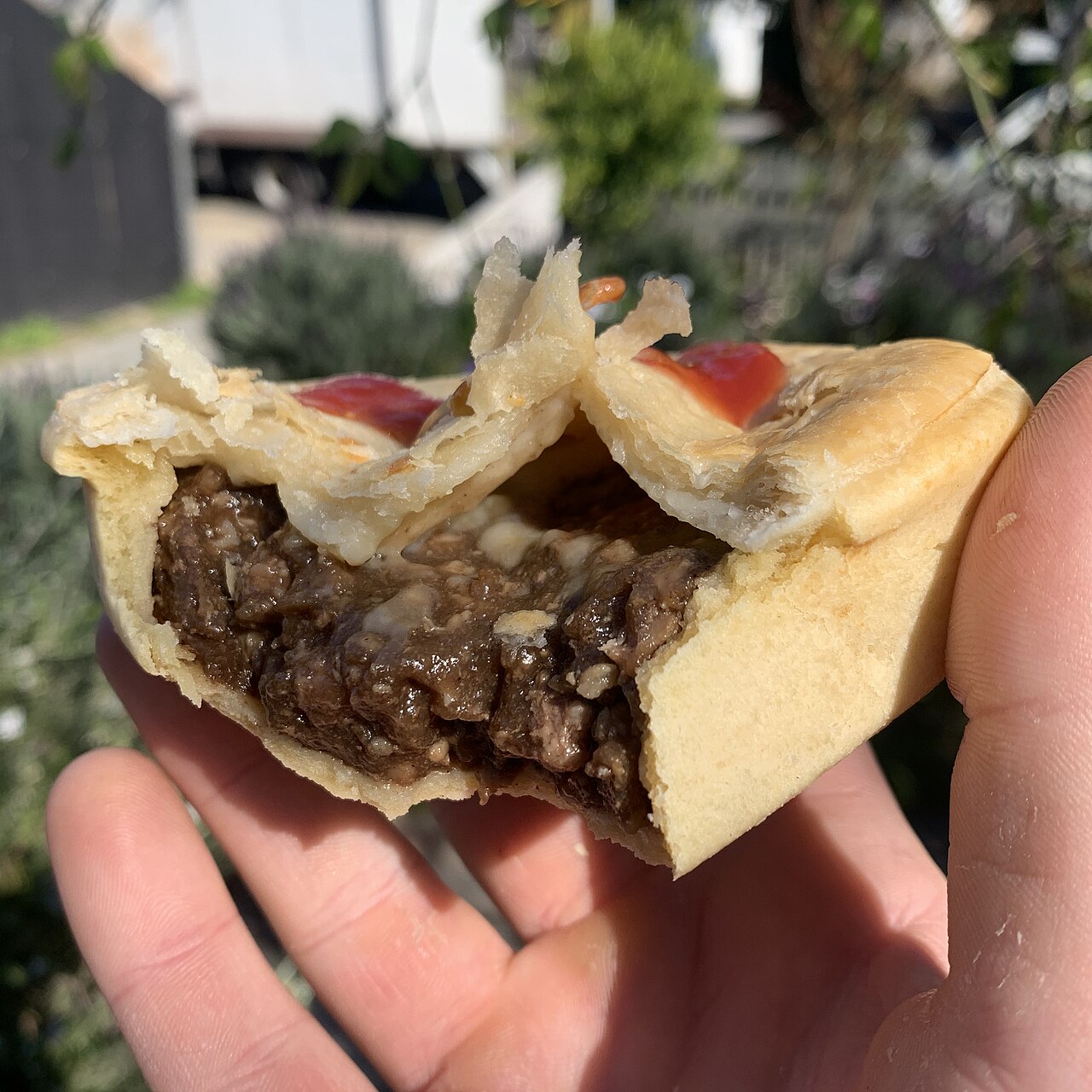
A hand-sized pie of chunky beef steak in gravy, topped with melted cheese under a flaky pastry lid. Mince and cheese is just as popular.
The meat pie is probably the closest thing New Zealand has to street food, sold in bakeries, dairies (corner shops), supermarkets, petrol stations and school canteens.
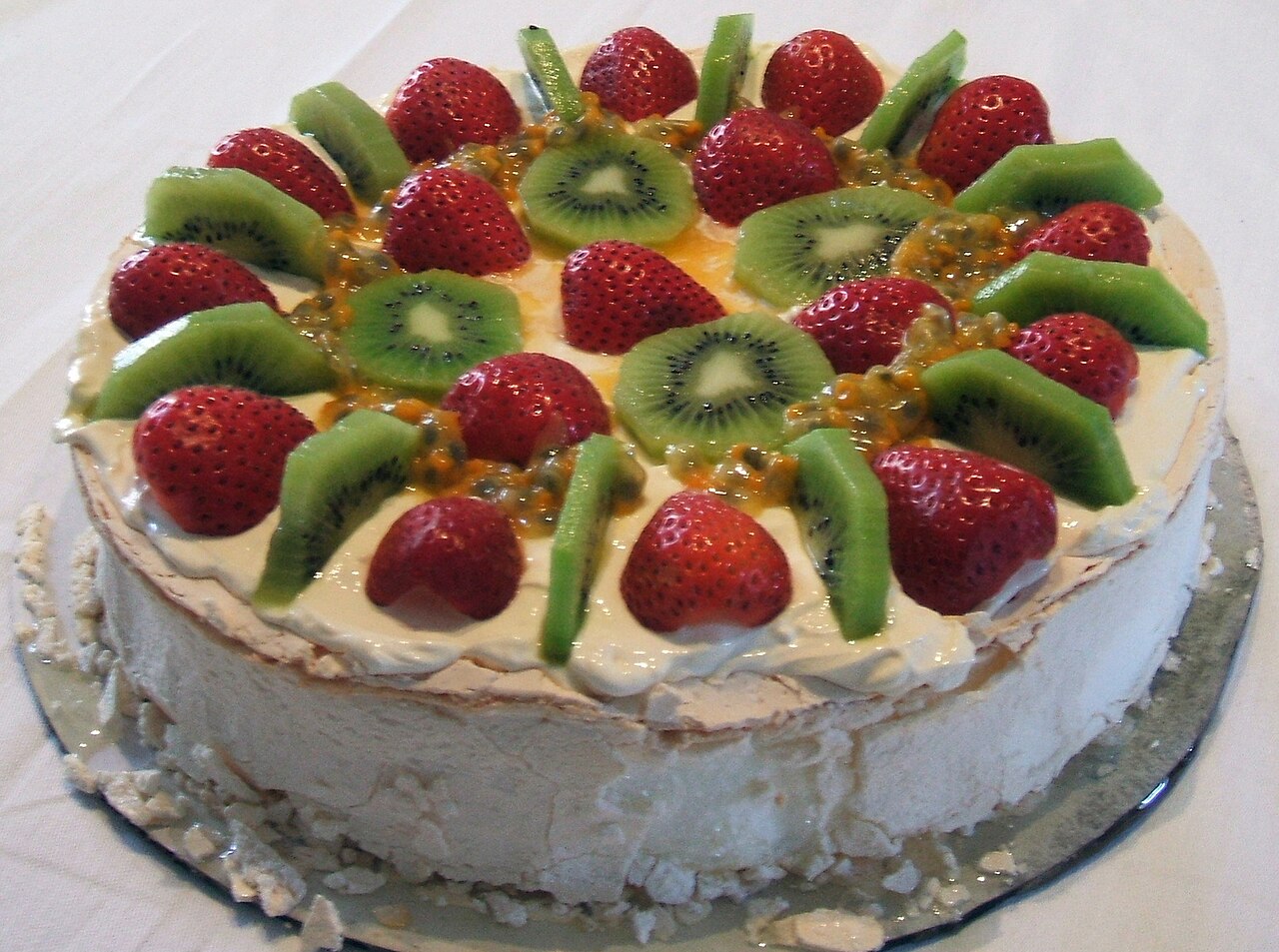
A large round of meringue, crisp outside and soft like marshmallow inside, topped with whipped cream and fruit such as kiwifruit, strawberries and passionfruit. It is the classic dessert of a summer Christmas.
It is named after the Russian ballerina Anna Pavlova, who toured both countries in the 1920s. A recipe called 'pavlova cake' was printed in New Zealand in 1929, but Australia also claims the dessert, and the friendly argument goes on.
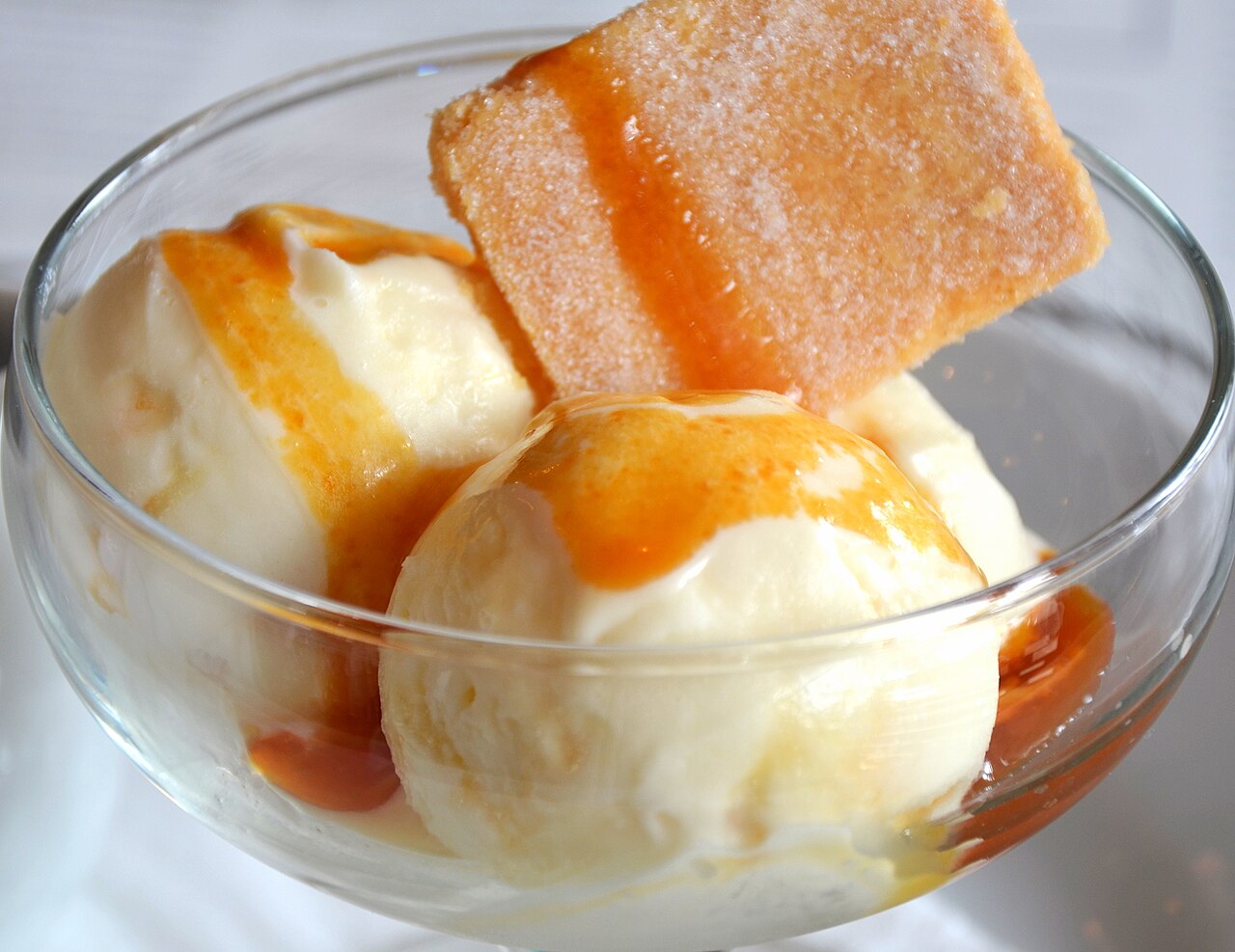
Vanilla ice cream with small, crunchy lumps of honeycomb toffee, which New Zealanders call hokey pokey. It is a summer favourite in a cone at the beach.
It is the second most popular ice cream flavour in New Zealand after plain vanilla, and a classic piece of 'Kiwiana'.
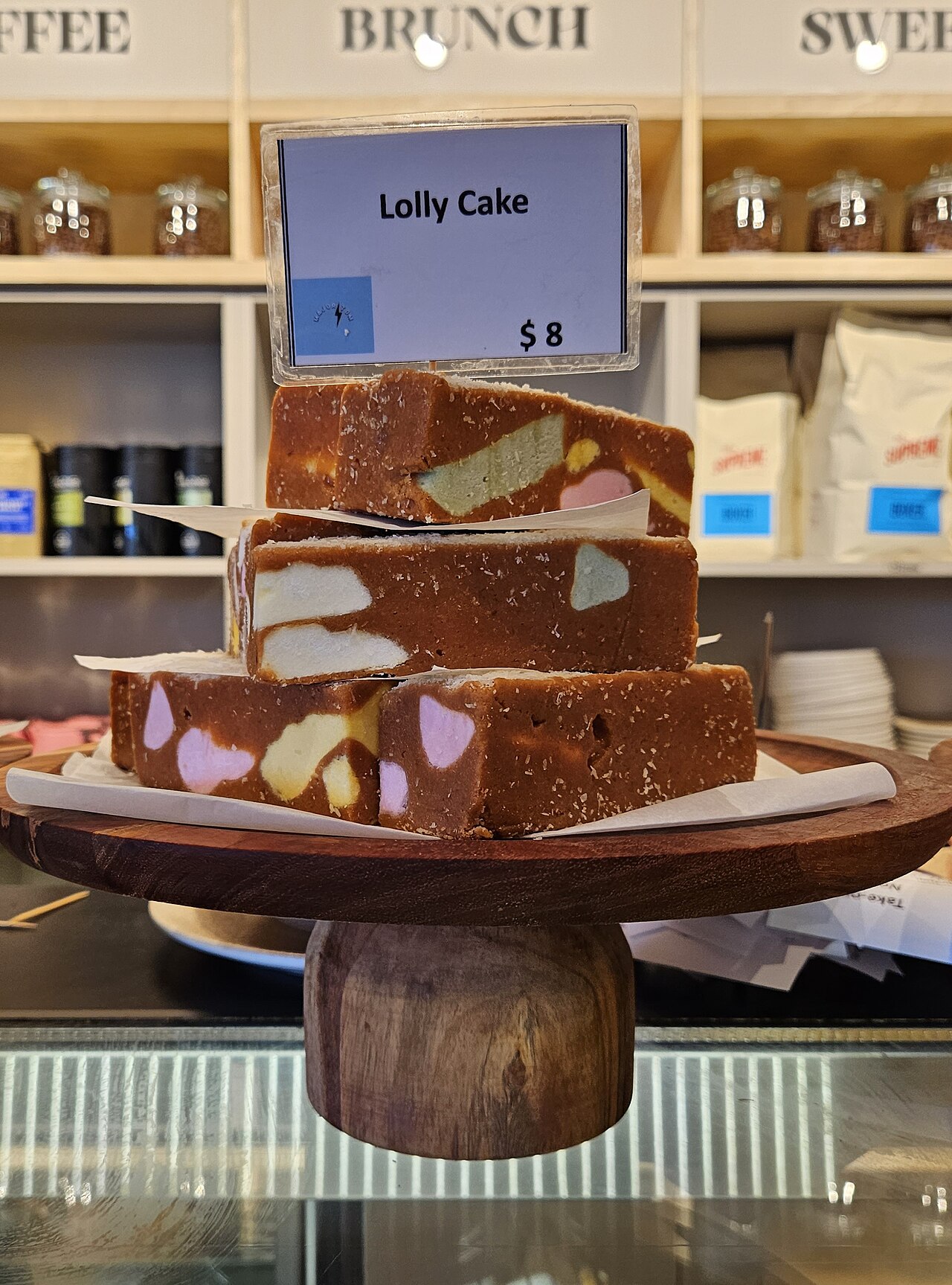
An unbaked sweet log of crushed malt biscuits, butter and condensed milk, packed with soft, colourful fruit puff or explorer lollies, rolled in coconut and sliced.
The soft lollies inside were called 'Eskimo lollies' until 2021, when they were renamed 'Explorers'.
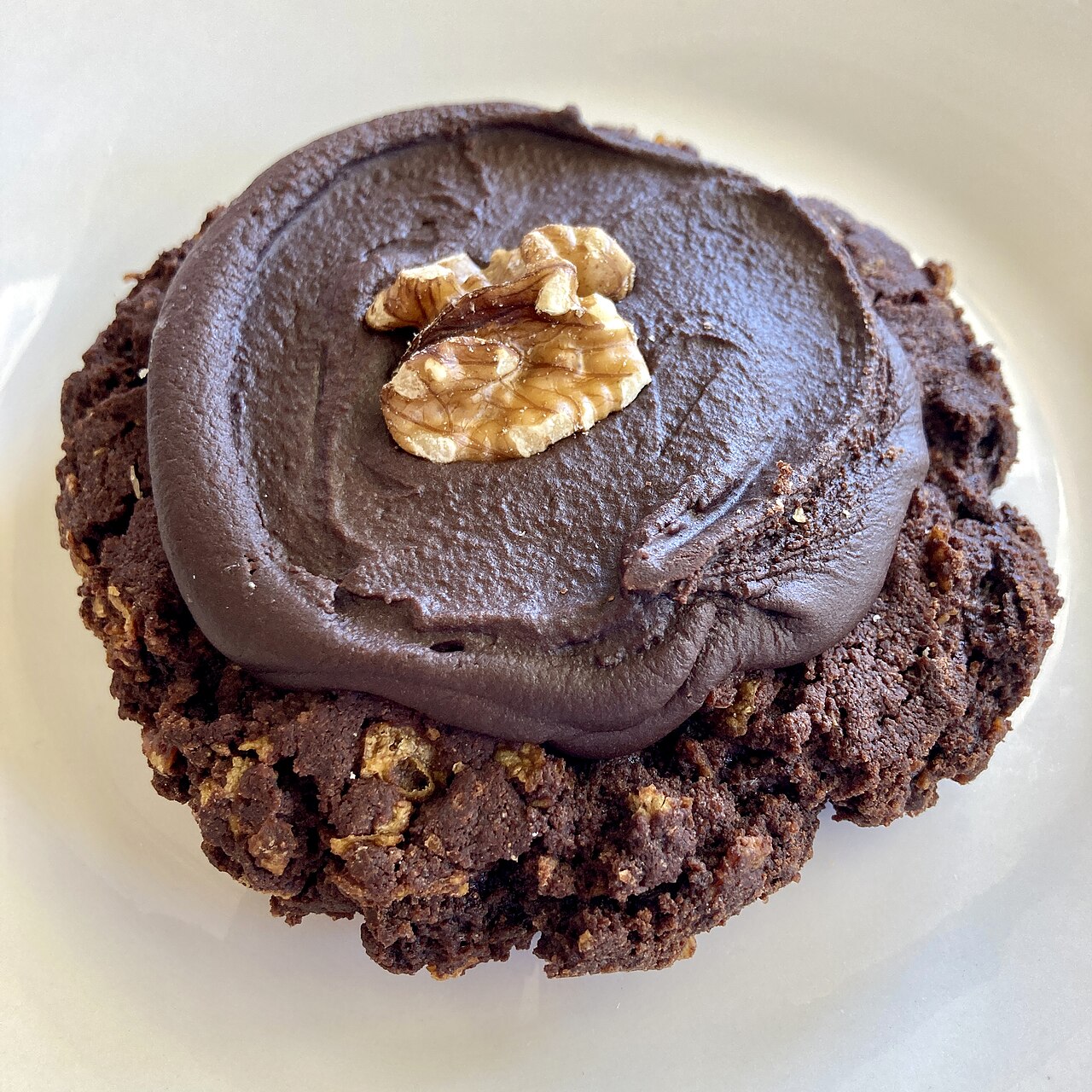
Rich, buttery chocolate biscuits with crunchy cornflakes inside, topped with chocolate icing and half a walnut. They are only lightly sweet, which the icing makes up for.
Despite the name, the biscuit is thought to come from New Zealand. A recipe for 'Afghans' appeared in The Timaru Herald in 1934, and nobody knows for sure where the name came from.
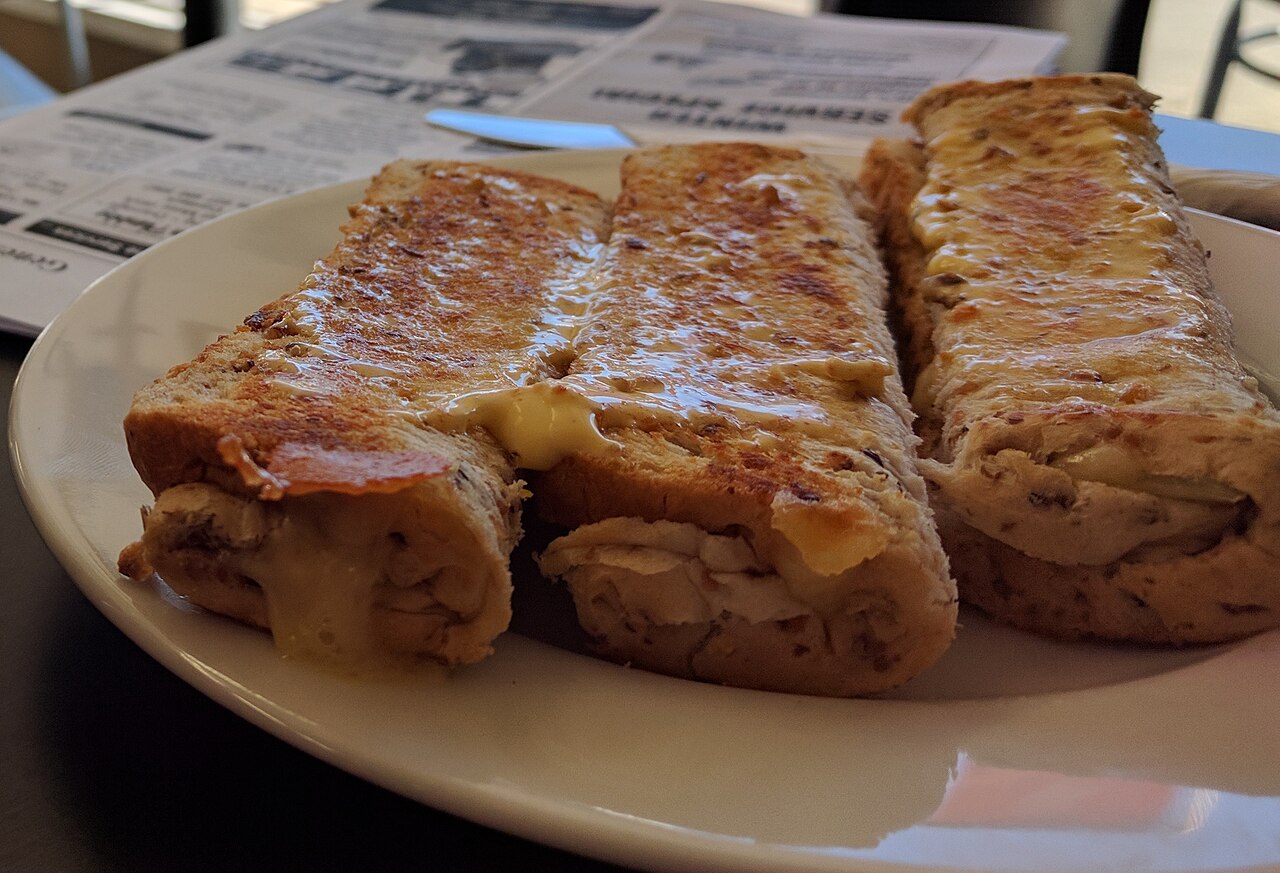
Slices of white bread spread with a cheesy, oniony filling, rolled up into tubes and toasted with butter until golden and crisp. They are a favourite at cafés in the south of the South Island.
They are one of the few recipes that belong mainly to one of New Zealand's two main islands, the South Island.
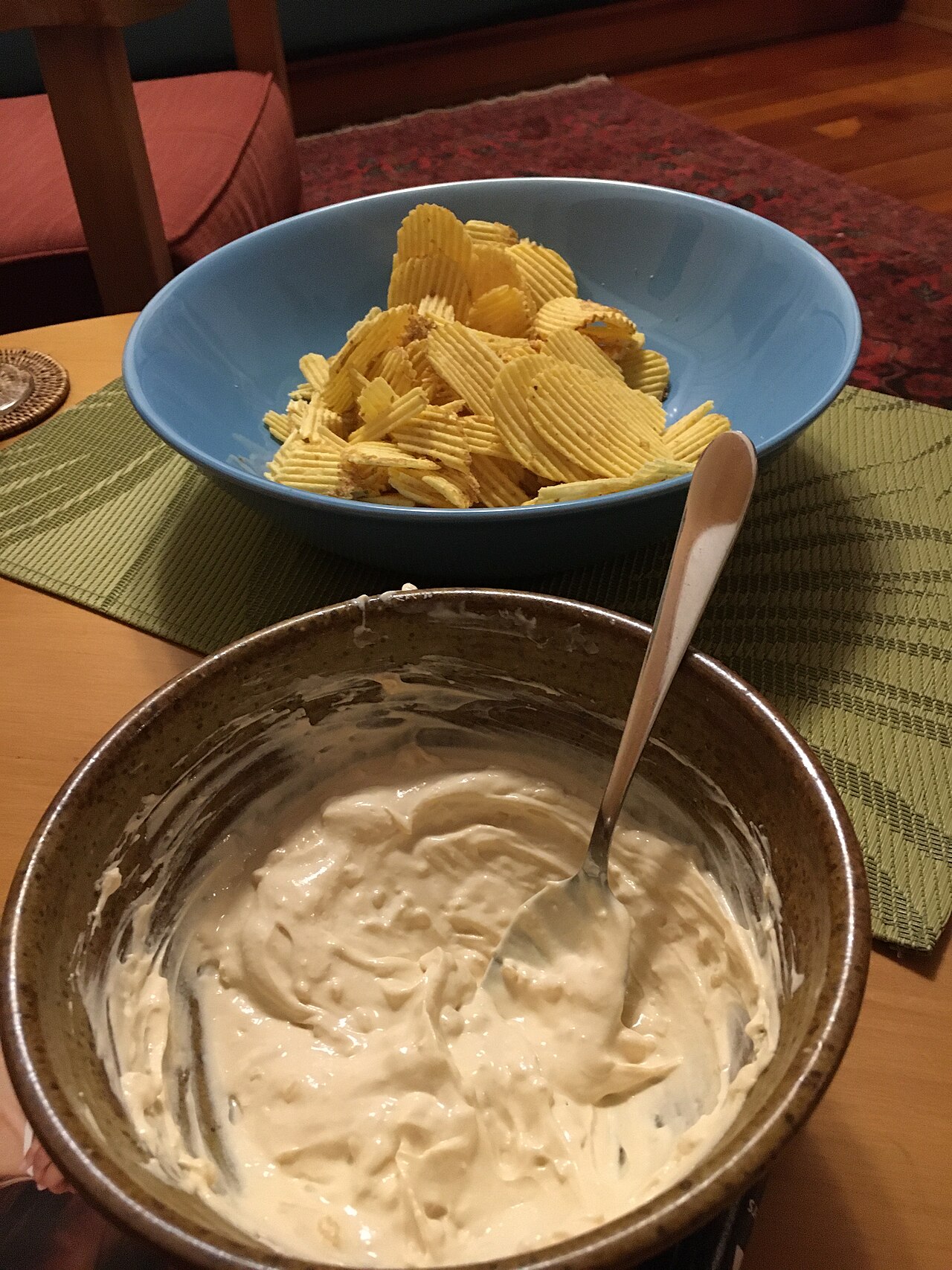
A thick, creamy party dip made by stirring a packet of onion soup powder into a can of reduced cream, often with a dash of lemon juice or vinegar, then chilling it. It is served with potato chips.
The 'kiwi' in the name means New Zealand, not the fruit or the bird. Its creation is credited to the home economist Rosemary Dempsey, who later became the New Zealand Herald's first food editor.
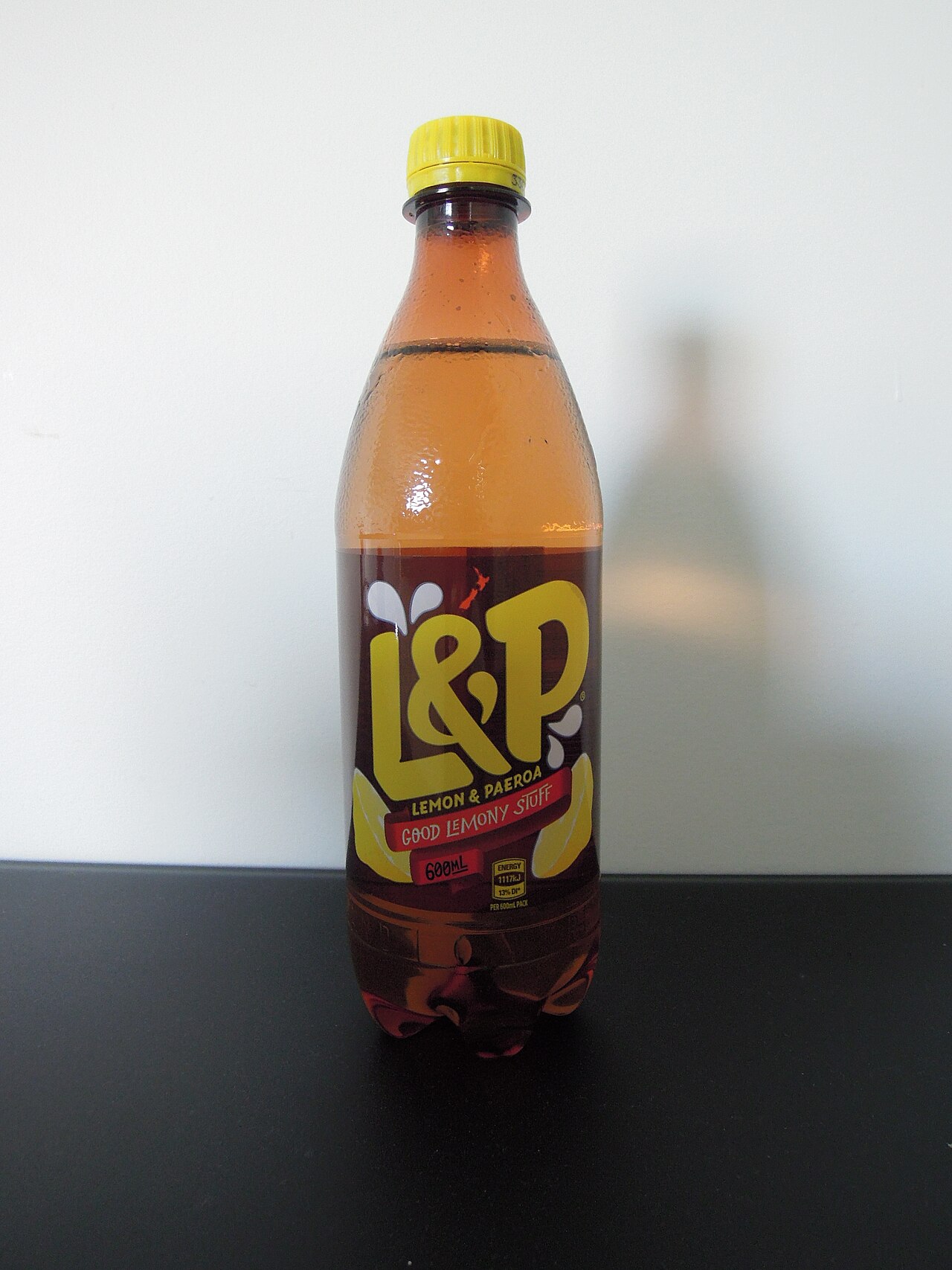
A sweet, fizzy lemon soft drink. It was first made by mixing lemon juice with naturally sparkling mineral water from a spring in the town of Paeroa.
Paeroa has a statue of an L&P bottle about 7 m tall, one of the most photographed sights in the country. The brand's slogan calls it 'World famous in New Zealand'.
Café culture of New Zealand and Australia, popular from the 1980s
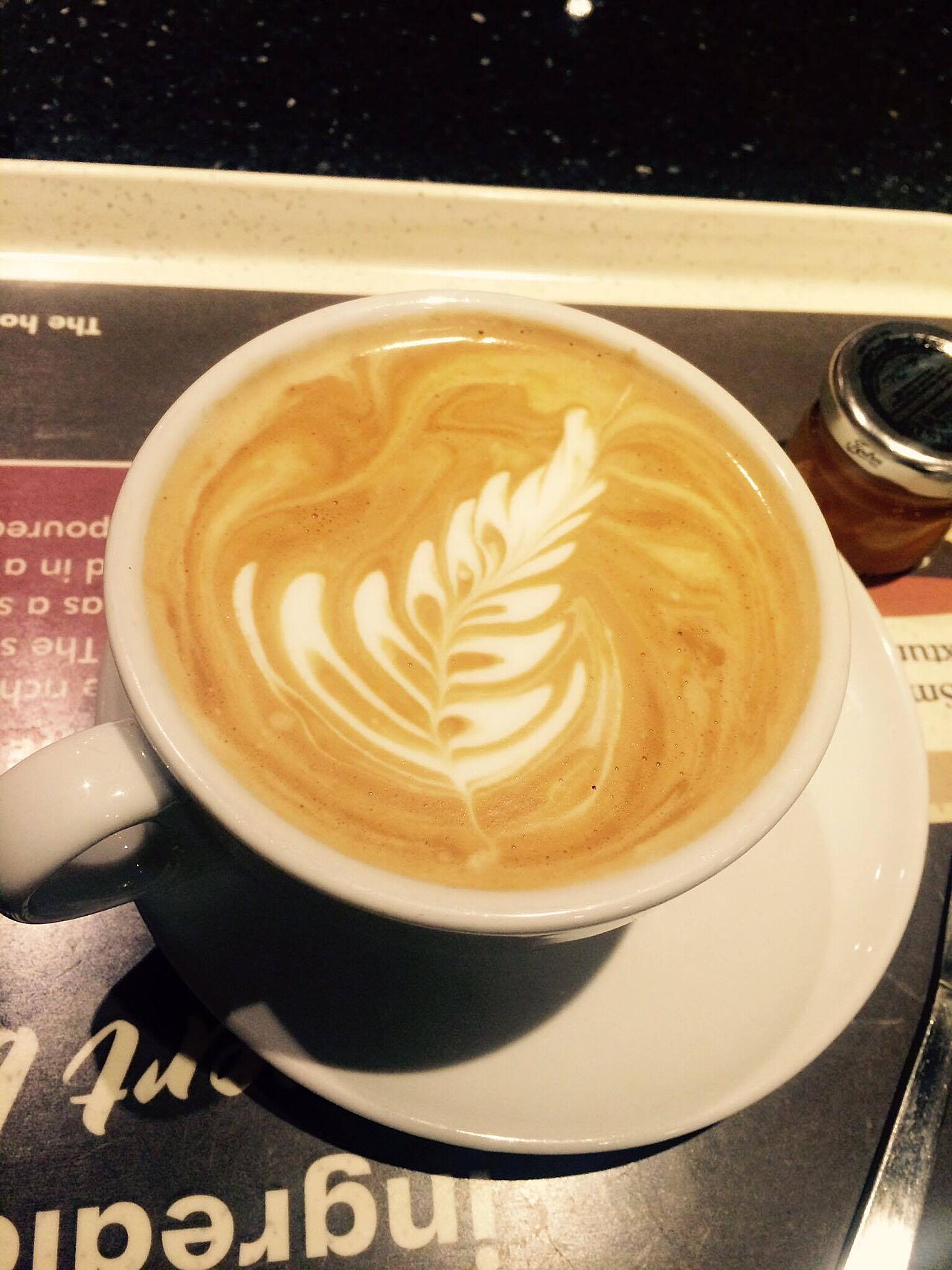
Espresso coffee with steamed milk and only a thin layer of fine, velvety foam, usually served in a smaller cup than a latte, so it tastes stronger.
Cafés in both New Zealand and Australia claim to have invented the flat white in the 1980s, and the question is still open. The name itself was already heard in England in the 1960s.
At the table in New Zealand
After the formal welcome (pōwhiri) on a marae, visitors are invited to the dining hall (wharekai) to share a meal with their hosts. Sharing food completes the welcome.
If a pōwhiri is held indoors, visitors take their shoes off before entering the meeting house (wharenui).
A hāngī is usually made for a big gathering; the food is lifted from the ground after several hours and shared by everyone.
Christmas falls in summer, so many families have a barbecue or a cold lunch of meats and seafood, often outdoors, with pavlova for dessert.
A meat pie is a common quick lunch, bought at a bakery, dairy or petrol station and eaten from the hand.