Qatari food grew out of the desert and the sea: fish and dates, rice brought by traders from India and Persia, and spice mixes such as bizar, made with black pepper, coriander, cinnamon, cloves, ginger, cardamom and turmeric. A traditional meal is a large shared platter of spiced rice with meat or fish, eaten with the right hand, and a guest is welcomed with Arabic coffee and dates before anything else. Many Qatari dishes are shared with the other Gulf countries, sometimes under different names. Traditional restaurants, called matbakh, are easy to find around Souq Waqif and the Corniche.
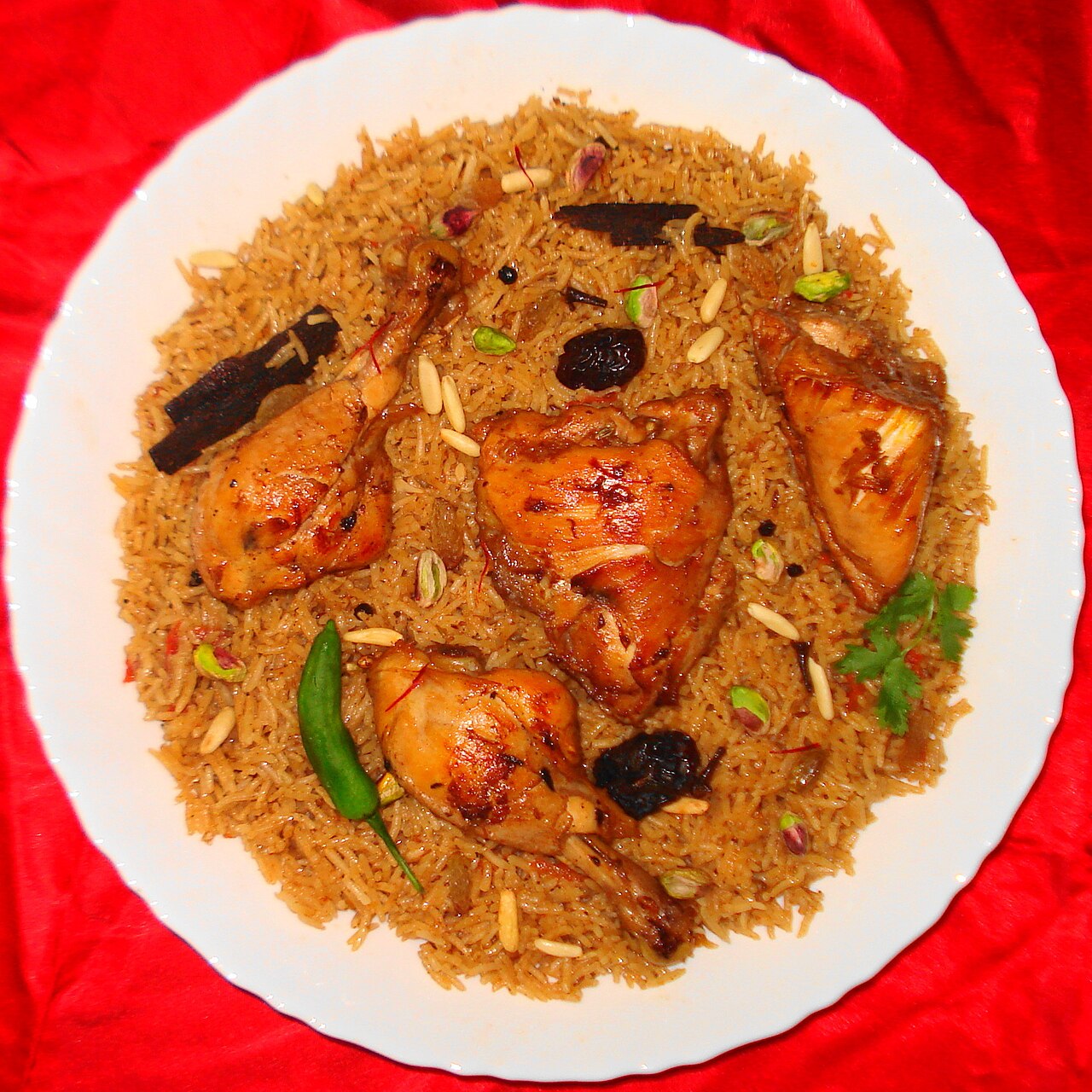
The whole Gulf coast; called the national dish of Qatar
Rice cooked in a spiced stock with lamb, chicken or fish, onions and tomatoes, flavoured with the bizar spice mix and dried lime. It is served on a large platter in the middle of the table.
Machboos is the Gulf version of the dish that Saudis call kabsa, and versions of it are loved all around the Gulf.
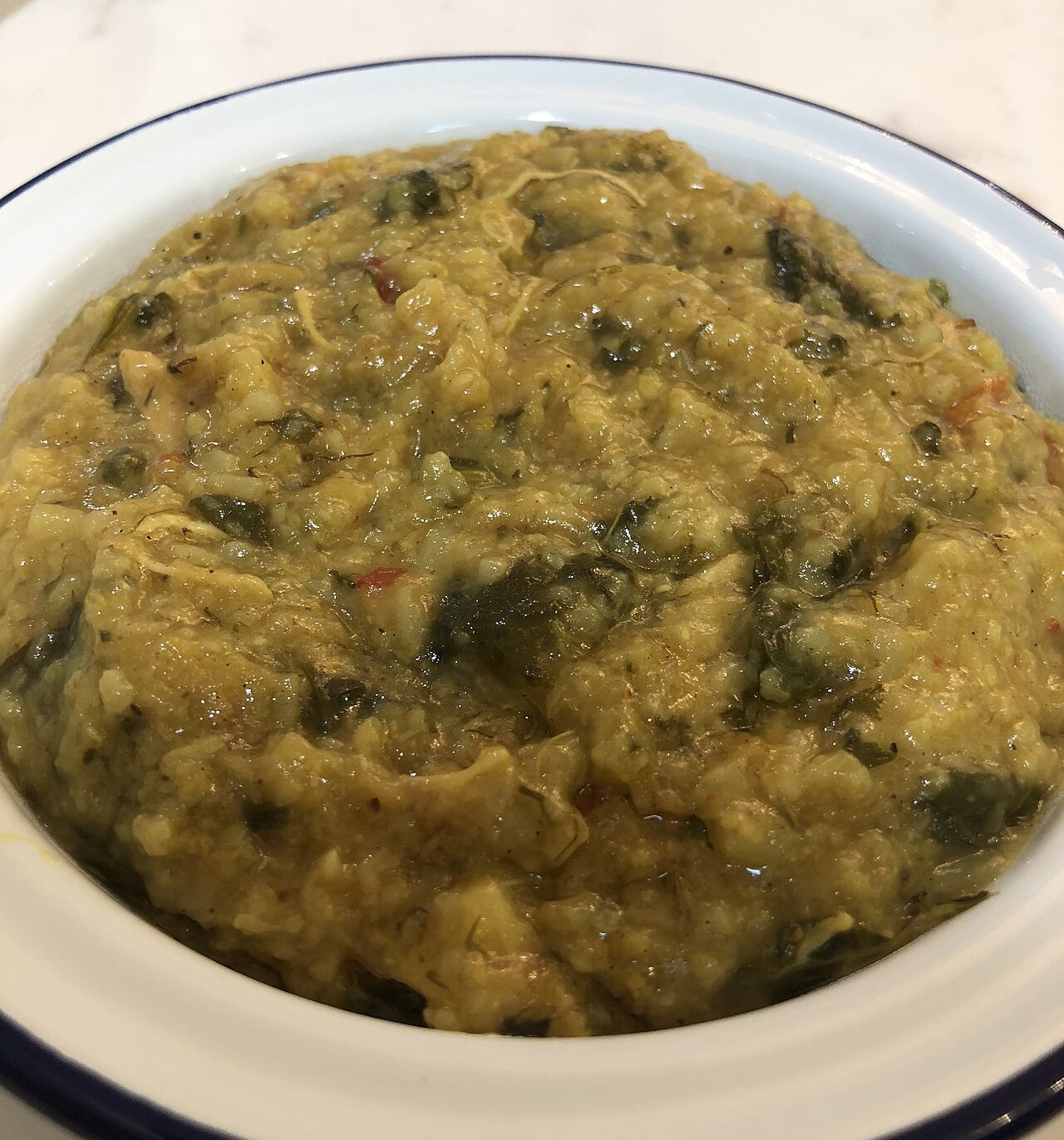
Qatar and its Gulf neighbours, a comforting home dish
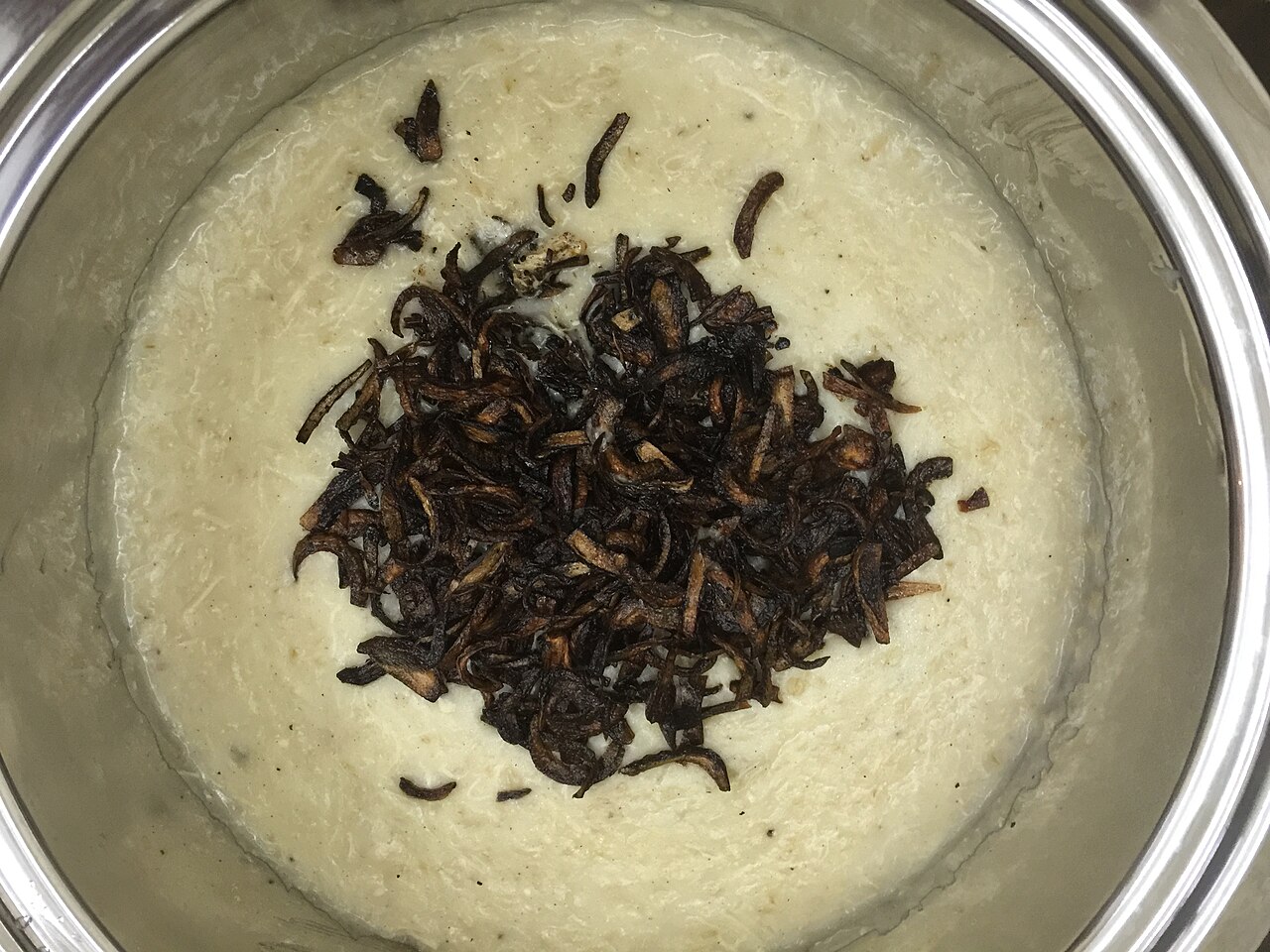
A thick, warming porridge of chicken and rice cooked until the rice falls apart, spiced with turmeric, cumin, cardamom, ginger, cloves, cinnamon and black pepper. It is eaten piping hot.
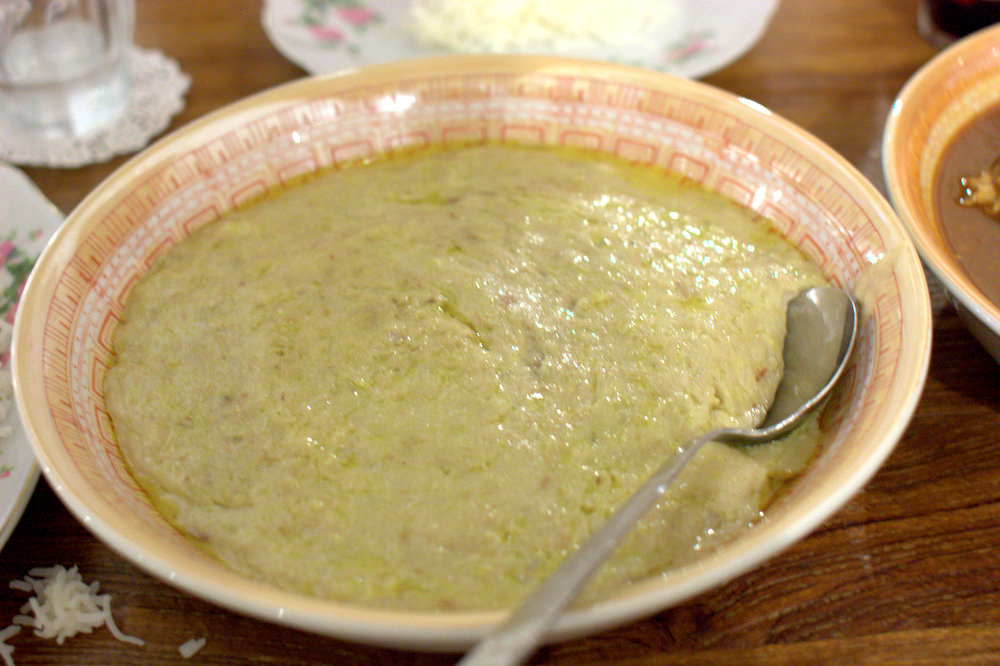
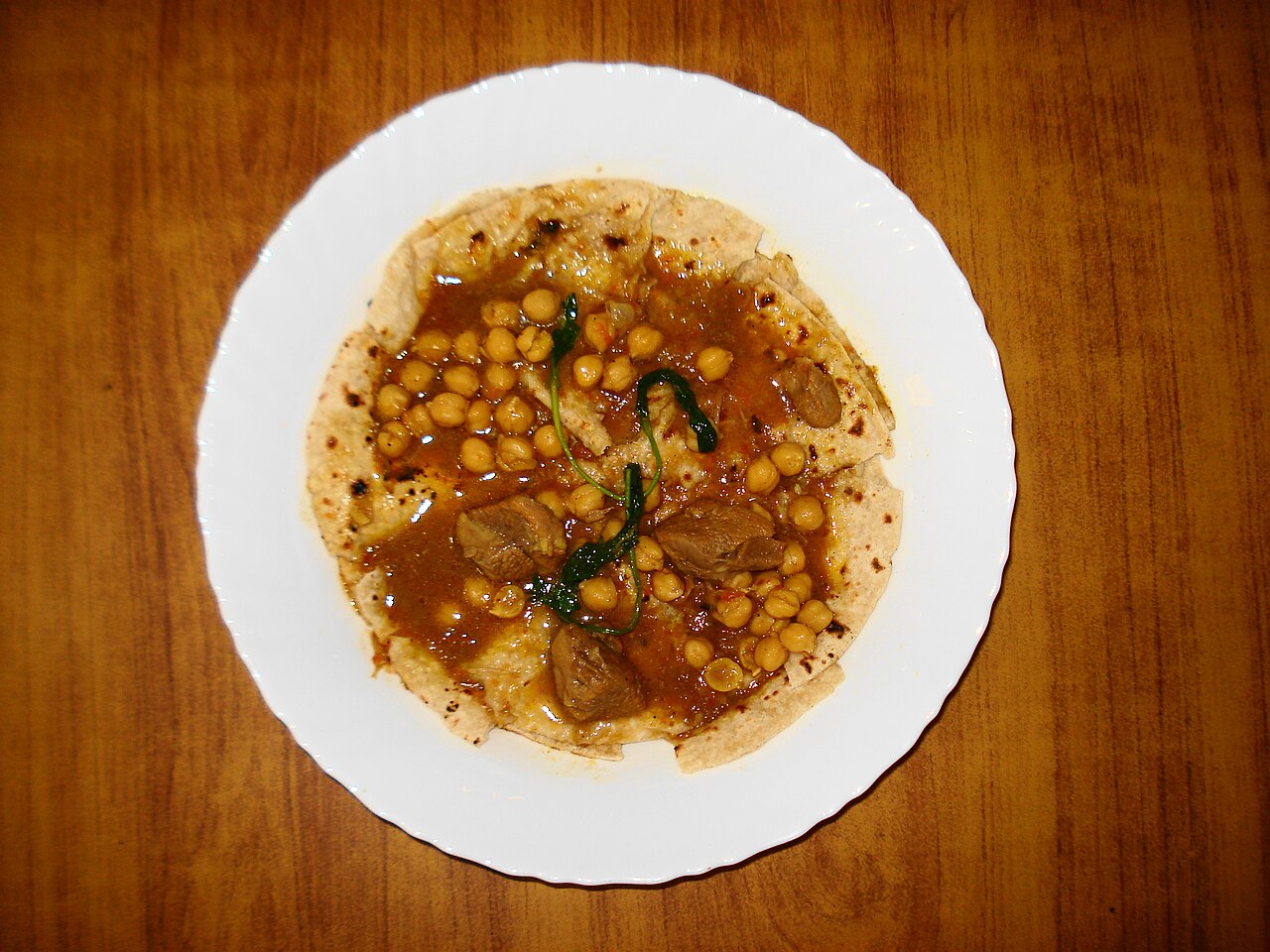
All of Qatar, on the iftar table almost every day in Ramadan
Pieces of thin, crisp regag bread soaked in a stew of lamb or chicken with vegetables, so that the bread drinks up the broth. Some families make it with vegetables only.
Thareed is an old dish: bread soaked in meat broth is mentioned in early Islamic writings.
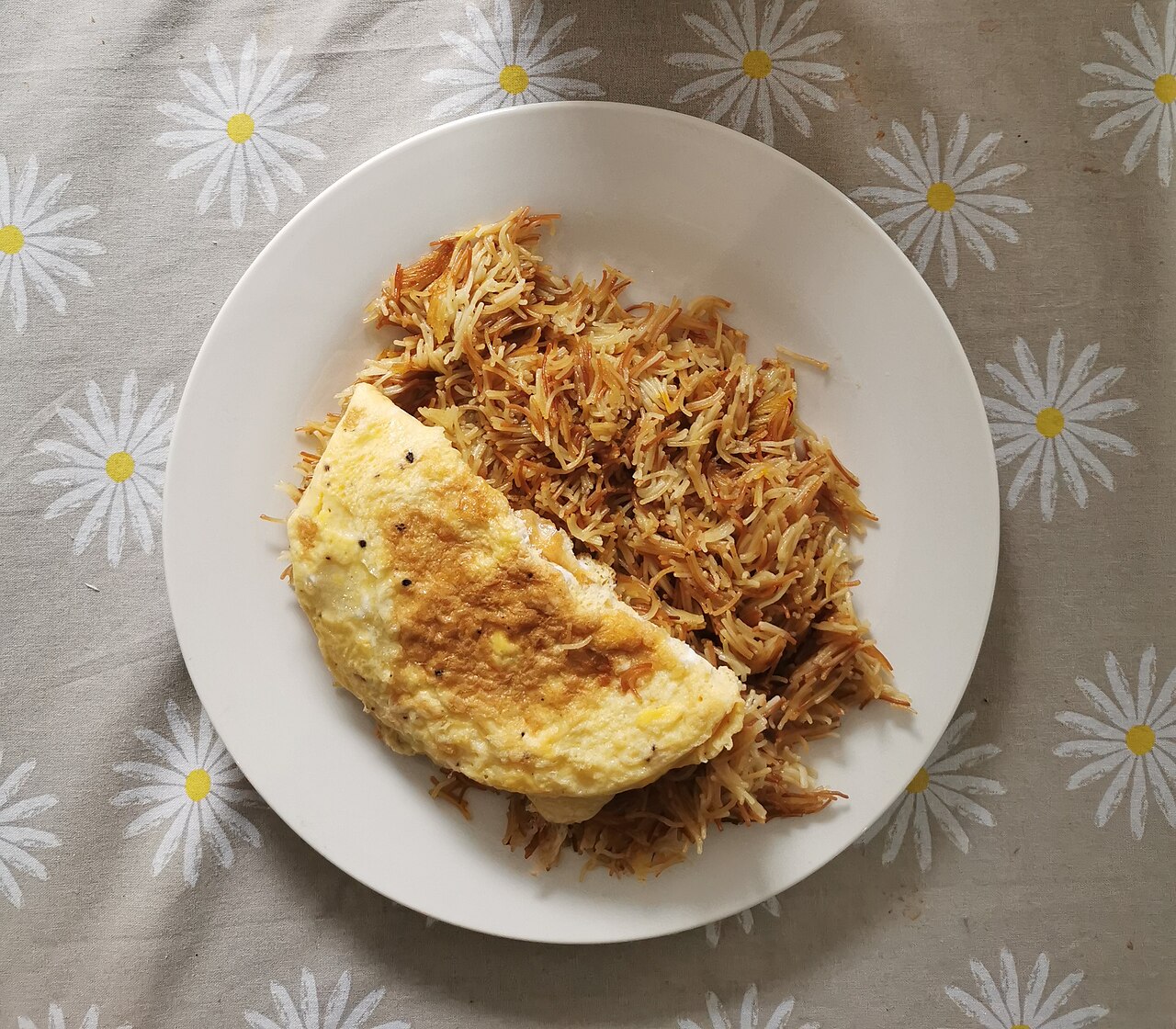
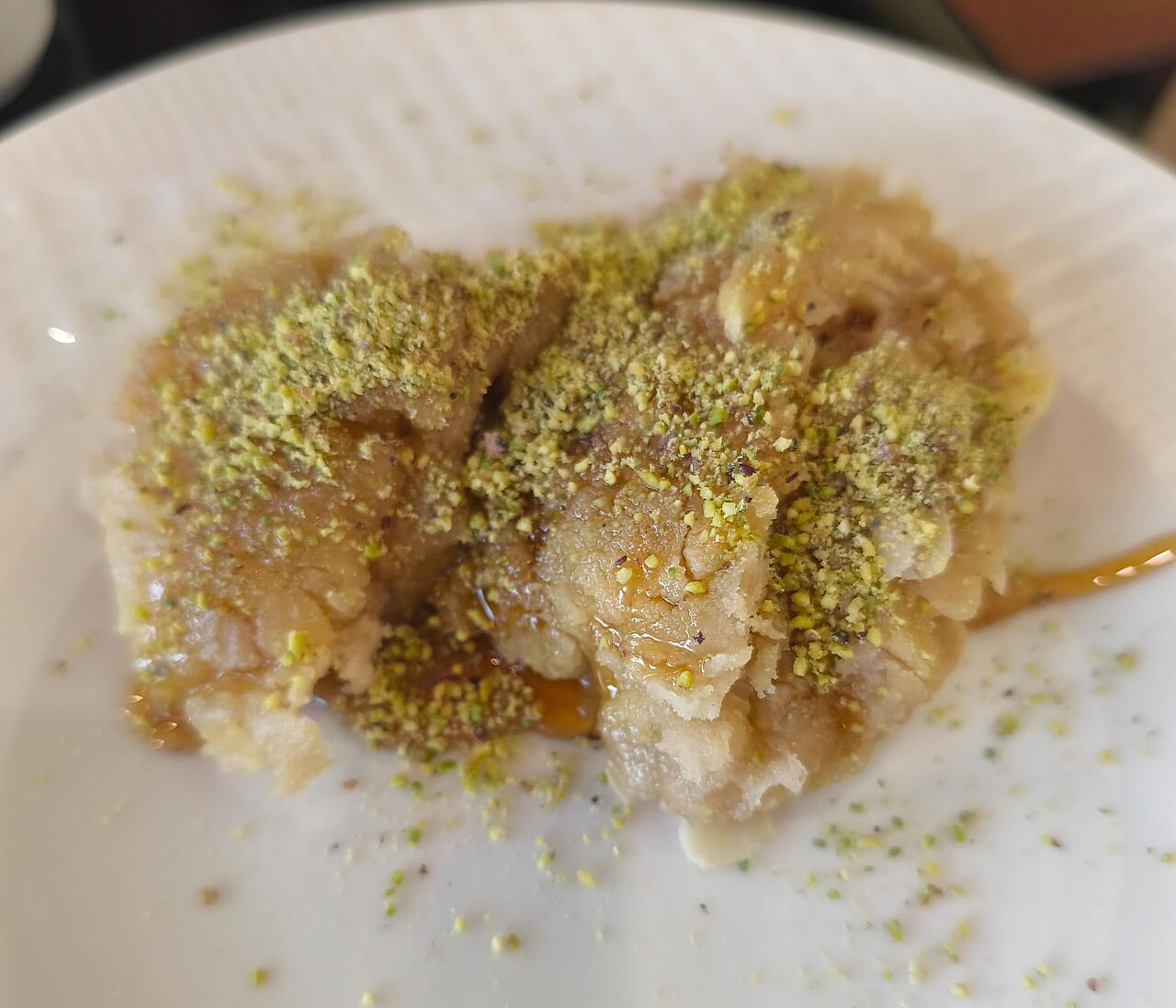
Thin vermicelli noodles cooked with sugar, cinnamon, saffron and cardamom, often with a thin omelette laid on top. The mix of sweet noodles and savoury egg is the whole point.
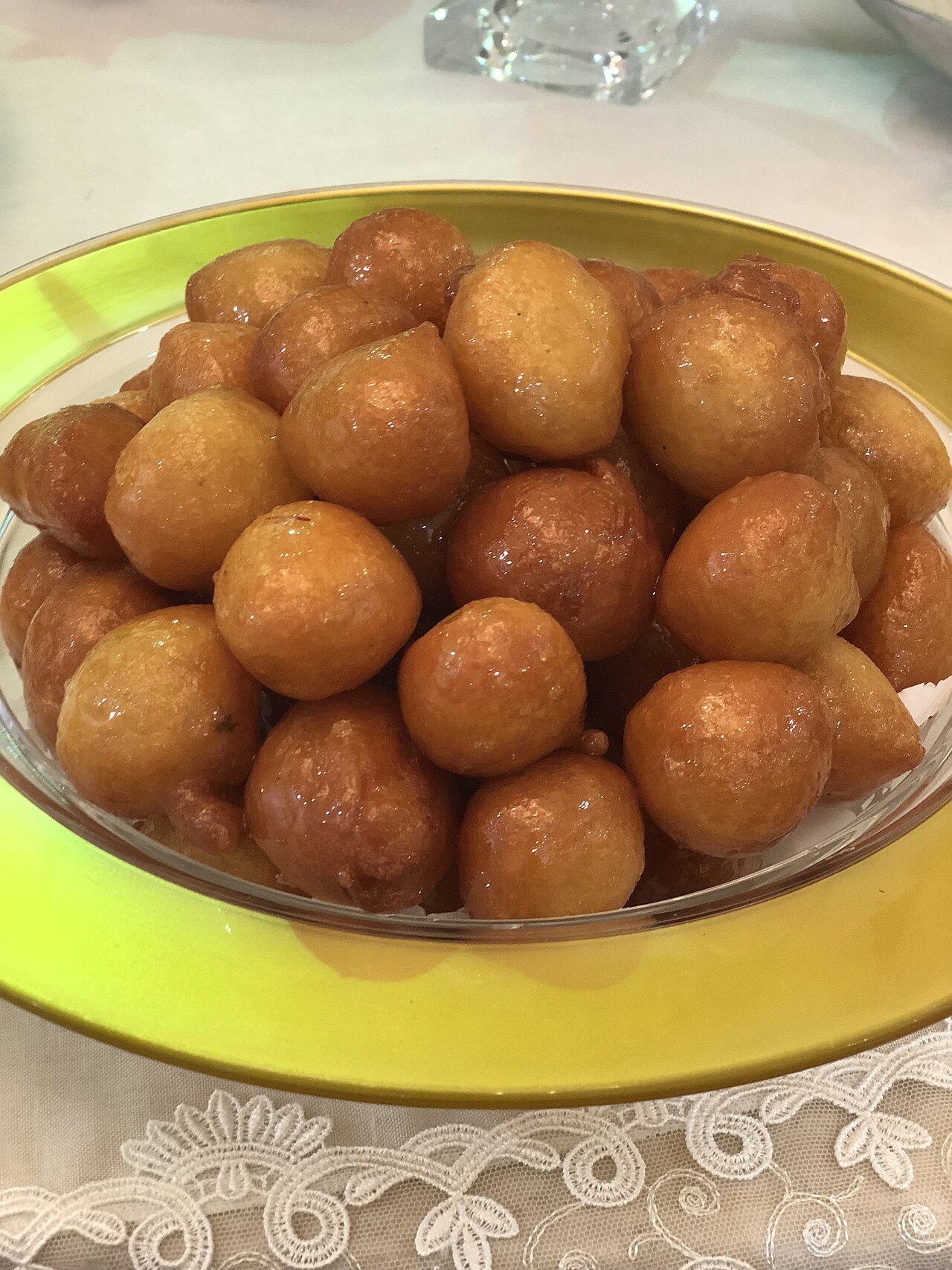
Small balls of yeast batter flavoured with saffron and cardamom, deep-fried until crisp and golden outside and soft inside, then drizzled with date syrup or honey.
The name means 'little bites'. In Ramadan they are served at the late-night family feast called ghabqa.
The whole Arabian Peninsula; poured for guests in every Qatari home
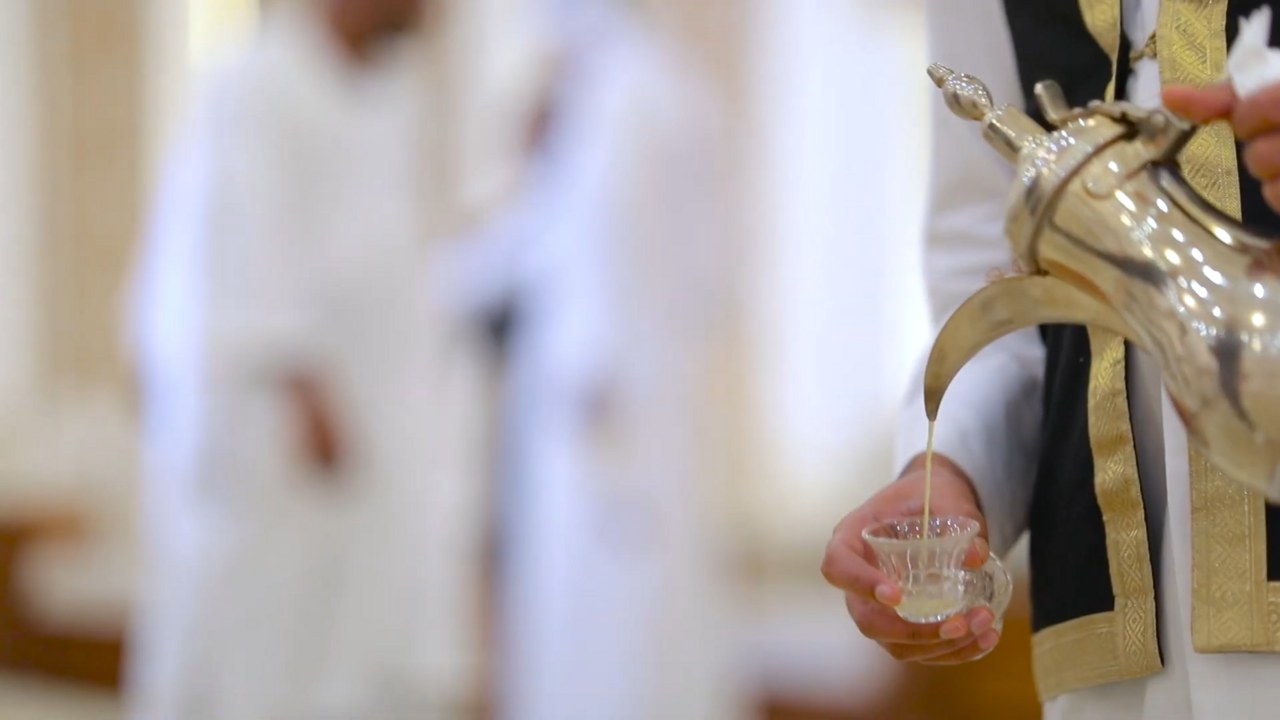
Lightly roasted coffee brewed with cardamom, and sometimes saffron and cloves, poured without sugar from a brass pot into small cups without handles. It is almost always served with dates.
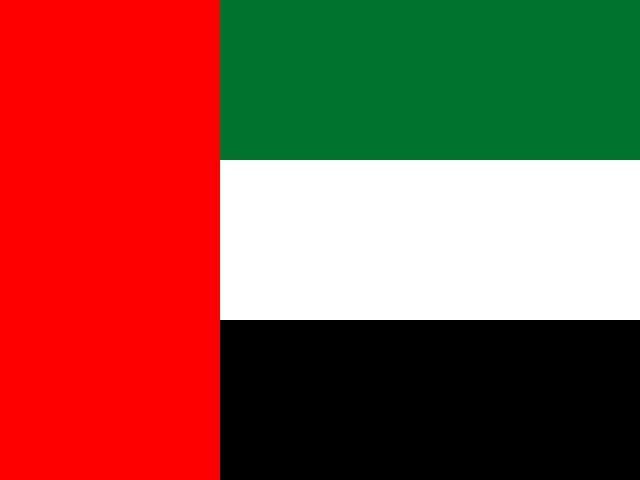
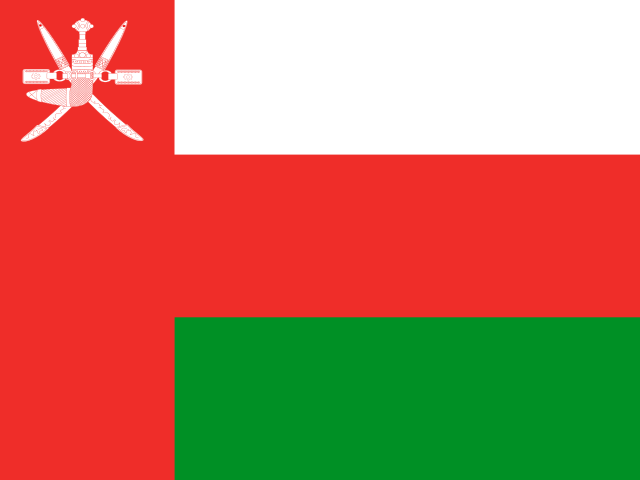
Arabic coffee is on UNESCO's list of the intangible cultural heritage of humanity. Qatar, Saudi Arabia, Oman and the United Arab Emirates nominated it together in 2015, and Jordan joined the listing in 2024.
From the Indian subcontinent; now sold at tea stalls all over Qatar
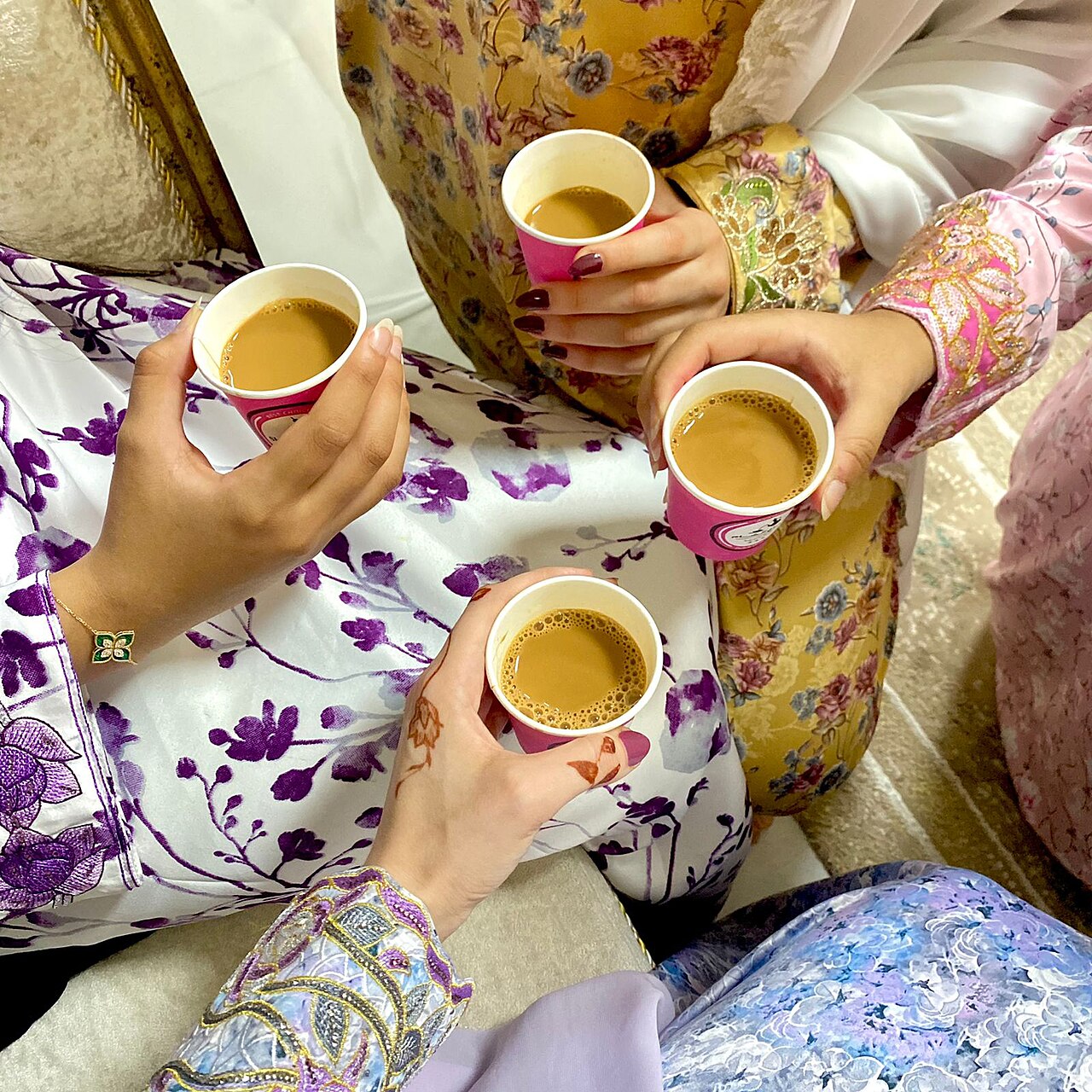
Strong black tea simmered with evaporated milk, sugar, cardamom and sometimes saffron until it is thick, sweet and caramel-coloured. It is popular all over Qatar, although Qataris themselves more often drink Arabic coffee.
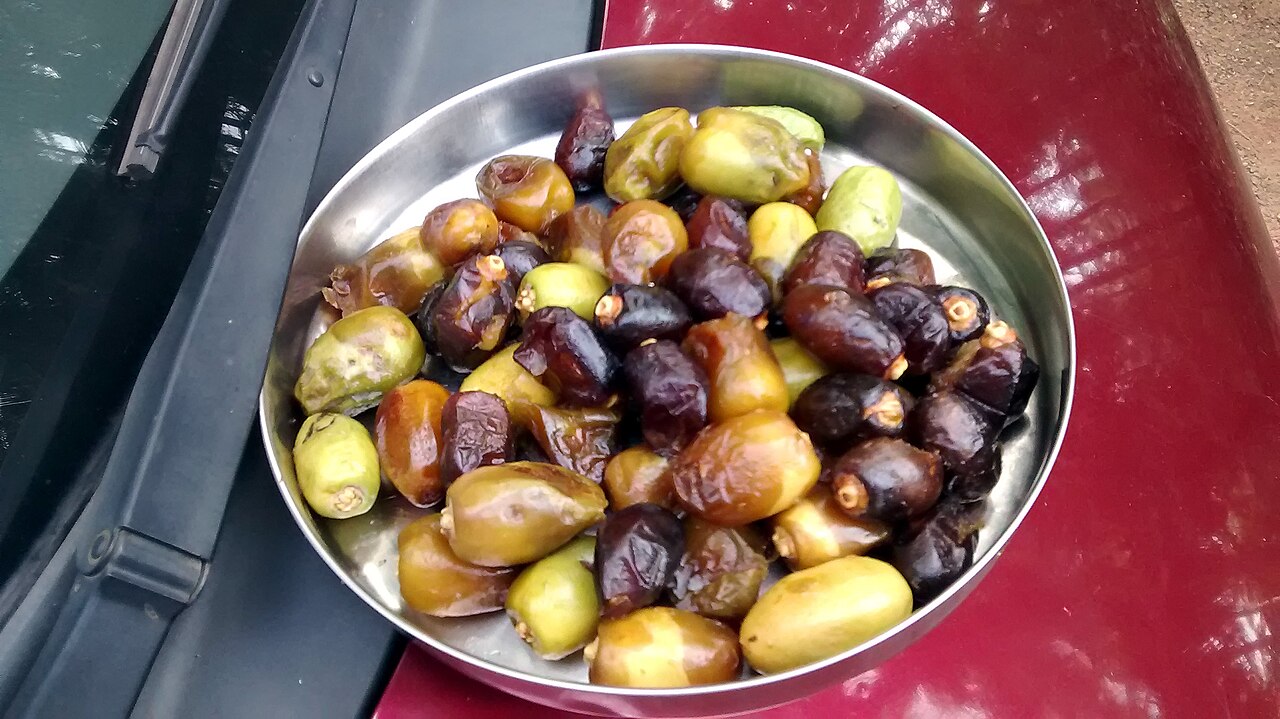
Date palms grow all over Qatar; khalas and shaishi are the favourite varieties
Dates are Qatar's best-loved fruit, offered to every guest with Arabic coffee and used to break the fast in Ramadan. Every year a local dates festival at Souq Waqif shows off the harvest of Qatari farms.
Two palm trees appear on Qatar's national emblem, together with a traditional dhow.
At the table in Qatar
When you visit a Qatari home you will be offered Arabic coffee and dates first. Your host will keep refilling your small cup; when you have had enough, gently shake the cup as you hand it back.
Eat, pass food and hand over things with your right hand only.
Traditional meals are often eaten sitting on the floor around a large shared platter, taking food from the part in front of you.
A good host cooks far more than the guests can eat, because running out of food would be a great embarrassment, so expect to be offered more again and again.
Pork is not served in restaurants, and alcohol is sold only in licensed hotels, restaurants and bars.