World Stroll
Gifts to the world

What every country gave the world

Inventions, dishes, games and ideas we use every day, and where they came from. 23 stories from 3 countries so far.

Play Who Gave Us That?A photo of something we all know: guess which country it came from.
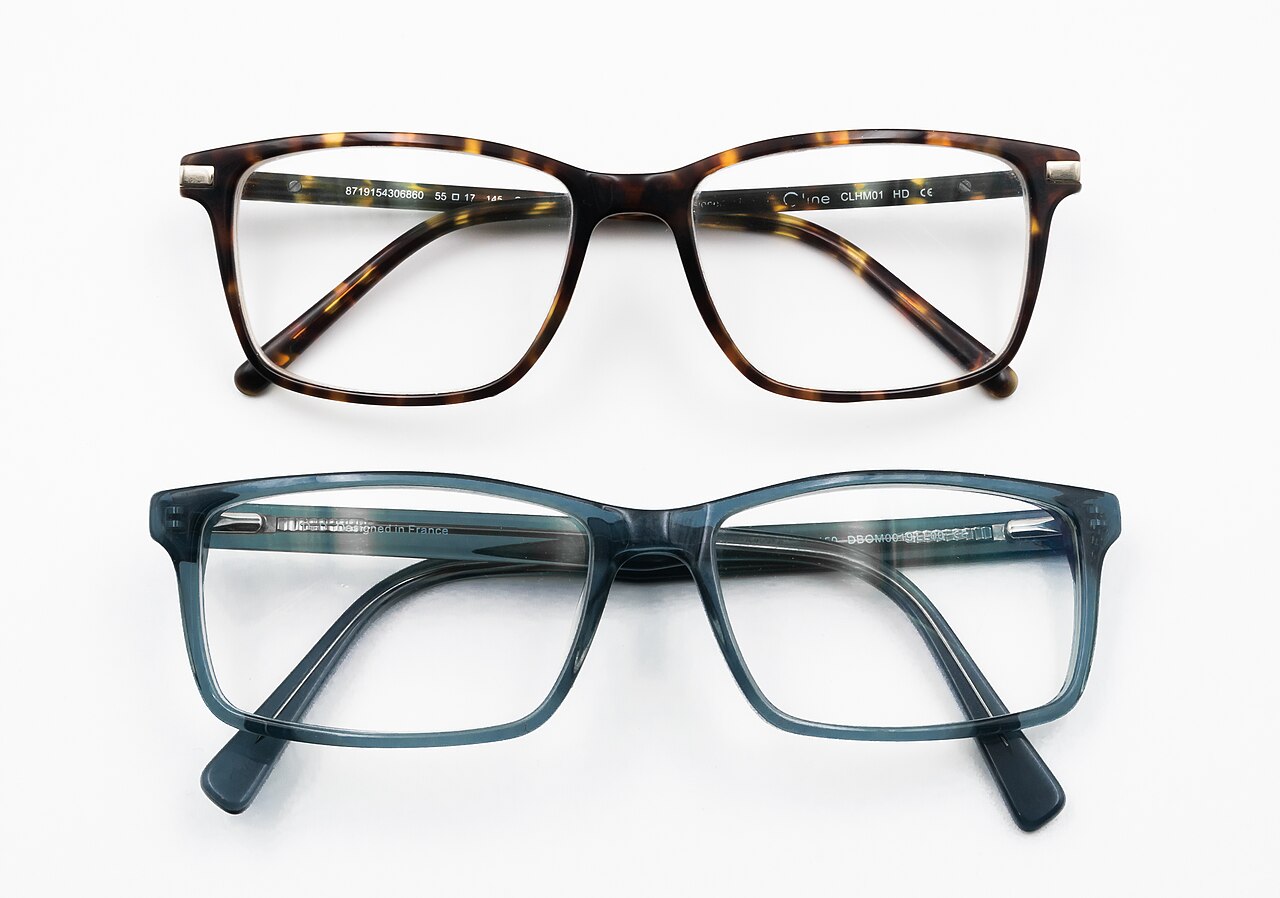
Glasses
Photo: Jacek Halicki, CC BY-SA 4.0
Italy
Inventionc. 1290

Eyeglasses

Read moreShow less

The first glasses for reading were made in central Italy, most likely in Pisa or Florence, around 1290. A friar preaching in 1306 said the art was not yet twenty years old and that he had met the man who discovered it.

From Italy.
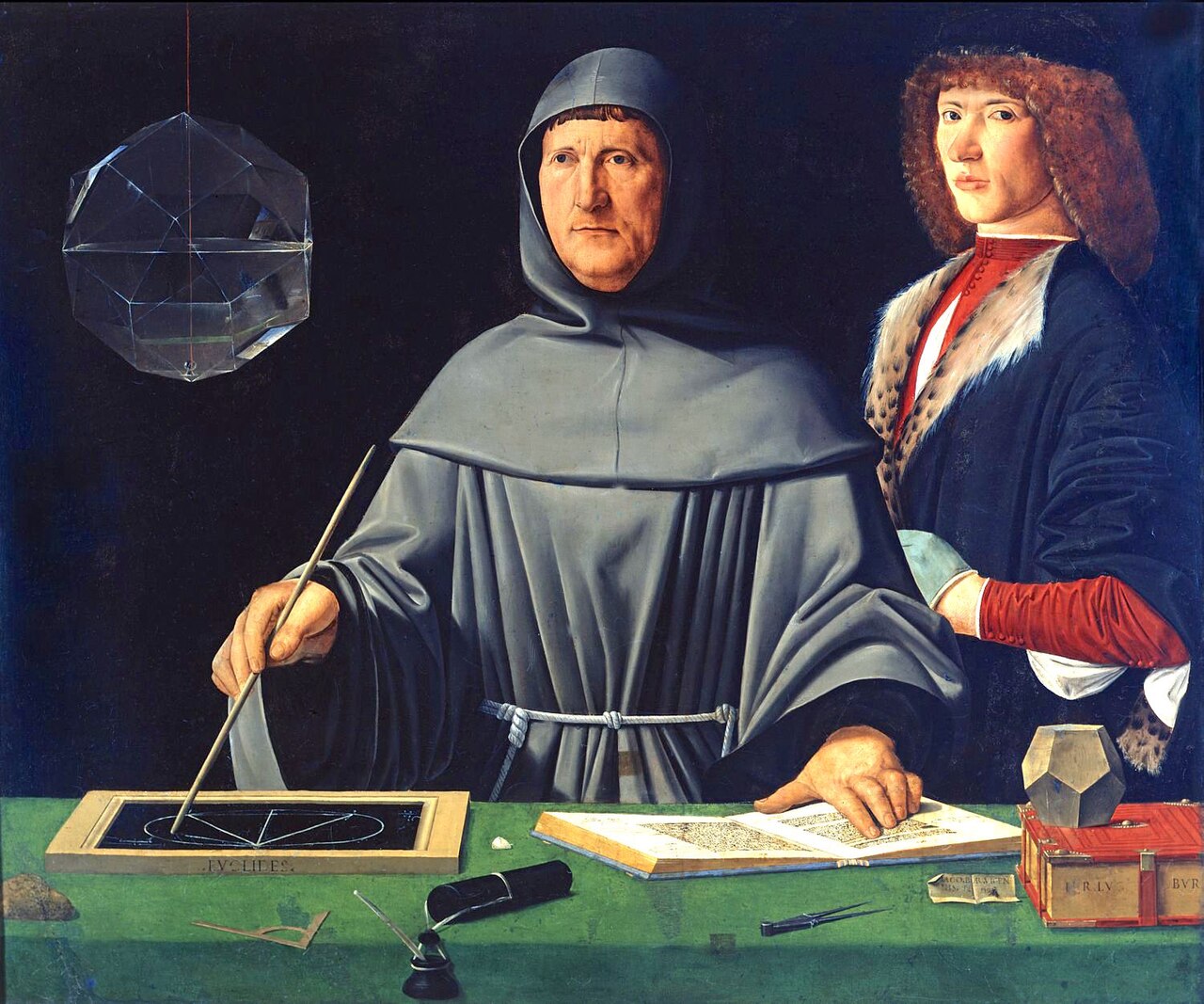
Printed guide to double-entry bookkeeping
Photo: Attributed to Jacopo de' Barbari, Public domain
Italy
Idea1494

Printed guide to double-entry bookkeeping

Read moreShow less

Merchants in Italian cities recorded every sum twice, as a debit and a credit, so the books always balance. In 1494 the friar Luca Pacioli published the first detailed printed description of the method, in Venice, and it is still the basis of accounting today.

From Italy, by Luca Pacioli.

Piano
Photo: Bartolomeo Cristofori, CC0
Italy
Inventionc. 1700

Piano

Read moreShow less

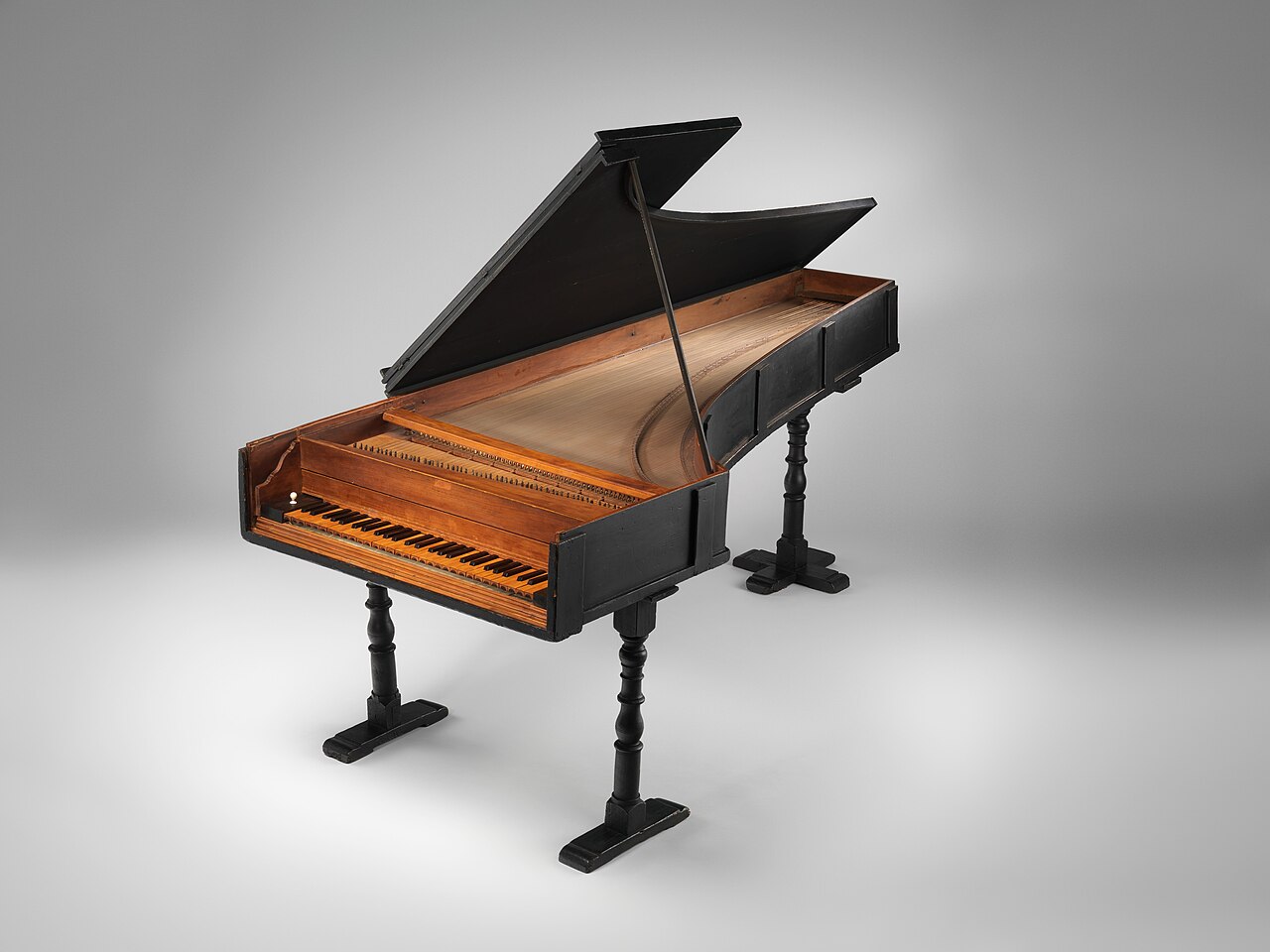
Bartolomeo Cristofori from Padua, keeper of musical instruments for the Medici in Florence, built a keyboard whose hammers could play both soft and loud. A Medici inventory shows that one existed by 1700.

From Italy, by Bartolomeo Cristofori.

Barometer
Photo: Wikimedia Commons, CC BY-SA 3.0
Italy
Inventionc. 1643

Mercury barometer

Read moreShow less

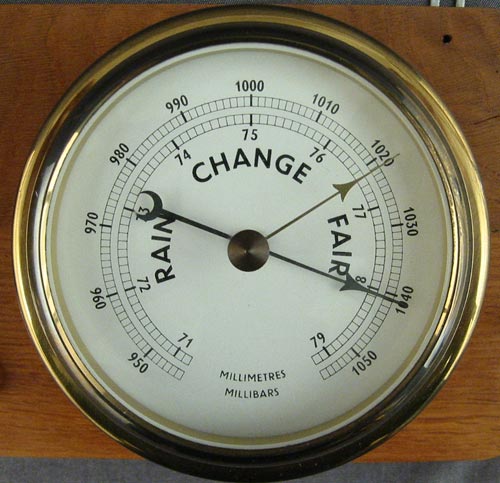
In Florence, Torricelli filled a glass tube with mercury, turned it upside down in a dish and showed that the weight of the air holds the column up. His tube became the standard way to measure air pressure, and so to help forecast the weather.

From Italy, by Evangelista Torricelli.

History of the battery
Photo: GuidoB, CC BY-SA 3.0
Italy
Invention1800

Electric battery

Read moreShow less

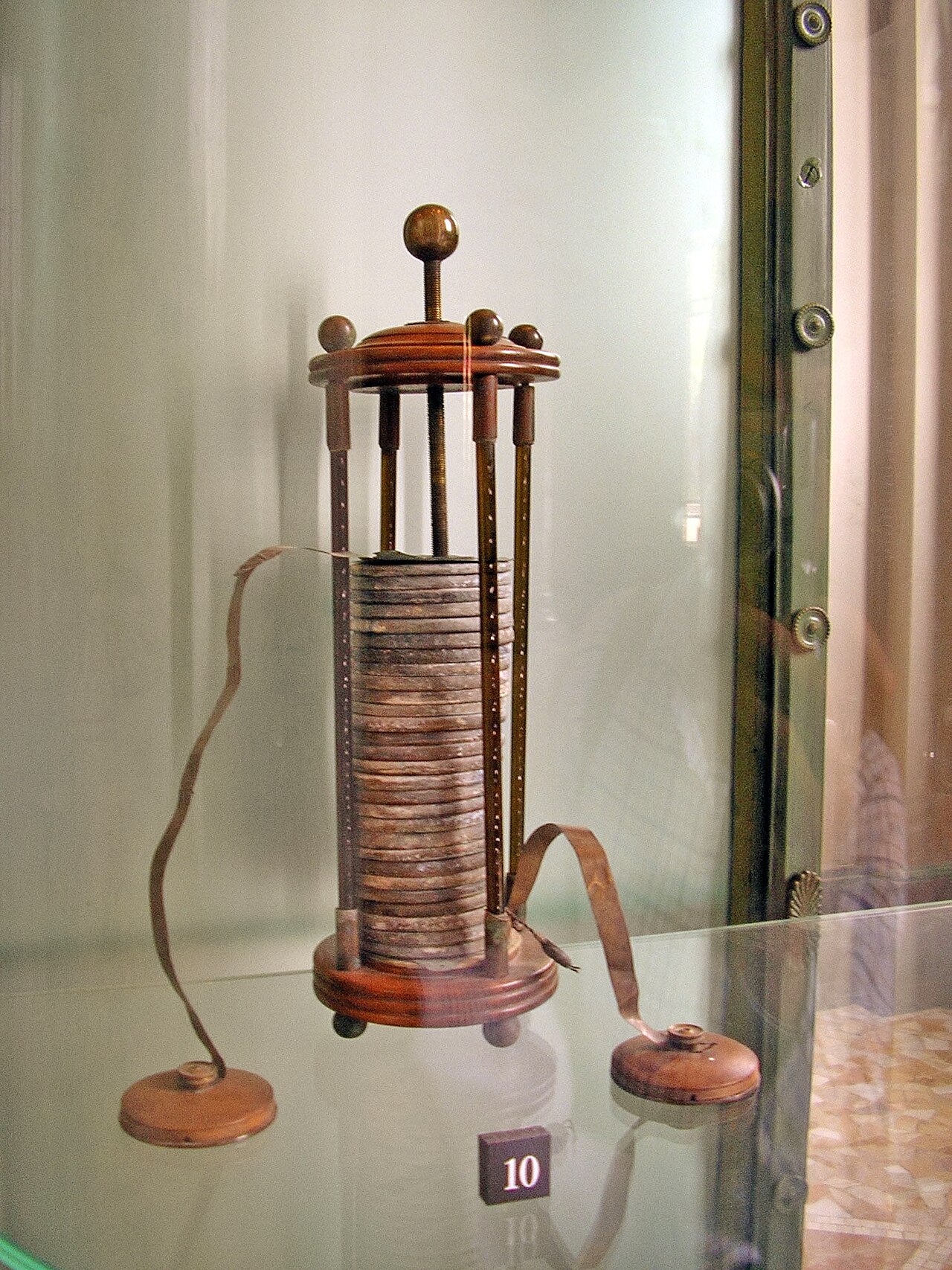
Volta, from Como, stacked discs of copper and zinc separated by cloth soaked in salt water, and got a steady electric current. He described his voltaic pile, the first true battery, in a letter to the Royal Society in London dated 20 March 1800.

From Italy, by Alessandro Volta.

Espresso machine
Photo: Stefan Oemisch, CC BY-SA 4.0
Italy
Invention1884

Espresso machine

Read moreShow less

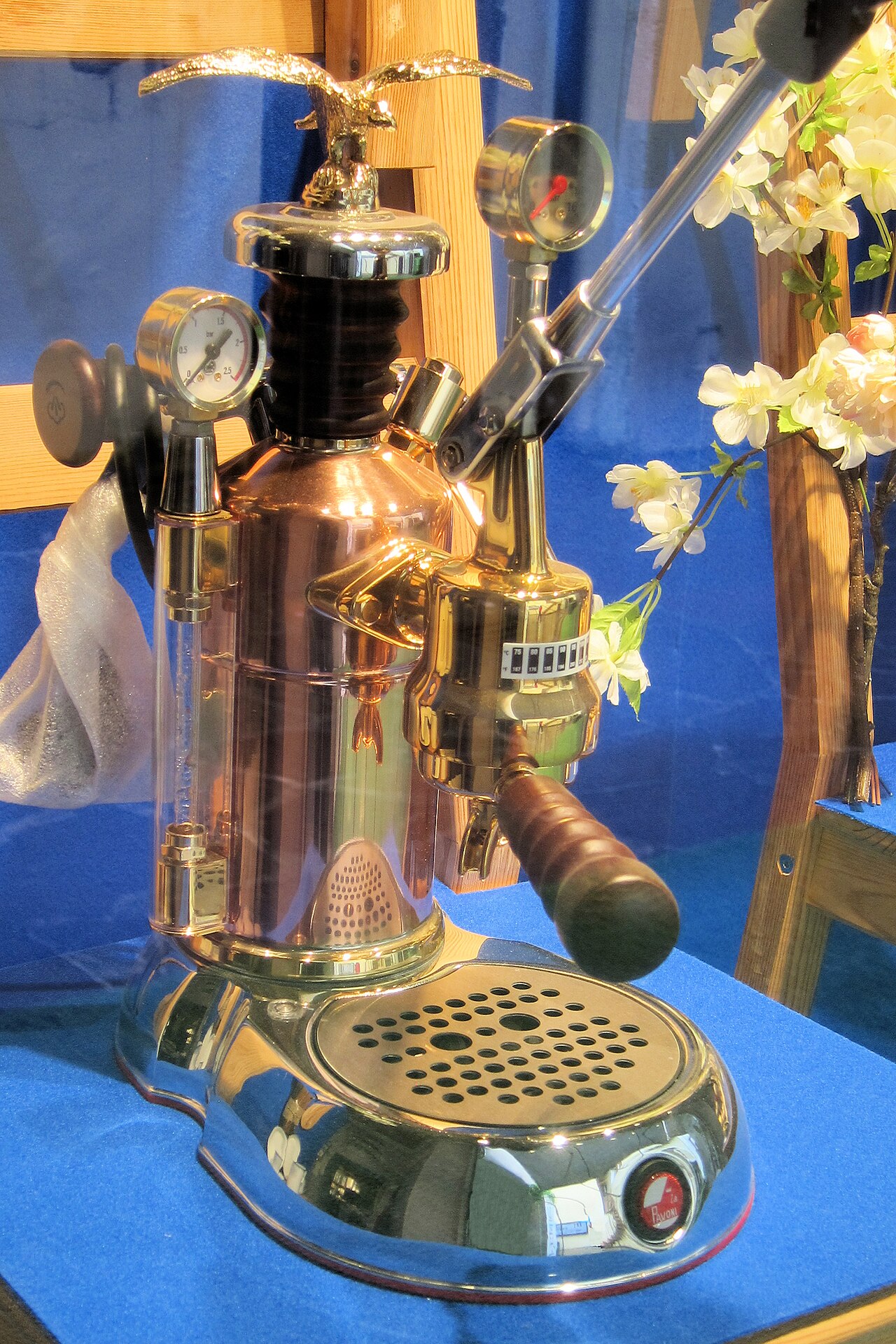
Angelo Moriondo of Turin patented a steam machine for bars in 1884 that pushed water and steam through coffee, though it brewed in bulk rather than cup by cup. Luigi Bezzera of Milan patented a machine that made single servings in 1901, and Italian bars have been making espresso ever since.

From Italy, by Angelo Moriondo.

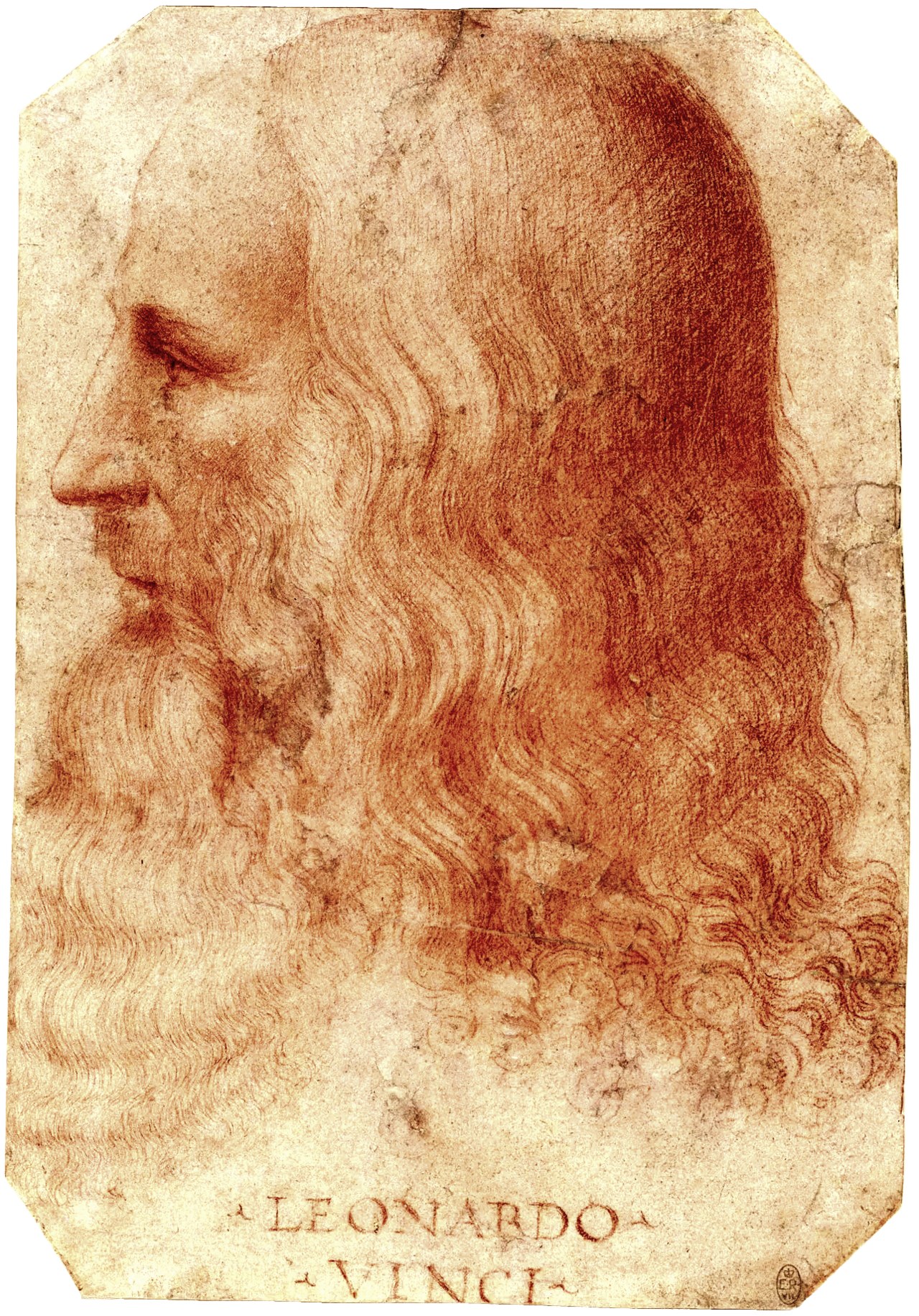
Leonardo da Vinci
Photo: Attributed to Francesco Melzi, Public domain
Italy
Person

Leonardo da Vinci

Read moreShow less

Born in 1452 near Vinci in Tuscany, he painted the Mona Lisa and The Last Supper and filled his notebooks with flying machines, anatomy and studies of water. He is the model of the Renaissance genius.

From Italy.

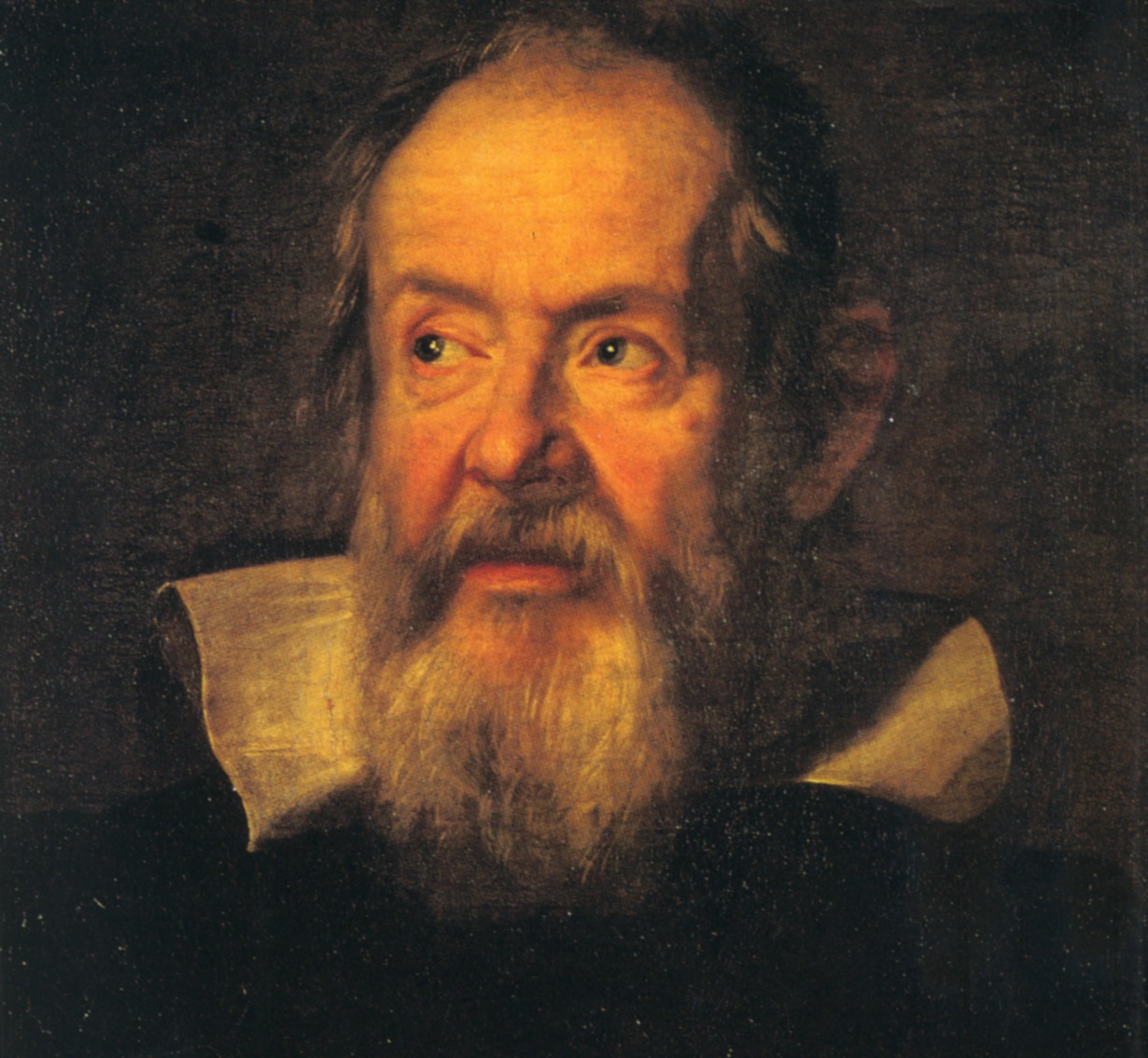
Galileo Galilei
Photo: Justus Sustermans, Public domain
Italy
Person

Galileo Galilei

Read moreShow less

Born in Pisa in 1564, he turned an improved telescope to the sky in 1609 and 1610 and found the four largest moons of Jupiter, the phases of Venus and the mountains and craters of the Moon. He is often called the father of modern science.

From Italy.

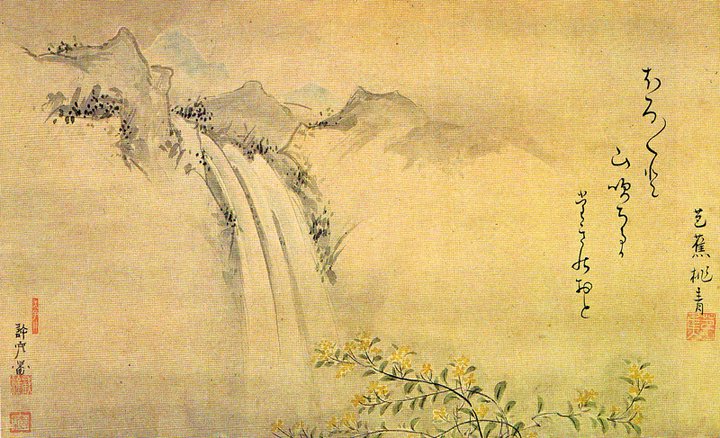
Haiku
Photo: Matsuo Basho, Public domain
Japan
Art

Haiku

Read moreShow less

A very short poem of 17 sound units in a 5, 7, 5 pattern, usually with a word that sets the season. It grew from the opening verse of longer linked poems; Matsuo Bashō (1644 to 1694) is its best-known master.

From Japan.

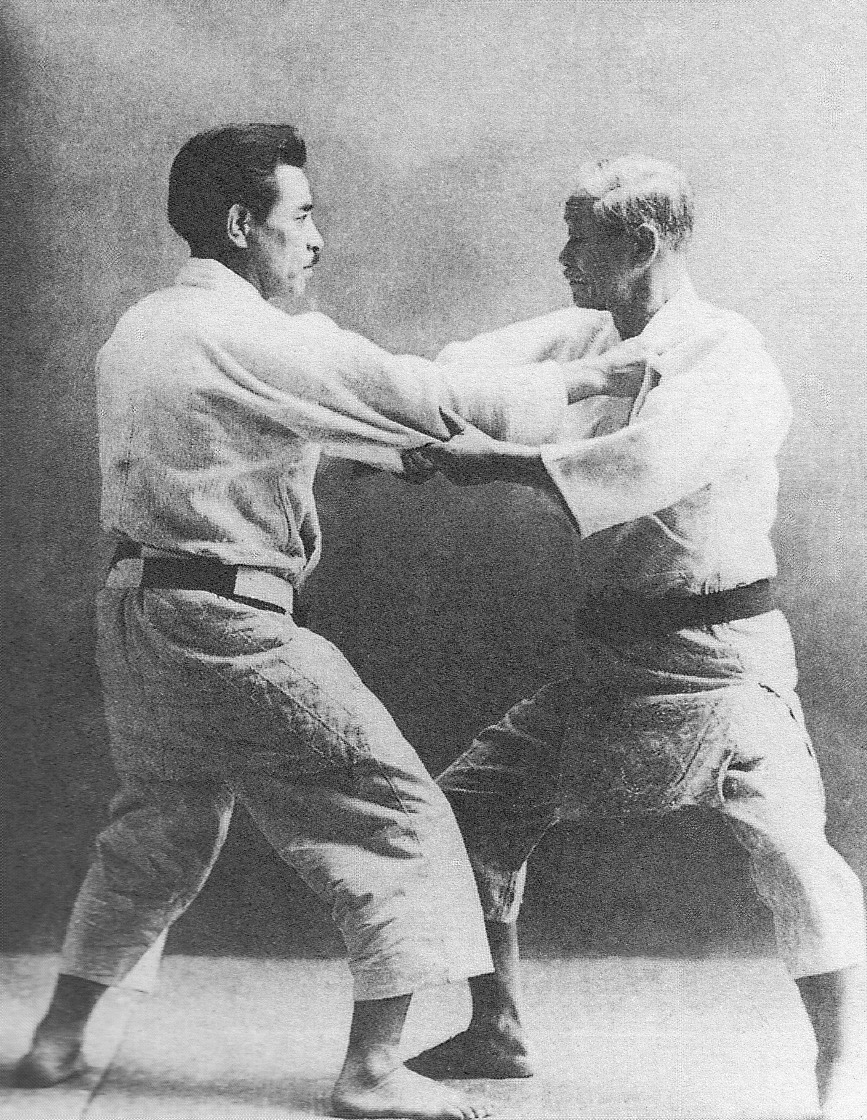
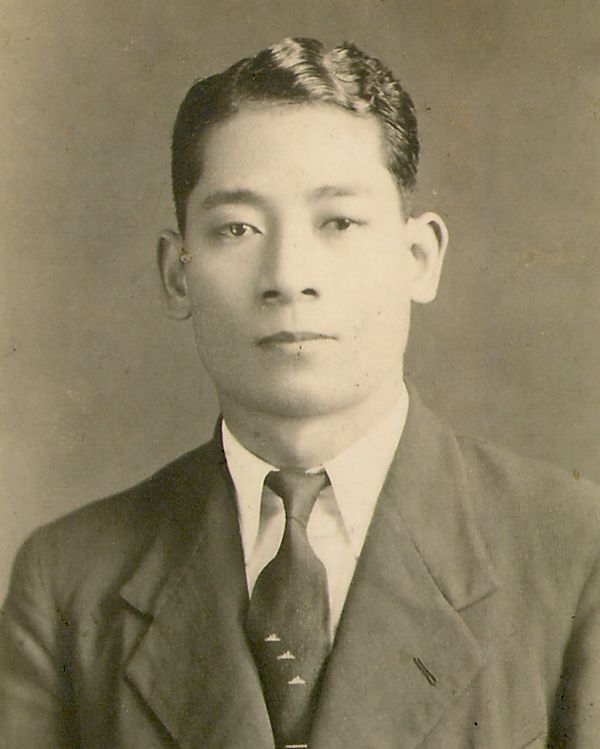
Momofuku Ando
Photo: 日本網, Public domain
Japan
Food1958

Instant noodles

Read moreShow less

Pre-cooked, flash-fried noodles that are ready with hot water. Momofuku Ando launched them as Chicken Ramen on 25 August 1958, in Ikeda, near Osaka.

From Japan, by Momofuku Ando.

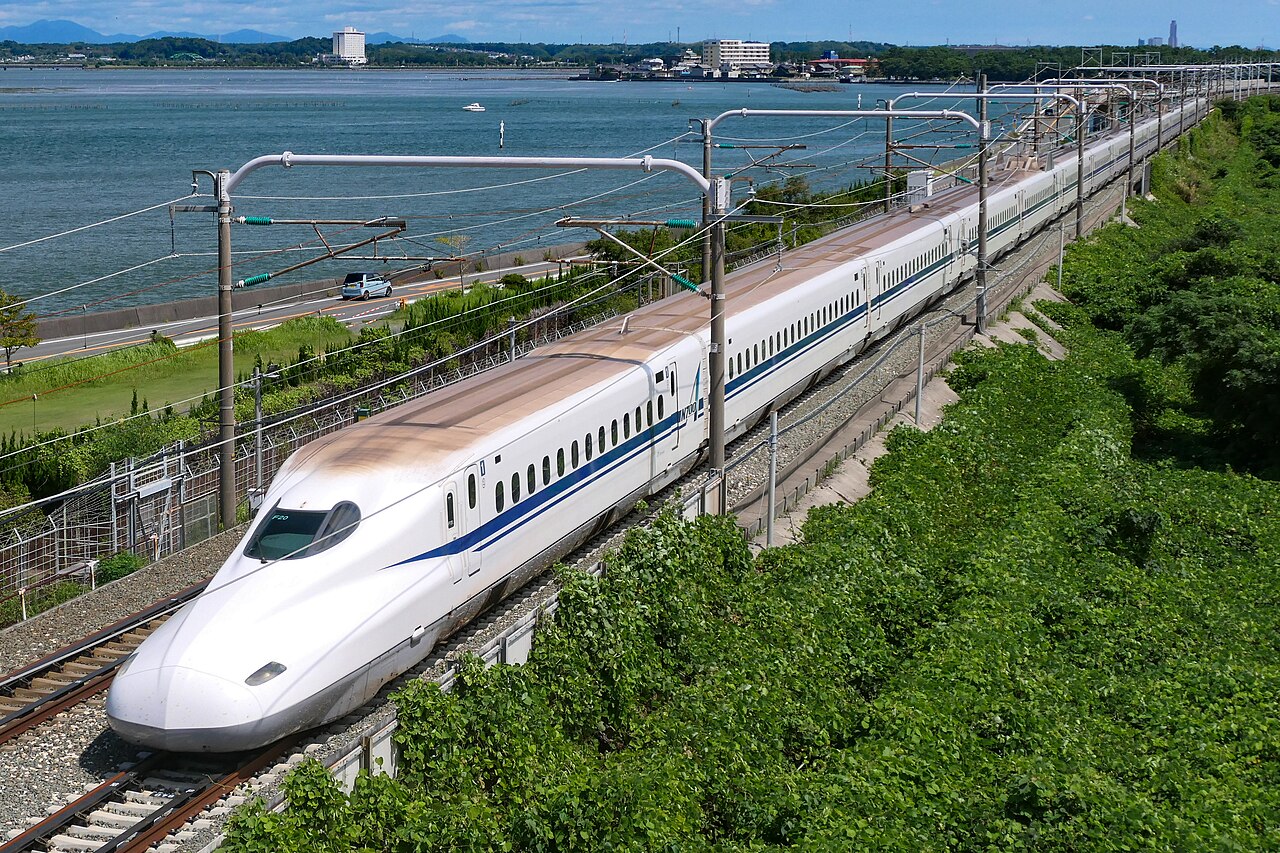
Nozomi (train)
Photo: MaedaAkihiko, CC BY-SA 4.0
Japan
Invention1964

The Shinkansen bullet train

Read moreShow less

The first high-speed rail line in the world, the Tōkaidō Shinkansen between Tokyo and Osaka, opened in 1964. Italy, France, Germany, Spain and later China followed its example.

From Japan.

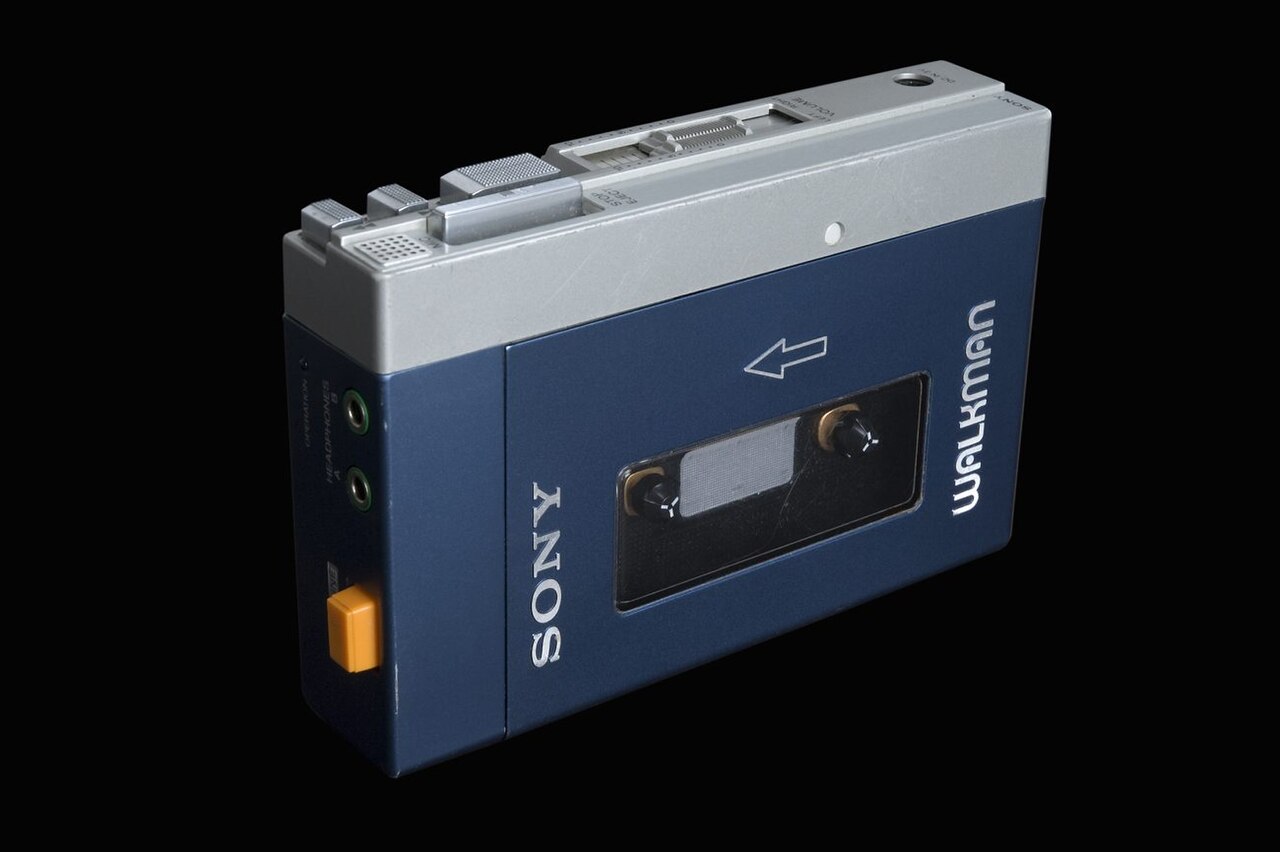
Walkman
Photo: Anna Gerdén, CC BY-SA 3.0
Japan
Invention1979

Walkman

Read moreShow less

The first low-cost personal stereo, a portable cassette player with light headphones, launched by Sony in Japan on 1 July 1979. It made it normal to listen to your own music while walking or travelling.

From Japan.

QR code
Photo: User1042, CC BY 4.0
Japan
Invention1994

QR code

Read moreShow less

The square black-and-white code read by phone cameras, developed by Masahiro Hara and one colleague at Denso Wave to label car parts in factories. QR stands for "quick response".

From Japan, by Masahiro Hara.

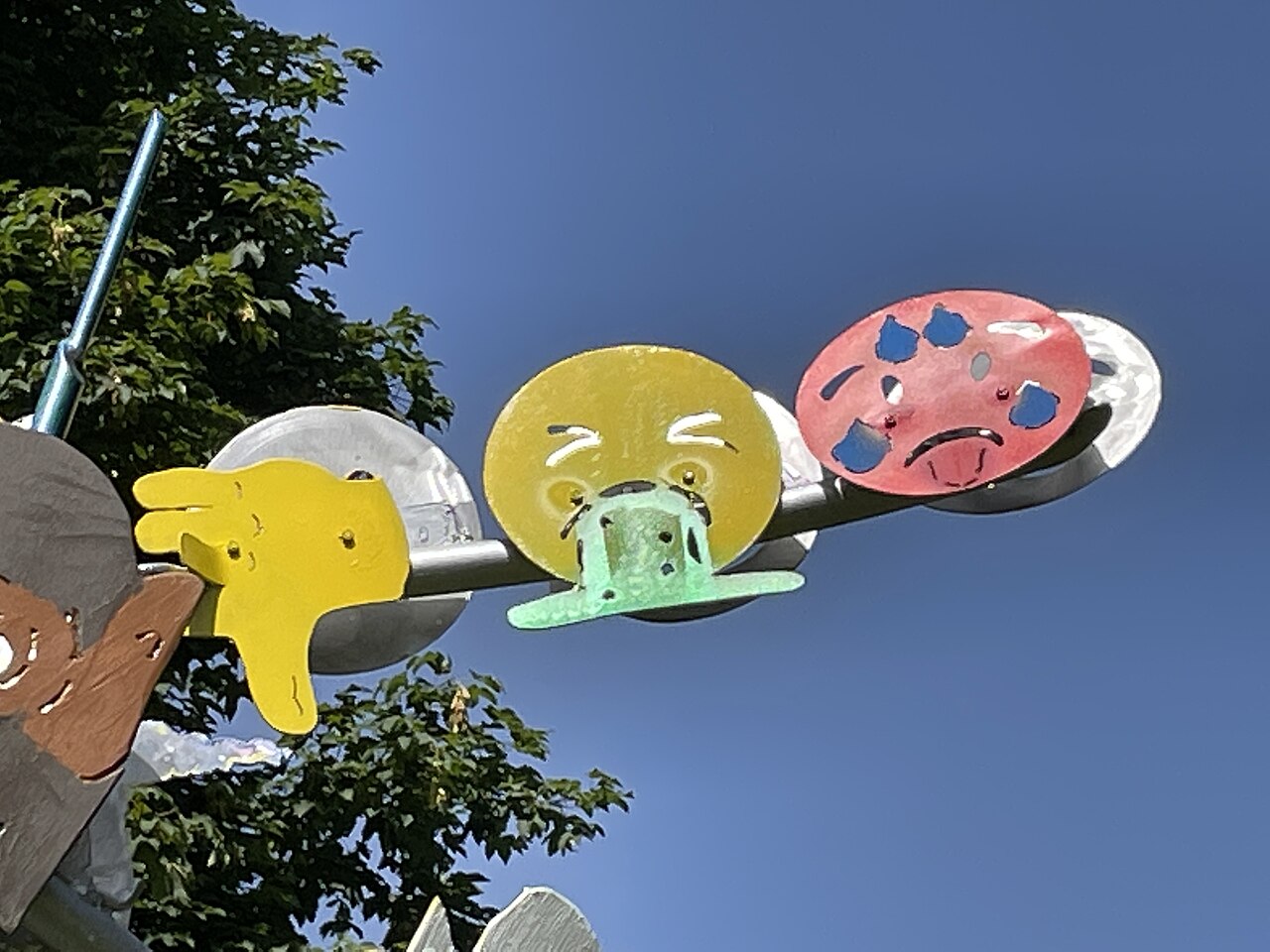
Emoji
Photo: Mo-metallkunst, CC BY 4.0
Japan
Invention

Emoji

Read moreShow less

Small picture symbols in text messages. The first emoji sets were made by Japanese electronics and mobile phone companies in the late 1980s and the 1990s, long before they spread worldwide.

From Japan.

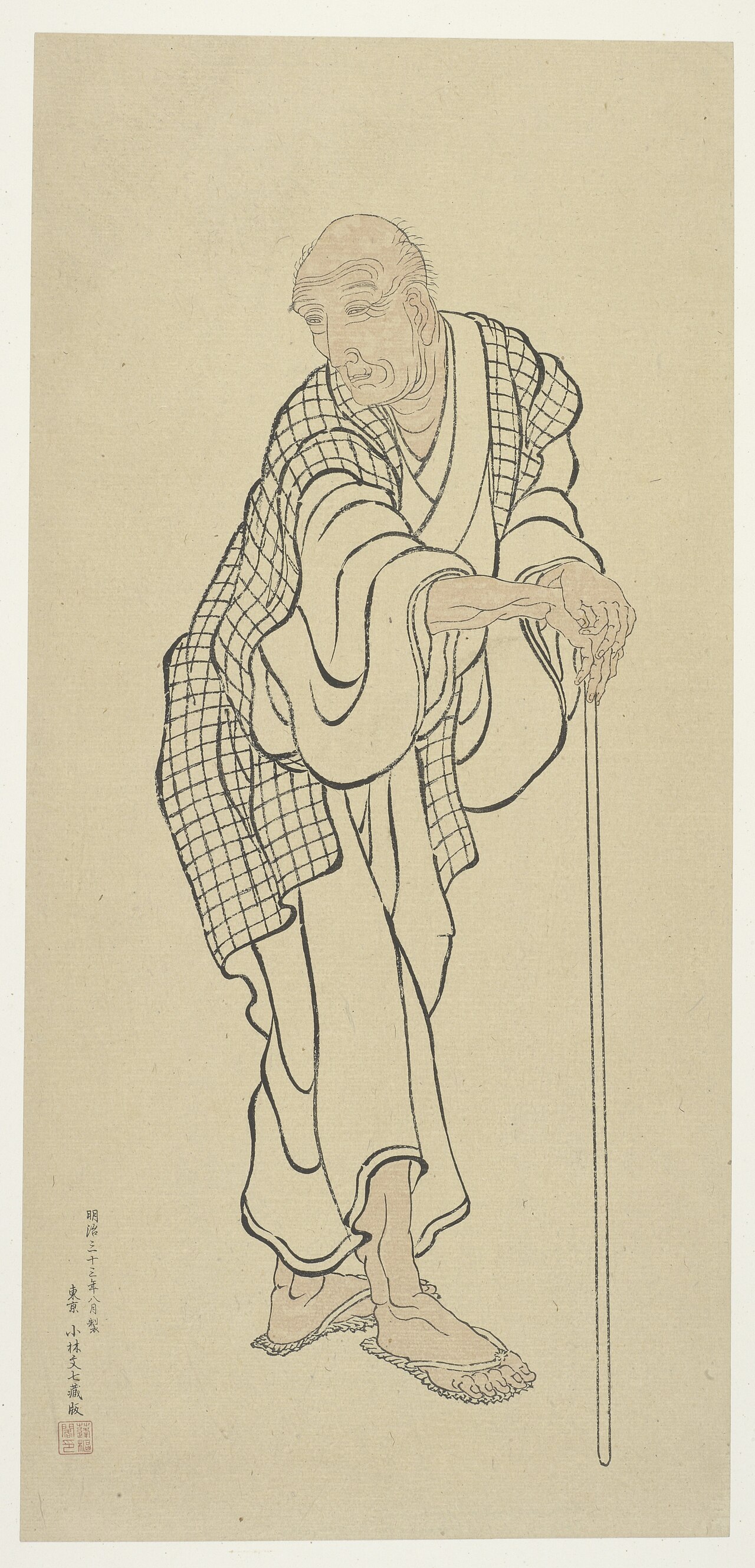
Hokusai
Photo: missing name, CC0
Japan
Person

Katsushika Hokusai

Read moreShow less

The ukiyo-e painter and printmaker (about 1760 to 1849) behind The Great Wave off Kanagawa, from his series Thirty-Six Views of Mount Fuji. His prints inspired Van Gogh, Monet and Debussy.

From Japan.

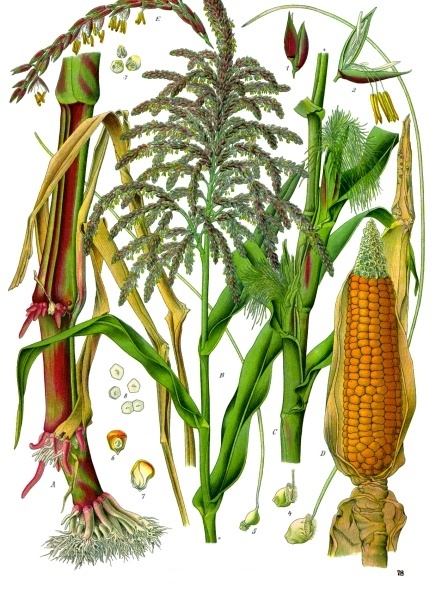
Maize
Photo: Franz Eugen Köhler, Köhler's Medizinal-Pflanzen, Public domain
Mexico
Food

Maize (corn)

Read moreShow less

Indigenous farmers in southern Mexico, most likely in the Balsas River valley, bred maize from a wild grass called teosinte about 9,000 years ago. It then spread across the Americas and later the whole world.

From Mexico.

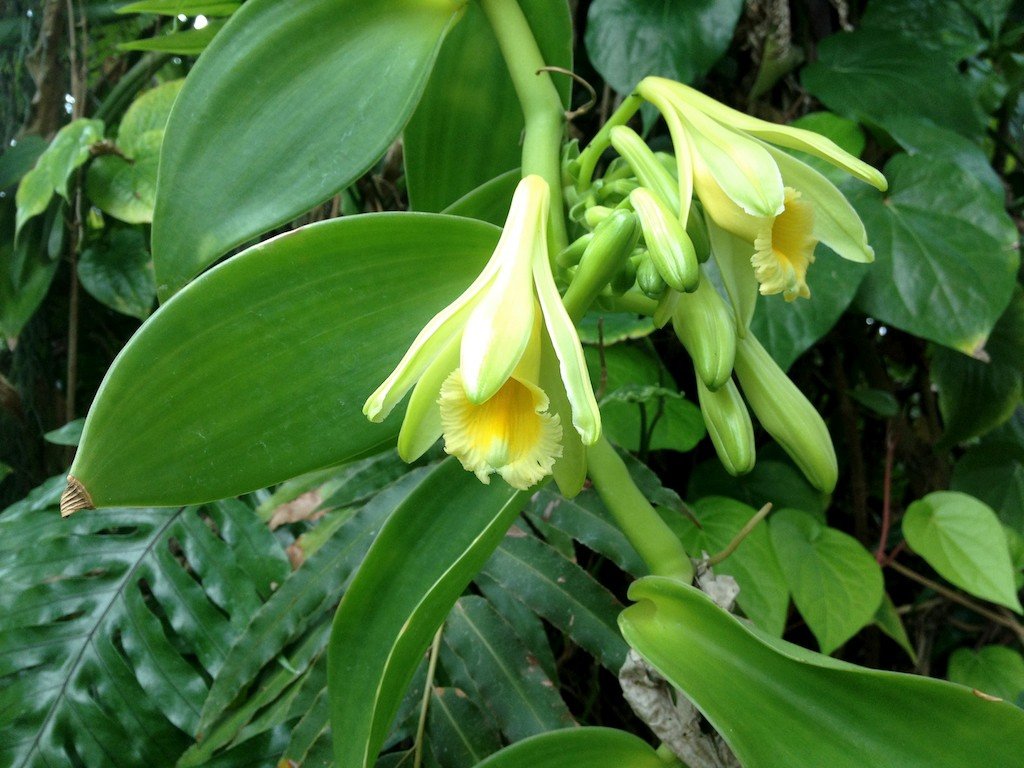
Vanilla
Photo: Malcolm Manners, CC BY 2.0
Mexico
Food

Vanilla

Read moreShow less

The pods of a tropical orchid. The Totonac people of the Veracruz coast were among the first to grow it, and the Aztecs used it to flavour their chocolate drink. Mexico was the main producer until the mid-1800s.

From Mexico.

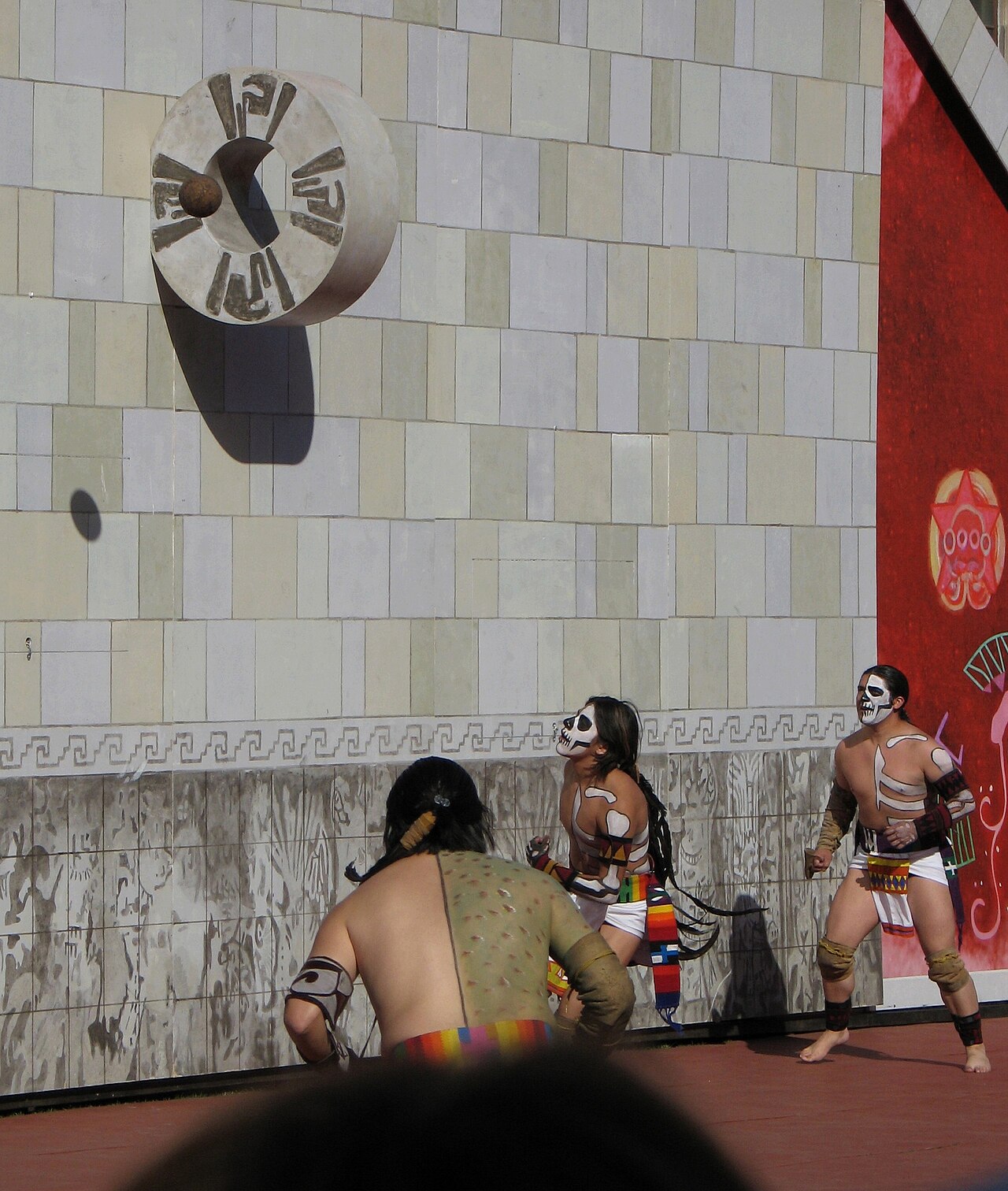
Mesoamerican ballgame
Photo: Sputnik, CC BY-SA 2.5
Mexico
Gamec. 1600 BC

The rubber ballgame

Read moreShow less

Ancient Mesoamericans played a ritual team game with a heavy ball of solid rubber, hit mostly with the hips. The oldest known rubber balls in the world, from about 1600 BC, were found at El Manatí in Veracruz, and the oldest known ballcourt at Paso de la Amada in Chiapas.

From Mexico.

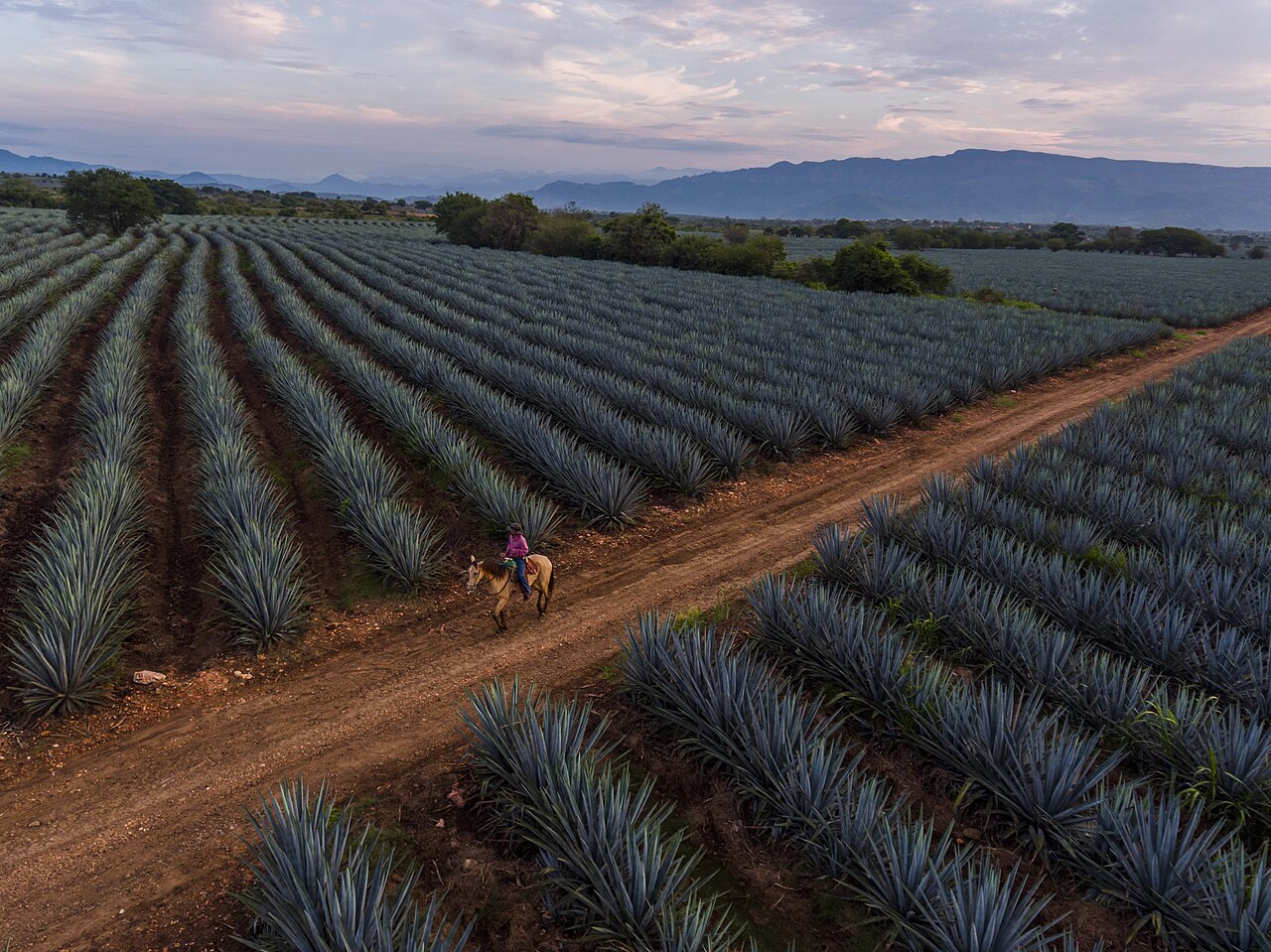
Tequila
Photo: T2O media México, CC BY-SA 4.0
Mexico
Drink

Tequila

Read moreShow less

A spirit distilled from the heart of the blue agave plant, named after the town of Tequila in Jalisco. By law it can only be made in a protected area of Mexico.

From Mexico.

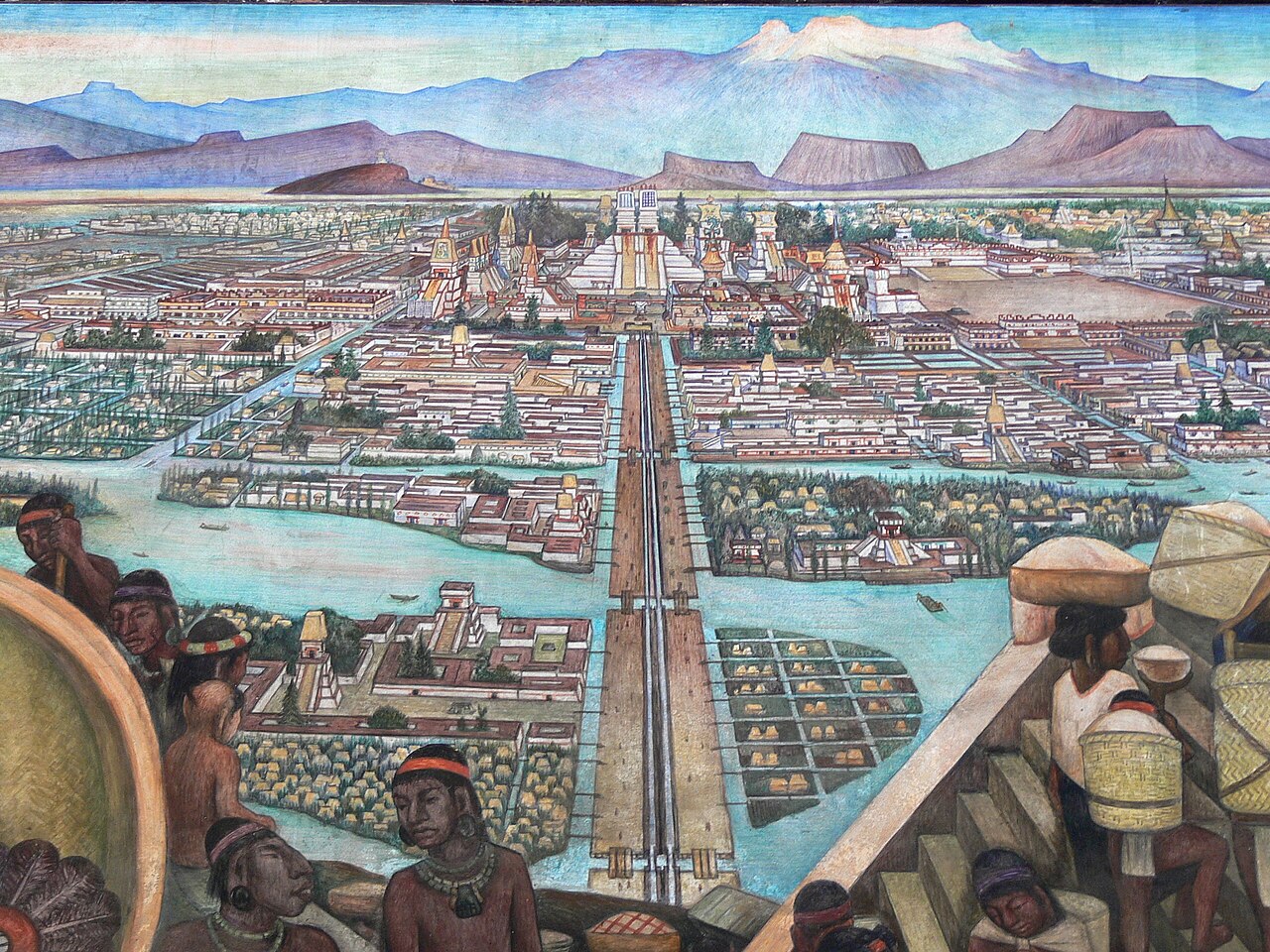
Mexican muralism
Photo: Diego Rivera, Public domain
Mexico
Art

Mexican muralism

Read moreShow less

After the Revolution, from the 1920s, the government paid artists to paint huge murals on public buildings telling the story of Mexico to everyone, including people who could not read. Its leaders were Diego Rivera, José Clemente Orozco and David Alfaro Siqueiros.

From Mexico.

Luis E. Miramontes
Photo: Luis E. Miramontes self-portrait, Public domain
Mexico
Invention1951

Norethisterone

Read moreShow less

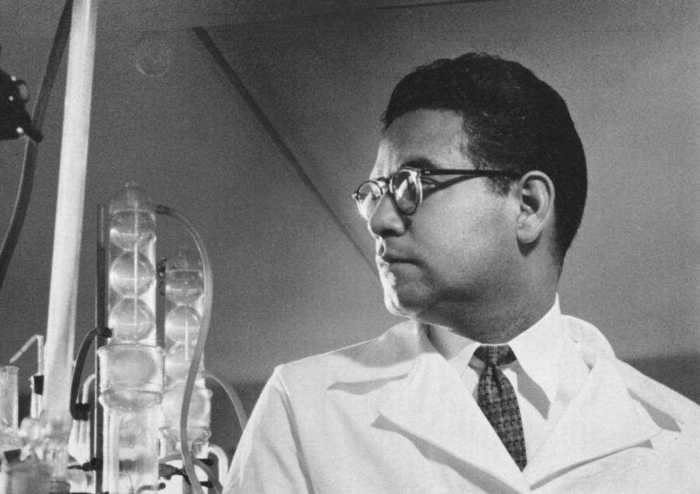
On 15 October 1951, the young chemist Luis Miramontes, working with Carl Djerassi and George Rosenkranz at the Syntex laboratory in Mexico City, first made norethisterone, a hormone that became one of the main ingredients of birth control pills.

From Mexico, by Luis Miramontes.

Frida Kahlo
Photo: Guillermo Kahlo, Public domain
Mexico
Person

Frida Kahlo

Read moreShow less

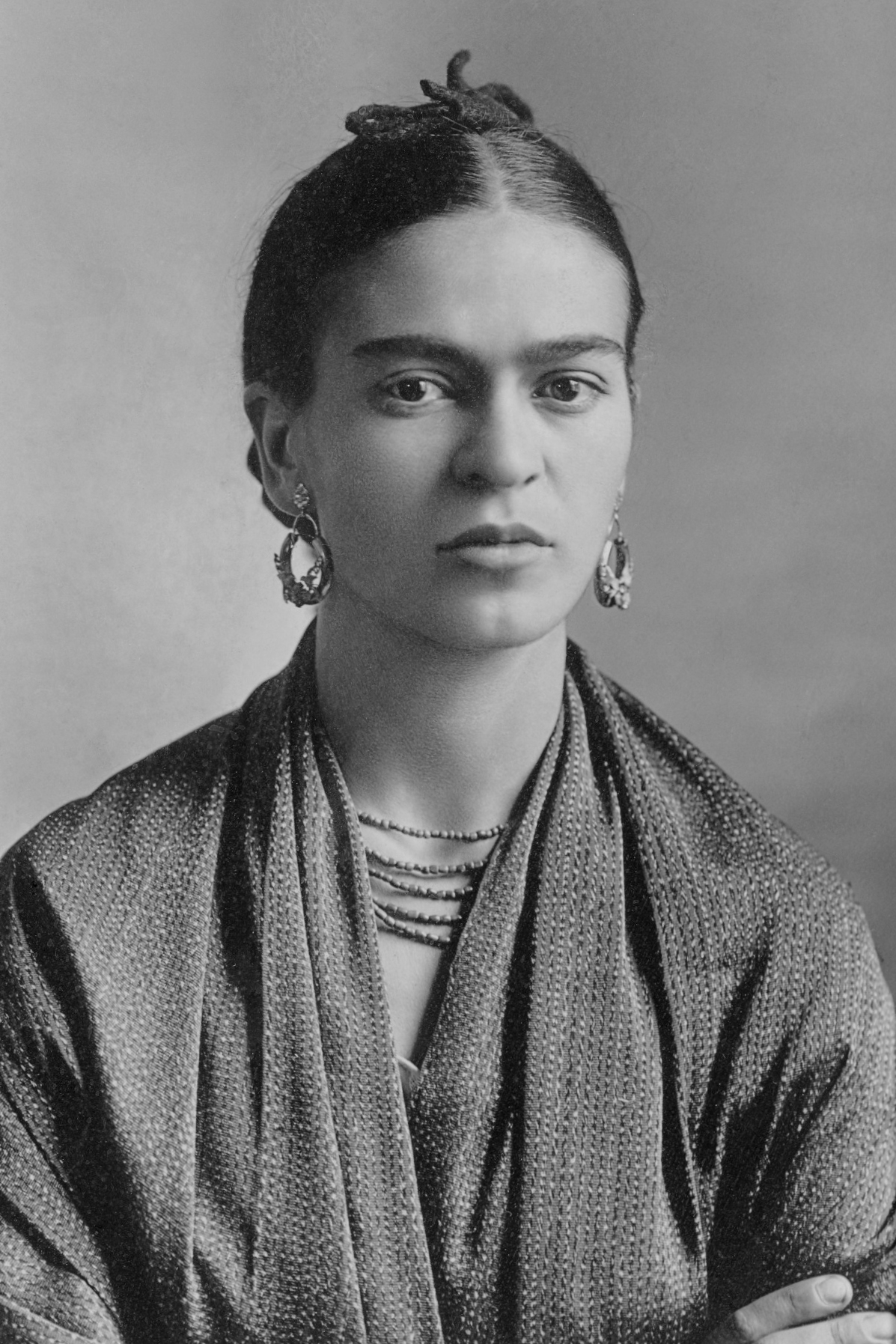
A painter (1907 to 1954) famous for her vivid self-portraits full of Mexican folk art, plants and animals. She was born and spent most of her life in the Blue House in Coyoacán, Mexico City, now a museum.

From Mexico.

More ways to explore