Opera
Read moreShow less
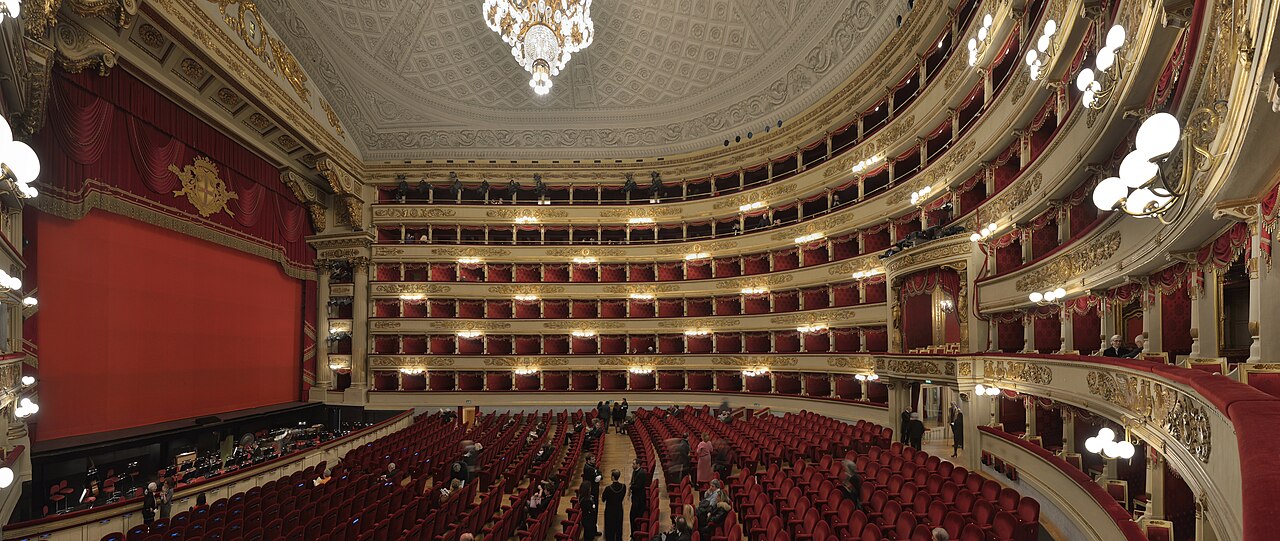
Opera, a drama told entirely in music, was born in Florence: Jacopo Peri's Dafne of 1598 is considered the first. Italian composers such as Rossini, Verdi and Puccini wrote some of the most performed operas in the world.
Traditional instruments, dances and music, country by country. 16 entries from 3 countries so far, 10 with a recording to play.
Play Sounds of the WorldListen to a recording and guess where the music comes from.
Opera, a drama told entirely in music, was born in Florence: Jacopo Peri's Dafne of 1598 is considered the first. Italian composers such as Rossini, Verdi and Puccini wrote some of the most performed operas in the world.

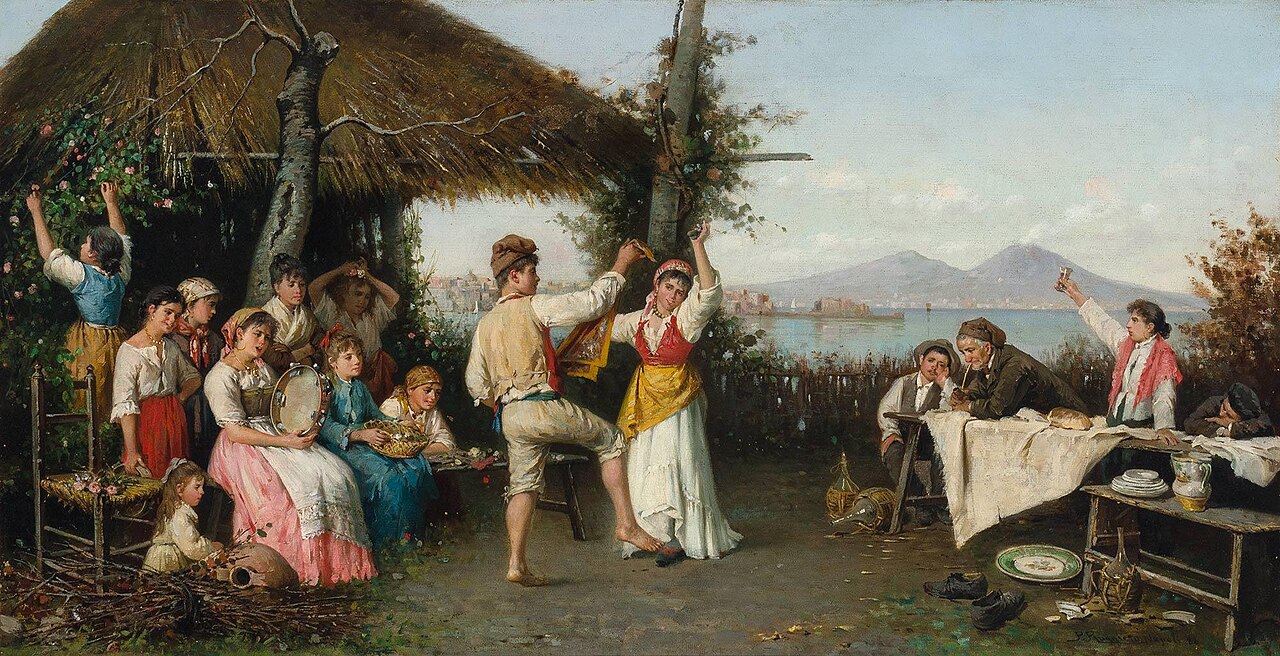
A fast folk dance from southern Italy, named after the city of Taranto in Apulia. Old stories said that dancing it for hours could cure the bite of the local tarantula spider.

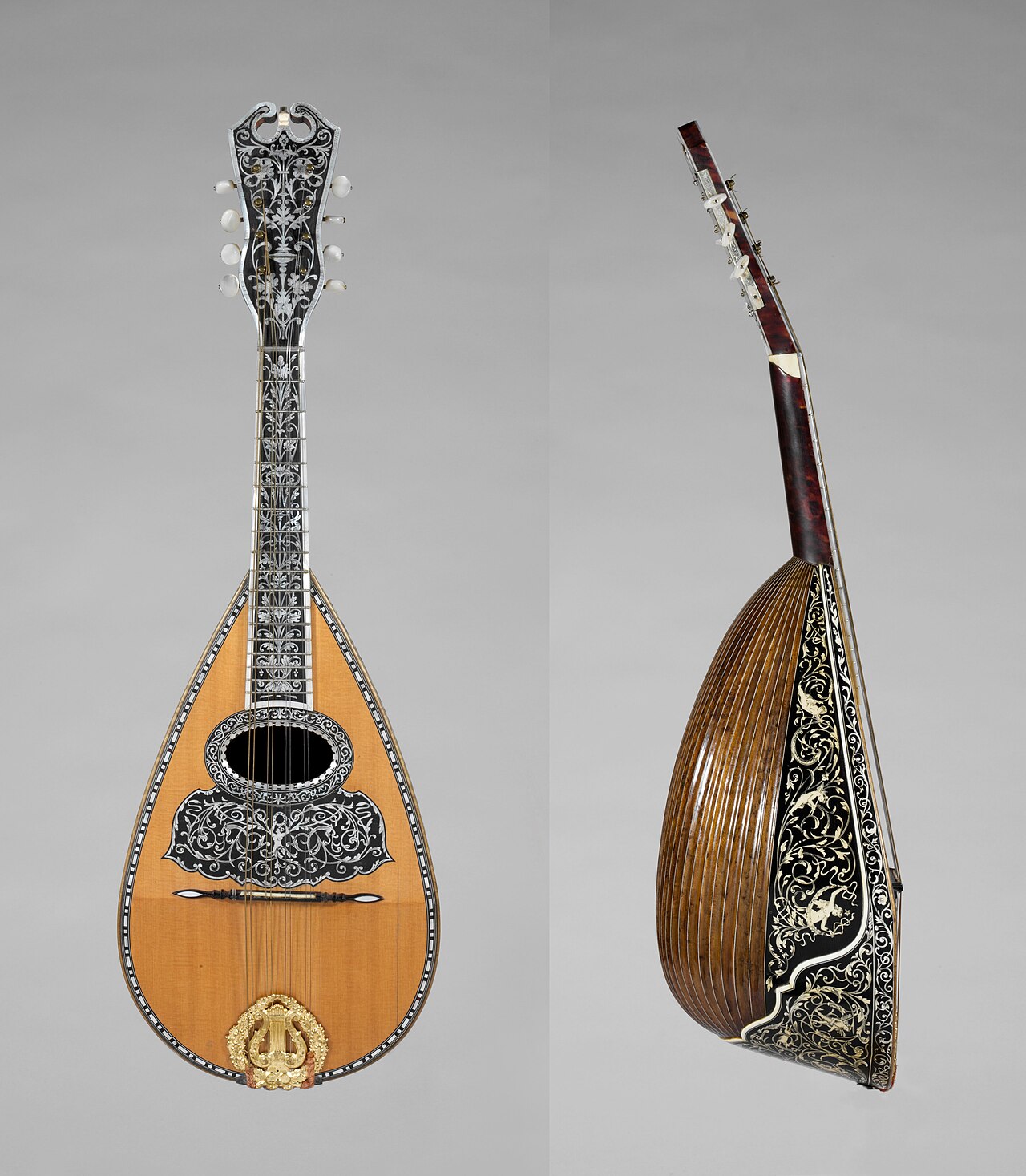
A small instrument of the lute family with a deep, rounded back built from strips of wood and eight metal strings in four pairs, tuned like a violin. The Neapolitan type spread around the world.

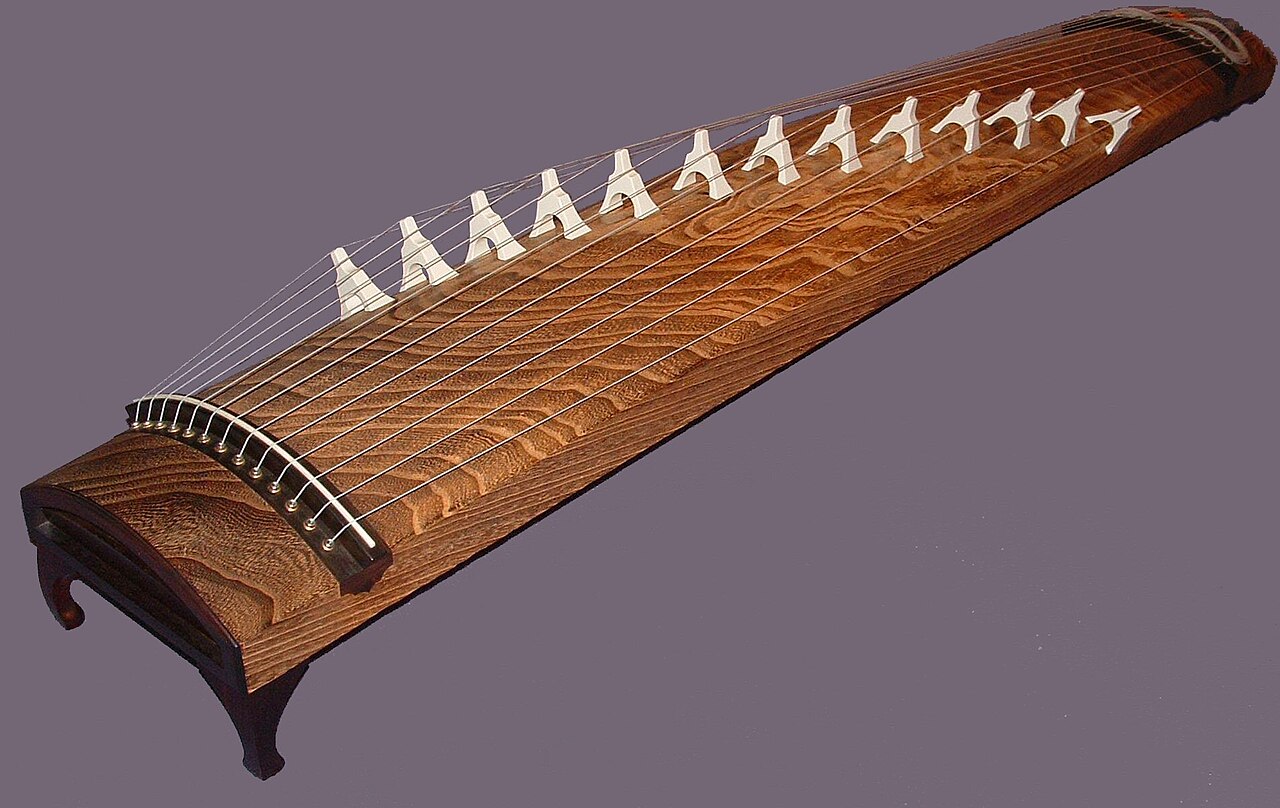
A long zither about 180 cm long, made of paulownia wood and usually strung with 13 strings over movable bridges. It came from China in ancient times and is often called Japan's national instrument.

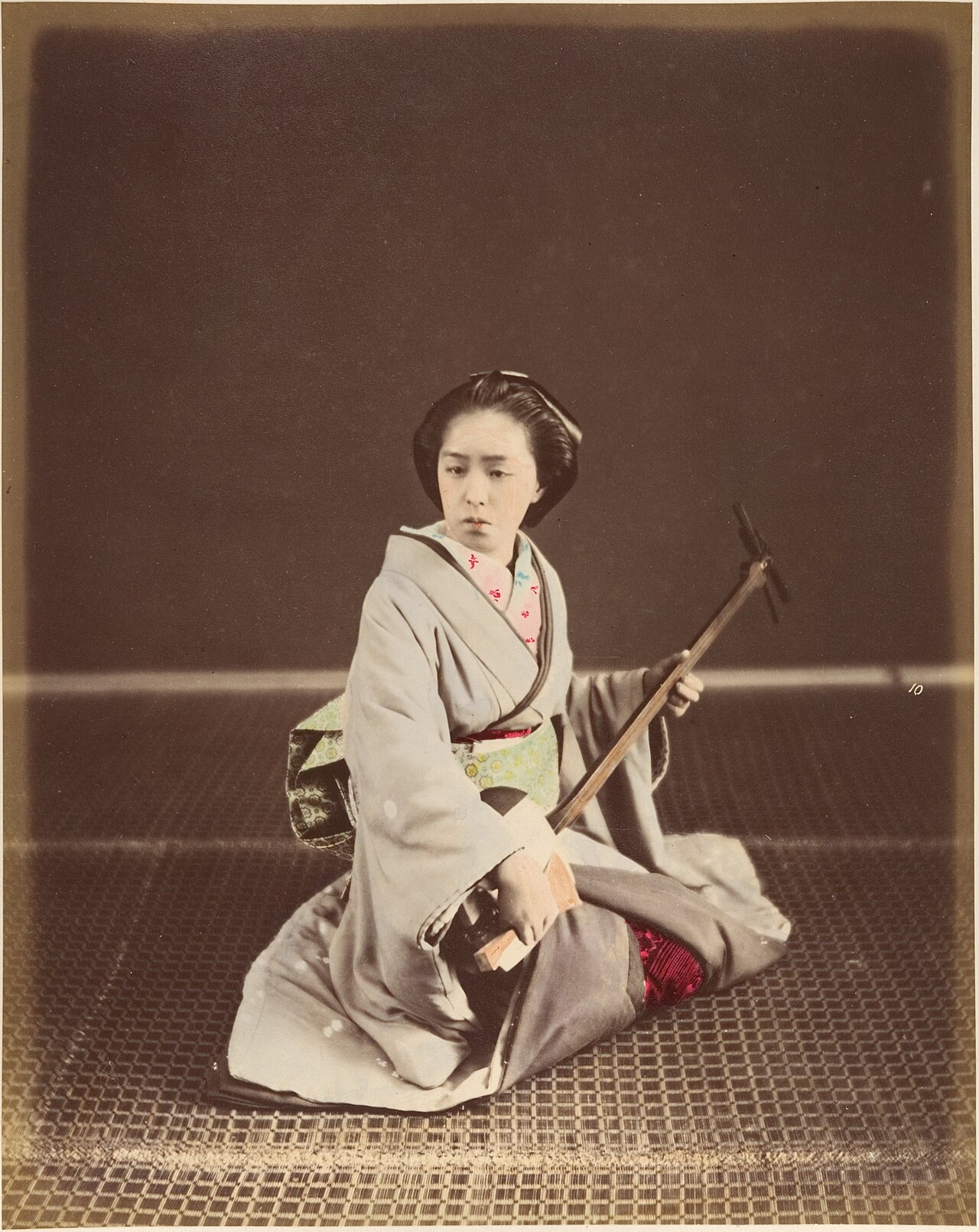
A three-stringed lute with a long fretless neck and a small square body covered in skin, like a banjo. It accompanies kabuki and bunraku puppet theatre and many folk songs.

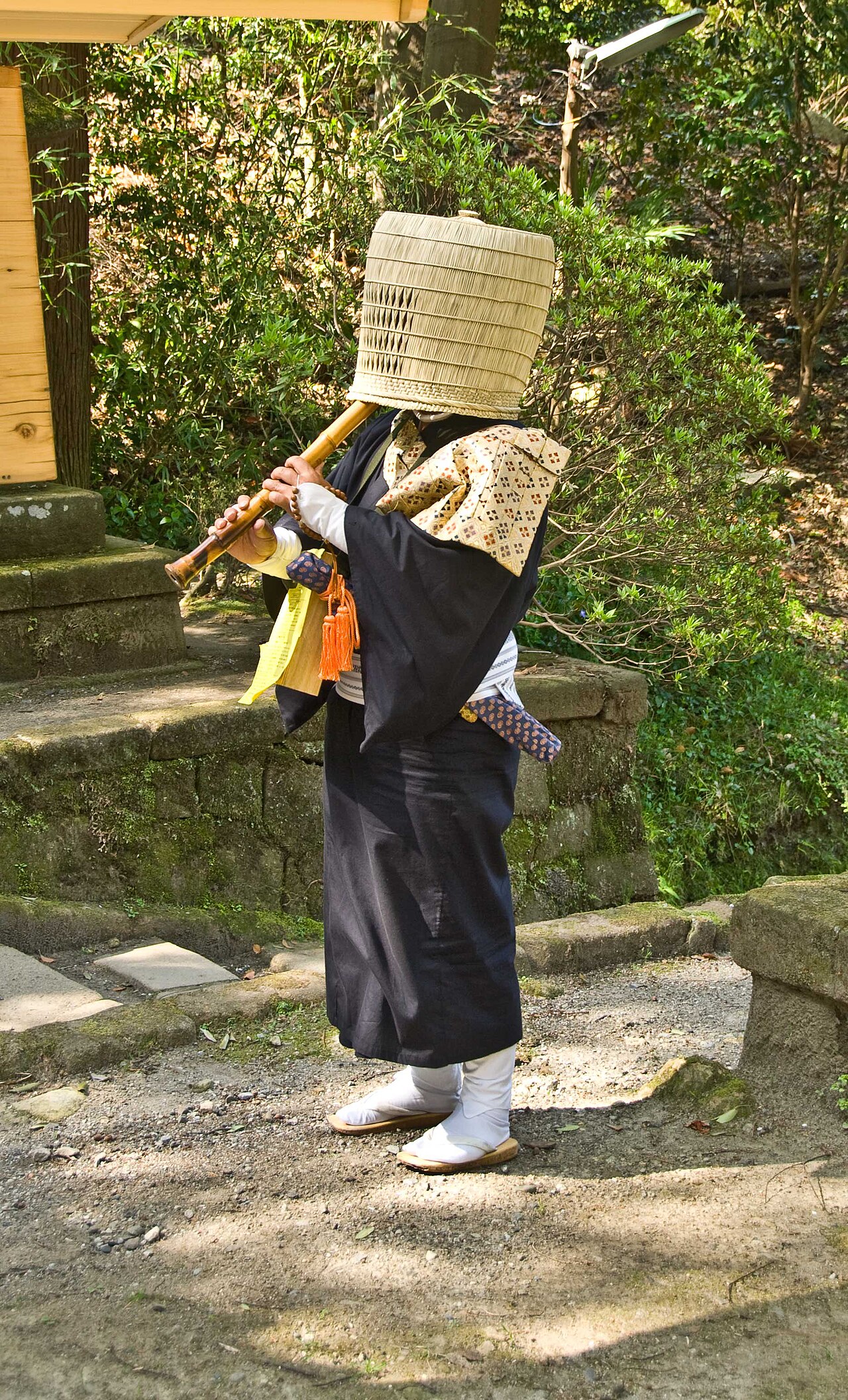
An end-blown bamboo flute about 54 cm long, with five finger holes. Monks of the Fuke sect of Zen Buddhism played it as a form of meditation.

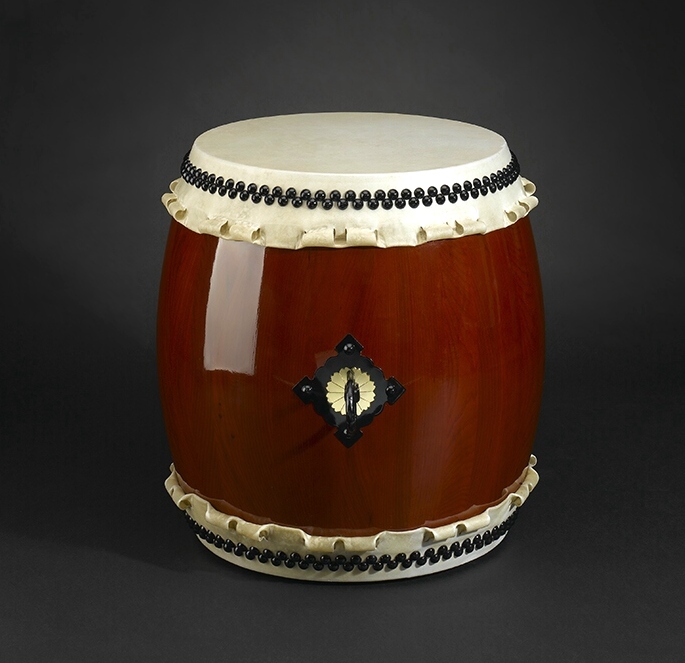
Japanese drums of many sizes, from small rope-tuned drums to huge barrel drums carved from one tree trunk. They have been played at shrines, festivals and in battle for centuries; the modern group style, kumi-daiko, began in 1951.

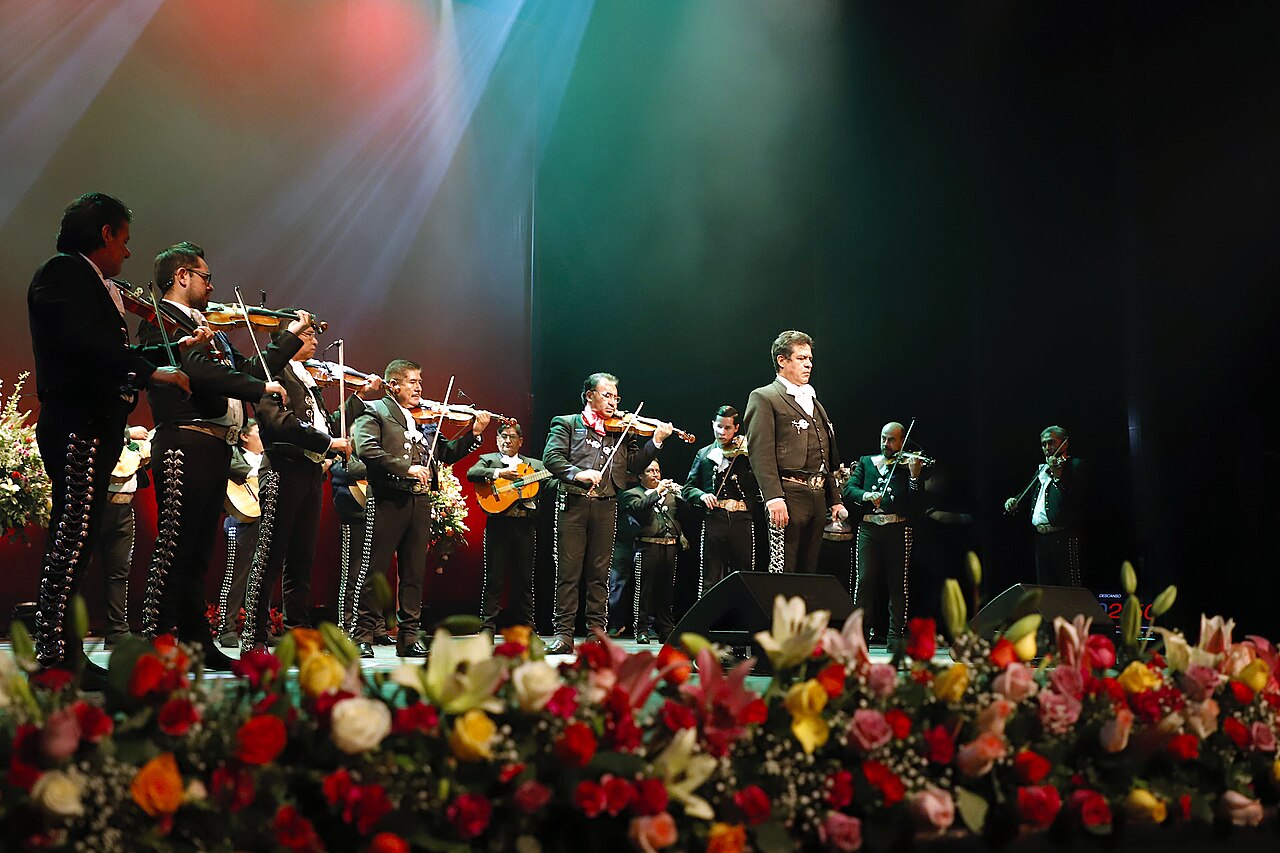
A band of violins, trumpets, a guitar, a small high vihuela and a big bass guitar called the guitarrón, usually dressed in charro (horseman) suits. It grew up in western Mexico, above all in Jalisco, and UNESCO listed it as intangible cultural heritage in 2011.

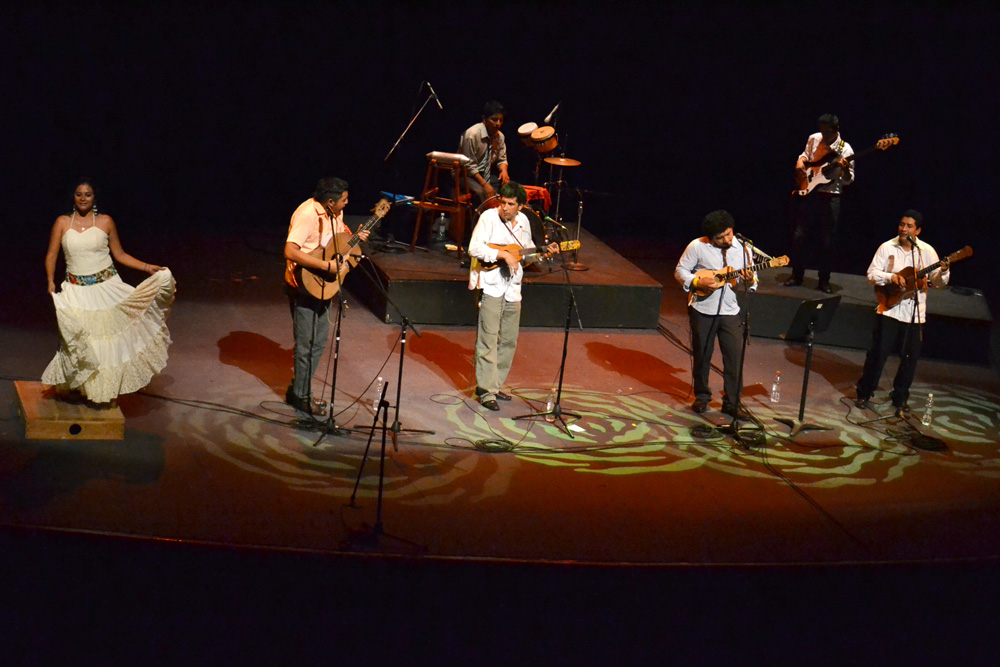
The folk music of Veracruz on the Gulf coast, mixing Indigenous, Spanish and African roots. It is played on small guitars called jaranas, the requinto and a harp, often at all-night parties called fandangos.

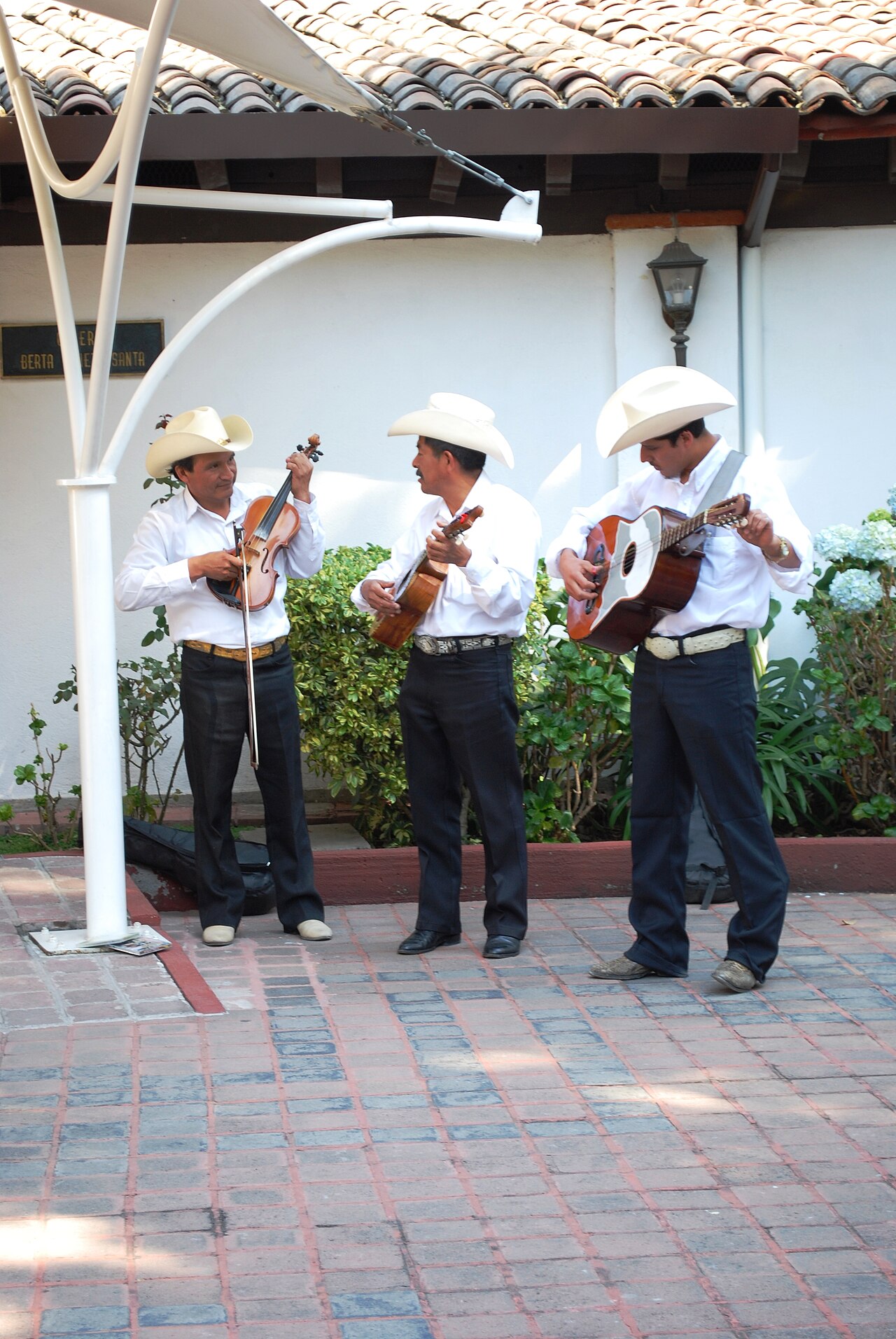
Music and dance from La Huasteca, a region of northeastern Mexico. The classic trio has a violin, a large five-course guitar (huapanguera) and a small jarana.

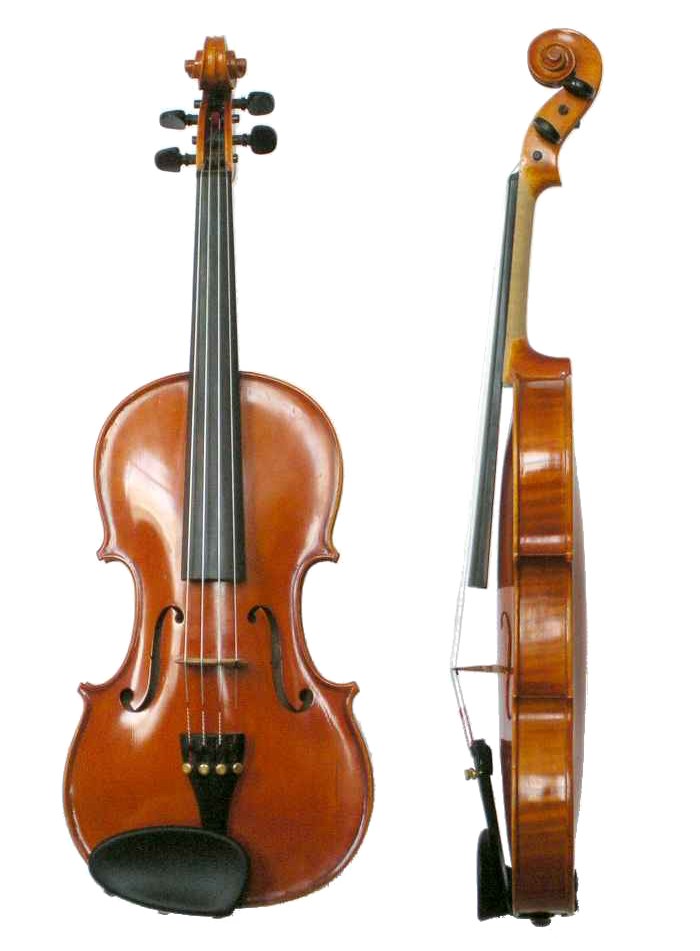
The violin took its present form in northern Italy in the early 16th century, and the city of Cremona became its home. The workshops of the Amati, Guarneri and Stradivari families made instruments that players still prize, and violin making in Cremona is on the UNESCO list of intangible cultural heritage.

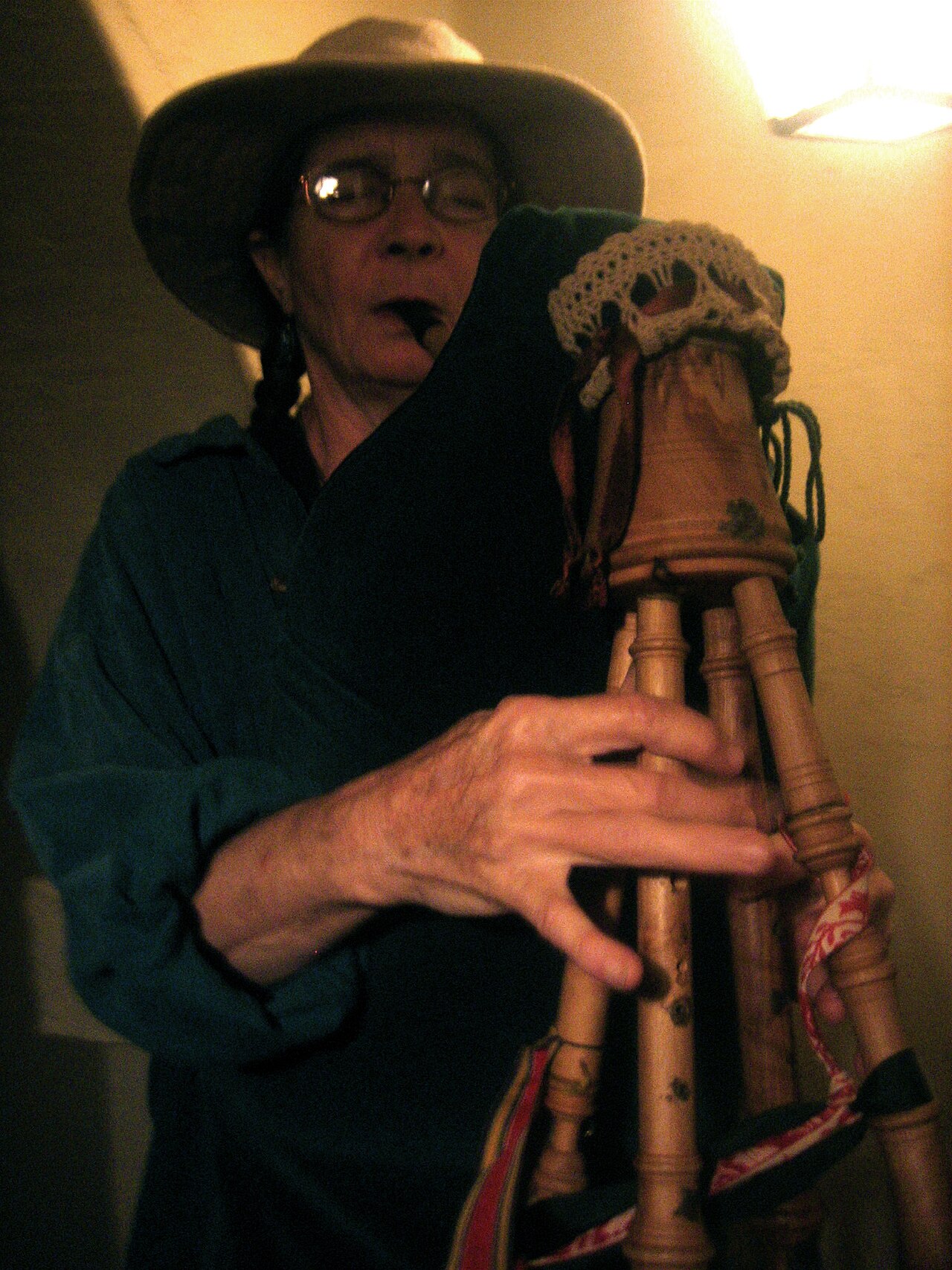
The Italian bagpipe of the mountains of central and southern Italy. The bag is traditionally a whole goatskin, and two chanters let one piper play a tune and its harmony at the same time. Today it is heard above all at Christmas.

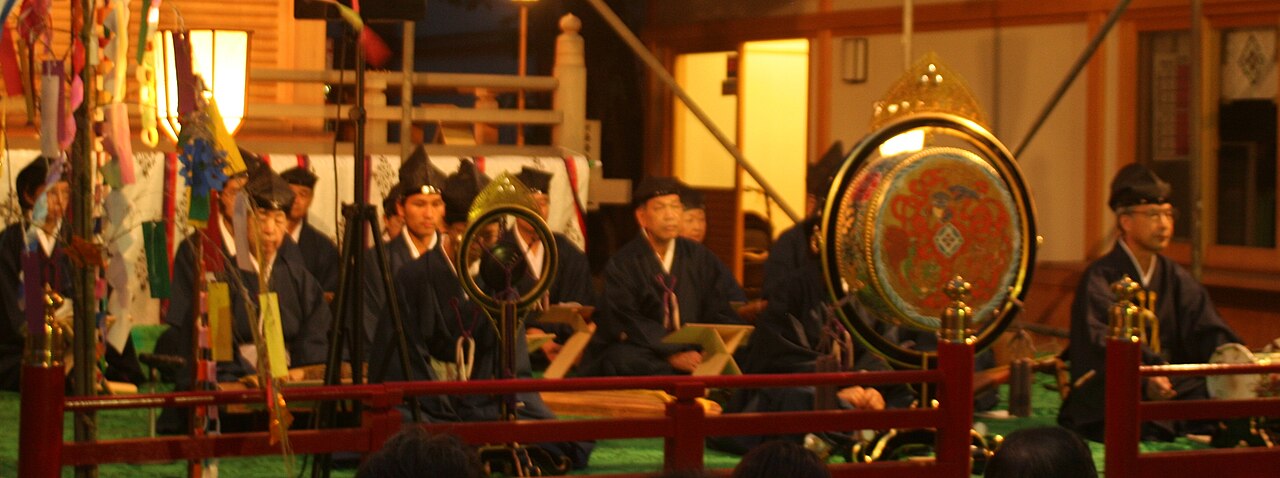
The ancient music and dance of the imperial court, which took its present form around the 10th century and is still performed by musicians of the Imperial Household in Tokyo. UNESCO listed it as intangible cultural heritage in 2009.

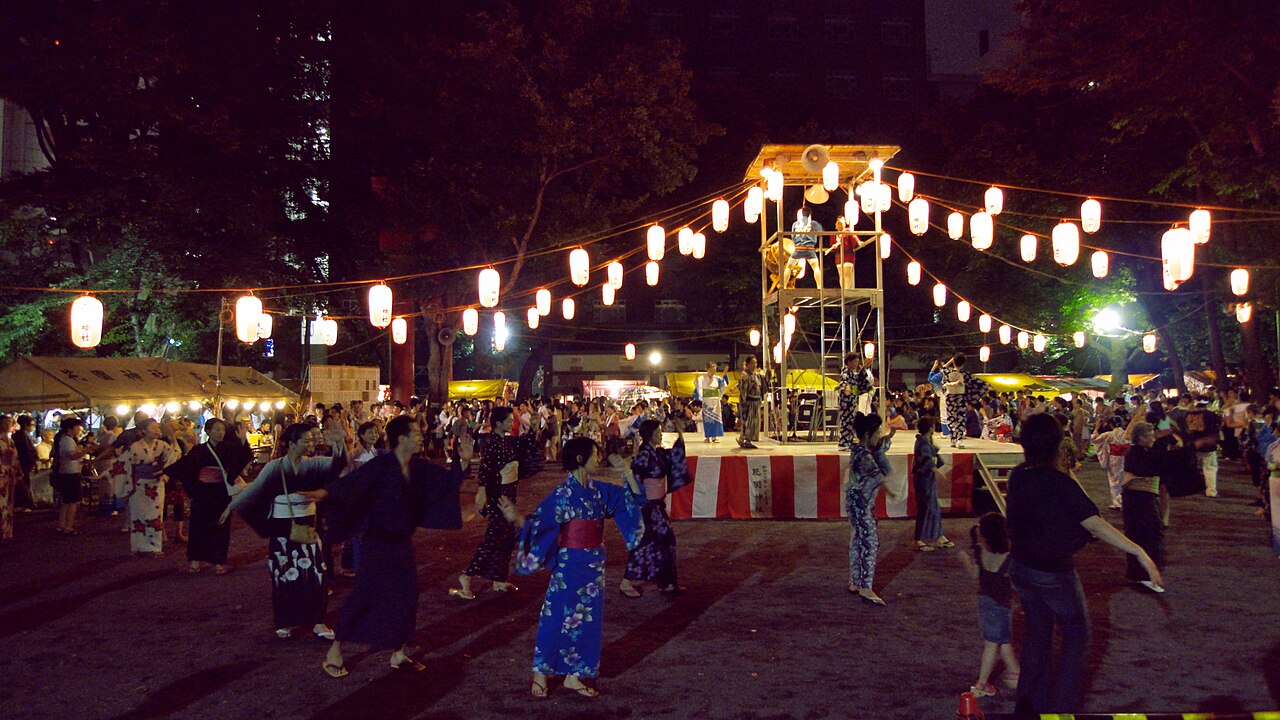
The summer folk dance of the Obon festival, with a history of about 600 years. Every region has its own dances and songs, such as Awa Odori in Tokushima.

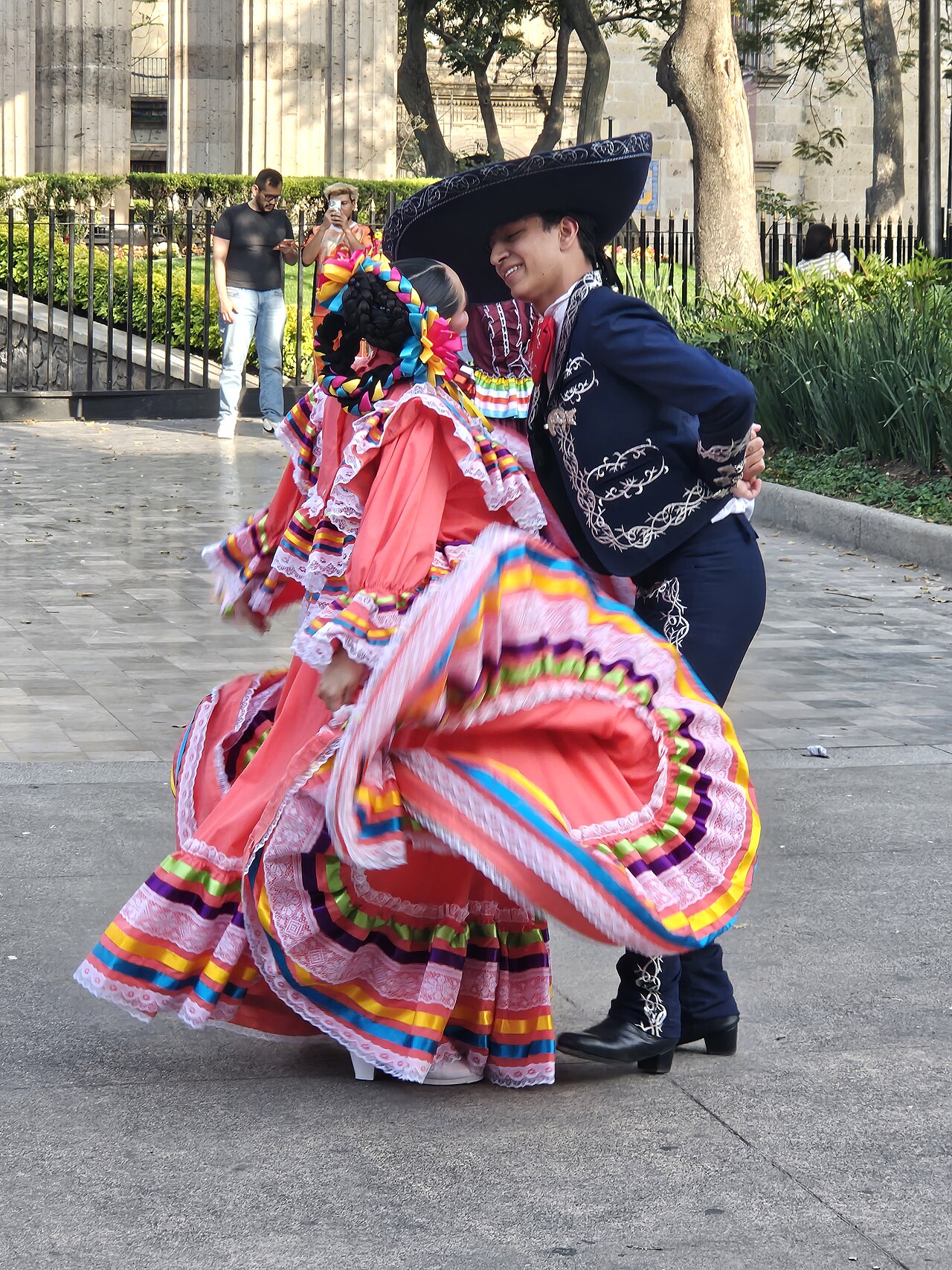
The national dance of Mexico, a courtship dance from Guadalajara. The woman wears the colourful china poblana dress, the man a charro suit.

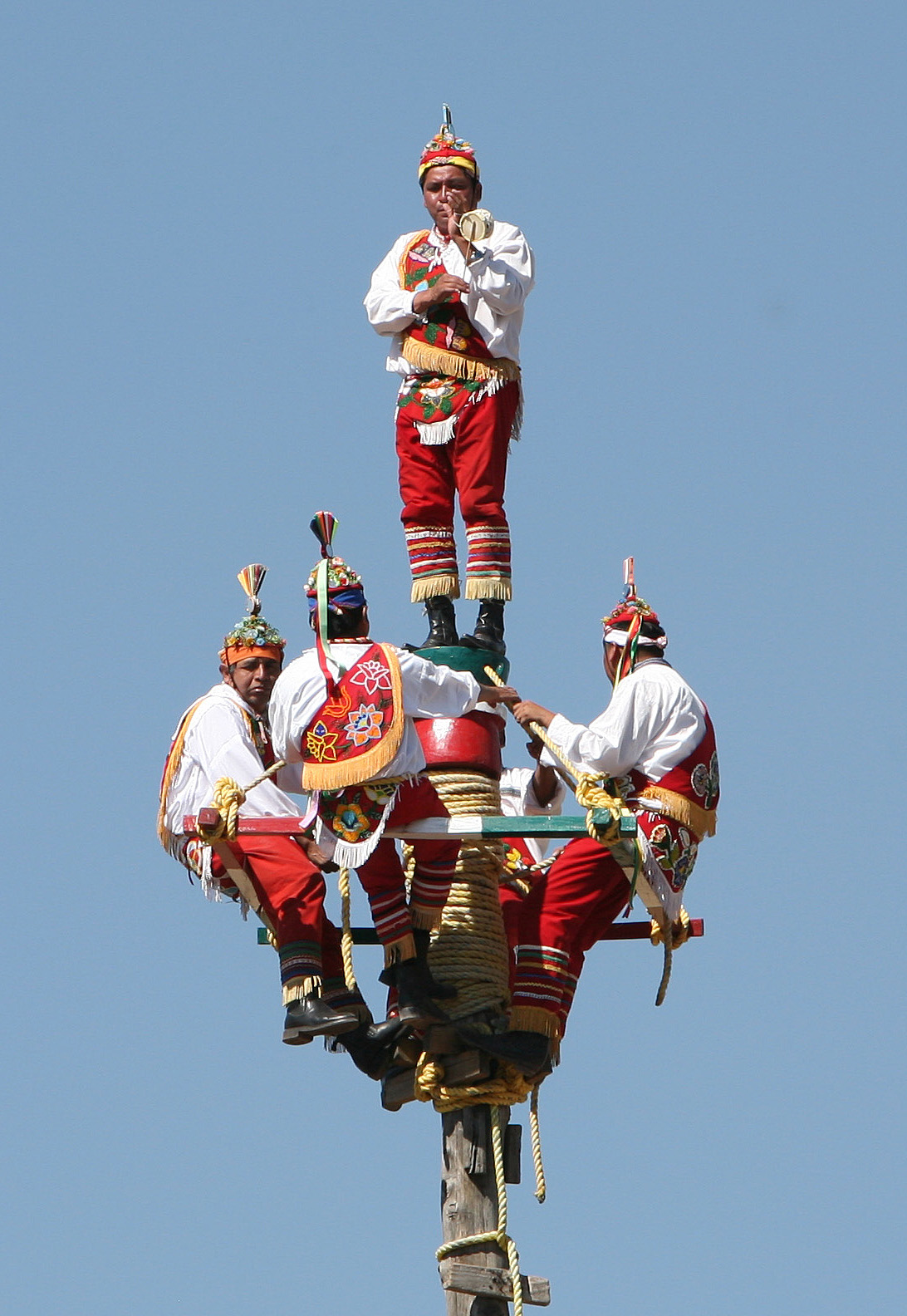
An ancient ritual to ask the gods for rain, still performed today, best known from the Totonac people of Papantla in Veracruz. UNESCO listed it as intangible cultural heritage in 2009.