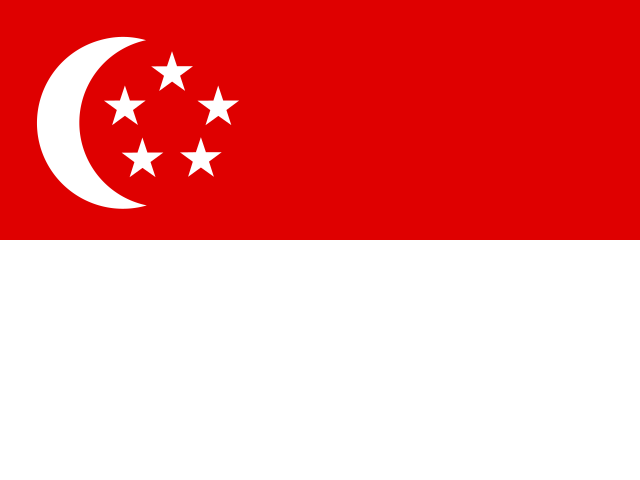
A whole country in one green, gleaming city: hawker stalls and skyscrapers, temples and mosques side by side, and four official languages on signs across town.
Singapore is an island country and city-state at the southern tip of the Malay Peninsula, only about one degree of latitude, some 137 km, north of the equator. It is made up of one main island and more than 60 smaller islands. The Straits of Johor separate it from Malaysia to the north, crossed by a causeway and a bridge, and the Singapore Strait separates it from the Riau Islands of Indonesia to the south. It is one of the smallest countries in the world, and it keeps growing: land reclamation has added more than 160 km² since the 1960s.
The island was a busy trading port called Temasek in the 14th century. Its modern story began in 1819, when the Briton Stamford Raffles set up a trading post for the East India Company. Singapore grew into one of the great ports of Asia, was occupied by Japan during the Second World War, won self-government in 1959, joined Malaysia in 1963, and became a fully independent republic on 9 August 1965.
Questions to ask the older generation
Memories fade faster than photos. Ask these over a meal or a phone call, and write the answers down.
Which town or region of Singapore did our family come from? Was it near Queenstown, Bukit Timah, Toa Payoh?
Who was the first in the family to leave Singapore, when, and why?
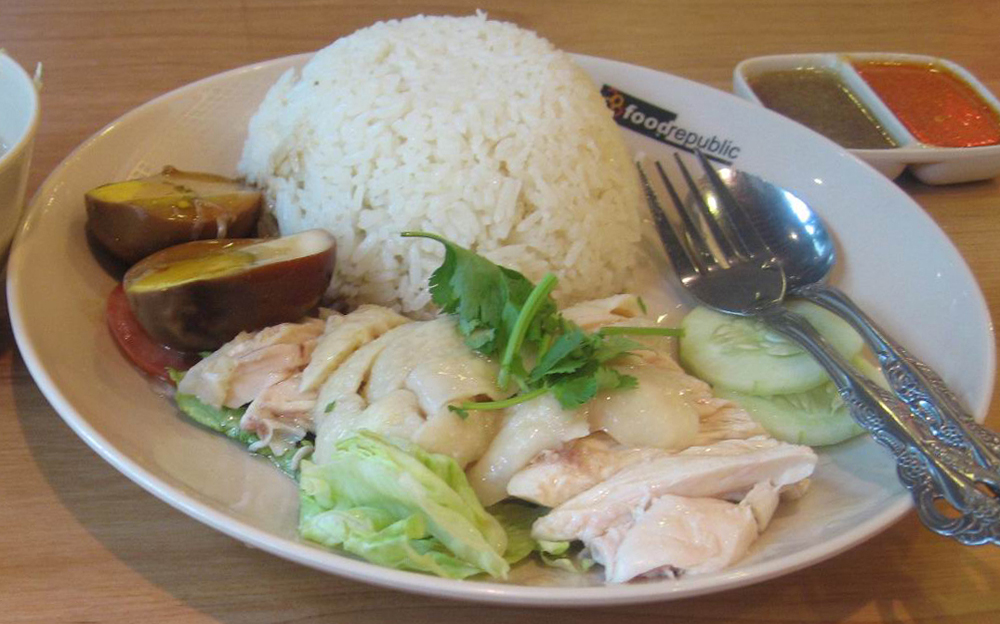
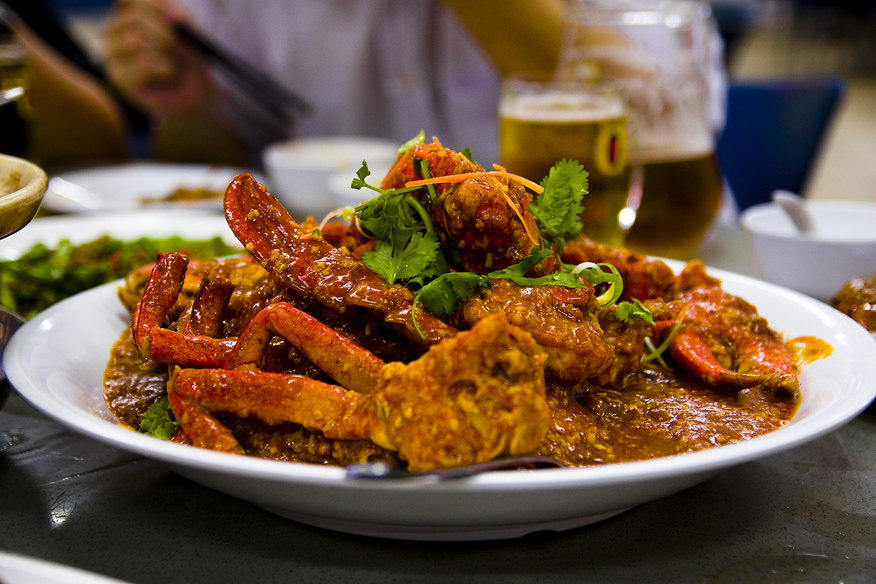
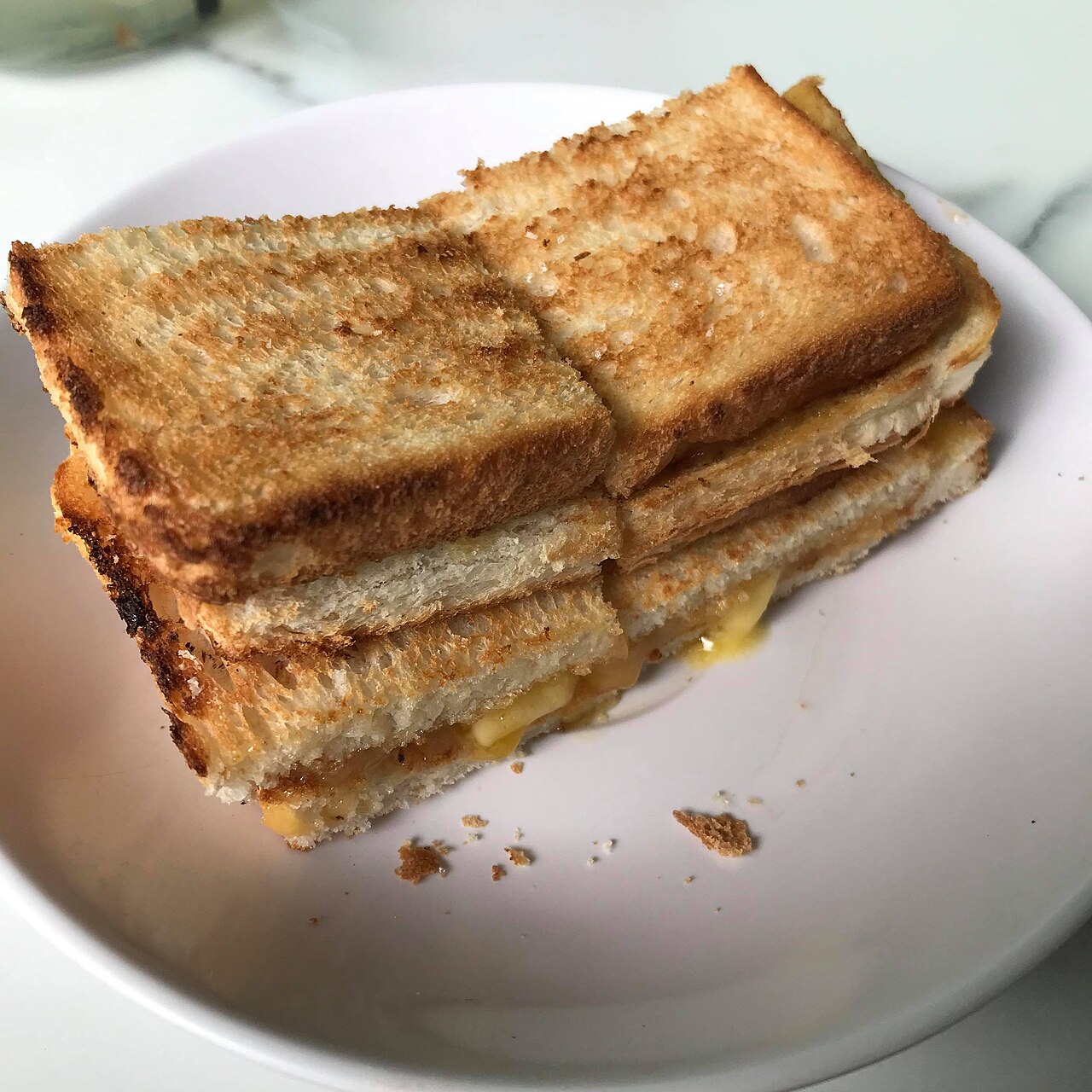
Which dishes from Singapore were cooked at home? Did anyone make Hainanese chicken rice or Chilli crab?
Does anyone in the family still speak Singlish, or use a few words of it?
Were there songs, prayers, games or holidays from Singapore that the family kept?
Are there old photos, letters or documents from Singapore? Who has them?
If you could visit Singapore together, where would you go first?
A short history of Singapore
Long before skyscrapers, the island was a trading port known as Temasek, and later Singapura, the 'lion city', linked to the empires of Java and Siam. After centuries of quiet, the British arrived in 1819 and built a free port that drew traders and settlers from China, India, the Malay world, Arabia and Europe. The 20th century brought the shock of Japanese occupation, then self-government, a brief union with Malaysia and, in 1965, sudden independence. In the decades since, the small island has become one of the richest and busiest trading hubs in the world.
1330
A Chinese traveller visits Temasek
Around 1330, the Chinese traveller Wang Dayuan described a settlement on the island that he called Danmaxi, probably a version of the Malay name Temasek. In the 14th century Temasek was a trading port under the influence of Java's Majapahit Empire and the Siamese kingdoms. The Malay Annals tell that a prince named Sang Nila Utama renamed it Singapura, 'lion city', after seeing a strange beast he took to be a lion, though historians debate how much of that story is true.
1819
Raffles founds a British trading post
Stamford Raffles of the British East India Company landed at the end of January 1819. He backed a rival claimant to the throne of Johor, and on 6 February 1819 a treaty allowed the British to set up a trading post. As a free port without customs duties, Singapore quickly drew merchants from all over Asia.
1826
The Straits Settlements are formed
The East India Company grouped Singapore with Penang and Malacca as the Straits Settlements. Singapore became their capital in 1832. Many of the early immigrants came from southern China to work on pepper and gambier plantations.
1867
Singapore becomes a Crown colony
On 1 April 1867, the Straits Settlements were taken away from British India and made a Crown colony, run directly from London. Two years later the Suez Canal opened, shortening the voyage to Europe and bringing even more ships to Singapore.
1959
Singapore gains self-government
On 3 June 1959, Britain granted Singapore full internal self-government, keeping control only of defence and foreign affairs. The People's Action Party had won the election days before, and Lee Kuan Yew became the first prime minister. 'Majulah Singapura' was chosen as the anthem the same year.
1965
Singapore becomes independent
On 9 August 1965, Singapore separated from Malaysia and became the independent Republic of Singapore. The date is now celebrated every year as National Day, with a large parade. With no natural resources, the young country focused on trade, industry, housing and education.
1981
Changi Airport opens
Changi Airport began operations on 1 July 1981, replacing the older airport at Paya Lebar, and was officially opened that December. Its first flight was a Singapore Airlines plane from Kuala Lumpur.
2015
The Botanic Gardens become a World Heritage Site
On 4 July 2015, UNESCO inscribed the Singapore Botanic Gardens on the World Heritage List, Singapore's first World Heritage Site. It came in the year Singapore celebrated 50 years of independence.
Find your Singaporean ancestors in the old records
Our sister site Daily Ancestor helps you read the real documents: ship passenger lists, Ellis Island arrivals, naturalization papers and census pages, with a free plan of which records exist for each ancestor.