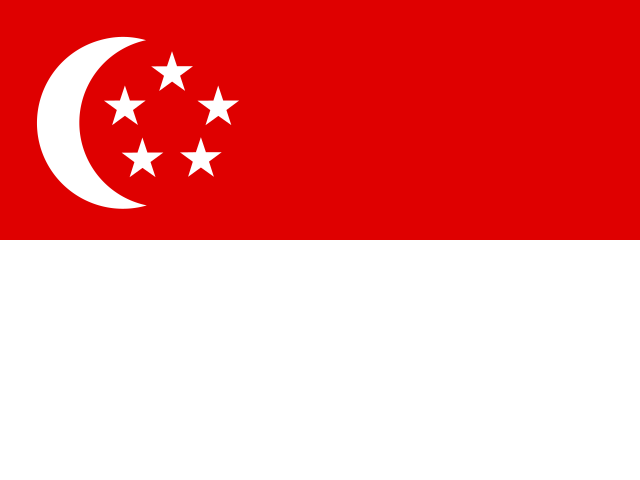
Singapore trivia: 46 questions and answers
The country at a glance
What is the currency of Singapore?
- A. Singapore dollar
- B. Malaysian ringgit
- C. Indonesian rupiah
- D. Hong Kong dollar
Show the answer
Singapore dollar. Singapore pays in the Singapore dollar (SGD), issued since 1967. The Brunei dollar is accepted at the same value.
Which of these is NOT one of Singapore's four official languages?
- A. Hindi
- B. Tamil
- C. Malay
- D. Mandarin
Show the answer
Hindi. Hindi is not official. Singapore's four official languages are English, Malay, Mandarin and Tamil, and Malay is the national language.
Which language is Singapore's national language, used in its national anthem?
- A. Malay
- B. English
- C. Mandarin
- D. Tamil
Show the answer
Malay. Malay is the national language, and the anthem 'Majulah Singapura' is sung in Malay, while English is the common language of school and work.
Singapore lies about 137 km north of the equator.
True or false?
Show the answer
True. True. Singapore is about one degree of latitude, some 137 km, north of the equator, so it is hot and humid all year.
In Singapore, traffic drives on the right side of the road.
True or false?
Show the answer
False. False. Singapore drives on the left, a legacy of British rule, like neighbouring Malaysia.
What is the highest natural point in Singapore?
- A. Bukit Timah Hill
- B. Fort Canning Hill
- C. Mount Faber
- D. Mount Kinabalu
Show the answer
Bukit Timah Hill. Bukit Timah Hill, about 164 m, is the highest natural point. Mount Kinabalu is far away in Malaysian Borneo.
History
The name Singapura comes from Sanskrit. What does it mean?
- A. Lion city
- B. Sea town
- C. Island at the end
- D. Land of tin
Show the answer
Lion city. Singapura means lion city. 'Sea town' is the likely meaning of the older name Temasek.
Who set up the British trading post in Singapore in 1819?
- A. Stamford Raffles
- B. Francis Light
- C. James Brooke
- D. Afonso de Albuquerque
Show the answer
Stamford Raffles. Stamford Raffles of the East India Company set up the trading post in 1819. Francis Light founded George Town in Penang, and James Brooke ruled Sarawak.
On which date is Singapore's National Day, marking independence in 1965?
- A. 9 August
- B. 31 August
- C. 16 September
- D. 1 October
Show the answer
9 August. Singapore became independent on 9 August 1965. 31 August is Malaysia's independence day and 16 September is Malaysia Day.
Singapore was part of the Federation of Malaysia from 1963 until 1965.
True or false?
Show the answer
True. True. Singapore joined Malaysia on 16 September 1963 and separated on 9 August 1965, becoming an independent republic.
What did the Japanese rename Singapore during the occupation of 1942 to 1945?
- A. Syonan-to
- B. Temasek
- C. Batavia
- D. Edo
Show the answer
Syonan-to. The Japanese renamed it Syonan-to, 'light of the south island'. Temasek was the old Malay name, and Batavia was the Dutch name for Jakarta.
Singapore was one of the five countries that founded ASEAN in 1967.
True or false?
Show the answer
True. True. Singapore, Indonesia, Malaysia, the Philippines and Thailand founded ASEAN in Bangkok on 8 August 1967.
Food and drink
In Singapore, what is a hawker centre?
- A. A large food court of small, cheap food stalls
- B. A market for fresh fish only
- C. A fine-dining restaurant street
- D. A cooking school
Show the answer
A large food court of small, cheap food stalls. A hawker centre is a large food court of small, cheap food stalls. Singapore's hawker culture was added to UNESCO's intangible heritage list in 2020.
Hainanese chicken rice is named after immigrants from which island?
- A. Hainan
- B. Penang
- C. Java
- D. Taiwan
Show the answer
Hainan. Hainanese chicken rice was created by people from Hainan, an island in southern China, who adapted their Wenchang chicken in Southeast Asia.
Kaya, spread on toast for breakfast, is a sweet jam made mainly from what?
- A. Coconut milk, eggs and sugar
- B. Mango and lime
- C. Strawberries and sugar
- D. Peanuts and honey
Show the answer
Coconut milk, eggs and sugar. Kaya is made from coconut milk, eggs and sugar, often with pandan, and is eaten on kaya toast with soft-boiled eggs and kopi.
The Singapore Sling cocktail is linked with the Long Bar of the Raffles Hotel.
True or false?
Show the answer
True. True. The Singapore Sling is said to have been created at the Long Bar of the Raffles Hotel, usually dated to around 1915.
Bak kut teh means 'meat bone tea'. What is it?
- A. Pork ribs simmered in a spiced broth
- B. A sweet milky tea
- C. A tea-smoked duck
- D. A cold tea jelly
Show the answer
Pork ribs simmered in a spiced broth. Bak kut teh is pork ribs simmered in a spiced broth. There is no tea in it: tea is drunk alongside.
At a Singapore hawker centre, what do locals traditionally leave on a table to reserve it?
- A. A packet of tissues
- B. A coin
- C. A chopstick
- D. A flower
Show the answer
A packet of tissues. A packet of tissues on a table means the seat is reserved, or 'choped'.
In Singapore hawker centres, diners are expected to return their own trays after eating.
True or false?
Show the answer
True. True. Diners return trays to the tray racks, and you can be fined if you do not; halal and non-halal racks are separate.
Cities
The name Toa Payoh comes from Hokkien. What does it mean?
- A. Big swamp
- B. Lion city
- C. Red hill
- D. Sea town
Show the answer
Big swamp. Toa Payoh means big swamp in Hokkien: the town was built on former swampland and a squatter district from 1964.
Landmarks
Which place became Singapore's first UNESCO World Heritage Site, in 2015?
- A. Singapore Botanic Gardens
- B. Gardens by the Bay
- C. Marina Bay Sands
- D. The Chinese Garden
Show the answer
Singapore Botanic Gardens. The Singapore Botanic Gardens, founded in 1859, was inscribed in 2015, and as of 2026 it is Singapore's only World Heritage Site.
The Merlion, Singapore's mascot, has the head of a lion and the body of what?
- A. A fish
- B. A snake
- C. An eagle
- D. A tiger
Show the answer
A fish. The Merlion has the body of a fish, recalling the old sea town of Temasek, and the head of a lion, for Singapura, the lion city.
In which park do the giant 'Supertrees' stand?
- A. Gardens by the Bay
- B. Singapore Botanic Gardens
- C. Jurong Lake Gardens
- D. East Coast Park
Show the answer
Gardens by the Bay. The Supertrees, 25 to 50 m high and covered in plants, stand in Gardens by the Bay beside Marina Bay.
Singapore's oldest Hindu temple, the Sri Mariamman Temple, stands in which district?
- A. Chinatown
- B. Little India
- C. Kampong Glam
- D. Woodlands
Show the answer
Chinatown. The Sri Mariamman Temple, founded in 1827, stands in Chinatown, even though many Hindu temples are in Little India.
Marina Bay Sands, with its rooftop SkyPark, opened in 2010.
True or false?
Show the answer
True. True. The resort and its SkyPark opened in 2010; it was designed by the architect Moshe Safdie.
The Chinese Garden in Jurong is built in the style of traditional Japanese gardens.
True or false?
Show the answer
False. False. The Chinese Garden is built in the Peking style of northern China; its neighbour, the Japanese Garden, is the Japanese one.
Fun facts
Selling ordinary chewing gum has been banned in Singapore since 1992.
True or false?
Show the answer
True. True. The ban on selling gum began in 1992; since 2004, therapeutic and nicotine gum can be bought from a pharmacist.
What was special about the 2008 Singapore Grand Prix?
- A. It was Formula One's first night race
- B. It was the first race held in the rain
- C. It was the first race without spectators
- D. It was the shortest race ever held
Show the answer
It was Formula One's first night race. It was Formula One's first night race, held under floodlights on the streets around Marina Bay.
What is Singapore's national flower?
- A. The orchid Vanda Miss Joaquim
- B. The lotus
- C. The hibiscus
- D. The cherry blossom
Show the answer
The orchid Vanda Miss Joaquim. The national flower is the orchid Vanda Miss Joaquim, a hybrid bred in Singapore by Agnes Joaquim and chosen in 1981.
By law, Singapore's national anthem must be sung in English.
True or false?
Show the answer
False. False. By law the anthem 'Majulah Singapura' must be sung in Malay, though translations exist in the other official languages.
Which country's dollar is interchangeable at par with the Singapore dollar?
- A. Brunei
- B. Malaysia
- C. Australia
- D. Hong Kong
Show the answer
Brunei. The Brunei dollar and the Singapore dollar have been interchangeable at par since 1967.
Singapore's land area has grown since the 1960s thanks to land reclamation.
True or false?
Show the answer
True. True. Reclamation has added more than 160 km², taking the land area from about 580 km² to about 744 km².
Words
In Singlish, what does 'makan' mean?
- A. To eat
- B. To sleep
- C. To pay
- D. To hurry
Show the answer
To eat. Makan means to eat; it comes from Malay and is used by everyone in Singapore.
If a Singaporean says 'Shiok!' after a bite of food, how do they feel?
- A. Delighted, it is delicious
- B. Disgusted, it is too salty
- C. Bored, it is ordinary
- D. Worried, it is too spicy
Show the answer
Delighted, it is delicious. Shiok means delighted, it is delicious or wonderful. The word is now in the Oxford English Dictionary.
What does the Singlish word 'kiasu' describe?
- A. Being afraid of losing out
- B. Being very generous
- C. Being very sleepy
- D. Being late
Show the answer
Being afraid of losing out. Kiasu comes from Hokkien and describes being afraid of losing out, always wanting the best deal or a place at the front.
In Singapore, 'da bao' means you want your food packed to take away.
True or false?
Show the answer
True. True. Da bao, from Cantonese, means to pack cooked food to take away.
Phrases
How do you say 'thank you' in Mandarin?
- A. Xièxie
- B. Nǐ hǎo
- C. Zàijiàn
- D. Duìbuqǐ
Show the answer
Xièxie. Xièxie means thank you. Nǐ hǎo is hello, zàijiàn goodbye and duìbuqǐ sorry.
Which Malay phrase means 'thank you'?
- A. Terima kasih
- B. Selamat pagi
- C. Apa khabar
- D. Sama-sama
Show the answer
Terima kasih. Terima kasih means thank you; the reply is sama-sama, you're welcome.
Vanakkam is a greeting in which of Singapore's official languages?
- A. Tamil
- B. Malay
- C. Mandarin
- D. English
Show the answer
Tamil. Vanakkam is the Tamil greeting, often said with palms pressed together. Tamil is one of Singapore's four official languages.
In Singlish, what does 'Can or not?' mean?
- A. Is that possible?
- B. How much is it?
- C. Where is the toilet?
- D. What time is it?
Show the answer
Is that possible?. 'Can or not?' asks 'Is that possible?' or 'Can you do it?', and a cheerful answer is 'Can!'.
In Singlish, 'Paiseh!' is a way of saying you are embarrassed or sorry.
True or false?
Show the answer
True. True. Paiseh, from Hokkien, means embarrassed, and is used as a light apology after a small mistake.
Local customs and tips
As of 2026, which is the official number to call the police in Singapore?
- A. 999
- B. 000
- C. 110
- D. 119
Show the answer
999. 999 is the police number, and 995 is for an ambulance or the fire service. 000 is Australia's number and 110 is used in Germany and Japan.
Eating and drinking are allowed on Singapore's MRT trains.
True or false?
Show the answer
False. False. Eating and drinking, even water, are not allowed in MRT stations, on trains or on buses, and offenders can be fined.
What does '++' after a restaurant price in Singapore mean?
- A. Service charge and tax will be added
- B. The dish is extra spicy
- C. The portion is large
- D. The price includes a free drink
Show the answer
Service charge and tax will be added. '++' means service charge and tax will be added: a 10% service charge plus GST. Tipping is not expected.
Which plug does Singapore use?
- A. The British three-pin plug (type G)
- B. The American two-flat-pin plug (type A)
- C. The European two-round-pin plug (type C)
- D. The Australian angled plug (type I)
Show the answer
The British three-pin plug (type G). Singapore uses the British three-pin plug (type G) at 230 volts.
Tap water in Singapore is safe to drink.
True or false?
Show the answer
True. True. Tap water is safe to drink, which helps in the hot, humid weather.
Trivia from nearby countries
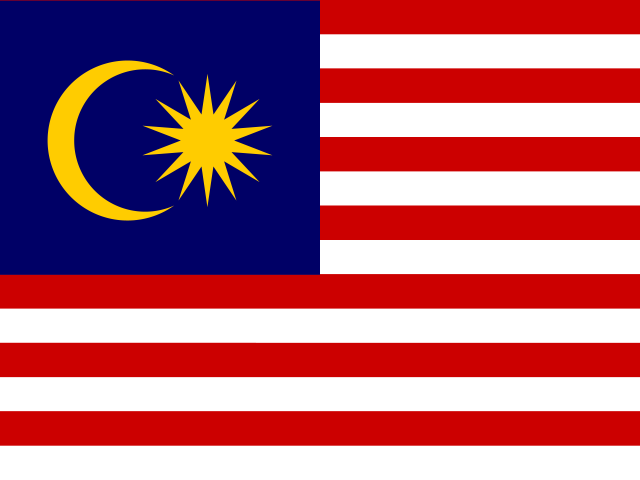

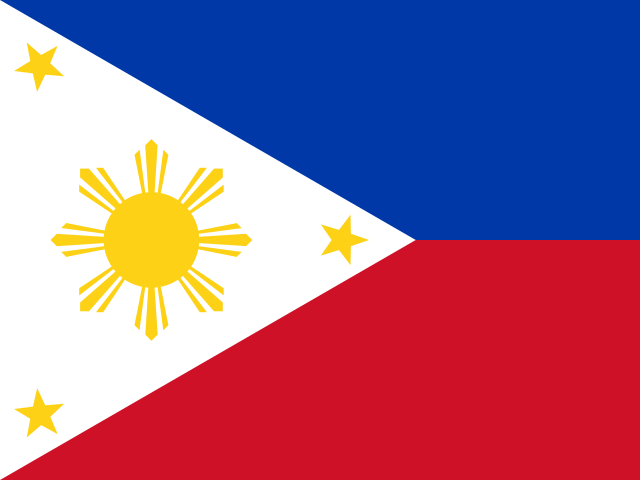
Answer key
The country at a glance
- A. Singapore dollar
- A. Hindi
- A. Malay
- True
- False
- A. Bukit Timah Hill
History
- A. Lion city
- A. Stamford Raffles
- A. 9 August
- True
- A. Syonan-to
- True
Food and drink
- A. A large food court of small, cheap food stalls
- A. Hainan
- A. Coconut milk, eggs and sugar
- True
- A. Pork ribs simmered in a spiced broth
- A. A packet of tissues
- True
Cities
- A. Big swamp
Landmarks
- A. Singapore Botanic Gardens
- A. A fish
- A. Gardens by the Bay
- A. Chinatown
- True
- False
Fun facts
- True
- A. It was Formula One's first night race
- A. The orchid Vanda Miss Joaquim
- False
- A. Brunei
- True
Words
- A. To eat
- A. Delighted, it is delicious
- A. Being afraid of losing out
- True
Phrases
- A. Xièxie
- A. Terima kasih
- A. Tamil
- A. Is that possible?
- True
Local customs and tips
- A. 999
- False
- A. Service charge and tax will be added
- A. The British three-pin plug (type G)
- True
More about Singapore
- The trip to SingaporeMap, story, food, phrases and a friendly quiz.
- Fun facts about SingaporeSurprising facts, each one checked with a source.
- Singaporean foodThe dishes to try, with photos and recipes.
- Singapore word searchCities and dishes in large print.
- Singaporean words crosswordLearn a few words while you solve it.
- Colour the flag of SingaporePrint it or colour it in on the screen.
- Singaporean rootsA family guide: history, recipes and words for the grandchildren.
- Before you goPhrases, customs and tips for travellers.
- Printable packLarge print, with a quiz and answers.