Irish cooking is plain, hearty and built on excellent ingredients: grass-fed beef and lamb, rich butter and cream, fresh fish and shellfish from the Atlantic, and, above all, potatoes. A traditional day starts with a big cooked breakfast, the main meal is meat or fish with potatoes and vegetables, and there is always bread on the table and a pot of tea to finish.
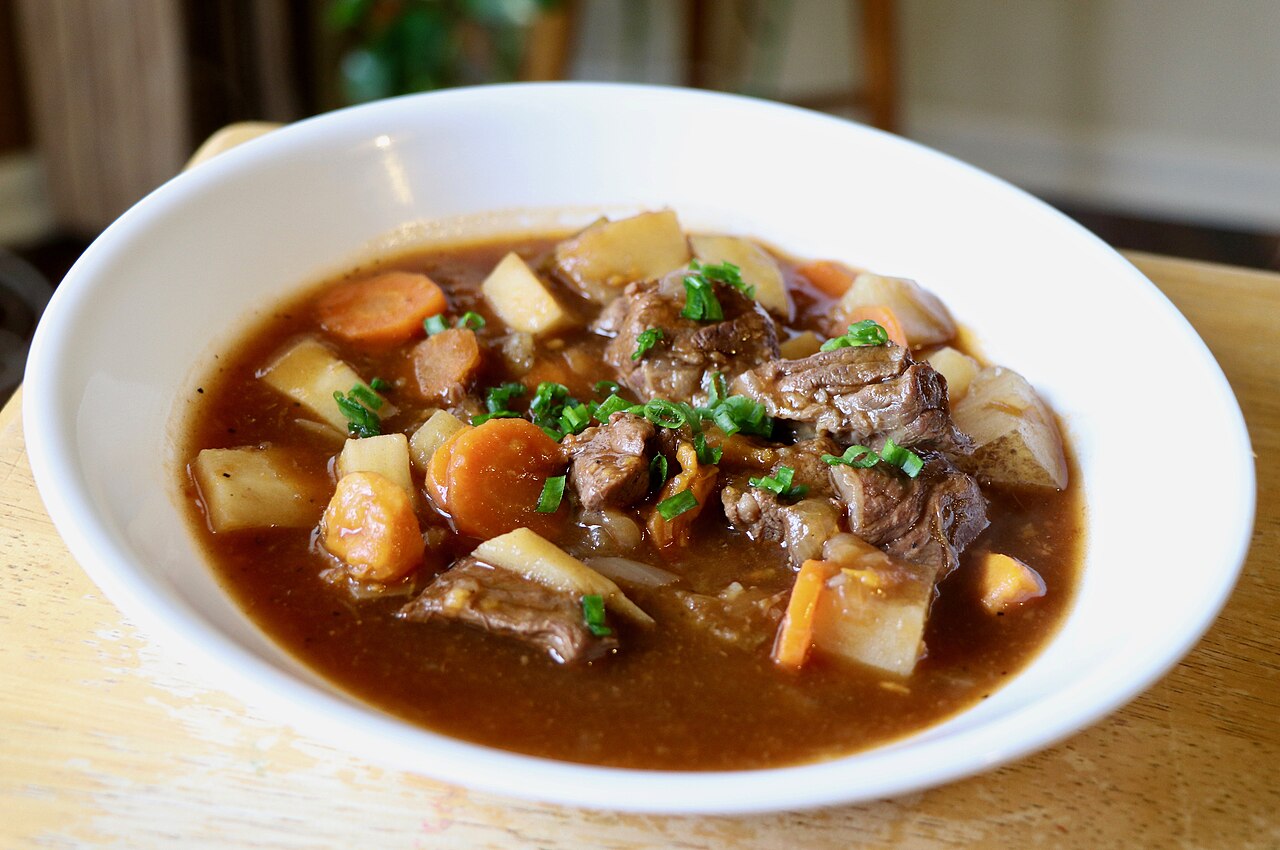
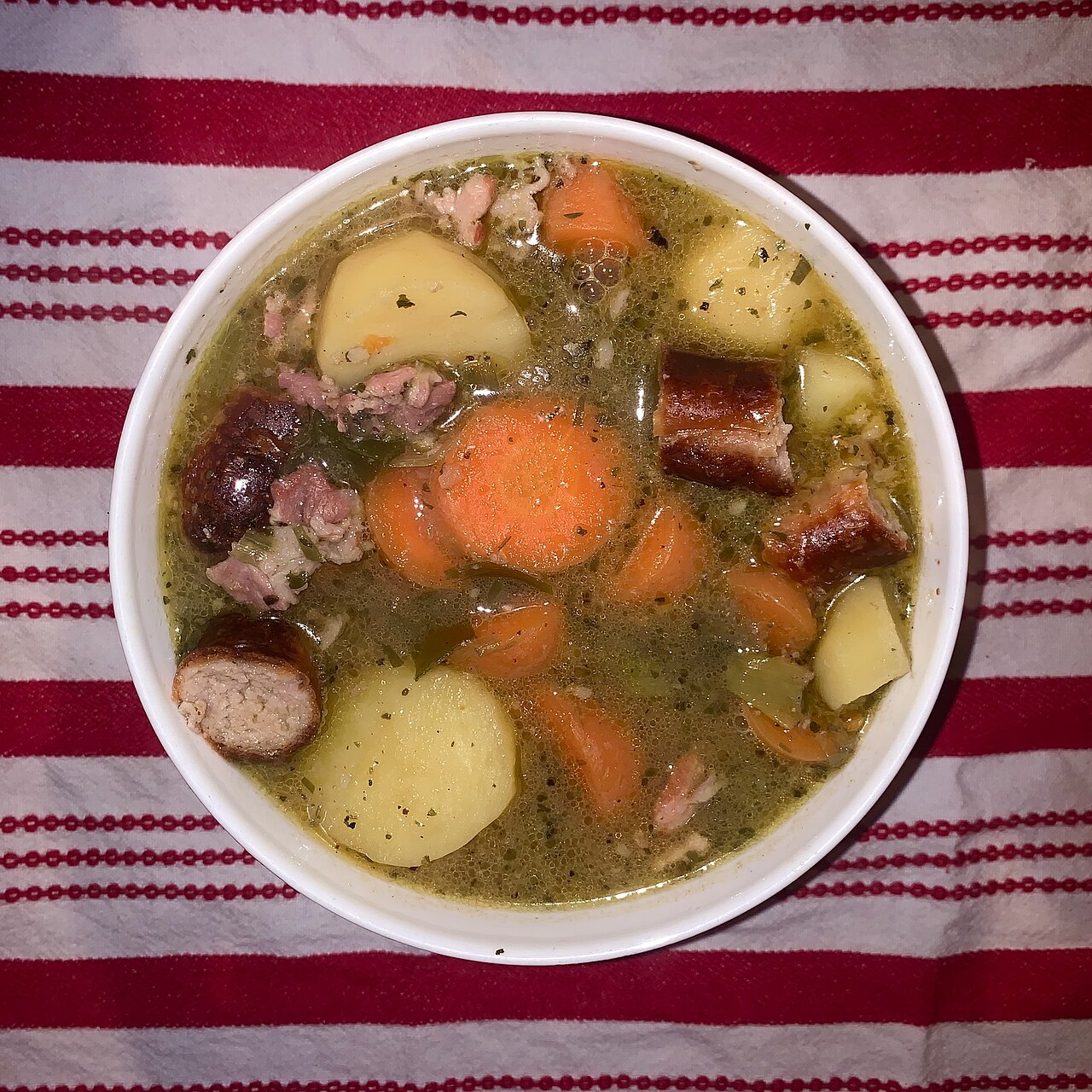
Lamb or mutton slowly simmered with potatoes, onions and parsley until the potatoes break down and thicken the broth. It is often called the national dish.
Mutton was the traditional meat, because sheep were kept for wool and milk and only eaten when old. Whether carrots belong in the pot is still a lively argument.
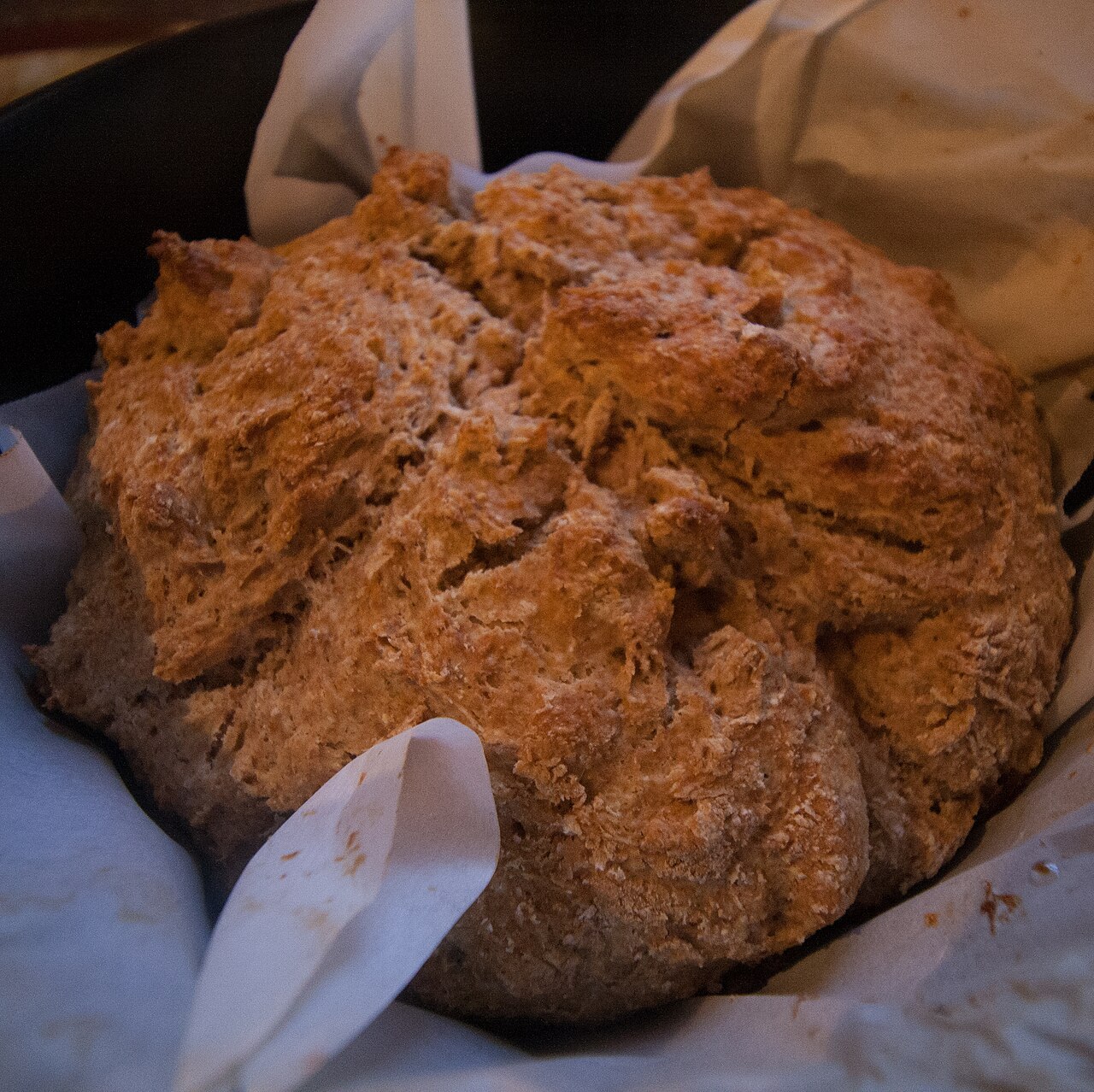
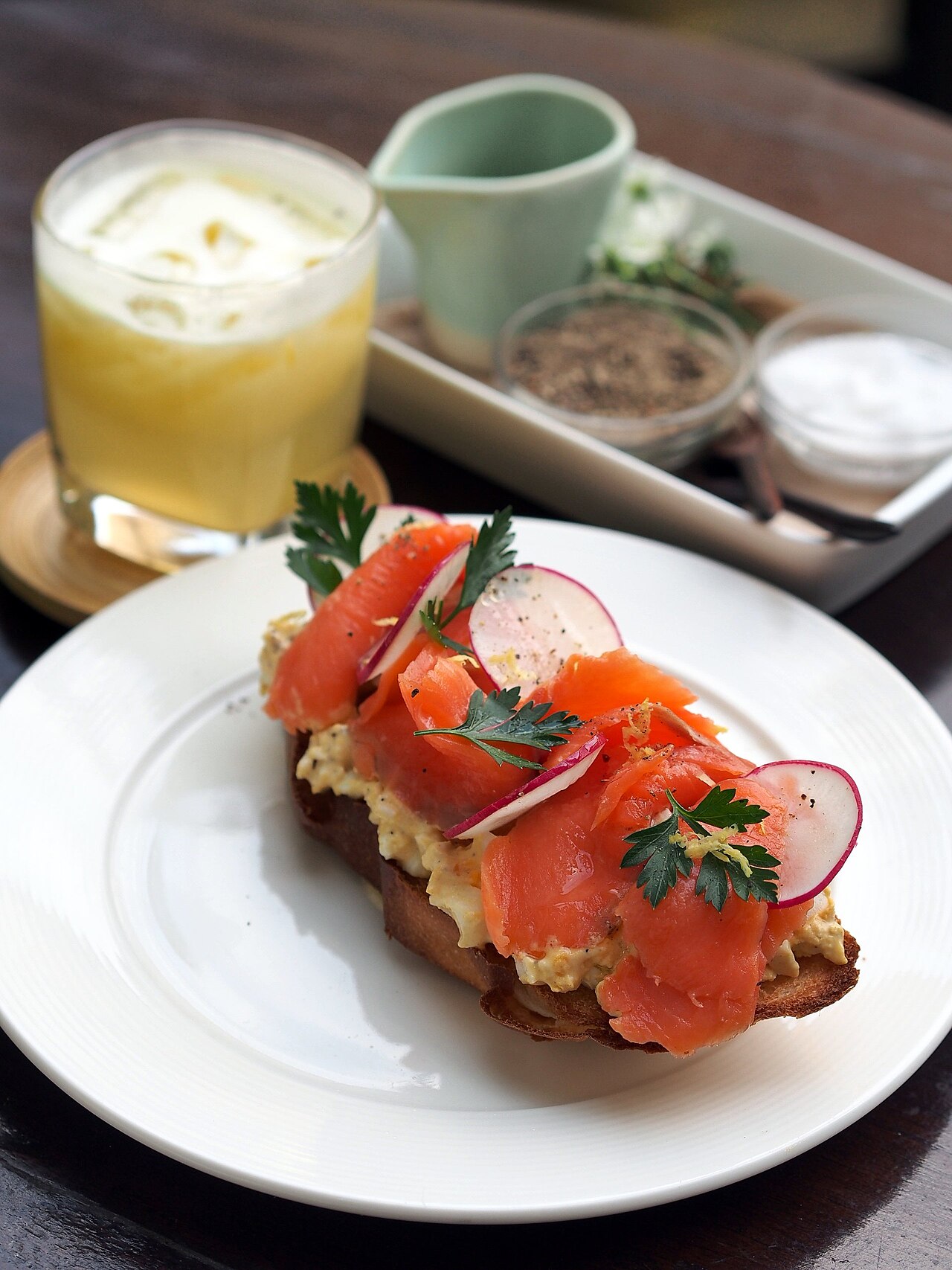
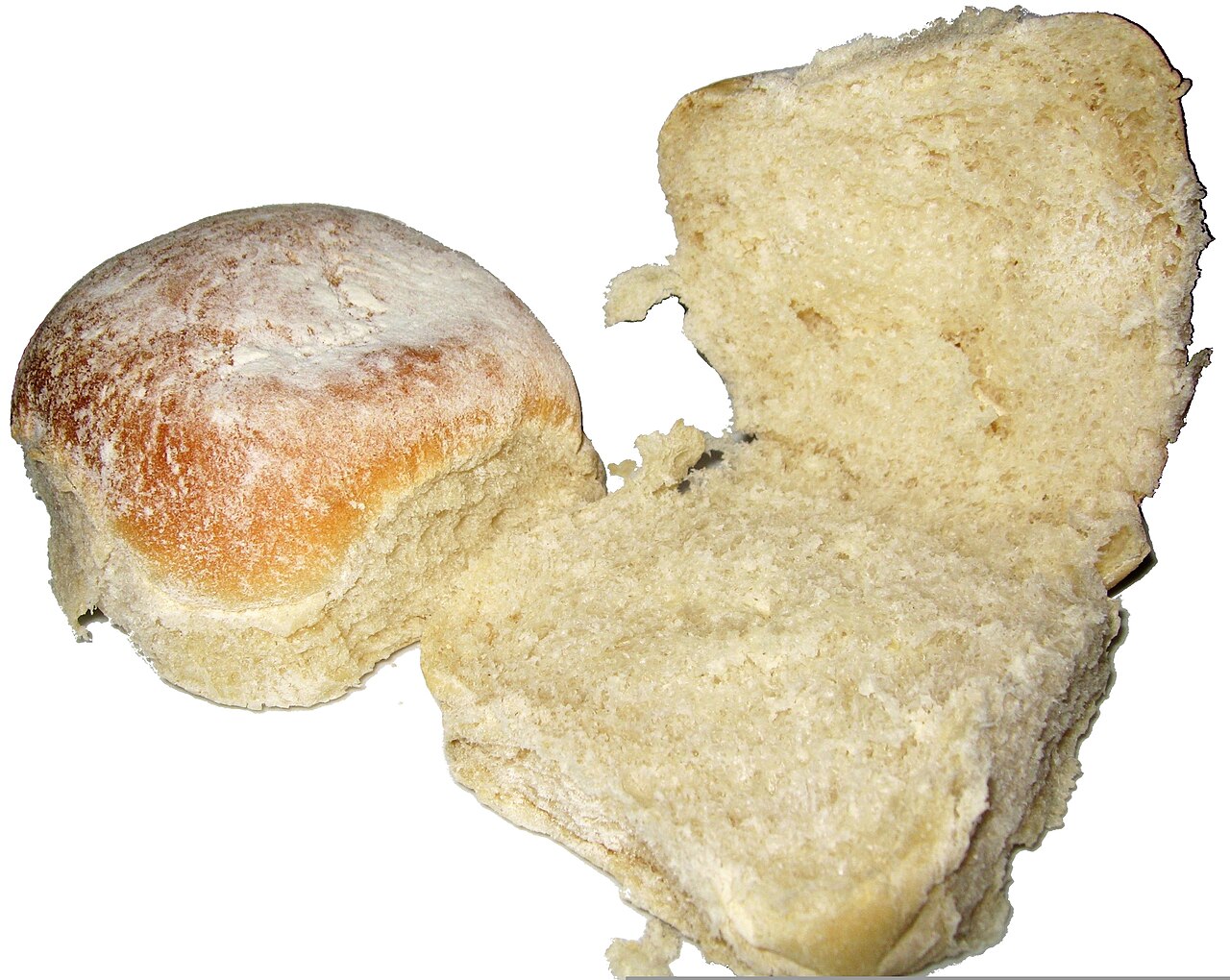
A quick bread made with flour, buttermilk, salt and bread soda (baking soda) instead of yeast. Brown soda bread, made with wholemeal flour, is served with soup, smoked salmon or simply butter.
A deep cross is cut into the top before baking. It helps the loaf rise and cook through, and folklore says it also blesses the bread or lets the fairies out.
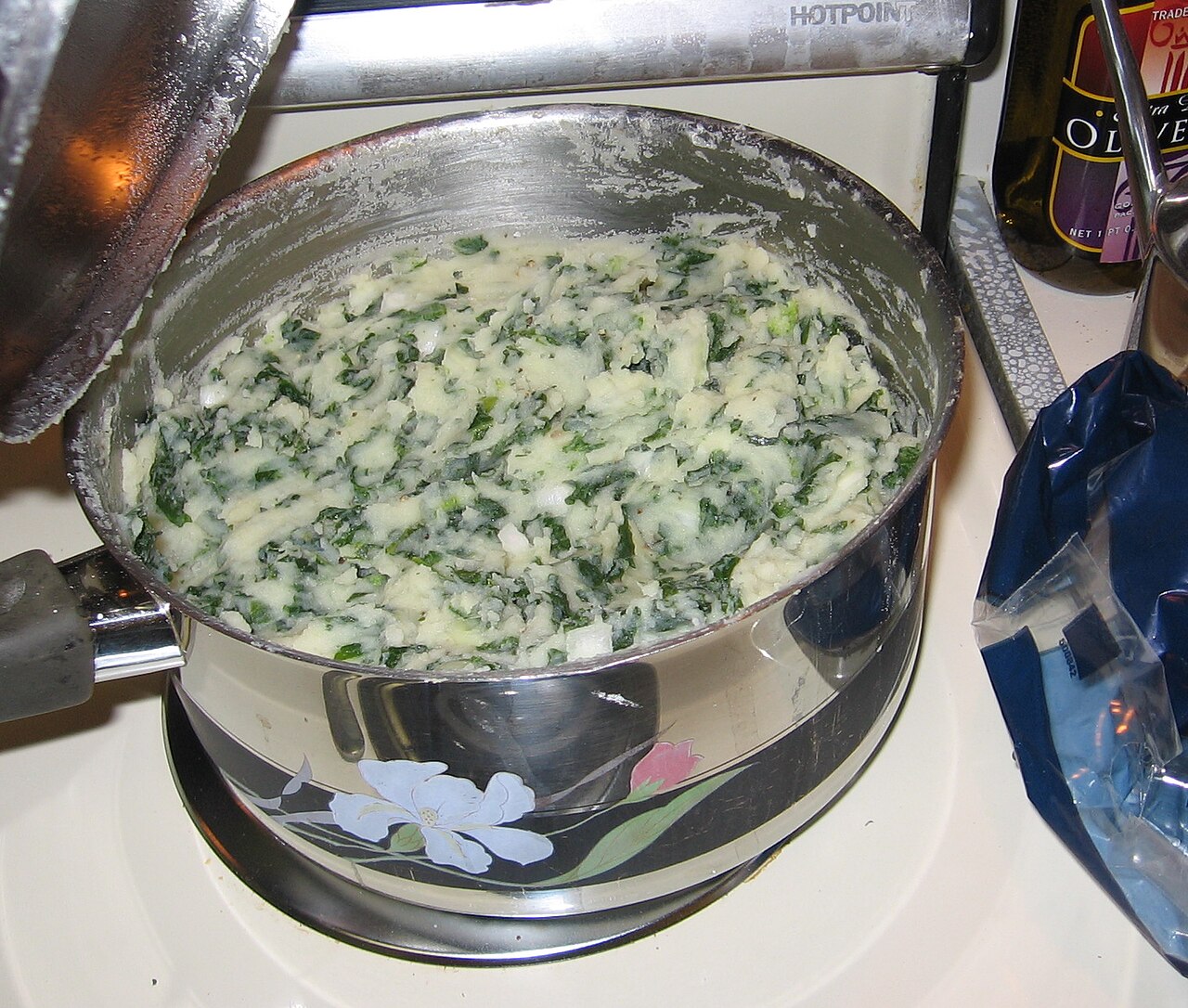
Creamy mashed potatoes mixed with buttered cabbage or kale and spring onions, served with a pool of melting butter in the middle. It goes well with ham or bacon.
At Halloween, families used to hide small charms such as a ring or a coin in the colcannon, each one telling the finder's fortune.
The north midlands and northwest, such as Leitrim, Cavan, Sligo and Mayo
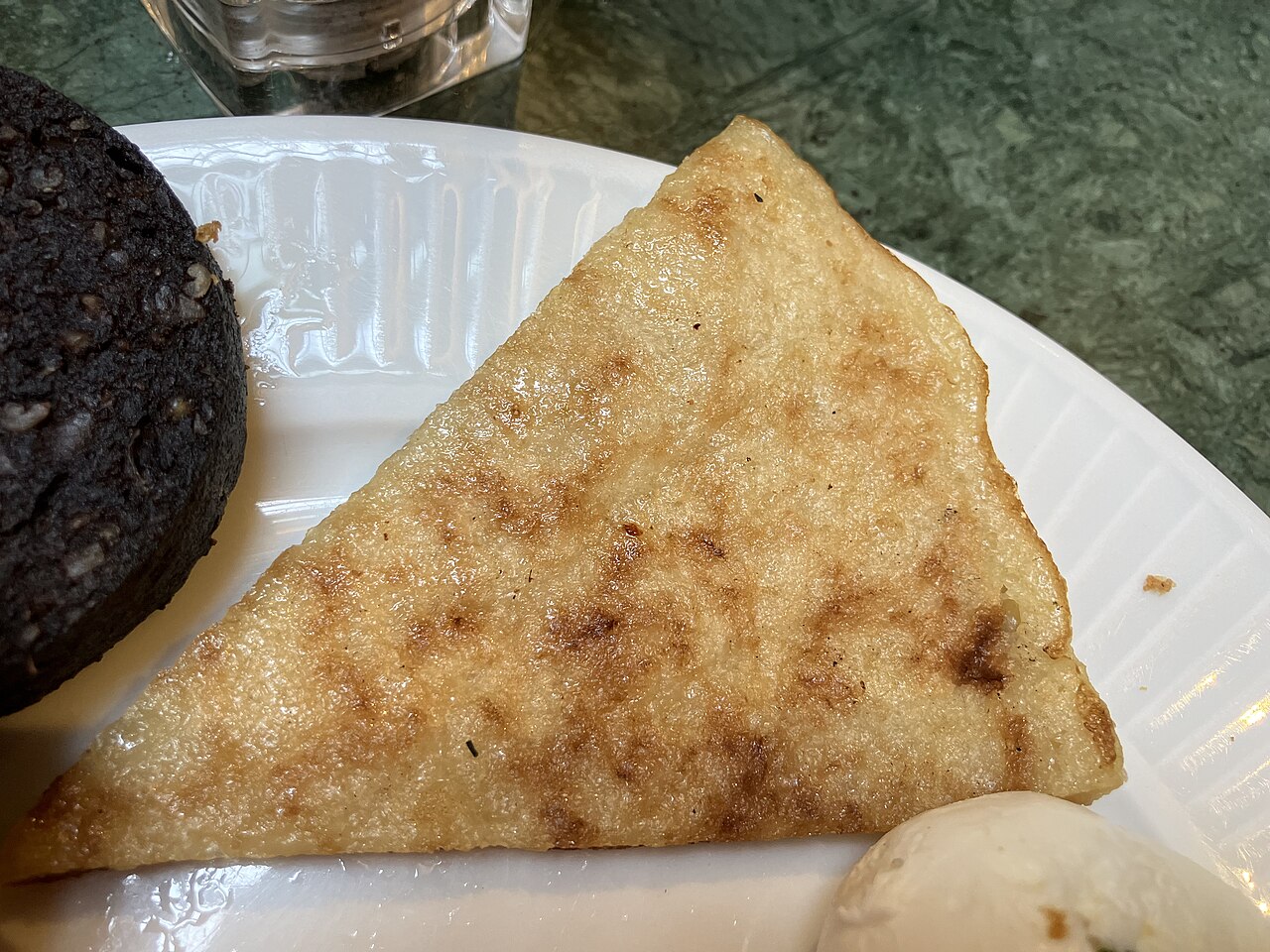
A potato pancake made from grated raw potato mixed with mashed potato, flour and buttermilk, fried on a griddle or pan until golden. It can be a side dish or a breakfast.
An old rhyme goes: 'Boxty on the griddle, boxty on the pan, if you can't make boxty, you'll never get a man.'
Pork sausages and rashers (thin slices of bacon) slowly cooked with potatoes, onions and herbs in a covered pot, so everything steams and simmers in its own stock. It is served with soda bread to mop up the broth.
Coddle is said to have been a favourite of the writers Jonathan Swift and Seán O'Casey, and it appears in the works of James Joyce. Dubliners happily defend it against visitors who find it pale.
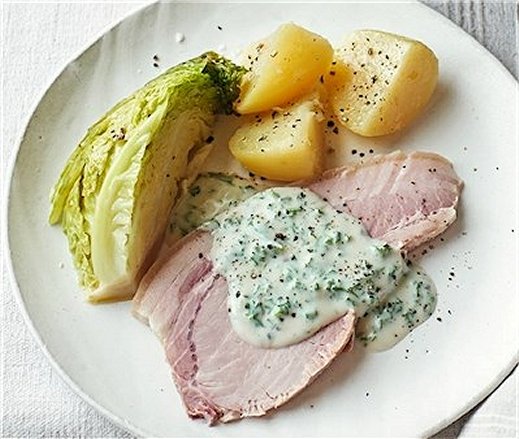
A thick piece of boiled bacon (similar to ham) served in slices with cabbage cooked in the bacon water, boiled potatoes and a white parsley sauce. It is a classic Sunday or family dinner.
Irish emigrants in America often used corned beef instead of bacon, which is why corned beef and cabbage became a St Patrick's Day meal there, although it was not traditional in Ireland.
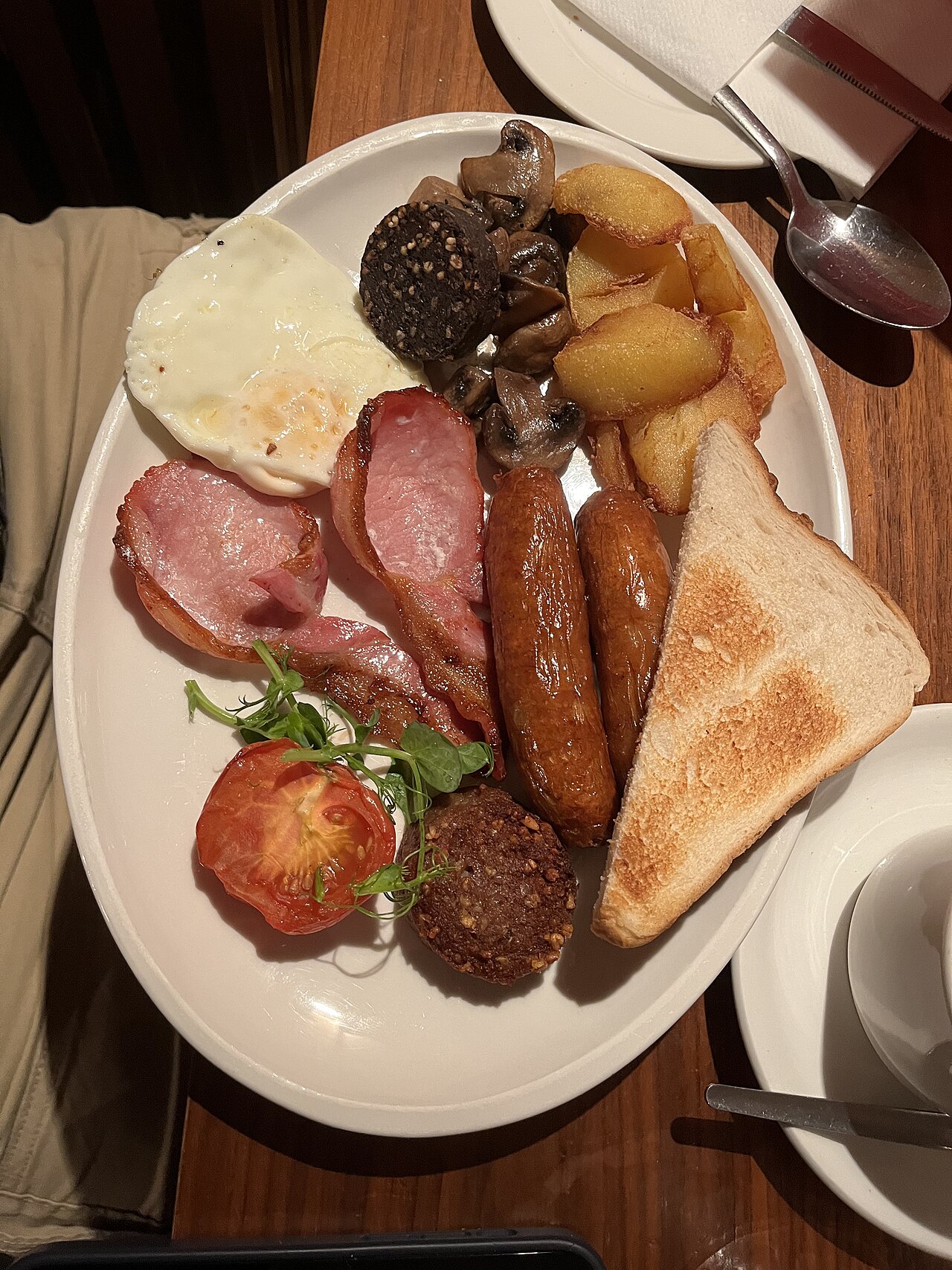
A big cooked breakfast of rashers, sausages, fried or scrambled eggs, black and white pudding, grilled tomato and mushrooms, with brown soda bread and a pot of tea.
White pudding is made like black pudding, with oatmeal and pork, but without blood.
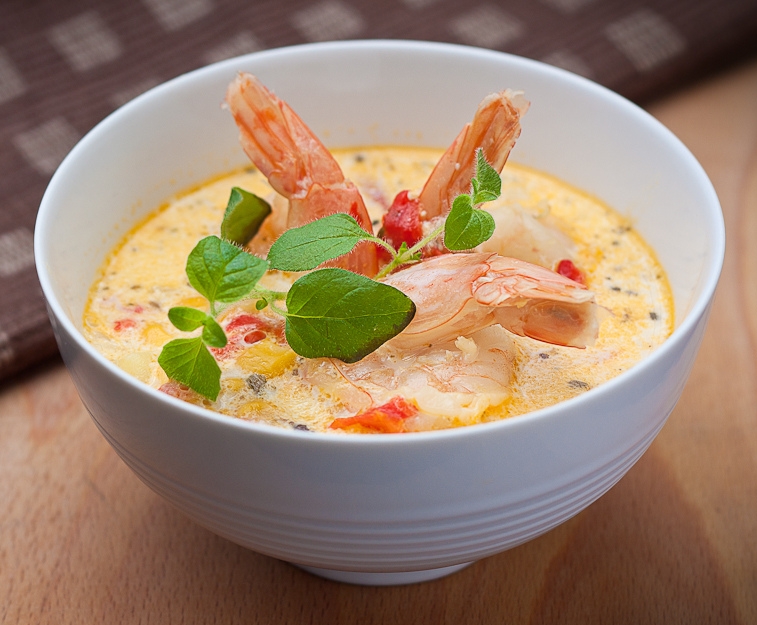
A creamy soup of fish such as salmon, cod and smoked haddock, often with mussels or prawns, potatoes and vegetables, served with brown bread. Almost every coastal pub has its own version.
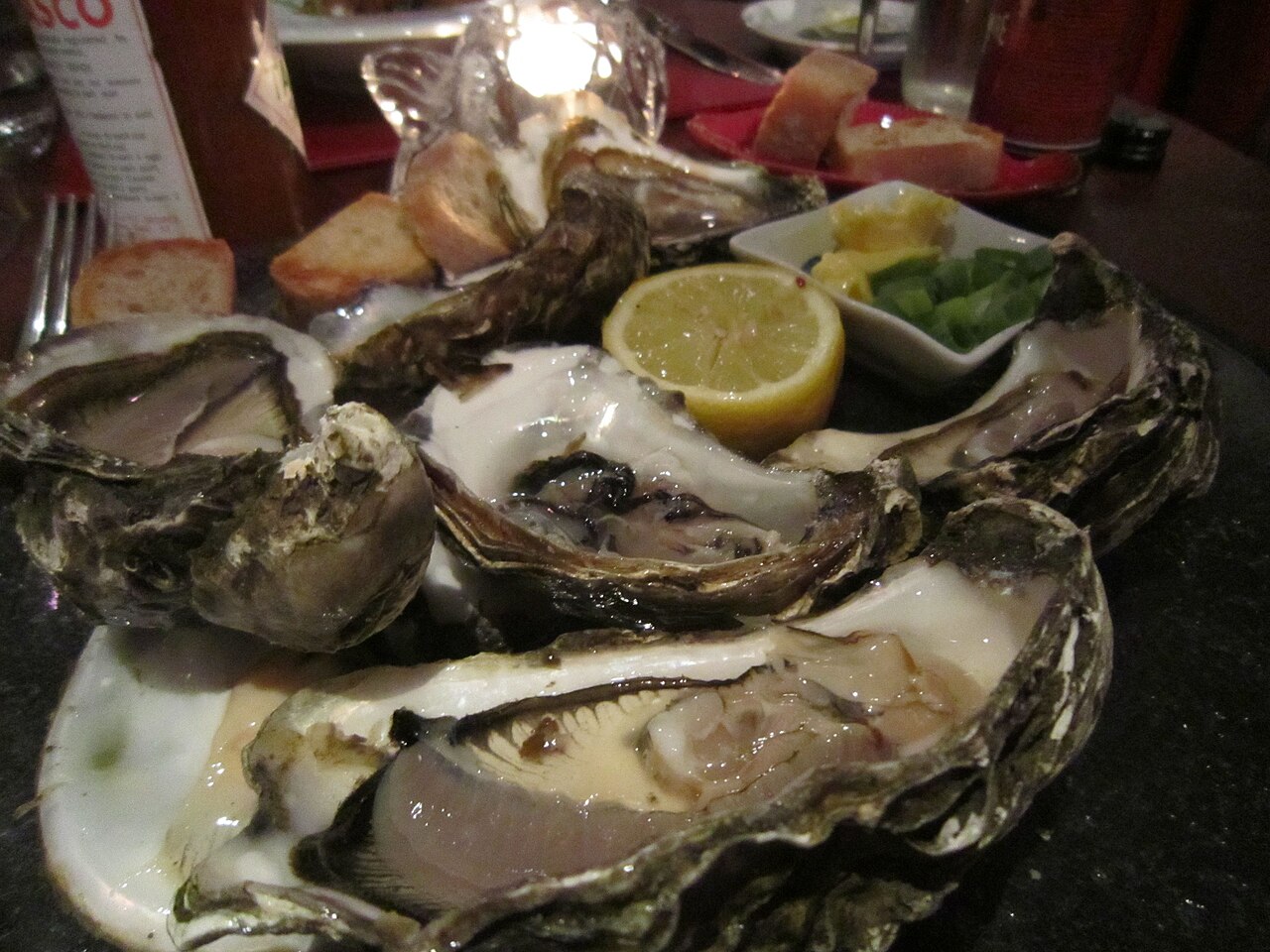
Native flat oysters from Galway Bay, eaten raw with lemon, brown bread and butter, and traditionally a pint of stout. Raw shellfish is best avoided by pregnant women, older people and anyone with a weakened immune system.
The Galway International Oyster Festival, first held in September 1954, is said to be the oldest oyster festival in the world.
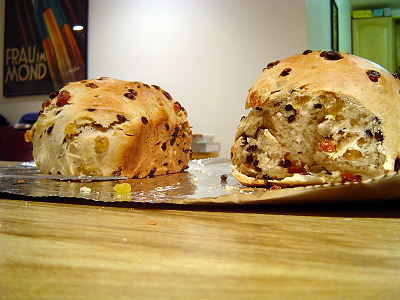
A lightly sweet bread full of raisins and sultanas, which are often soaked in cold tea before baking. It is served in slices, toasted and buttered, with a cup of tea.
The name means 'speckled loaf'. At Halloween a ring is baked inside, and whoever finds it is said to marry within the year.
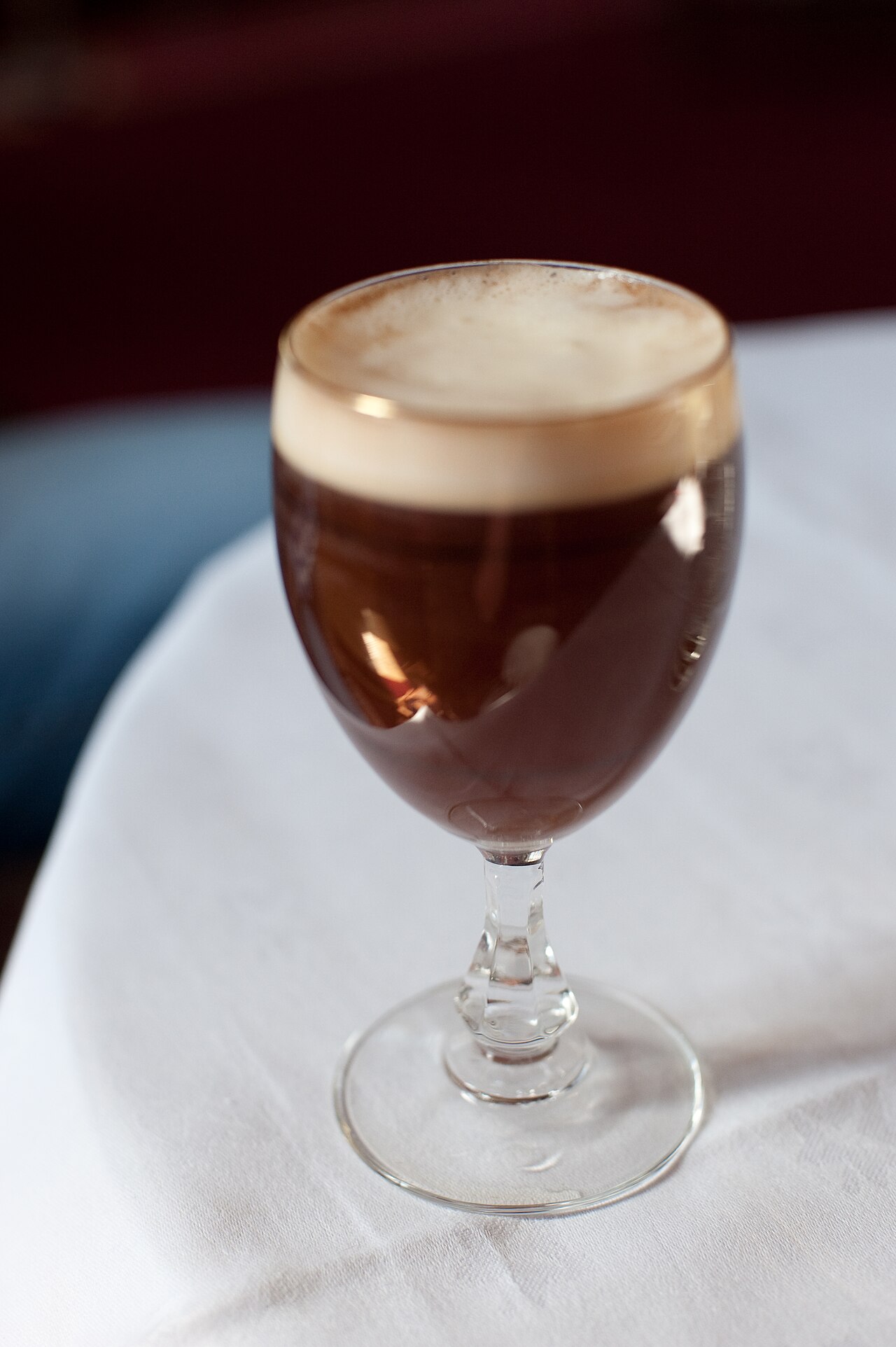
Hot coffee sweetened with brown sugar, with a measure of Irish whiskey, topped with a layer of lightly whipped cream that floats on top. You drink the coffee through the cream.
It is said to have been created in the 1940s by the chef Joe Sheridan at Foynes, a flying boat terminal on the Shannon Estuary, to warm up cold passengers from a transatlantic flight.
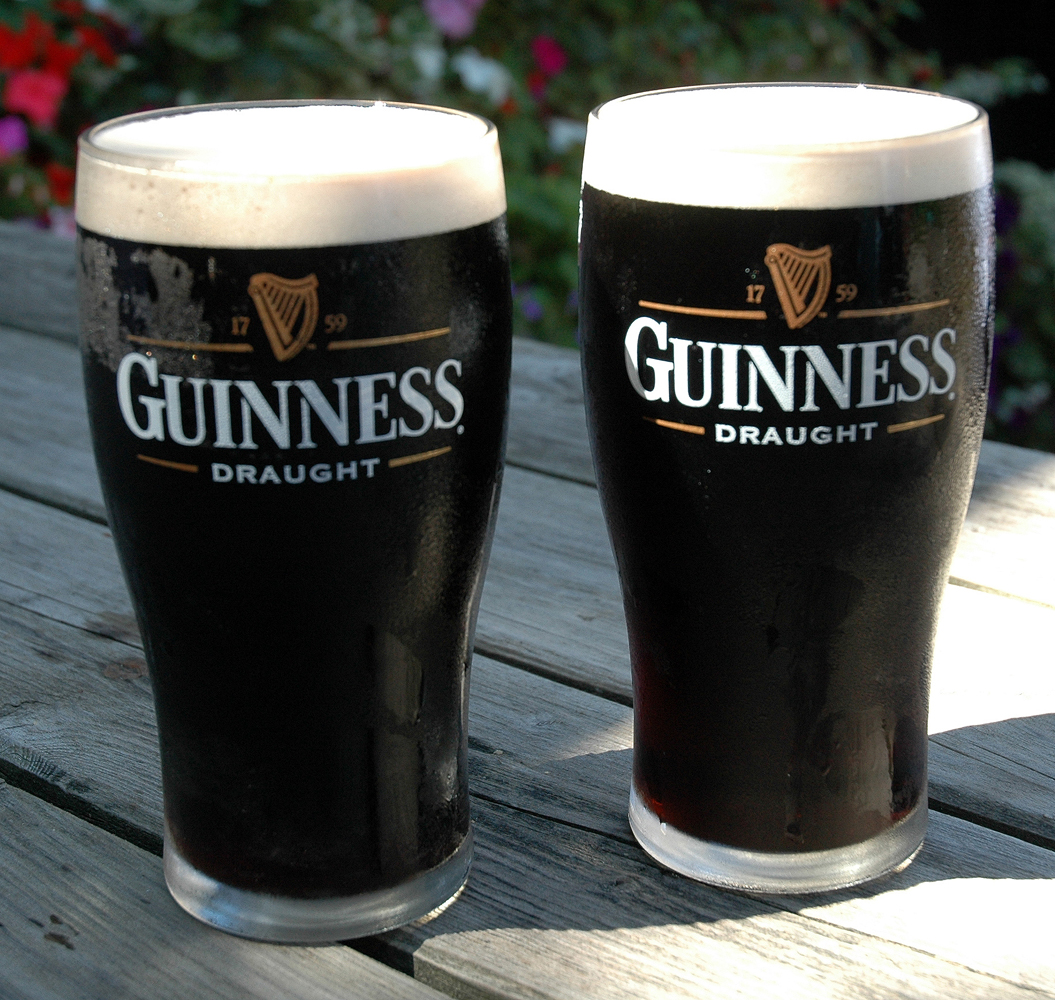
A dark, creamy stout made with roasted barley, poured slowly in two stages so that it settles with a thick white head. It is brewed in Dublin at the St James's Gate Brewery.
In 1759 Arthur Guinness signed a 9,000-year lease on the brewery at St James's Gate, for 45 pounds a year.
At the table in Ireland
Visitors to an Irish home are almost always offered a cup of tea, and it is friendly to accept.
In a pub, friends usually take turns to buy a 'round' of drinks for the whole group. If someone buys you a drink, you are expected to buy the next round.
When raising a glass, say 'Sláinte' (SLAWN-cheh), which means 'health'.
In most pubs you order and pay at the bar, and you do not tip for each drink.
In restaurants, a tip of about 10 to 15 percent is usual for good service, unless a service charge is already on the bill.