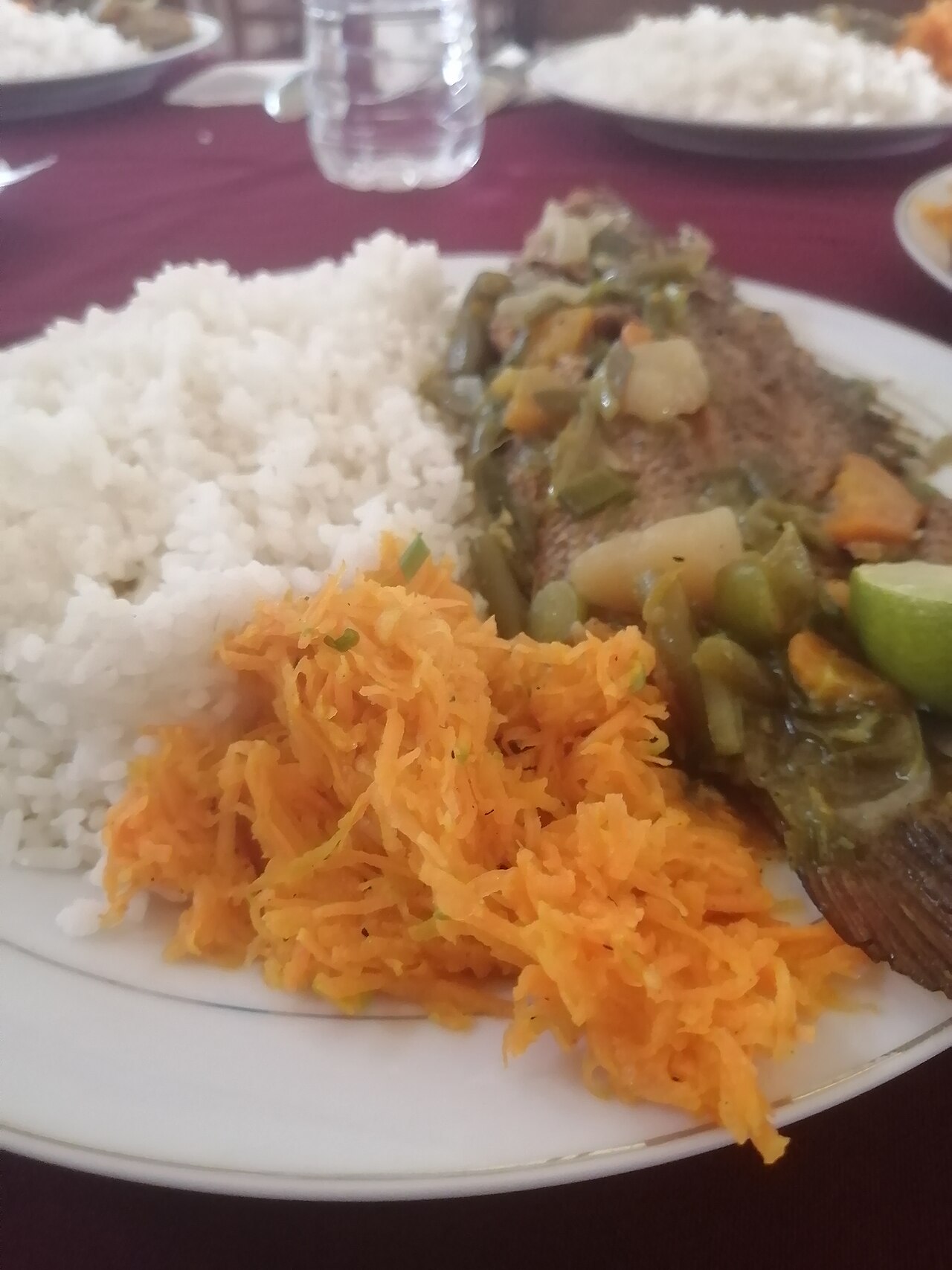
In Madagascar a meal means rice. The word for eating a meal, mihinam-bary, literally means 'to eat rice', and most families eat it two or three times a day. The rice (vary) comes with a laoka, an accompaniment of meat, fish, beans or greens in a light sauce, often with a bowl of broth and a spoonful of hot chilli paste (sakay) or pickles on the side. In the highlands the sauces are tomato-based; on the coast, coconut milk is added. Breakfast is often rice porridge or rice cakes with sweet coffee, and the drink at the table is usually ranon'apango, water boiled in the rice pot.
The central highlands, now eaten all over Madagascar
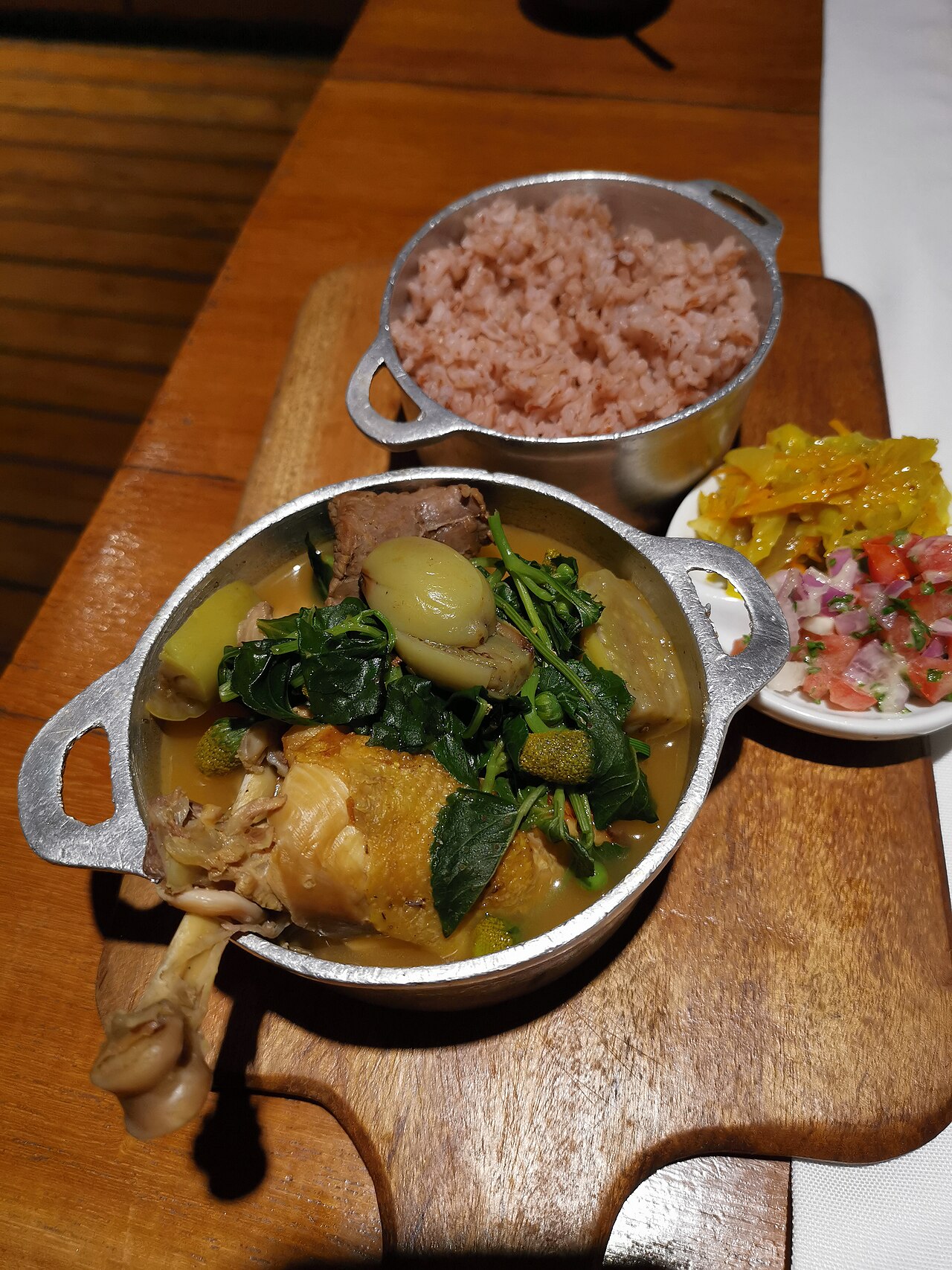
The national dish: a clear broth of zebu beef with several kinds of leafy greens, usually with tomato, onion and ginger, eaten with a big plate of rice. Its secret is brèdes mafana (paracress), whose leaves and yellow flowers make the tongue tingle and feel slightly numb.
Romazava was one of the seven favourite dishes served at the royal feasts of the Merina kings and queens in the 1800s.
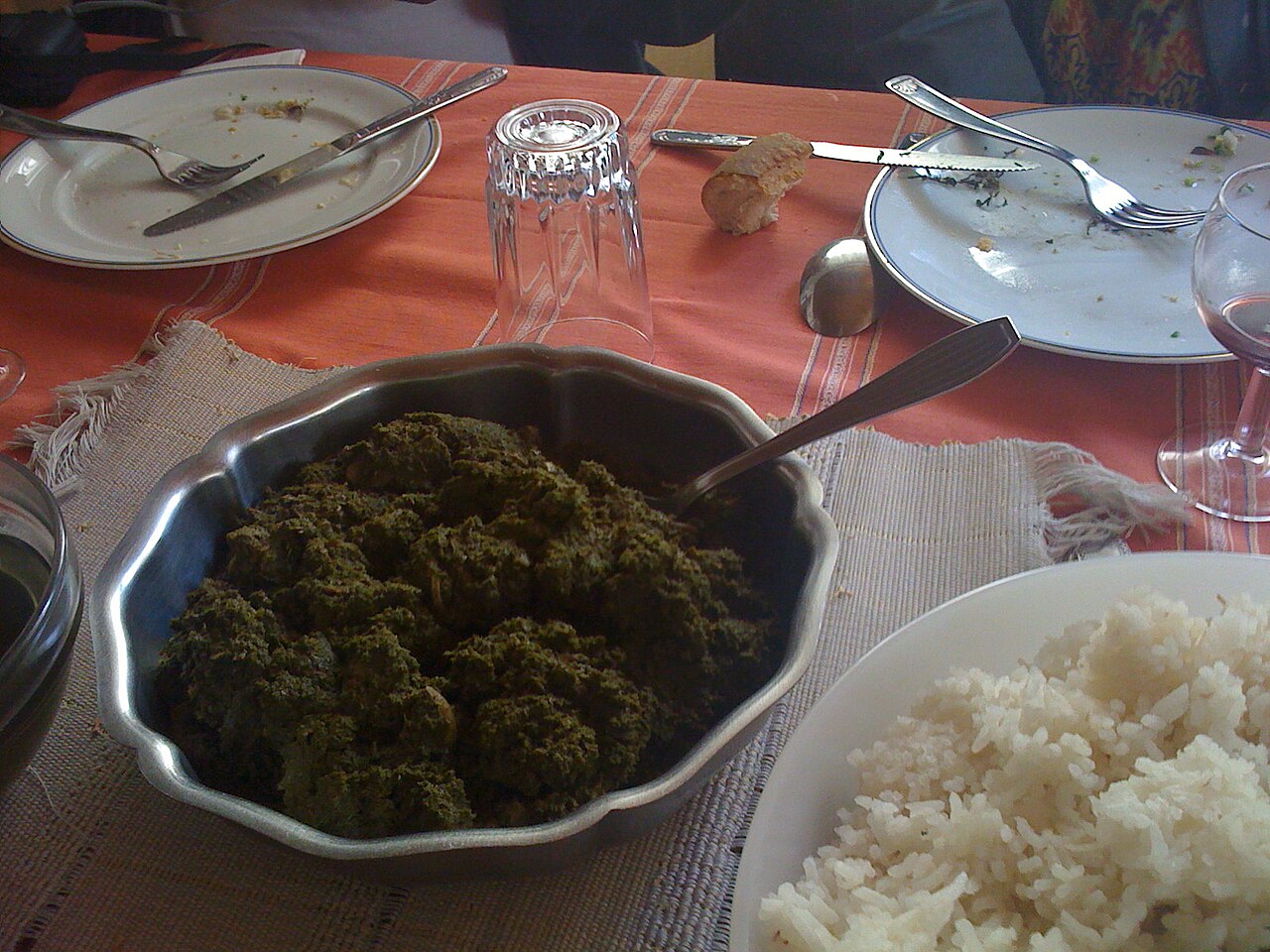
Cassava leaves pounded in a wooden mortar until they are finely crushed, then slowly cooked with garlic and fatty pork until dark green and rich. It is served with rice and is one of the best-loved family dishes in the country.
Ravitoto means 'crushed leaves'. In some coastal areas, and in the Comoros, the leaves are cooked in coconut milk instead of with pork.
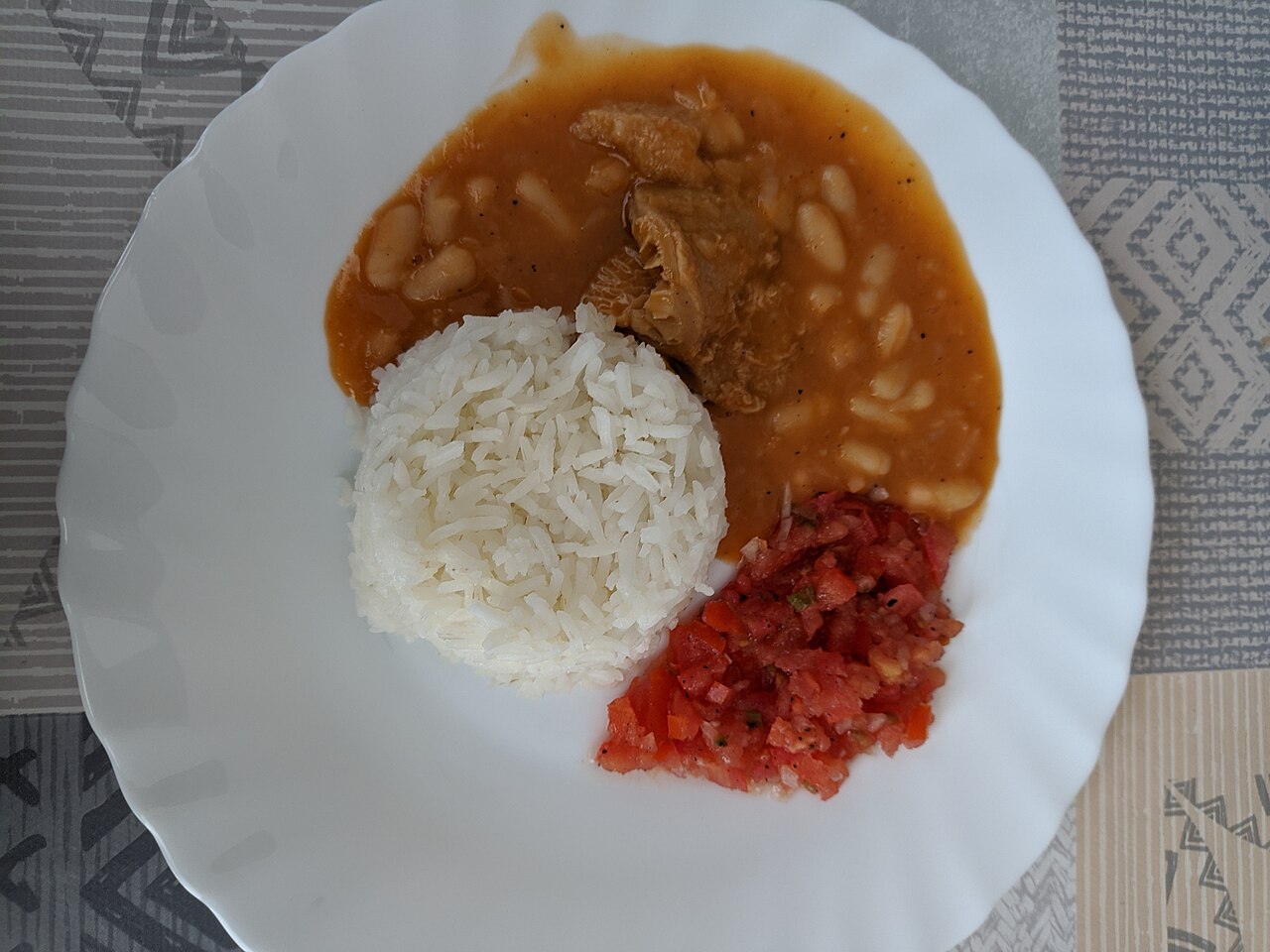
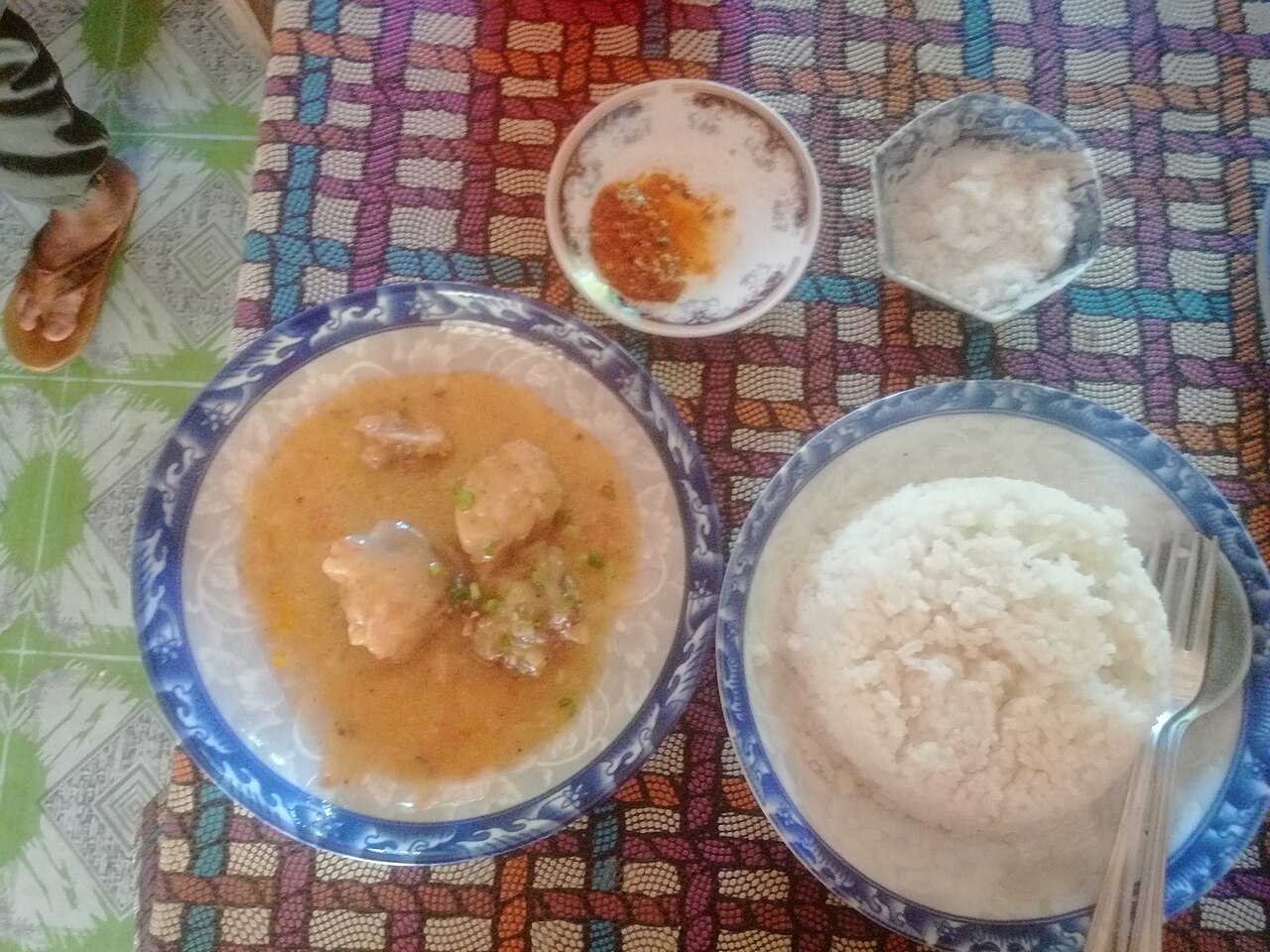
Pieces of pork simmered with white beans in a tomato, onion and garlic sauce. It is one of the most common laoka in family homes and in simple roadside eateries called hotely, always served with rice and often with a fresh tomato relish.
In Malagasy henakisoa means 'pork' and tsaramaso means 'beans'. Pork is avoided by some Malagasy peoples, such as many Sakalava, because of local taboos called fady.
The coasts, especially the northwest around Mahajanga and the east
Pieces of fresh fish gently cooked in coconut milk with onion, tomato, garlic and sometimes a little ginger or curry powder, then served with rice. On the coasts, coconut takes the place of the tomato sauces of the highlands.
Coconut palms were not common on the island until plantations were planted in the 1800s; today coconut is part of almost every coastal kitchen.
Towns across Madagascar, from the Chinese community
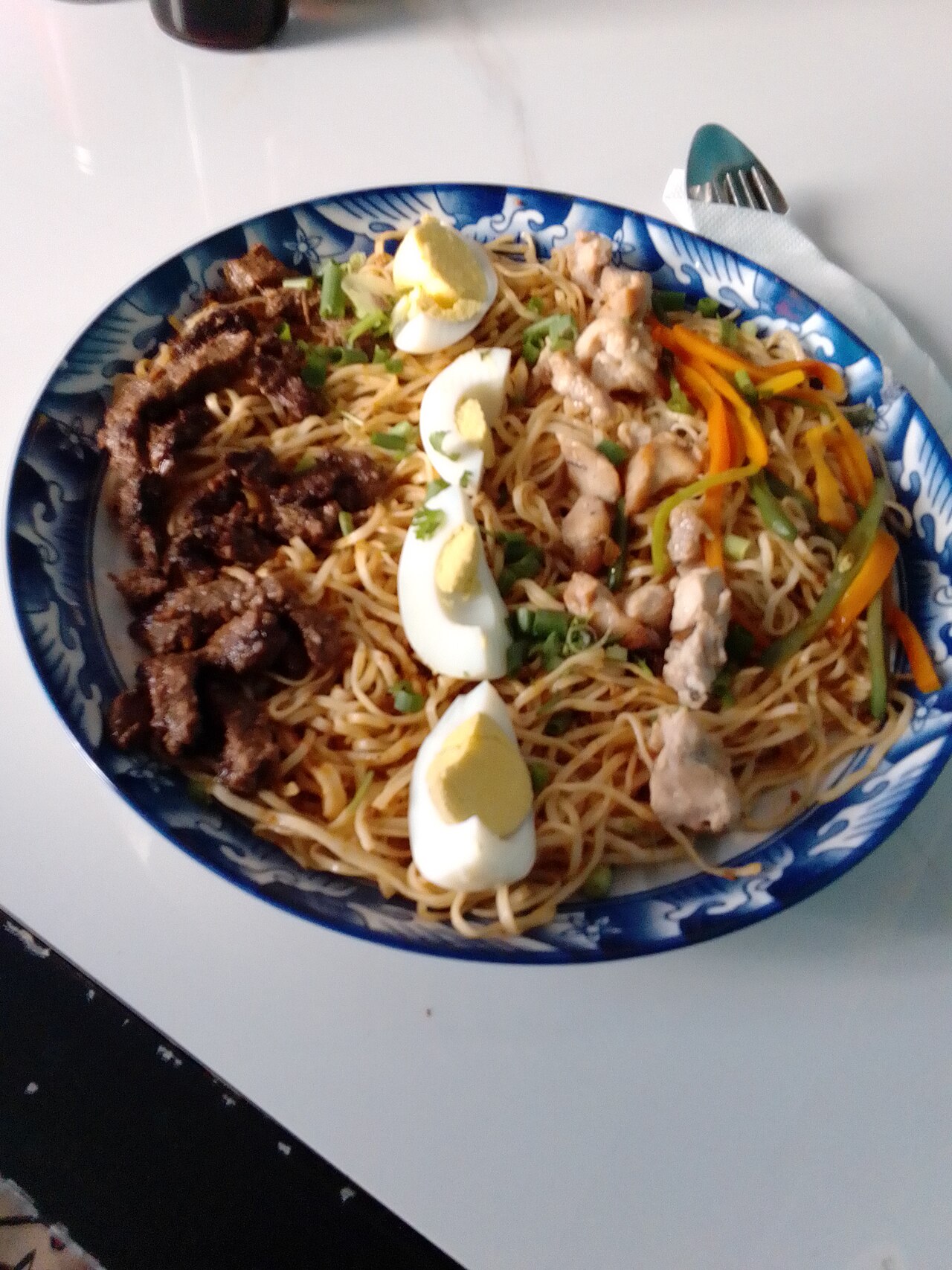
Stir-fried egg noodles with vegetables and pieces of chicken, beef or pork, often topped with a boiled egg. It is a favourite in city snack bars and cheap restaurants.
Chinese workers came to Madagascar in large numbers around 1900 to build the railway from Antananarivo to the east coast. They also brought soupe chinoise, fried rice and fried spring rolls called nems.
Towns across Madagascar, especially Toamasina and Antananarivo
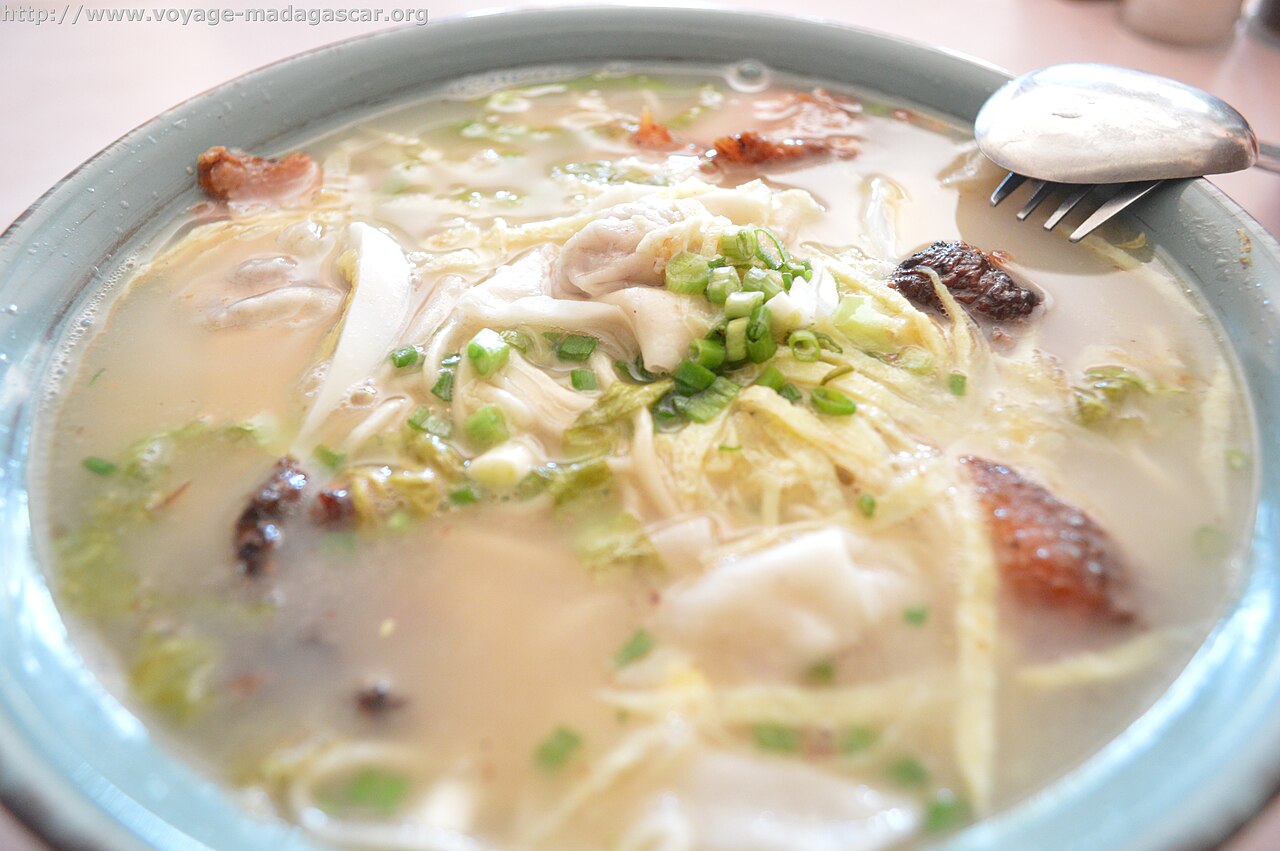
A big bowl of clear broth with noodles, pieces of meat or seafood, greens and often dumplings, seasoned with spring onion and a little chilli. It is eaten at any time of day, even at breakfast.
Its French name simply means 'Chinese soup', a sign of the Chinese families who have lived in Malagasy towns for over a century.
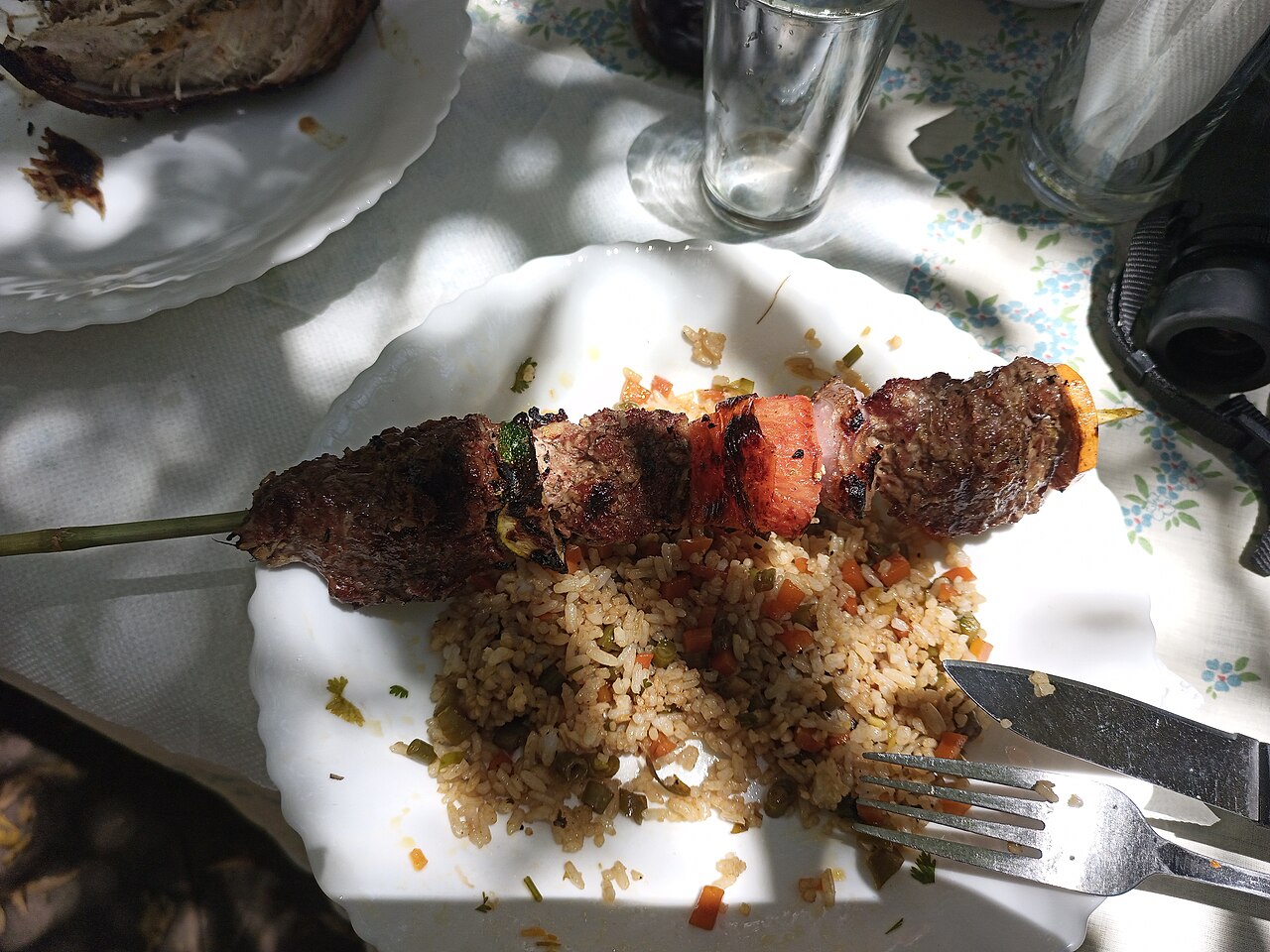
Small pieces of zebu beef on thin sticks, grilled over charcoal with a little salt and sometimes garlic. The smoke from the braziers fills the streets in the evening, and the skewers are eaten on their own or with bread or rice.
Zebu, the humped cattle, were brought from Africa around 1,000 years ago. They are a sign of wealth and are still sacrificed at important family ceremonies.
All of Madagascar; the word is said to come from the north
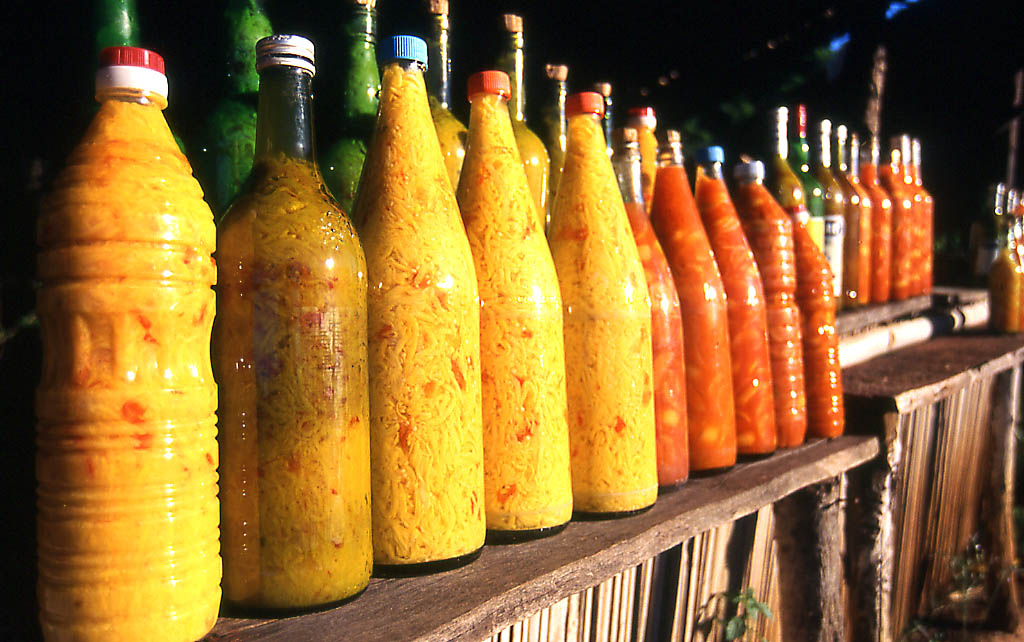
In the highlands, lasary is a crunchy salad of green beans, cabbage, carrot and onion in a vinegar dressing, served with rice or stuffed into a baguette. On the coast the same word is used for spicy fruit pickles.
Lasary is one of the most common baguette fillings in Madagascar, a mix of French bread and Malagasy taste.
Sharp and spicy pickles of green mango, lemon or carrot with chilli, mustard seed and turmeric, eaten a spoonful at a time with rice, grilled fish or meat.
The name comes from the Indian word achar, meaning pickle. Indian traders settled on the northwest coast around Mahajanga in the 1800s.
All of Madagascar; the coconut version, mokary, on the coasts
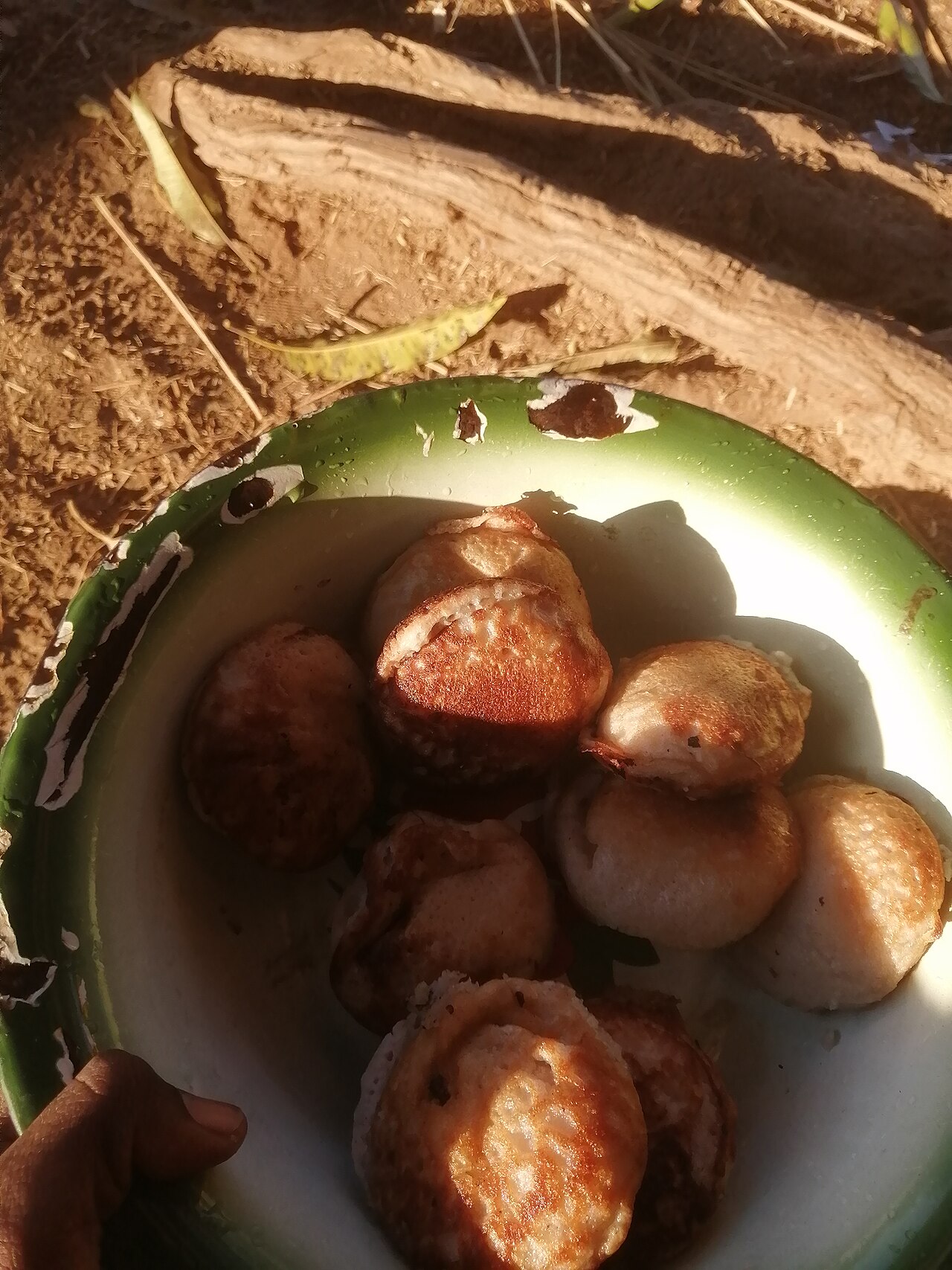
Small round rice cakes made from a lightly sweet batter of rice flour and sugar, cooked in greased moulds over charcoal. They are crisp outside and soft inside, and people buy them warm from street stalls in the early morning with a cup of coffee.
Mofo gasy means 'Malagasy bread'. On the coast the batter is made with coconut milk and the cakes are called mokary.
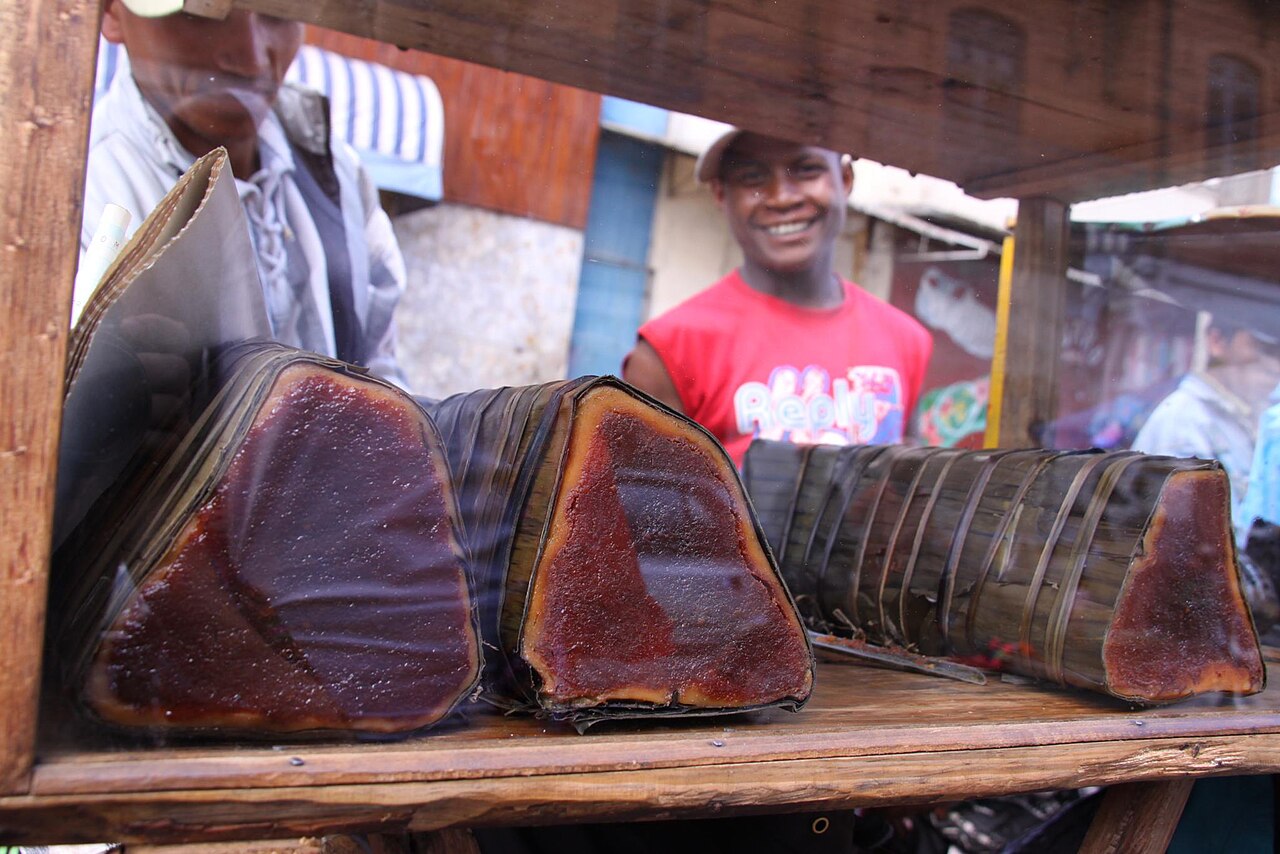
A dense sweet of ground peanuts and brown sugar wrapped in a sweet rice-flour dough, rolled into a long bundle inside banana leaves and boiled for many hours until the sugar caramelises. It is sold in thick slices at markets and by the roadside.
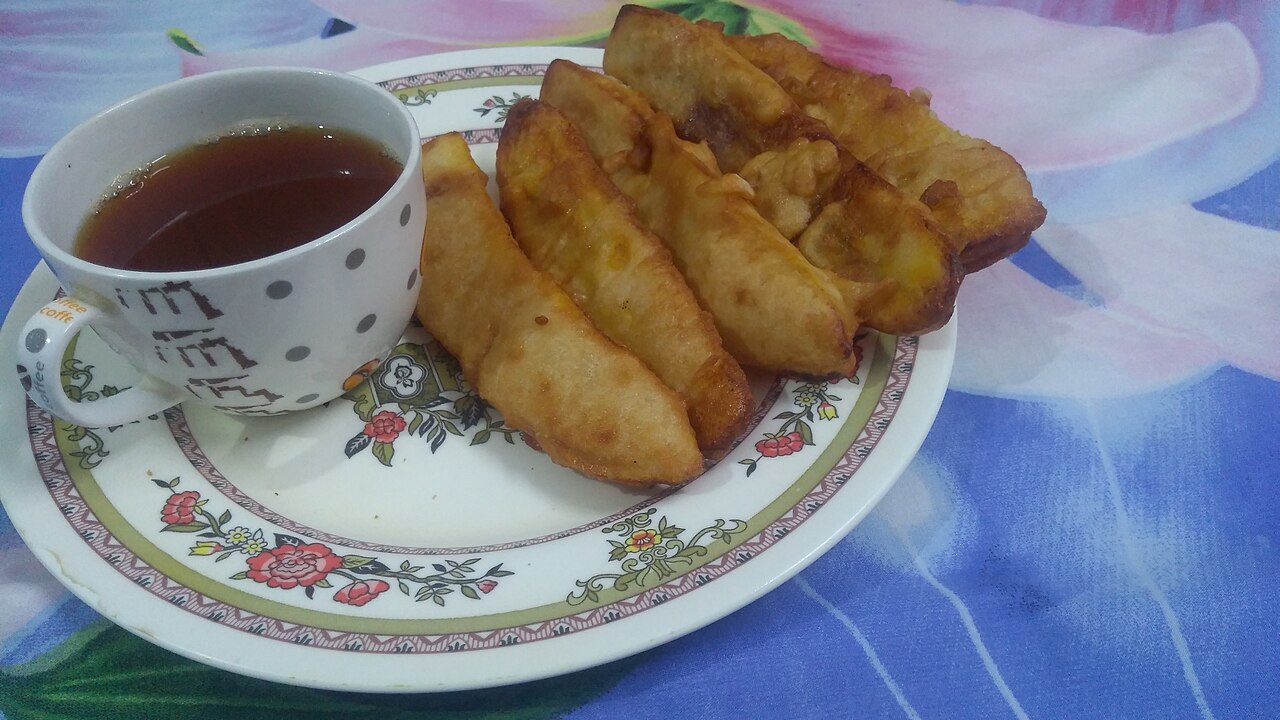
A quicker version, koba akondro, is made with mashed banana and is steamed in small banana-leaf parcels.
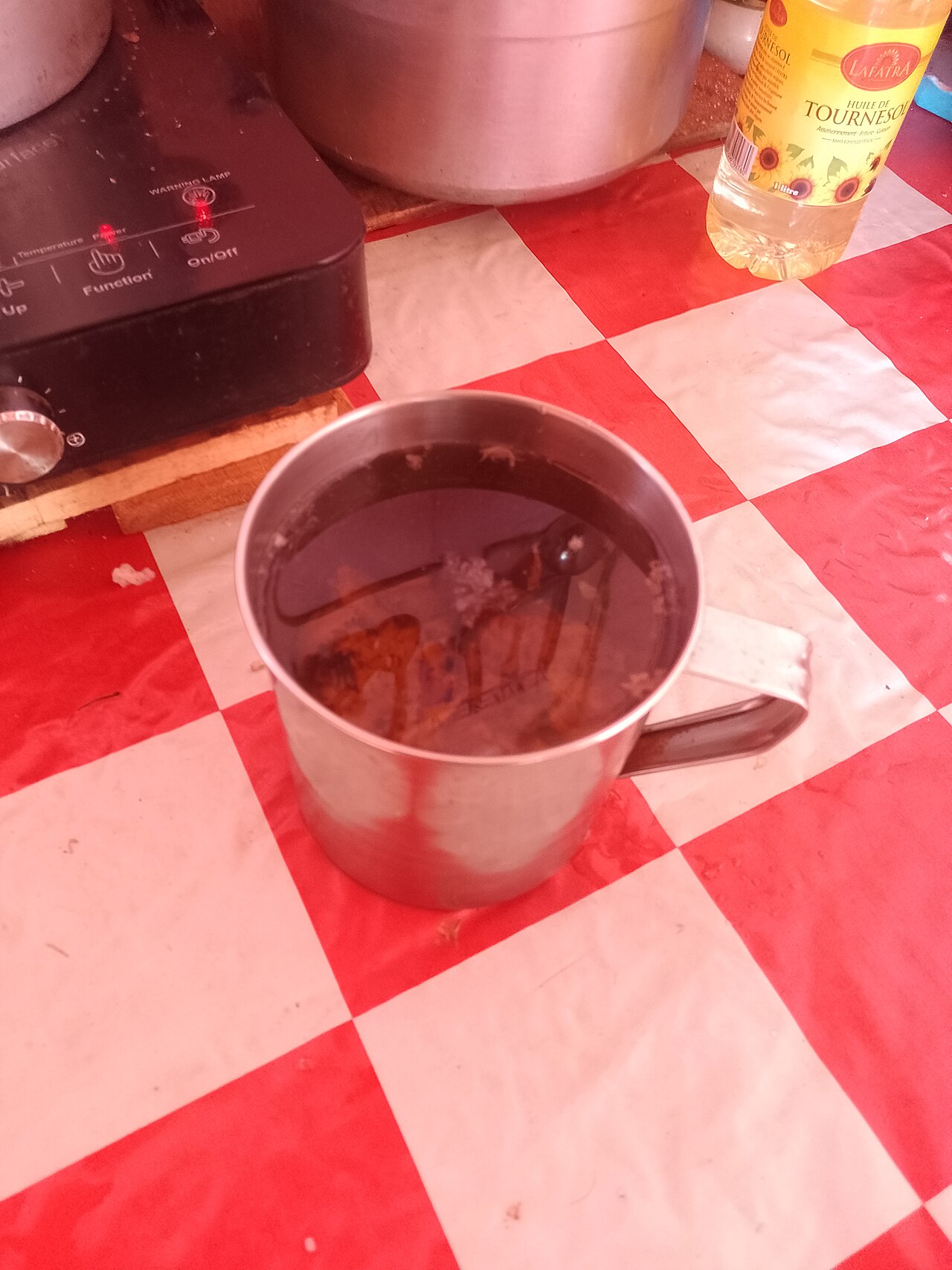
The everyday drink at a Malagasy meal. When rice is cooked, a crust sticks to the bottom of the pot; hot water is poured over it and left to steep, giving a pale brown drink with a toasted taste. Because the water has boiled, it is safer to drink than water from the tap.
It is also called ranovola, and many simple eateries serve it free with a plate of rice.
At the table in Madagascar
Rice is served in a large heap with the laoka and broth beside it. Spoon a little of the laoka and broth onto your rice rather than mixing everything at once.
Wait until the eldest person at the table has started eating before you begin. In towns people usually eat with a spoon; in the countryside meals are often eaten with the right hand.
Food taboos called fady differ from place to place and family to family: some people do not eat pork, others avoid certain animals. Ask before bringing food as a gift, and never press someone to eat something they refuse.
When opening a bottle of rum, many Malagasy pour the first drops into the northeast corner of the room for the ancestors. If your hosts do this, wait before drinking.
Say 'Mazotoa homana' ('enjoy your meal') before eating and 'Misaotra' ('thank you') afterwards.