Ukrainian cooking grew out of village cooking based on grain, especially wheat and rye, with beetroot, cabbage, potatoes, onions, mushrooms, pork and plenty of sour cream. Many dishes are first fried or boiled and then stewed or baked. Soup, above all borscht, is an everyday favourite and is served with bread or garlic buns, while varenyky and cabbage rolls are national favourites for the main course. The most important meal of the year is the Christmas Eve supper of twelve meatless dishes, which begins with kutia.
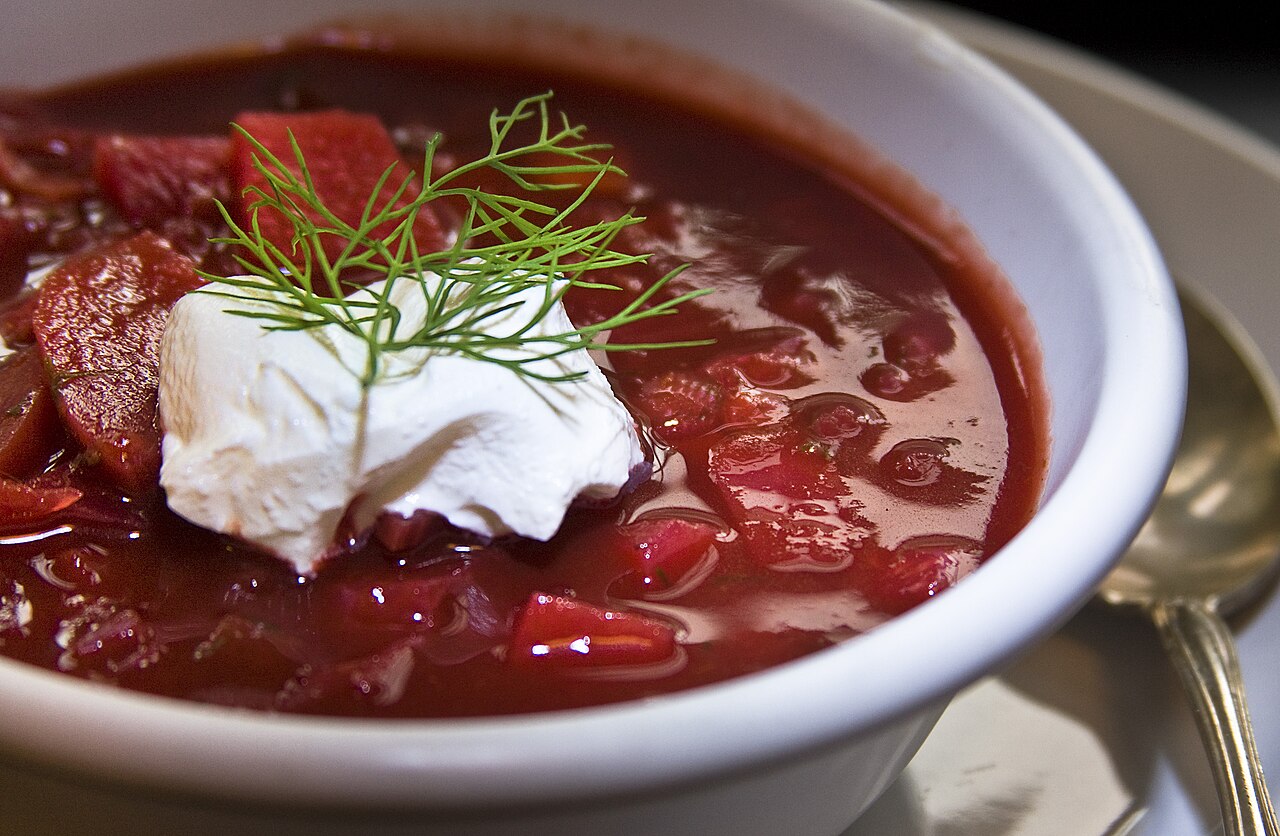
A sour soup of meat or bone stock with beetroot, which gives it its deep red colour, and cabbage, carrots, onions, potatoes and tomatoes. It is served hot with a spoonful of sour cream and bread or garlic buns.
In 2022 UNESCO added the culture of Ukrainian borscht cooking to its list of intangible heritage in need of urgent safeguarding.
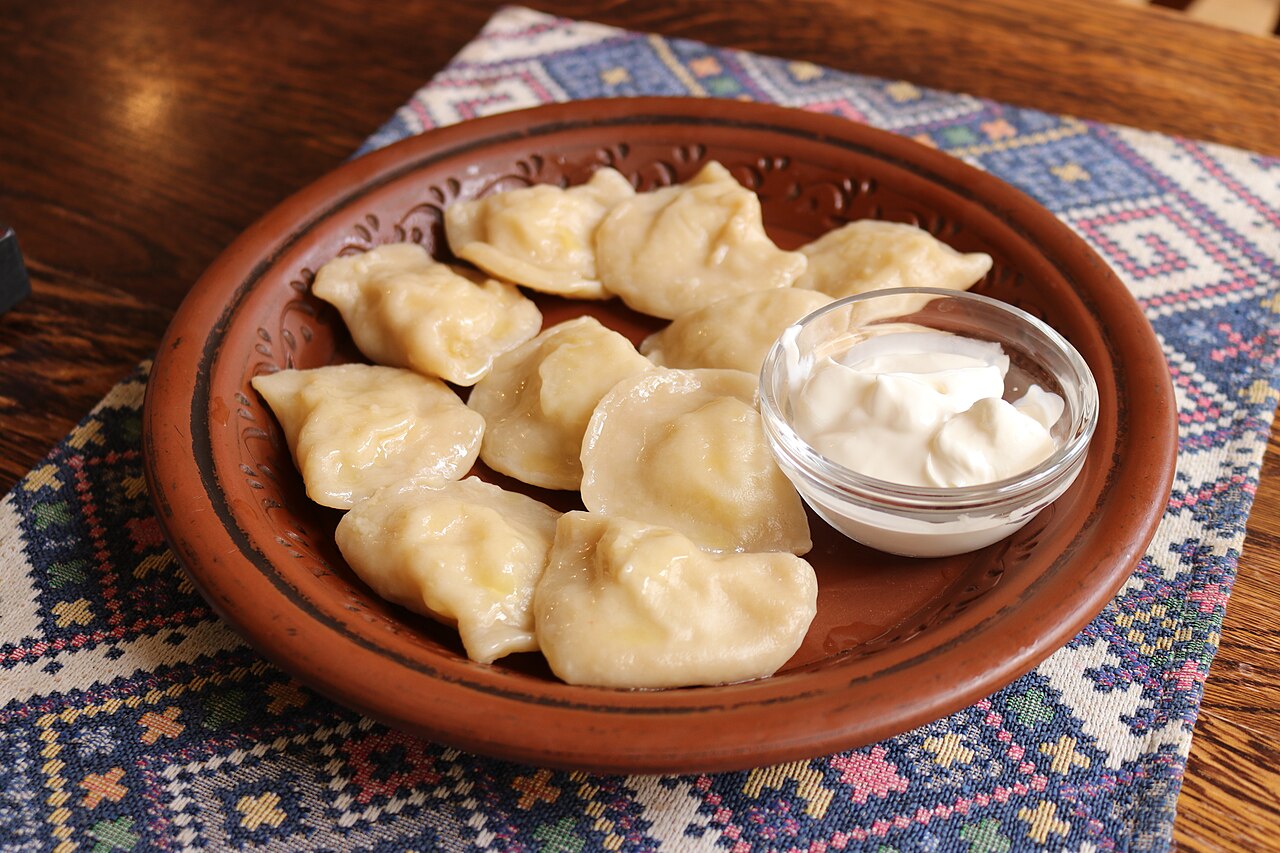
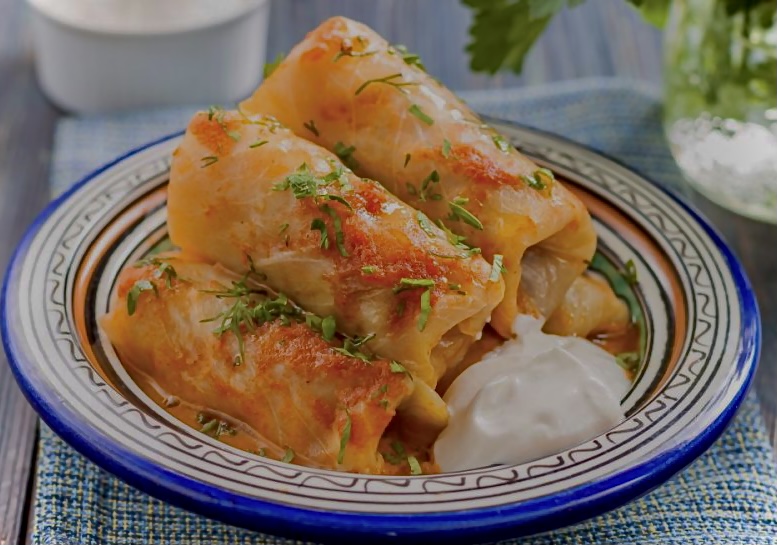
Half-moon dumplings of thin, soft dough filled with mashed potato, cabbage, curd cheese, meat or, in summer, sour cherries. They are boiled and served with fried onions and sour cream, or with sugar and sour cream when the filling is fruit.
The name comes from the Ukrainian verb 'varyty', to boil. Varenyky filled with poppy seeds are one of the dishes of the Christmas Eve supper.
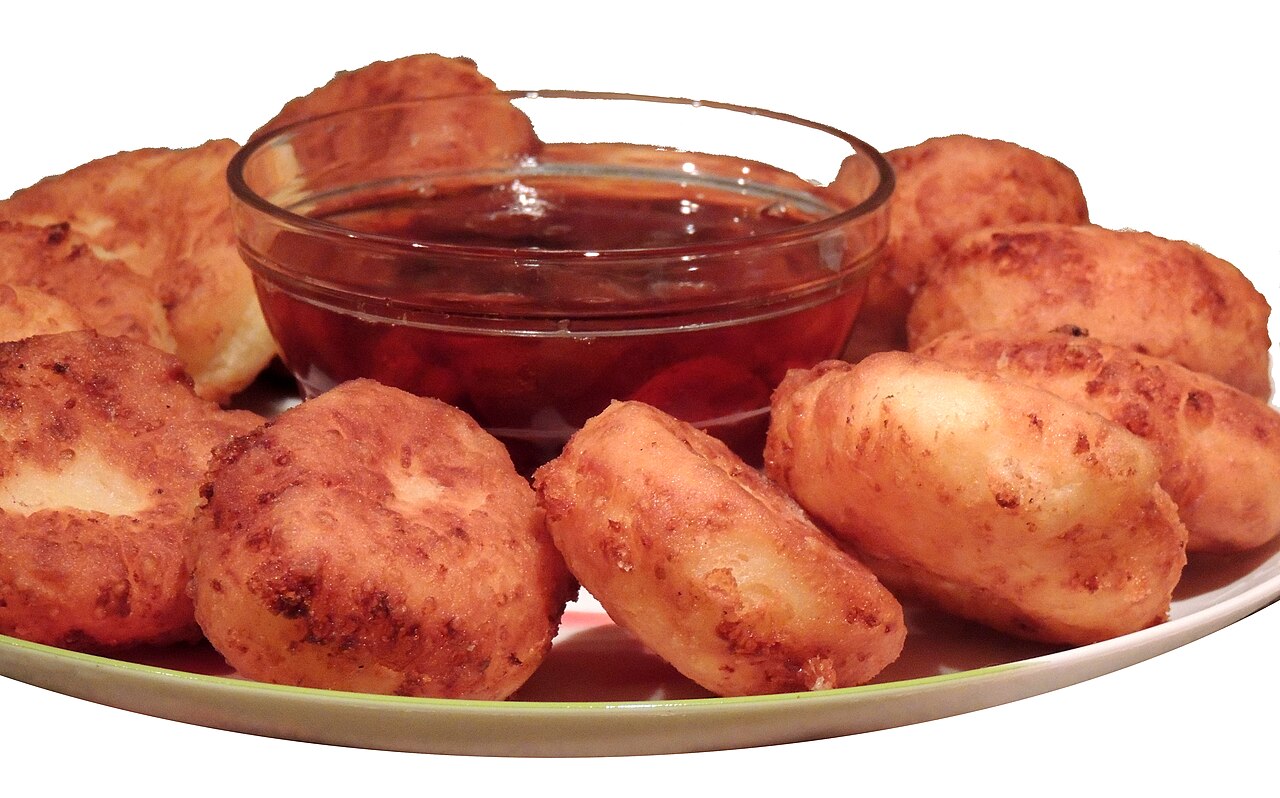
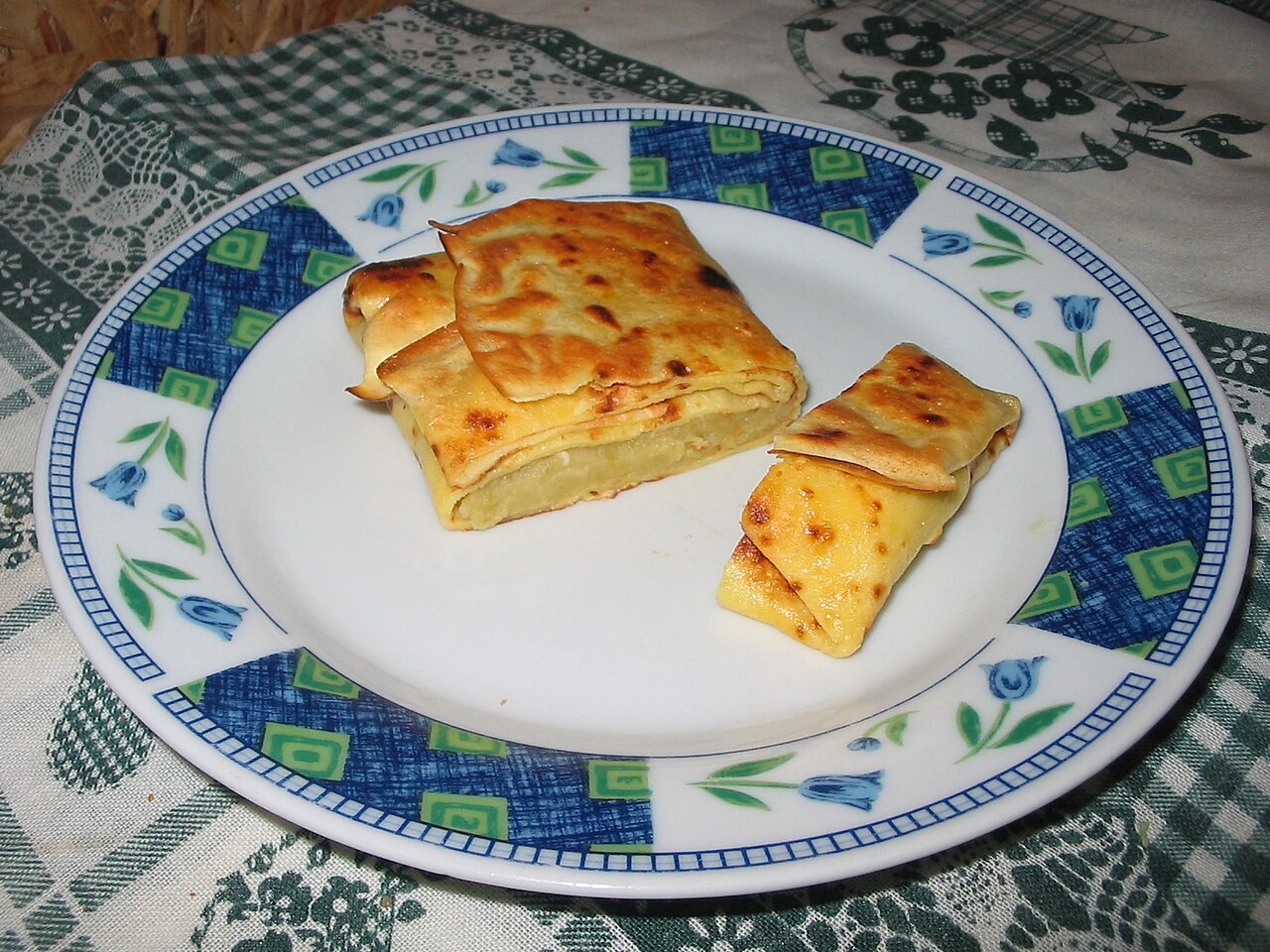
Small, thick pancakes of soft curd cheese mixed with egg, a little flour and sugar, fried golden in butter or oil. They are eaten for breakfast or dessert with sour cream, jam or honey.
The name comes from 'syr', which in Ukrainian means soft curd cheese.
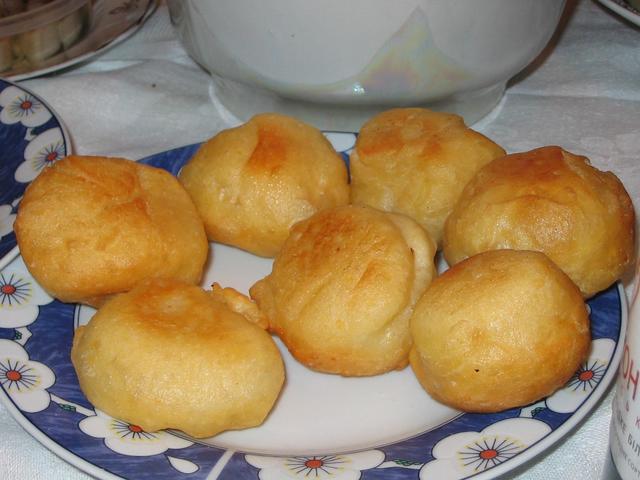
Small, soft yeast buns. Savoury pampushky are seasoned with a garlic sauce and served with red borscht. Sweet ones are filled with fruit, jam or poppy seeds.
The word comes, through Polish, from the German 'Pfannkuchen', pancake.
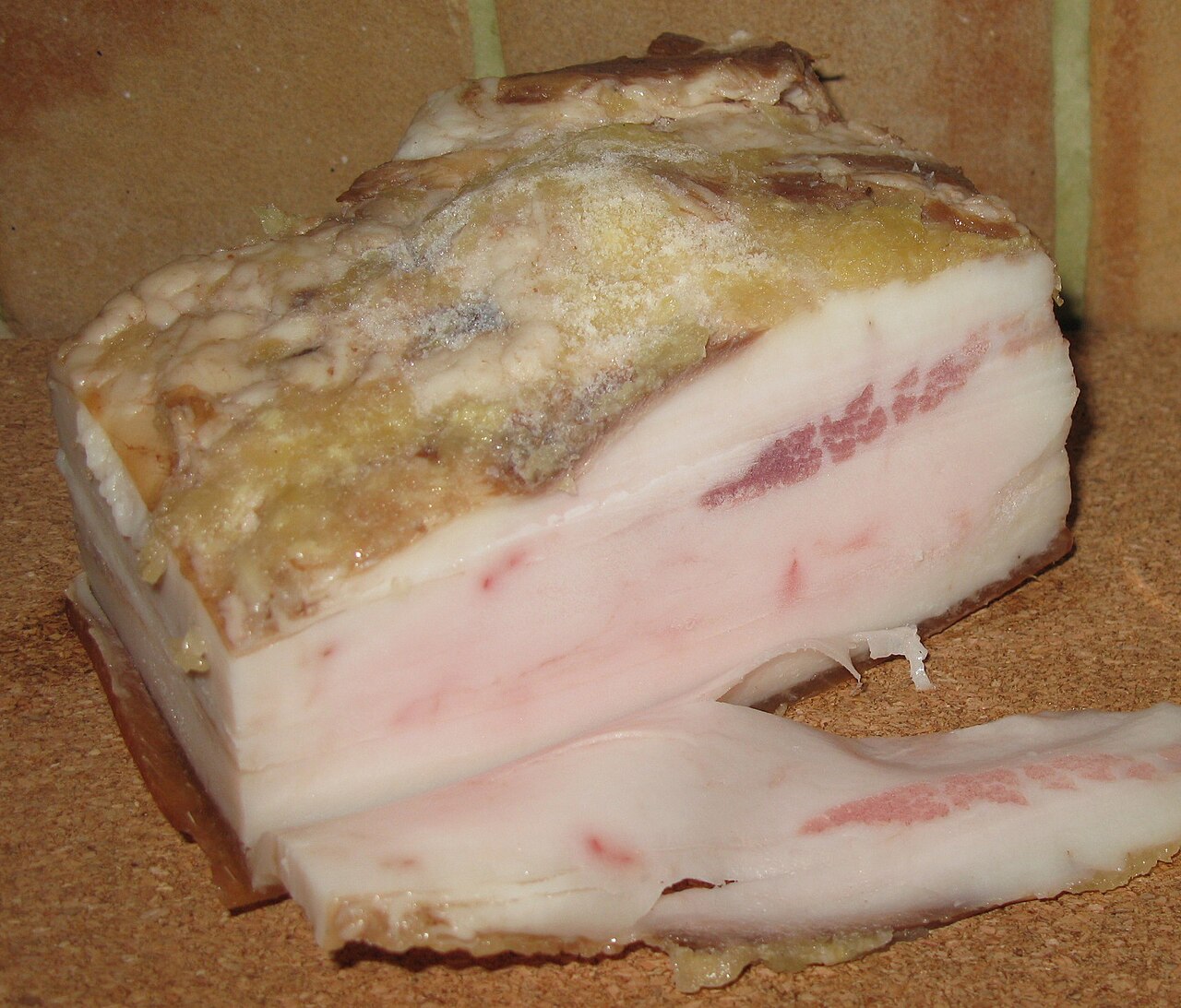
Salt-cured pork fat, sometimes with a thin layer of meat and flavoured with garlic or paprika. It is cut in thin slices and eaten on dark bread with onion, garlic or mustard.
Unlike bacon, salo has more fat than lean meat, and unlike lard, it is not melted down.
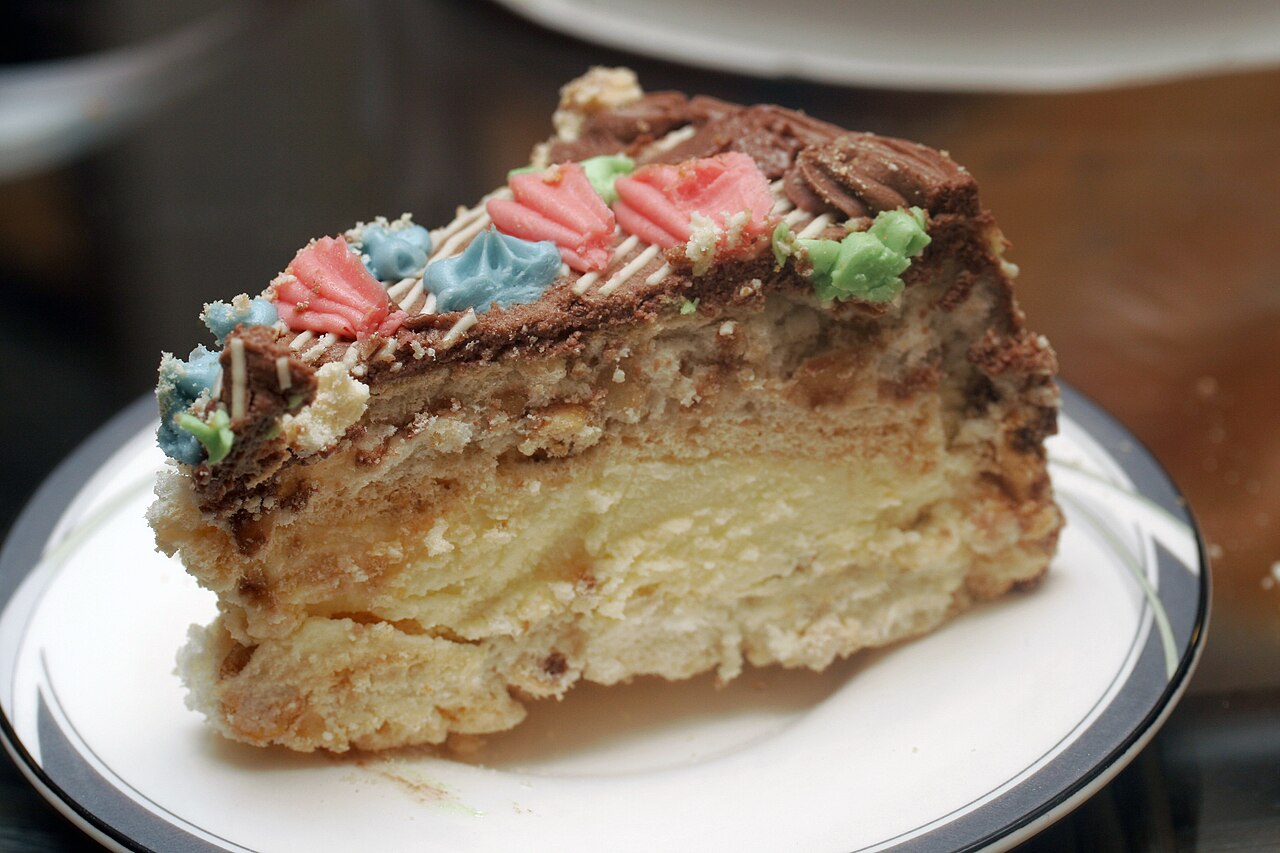
Popular across Ukraine; its exact origin is disputed
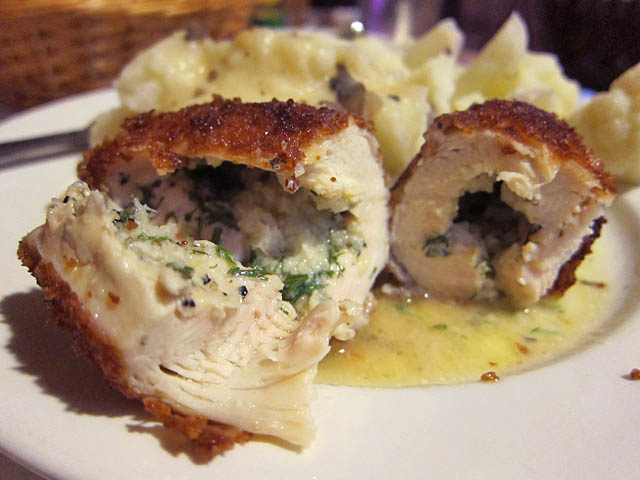
A chicken breast pounded thin, rolled around cold butter and herbs, coated in egg and breadcrumbs and fried or baked. When it is cut, the melted butter runs out.
It is also popular in the English-speaking world, where it is often spelt chicken Kiev.
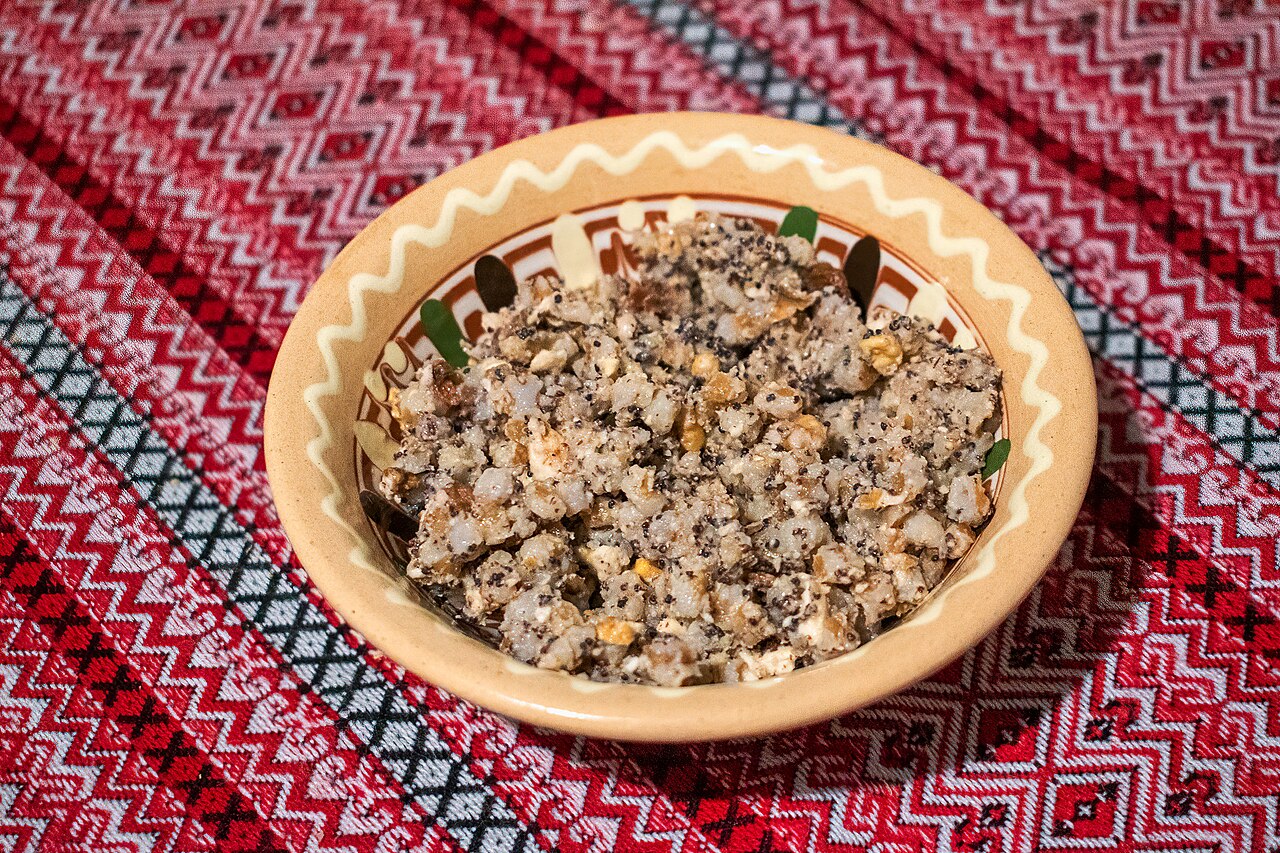
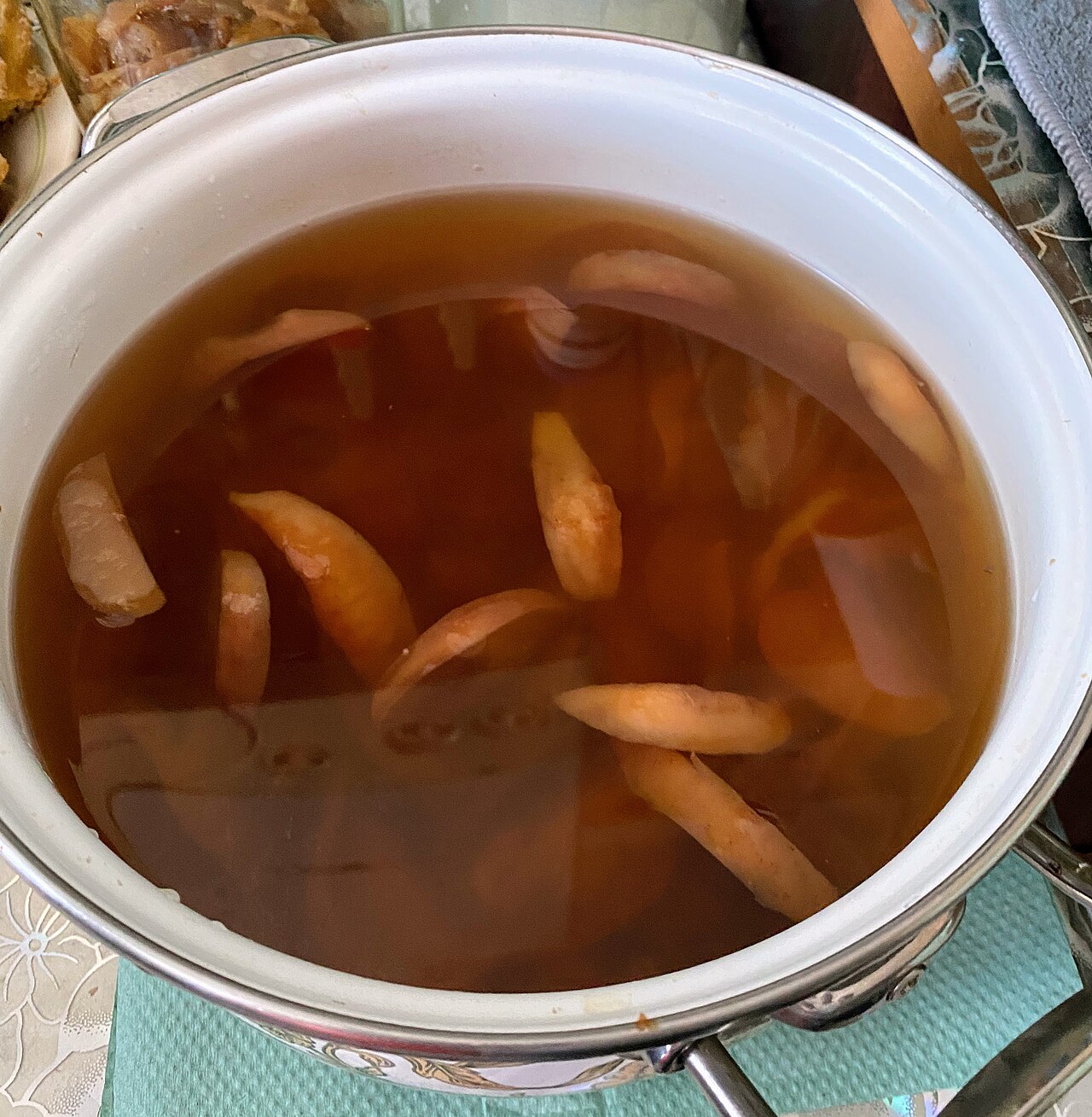
Boiled wheat berries mixed with ground poppy seeds, honey, nuts and sometimes raisins. Together with uzvar, it is one of the two essential ritual dishes of the Christmas Eve supper.
Kutia is the first of the twelve dishes to be tasted at the Christmas Eve supper, called Sviata Vecheria.
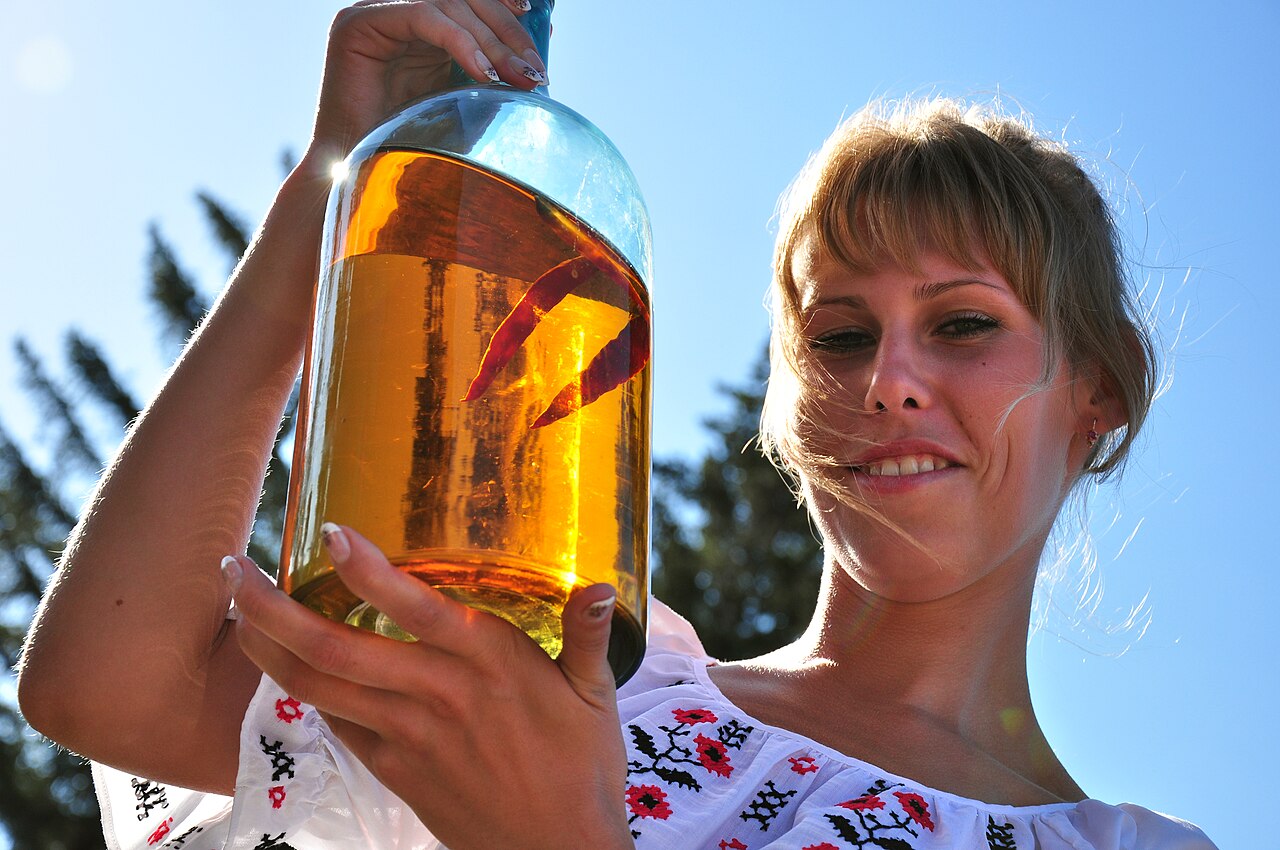
A strong spirit, usually distilled from wheat or rye and around 40% alcohol. A popular version, pertsivka, is flavoured with chilli peppers. Home-distilled horilka is called samohon.
The word is linked to the Ukrainian verb for 'to burn'.
At the table in Ukraine
Before eating, people wish each other 'Smachnoho!' (enjoy your meal).
When glasses are raised, a common Ukrainian toast is 'Budmo!', meaning 'let us be', used like 'cheers'.
Borscht is seen as an expression of hospitality that brings people of all ages together at the table, and it is served with bread or garlic buns.
The Christmas Eve supper has twelve meatless dishes, without meat, eggs or milk, and begins with kutia.
At the Christmas Eve supper, the head of the family traditionally takes the first spoonful of kutia.