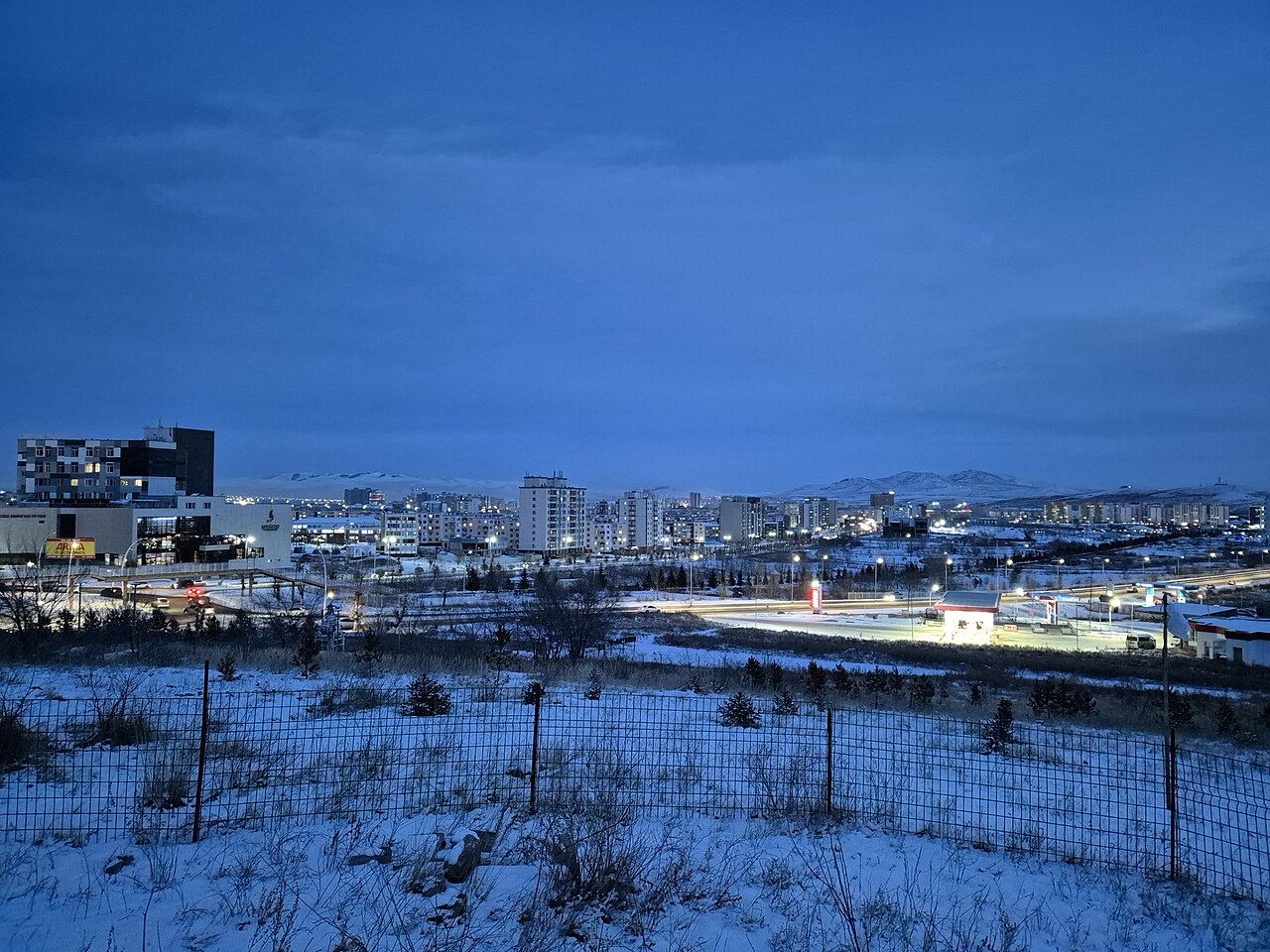
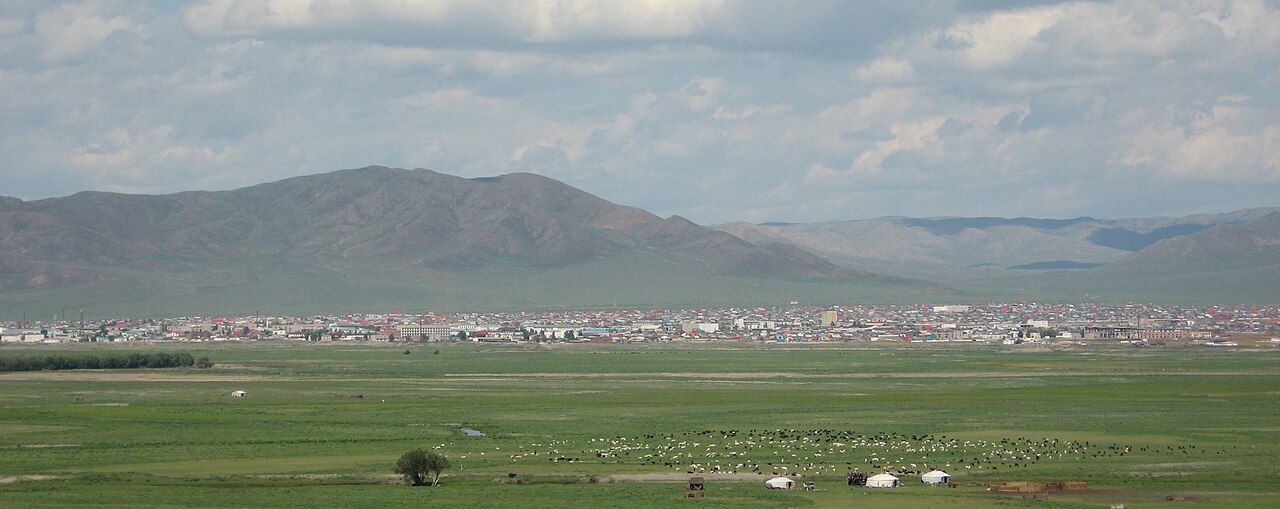
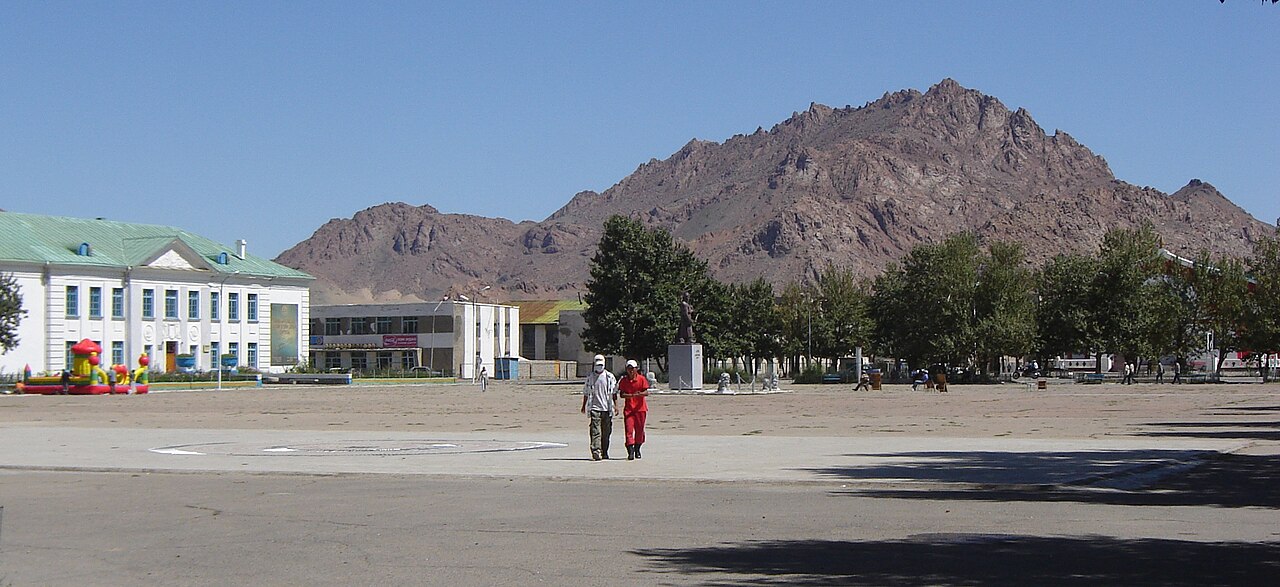
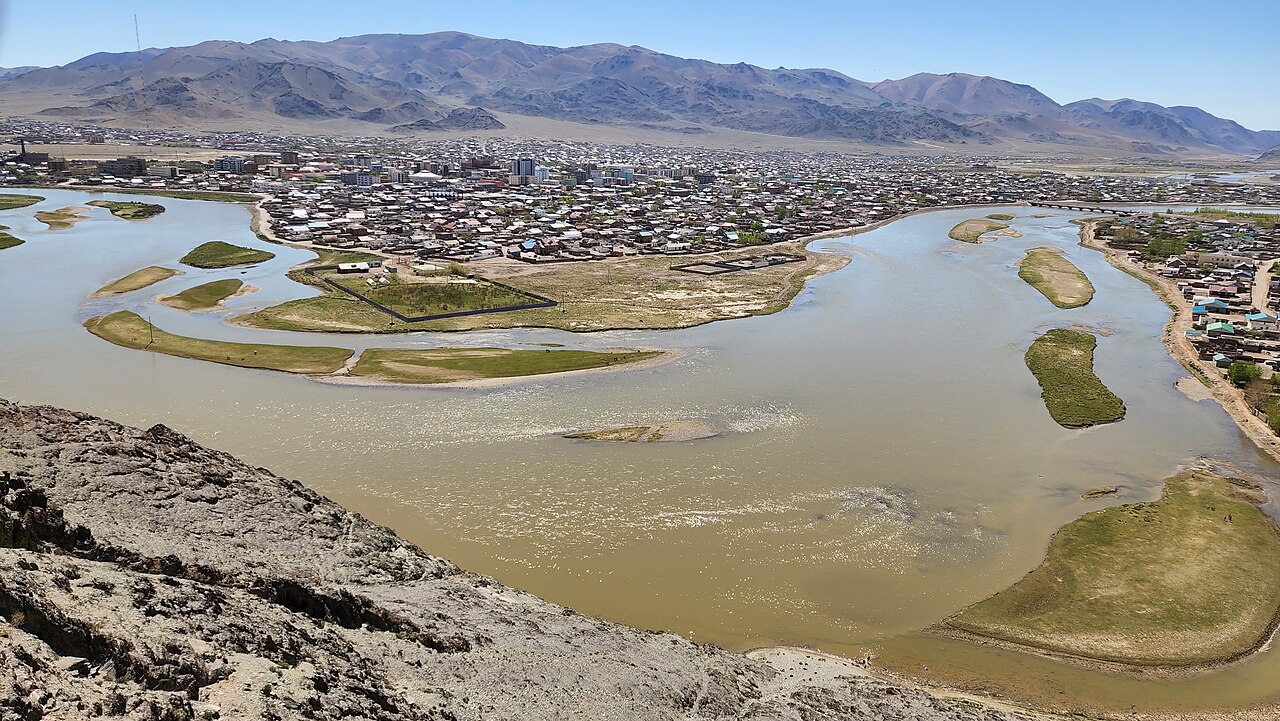
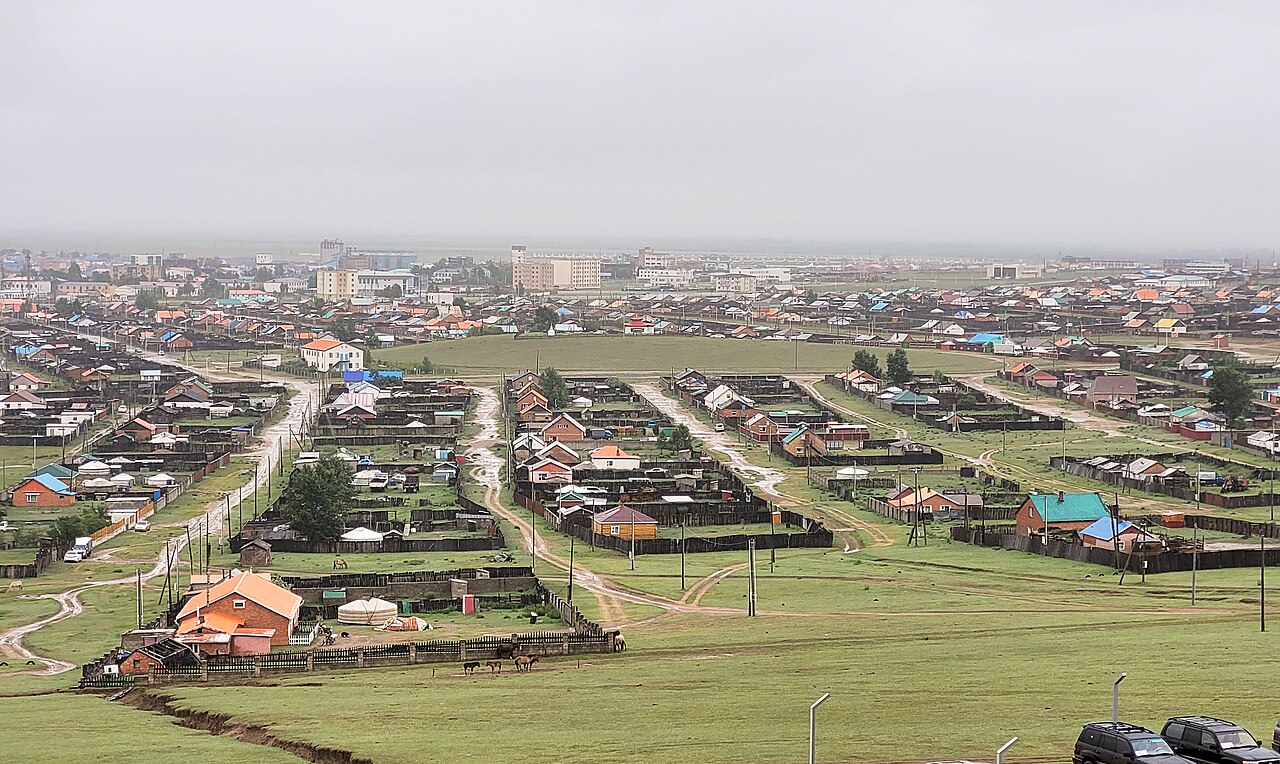
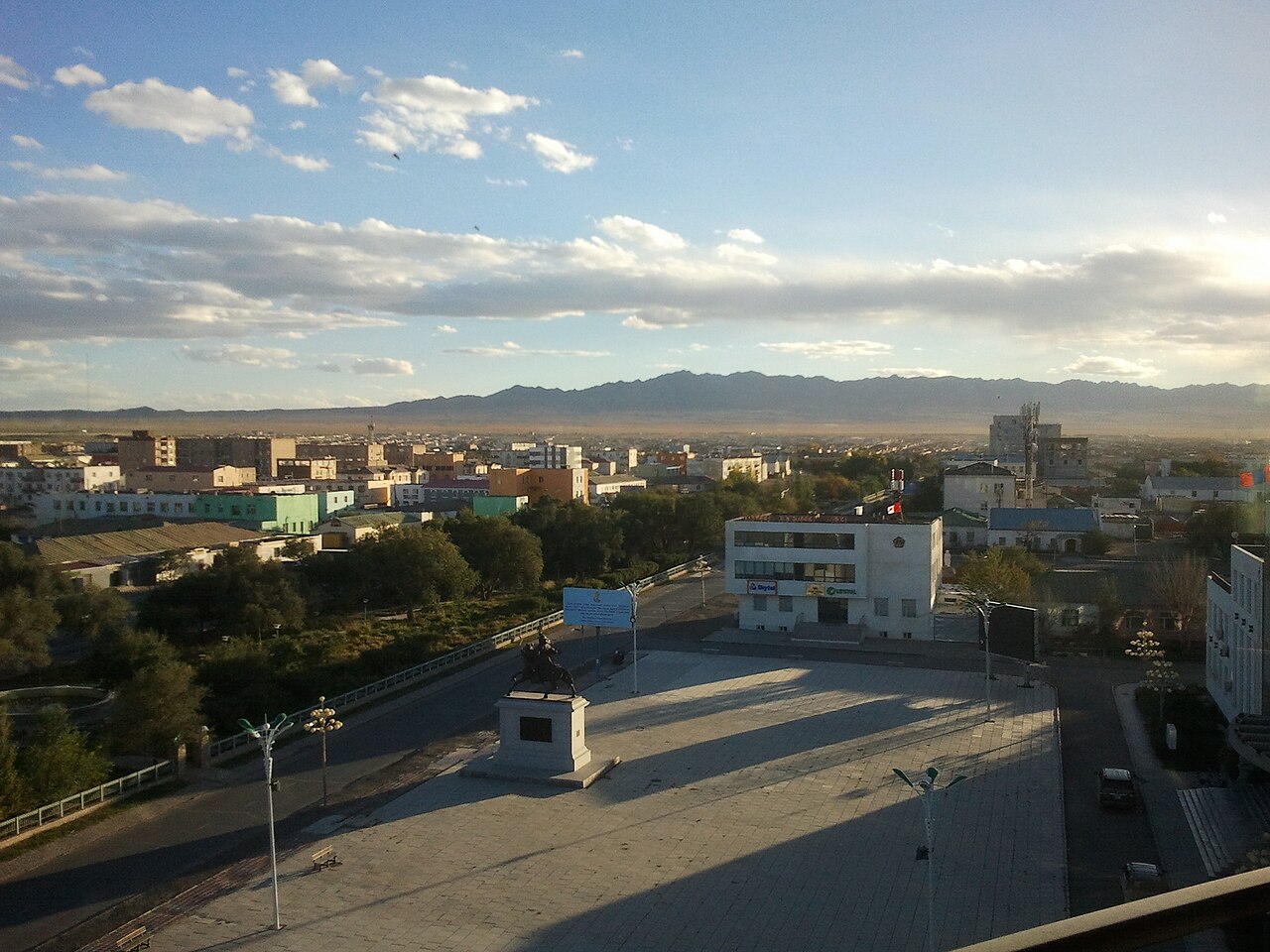
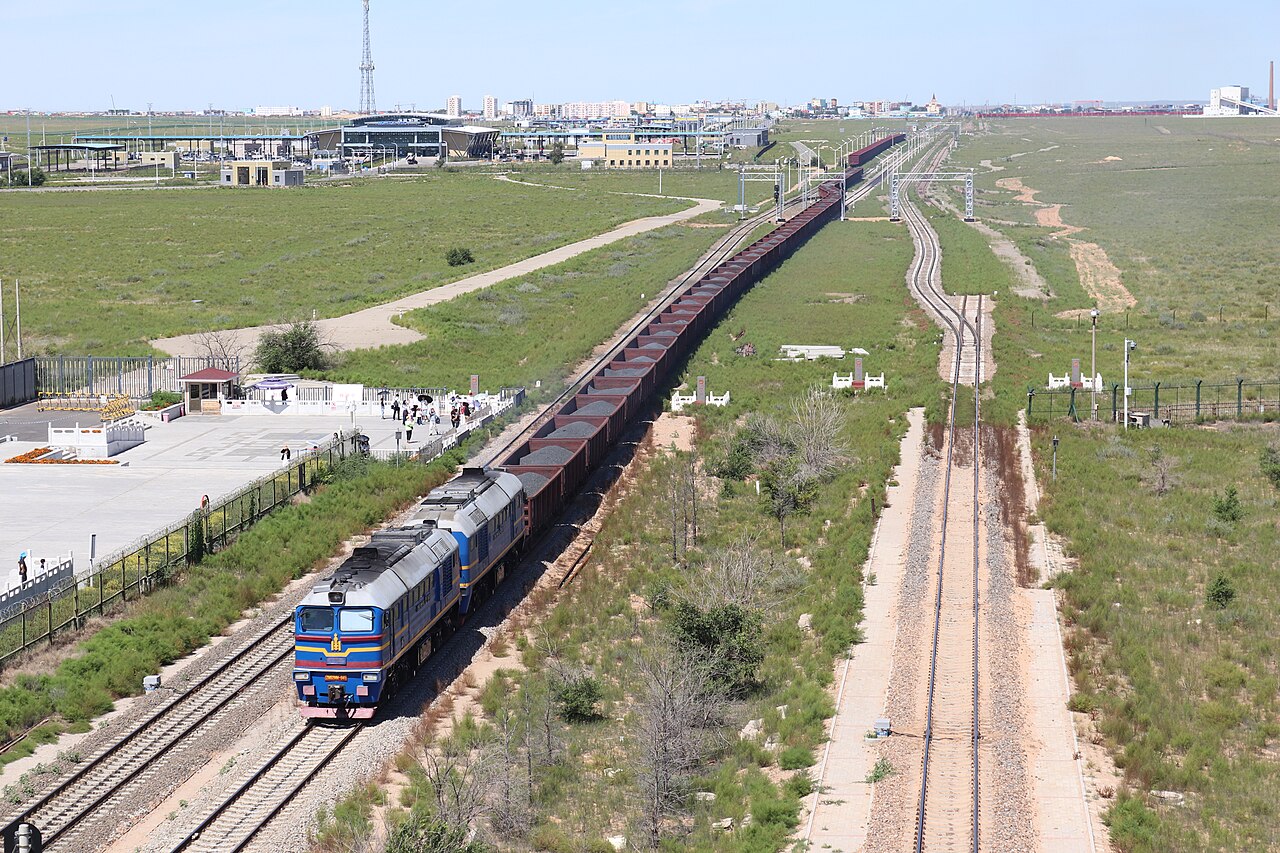
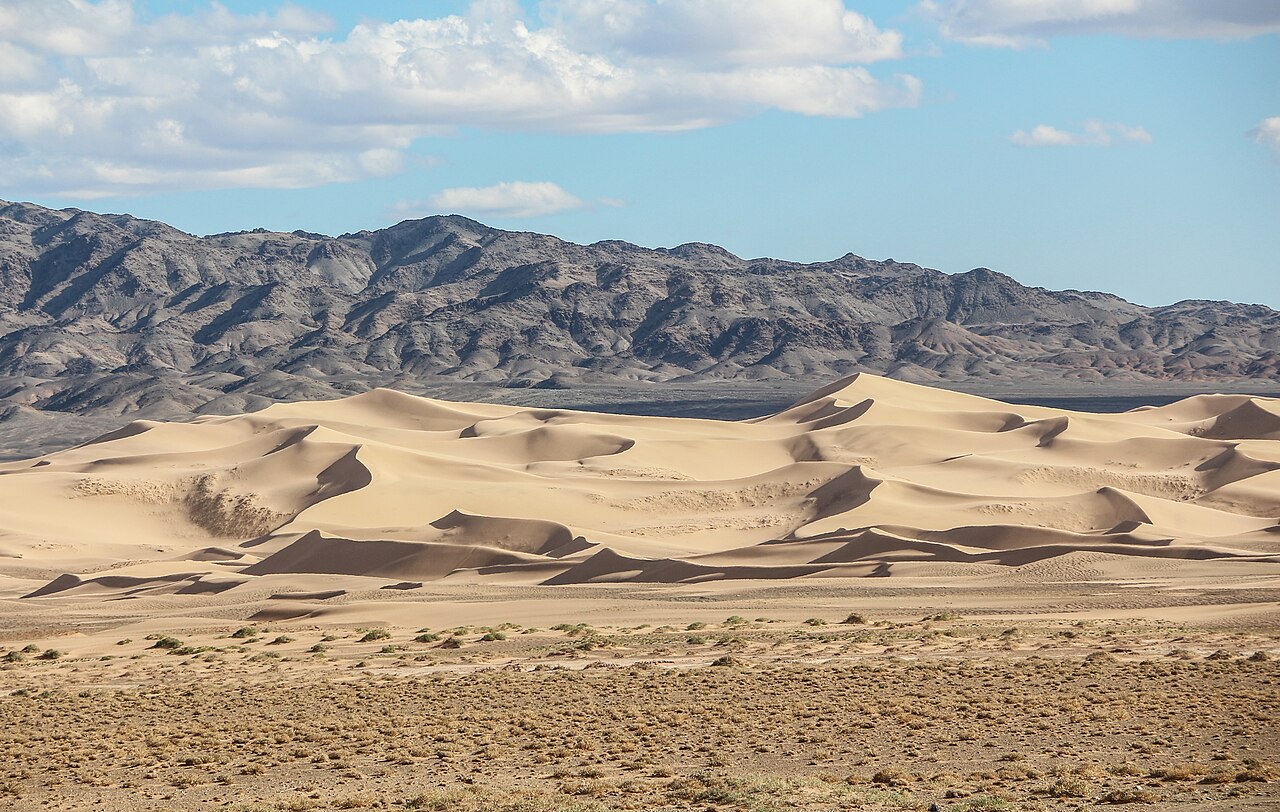
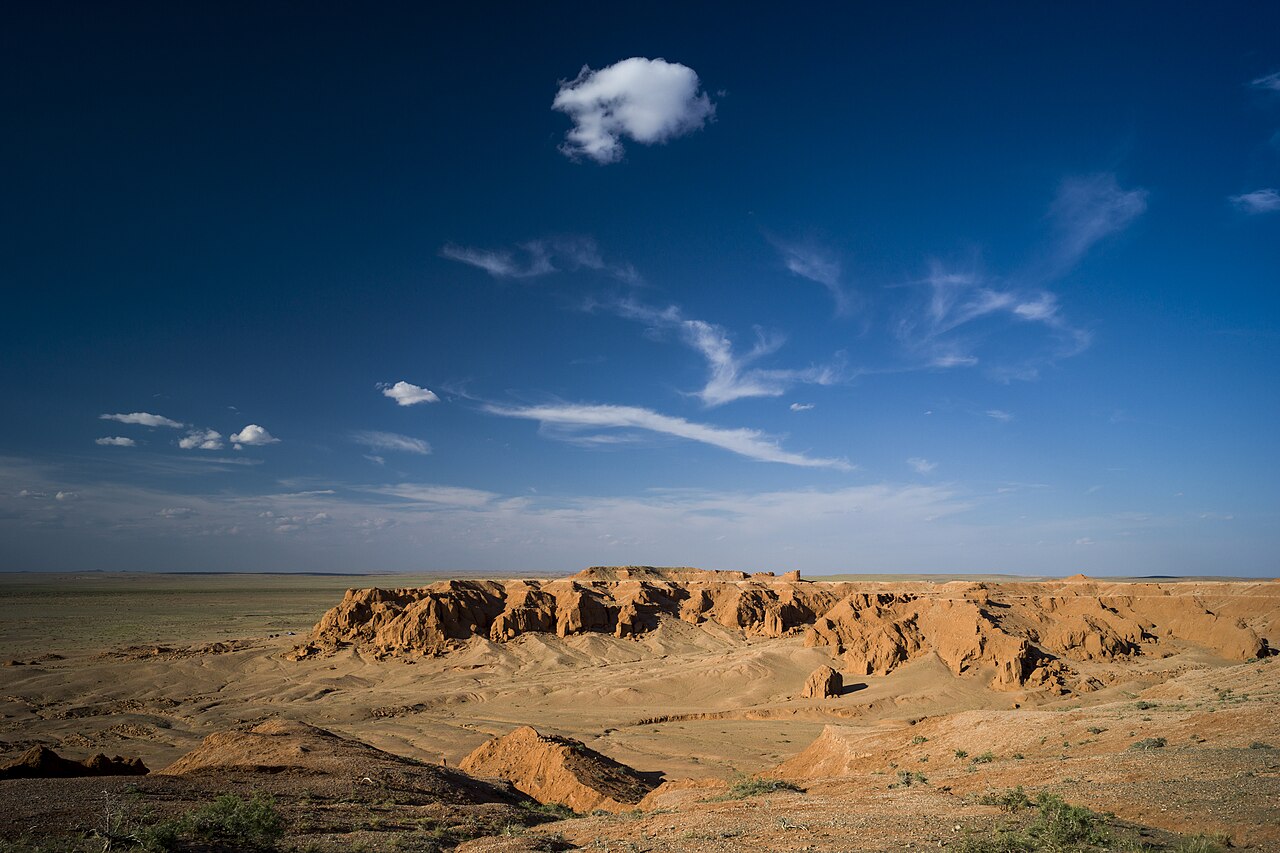
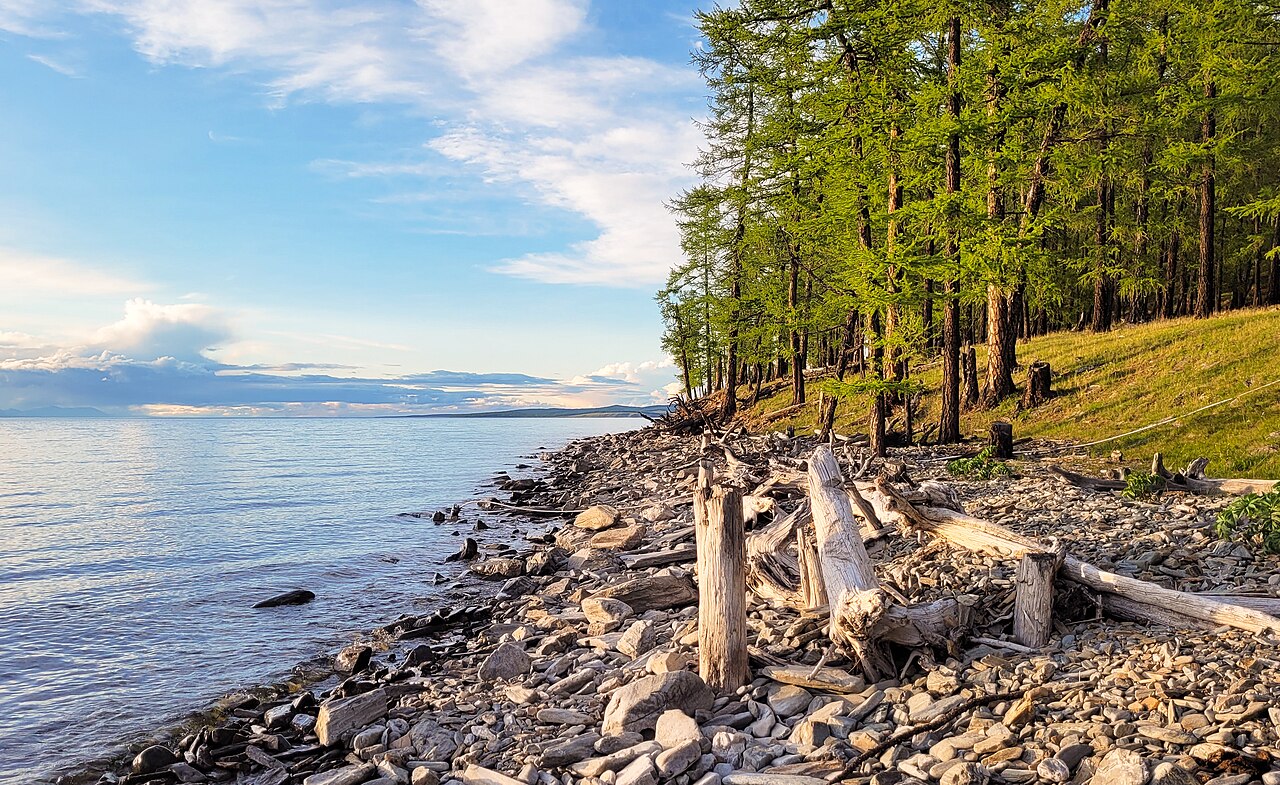
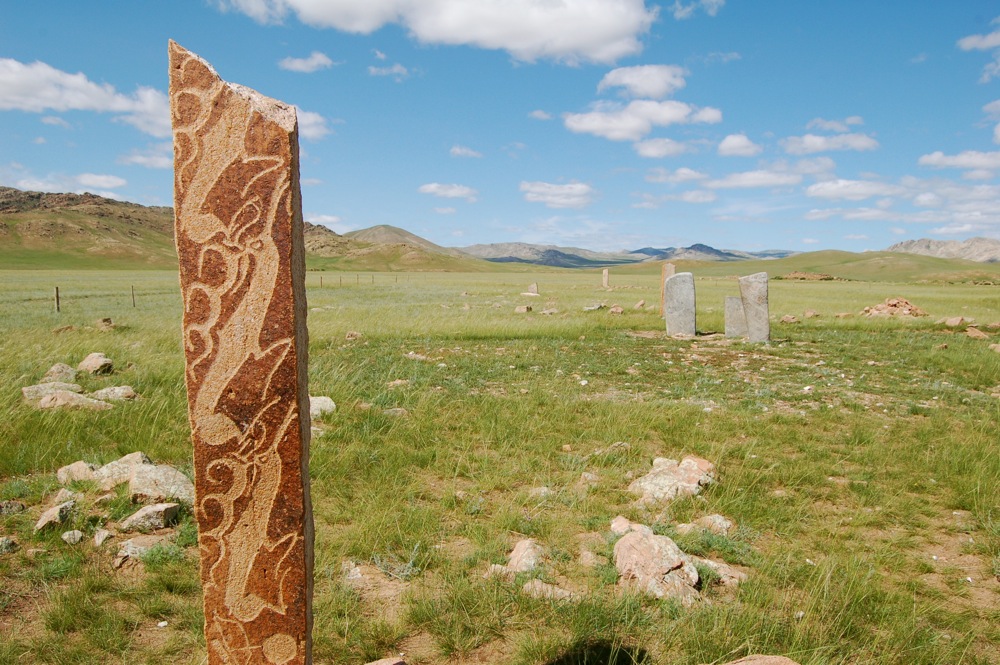
Mongolia lies in the heart of Asia, between Russia to the north and China to the south, and it has no coast at all. It is a high country of grassy steppe, forested mountains in the north and west, and the Gobi Desert in the south. Winters are long and bitterly cold, but the sky is famously clear: the country has more than 250 sunny days a year.
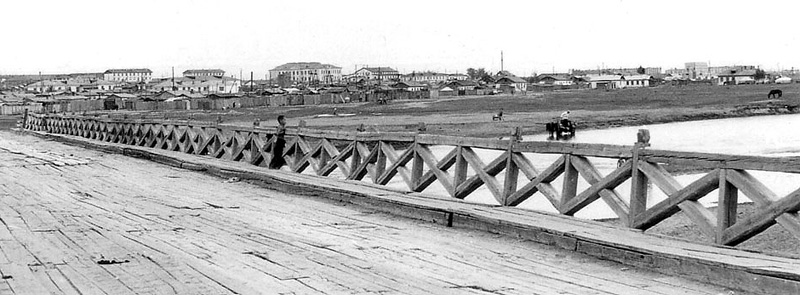
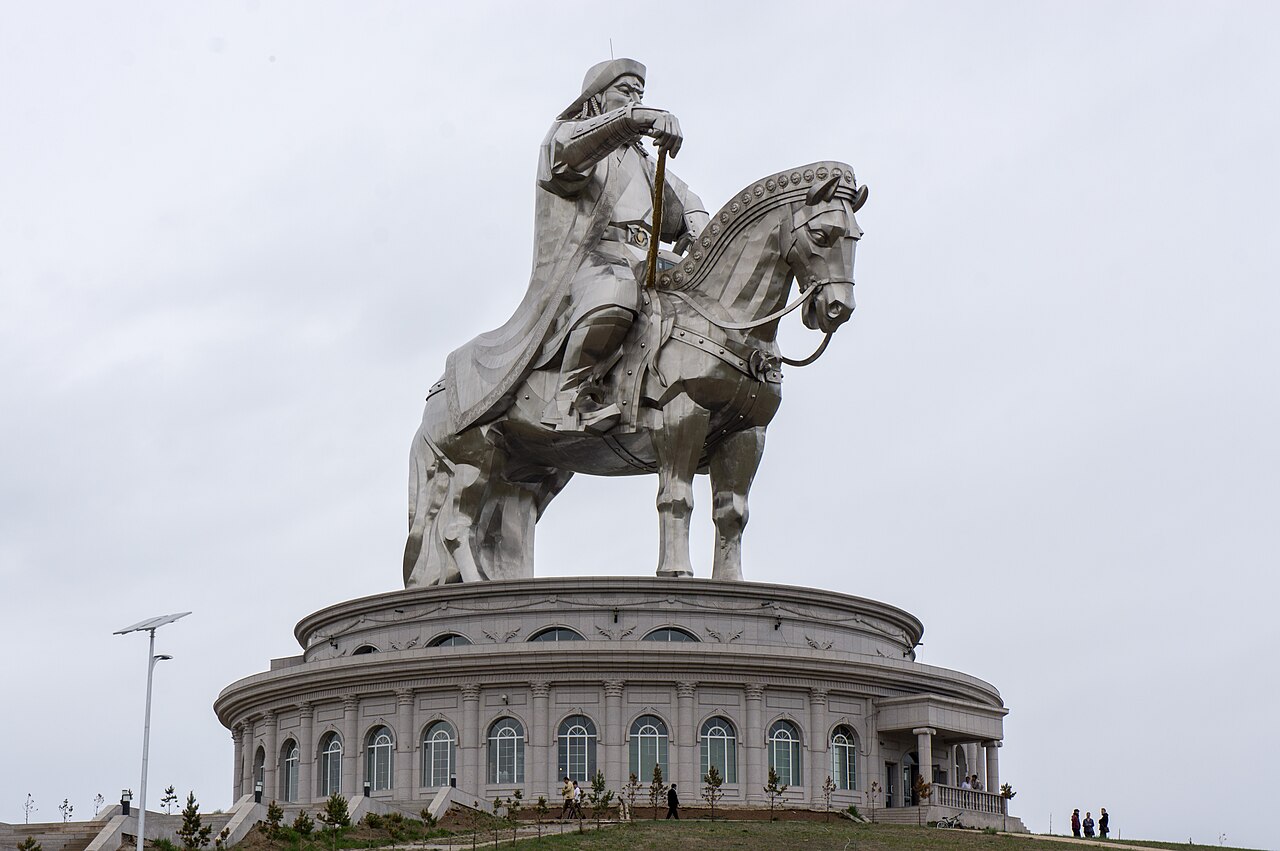
More than 2,000 years ago the Xiongnu built a great nomad empire here. In 1206 the Mongol tribes were united under Temüjin, who took the title Genghis Khan, and his armies and those of his grandsons created the largest contiguous land empire in history. Later Mongolia came under the Qing dynasty of China, declared independence in 1911, and was a communist state closely tied to the Soviet Union from 1924 until the peaceful democratic revolution of 1990.
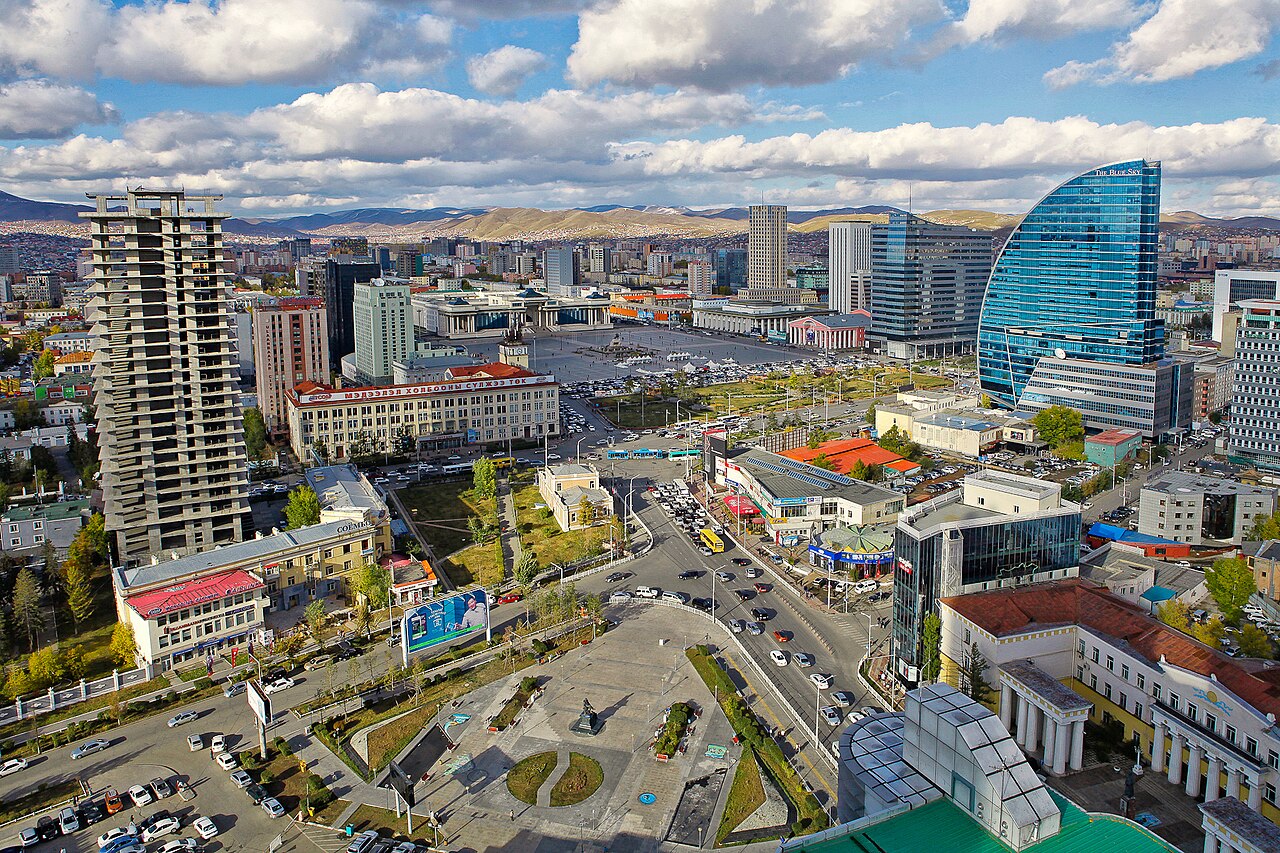
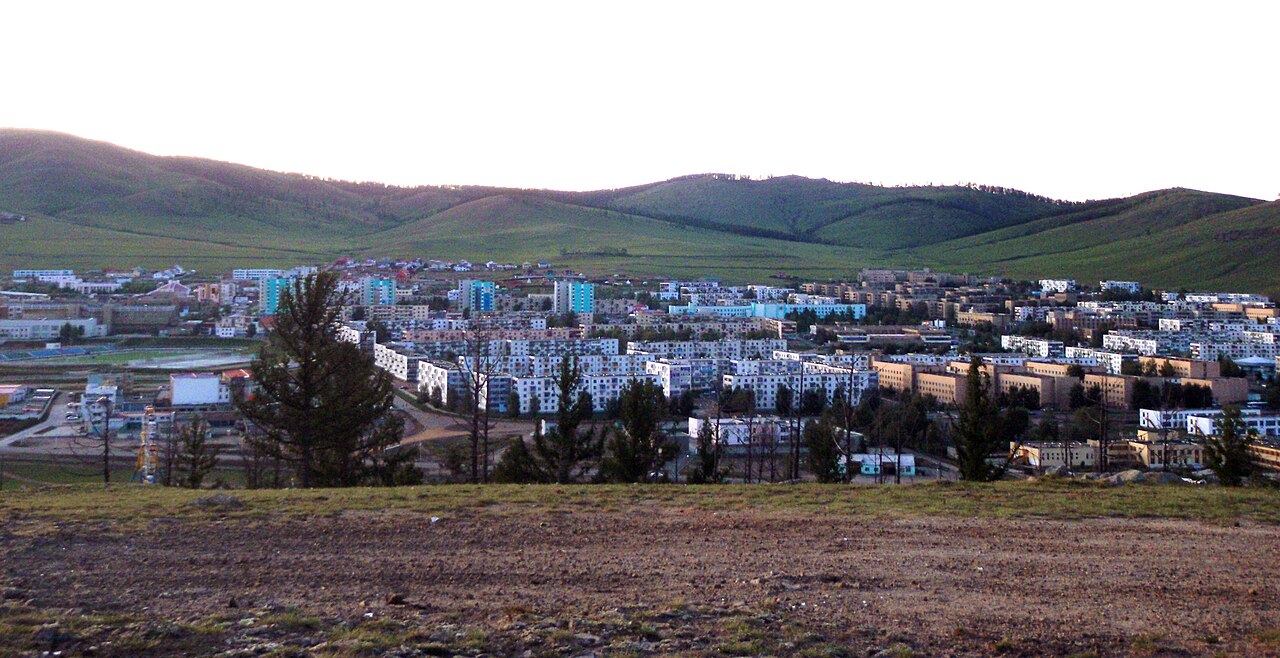
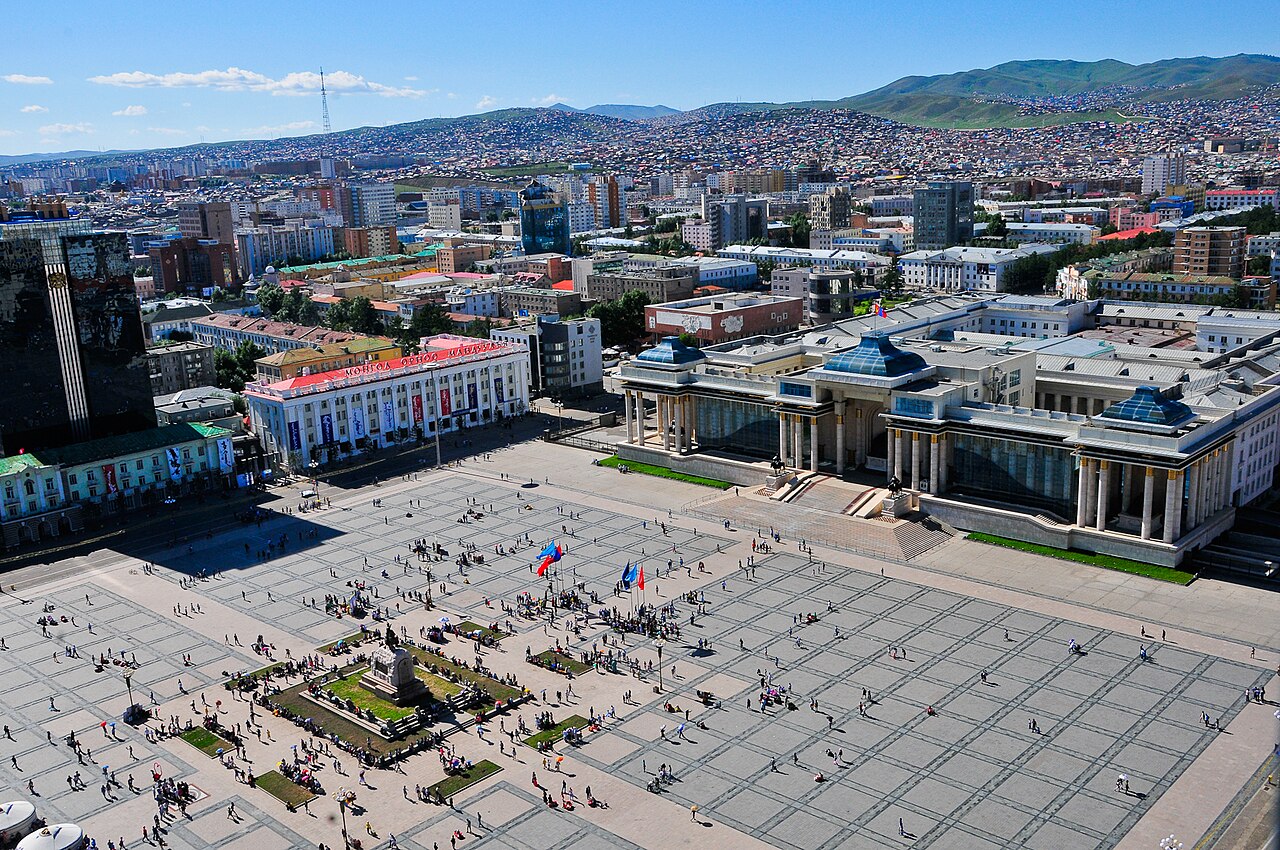
As of 2026, Mongolia is the most sparsely populated sovereign country in the world, with only about two people for every square kilometre. About half of all Mongolians live in the capital, Ulaanbaatar, while many families in the countryside still move with their herds of sheep, goats, horses, cattle and camels and live in the round felt tent called the ger.
CapitalUlaanbaatar
PopulationAbout 3.6 million (end of 2025)
Official languageMongolian, written in the Cyrillic alphabet; as of 2026 the traditional vertical Mongolian script is also used in official documents
CurrencyMongolian tögrög (₮)
AreaAbout 1.56 million km², the 18th largest country in the world
GovernmentRepublic with an elected president and a parliament called the State Great Khural
Highest mountainKhüiten Peak in the Altai Mountains, about 4,356 m (older sources give 4,374 m), on the border with China
Longest riverThe Orkhon, 1,124 km, the longest river entirely within Mongolia
NeighboursOnly two: Russia and China. At its western tip Kazakhstan is less than 40 km away, but the two countries do not touch
Drives on theRight
Calling code+976
Time zoneUTC+8 in most of the country, UTC+7 in the far west
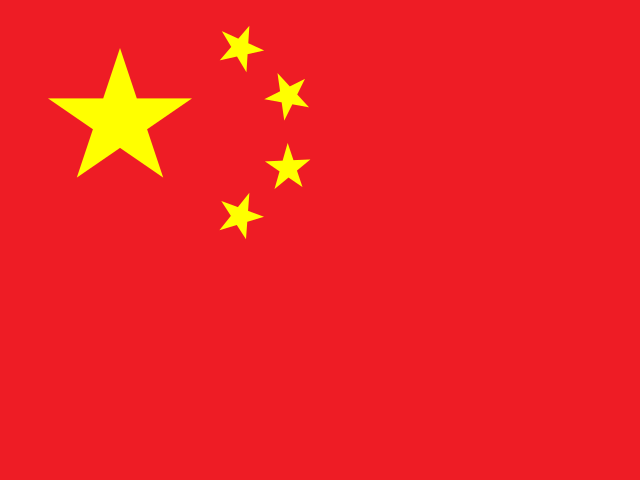 China
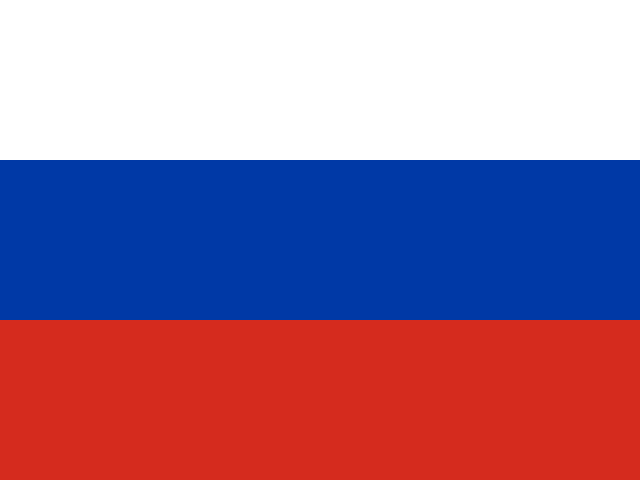 Russia