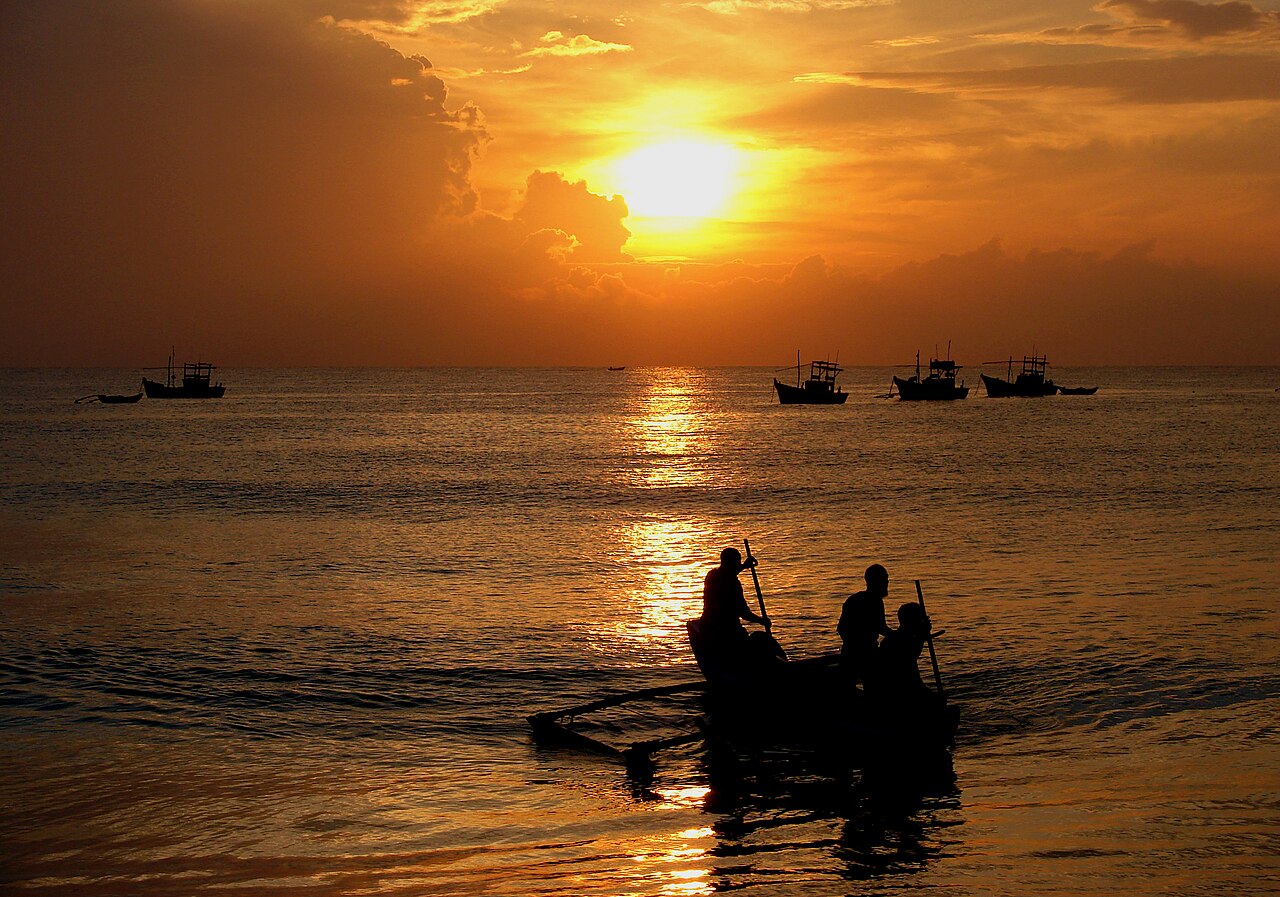
A teardrop-shaped island of tea hills, ancient Buddhist cities, golden beaches and wild elephants, where every meal starts with rice and a table full of curries.
Your trip to Sri Lanka
Ready for the trip?
10 questionsAbout 3 minutesNo timer
Explore Sri Lanka
You have explored 0 of 9 parts. Scroll on to discover the rest.
Print the Sri Lanka pack
A free large-print PDF. Choose what goes in: facts, map, history, dishes and recipes, phrases, fun facts, a quiz with or without answers. Made for clubs, care homes, libraries and family afternoons.
Sri Lanka is an island country in the Indian Ocean, just off the southern tip of India, from which it is separated by the shallow Palk Strait and the Gulf of Mannar. The coasts are lined with palm-fringed beaches and lagoons, and the south-central interior rises into green hills and mountains covered in tea gardens and cloud forest. Until 1972 the country was called Ceylon, a name that lives on in its famous tea.
People have lived on the island for many thousands of years, and its written history is one of the longest in Asia. Buddhism arrived in the 3rd century BC, and kings at Anuradhapura and later Polonnaruwa built huge monasteries, stupas and irrigation reservoirs. From 1505 the Portuguese, then the Dutch and finally the British controlled the coasts, and in 1815 the British took the last kingdom, Kandy. Ceylon became independent in 1948. From 1983 to 2009 the country went through a long civil war, which ended in May 2009.
Today about 21.8 million people live here (2024 census). About three quarters are Sinhalese, who mostly speak Sinhala and are mostly Buddhist, and the largest minority are Tamils, who speak Tamil and are mostly Hindu. There are also Muslim Moors, Burghers of European descent, Malays and others. Visitors come for the rock fortress of Sigiriya, the Temple of the Tooth in Kandy, the old Dutch fort at Galle, the train ride through the tea country, whale watching and elephant safaris.
CapitalColombo
Legislative capitalSri Jayawardenepura Kotte, on the eastern edge of Colombo, where Parliament has met since 1982. Colombo is the largest city and the executive and judicial capital
PopulationAbout 21.8 million (2024 census)
Official languagesSinhala and Tamil. The constitution names English as the link language, and it is widely used in business and education
CurrencySri Lankan rupee (LKR)
AreaAbout 65,600 km²
GovernmentUnitary semi-presidential republic, divided into 9 provinces and 25 districts. The president is elected by the people for five years
Highest mountainPidurutalagala, 2,524 m, near Nuwara Eliya. Its summit is a closed military area; the best-known mountain is Adam's Peak, 2,243 m
Longest riverThe Mahaweli, about 335 km, which rises in the central hills and reaches the sea near Trincomalee
NeighboursNo land borders. India lies across the Palk Strait to the northwest, and the Maldives lie across the sea to the southwest
Sri Lanka's chronicles, above all the Mahavamsa, tell the island's story for more than two thousand years. It is a history of great Buddhist kingdoms in the dry north, of irrigation works that still water the rice fields, of spice traders and European fleets, of tea, independence, a long civil war and recovery.
543 BC
Prince Vijaya arrives, according to legend
Sinhalese history traditionally begins in 543 BC, when the semi-legendary Prince Vijaya, sent away from his home in Vanga, in today's Bengal, landed near today's Mannar with 700 followers. The island's chronicles count him as the first of about 189 kings. Archaeology shows that people had lived here for many thousands of years before.
250 BC
Buddhism arrives with Mahinda
Around 250 BC the monk Mahinda, a son of the Indian emperor Ashoka, came to Mihintale and won over King Devanampiya Tissa, who ruled from Anuradhapura. Soon after, Mahinda's sister, the nun Sanghamitta, brought a cutting of the tree under which the Buddha was enlightened. Buddhism has shaped the island's culture ever since.
AD 477
King Kashyapa builds Sigiriya
King Kashyapa, who reigned in the late 5th century until 495, moved his capital to a huge granite rock at Sigiriya. He built a palace on the summit, painted frescoes on the rock face and made a gateway in the shape of a giant lion. After his death the palace was abandoned and the site became a Buddhist monastery.
1070
Vijayabahu I drives out the Cholas
From 993 armies of the Chola empire of southern India overran the north and destroyed Anuradhapura, which had been the capital for more than a thousand years, and by 1017 they held most of the island. After a 17-year campaign, King Vijayabahu I drove them out in 1070 and ruled a reunited island from Polonnaruwa, which remained the capital.
1153
Parakramabahu the Great comes to the throne
Parakramabahu I, who reigned from 1153 to 1186, is remembered as one of the island's greatest kings. He built or repaired hundreds of reservoirs and canals, including the vast Parakrama Samudra lake at Polonnaruwa, and had the Buddha statues of the Gal Vihara carved in the rock.
1505
The Portuguese arrive
In 1505 the Portuguese captain Lourenço de Almeida reached the island. The Portuguese built a fort in Colombo in 1517 and gradually took control of the coasts, where they traded in cinnamon and spread Catholicism. The inland kingdom of Kandy stayed independent.
1656
The Dutch take Colombo
The king of Kandy made a treaty with the Dutch East India Company in 1638 to push out the Portuguese. The Dutch took Colombo in 1656 and the last Portuguese strongholds in 1658, but then kept the coast for themselves. Dutch rule left forts, canals, Roman-Dutch law and the Burgher community.
1815
The British take Kandy
Britain took over the Dutch coastal lands from 1796. In February 1815 British forces entered Kandy, and on 2 March 1815 the Kandyan chiefs signed the Kandyan Convention, handing the kingdom to the British Crown. The last king, Sri Vikrama Rajasinha, was sent into exile in India, and the whole island became the colony of Ceylon.
1867
The first tea estate
Coffee was the colony's main crop until a leaf disease destroyed the plantations from 1869. In 1867 the Scottish planter James Taylor had started the first tea plantation at Loolecondera estate, about 35 km southeast of Kandy, and tea soon replaced coffee. In the 19th century many Tamil workers were brought from southern India to work on the estates, and Ceylon tea became famous around the world.
1931
Votes for all adults
The Donoughmore Constitution of 1931 gave the vote to all adults, men and women, at a time when only about 4 percent of the population had been able to vote. It was the first time a non-European colony of a Western European empire was given one person, one vote.
1948
Independence as Ceylon
On 4 February 1948 Ceylon became independent as a dominion within the Commonwealth, with the British monarch still as head of state. Independence Day is celebrated every year on 4 February.
1960
The world's first woman prime minister
On 21 July 1960 Sirimavo Bandaranaike was sworn in as prime minister of Ceylon, the first woman in the world to lead a government as prime minister. She served three terms in all.
1972
Ceylon becomes Sri Lanka
In 1972 a new constitution made the country a republic and changed its name from Ceylon to Sri Lanka. A second constitution in 1978 created a powerful elected presidency and the formal name used today, the Democratic Socialist Republic of Sri Lanka.
1983
The civil war begins
Tensions between the government and parts of the Tamil minority had grown since independence. In July 1983 an attack by the Liberation Tigers of Tamil Eelam (LTTE), who wanted a separate Tamil state in the north and east, was followed by deadly anti-Tamil riots, and the conflict became a civil war. Many thousands of Tamils left the country.
2004
The Indian Ocean tsunami
On 26 December 2004 a tsunami caused by a huge earthquake off Sumatra struck the eastern, southern and southwestern coasts. More than 35,000 people died in Sri Lanka, including an estimated 900 to 1,700 people on a coastal train near Hikkaduwa, and hundreds of thousands lost their homes.
2009
The civil war ends
In May 2009 the army defeated the LTTE and the 26-year war ended. The United Nations estimated that 80,000 to 100,000 people died over the whole war. The final months, when many civilians were trapped in the fighting, have been examined by the United Nations, and reconciliation is still a national task.
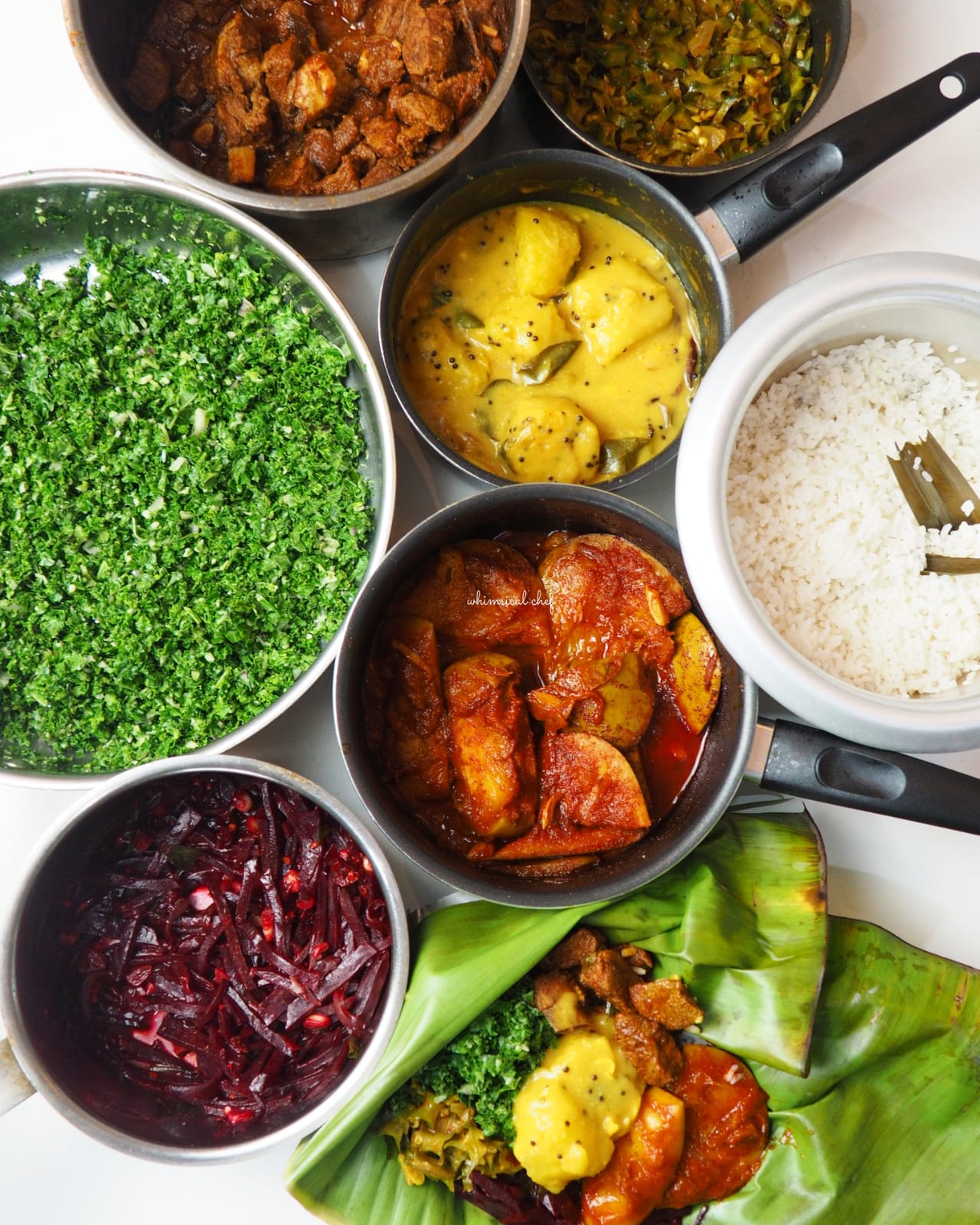
Sri Lankan cooking is built on rice and coconut, with plenty of fish, spices and chilli. The everyday meal is rice and curry: a mound of rice in the middle and several small dishes around it, usually a fish or meat curry, a lentil curry, one or two vegetable curries, a green mallung, a sambol and crisp papadams. Breakfast and dinner are often hoppers, string hoppers, pittu or roti with curry. Cinnamon, which is native to the island, black pepper, curry leaves, pandan, goraka and Maldives fish give the food its own taste, and Indian, Malay, Arab, Portuguese and Dutch traders all left dishes behind. Tea, usually with milk and a lot of sugar, is drunk all day.
The national everyday meal, eaten at lunch in homes, offices and roadside eateries. White or red rice is served with a spread of small curries: fish, chicken or beef, lentils, jackfruit, beans, pumpkin or aubergine, plus a sambol, a pickle and papadams. Each curry has its own colour and taste, from mild and creamy with coconut milk to dark, roasted and fiery.
A cheap rice and curry packet, wrapped in paper or a banana leaf, is the lunch of millions of Sri Lankans.
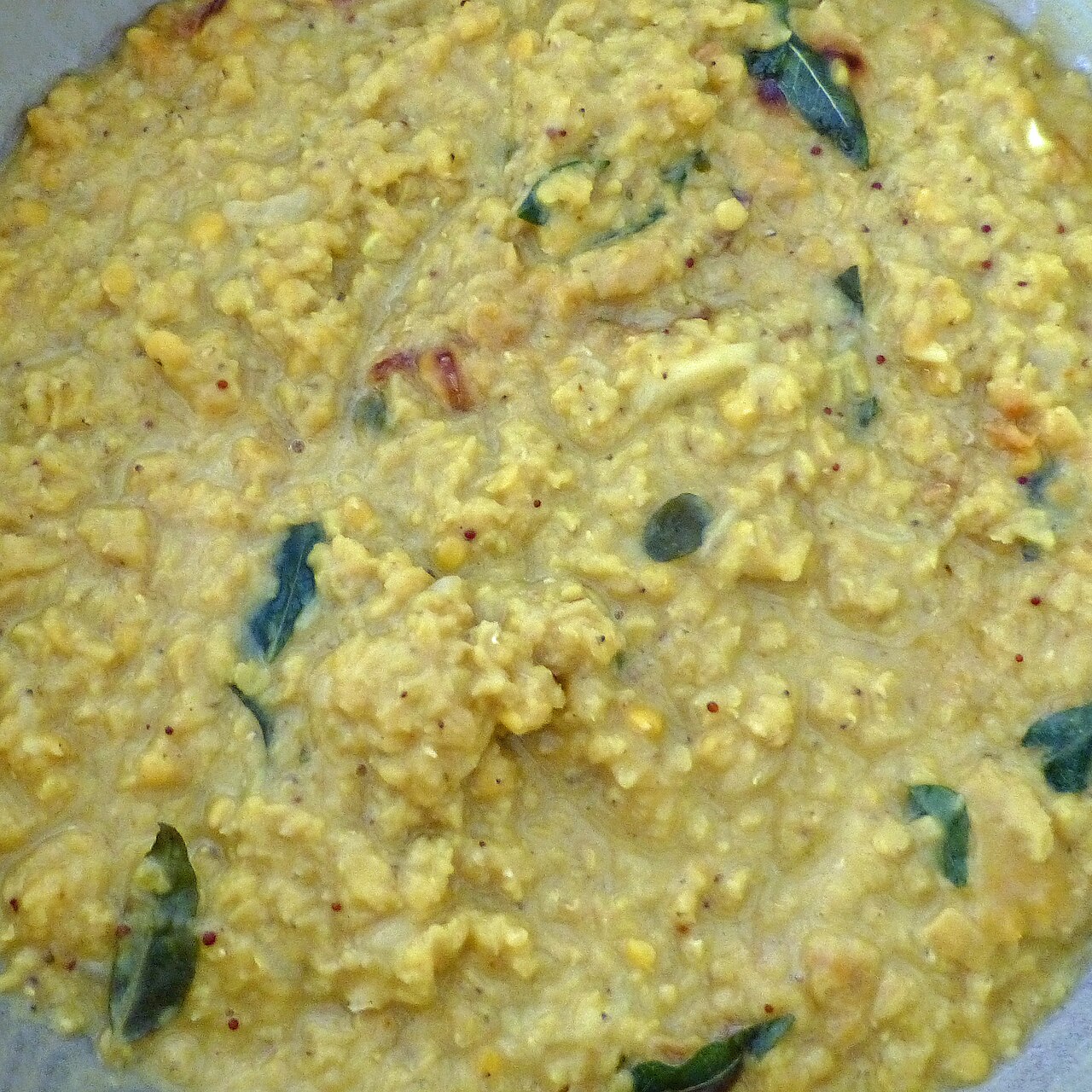
A mild, golden curry of red lentils cooked with turmeric, onion, green chilli and coconut milk, then finished with fried mustard seeds, curry leaves and onion. It is served with rice and curry, hoppers and bread, and is often the first curry children learn to love.
See the recipe
Serves 4
35 min
Ingredients
200 g split red lentils (masoor dal), rinsed
1 small onion, finely chopped
2 cloves garlic, sliced
1 green chilli, slit lengthwise
1/2 teaspoon ground turmeric
200 ml coconut milk
1 teaspoon salt
For the tempering: 1 tablespoon coconut or vegetable oil, 1/2 teaspoon mustard seeds, a small handful of curry leaves, 1 small onion, sliced, 1 dried red chilli, broken
Method
Put the lentils in a pan with the chopped onion, garlic, green chilli, turmeric and about 500 ml of water. Bring to the boil and skim off any foam.
Simmer, half covered, for about 20 minutes, stirring now and then, until the lentils are soft and falling apart. Add a little more water if it gets too thick.
Stir in the coconut milk and the salt and simmer gently for 5 more minutes. Do not let it boil hard.
In a small pan, heat the oil and add the mustard seeds. When they pop, add the curry leaves, sliced onion and dried chilli and fry until the onion is golden.
Pour the hot tempering over the lentils, stir and serve with rice or bread.
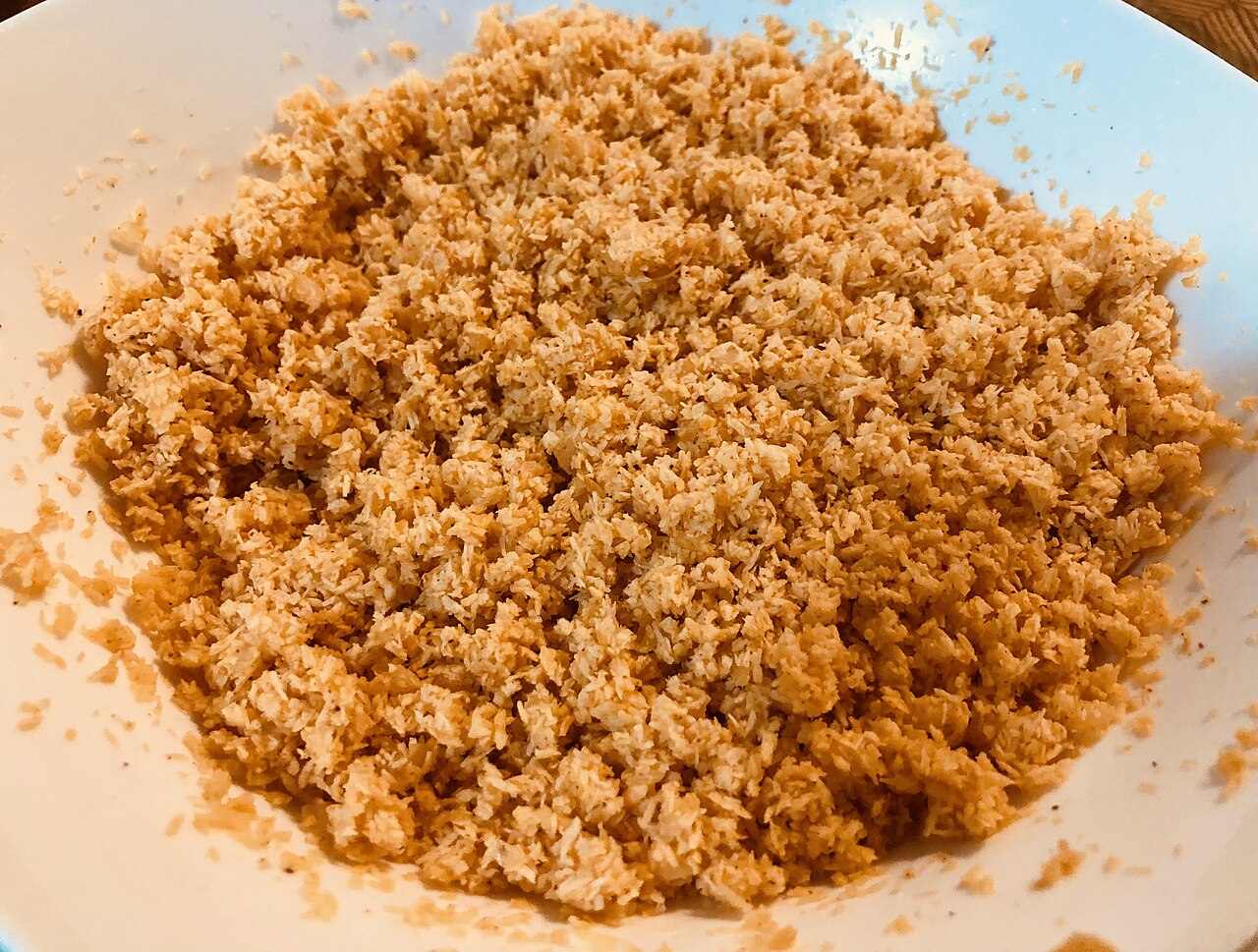
A fresh coconut relish of grated coconut, red onion, chilli, lime juice and salt, often with a pinch of Maldives fish, a smoked and dried tuna. It is bright red, spicy and sour, and appears beside rice, hoppers, string hoppers and bread at almost every meal.
Traditionally it is ground on a flat granite slab with a stone roller, called a miris gala.
See the recipe
Serves 4
15 min
Ingredients
200 g freshly grated coconut, or 150 g desiccated coconut soaked in 100 ml warm water for 10 minutes
1 small red onion or 4 shallots, very finely chopped
1 to 2 teaspoons chilli flakes or chilli powder, to taste
Juice of 1 lime
1/2 teaspoon salt
Optional: 1 tablespoon Maldives fish flakes or a pinch of crushed dried shrimp
Method
Put the onion, chilli and salt in a mortar, or in a bowl, and crush them together with the pestle or the back of a spoon until juicy.
Add the coconut and the Maldives fish, if using, and rub everything together with your fingers until the coconut turns an even pink-red.
Squeeze in the lime juice, mix and taste. Add more salt, chilli or lime until it is sharp, salty and hot.
Serve the same day with rice and curry, hoppers or bread.
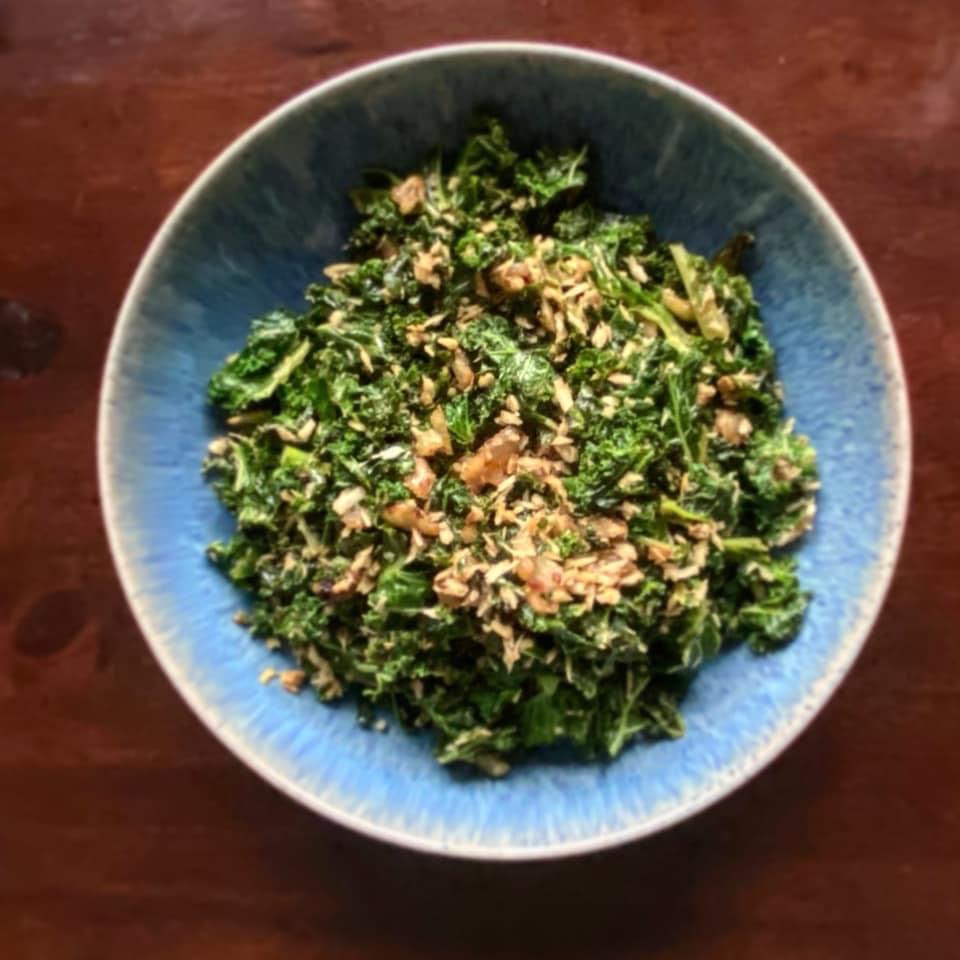
Finely shredded green leaves, such as gotu kola, cassava leaves or water spinach, tossed briefly in a hot pan with grated coconut, shallots, green chilli, turmeric and a little Maldives fish. It is eaten at almost every rice and curry meal and is how many families get their daily greens.
The word mallung simply means 'wilted', which is how lightly the leaves are cooked.
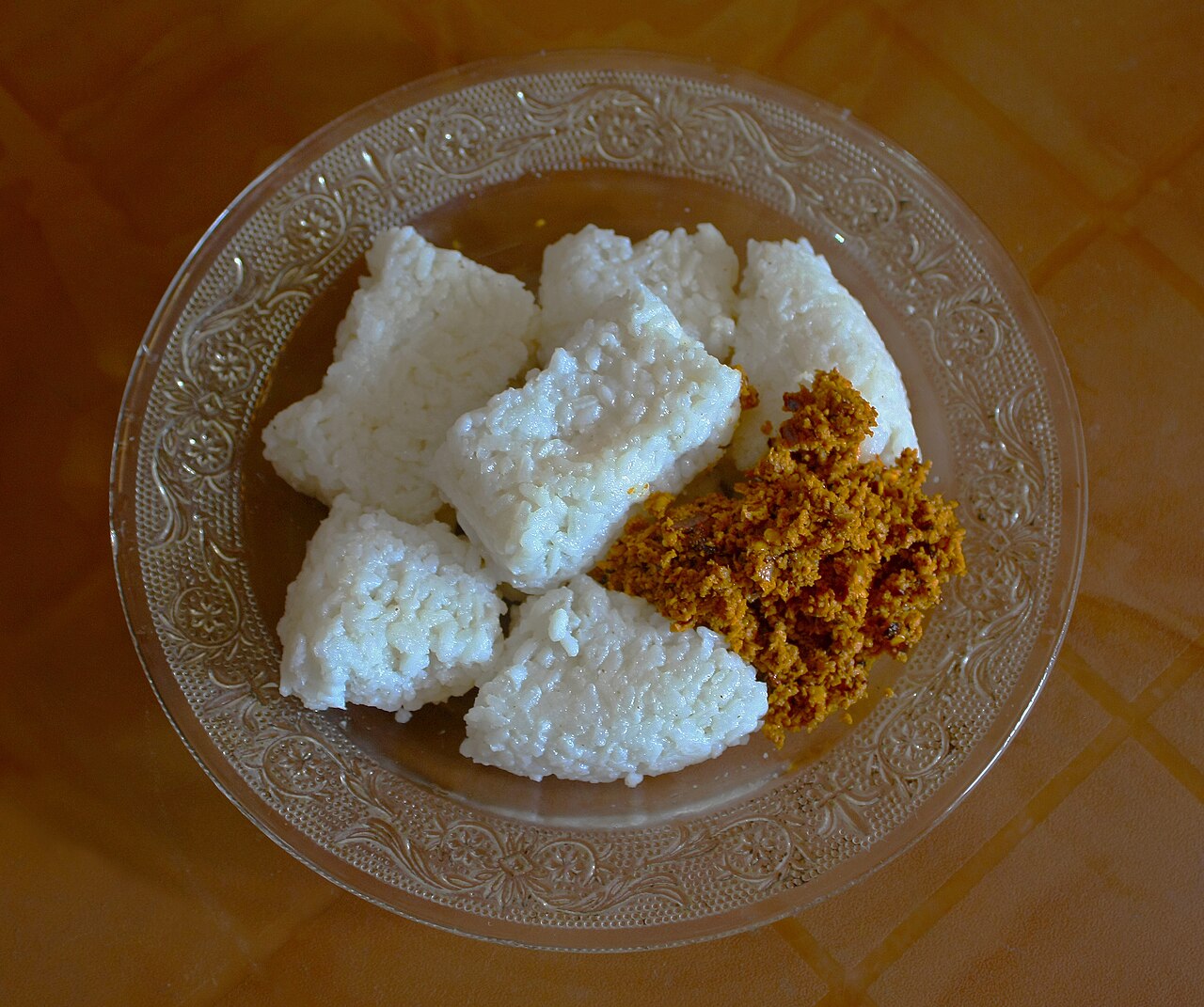
Rice cooked in coconut milk until it sets, then flattened on a plate and cut into diamond shapes. It is eaten on the first day of each month and for every happy beginning: weddings, a new job, a new house and, above all, as the first meal of the Sinhala and Tamil New Year in April. It is served with lunu miris, a fiery onion and chilli paste, or with jaggery.
Kiri means milk and bath means rice in Sinhala.
See the recipe
Serves 4
40 min
Ingredients
300 g short-grain white rice (Sri Lankan samba or pudding rice)
600 ml water
400 ml thick coconut milk
1 teaspoon salt
To serve: lunu miris (chilli, onion and lime paste), or grated jaggery or brown sugar
Method
Rinse the rice, put it in a heavy pan with the water, bring to the boil and simmer, covered, for about 15 minutes, until the rice is soft and the water is absorbed.
Stir in the coconut milk and salt. Cook on a low heat, stirring all the time, for about 10 minutes, until the rice is thick, creamy and pulls away from the sides of the pan.
Tip the rice onto a flat plate and press it into an even layer about 3 cm thick with a banana leaf or the back of a spoon.
Leave it to cool for 10 minutes, then cut it into diamond shapes and serve warm.
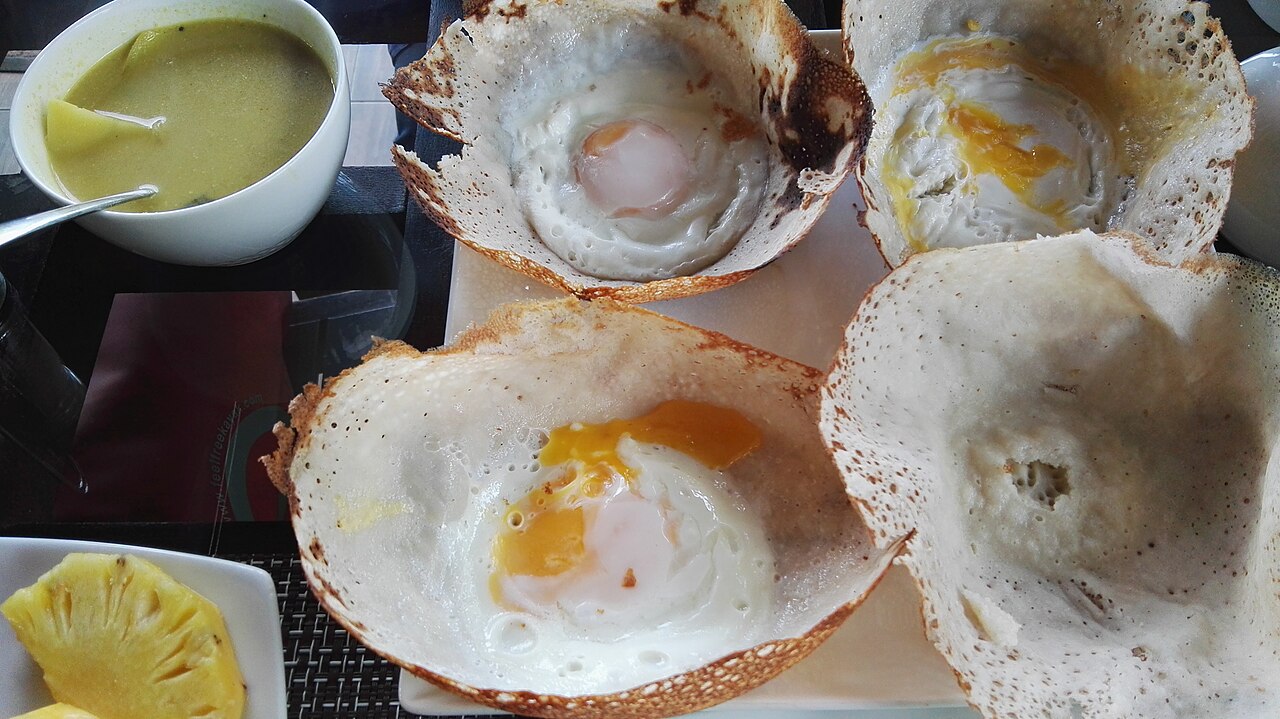
Bowl-shaped pancakes made from a fermented batter of rice flour and coconut milk, cooked in a small round pan so that the edges are thin and crisp and the centre soft. For an egg hopper, an egg is cracked into the middle and cooks in the steam. Hoppers are eaten for breakfast or dinner with pol sambol, lunu miris and curry.
The batter was traditionally leavened with palm toddy, fermented palm sap.
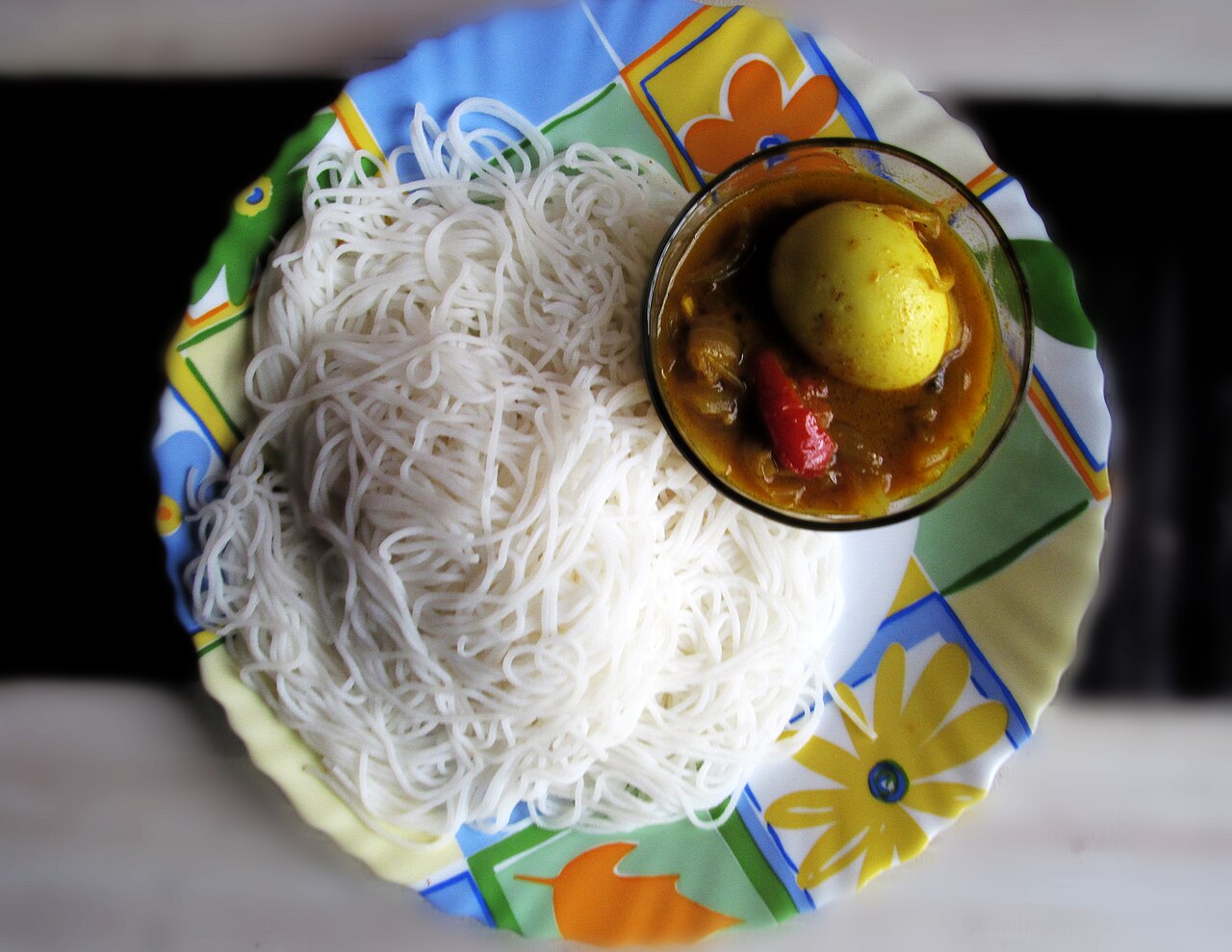
Small nests of thin rice-flour noodles, pressed through a mould onto little woven mats and steamed. They are eaten in stacks for breakfast or dinner with a thin coconut-milk curry called kiri hodi, a dhal curry and pol sambol.
Jaffna and the Tamil north and east, now the whole country
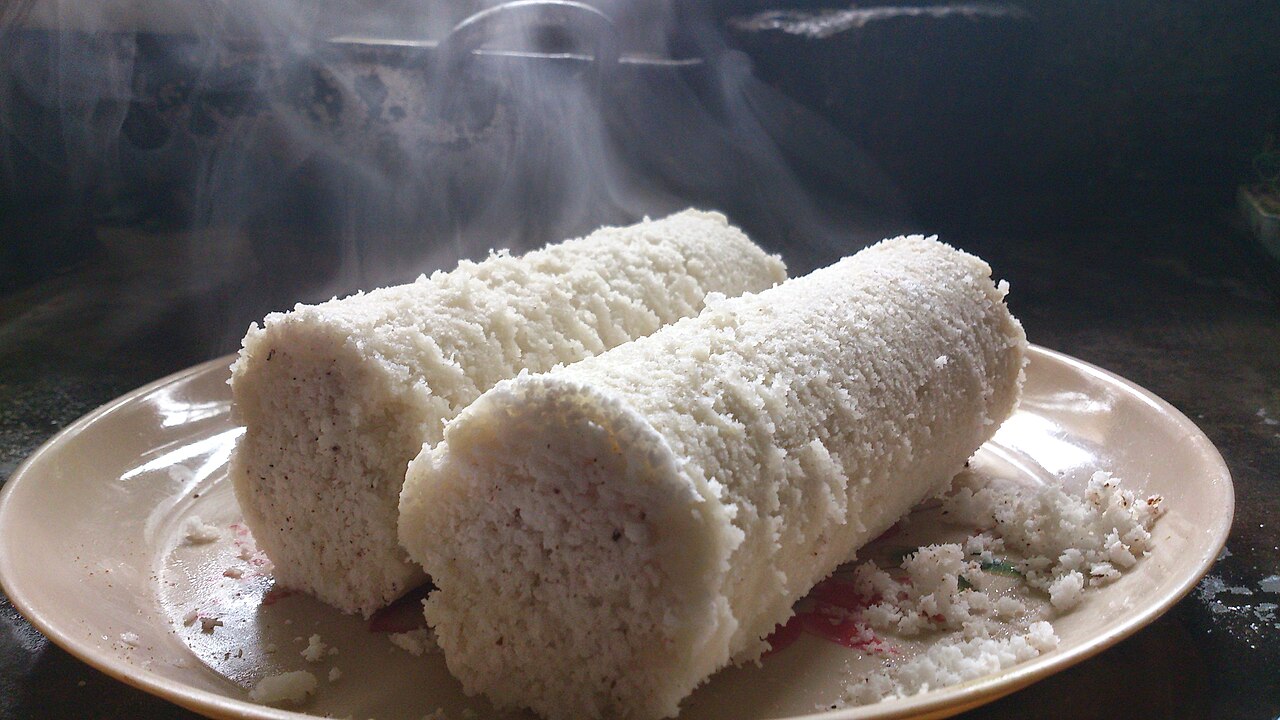
Cylinders of rice or wheat flour layered with grated coconut and steamed in a bamboo or metal tube. Pittu is a favourite breakfast of Sri Lankan Tamils and is eaten with coconut milk, sambol and a spicy fish or chicken curry, crumbled and mixed together with the fingers.
The east coast (Batticaloa and Trincomalee), now the whole country
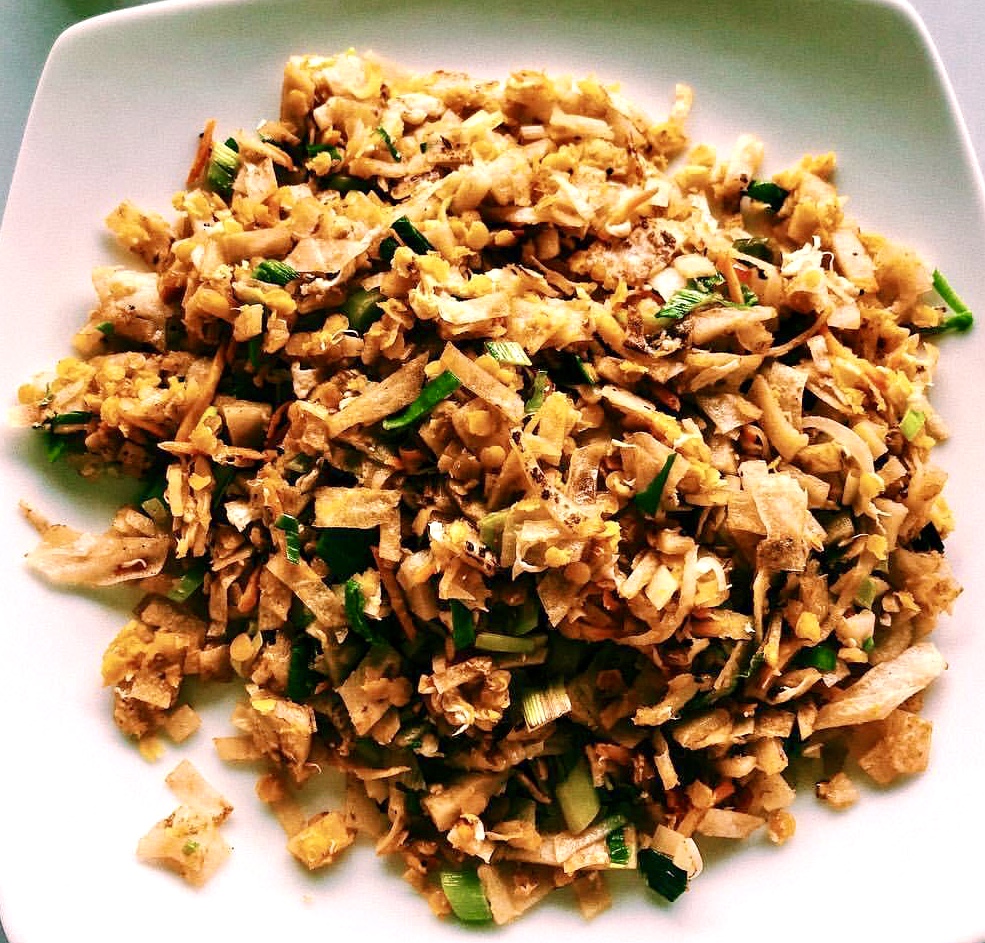
Flat godamba roti chopped into strips on a hot griddle with vegetables, egg, chilli and chicken, beef or seafood, and mixed with curry sauce. The cooks chop with two metal blades, and the rhythmic clatter tells you from far away that a kottu shop is open for the evening.
Kottu comes from the Tamil word koththu, meaning 'chopped'. It is believed to have started as cheap street food in the 1960s or 1970s.
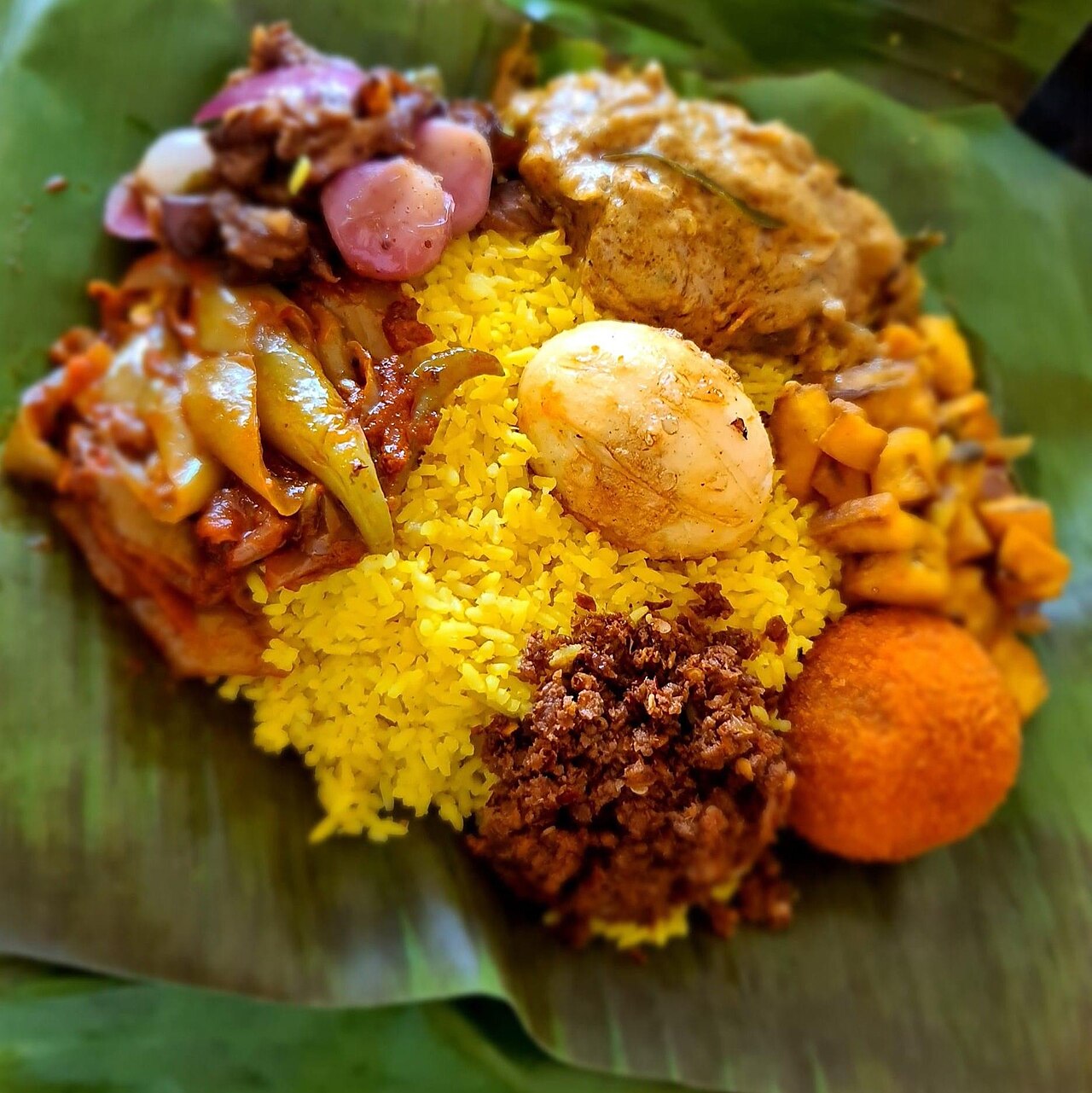
A packet of rice cooked in rich meat stock, with a curry of several meats, ash plantain and aubergine curry, seeni sambol (sweet onion relish), prawn paste and Dutch-style frikkadel meatballs, all wrapped in a banana leaf and baked. Opening the parcel releases a wonderful smell.
The name comes from the Dutch lomprijst, roughly 'a lump of rice'.
Sri Lankan Chinese restaurants, now the whole country
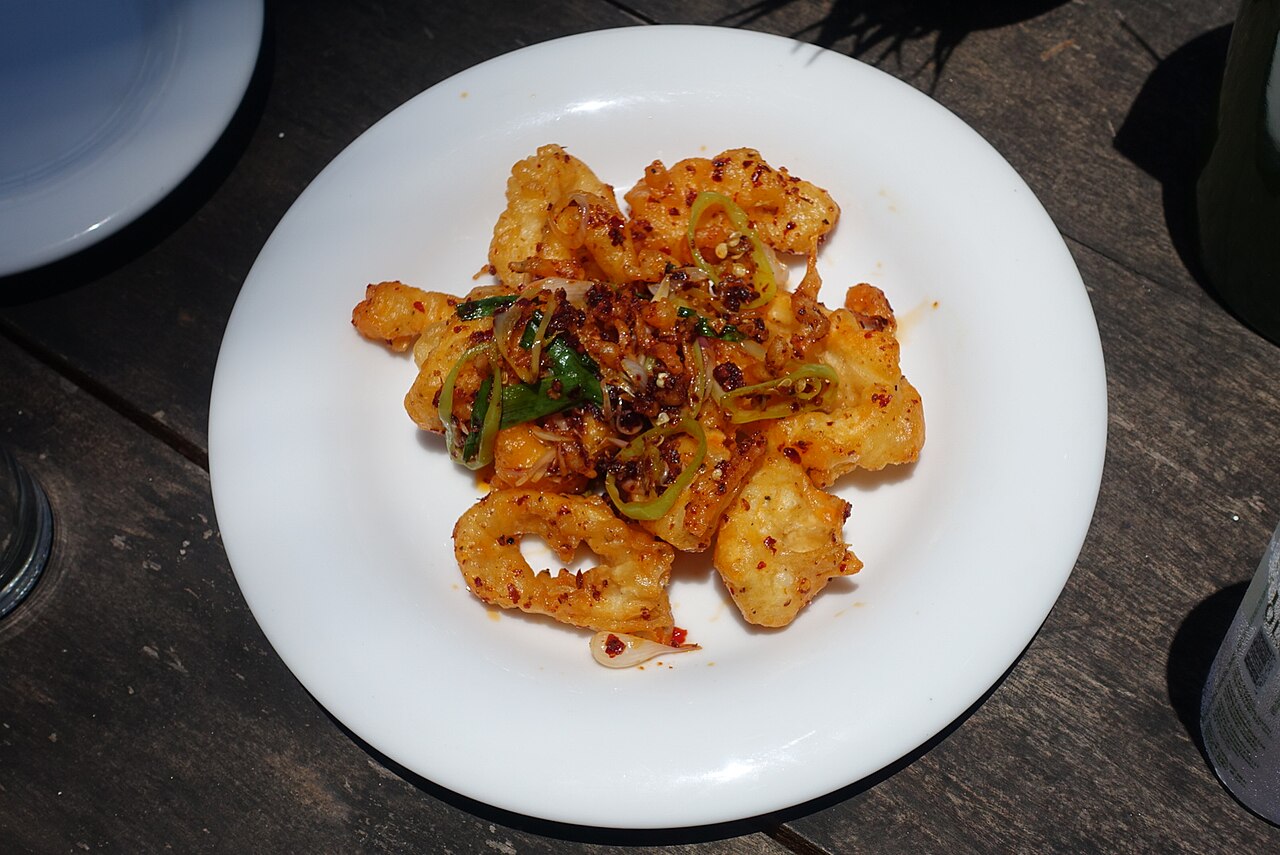
Pieces of cuttlefish scored in a criss-cross pattern, dipped in flour, deep-fried and then tossed with butter, chilli flakes, peppers and spring onions. It is served as a 'bite' with drinks or as part of a meal, especially in beach restaurants.
The Malay and Muslim communities, now the whole country
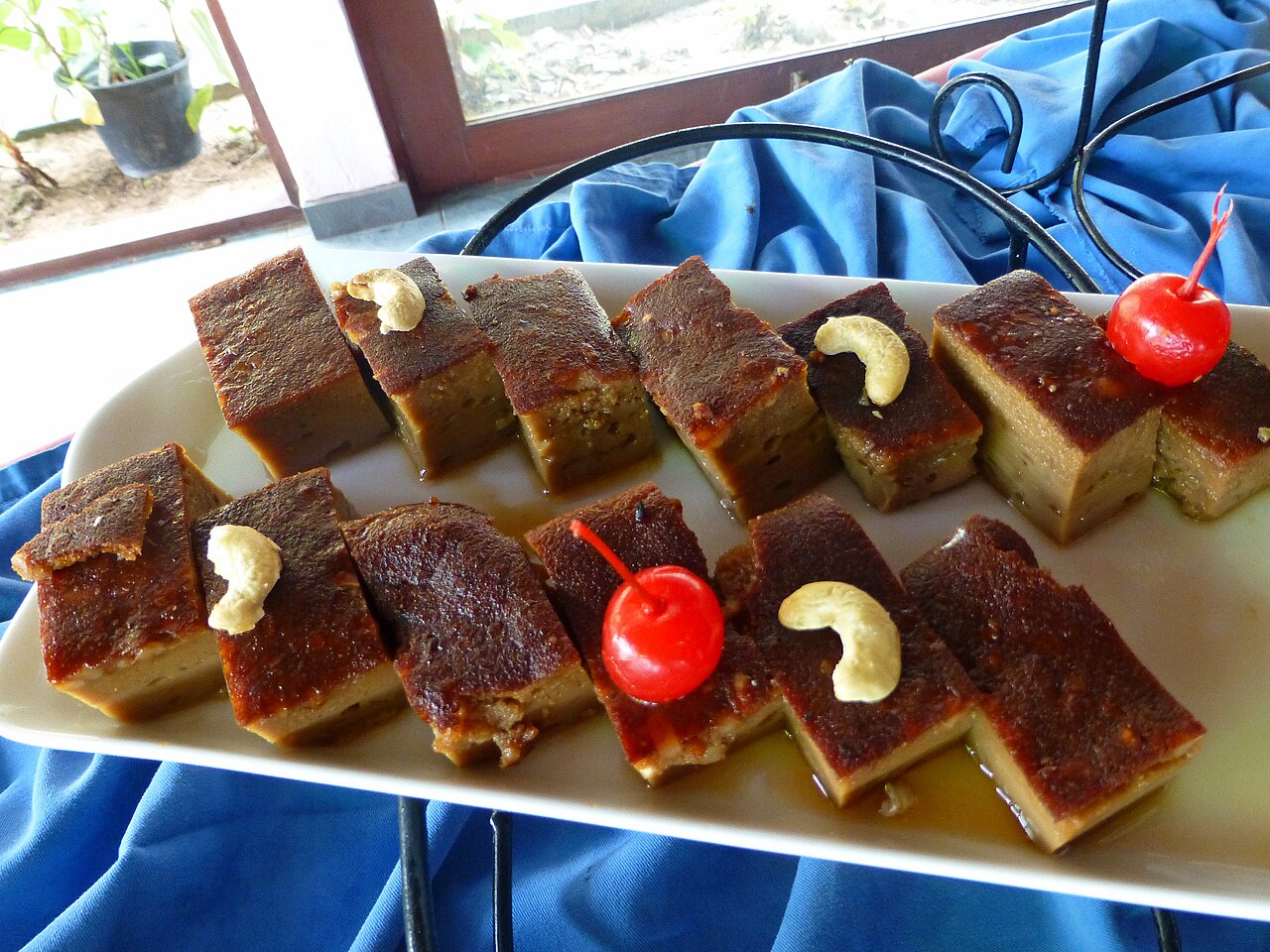
A rich, dark custard pudding of coconut milk, eggs and kithul jaggery, spiced with cardamom, cloves and nutmeg and topped with cashew nuts. It is the dessert of Eid for Sri Lankan Muslims and is served at weddings and celebrations across the island.
It is believed to have come with Malays who settled on the island during Dutch rule.
See the recipe
Serves 6
1 h 15 min
Ingredients
200 g kithul or palm jaggery, or dark brown sugar, grated
400 ml thick coconut milk
4 large eggs
1/2 teaspoon ground cardamom
A pinch each of ground nutmeg, ground cloves and salt
A handful of cashew nuts
Method
Heat the oven to 160 °C. Put a roasting tin half filled with hot water on the middle shelf.
Warm the jaggery with 3 tablespoons of water in a small pan until it melts, then let it cool a little.
Beat the eggs in a bowl without making too much froth. Stir in the coconut milk, the melted jaggery, the spices and the salt, then strain the mixture through a sieve.
Pour into a heatproof dish or small cups and scatter the cashews on top.
Set the dish in the water bath and bake for 45 to 50 minutes, until the custard is set all the way through and only wobbles slightly in the centre. Cool, then chill before serving.
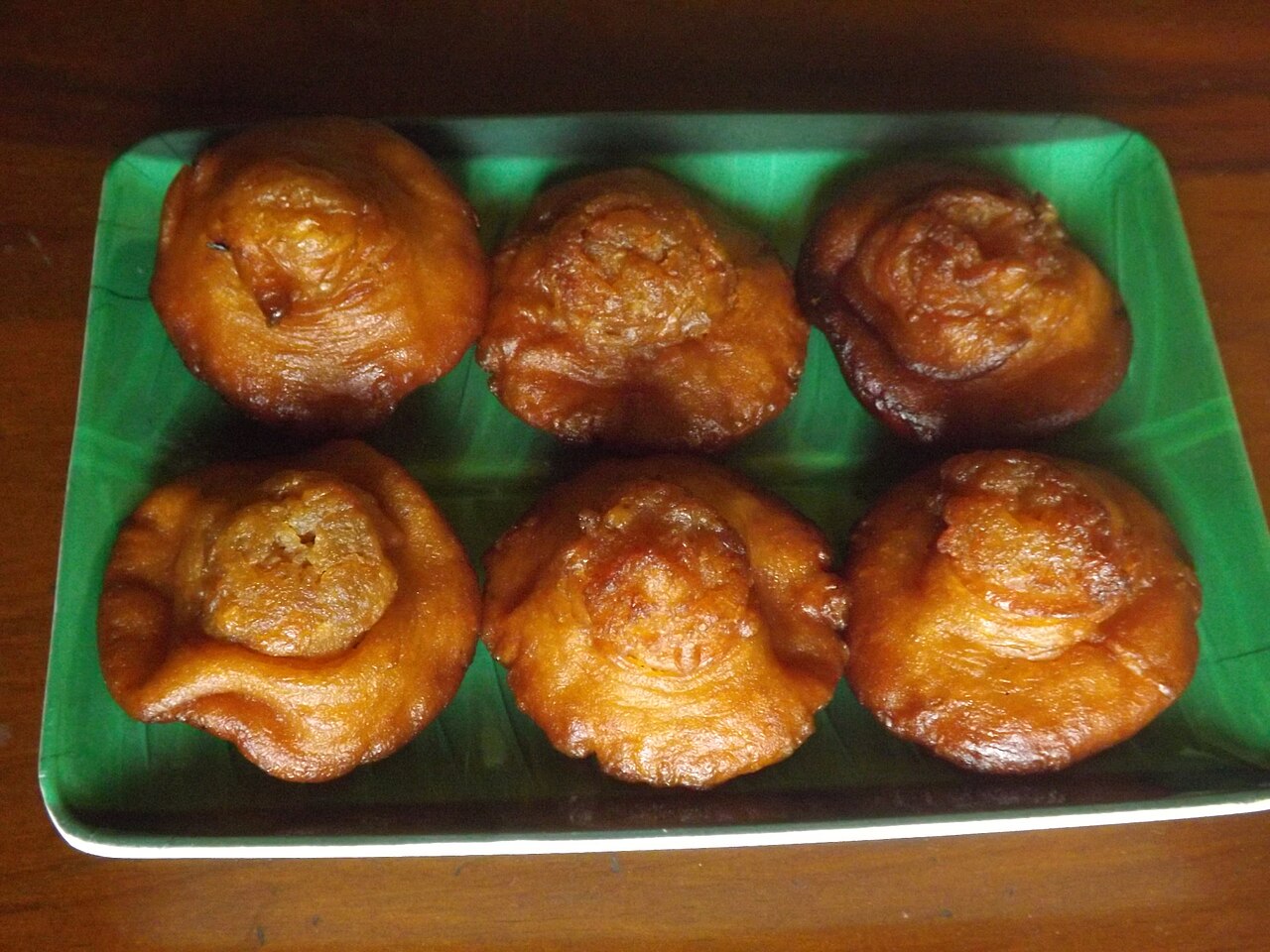
Small deep-fried oil cakes of rice flour and kithul treacle. The best-known kind, konda kavum, has a knot on top like hair tied in a bun. Kavum are made in large batches for the Sinhala and Tamil New Year in mid-April and shared with neighbours.
Konda means hair in Sinhala, after the bun-shaped top.
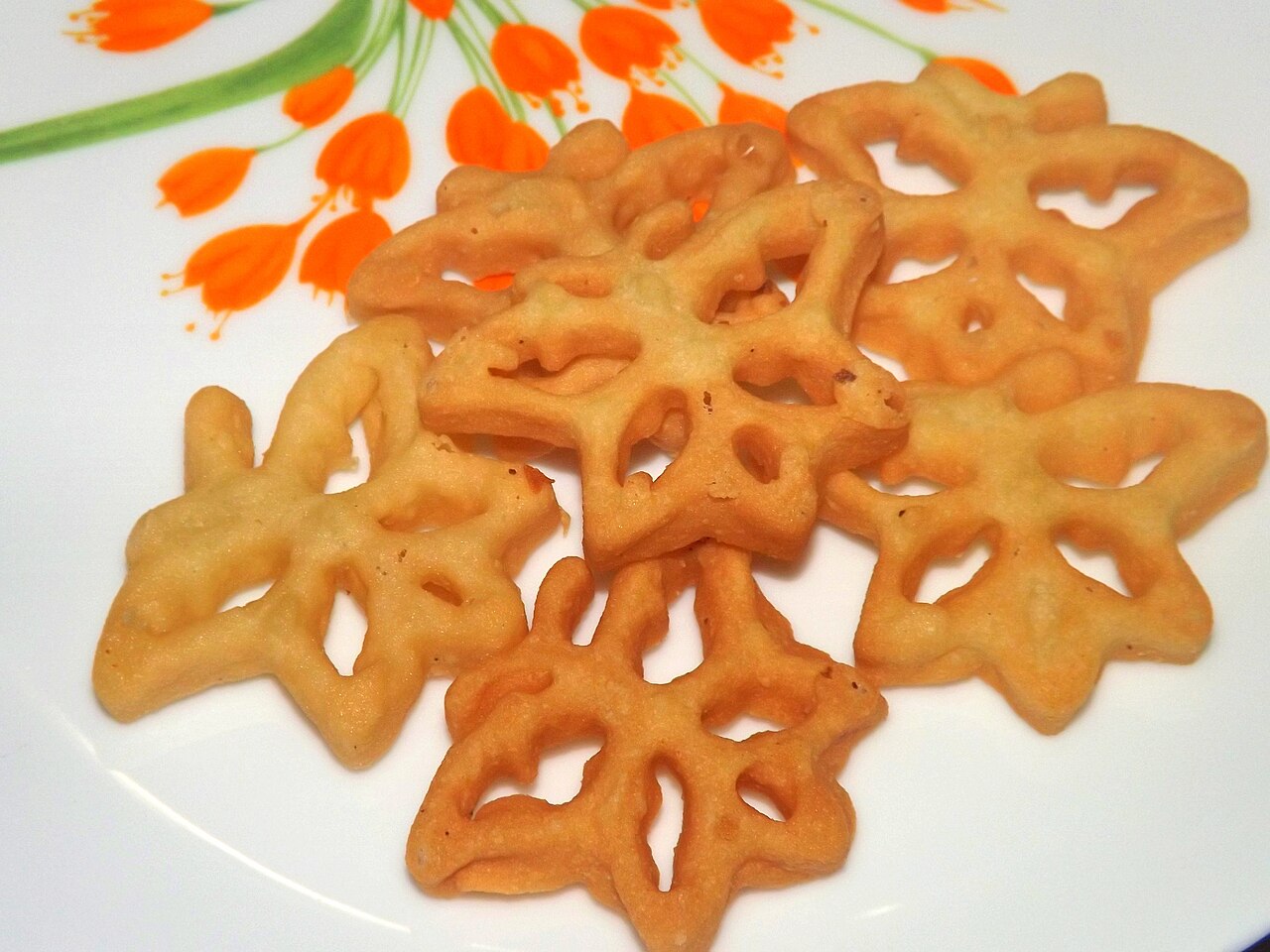
Crisp, lacy, flower-shaped fritters made by dipping a patterned iron mould into a batter of rice flour and coconut milk and then into hot oil. They are slightly salty rather than sweet and are one of the essential New Year treats.
The name may come from the Dutch koekjes, meaning biscuits.
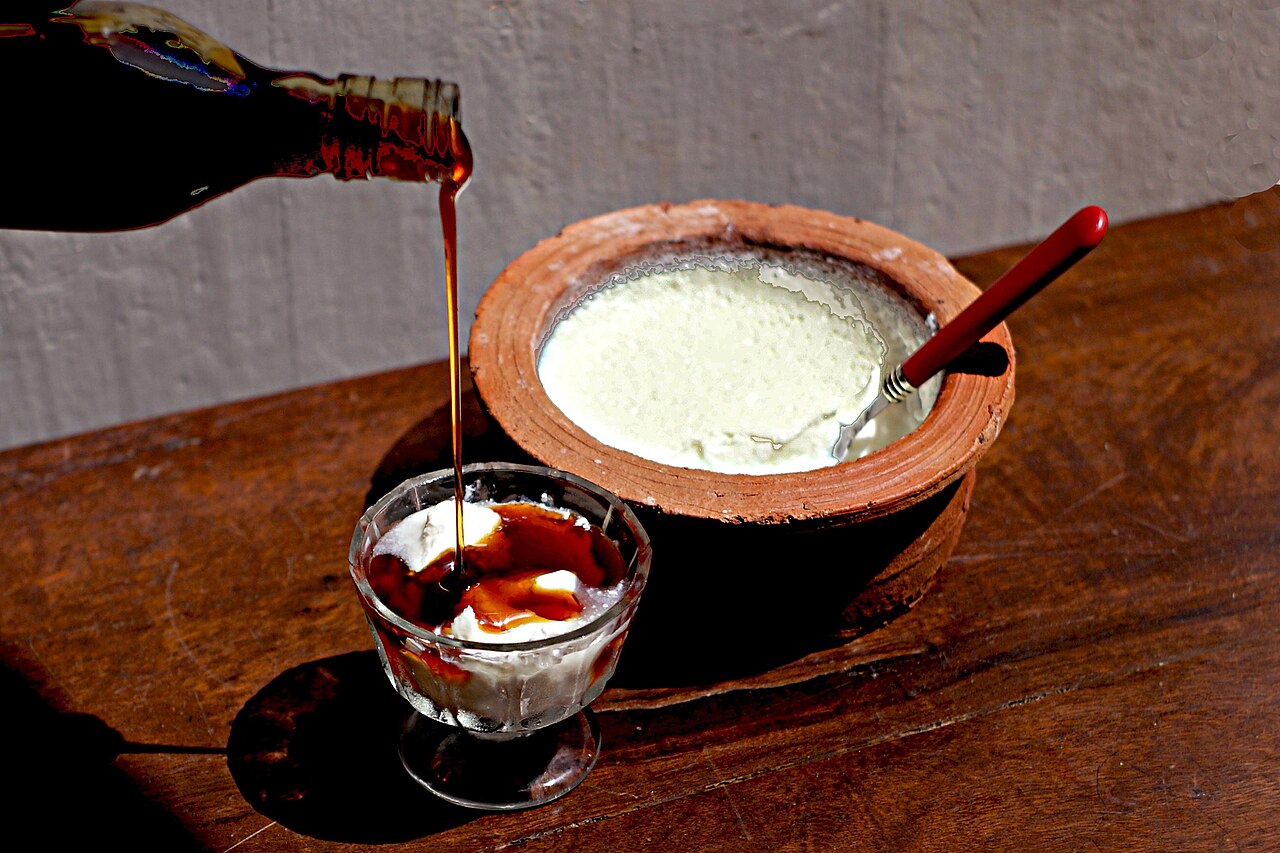
Thick, slightly sour buffalo curd, set in a clay pot, served with a generous pour of kithul treacle, a dark syrup made from the sap of the fishtail palm. It has been eaten as a dessert since ancient times and is a simple treat found all over the island.
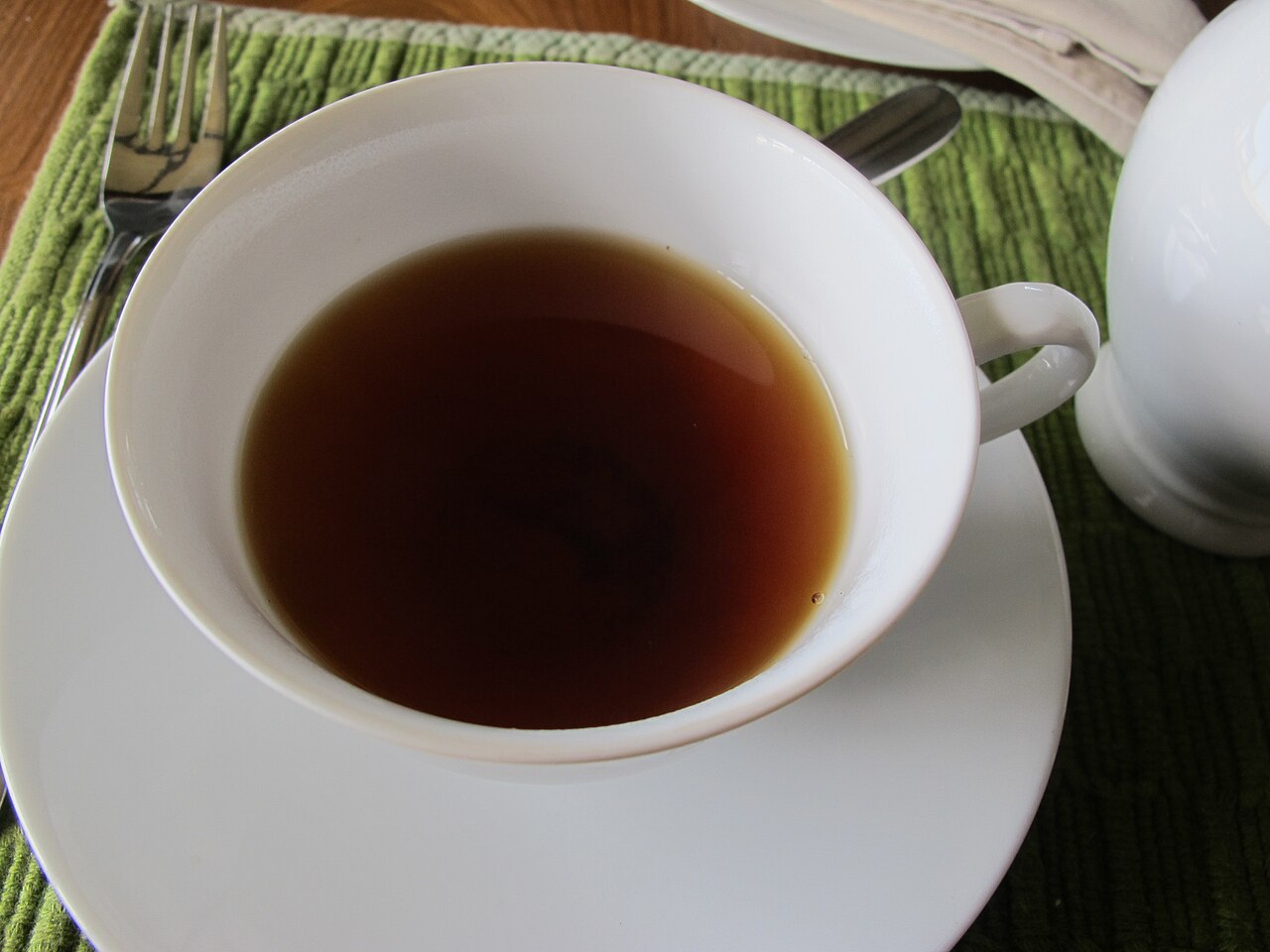
Black tea from the island's hill country, from the high estates around Nuwara Eliya to the lower gardens near Galle and Ratnapura. At home and in cafés it is usually served with milk and plenty of sugar. If you want it without milk, ask for 'plain tea'.
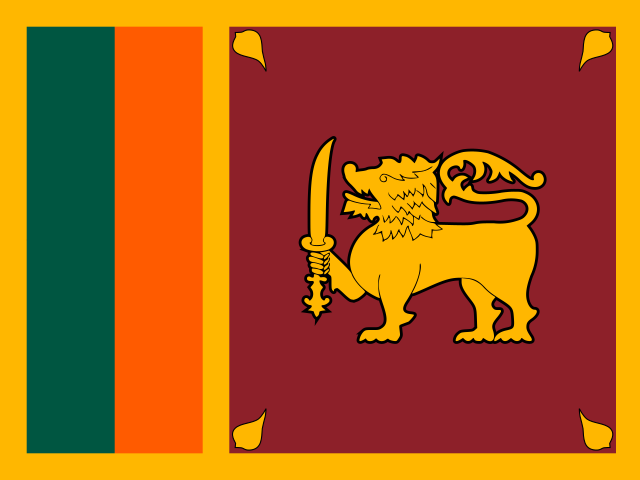
Only tea packed in Sri Lanka from 100 percent Sri Lankan tea may carry the official Lion Logo of Ceylon tea.
Table manners
Most Sri Lankans eat rice and curry with the right hand, mixing a little rice with each curry using the fingertips. Every restaurant will bring a spoon and fork if you ask, but it is worth trying the local way.
Use your right hand to eat and to pass or receive food, money and gifts. The left hand is used for washing and is not used for eating.
Sri Lankan food can be very spicy. To ask for a milder dish, say 'særa aduwata', which means 'less strong'.
On Poya days, the full moon holiday each month, the sale of alcohol and meat is forbidden and many shops close, so plan ahead.
At the Sinhala and Tamil New Year in April, the first meal of kiribath is eaten at an auspicious time chosen by astrologers, and families visit each other with plates of kavum, kokis and other sweets.
Snack shops and bakeries sell 'short eats', such as patties, Chinese rolls and pastries, bought by the dozen for tea time, parties and journeys.
Most Sri Lankans live in the wet southwest, around Colombo and along the coast to Galle. Inland, Kandy sits among the hills, and above it lie the cool tea towns of Nuwara Eliya and Ella. The dry north-central plains hold the ancient royal cities of Anuradhapura and Polonnaruwa and the rock of Sigiriya near Dambulla. In the far north is the Tamil city of Jaffna, and the east coast has the natural harbour of Trincomalee and the lagoons of Batticaloa.
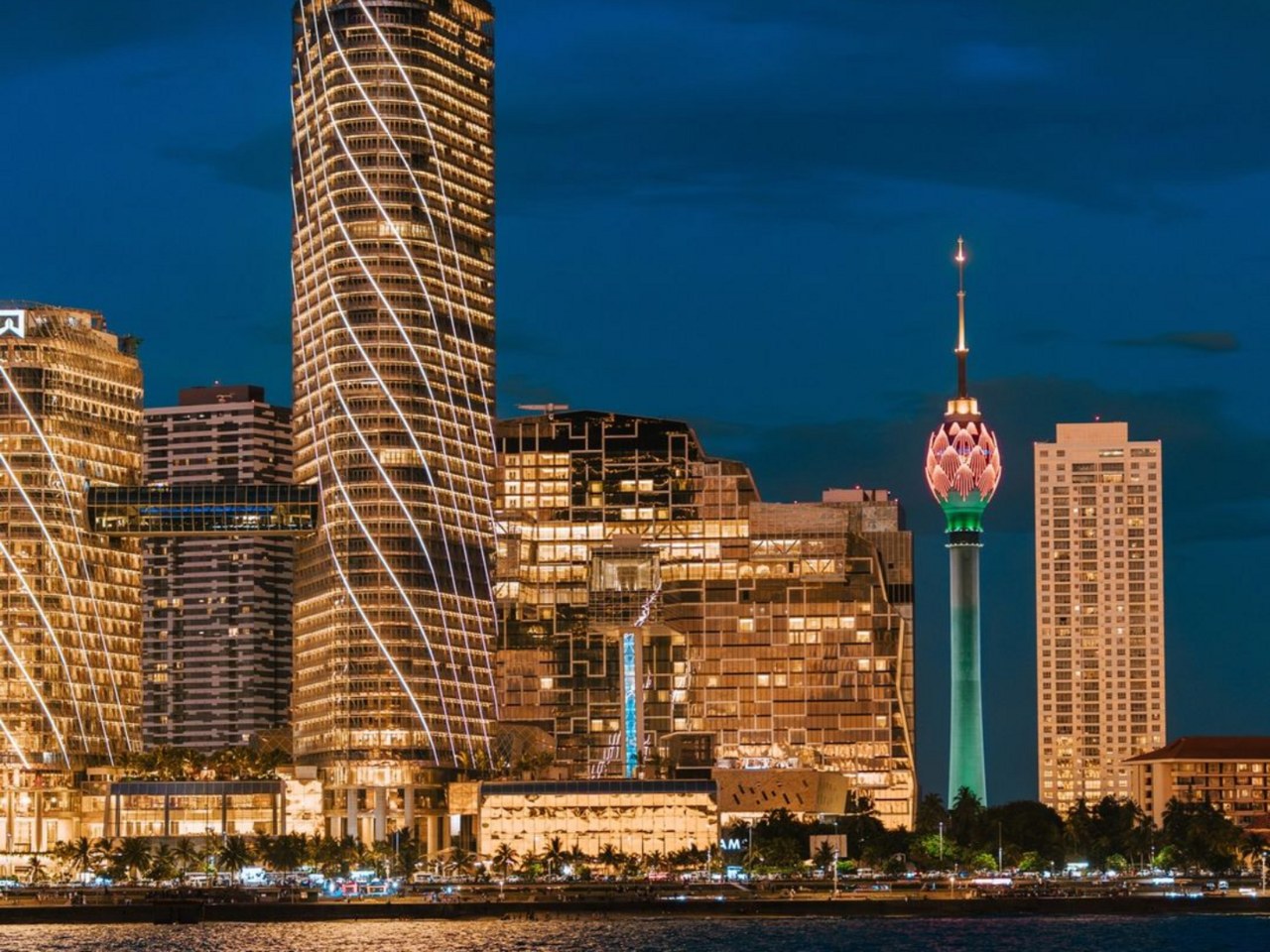
The largest city, main port and executive capital, on the west coast. About 750,000 people live within the city limits and several million in the wider urban area. It is the executive and judicial capital, and Parliament meets in neighbouring Sri Jayawardenepura Kotte. The name was first used by the Portuguese, and the British made it the capital of the whole island in 1815.
Galle Face Green, a seafront park laid out in 1859
The busy markets of the Pettah
Gangaramaya Temple and the colonial buildings of the Fort district
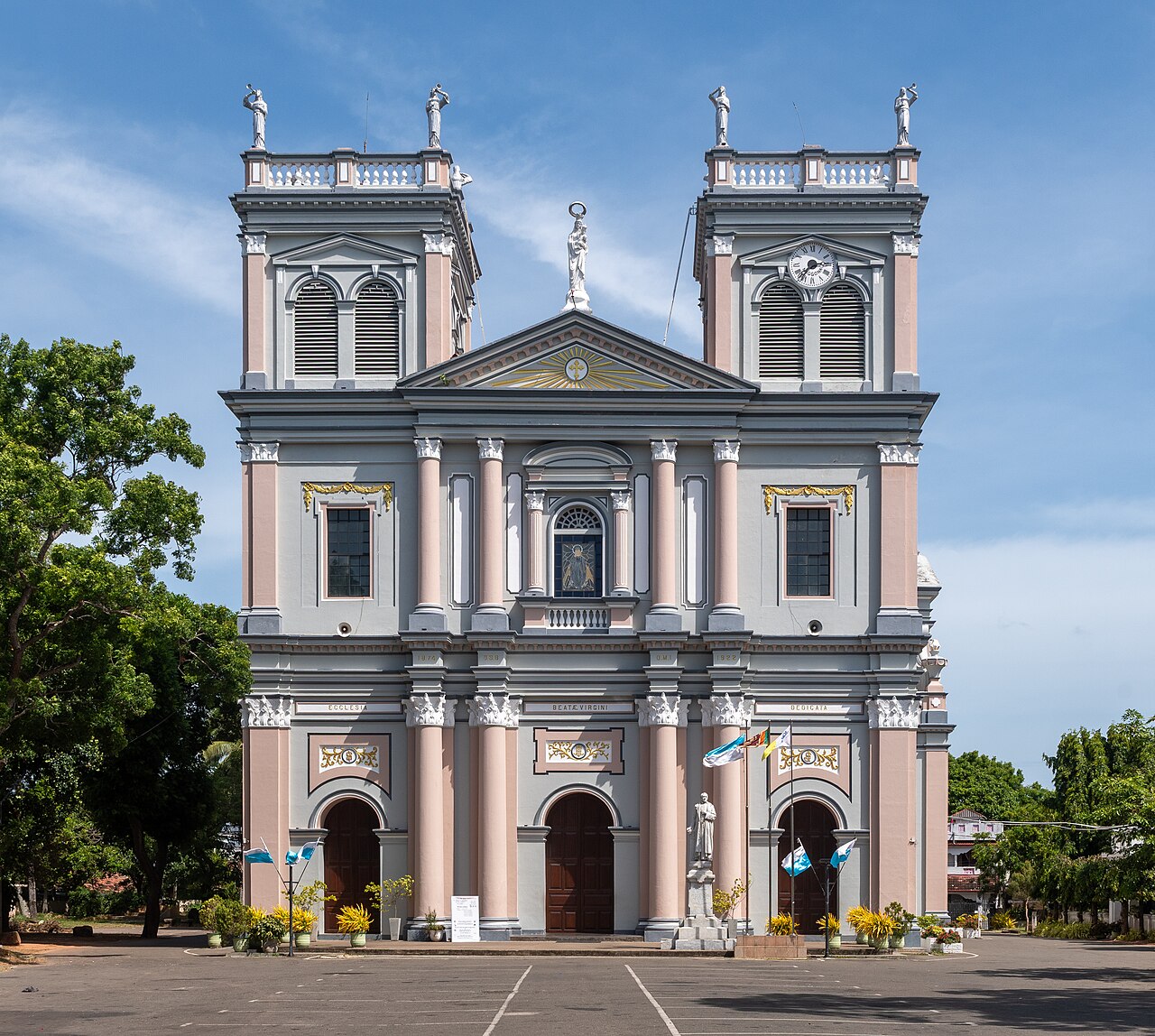
A beach and fishing town on a lagoon about 38 km north of Colombo and about 9 km from Bandaranaike International Airport, so many visitors spend their first or last night here. It has a large Catholic population and is nicknamed 'Little Rome' for its many churches.
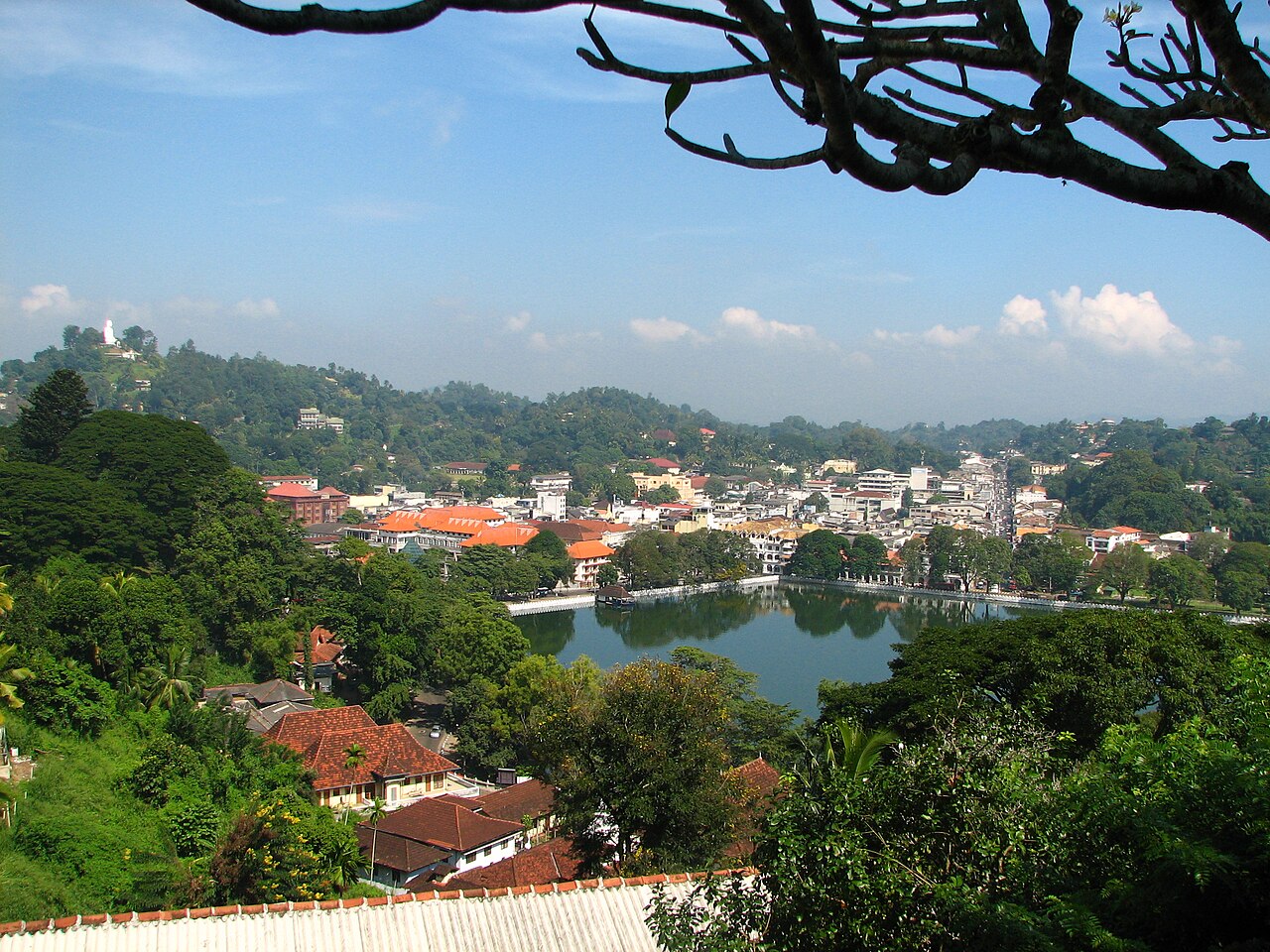
A hill city around a lake, and the seat of the last Sinhalese kingdom until the British took it in 1815. It is considered the cultural capital of the country and is home to the Temple of the Tooth, one of the holiest places in the Buddhist world. The Sacred City of Kandy is a UNESCO World Heritage Site.
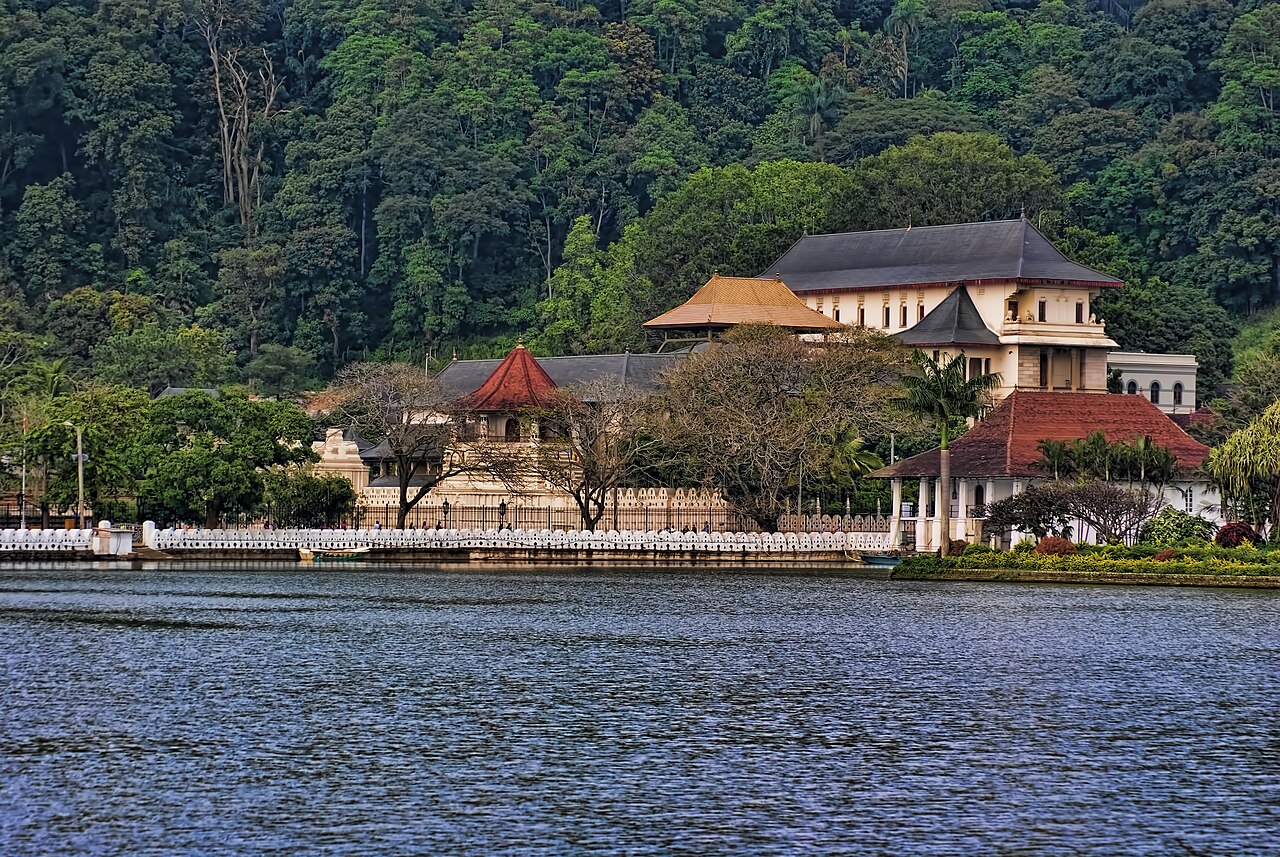
The Temple of the Tooth Relic
The Esala Perahera procession with elephants in July and August
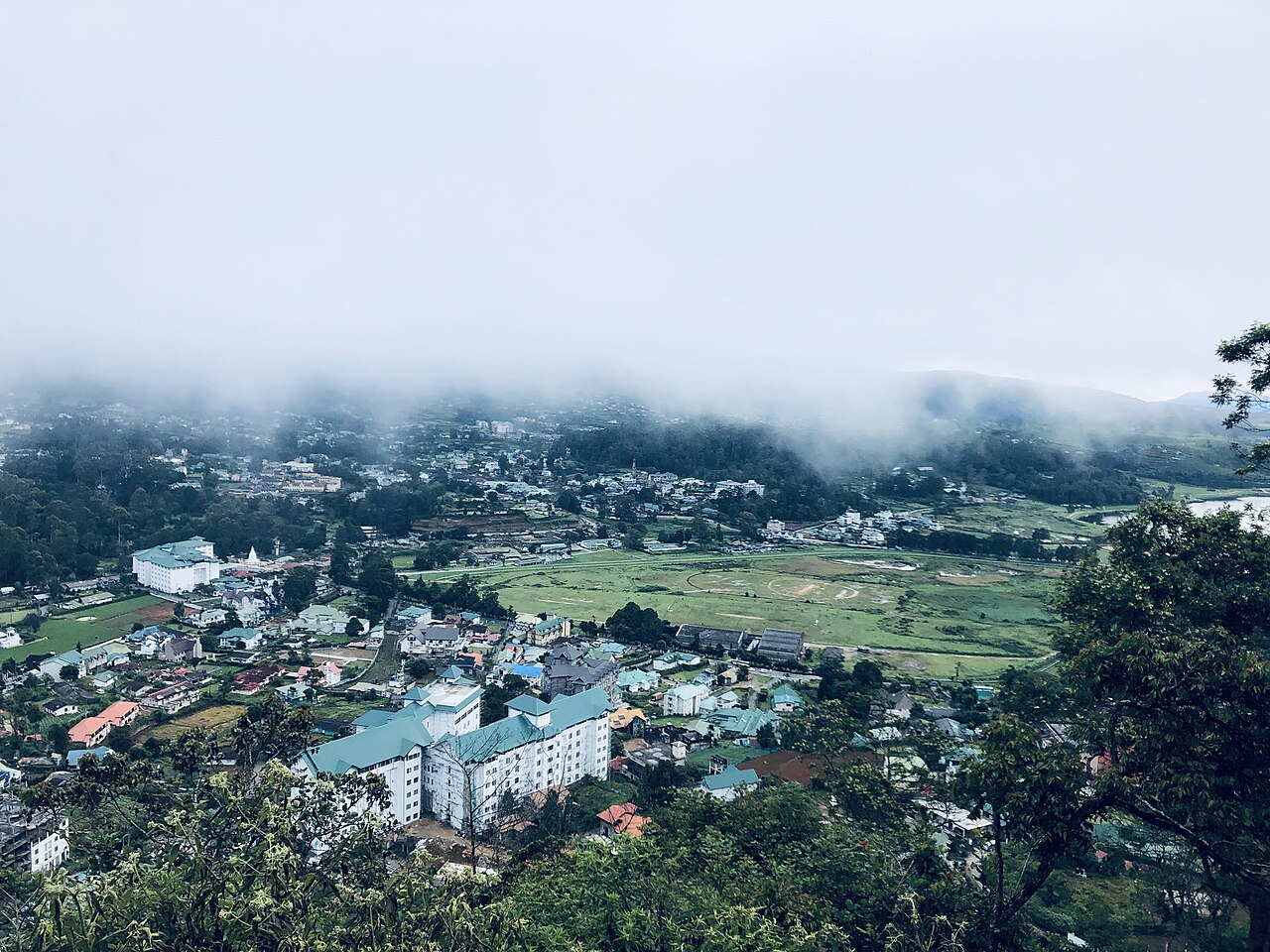
A cool hill town at about 1,868 m, surrounded by tea estates and overlooked by Pidurutalagala, the highest mountain. The British developed it in the 19th century as a retreat from the heat, and it was nicknamed 'Little England'. Colonial buildings such as the Grand Hotel and the Hill Club still stand.
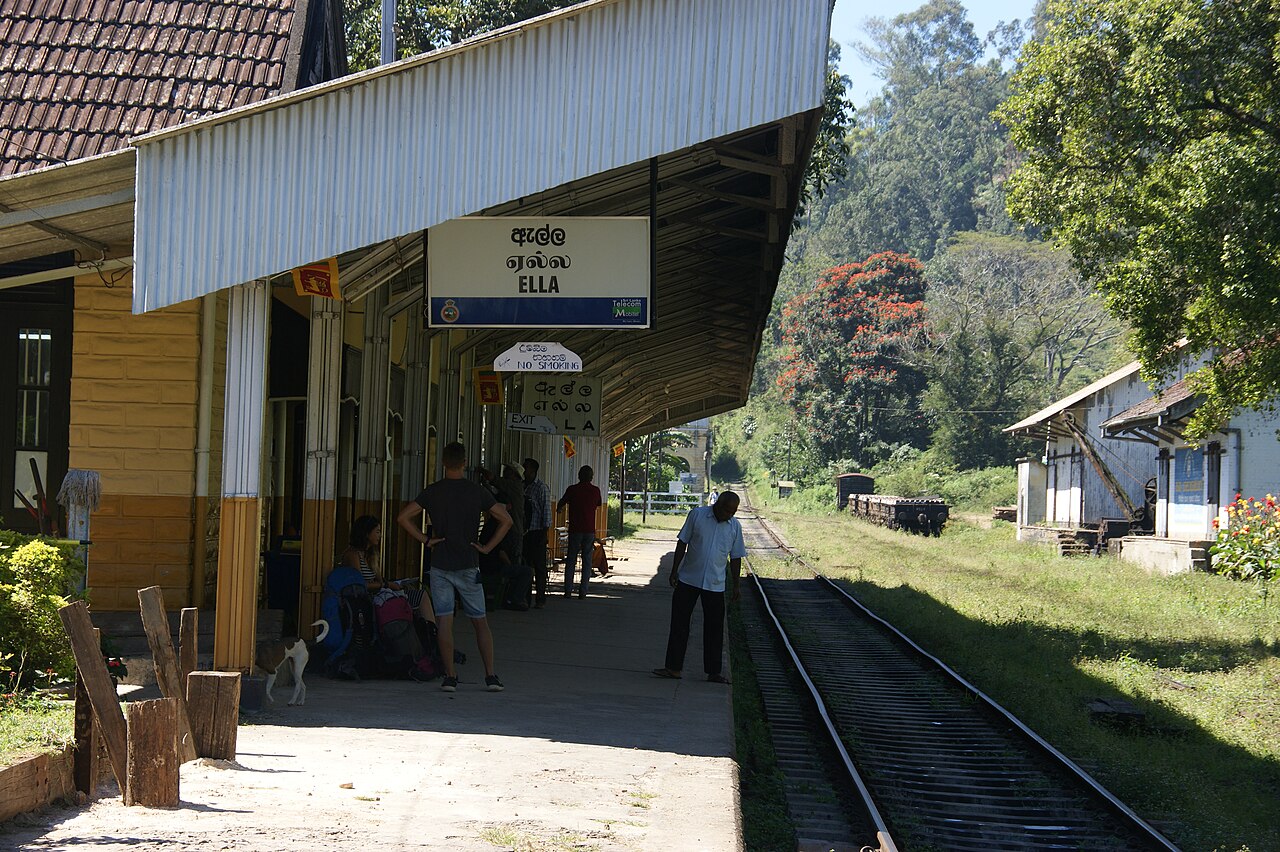
A small hill town at about 1,041 m on the main railway line, surrounded by tea gardens and cloud forest. The Ella Gap gives long views down to the southern plains, and the train ride here from Kandy or Nuwara Eliya climbs through tea gardens, forests and waterfalls.
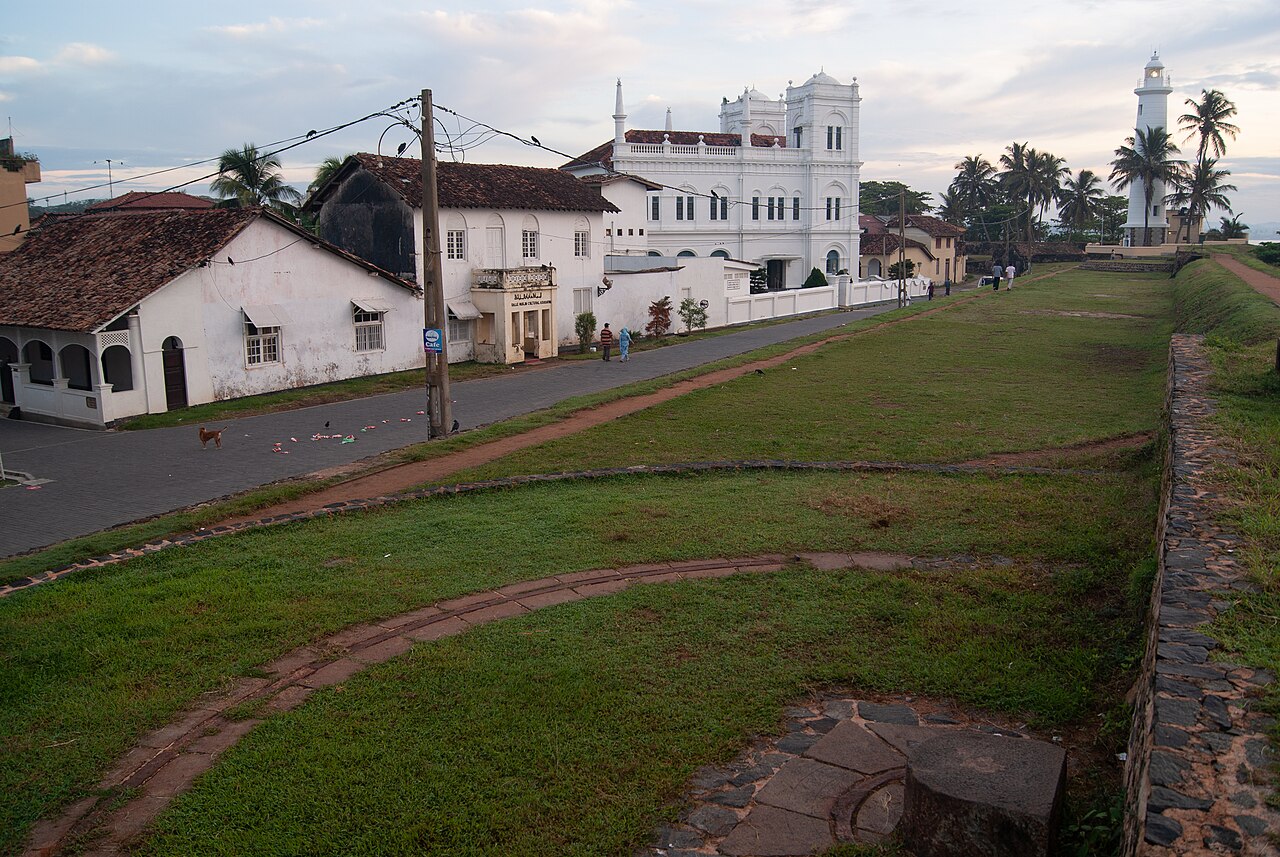
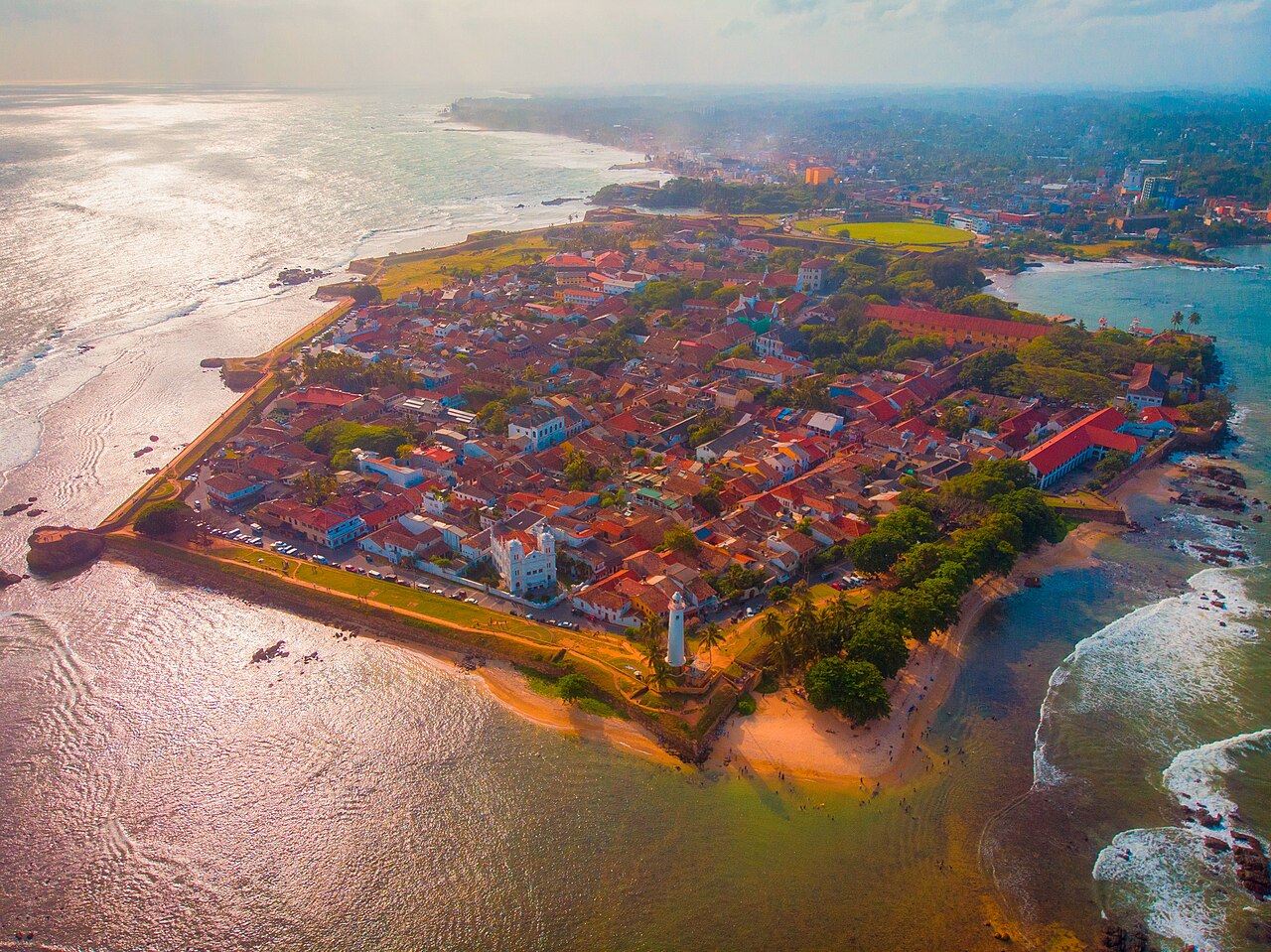
The largest city of the south, about 119 km south of Colombo. Its old town sits inside the ramparts of a fort begun by the Portuguese in 1588 and greatly strengthened by the Dutch from 1649. The fort is a UNESCO World Heritage Site and a lively place to live, with houses, shops, churches, a mosque and a lighthouse.
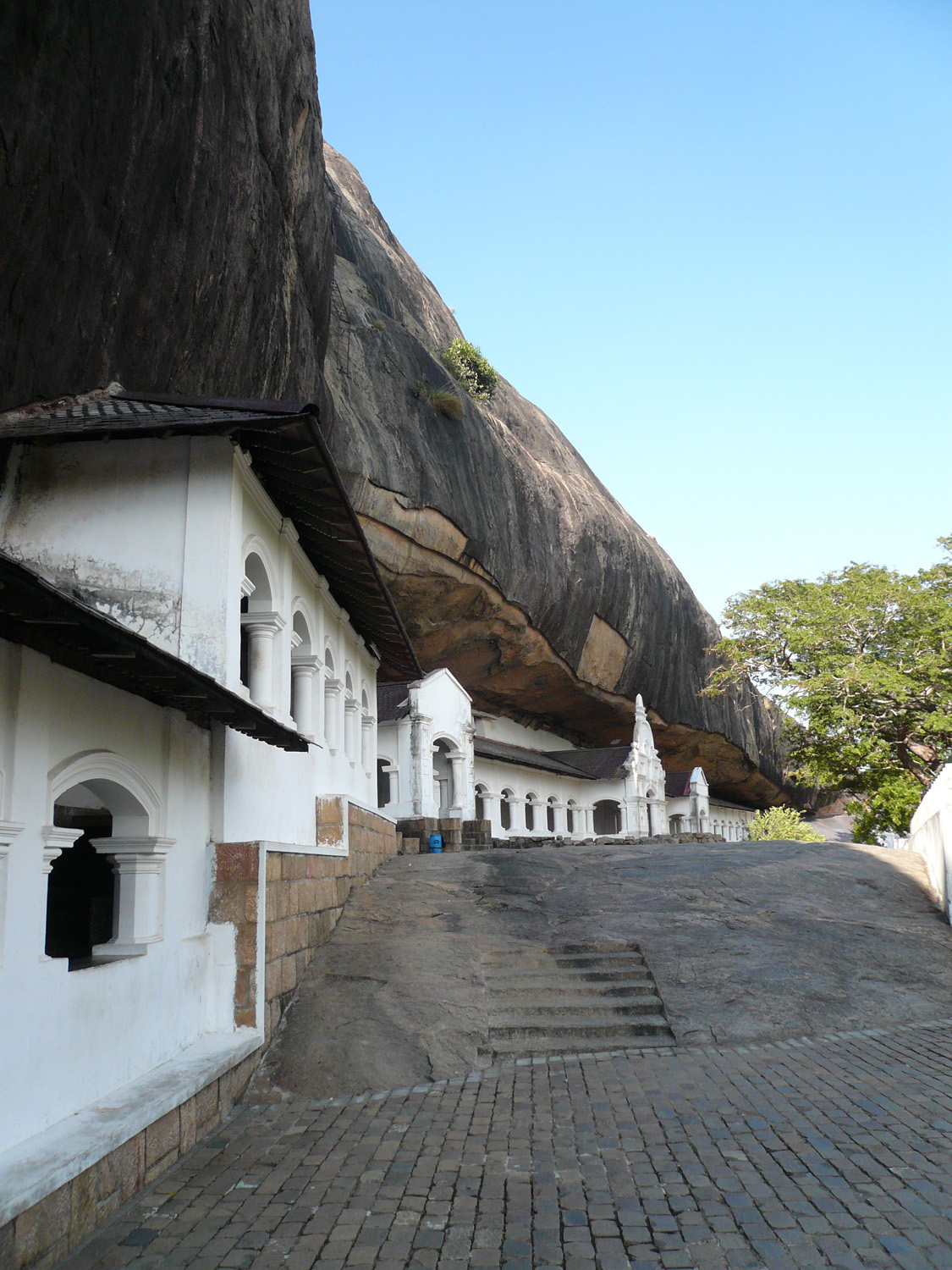
A market town in the dry zone at the centre of the 'Cultural Triangle'. Its cave temple is a World Heritage Site, and it is the usual base for visiting the rock fortress of Sigiriya, which stands about 15 km to the northeast.
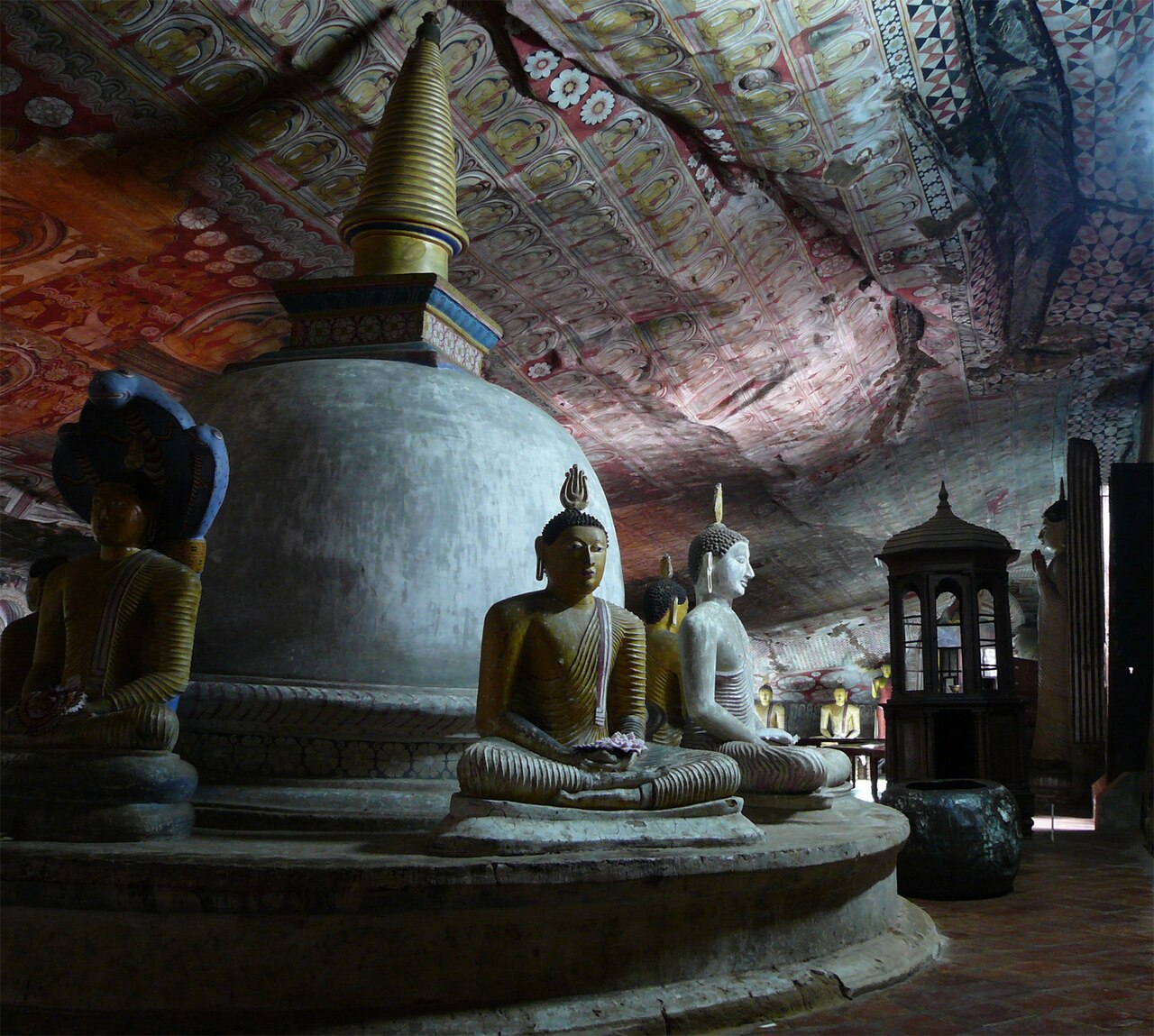
The Dambulla cave temple
Being a base for Sigiriya
Its central place in the Cultural Triangle of ancient cities
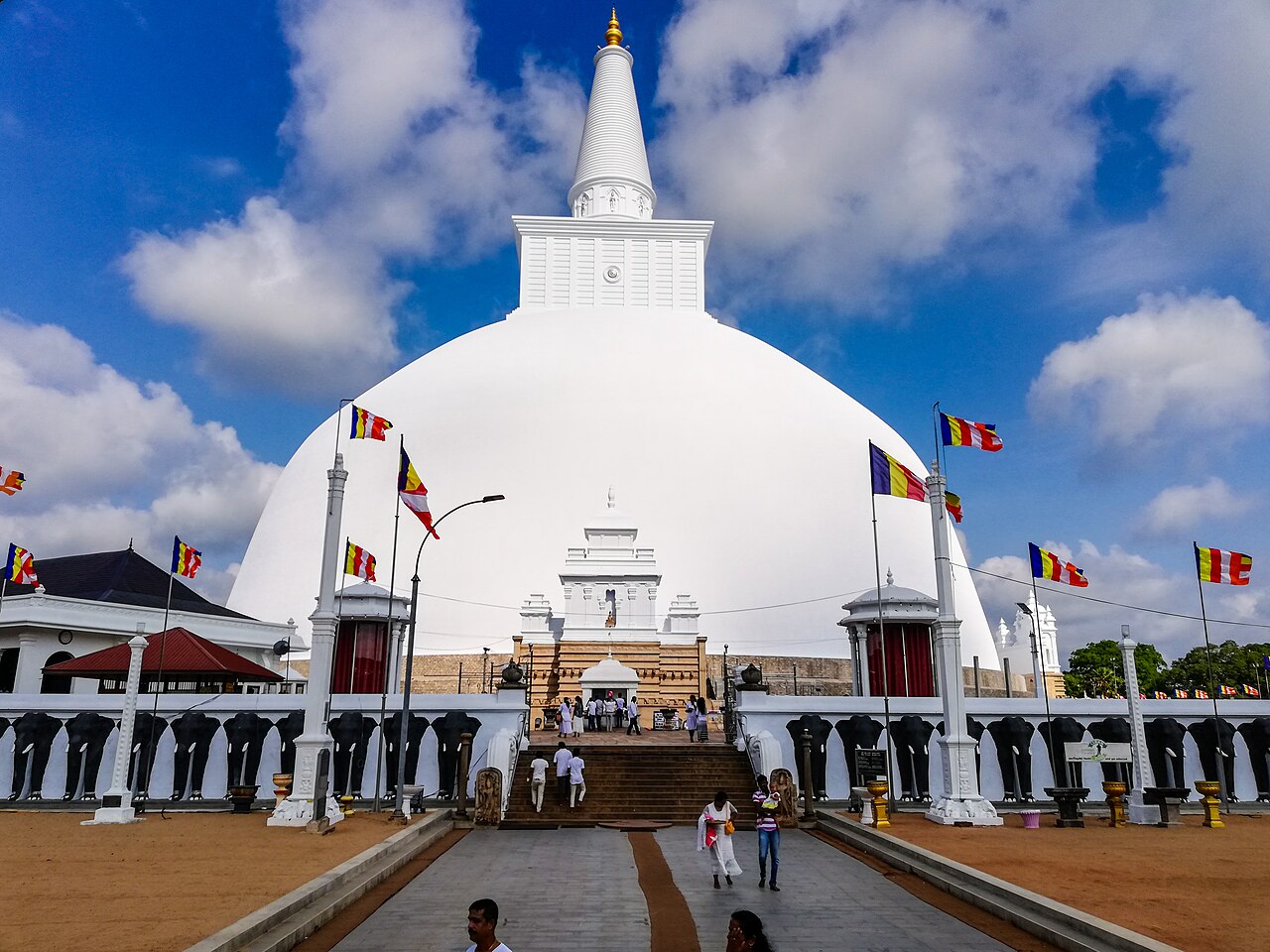
The first great capital of the island, about 205 km north of Colombo, which served as a royal capital for more than a thousand years. Its ruins of giant stupas, monasteries and reservoirs form the Sacred City of Anuradhapura, a UNESCO World Heritage Site and a major place of Buddhist pilgrimage.
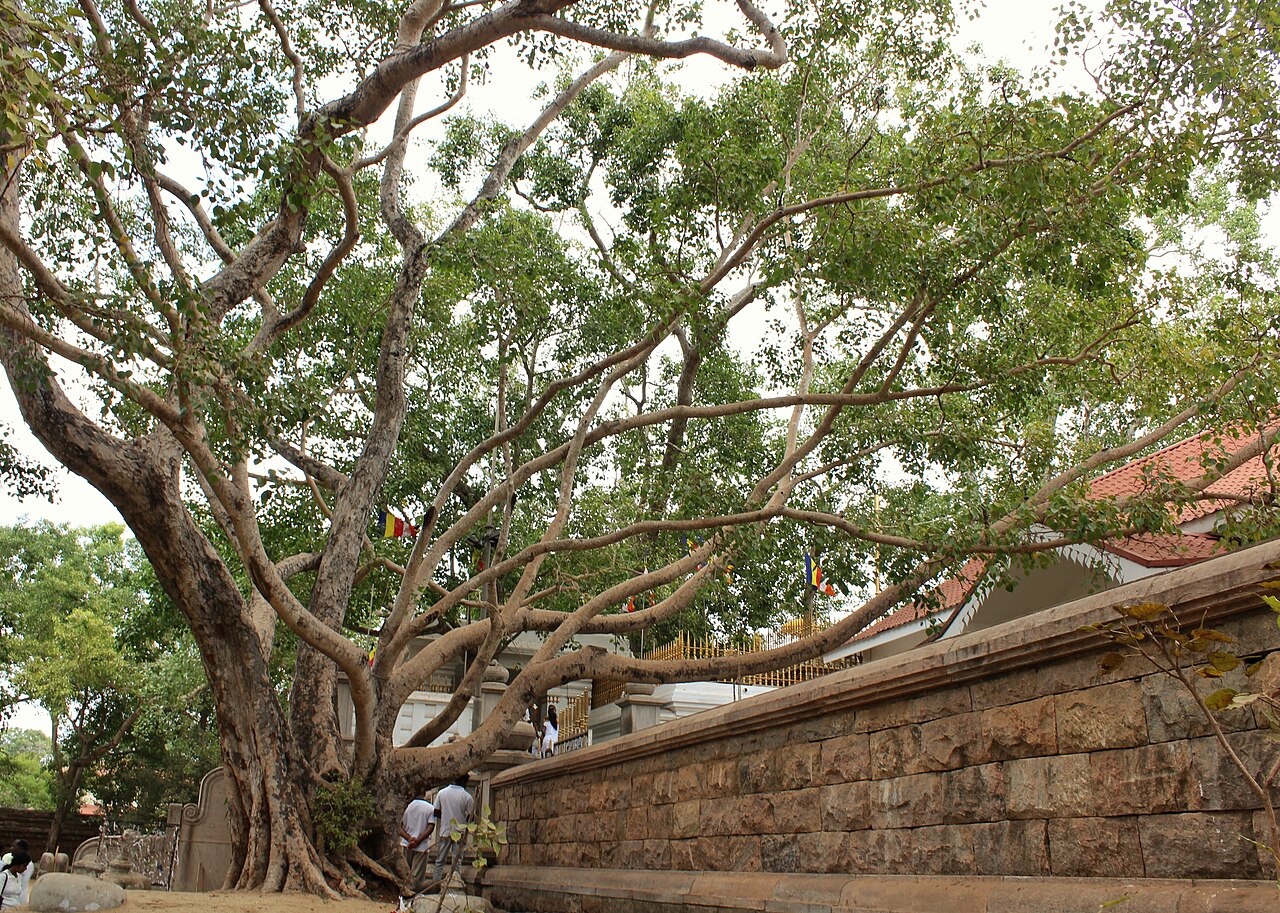
The Jaya Sri Maha Bodhi, a sacred fig tree
Huge white and brick stupas such as the Ruwanweliseya
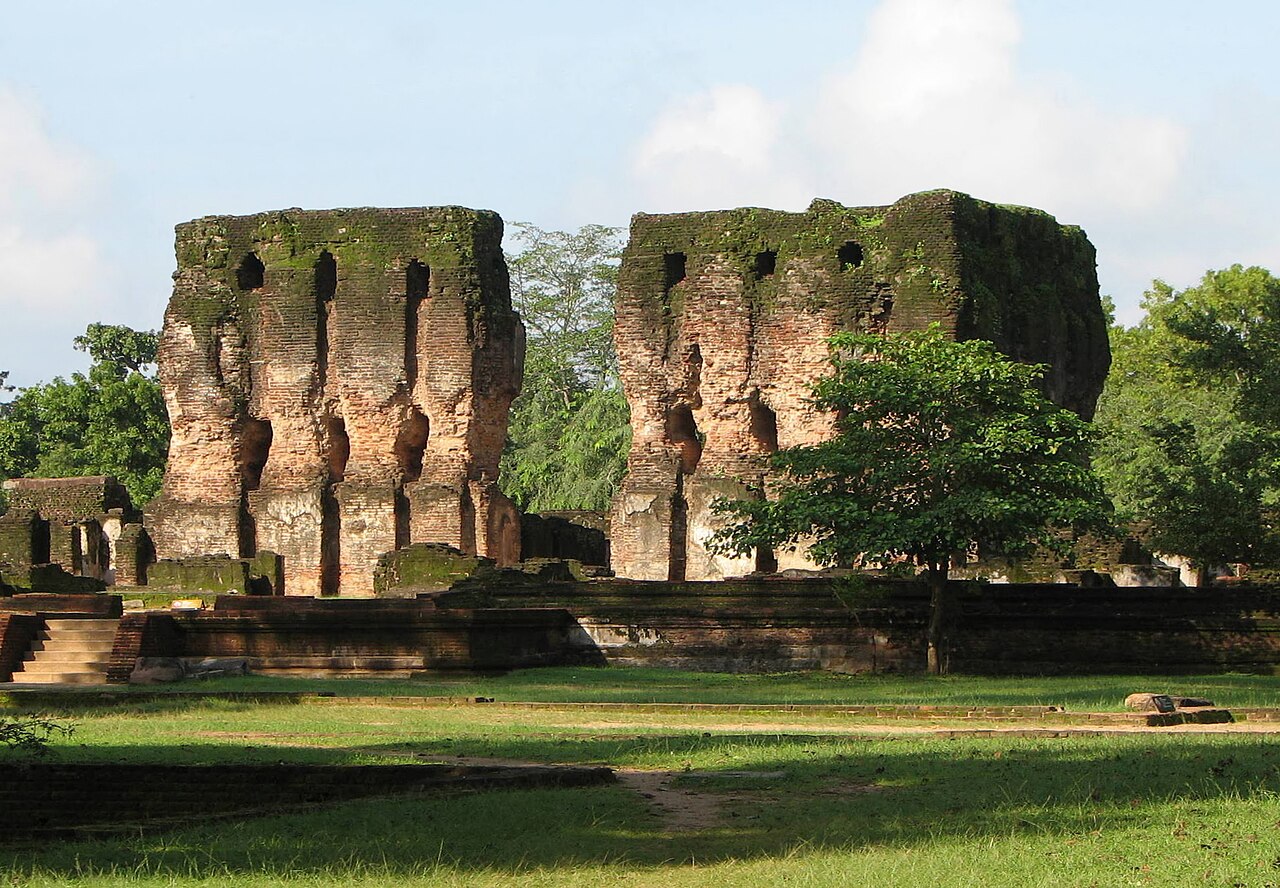
The royal capital after Anuradhapura, from the 11th to the early 13th century. The ancient city, with palaces, temples and rock-cut statues beside the great Parakrama Samudra reservoir, is a UNESCO World Heritage Site and is easy to explore by bicycle.
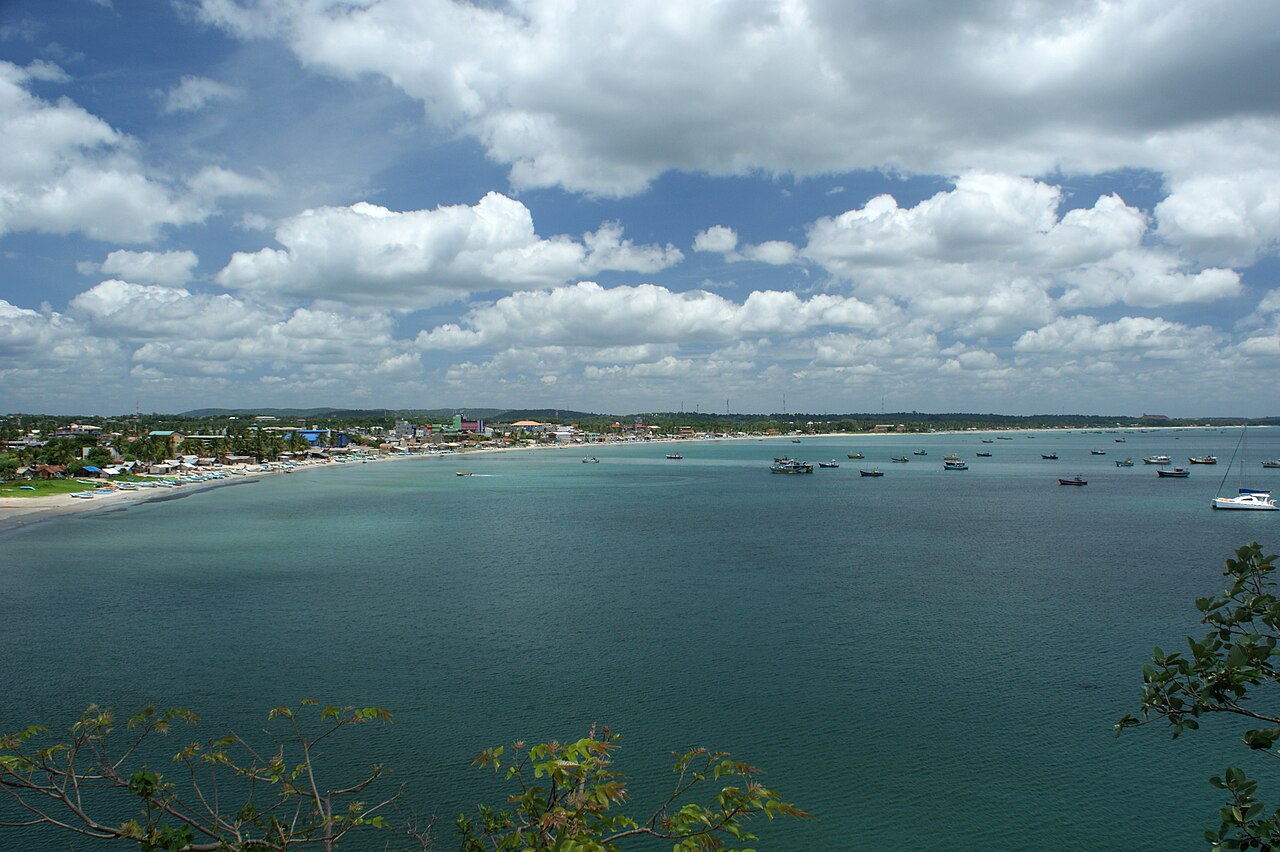
A port city on the east coast, built on a peninsula beside a large, deep natural harbour. It has been a centre of Tamil culture for about a thousand years and is home to the Koneswaram Hindu temple on a cliff above the sea. The Mahaweli River reaches the sea nearby.
A Tamil-speaking city on the east coast, about 111 km south of Trincomalee, built on an island in a large lagoon. It is nicknamed the 'land of the singing fish' for the musical sounds said to be heard in the lagoon near Kallady Bridge on full moon nights.
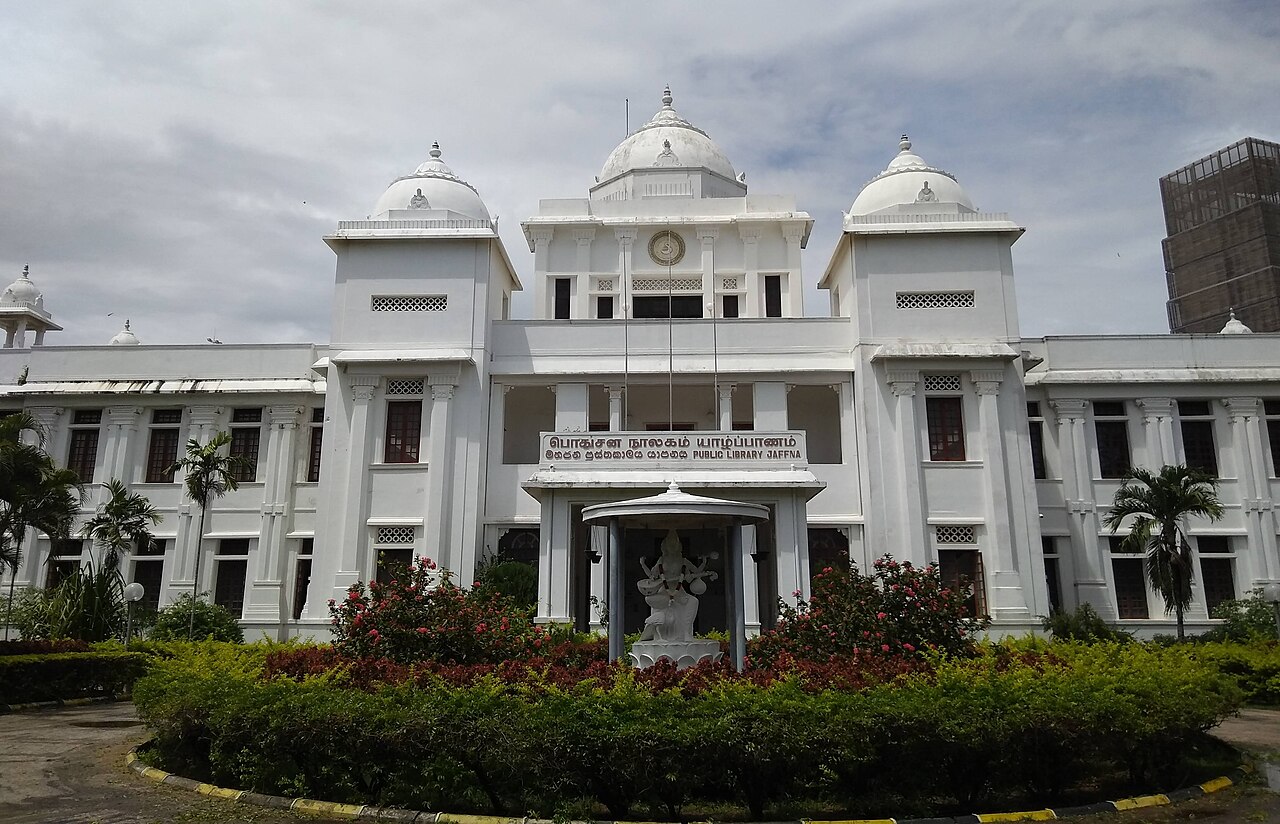
The main city of the north and the heart of Sri Lankan Tamil culture, on a flat peninsula of palmyra palms. Nallur, now part of the city, was the capital of the medieval Jaffna kingdom. The city suffered heavy damage in the civil war and has been rebuilt since 2009.
Nallur Kandaswamy Temple and its summer festival
Jaffna Fort, rebuilt by the Dutch
The Jaffna Public Library, burnt in 1981 and rebuilt
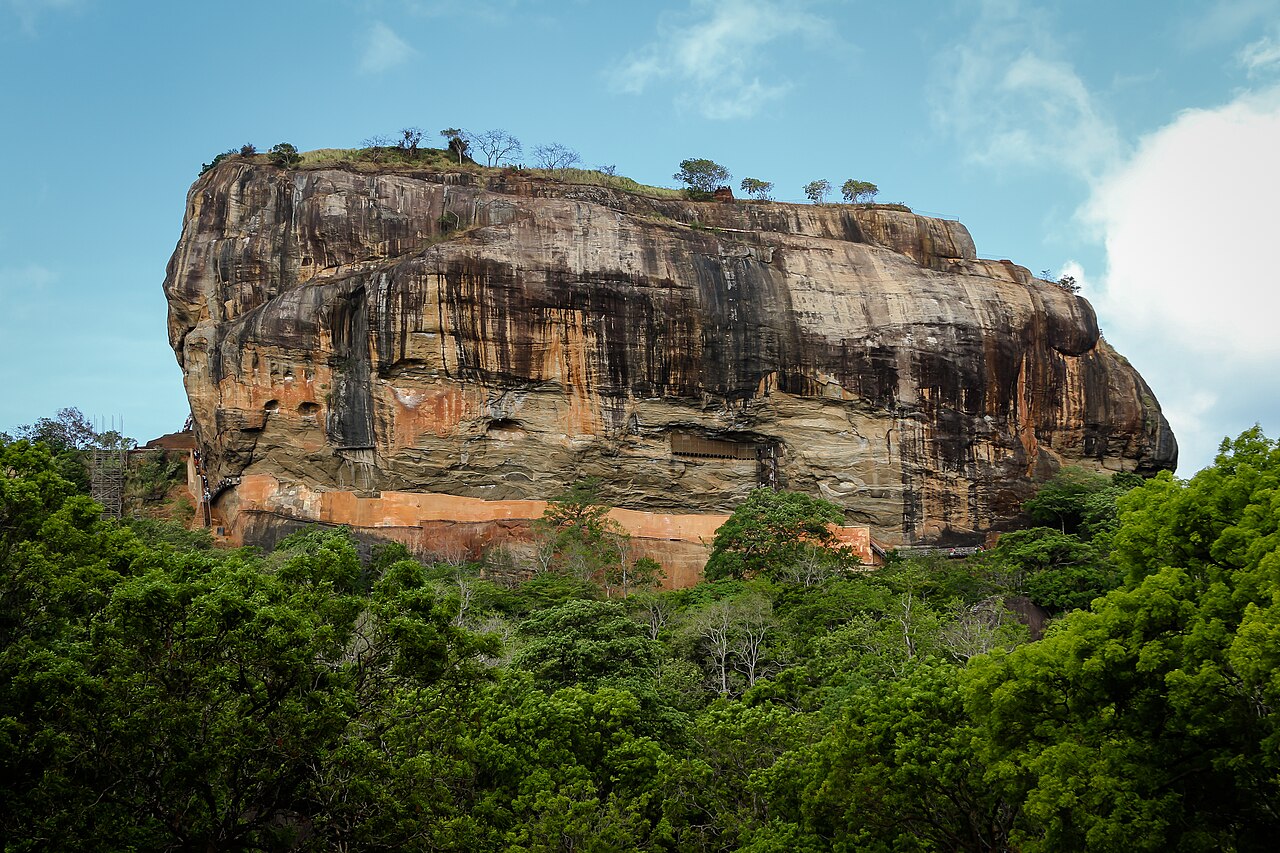
A column of granite about 180 m high rising from the plain, where King Kashyapa built his palace in the 5th century. Visitors climb past painted frescoes of women, a polished 'Mirror Wall' covered in ancient graffiti and two giant lion paws carved at the last gateway to reach the ruins on the summit. It is a UNESCO World Heritage Site.
Five caves under a huge overhanging rock, used as a Buddhist temple since the 1st century BC. Inside are 153 Buddha statues and painted ceilings covering about 2,100 m². It is the largest and best-preserved cave temple complex in Sri Lanka and is listed by UNESCO as the Rangiri Dambulla Cave Temple.
Sri Dalada Maligawa, in the old royal palace complex of Kandy, keeps a tooth relic of the Buddha. For centuries whoever held the relic had the right to rule the island. Monks perform rituals three times a day, and every summer the relic is honoured with the Esala Perahera procession. It is part of the Sacred City of Kandy World Heritage Site.
Ramparts and bastions around the old town of Galle, first built by the Portuguese in 1588 and greatly extended by the Dutch from 1649. Inside are Dutch houses, churches, a mosque and a white lighthouse. The fort withstood the 2004 tsunami, which damaged parts of the modern town. It is a UNESCO World Heritage Site.
A sacred fig tree in Anuradhapura, grown according to tradition from a cutting of the tree under which the Buddha was enlightened, brought here in the 3rd century BC. At more than 2,200 years old, it is considered the oldest living tree in the world planted by people with a recorded planting date. It is part of the Sacred City of Anuradhapura World Heritage Site.
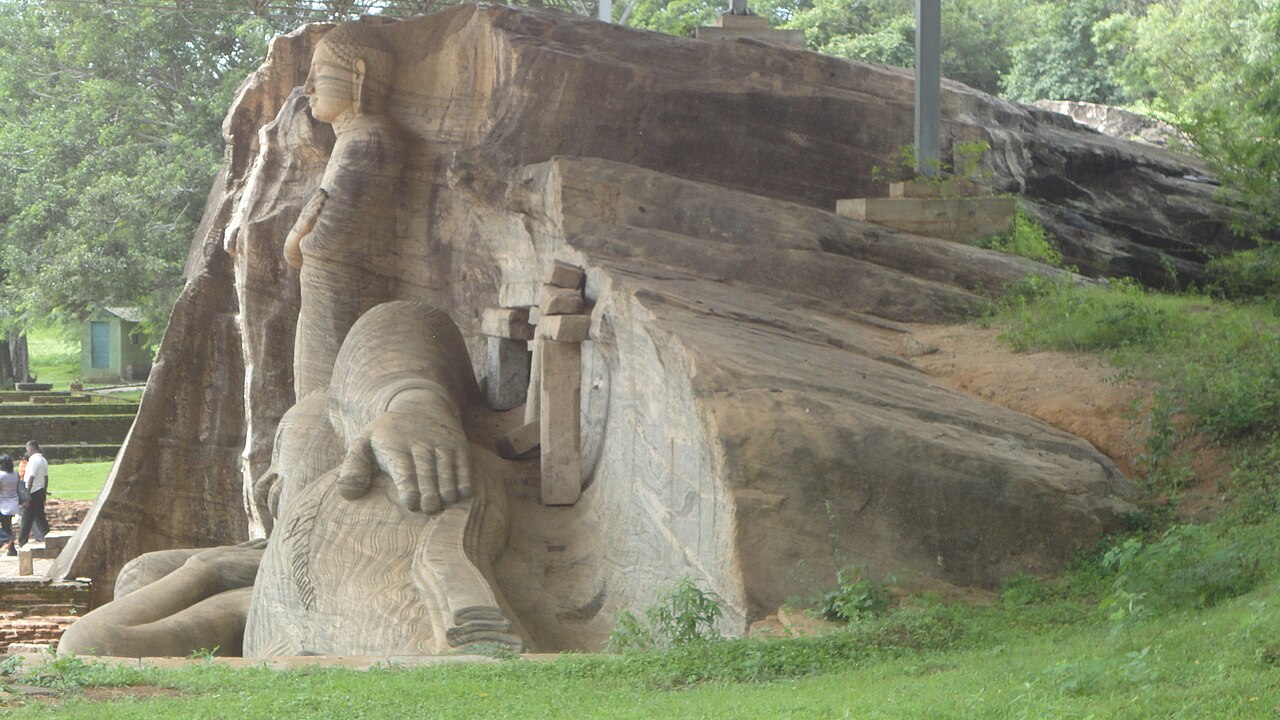
Four large figures carved into a single granite rock face in the 12th century for King Parakramabahu I: two seated Buddhas, a standing figure and a reclining Buddha about 14 m long. They are among the finest works of ancient Sinhalese sculpture and the most visited sight of the Ancient City of Polonnaruwa, a UNESCO World Heritage Site.
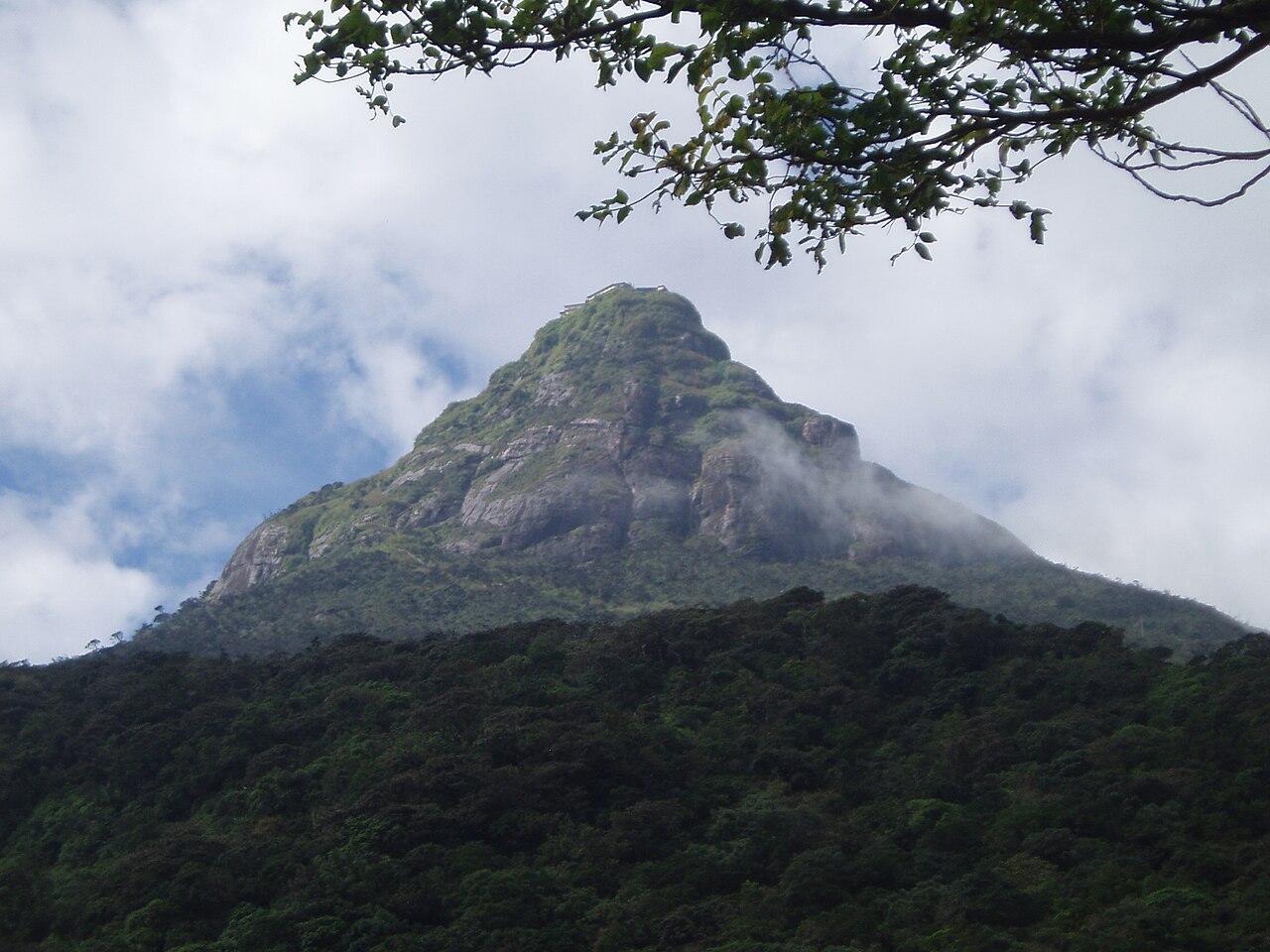
A 2,243 m cone-shaped mountain with a footprint-shaped mark near the summit, honoured by Buddhists as the Buddha's footprint, by Hindus as Shiva's and by some Muslims and Christians as Adam's. Pilgrims climb thousands of steps at night, mostly from December to May, to watch the sunrise. It lies in the Peak Wilderness, part of the Central Highlands World Heritage Site, and the usual climb starts from Dalhousie, near Hatton.
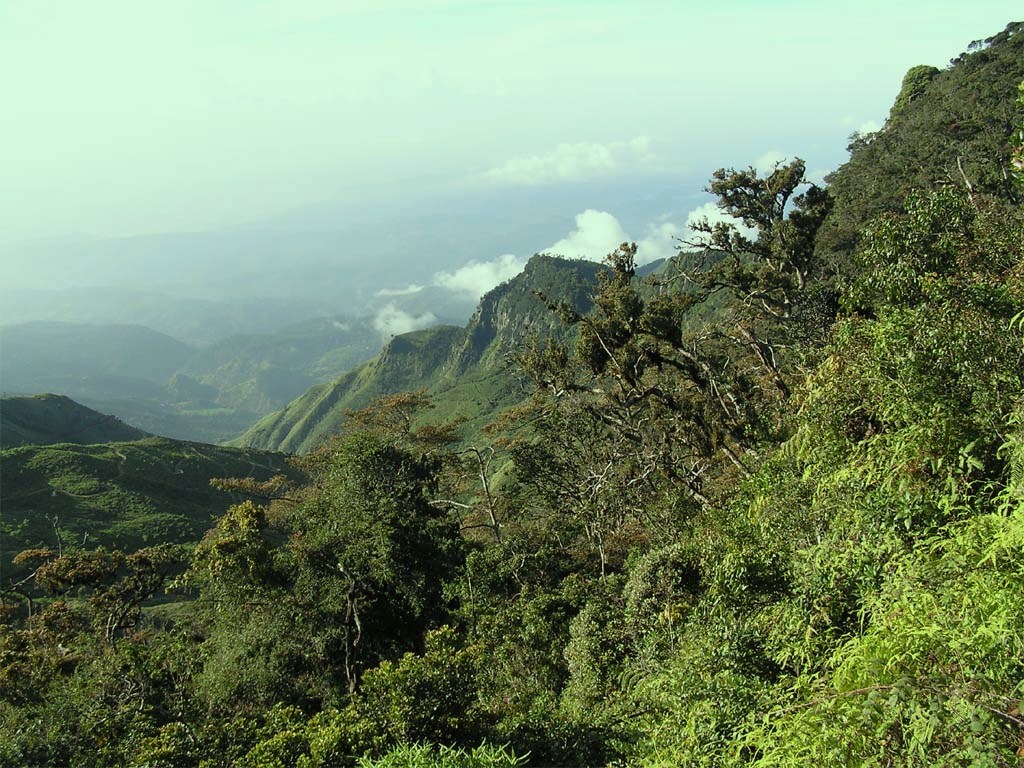
A high plateau of grassland and cloud forest at over 2,000 m, south of Nuwara Eliya, where sambar deer graze. A walking loop leads to World's End, a sheer cliff with a drop of about 870 m, and to Baker's Falls. It is part of the Central Highlands of Sri Lanka, a UNESCO natural World Heritage Site since 2010.
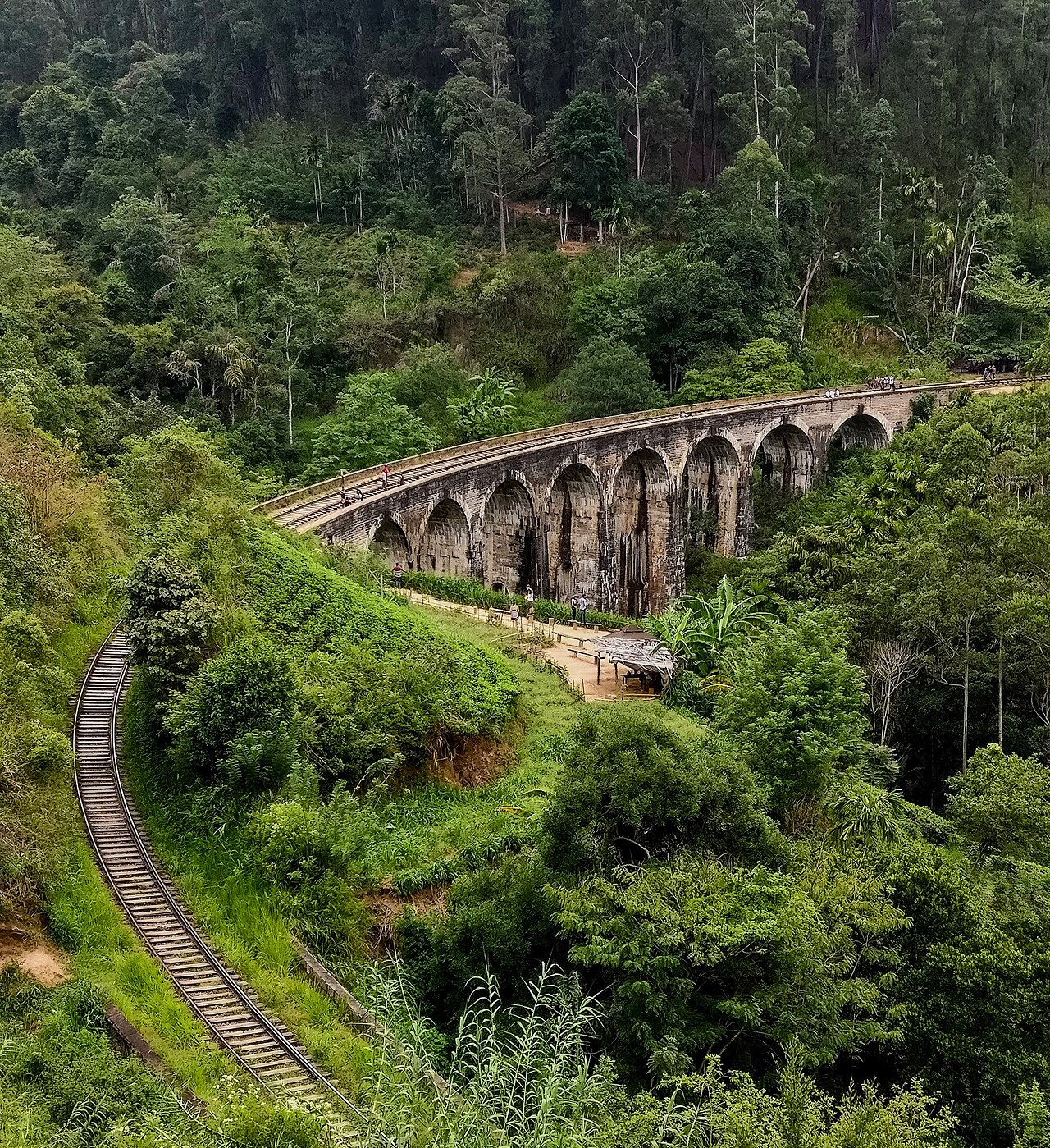
A curved railway viaduct of stone, brick and concrete between Ella and Demodara, completed in 1919 and nicknamed the 'Bridge in the Sky'. Standing in the jungle among tea gardens, it is one of the most photographed places in the country, especially when a blue train crosses.
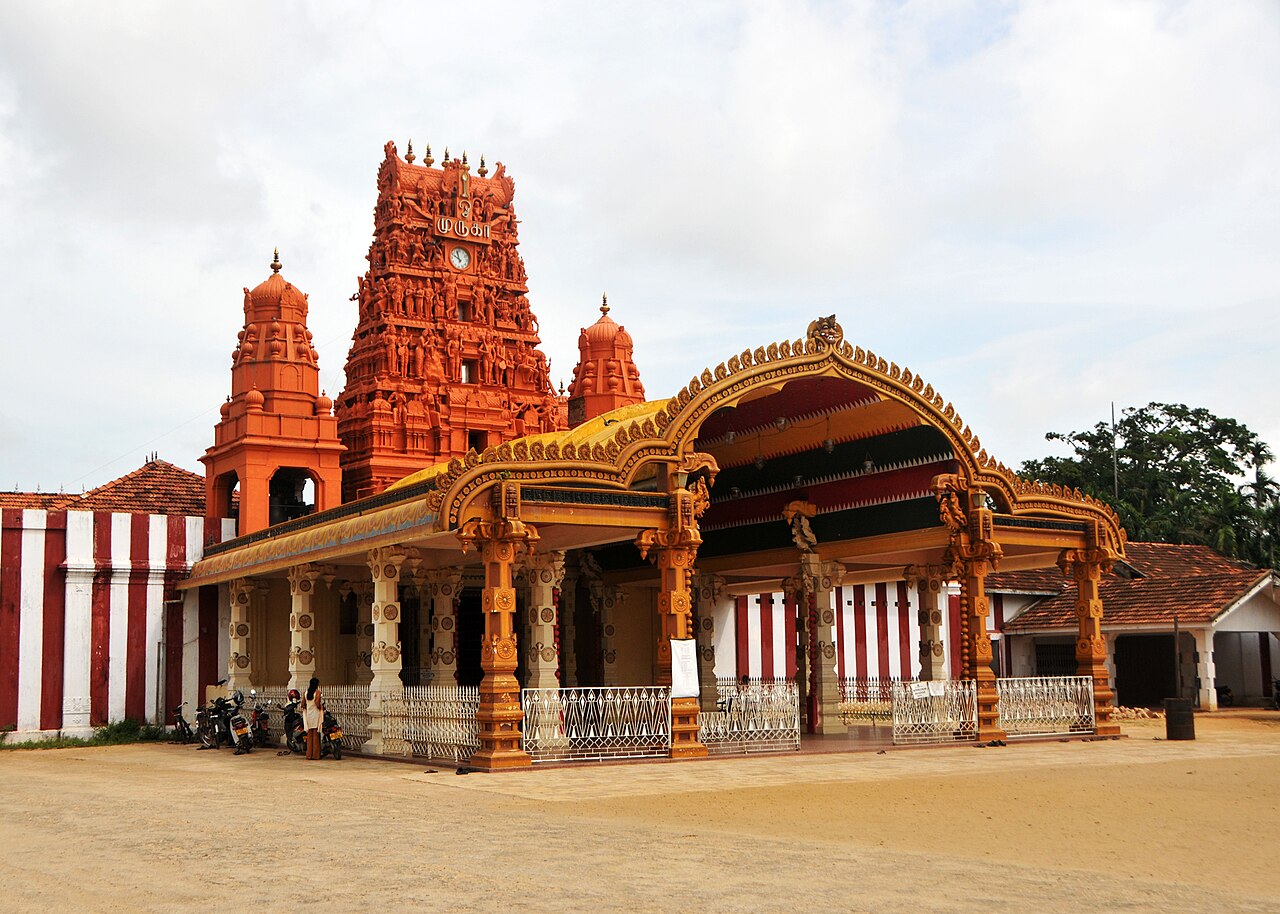
The most important Hindu temple in Jaffna, dedicated to the god Murugan, with a tall golden gate tower. The present temple was built in 1734. Its 25-day festival each summer, with a great chariot procession, draws huge crowds of Tamils from Sri Lanka and abroad.
The English word 'serendipity' comes from Serendip, an old Persian and Arabic name for Sri Lanka.
02
In 1960 Sirimavo Bandaranaike of Ceylon became the first woman in the world to serve as prime minister.
03
The sacred fig tree Jaya Sri Maha Bodhi in Anuradhapura was planted more than 2,200 years ago and is considered the oldest living tree planted by people with a known planting date.
04
True cinnamon, Cinnamomum verum, is native to Sri Lanka, and its old scientific name, Cinnamomum zeylanicum, refers to Ceylon.
05
Tea was first planted as a crop here in 1867. As of 2019, Sri Lanka was the world's fourth largest tea producer, and its tea is still sold as Ceylon tea.
06
Sri Lanka won the Cricket World Cup in 1996, beating Australia in the final in Lahore. Cricket is by far the most popular sport, although volleyball was declared the official national sport in 1991.
07
Sri Lanka is thought to have the highest density of wild elephants in Asia, and the Sri Lankan elephant is the largest subspecies of the Asian elephant.
08
Adam's Peak is sacred to four religions: Buddhists, Hindus, Muslims and Christians each have their own story about the footprint near its summit.
09
Buddhist monks in Sri Lanka wrote down the Pali Canon, the scriptures of Theravada Buddhism, in the 1st century BC, after they had been passed on by memory for centuries.
10
The country has two capitals side by side: Colombo, the executive and judicial capital, and Sri Jayawardenepura Kotte, the legislative capital, where Parliament sits on an island in a lake.
11
Sri Lanka has two monsoons that bring rain to different coasts at different times of year, so there is almost always good weather somewhere on the island.
12
The Pinnawala Elephant Orphanage, founded in 1975, has the largest herd of captive elephants in the world: 71 elephants in 2023.
13
Sri Lanka has provided free education from primary school up to university since the 1940s.
14
As of 2026, Sri Lanka has eight UNESCO World Heritage Sites: six cultural and two natural.
Most visitors need an Electronic Travel Authorization (ETA), Sri Lanka's form of visa, before arrival. As of September 2026, UK travel advice says it is valid for 30 days and that your passport must be valid for at least six months after you arrive. Apply only on the official government site, eta.gov.lk, not through look-alike agency sites.
Follow the monsoons
The southwest monsoon brings rain to the west coast, the south and the hill country from about May to September, and the northeast monsoon brings rain to the north and east from about November to March. So the west and south coasts are best from December to March, and the east coast from about April to September. The hills are coolest and clearest from January to March.
Respect the Buddha
At Buddhist temples, cover your shoulders and legs and take off your shoes and hat. Do not pose for photos with your back to a Buddha statue, and never touch or climb on statues. Disrespecting Buddhist images is a serious offence, and visitors with visible Buddha tattoos have been refused entry or deported.
Drink bottled water, and try king coconut
Tap water is not safe to drink. Buy sealed bottled water, and try thæmbili, the orange king coconut, which is cut open for you at roadside stalls and is very refreshing on a hot day.
Use an app for three-wheelers
Three-wheelers (tuk-tuks) are everywhere, but most have no meter. Agree on the fare before you get in, or book through a ride-hailing app such as PickMe or Uber, which show the price in advance.
Book the hill country train
The train from Kandy through Nuwara Eliya (Nanu Oya station) to Ella passes waterfalls, tea estates and forests and is one of the most popular train rides in the country. Reserved seats and observation cars on the popular tourist routes are often sold out days ahead in the high season, so book as early as you can.
Plan around Poya days
Every full moon day is a Poya holiday. Many shops close, and the sale of alcohol and meat is forbidden, so hotels and restaurants may not serve them. Temples are busy with worshippers dressed in white, which is lovely to see.
Keep your distance from wild elephants
Wild elephants live in national parks such as Yala, Udawalawe and Minneriya, and also cross roads outside them. Never get out of a vehicle near elephants, never feed them, and always follow your driver's or ranger's instructions.