A free large-print PDF. Choose what goes in: facts, map, history, dishes and recipes, phrases, fun facts, a quiz with or without answers. Made for clubs, care homes, libraries and family afternoons.
Ethiopia lies in the Horn of Africa, the eastern corner of the continent. Most of the country is a high, cool plateau, the Ethiopian Highlands, cut in two by the Great Rift Valley. The capital, Addis Ababa, stands at about 2,355 m, and from Lake Tana in the north the Blue Nile begins its long journey to Egypt. In the far northeast, the Danakil Depression drops more than 100 m below sea level and is one of the hottest places on Earth.
Few countries have such a long written history. The Kingdom of Aksum traded with Rome and India, became Christian in the 4th century and left giant carved stone pillars behind. Later kings carved churches out of the rock at Lalibela and built castles at Gondar. In 1896 Ethiopia defeated an Italian army at Adwa, and apart from the Italian occupation of 1936 to 1941, it kept its independence through the whole colonial era.
Today Ethiopia is a federal republic of about 135 million people, the second most populous country in Africa after Nigeria, with more than 80 ethnic groups. The largest are the Oromo, the Amhara, the Somali and the Tigrayans. Most Ethiopians are Christians, the largest group being Orthodox, and about a third are Muslims. The country has its own script, its own calendar and its own way of telling the time, and it is the home of the wild Arabica coffee plant.
Since 2020 the country has also lived through armed conflicts, first in the northern Tigray region and later in the Amhara region. A peace agreement in November 2022 ended the war in Tigray, but as of September 2026 fighting has broken out again in parts of the north.
CapitalAddis Ababa
PopulationAbout 135 million (UN estimate for 2025; Ethiopia's own statistics office gives a lower figure). The last national census was held in 2007
Official languageAmharic was the only working language of the federal government until 2020; Afaan Oromo, Tigrinya, Somali and Afar have since been added. Each region also chooses its own working language
CurrencyEthiopian birr (ETB)
AreaAbout 1,104,300 km²
GovernmentFederal parliamentary republic, under the constitution of 1995
Highest mountainRas Dashen (Ras Dejen), 4,550 m, in the Simien Mountains
Best-known riverThe Blue Nile (Abay), which leaves Lake Tana and flows about 800 km through Ethiopia before crossing into Sudan
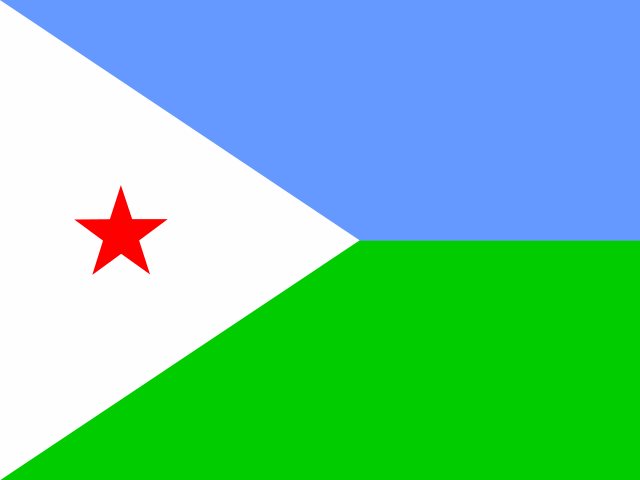
NeighboursEritrea, Djibouti, Somalia, Kenya, South Sudan and Sudan. Ethiopia has had no coastline since Eritrea became independent in 1993
Drives on theRight
Calling code+251
Time and calendarEast Africa Time (UTC+3). Ethiopia has its own calendar: from 11 September 2026 it is the year 2019
Ethiopia's story goes back further than almost any other country's. Some of the oldest fossils of human ancestors were found here, including Lucy, who lived about 3.2 million years ago. Around the start of the Common Era, the Kingdom of Aksum grew rich from trade across the Red Sea, and its kings later ruled for many centuries from the highlands. Emperors, churches and monasteries shaped the country until 1974, when the last emperor was overthrown. The events below follow the story from Aksum to today.
AD 330
King Ezana adopts Christianity
Around 330, King Ezana of Aksum became a Christian, taught by his tutor Frumentius, a Christian from Syria who became the first head of the Ethiopian Church. Aksum became one of the first Christian kingdoms in the world, and the Ethiopian Orthodox Tewahedo Church still traces its roots to this time.
AD 615
Early Muslims find refuge in Aksum
In about 615 (some sources say 613), a small group of the first followers of the Prophet Muhammad fled persecution in Mecca and were given shelter by the Christian king of Aksum, known as the Najashi. This First Hijra is remembered with gratitude in Islamic tradition.
1270
The Solomonic dynasty begins
In 1270 Yekuno Amlak overthrew the last king of the Zagwe dynasty, the family that had built the churches of Lalibela. He founded the Solomonic dynasty, which claimed descent from King Solomon and the Queen of Sheba and ruled Ethiopia until 1974.
1543
The Battle of Wayna Daga
From 1529 the Adal Sultanate, led by Imam Ahmad ibn Ibrahim, conquered much of the highlands. On 21 February 1543, near Lake Tana, Emperor Gelawdewos, helped by a small force of Portuguese soldiers, defeated and killed the Imam, which ended the long war.
1636
Gondar becomes the capital
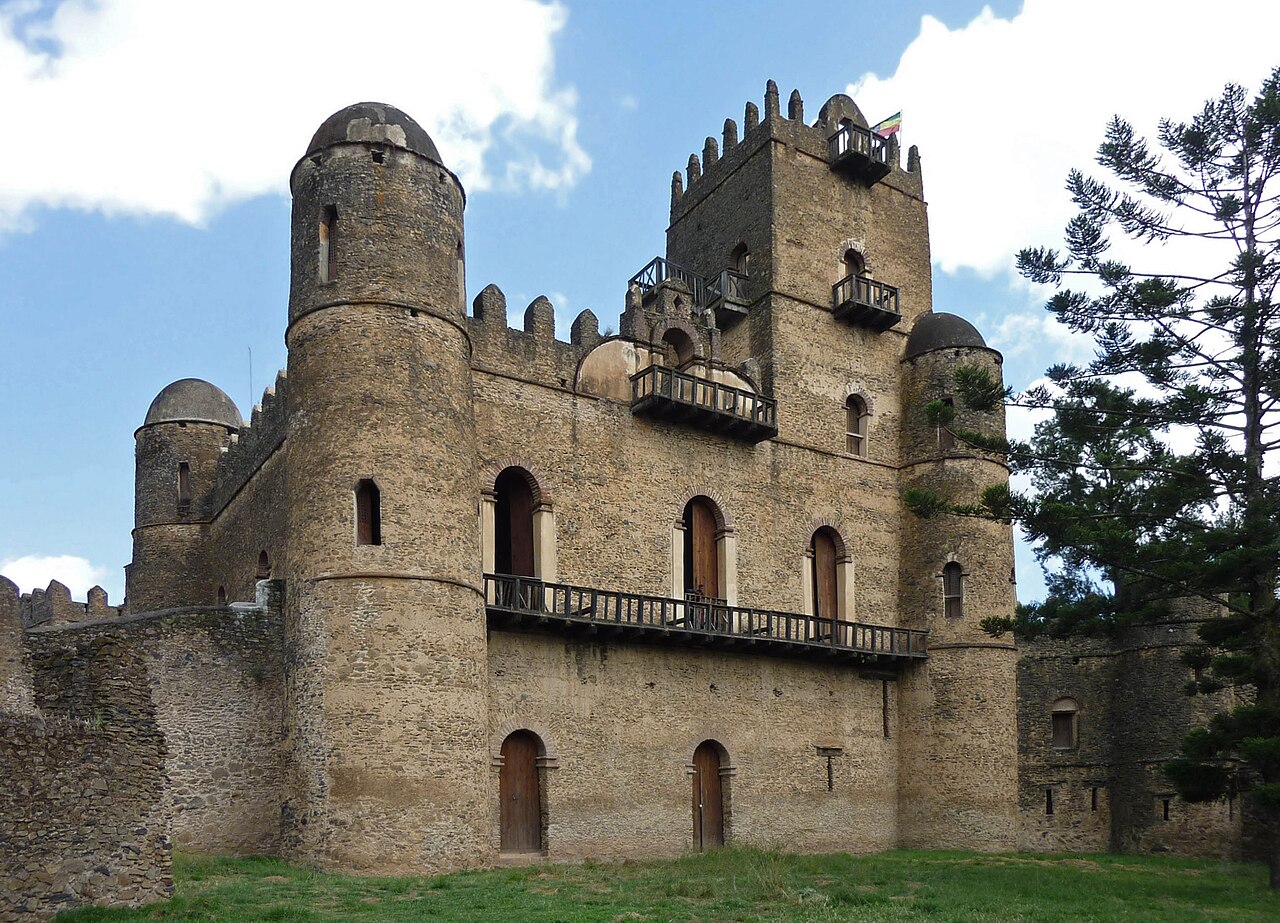
Earlier emperors moved around the country with their court in great camps. Emperor Fasilides broke with this tradition and made Gondar his permanent capital in 1636. He and the emperors after him built stone castles there, now the Fasil Ghebbi World Heritage Site.
1868
The Battle of Magdala
Emperor Tewodros II, who had reunited the country after an era of rival princes, held several Europeans hostage, among them British officials. In April 1868 a British army under Robert Napier stormed his mountain fortress at Magdala. Tewodros took his own life rather than be captured, and the British soon withdrew.
1886
Addis Ababa is founded
In 1886 Menelik II, then King of Shewa, and his wife Taytu moved from the cold heights of Mount Entoto to a valley with hot springs below it. Taytu named the new town Addis Ababa, 'new flower', and it became the capital of the whole empire.
1896
The Battle of Adwa
On 1 March 1896, near the town of Adwa in the north, the army of Emperor Menelik II defeated an invading Italian army. Italy had to recognise Ethiopia's independence, and Adwa became a symbol of freedom for people across Africa. Its anniversary is a national holiday.
1930
Haile Selassie is crowned emperor
On 2 November 1930 Ras Tafari Makonnen was crowned emperor and took the name Haile Selassie, meaning 'power of the Trinity'. He ruled until 1974, and is honoured as a divine figure in the Rastafari movement, which takes its name from him.
1936
Italy occupies Ethiopia
Italy under Mussolini invaded in October 1935, using modern weapons and poison gas. Italian troops entered Addis Ababa on 5 May 1936, and Haile Selassie went into exile, where he appealed to the League of Nations for help. Ethiopian patriots kept up a resistance throughout the occupation.
1941
The emperor returns to Addis Ababa
During the Second World War, British, Commonwealth and Ethiopian forces drove the Italians out. On 5 May 1941, exactly five years after Italian troops had entered the city, Haile Selassie returned to Addis Ababa.
1963
The OAU is founded in Addis Ababa
On 25 May 1963, leaders of more than 30 independent African states met in Addis Ababa and founded the Organisation of African Unity. It was replaced in 2002 by the African Union, which still has its headquarters in the city.
1974
The Derg overthrows the emperor
After years of famine and protests, a committee of army officers known as the Derg deposed Haile Selassie on 12 September 1974. It ended the monarchy and ruled as a harsh military government, fighting long civil wars in the north.
1991
The Derg falls
In May 1991 rebel forces took Addis Ababa and the Derg government fell. A new constitution in 1995 turned Ethiopia into a federal republic, with regions drawn mainly along ethnic and language lines.
1993
Eritrea becomes independent
After a 30-year war of independence, the people of Eritrea voted for independence in a referendum in April 1993, and Eritrea became a separate country. Since then Ethiopia has had no coastline and trades mainly through the port of Djibouti.
2025
The Renaissance Dam is inaugurated
On 9 September 2025 Ethiopia inaugurated the Grand Ethiopian Renaissance Dam on the Blue Nile, near the border with Sudan. As of 2025 it is the largest hydroelectric power station in Africa. Building began in 2011, and Egypt and Sudan, downstream on the Nile, have long raised concerns about the river's water.
Almost every Ethiopian meal is built on injera, a large, soft, slightly sour flatbread made from teff, a tiny grain native to the highlands. Stews called wat, spicy with berbere or mild with turmeric, are spooned on top of the injera, and everyone tears off pieces with the right hand to scoop them up from one shared platter. Butter spiced with herbs, called niter kibbeh, gives many dishes their deep flavour. Orthodox Christians fast on Wednesdays, Fridays and during Lent, eating no meat, eggs or dairy, so Ethiopian cooking also has a great range of lentil, chickpea and vegetable dishes. Breakfast is often firfir or genfo, and a meal usually ends with the coffee ceremony.
A large, round sourdough flatbread with a spongy surface full of tiny holes, made from teff flour and water left to ferment for several days. It is cooked on one side only on a wide clay plate called a mitad. Injera is both the plate and the cutlery: stews are served on top of it, and more injera is rolled up on the side for scooping.
Teff grains are so small that a handful is enough to sow a field. Teff is gluten free, and pure white teff injera is seen as the finest and most expensive kind.
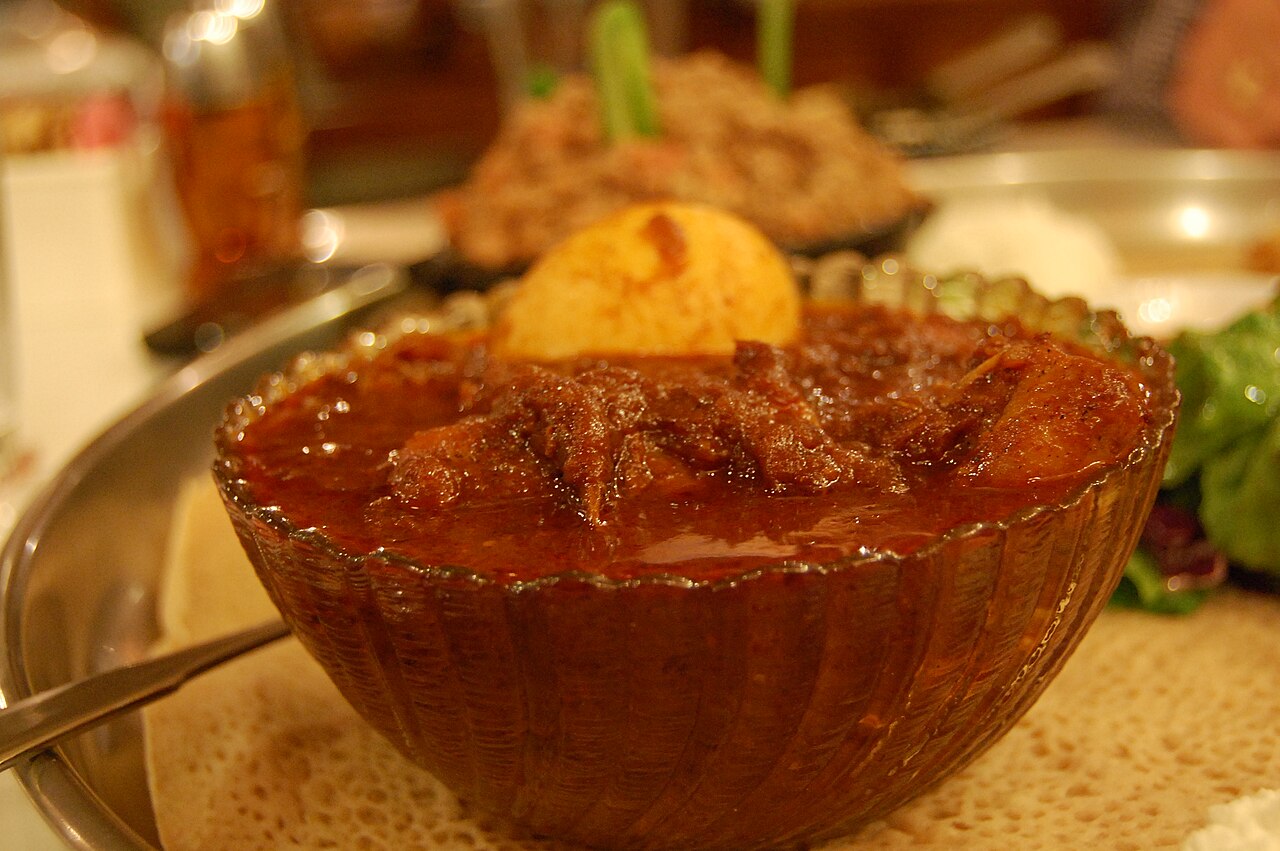
A deep red, spicy chicken stew made with a large amount of slowly cooked onions, berbere and spiced butter, with whole hard-boiled eggs added at the end. It is the dish of feast days, above all Christmas and Easter, when the long fast ends, and many people call it the national dish.
The onions are first cooked without any fat in a dry pot until they break down; this is what makes the sauce so thick.
See the recipe
Serves 4
2 h 30 min
Ingredients
1 kg chicken pieces on the bone, skin removed
Juice of 1 lemon and 1 teaspoon salt
4 large red onions, very finely chopped
100 g niter kibbeh (Ethiopian spiced butter) or ordinary butter
3 to 4 tablespoons berbere spice mix
4 garlic cloves and a thumb of fresh ginger, finely chopped
About 300 ml chicken stock or water
4 eggs, hard-boiled and peeled
Method
Rub the chicken with the lemon juice and salt and leave it for 15 minutes.
Put the onions in a heavy pot without any fat and cook them over a low heat for 20 to 30 minutes, stirring often, until soft and brown. Add a spoonful of water if they begin to stick.
Stir in the butter, berbere, garlic and ginger and cook gently for 10 minutes, until the sauce is dark red and smells rich.
Add the chicken and the stock, cover and simmer for about 45 minutes, until the chicken is cooked right through and tender. Add a little water if it gets too thick.
Cut a few shallow slits in each egg, add them to the pot and simmer for 10 more minutes. Serve on injera, with mild fresh cheese on the side.
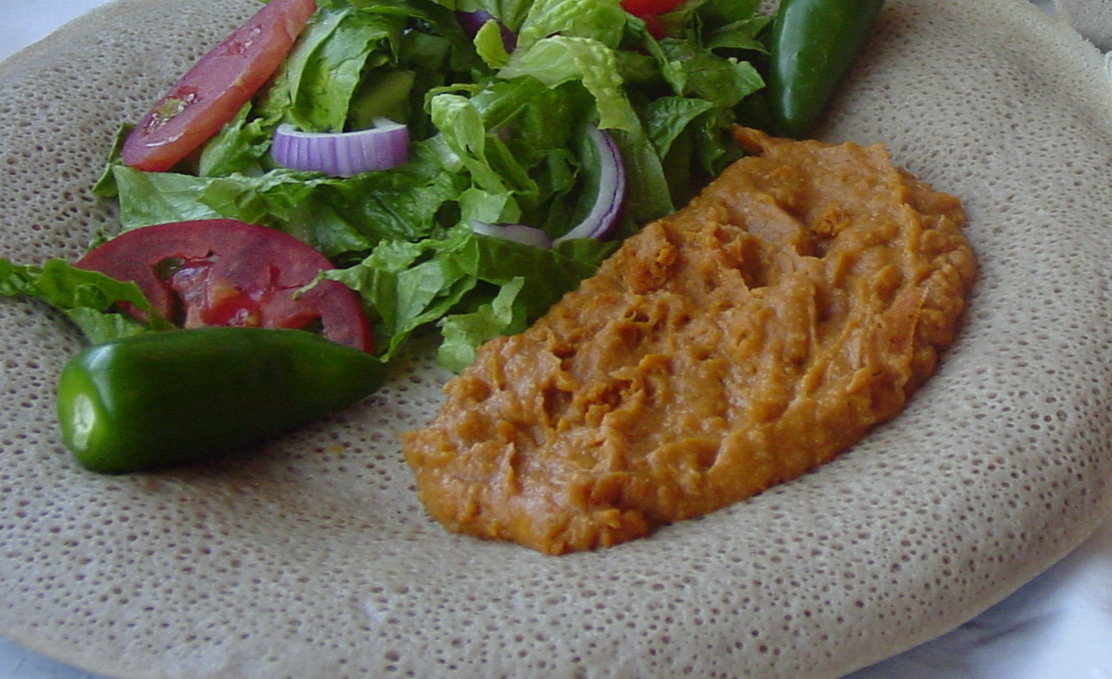
Split red lentils cooked with onions, garlic and berbere into a thick, spicy stew. Made with oil instead of butter, it contains no animal products, so it is one of the most popular dishes on the many fasting days.
See the recipe
Serves 4
45 min
Ingredients
250 g split red lentils, rinsed
2 red onions, very finely chopped
3 tablespoons vegetable oil
2 tablespoons berbere spice mix
3 garlic cloves and 1 teaspoon fresh ginger, finely chopped
1 tablespoon tomato paste
About 750 ml water and salt to taste
Method
Cook the onions in a dry pot over a low heat for about 10 minutes, stirring, until soft.
Add the oil, berbere, garlic, ginger and tomato paste and cook for 5 minutes, stirring so the spices do not burn.
Add the lentils and most of the water and bring to the boil.
Lower the heat and simmer for 20 to 25 minutes, stirring now and then and adding water as needed, until the lentils are soft and the stew is thick.
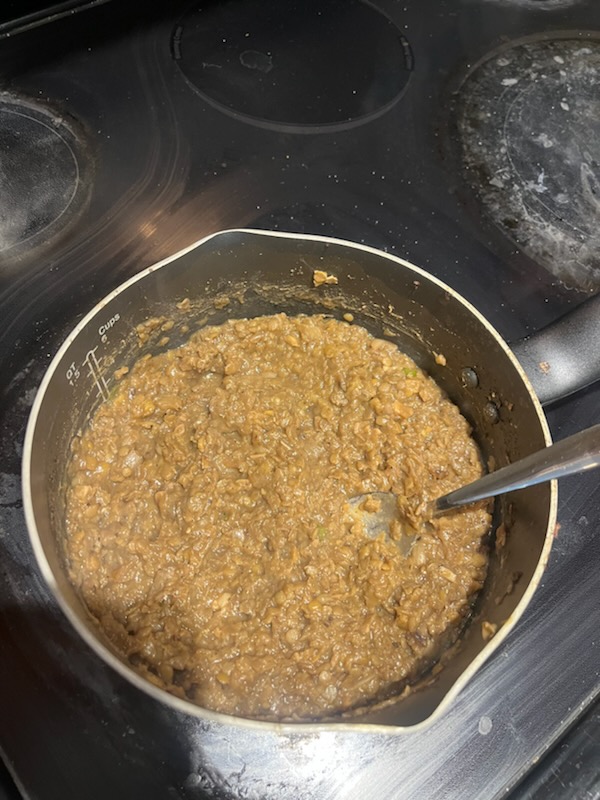
A smooth, thick stew made from powdered chickpeas or broad beans, cooked with onions, garlic and spices. It is cheap, quick and filling, eaten in homes every day, and often brought to the table still bubbling in a small clay pot.
Shiro stirred together with torn pieces of injera and eaten with a spoon is called shiro fit-fit.
See the recipe
Serves 4
30 min
Ingredients
100 g shiro powder (spiced ground chickpea flour, sold in Ethiopian shops)
1 red onion, very finely chopped
2 garlic cloves, crushed
3 tablespoons vegetable oil
1 small tomato, chopped (optional)
About 600 ml water and salt to taste
Method
Cook the onion in a dry pan over a low heat for 5 minutes, then add the oil, garlic and tomato and cook for 5 more minutes.
Add about 500 ml of water and bring it to the boil.
Sprinkle in the shiro powder a little at a time, whisking all the time so that no lumps form.
Simmer over a low heat for 10 to 15 minutes, stirring often. Add more water if it becomes too thick; it should be like a thick soup. Take care, as it can spit.
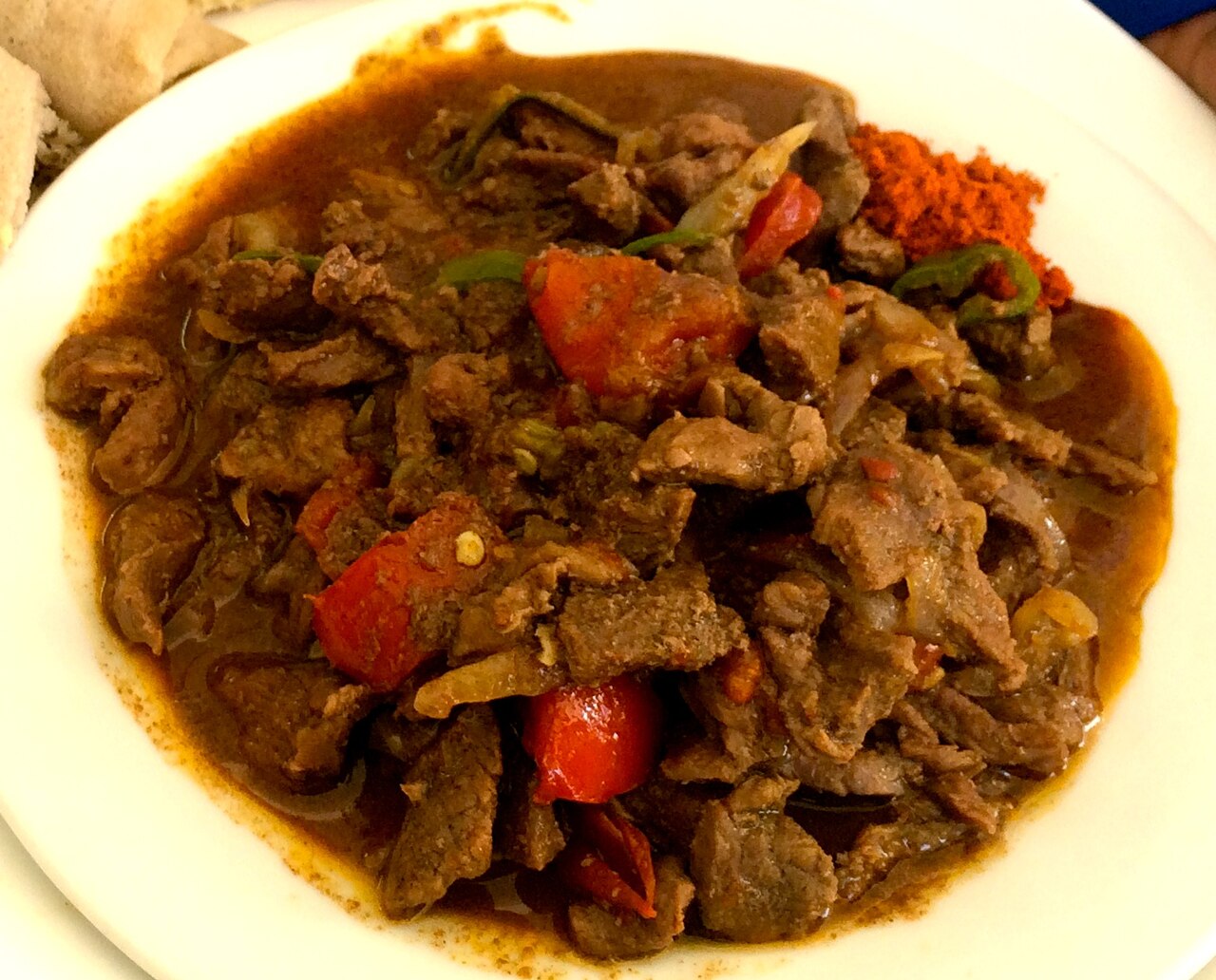
Pieces of beef, lamb or goat quickly fried with onions, green chillies, butter and sometimes rosemary. It can be mild or hot, and is often brought to the table sizzling in a small clay dish over coals.
Serving tibs has long been a way to honour a guest: an 18th-century European visitor wrote that it was served to pay a special compliment.
See the recipe
Serves 3
25 min
Ingredients
500 g tender beef or lamb, cut into small cubes
1 red onion, sliced
2 green chillies, sliced
1 tomato, chopped
2 tablespoons niter kibbeh or butter
1 sprig fresh rosemary, salt and black pepper
Method
Heat a heavy frying pan until very hot and add the meat without any fat. Cook for 3 to 4 minutes, turning, until browned.
Add the onion and cook for 3 more minutes.
Add the butter, chillies, tomato and rosemary and fry for 5 minutes, stirring, until the meat is cooked right through and the onions are soft.
Season with salt and pepper and serve at once with injera.
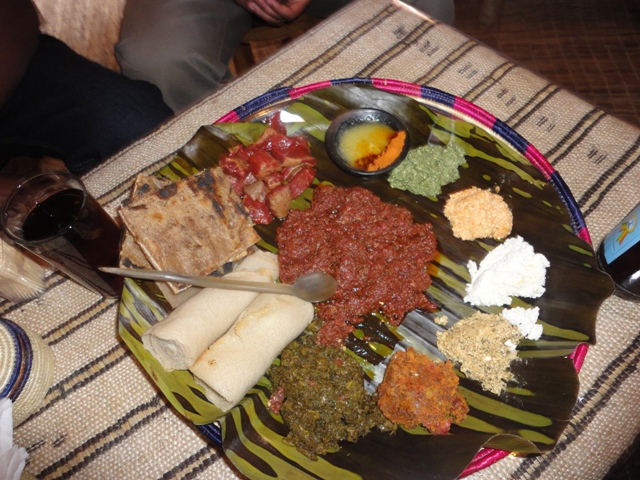
Finely minced beef mixed with a hot chilli powder called mitmita and warm spiced butter. It is traditionally eaten raw, served with mild fresh cheese, chopped greens and injera or kocho, a bread made from the false banana plant. Kitfo is a favourite for holidays such as Meskel.
Raw meat carries a risk of food poisoning. Anyone who is pregnant, very young, older or unwell should ask for kitfo fully cooked; lightly warmed kitfo, called leb leb, is still partly raw.
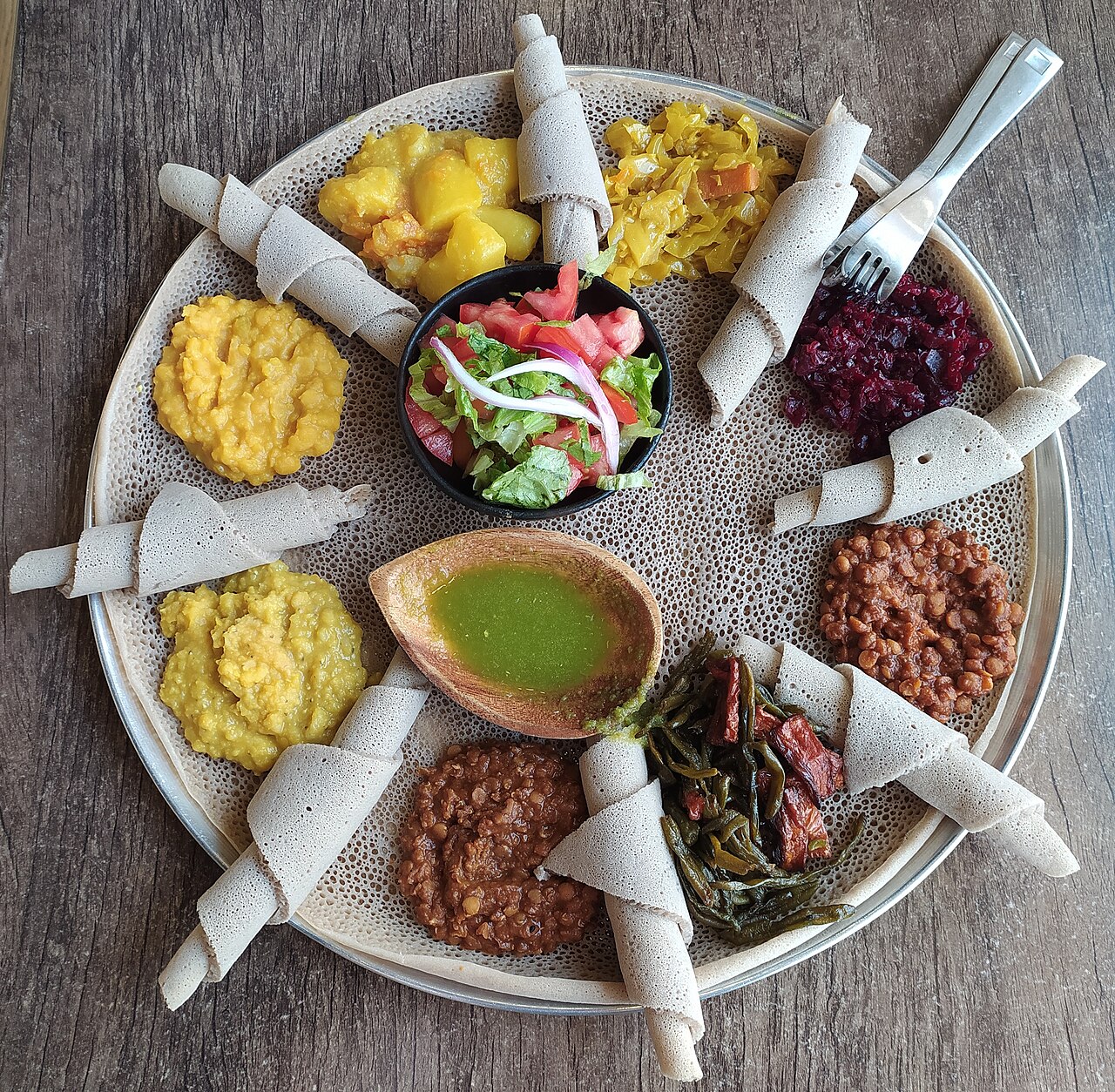
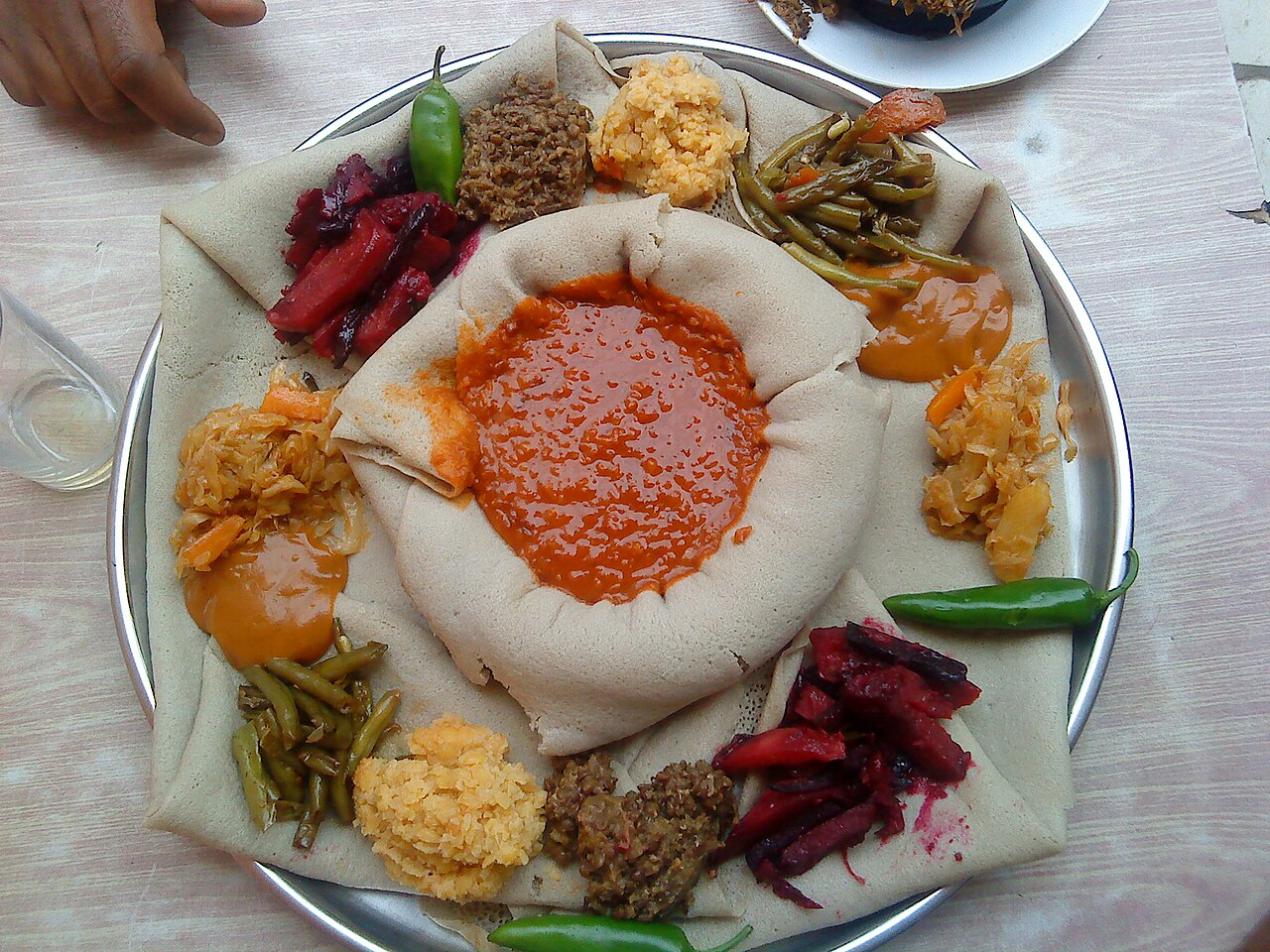
A large round of injera covered with small heaps of many different dishes: lentils, split peas, shiro, cabbage, greens, beetroot and more. The fasting version has no animal products at all, which makes it a favourite of vegetarians and vegans visiting Ethiopia.
Beyaynetu means 'of every kind' or 'assorted' in Amharic.
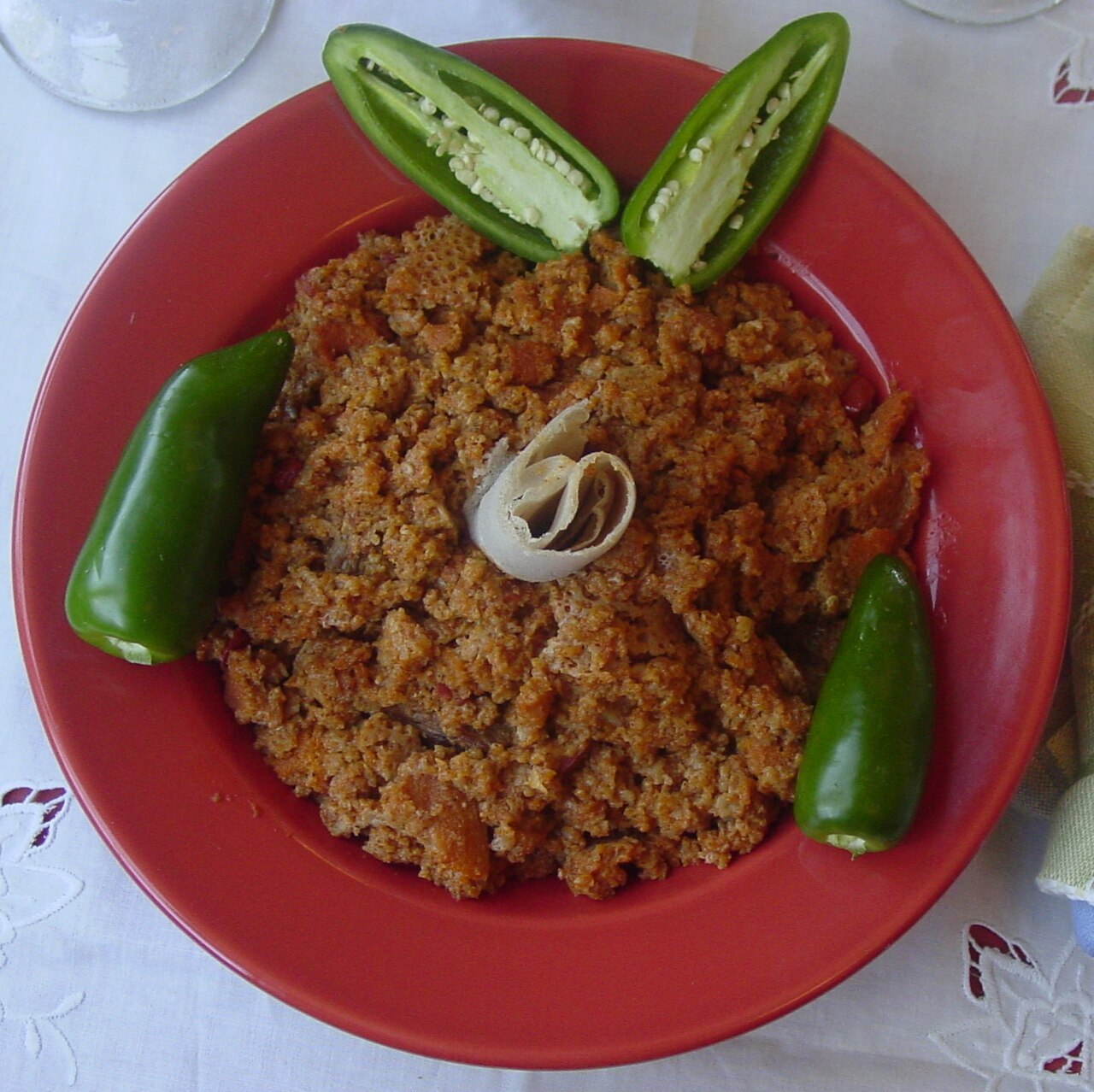
A popular breakfast of torn pieces of injera or bread fried with spiced butter, berbere and onions, or mixed with leftover wat. It is a good way to use yesterday's injera and is often eaten with a spoon.
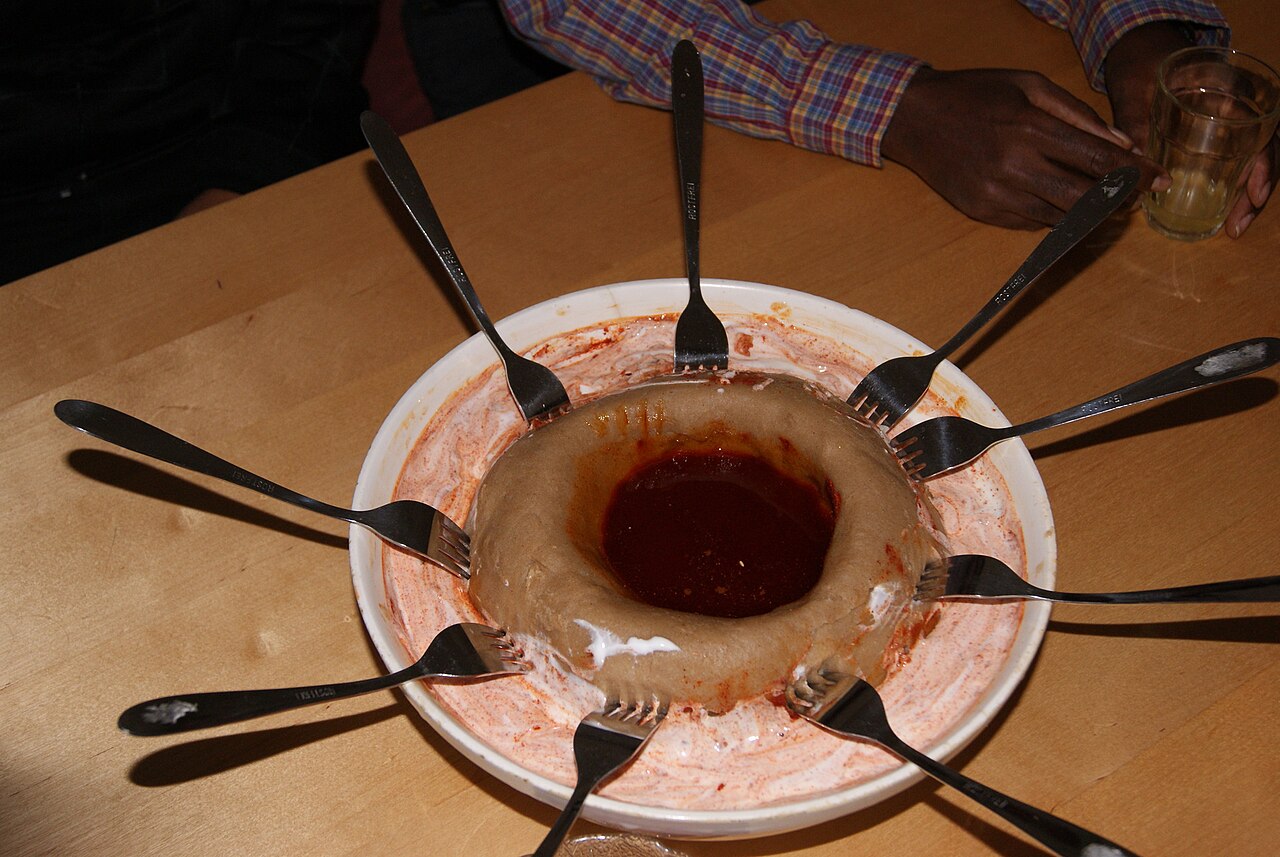
A thick porridge of barley or wheat flour, shaped into a mound with a hollow in the middle that is filled with spiced butter and berbere. Pieces are scooped from the edge and dipped into the butter. It is a breakfast for special days and is given to new mothers.
See the recipe
Serves 4
25 min
Ingredients
200 g barley flour (or wholemeal wheat flour)
About 750 ml water
Half a teaspoon of salt
60 g niter kibbeh or butter, melted
1 to 2 teaspoons berbere spice mix
Method
Bring the water and salt to the boil in a heavy pan.
Add the flour a little at a time, stirring hard with a wooden spoon so no lumps form. Take care: thick porridge can spit.
Keep stirring over a low heat for 10 to 15 minutes, until the porridge is very thick and smooth and comes away from the pan.
Tip it into a bowl, shape it into a mound and press a deep hollow into the middle with the back of a wet spoon.
Mix the melted butter with the berbere, pour it into the hollow and serve warm.
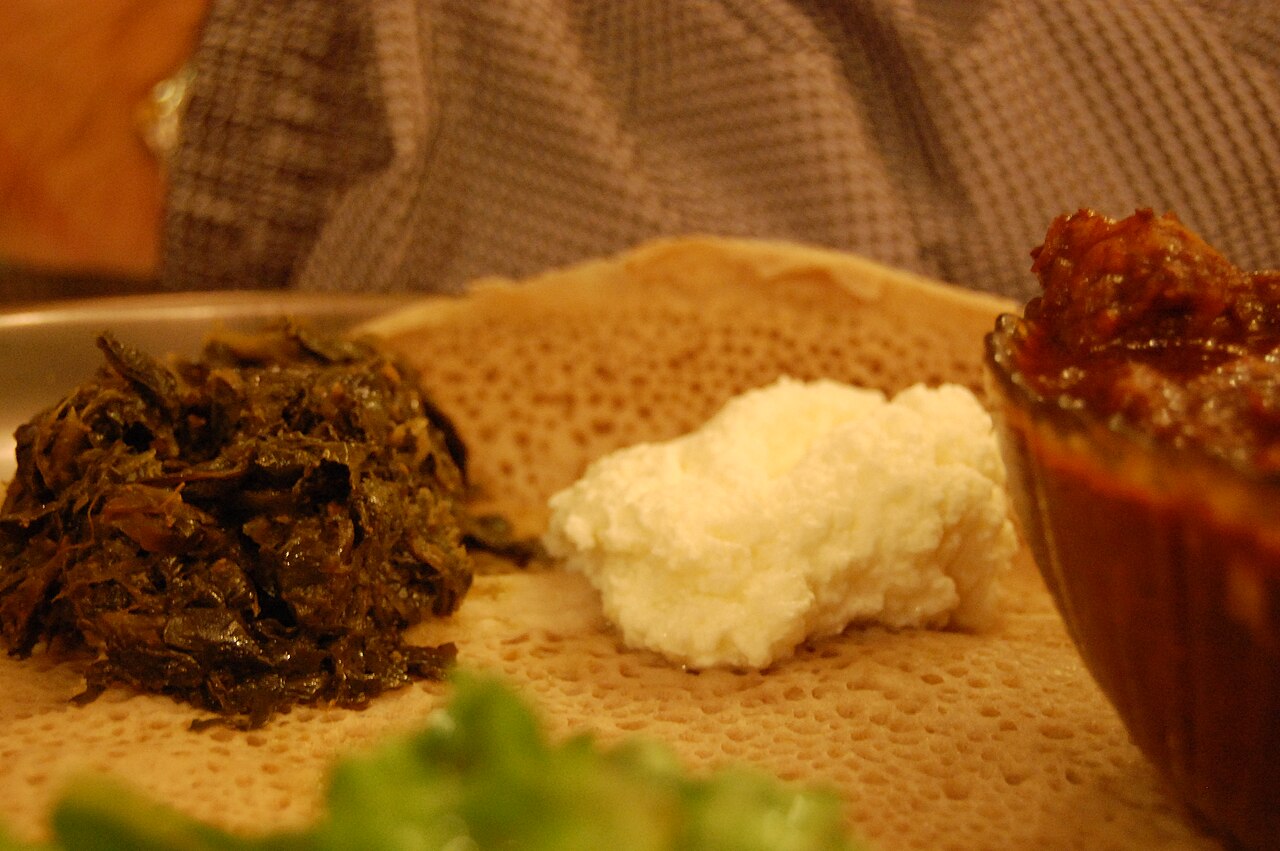
A soft, mild, crumbly fresh cheese made from buttermilk curds, a little like crumbled feta but much milder. It is served beside spicy dishes such as kitfo and doro wat to cool the mouth, often together with chopped greens called gomen.
Ayib has almost no taste of its own, which is exactly why it is served: it softens the heat of the chilli.
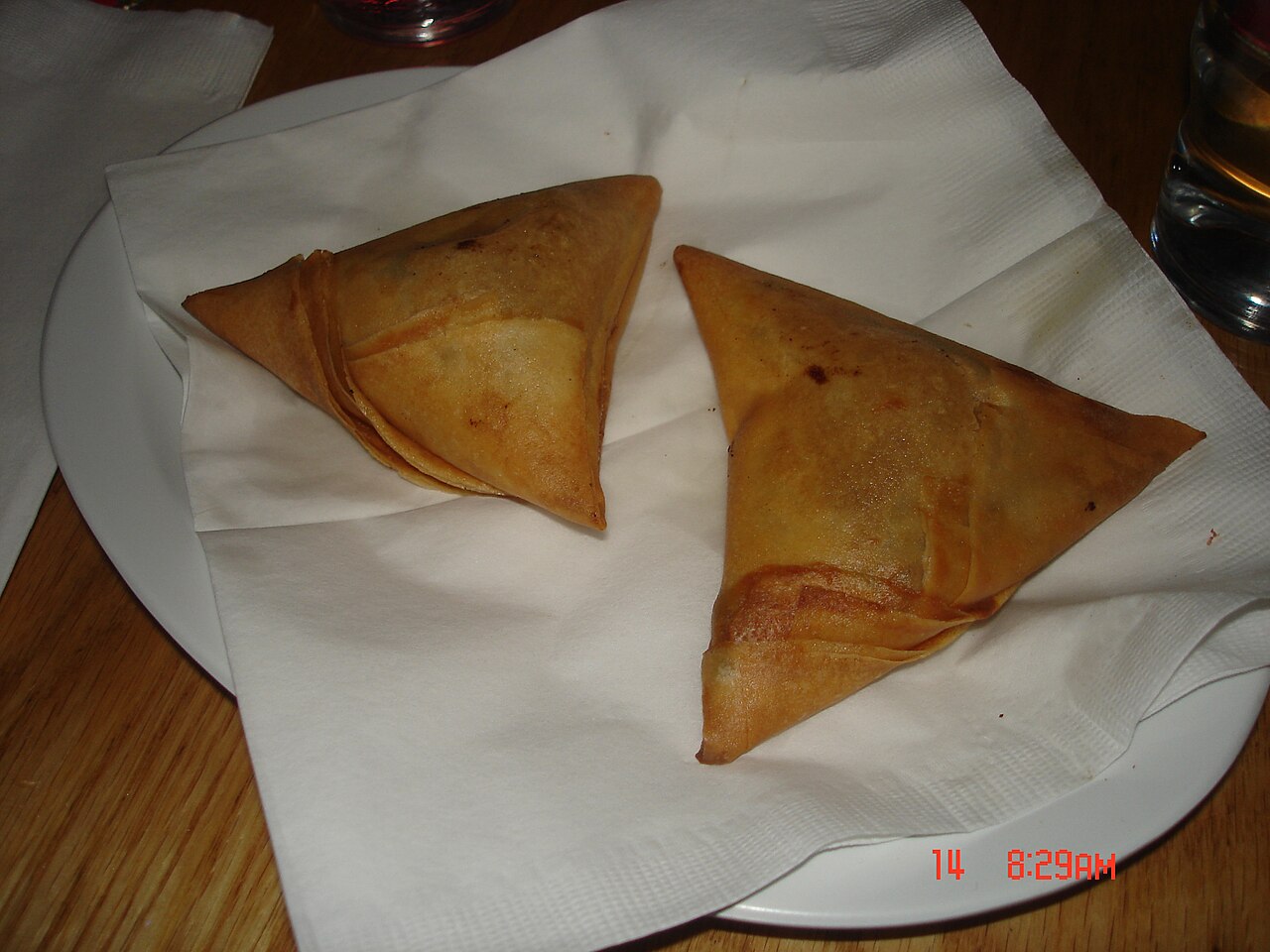
Crisp fried triangles of thin pastry filled with spiced lentils or minced meat, onion and green chilli. They are sold as a street snack and are a favourite at the evening meal that breaks the fast during Ramadan.
Sambusas are cousins of the Indian samosa; the same snack is known across the Horn of Africa, the Middle East and South Asia.
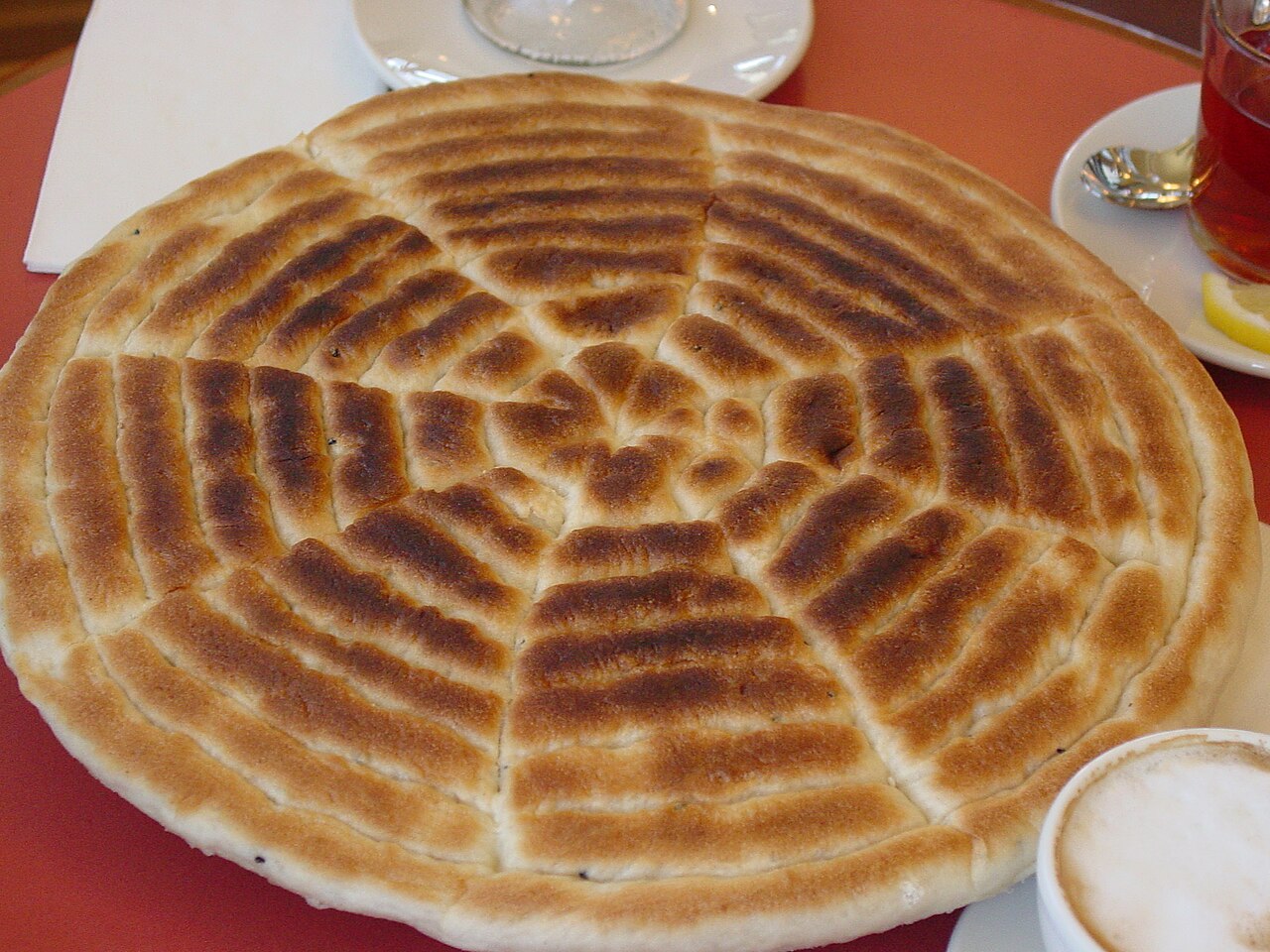
A round, slightly sweet bread for celebrations, often flavoured with cardamom or other spices. Before baking, the top is marked with a pattern that looks like a wheel with spokes, so each loaf looks like a decoration.
In Tigrinya, spoken in Tigray and Eritrea, the bread is called himbasha.
Small crunchy nuggets of spiced dough, fried or baked, eaten by the handful like pretzels. They are sold in paper cones at kiosks and taken on journeys.
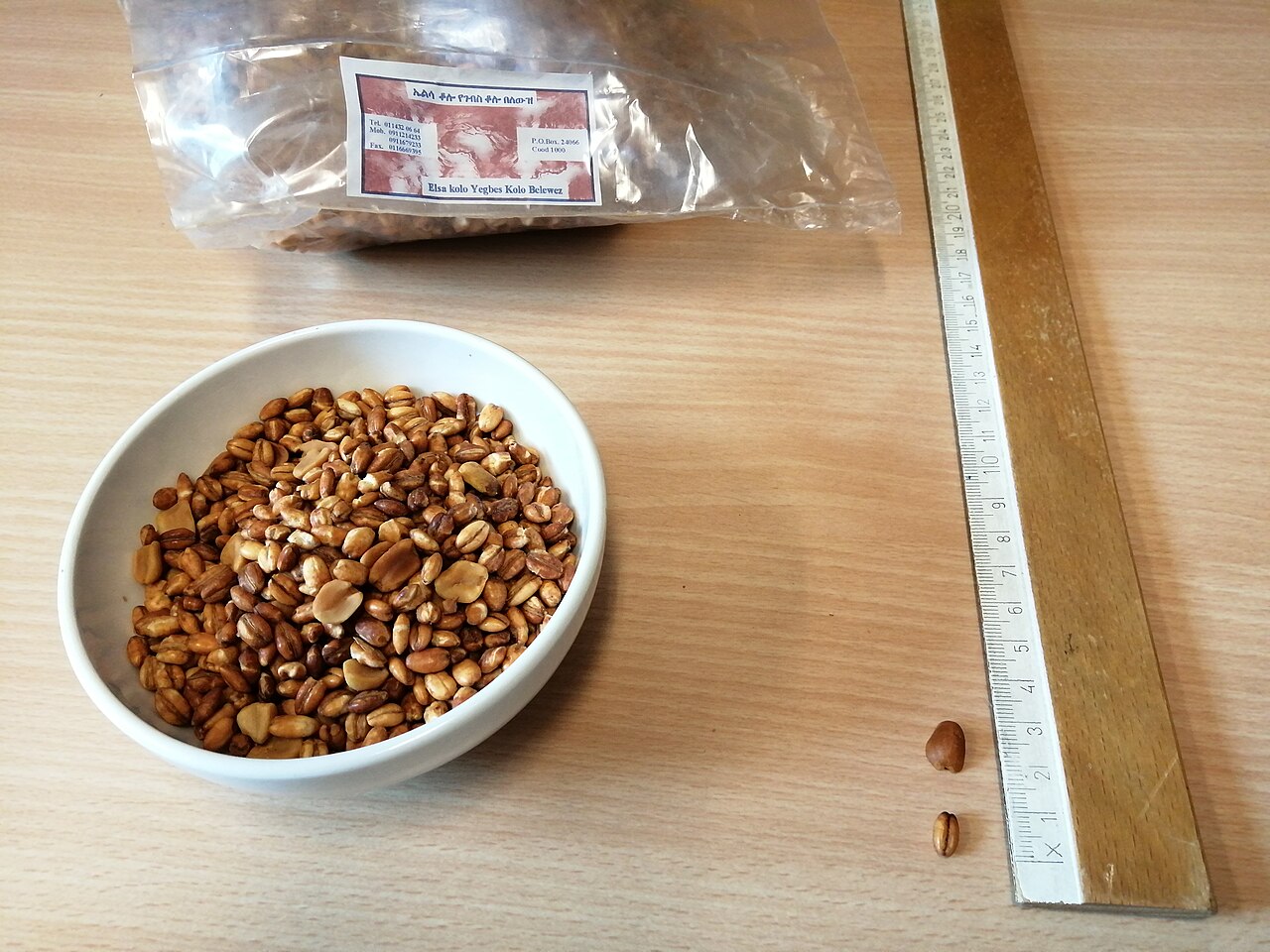
Dabo means bread, and kolo is the name of the roasted barley snack served with coffee.
All of Ethiopia; the coffee plant grows wild in the southwestern highlands
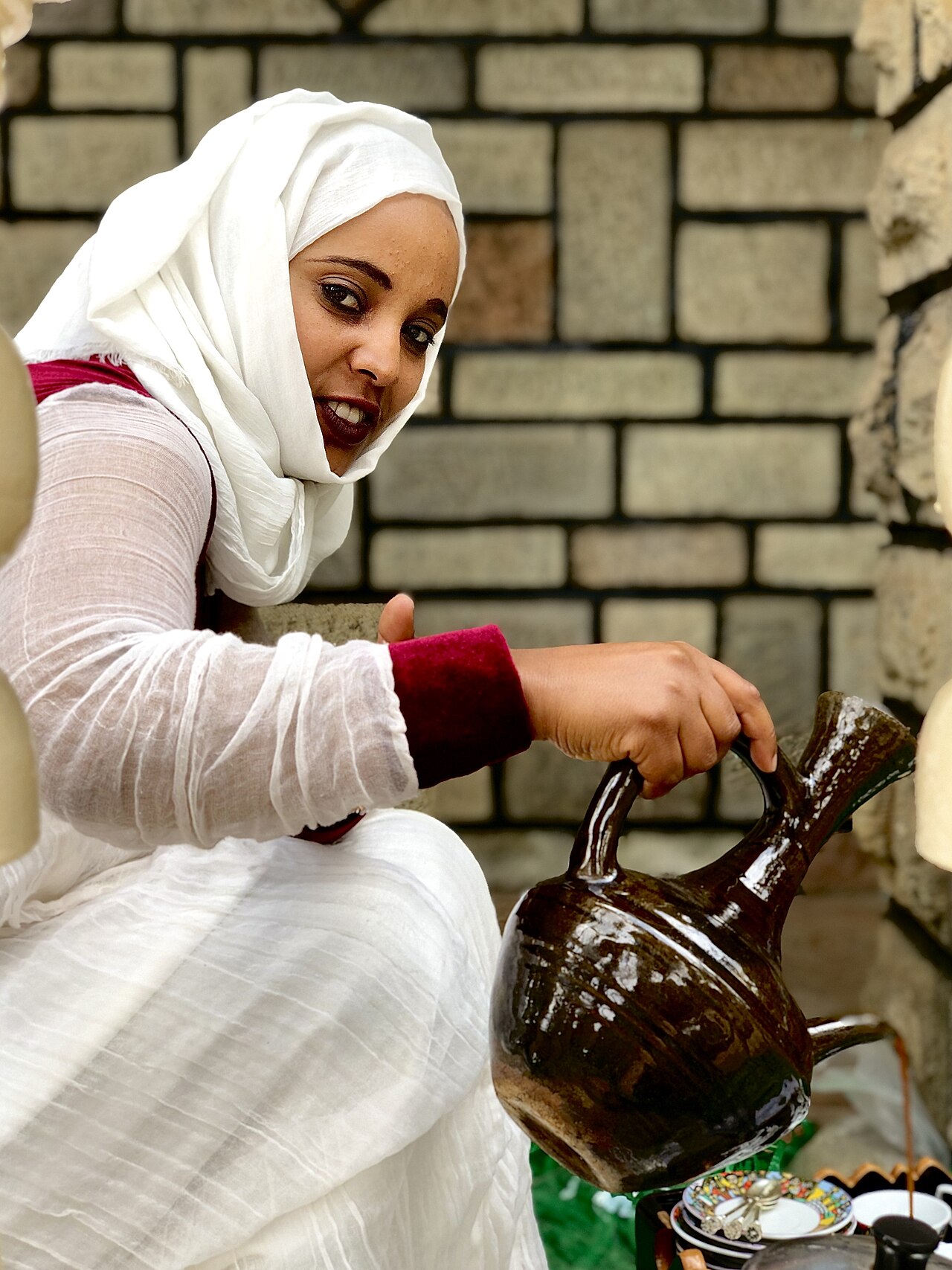
In the coffee ceremony, green beans are washed and roasted in a pan in front of the guests, who are invited to smell the smoke. The beans are ground by hand, boiled in a clay pot called a jebena and poured into small cups, often with sugar, and in some places with salt or butter. Incense burns and popcorn or roasted barley is served alongside. A full ceremony has three rounds, called abol, tona and bereka.
The famous story of Kaldi, a goatherd who noticed his goats dancing after eating coffee berries, is a legend: it was first written down in 1671, about two centuries after coffee drinking is first recorded, and the name Kaldi was only added in the 20th century.
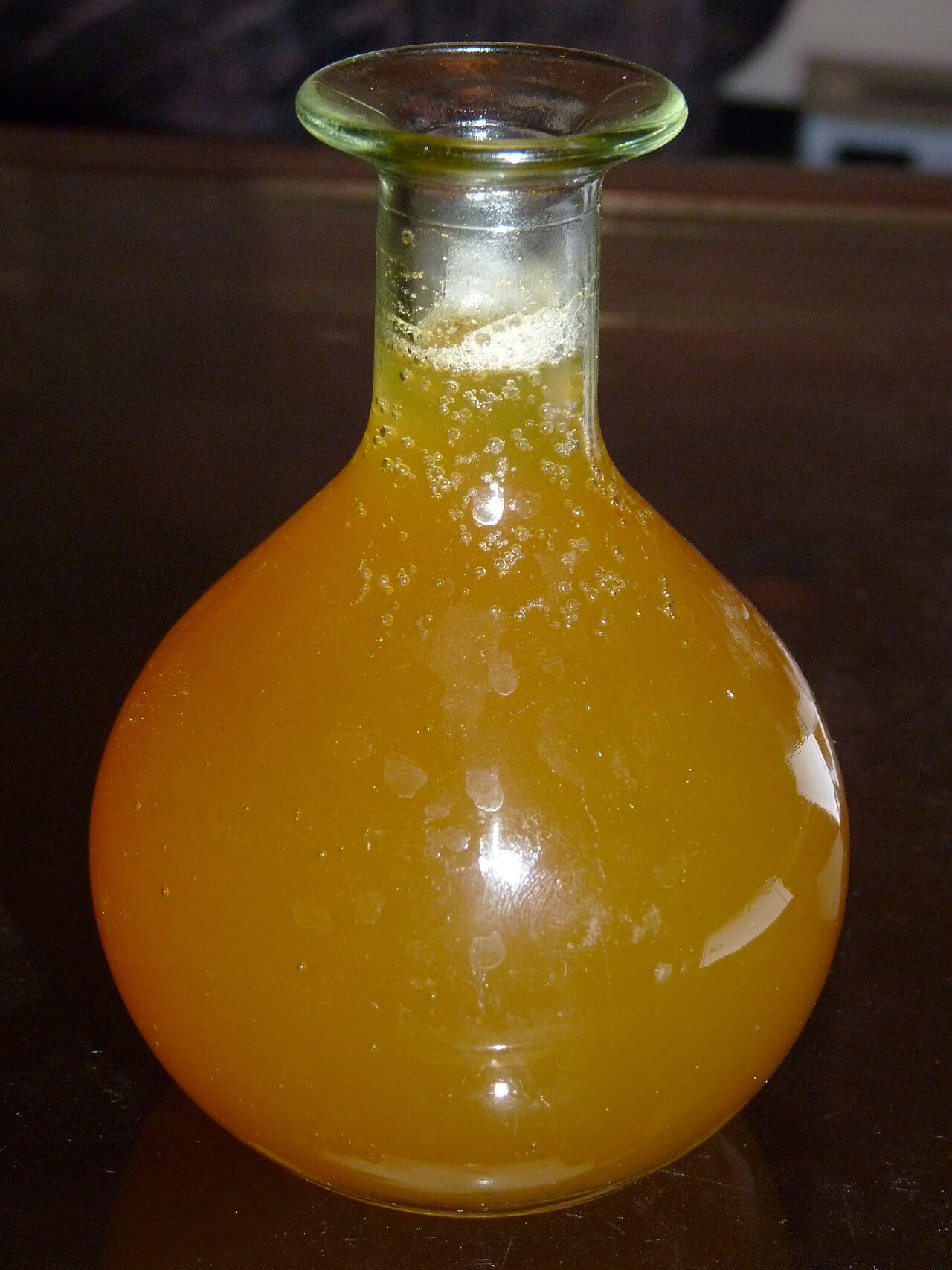
A golden honey wine, like mead, made from honey, water and the leaves and twigs of a shrub called gesho, which gives it a slight bitterness. It is served in a round glass flask called a berele, in homes and in tej houses, and usually has about 7 to 11 percent alcohol.
For centuries tej was a drink of kings and nobles, and honey was even paid as a tax. Today it is often called the national drink.
Table manners
Wash your hands before the meal. In many homes a jug of water and a basin are brought to you at the table.
Eat with your right hand only. Tear off a piece of injera, use it to pinch up some stew, and eat from the part of the shared platter in front of you.
Your host may lift a rolled mouthful to your lips. This is gursha, a sign of friendship and respect, and it is polite to accept it; you may return the gesture.
Wait for the host or the eldest person to begin. In many Christian and Muslim homes a short prayer is said first.
Many Orthodox Christians eat no meat, eggs or dairy on Wednesdays, Fridays and during Lent, and Muslims and Orthodox Christians do not eat pork. Ask before you bring food as a gift.
If you are invited to a coffee ceremony, take your time: it can last an hour, and it is polite to stay for more than one cup.
Most Ethiopians still live in the countryside, but the cities are growing fast. Addis Ababa, in the centre of the country, is by far the largest city. The old royal and religious towns of Aksum, Lalibela and Gondar lie in the northern highlands, the walled city of Harar and the railway city of Dire Dawa are in the east, and the lakes of the Rift Valley run south from the capital.
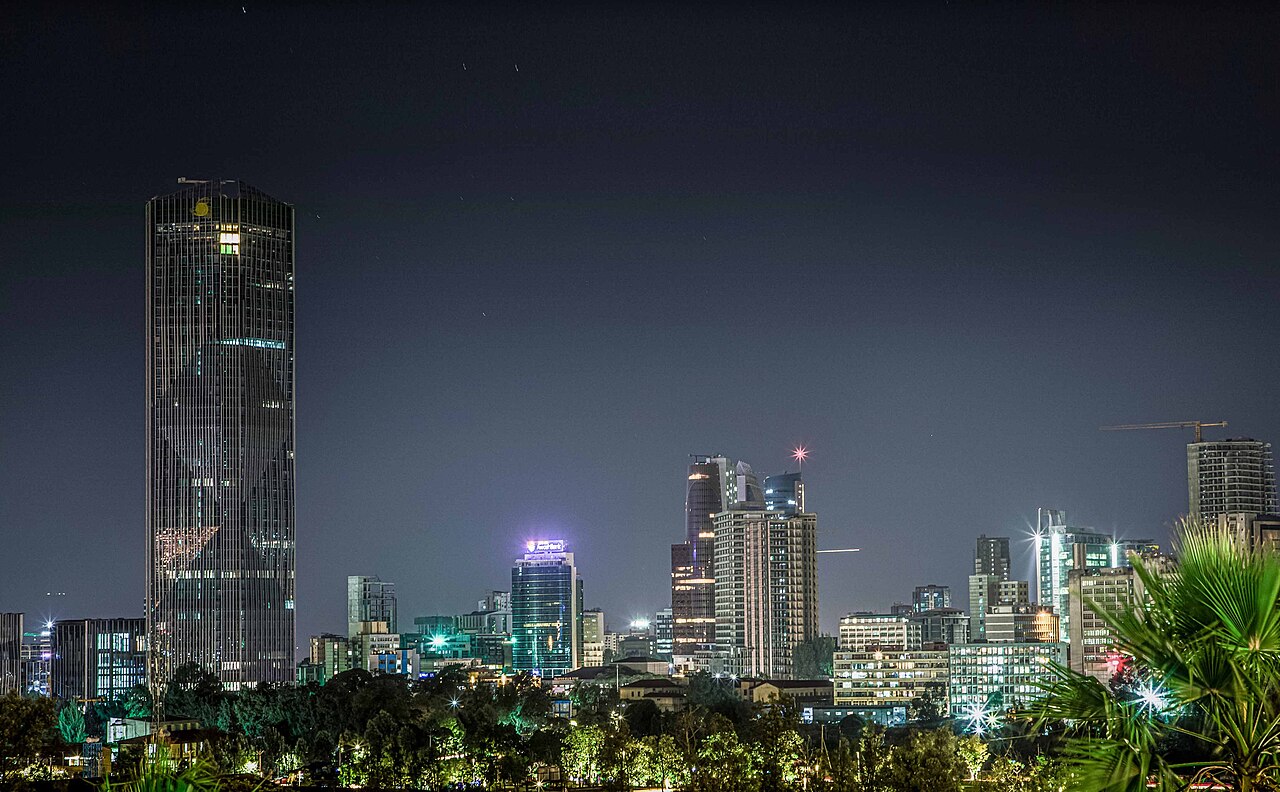
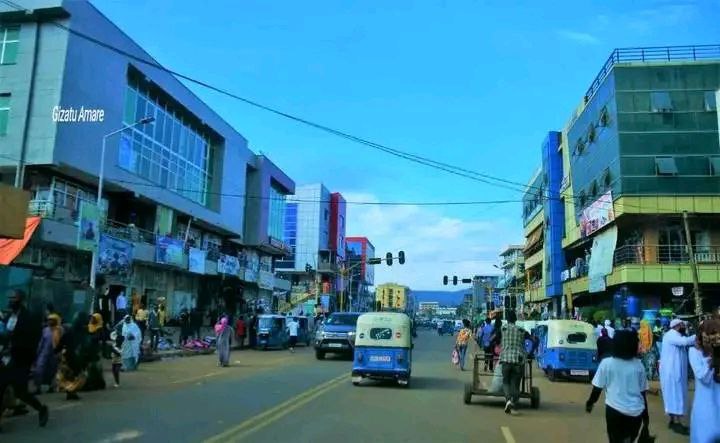
The capital and by far the largest city, home to several million people. It was founded in 1886 by Menelik II and Empress Taytu, and its name means 'new flower'. At about 2,355 m it is one of the highest capital cities in the world, and it is the headquarters of the African Union.
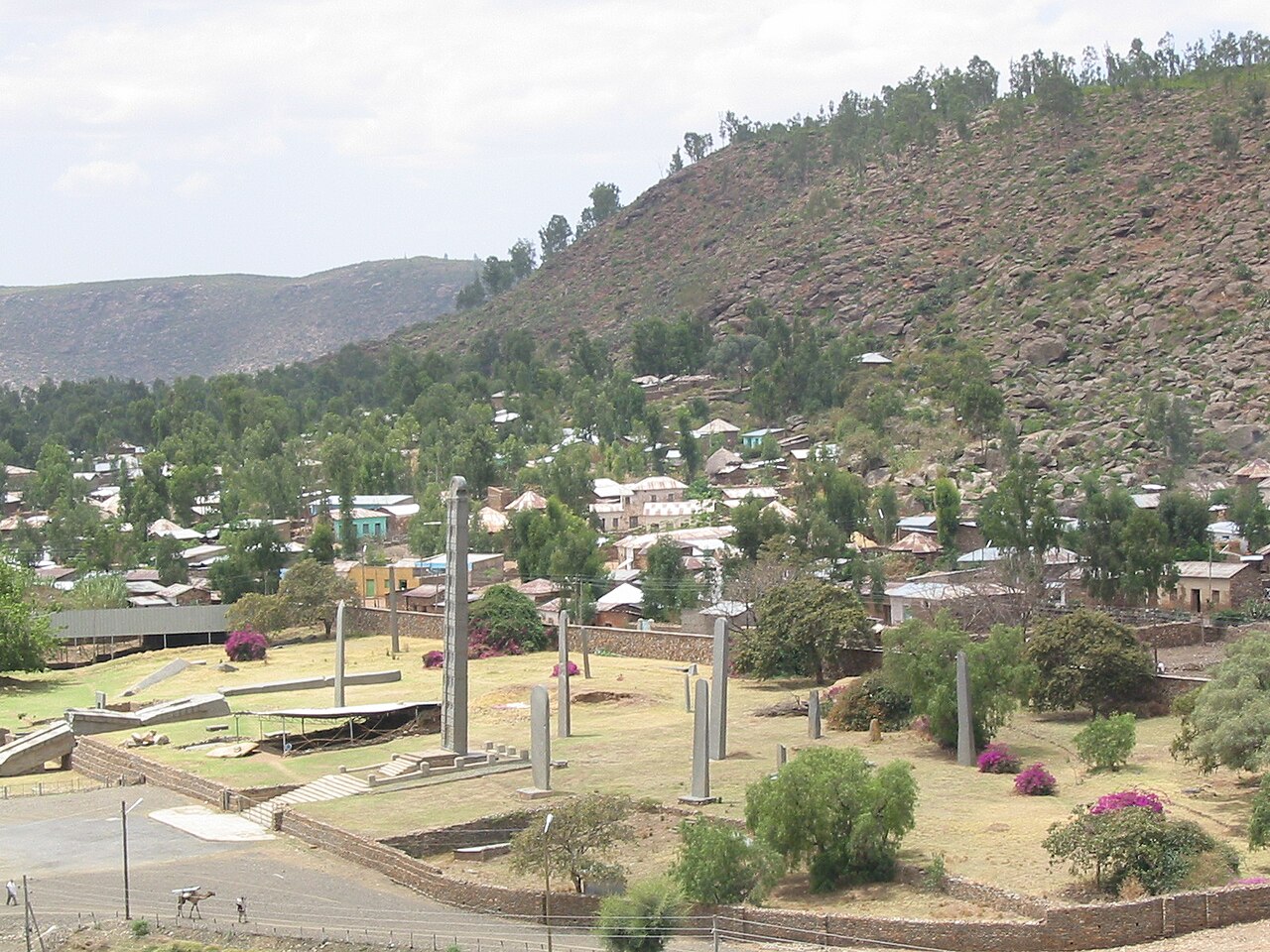
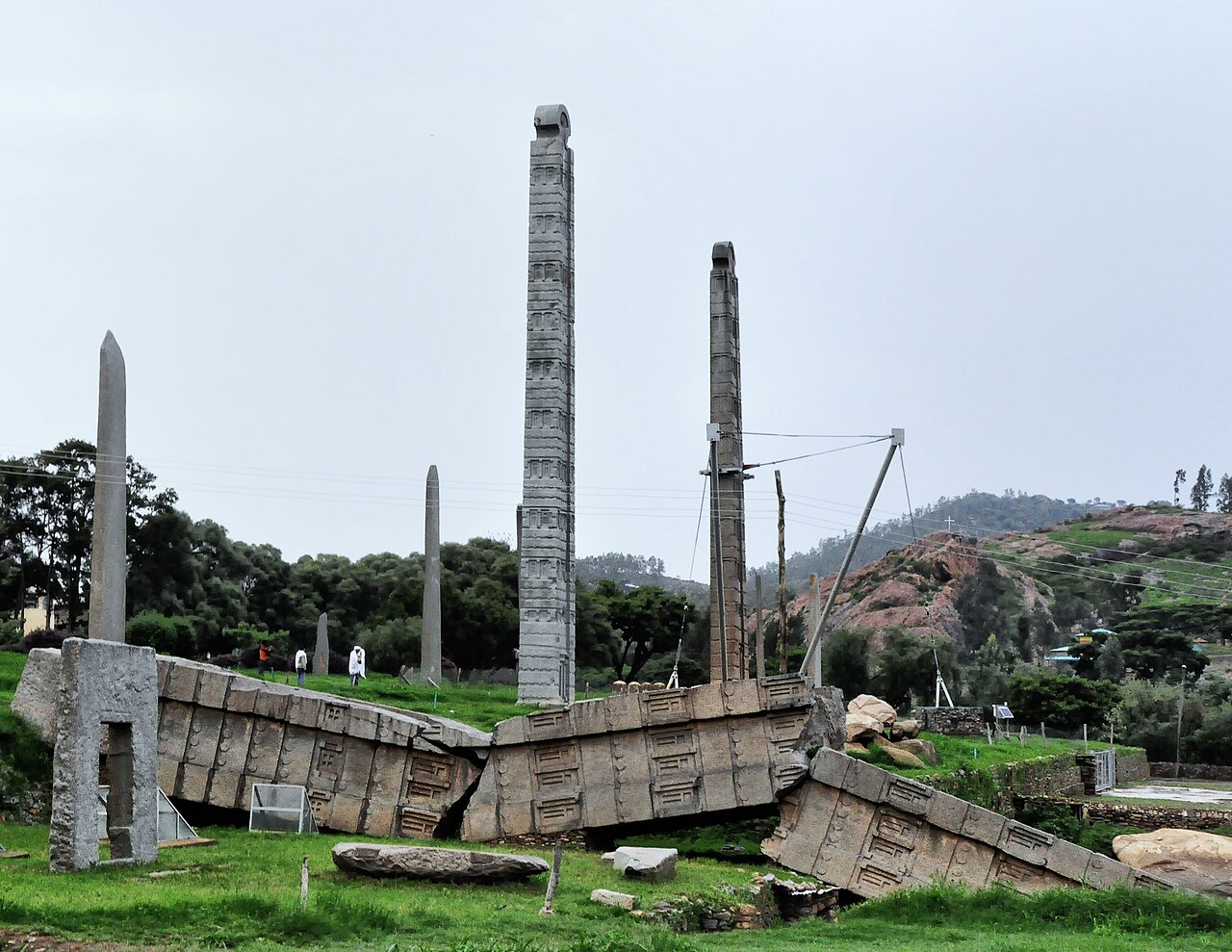
The capital of the ancient Kingdom of Aksum, which traded with Rome, Persia and India. Its tall carved stone pillars, or stelae, still stand in the town. Many Ethiopian Christians believe that the Ark of the Covenant is kept in a chapel at the Church of Our Lady Mary of Zion here.
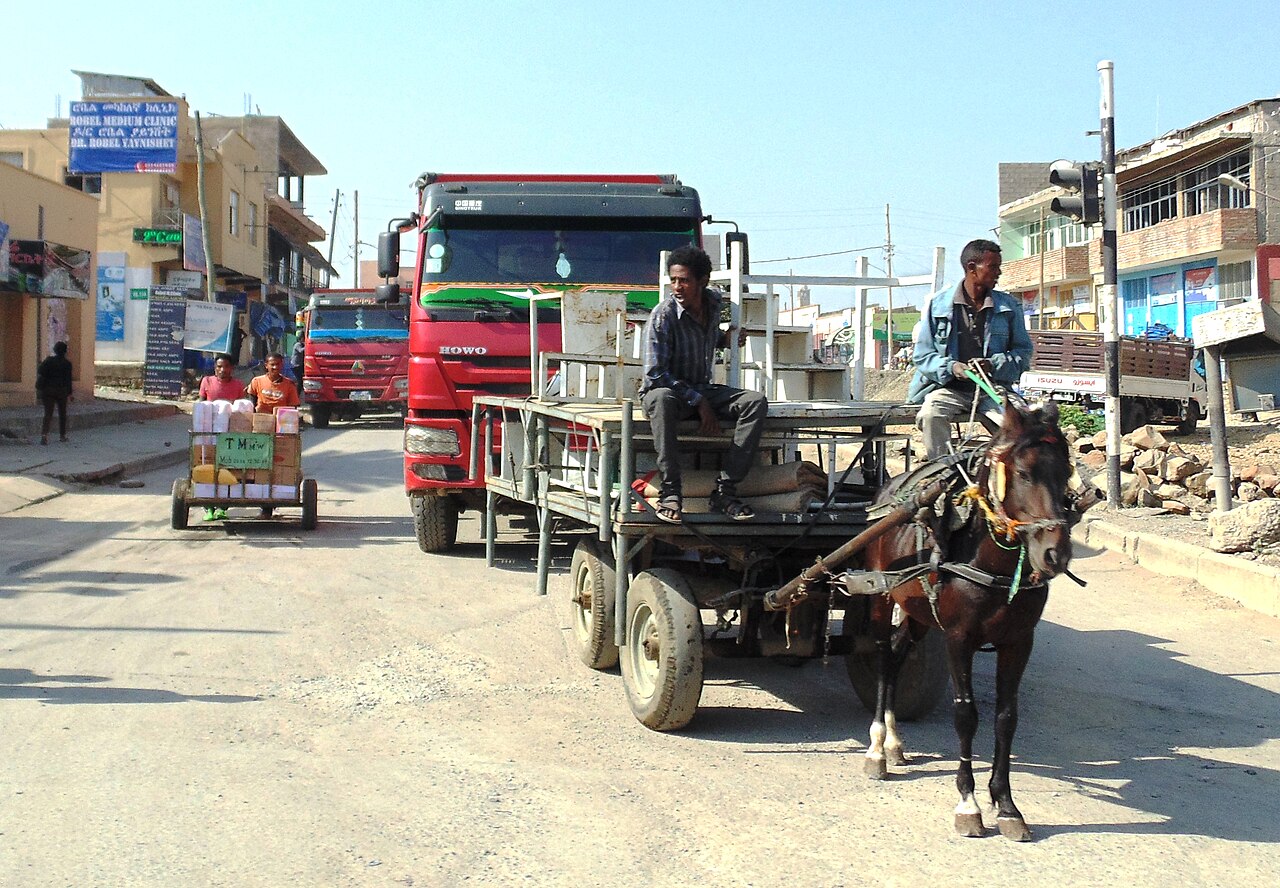
The largest city of northern Ethiopia, at about 2,250 m. It grew in the late 19th century, when Emperor Yohannes IV made it his political capital, and his palace still stands. For centuries, camel caravans have carried blocks of salt up from the Danakil lowlands to this part of Tigray.
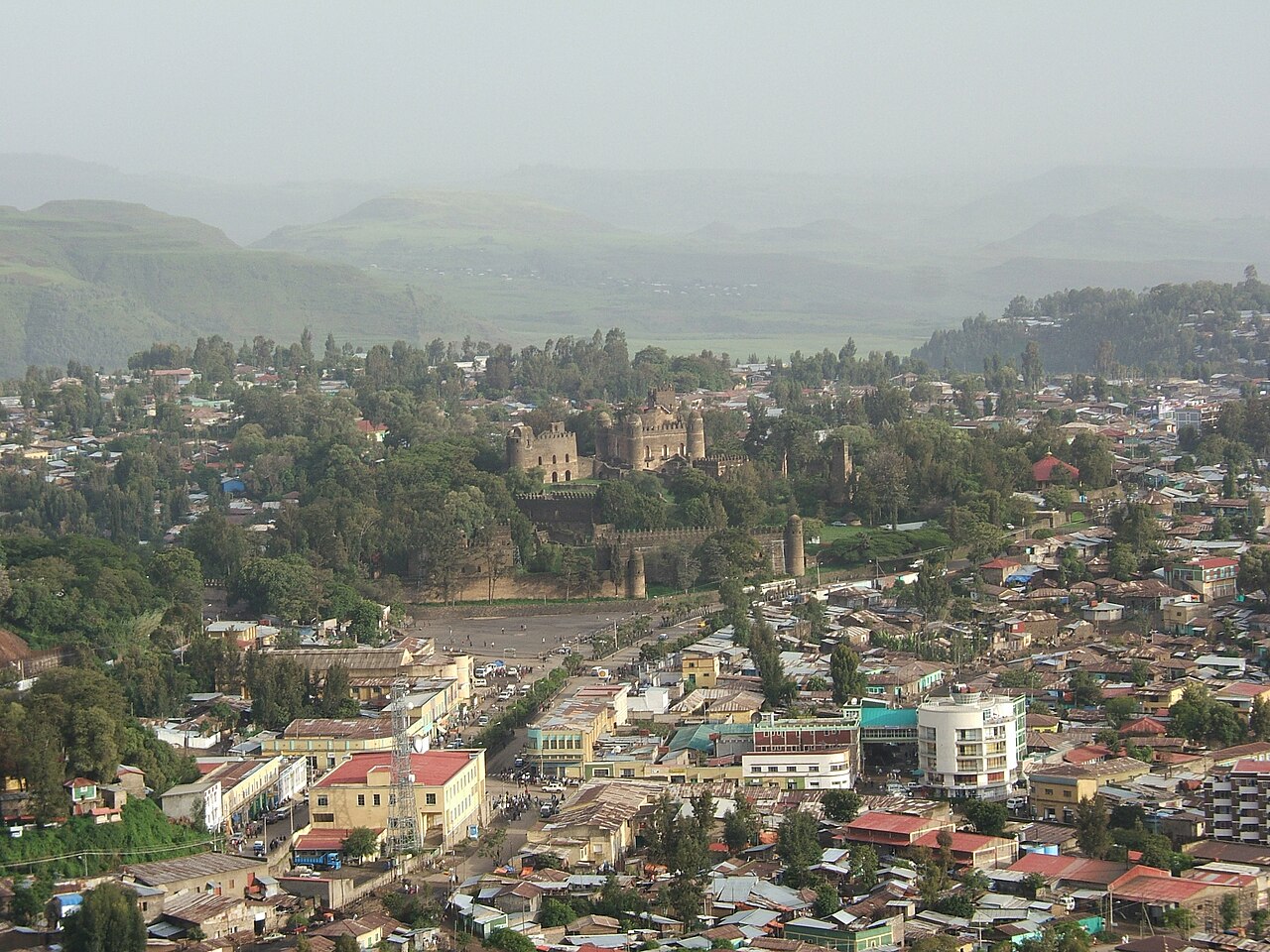
The capital of the Ethiopian emperors for about two centuries after Emperor Fasilides settled here in 1636. Its royal enclosure of stone castles has earned it the nickname 'the Camelot of Africa'. It is also the gateway to the Simien Mountains.
The castles of Fasil Ghebbi
The painted ceiling of Debre Berhan Selassie church
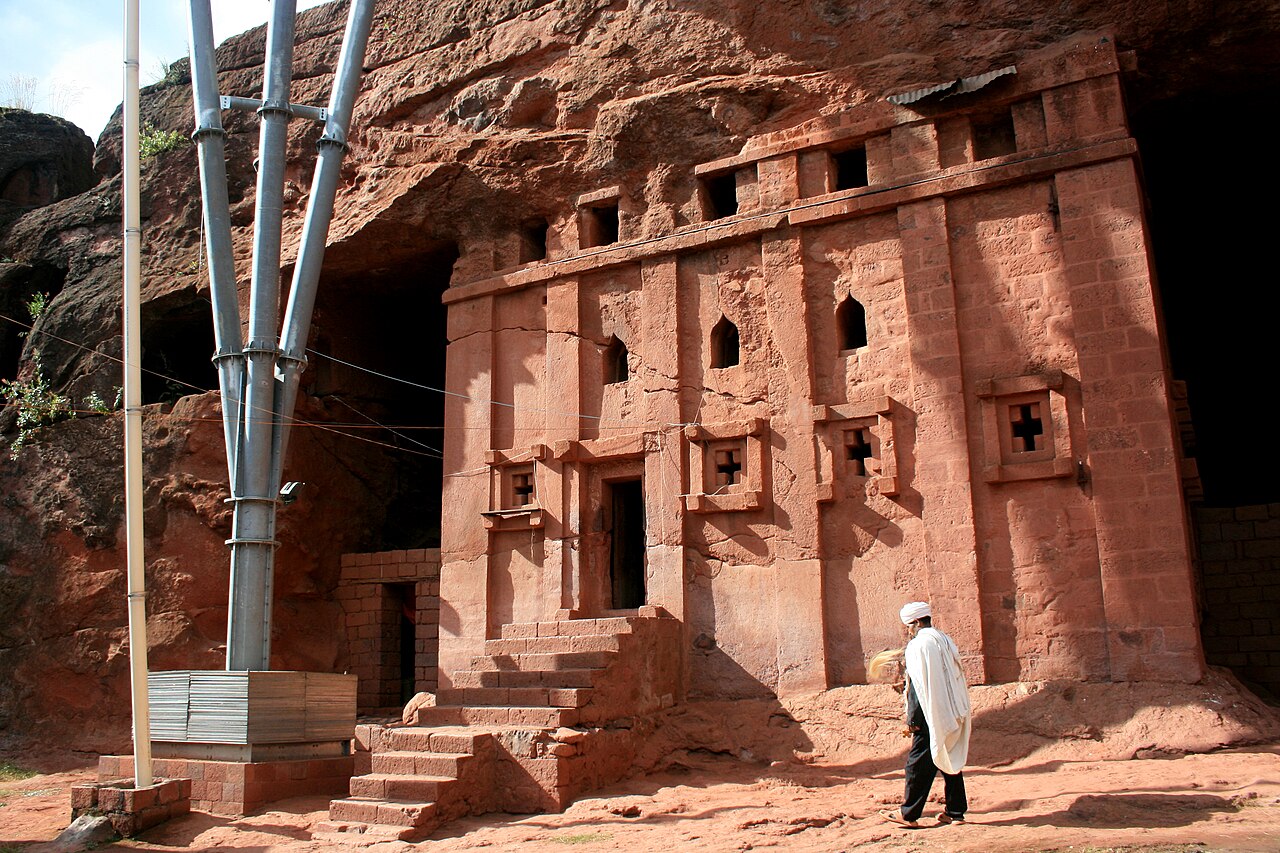
A small mountain town at about 2,500 m, named after King Lalibela of the Zagwe dynasty. Its eleven churches carved out of solid rock make it one of the holiest places in Ethiopia, and thousands of pilgrims come here at Christmas, which Ethiopia celebrates on 7 January.
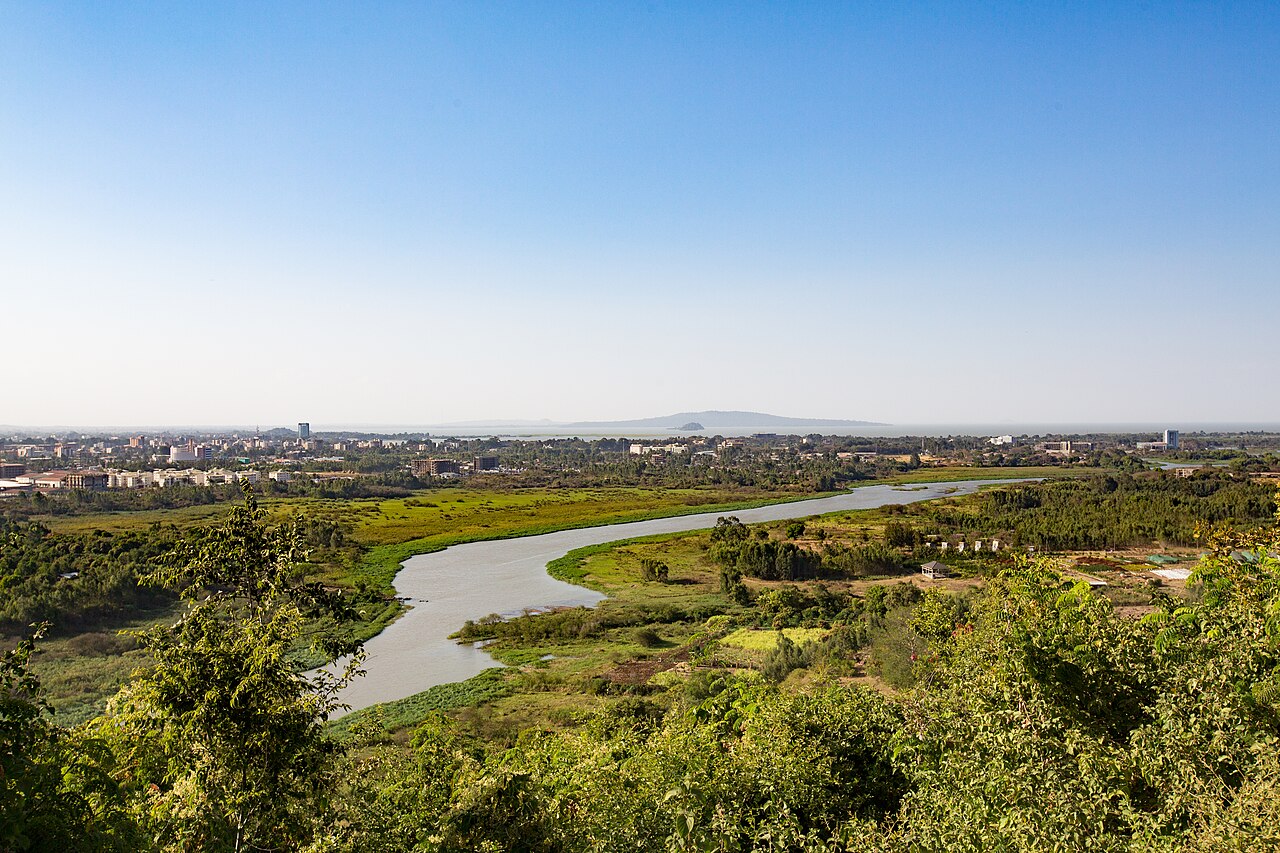
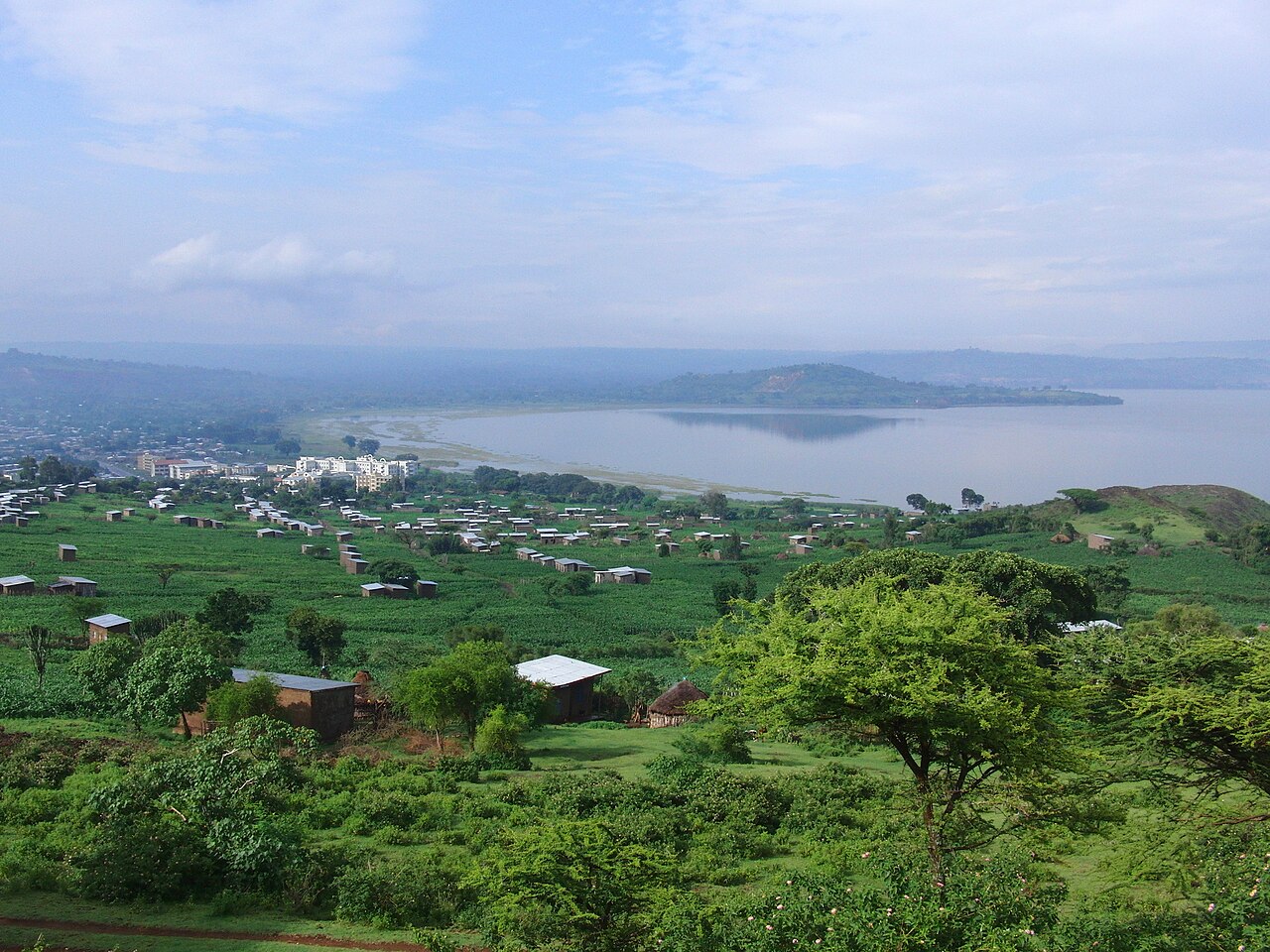
A green city of wide avenues lined with palm trees on the southern shore of Lake Tana, Ethiopia's largest lake, where the Blue Nile flows out of it. Boats take visitors to old monasteries on the lake's islands and peninsulas. Its name means 'sea shore' in Amharic.
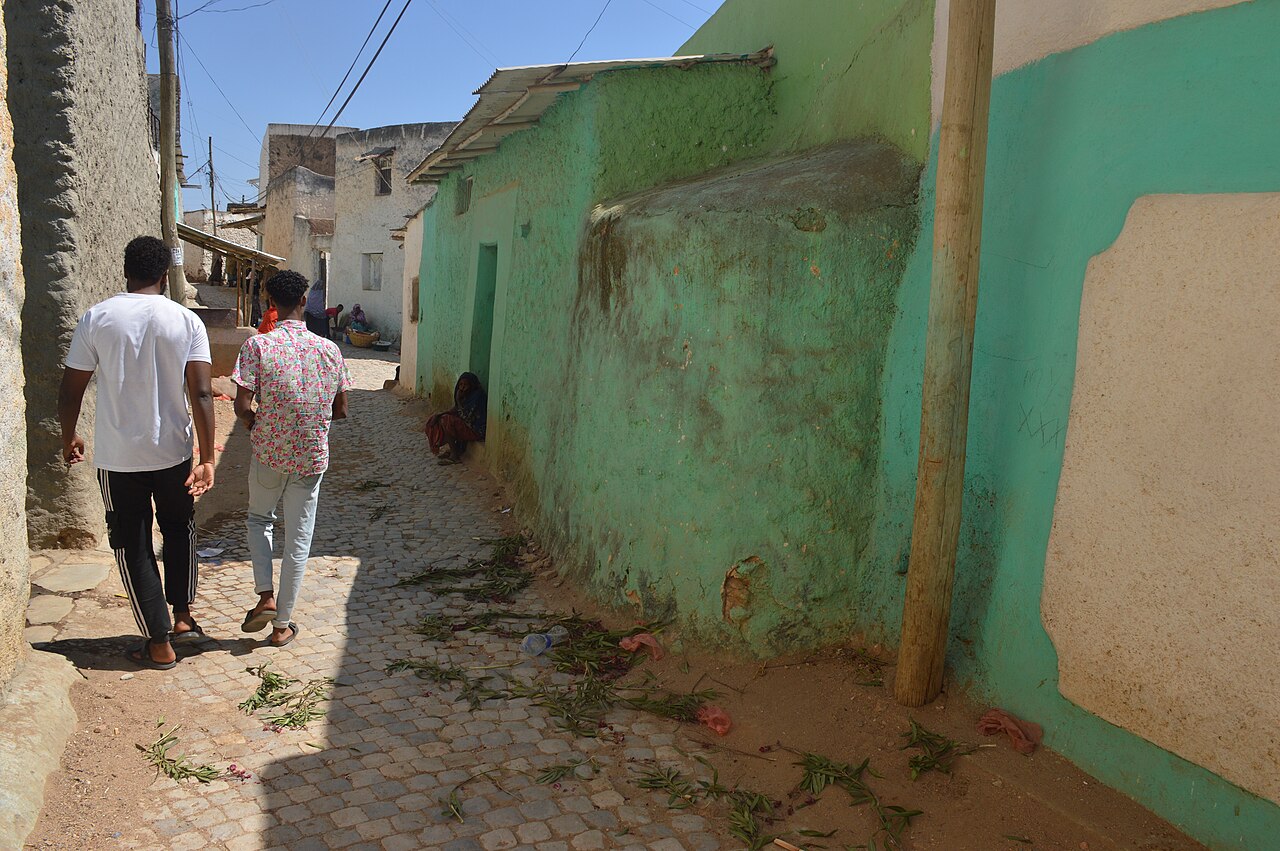
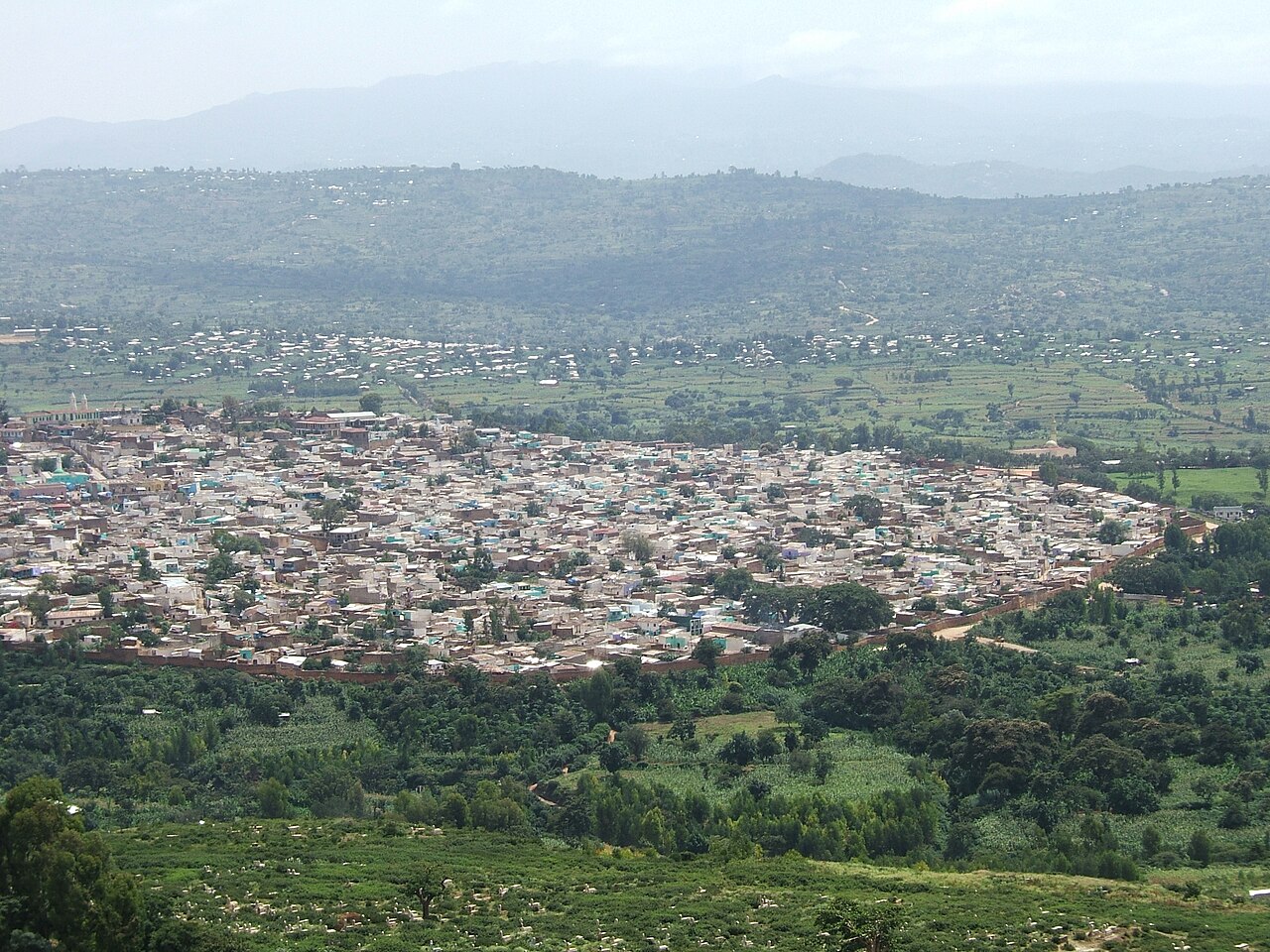
An old walled Muslim city on a hilltop in the east, with a maze of narrow lanes, 82 mosques and more than 100 shrines. UNESCO notes that it is considered the fourth holiest city of Islam. The French poet Arthur Rimbaud lived and traded here in the 1880s.
A lowland city that grew up around the railway from Djibouti, which reached the site on 24 December 1902, a date often taken as the city's founding. Like Addis Ababa, it is a chartered city that governs itself, and it is a busy trading centre on the new electric railway to the sea.
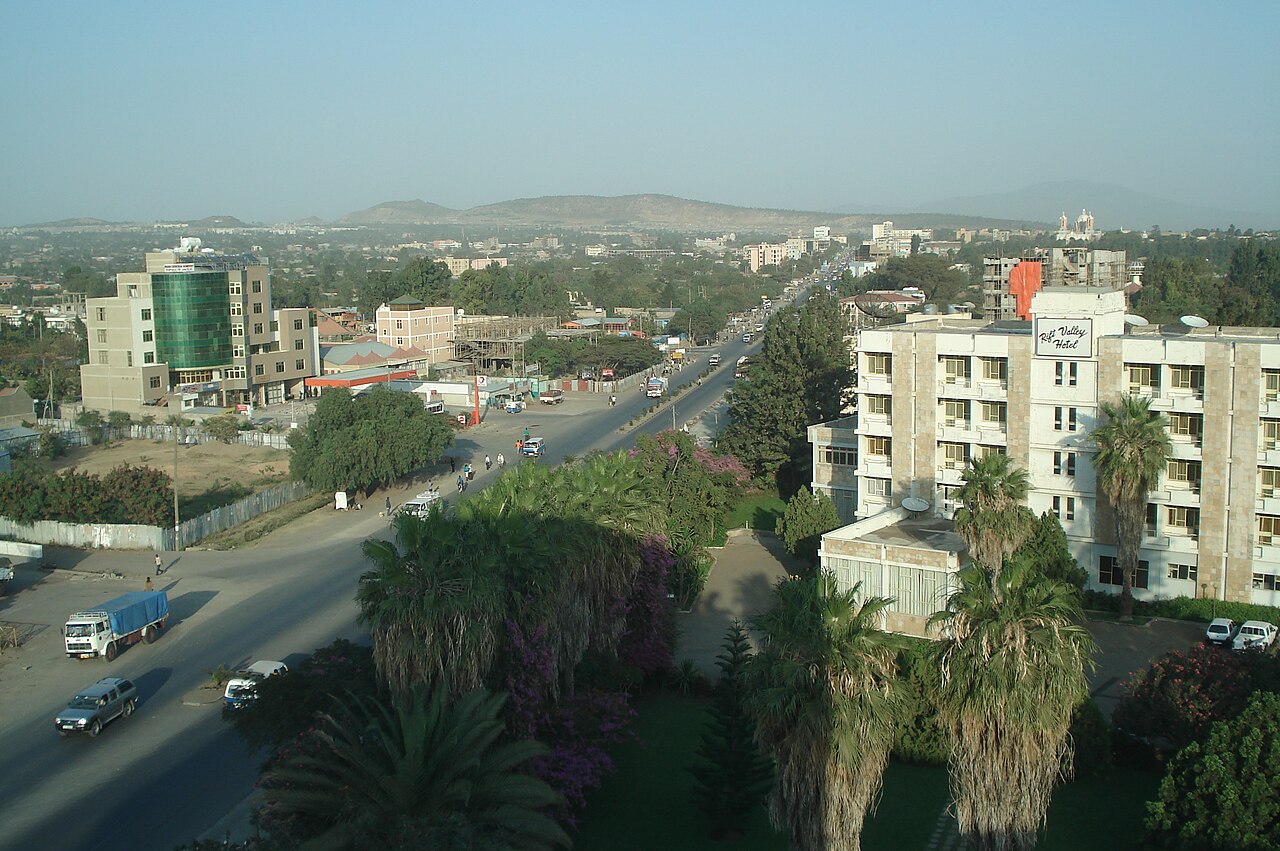
A busy, warm transport city about 99 km southeast of Addis Ababa, on the main road and railway to Djibouti. It was long known as Nazret. Many conferences and weekend visitors come here from the cooler capital.
A lakeside city in the Great Rift Valley, on the shore of Lake Hawassa, about 273 km south of Addis Ababa by road. Its name comes from a Sidama word for a wide body of water. It is known for its university, parks and a lively fish market on the shore.
The largest city of southwestern Oromia, in green, rainy coffee country. In the 19th century it was the heart of the Kingdom of Jimma, on the caravan route between Shewa and Kaffa, the region whose name is often linked with the word coffee.
A southern town at the foot of the Rift Valley wall, between Lake Abaya and Lake Chamo. Its name means 'forty springs', after the many springs that feed a small groundwater forest. Boats take visitors to see crocodiles and hippos on Lake Chamo.
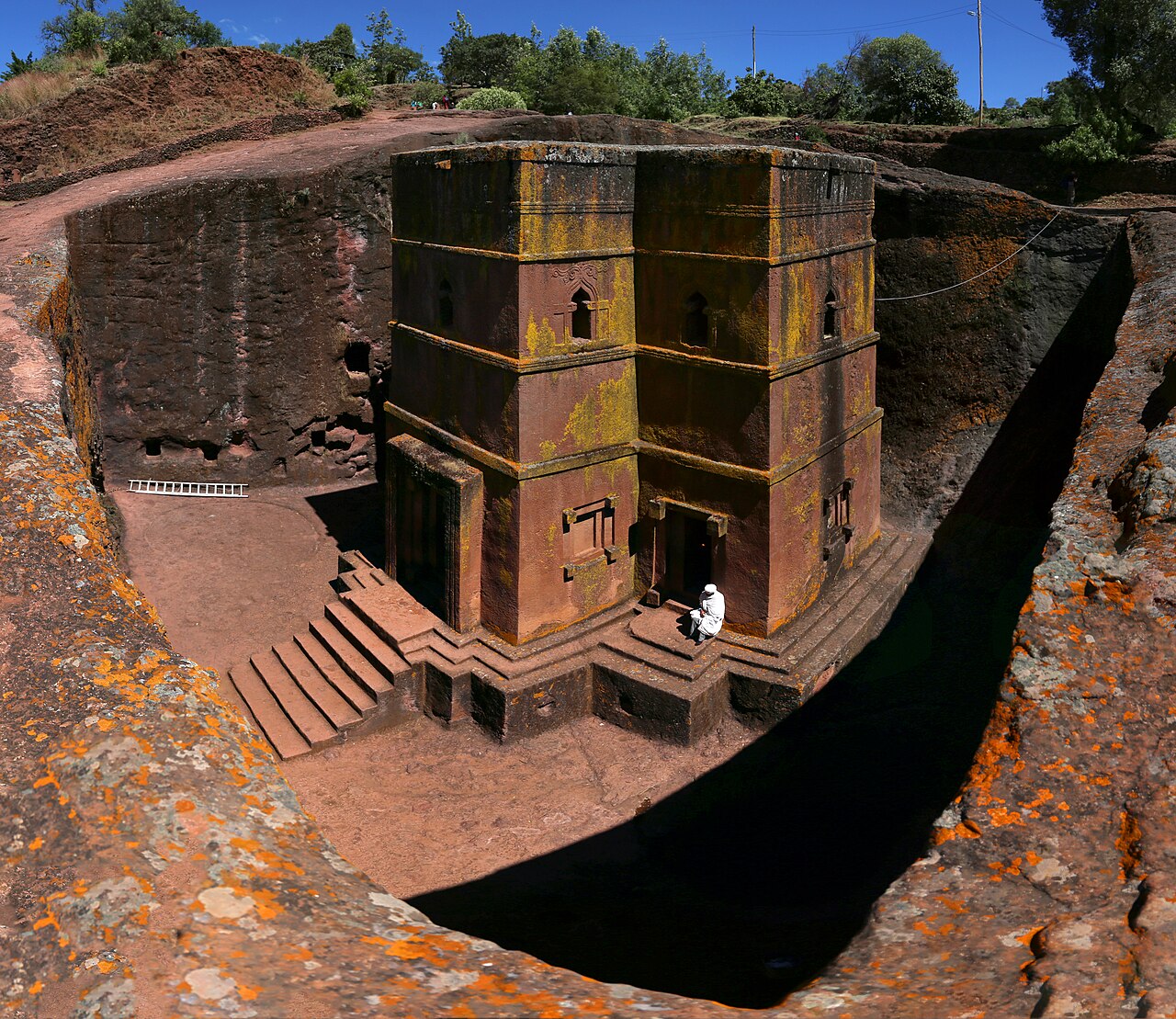
Eleven churches cut downwards out of solid volcanic rock, linked by trenches and tunnels, traditionally credited to King Lalibela, who ruled around 1200. Tradition says he wanted to build a new Jerusalem, and the stream between the churches is called the Jordan. The cross-shaped Church of Saint George (Bete Giyorgis), standing alone in a deep pit, is the most famous. The churches are still in daily use.
Tall stone pillars carved to look like many-storey towers, with false doors and windows, set up over royal tombs by the kings of Aksum. The Obelisk of Aksum, about 24 m high and from the 4th century, was taken to Rome by Italian troops in 1937. It was returned in 2005 and stood again in Aksum from 2008.
A walled royal enclosure in the centre of Gondar with castles, palaces, a library, stables and churches, built by Emperor Fasilides and the emperors who followed him in the 17th and 18th centuries. The stone castles mix Ethiopian, Arab, Indian and European styles.
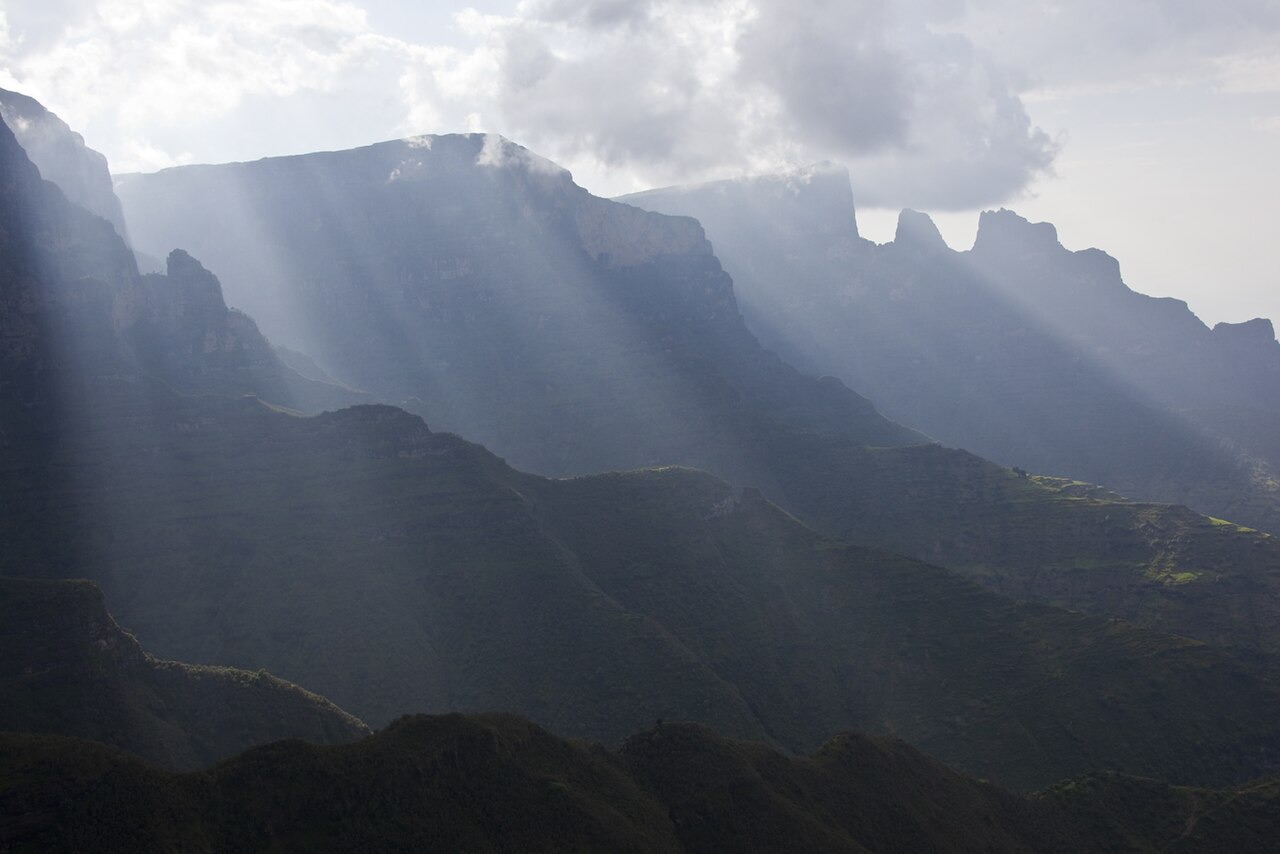
A high plateau of jagged peaks and cliffs that drop about 1,500 m, northeast of Gondar, with Ras Dashen, the country's highest mountain. Herds of gelada monkeys graze on the grass, and it is home to the walia ibex, a wild goat found nowhere else, and the rare Ethiopian wolf. It was one of the first natural World Heritage Sites, in 1978.
The old town of Harar inside its 16th-century wall, the Jugol, with five historic gates, narrow lanes, mosques, shrines and brightly painted Harari houses. After dark, men known as hyena men feed wild hyenas just outside the walls, a tradition that visitors can watch.
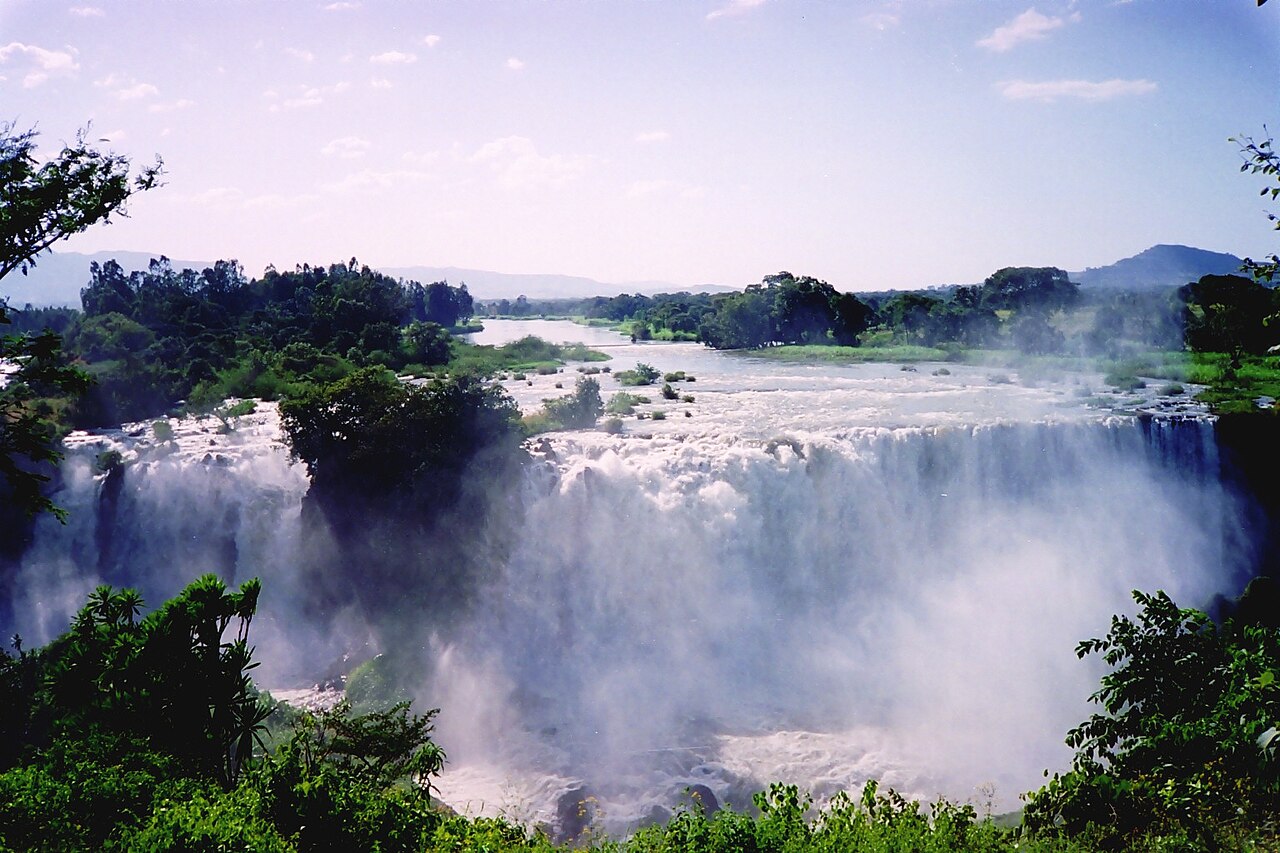
A waterfall about 30 km downstream from Bahir Dar and Lake Tana, 42 m high. Its Amharic name, Tis Abay, means 'great smoke', after its spray. In the rainy season it can be more than 400 m wide, but a power station now takes much of the water in the dry months. Nearby stands a stone bridge built in 1626.
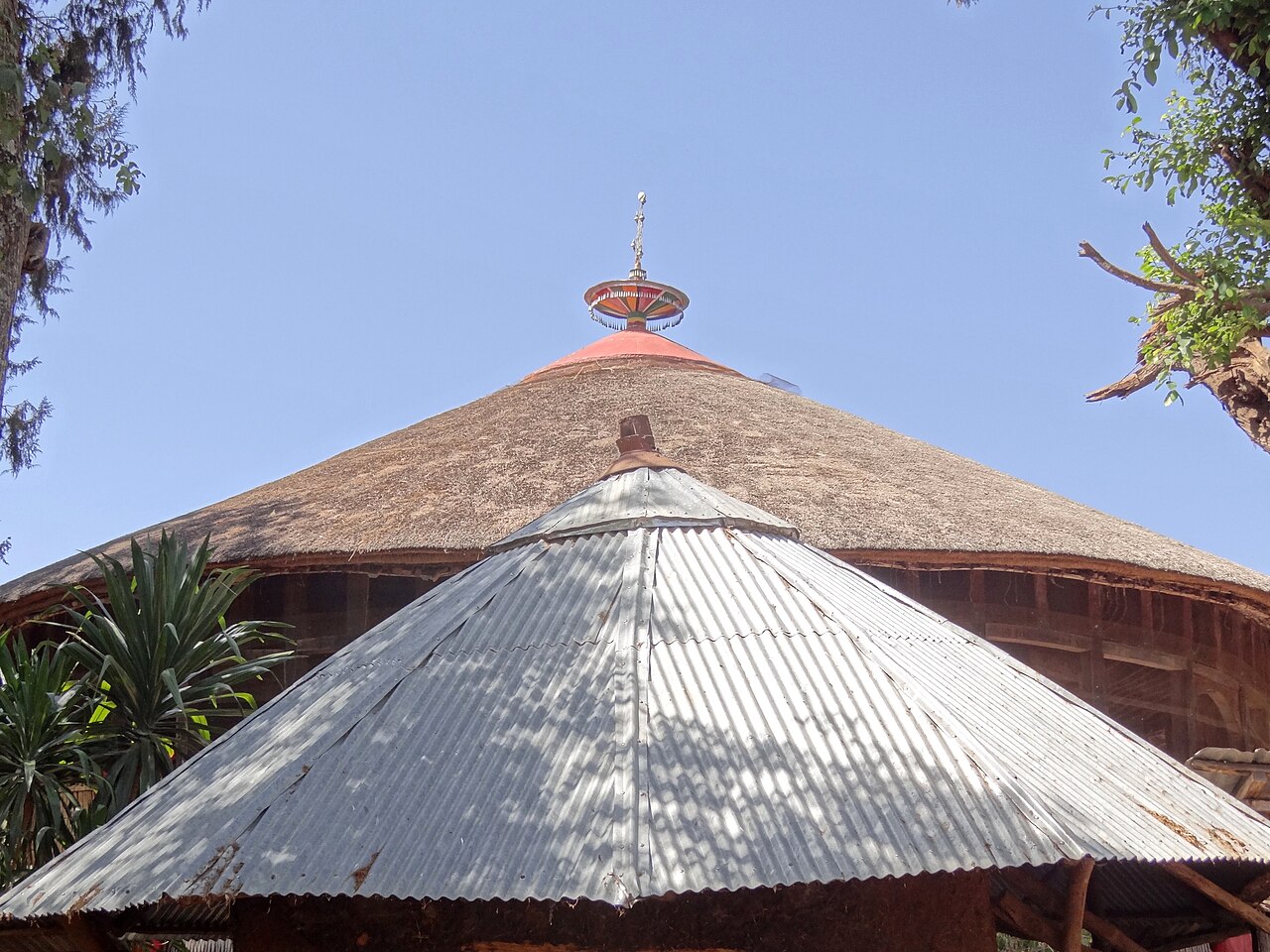
A round church on the forested Zege peninsula in Lake Tana, reached by boat from Bahir Dar. The monastery was founded in the 14th century and the present church dates from the 16th. Its walls are covered with bright paintings of saints and Bible stories, and its treasury holds old royal crowns.
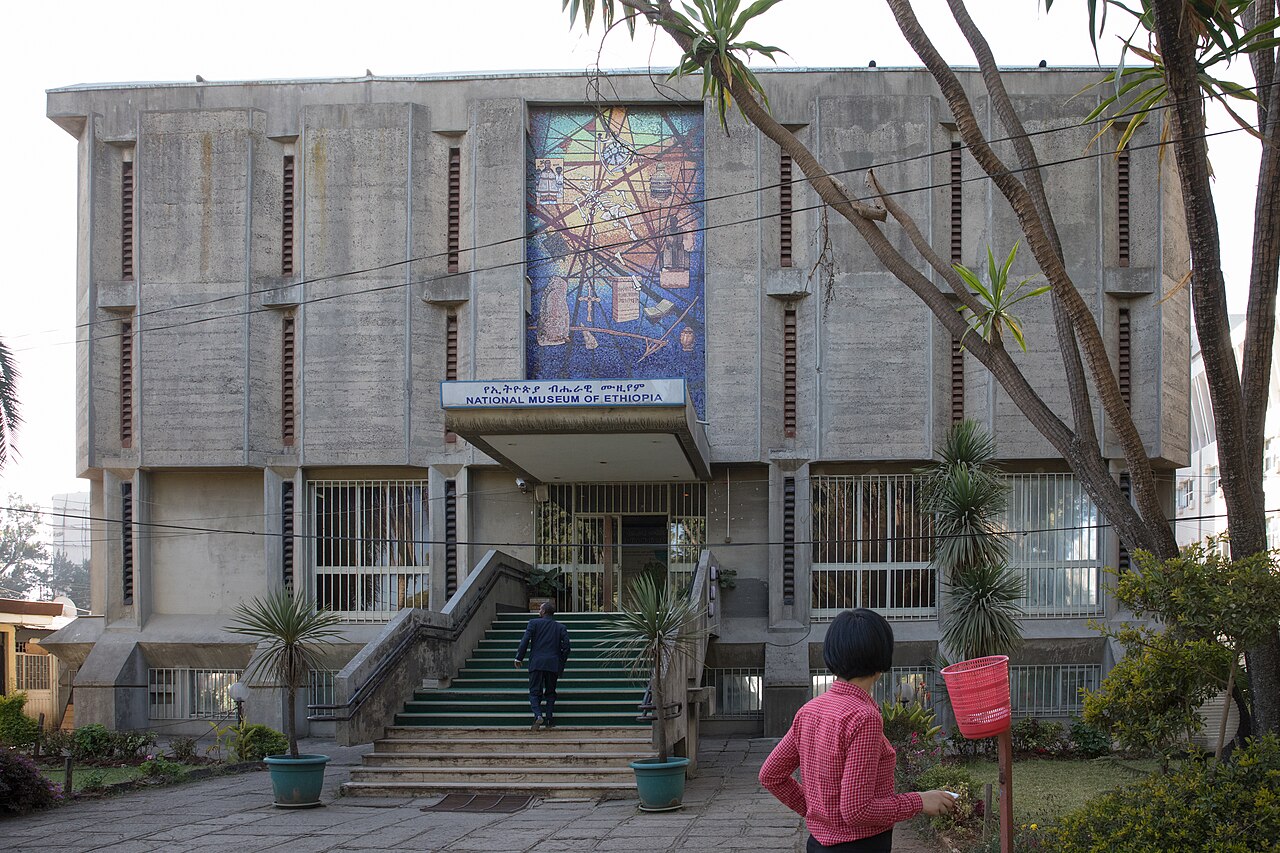
The country's main museum, known around the world for Lucy, a 3.2 million-year-old skeleton of an early human ancestor. The Lucy on display is a replica; the original bones are kept safely in a vault. The upper floors show royal treasures, including items of Haile Selassie, and modern Ethiopian art.
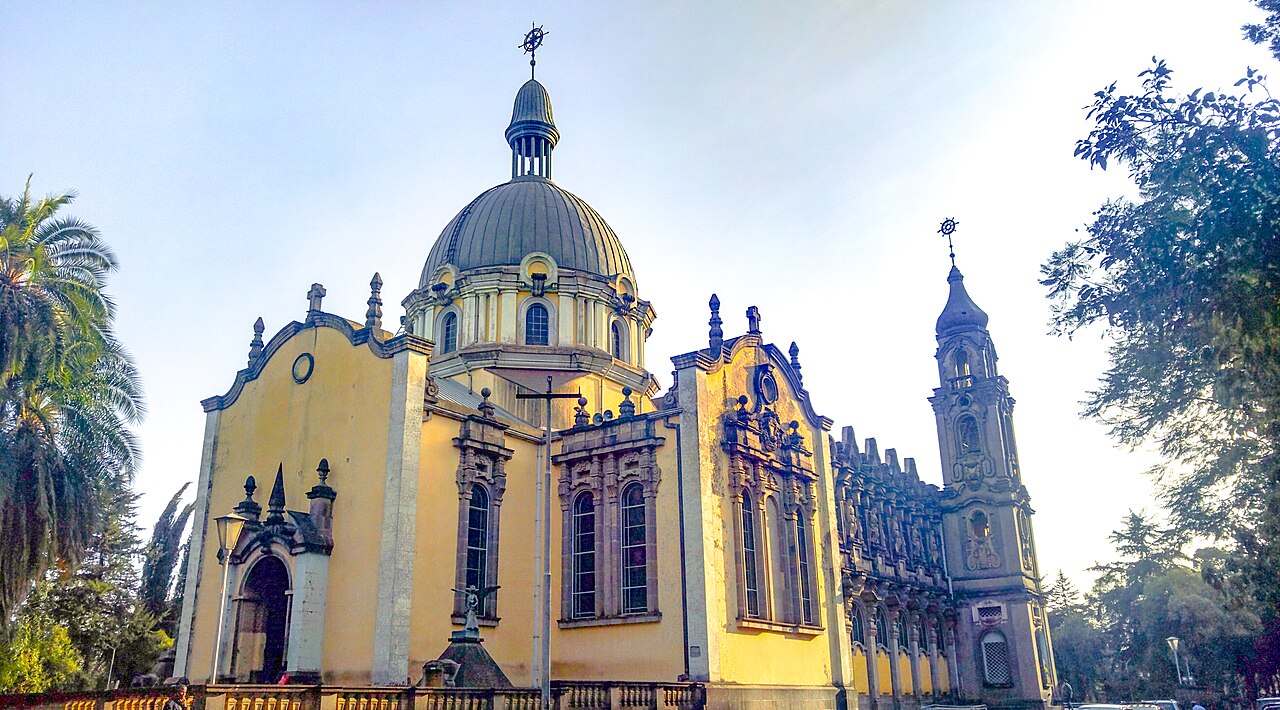
The most important Orthodox cathedral in Addis Ababa. It was begun in 1931, halted during the Italian occupation and completed in 1942, when it became a memorial to the country's liberation. Emperor Haile Selassie and Empress Menen are buried inside, and the British campaigner Sylvia Pankhurst is buried in the churchyard.
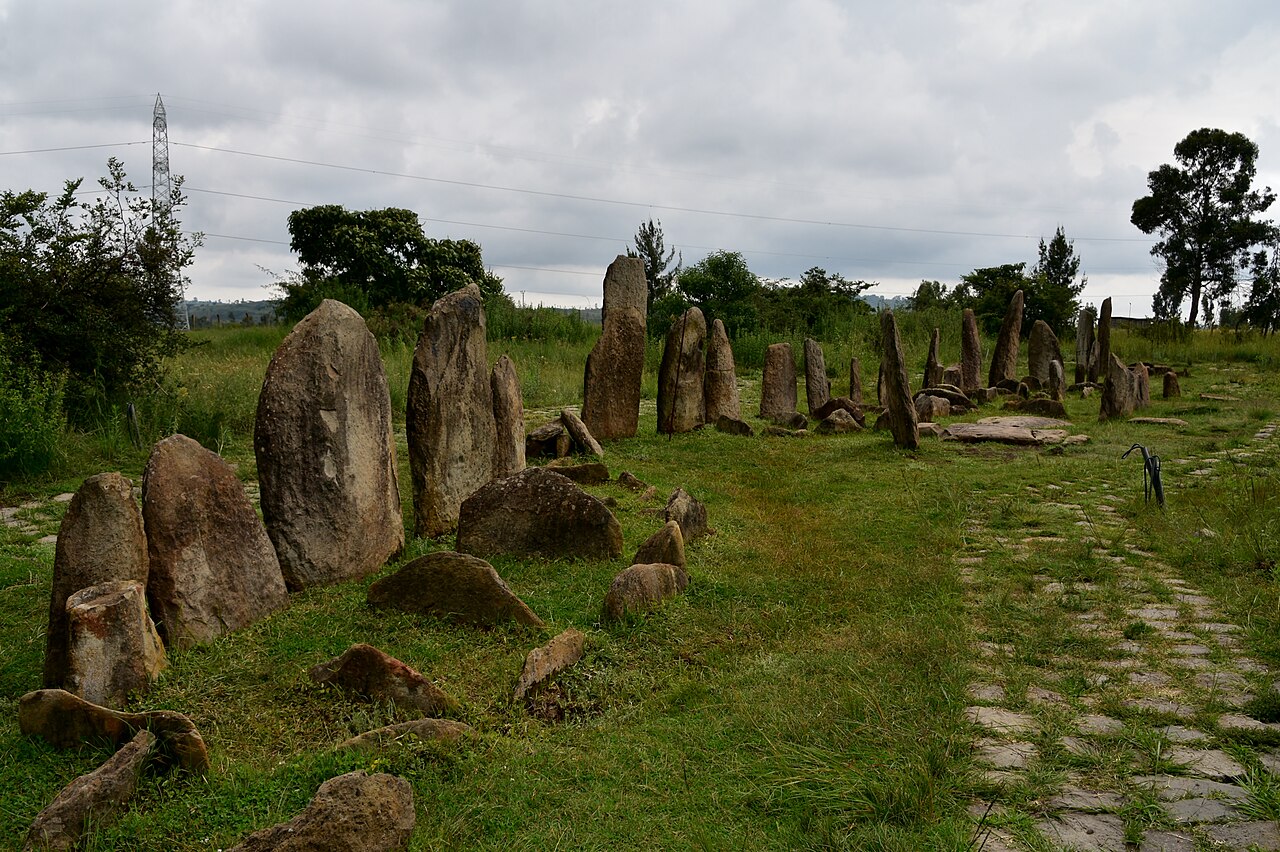
A field of standing stones south of Addis Ababa that probably marks an old burial ground. Many of the stones are carved with mysterious symbols, especially swords. They are thought to date from roughly the 10th to the 15th century.
Ethiopia has its own calendar with 13 months: twelve months of 30 days and a short thirteenth month, Pagume, of 5 or 6 days. It runs 7 or 8 years behind the Western calendar: New Year falls on 11 September (12 September in the year before a Western leap year), and on 11 September 2026 the year 2019 began.
02
Many Ethiopians count the hours from dawn instead of from midnight. 7 in the morning is '1 o'clock' in Ethiopian time, and noon is '6 o'clock', so to change Western clock time into Ethiopian time you take away 6 hours.
03
The Arabica coffee plant grows wild in the forests of southwestern Ethiopia. The story of Kaldi, the goatherd whose goats danced after eating coffee berries, is a legend, not history.
04
Lucy, a skeleton of a human ancestor who lived about 3.2 million years ago, was found in the Afar region in 1974. She was named after the Beatles song 'Lucy in the Sky with Diamonds', which was playing in the camp. In Ethiopia she is called Dinkinesh, 'you are marvellous'.
05
Amharic is written in its own script, called fidel, which grew out of the ancient Ge'ez script. Each letter stands for a whole syllable, and there are some 280 letters in all.
06
At the 1960 Olympic Games in Rome, Abebe Bikila won the marathon running barefoot. He became the first Ethiopian Olympic champion, and in 1964 in Tokyo he became the first person to win the Olympic marathon twice in a row.
07
As of 2026, Ethiopia has 12 places on the UNESCO World Heritage List, from the churches of Lalibela to the Bale Mountains. The Meskel festival of the True Cross (added in 2013) and the Timkat festival of Epiphany (2019) are on UNESCO's list of intangible heritage too.
08
Dallol, in the Danakil Depression, has the highest average yearly temperature ever recorded for a place where people lived: about 35 °C, measured from 1960 to 1966. The land there lies more than 100 m below sea level and is covered in yellow, green and white salt and sulphur.
09
The gelada, a grass-eating monkey with a bright red patch on its chest, lives only in the Ethiopian highlands. The Ethiopian wolf, which also lives only in Ethiopia, is Africa's most endangered carnivore.
10
Ethiopian Airlines was founded in 1945 and made its first flights in 1946. As of 2025 it is Africa's largest airline, and Addis Ababa is one of the continent's busiest hubs for connecting flights.
11
Teff, the grain used for injera, is one of the smallest grains in the world. It is native to the highlands of Ethiopia and Eritrea and is naturally gluten free.
12
The name Abyssinia, once used for Ethiopia in English, comes from Habash, an old name for the people of the northern highlands. The Greek name Aithiopia was used by Homer and Herodotus long before it became the name of this country.
13
In June 1936, in exile after Italy's invasion, Emperor Haile Selassie spoke to the League of Nations in Geneva and asked the world to stand by his country. The speech made him a hero to opponents of fascism around the world; Time magazine had already named him its Man of the Year for 1935.
Written in the Ge'ez script, or fidel, in which each letter is a whole syllable. The Latin spelling comes first, with the Amharic spelling in brackets. Stress is light and fairly even; many words have a sharp 'popping' consonant, shown here as a plain t, k or ch Pronunciation is written the way it sounds; the capital letters show where the stress goes. Audio is coming soon.
Amharic has different forms for speaking to a man, a woman or several people; where it matters, both forms are given. The polite plural form is also used for older people
Tena yistilign (ጤና ይስጥልኝ)
TEH-nah yis-TIL-lin
Hello (polite; literally 'may God give you health for me')
A respectful greeting for older people and anyone you do not know
As of September 2026 fighting has broken out again in parts of northern Ethiopia, including the Tigray, Afar and Amhara regions, where many of the most famous sites lie, and some other areas are also unsafe. Before planning a trip, and again before you travel, read your own government's official travel advice for Ethiopia and follow it.
Ask which clock is meant
Because many Ethiopians count the hours from dawn, '3 o'clock' can mean 9 in the morning. When you book a bus, a tour or a meeting, ask whether the time is in Ethiopian time or in 'foreign' time.
Remember the Ethiopian calendar
Dates on tickets, receipts and official papers may be written in the Ethiopian calendar, which is 7 or 8 years behind the Western one and starts the year on 11 September. If a date looks strange, ask.
Take the altitude slowly
Addis Ababa lies at about 2,355 m and many other towns are just as high. Walk slowly for the first days, drink plenty of water, and remember that the sun is strong even when the air feels cool; evenings can be cold.
Plan around the rains
In the highlands the main rains usually fall from June to September, and the dry season from October to February is the most popular time to visit. The big festivals of Enkutatash and Meskel fall in September, as the rains end.
Visiting churches and mosques
Take off your shoes before entering an Orthodox church or a mosque, and dress modestly with shoulders and knees covered. In Orthodox churches women usually cover their hair and may be asked to use a separate entrance. Always ask before photographing priests, pilgrims or anyone else.
Fasting days are good news for vegetarians
On Wednesdays, Fridays and during the long fasts, many restaurants serve 'yetsom' (fasting) food with no meat, eggs or dairy. Ask for beyaynetu for a colourful platter of vegetable dishes.
Money and water
Ethiopia's currency, the birr, has been allowed to float since 2024, so exchange rates change often; change money at banks or official exchange offices. Carry cash outside the big cities, and drink bottled or treated water.
 Djibouti
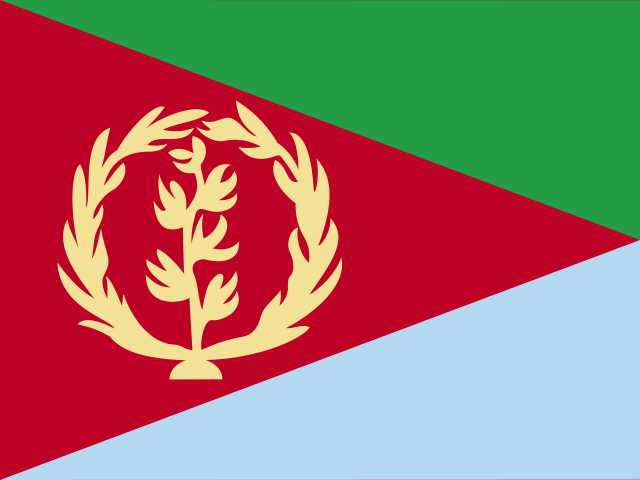 Eritrea
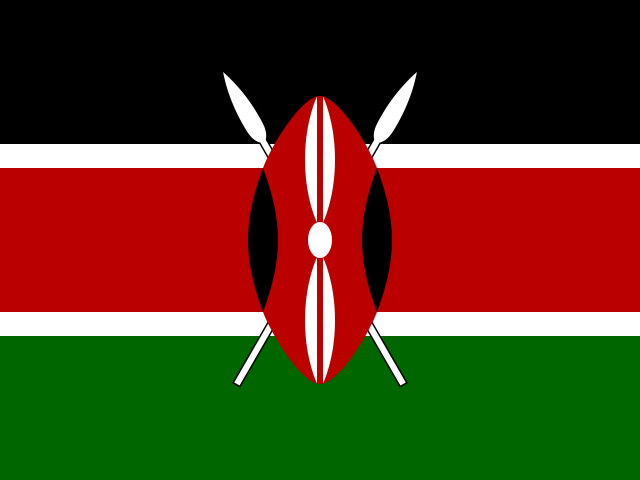 Kenya
Kenya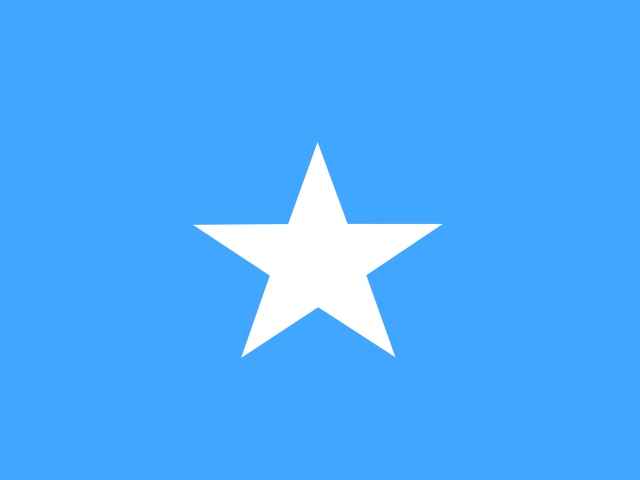 Somalia
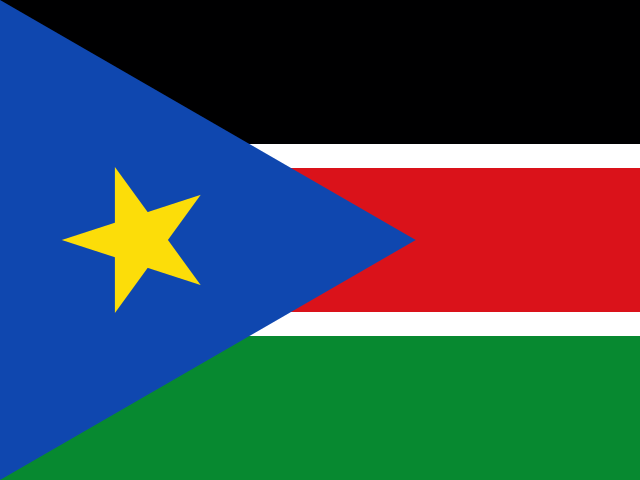 South Sudan
 Sudan
Sudan